



Login
Get Instant Pricing On 23,000+ Aircraft

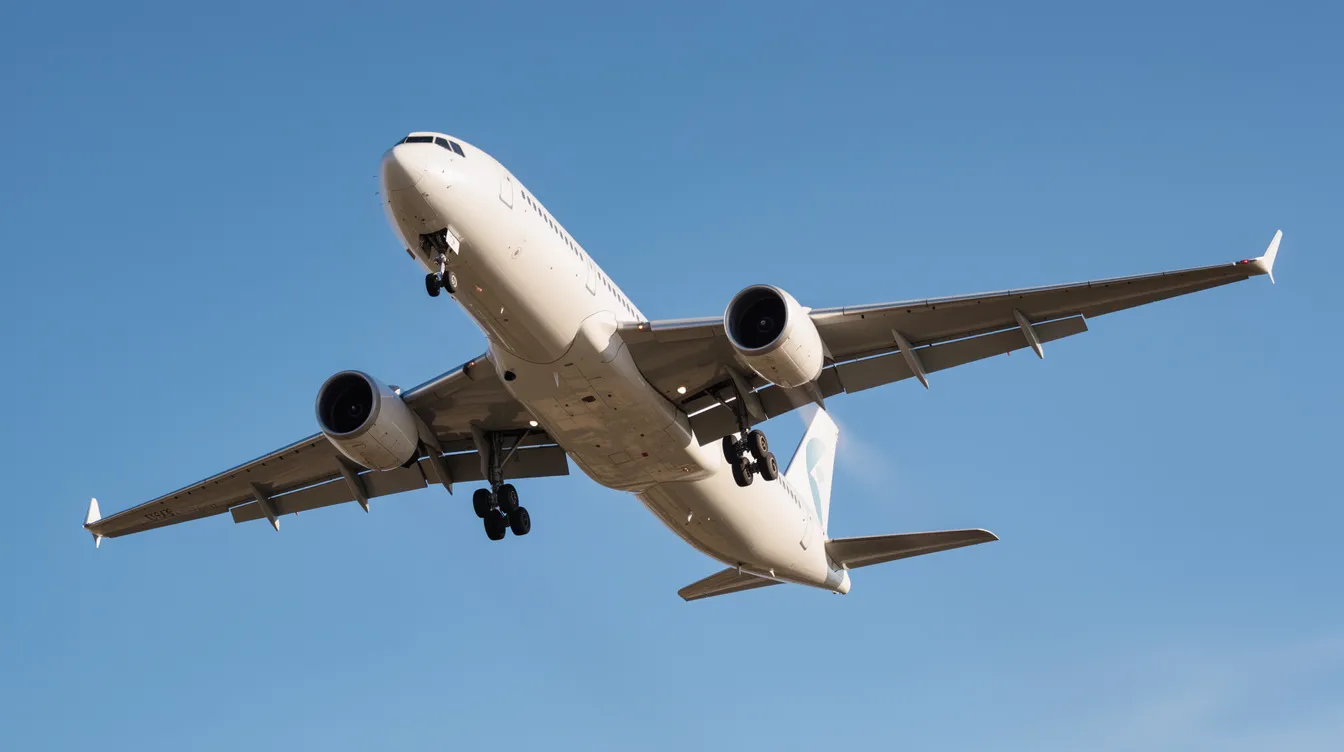
This comprehensive guide explores Boeing's commercial aircraft, business jets, and travel options, helping travelers and aviation enthusiasts make informed choices. From the iconic 737 MAX to the luxurious BBJ variants, Boeing planes cater to various needs, whether for commercial flights or private charters. Understanding the differences in aircraft types and configurations can enhance the travel experience and optimize costs.
Jeff Ryan Serevilla
Oct 31, 2026
|
5
min read


View all
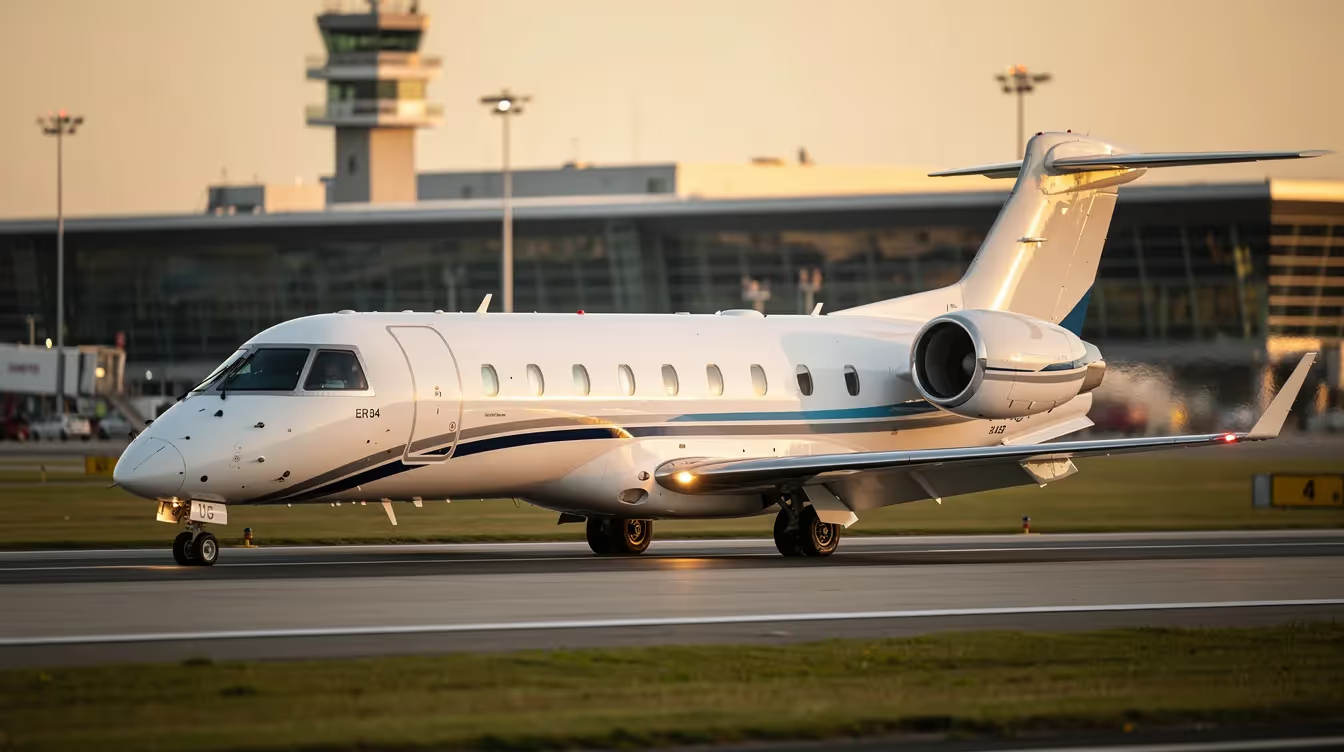
The Embraer RJ145 is a 50-seat regional jet with a 1-2 seating configuration, primarily used for short-haul flights in North America and Europe. Key features include limited overhead bin space, minimal recline, and bulkhead and exit row seats that offer extra legroom but restrict storage options. For group travel, chartering through Jettly provides flexibility in scheduling and seating arrangements, enhancing the overall travel experience. Understanding the seating layout and selecting appropriate seats can significantly improve comfort and convenience for passengers.
Jay Franco Serevilla
Apr 16, 2026
|
5
min read

View all
French Valley Airport (F70) in California serves as a vital general aviation hub for the Southwest Riverside County region, providing convenient access to Southern California's wine country and business areas. With a 6,000-foot runway and a range of on-site amenities, including a full-service fixed-base operator, the airport supports private jet charters and general aviation operations efficiently. It operates 24/7 and offers straightforward ground access, making it an attractive alternative to larger commercial airports. Travelers can leverage platforms like Jettly for seamless booking and transportation coordination, enhancing their private flying experience.
Jay Franco Serevilla
Apr 16, 2026
|
5
min read
View all
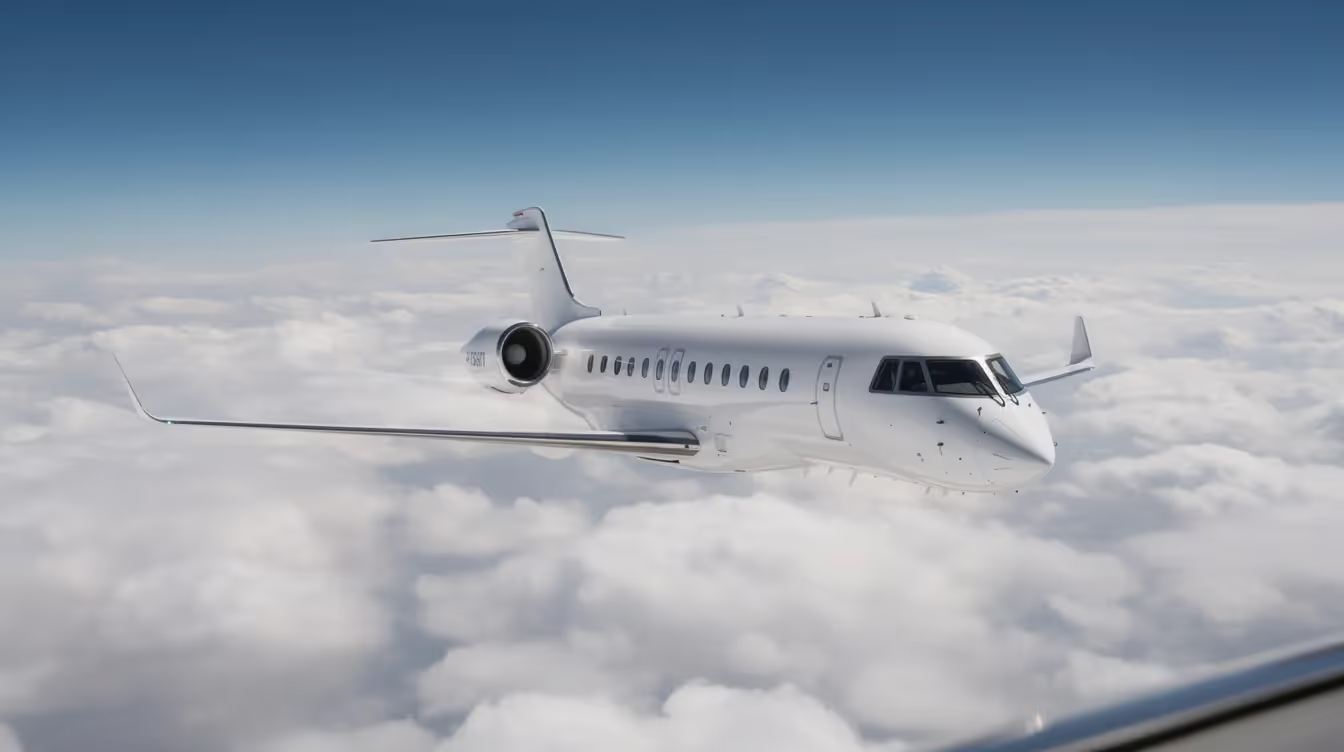
The N823KD, a Bombardier Challenger 604, was involved in a fatal accident on February 9, 2024, near Naples, Florida, due to dual engine failure during landing, resulting in the deaths of both pilots. The National Transportation Safety Board's investigation revealed maintenance deficiencies, including corrosion in the engines and gaps in documentation, which contributed to the incident. This accident has prompted discussions about improving safety practices and aligning maintenance standards for business jets with those of commercial airlines. Jettly offers vetted charter options for travelers, emphasizing the importance of rigorous maintenance and safety protocols in private aviation.
Jay Franco Serevilla
Apr 16, 2026
|
5
min read
View all
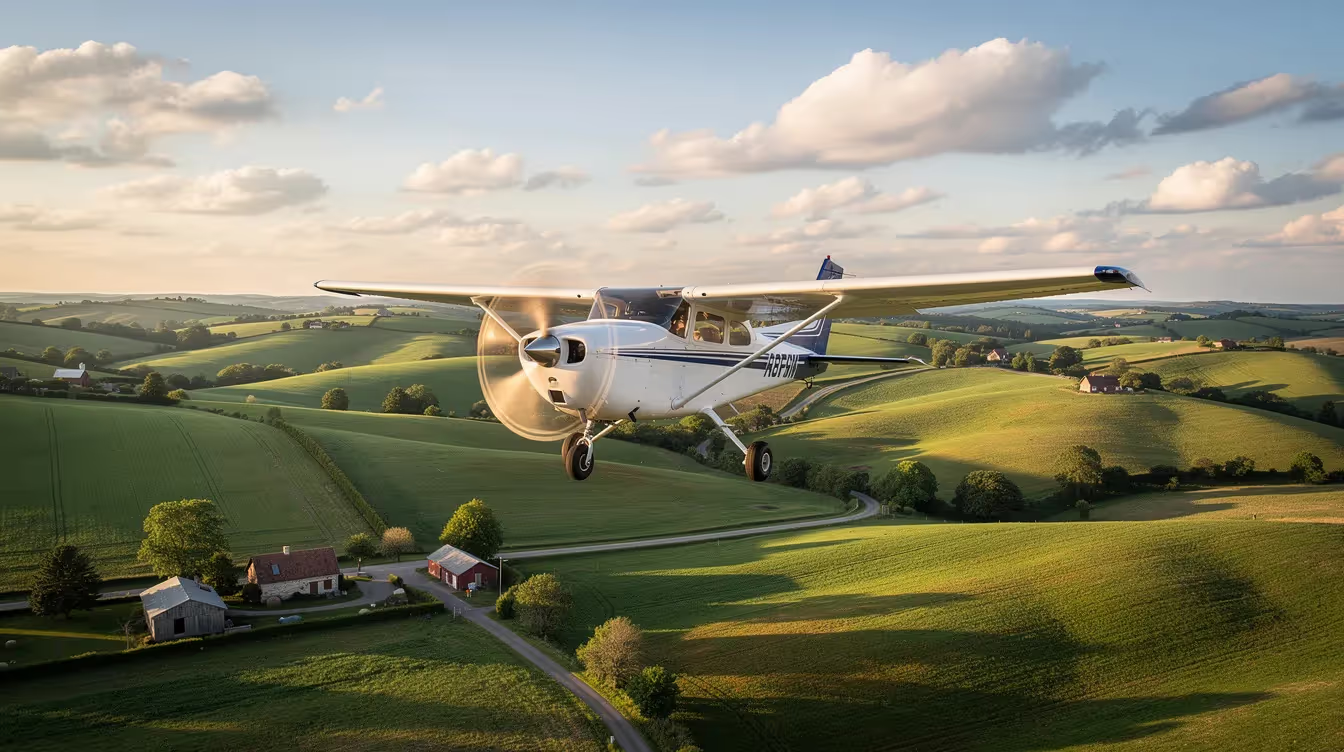
The Cessna 172 Skyhawk, the most-produced airplane in history, has a maximum range of 600-800 nautical miles under ideal conditions, with practical endurance of 4-5 hours. Its range can decrease significantly with increased payload and varying conditions, making careful planning essential for cross-country flights. While the Cessna 172 is excellent for training and regional trips, private jet charter is often preferred for longer distances due to faster speeds and fewer stops. Pilots should consider factors like fuel management, weight, and altitude to optimize range, while recognizing that for time-sensitive travel, charter options may provide significant advantages.
Jay Franco Serevilla
Apr 16, 2026
|
5
min read
View all
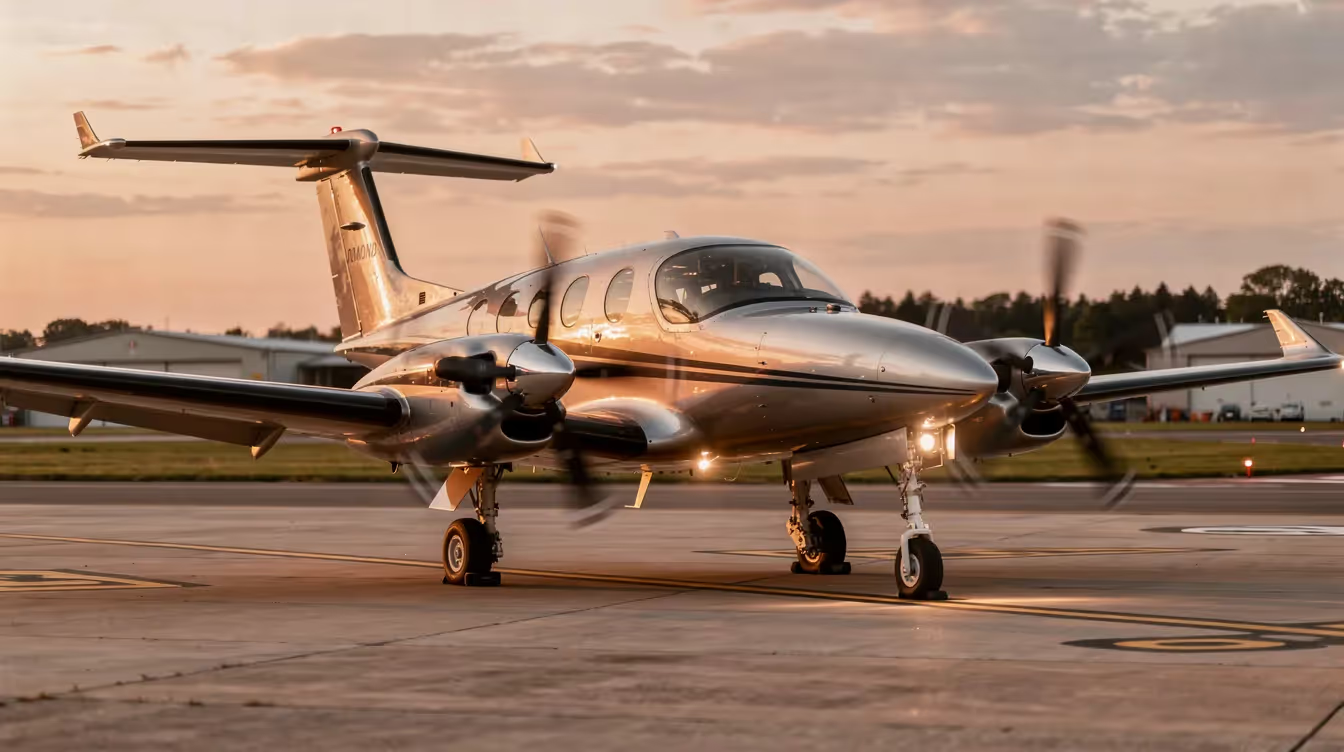
The Diamond DA62 is a modern twin-engine piston aircraft designed for private ownership and charter, offering seven seats and efficient performance since its introduction in 2015. Powered by twin 180 hp diesel engines, it boasts a max cruise speed of 192 KTAS and a range of approximately 1,280 nm, making it ideal for regional trips. Its composite construction enhances safety and comfort, while features like gull-wing doors and a spacious cabin cater to both business and family travelers. The DA62's fuel efficiency and lower operating costs compared to single-engine aircraft and light jets make it a compelling choice for those seeking a reliable and versatile private aviation solution.
Jay Franco Serevilla
Apr 16, 2026
|
5
min read
View all
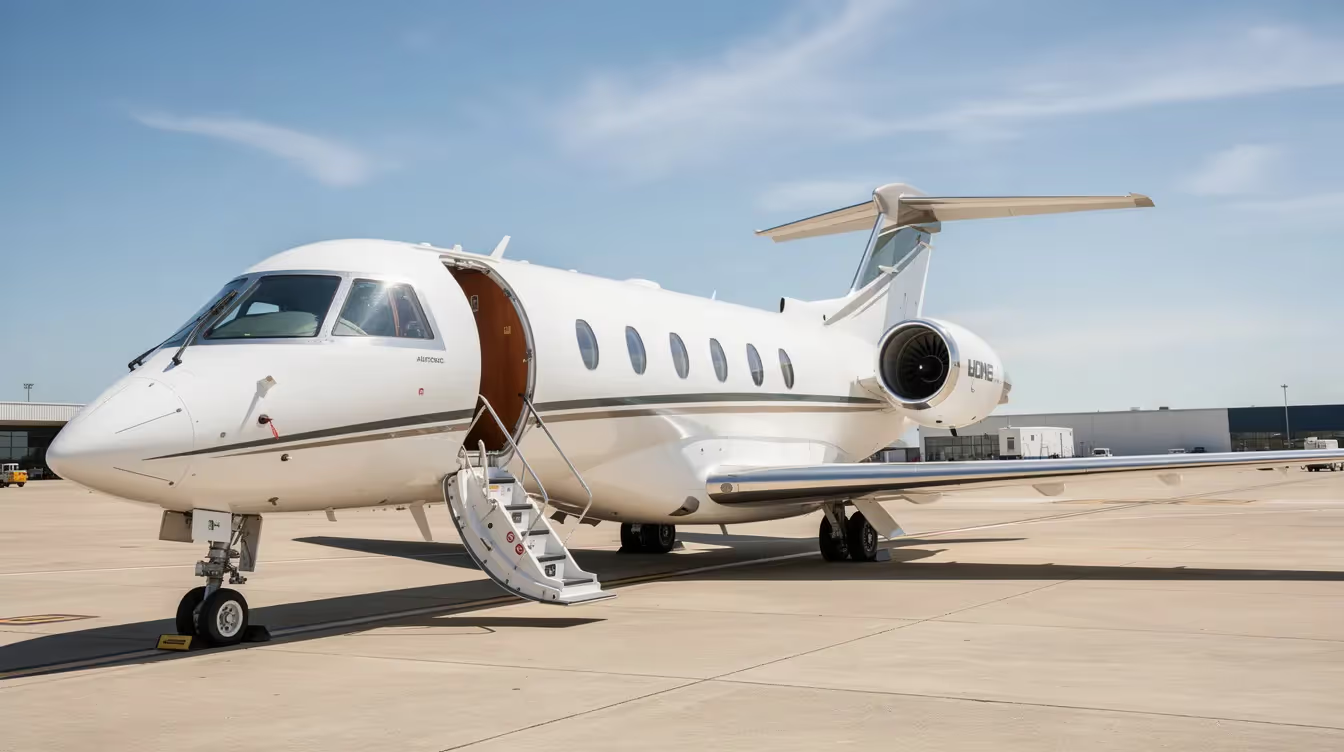
Private aviation presents higher fatality risks compared to commercial airlines, with general aviation accidents averaging 0.84–1.19 fatalities per 100,000 flight hours, while charter flights under FAA Part 135 regulations show significantly better safety metrics at 0.201 fatalities per 100,000 hours. The majority of private aviation accidents stem from pilot error, mechanical failure, and adverse weather, with landing accidents being the most common. Digital platforms like Jettly enhance safety by connecting travelers with vetted operators that adhere to stricter regulatory standards, thereby reducing risks associated with private flying. Overall, when professionally operated, private flights can be as safe as or safer than everyday road travel, especially when using reputable charter services.
Jay Franco Serevilla
Apr 14, 2026
|
5
min read
Explore our latest articles and updates.

5
min read
What Can You Do with a Private Pilot License?
A Private Pilot License (PPL) allows holders to fly single-engine and some multi-engine aircraft for personal and business travel, carry passengers, and operate under Visual Flight Rules (VFR) in good weather. While pilots cannot fly for compensation, they can share operating expenses with passengers and enjoy various flying experiences, including scenic flights, cross-country trips, and volunteer missions. The PPL serves as a foundation for further aviation training, such as obtaining an instrument rating or a commercial pilot license. Additionally, many pilots complement their flying with private jet charters for longer or more complex trips, enhancing their travel flexibility.
Read More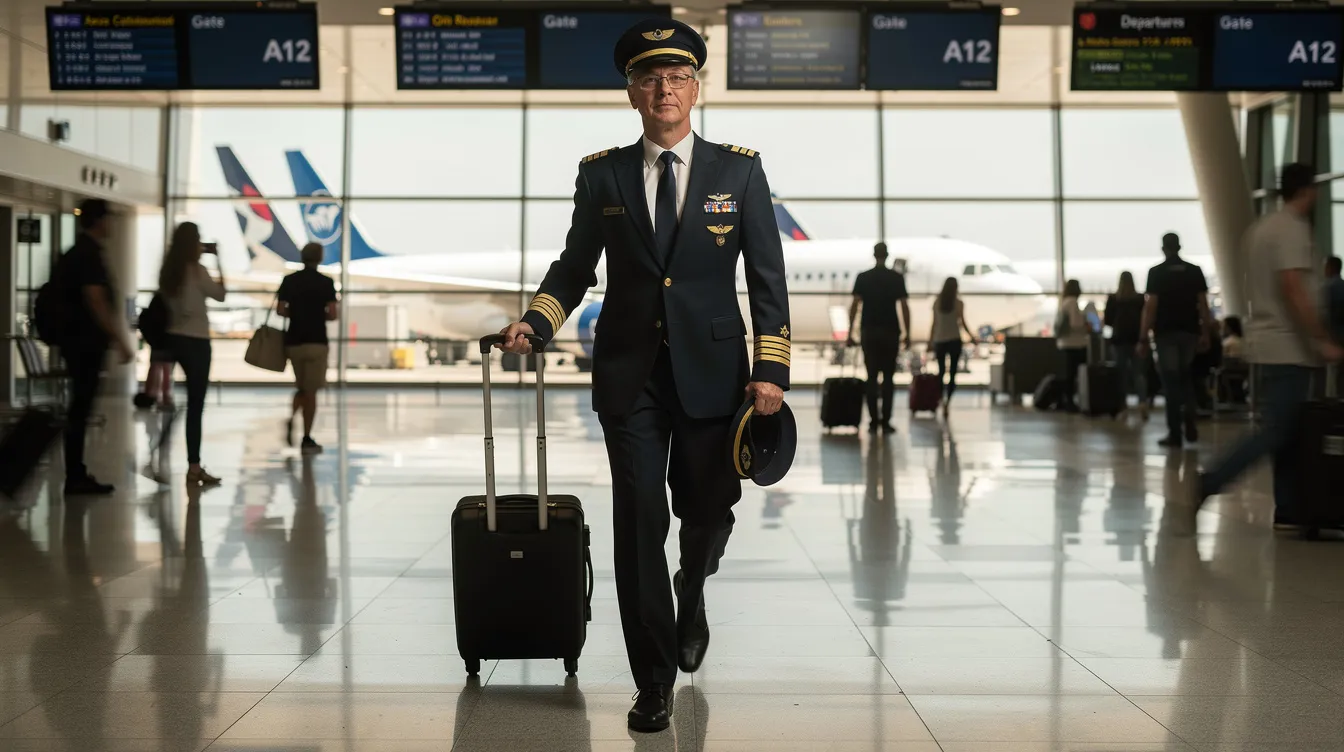
5
min read
Deadhead Pilot: What It Means, How It Works, and Why Airlines Use It
In aviation, a "deadhead pilot" refers to a crew member traveling as a passenger to reposition for a work assignment, a practice that applies to both pilots and flight attendants. Deadheading is a paid duty status, distinct from unpaid commuting, and is essential for maintaining operational coverage after disruptions or irregular schedules. Airlines may utilize deadheading on their own flights or through agreements with other carriers, while private aviation platforms like Jettly optimize similar repositioning flights to enhance cost efficiency for travelers. Understanding deadheading is crucial for appreciating the complexities of crew scheduling and the benefits of flexible private air travel.
Read MoreJoin our community and receive the latest blog updates directly in your inbox.
MEMBERSHIPS AND ASSOCIATIONS



Disclaimer: Jettly operates as a charter broker, offering access to a global digital jet charter marketplace. Jettly is not a direct air carrier and does not own or operate aircraft. All advertised flights are conducted by third-party air carriers that are fully licensed and hold the appropriate Part 135 or Part 121 certifications issued by the Federal Aviation Administration (FAA) or equivalent regulatory authorities under U.S. or foreign law. Jettly complies fully with the U.S. Department of Transportation's Part 295 and Part 298 Charter Broker regulations. Jettly does not carry additional liability insurance. Passengers are covered by aircraft operator insurance. TICO: 50023770


