



Login
Get Instant Pricing On 23,000+ Aircraft

>
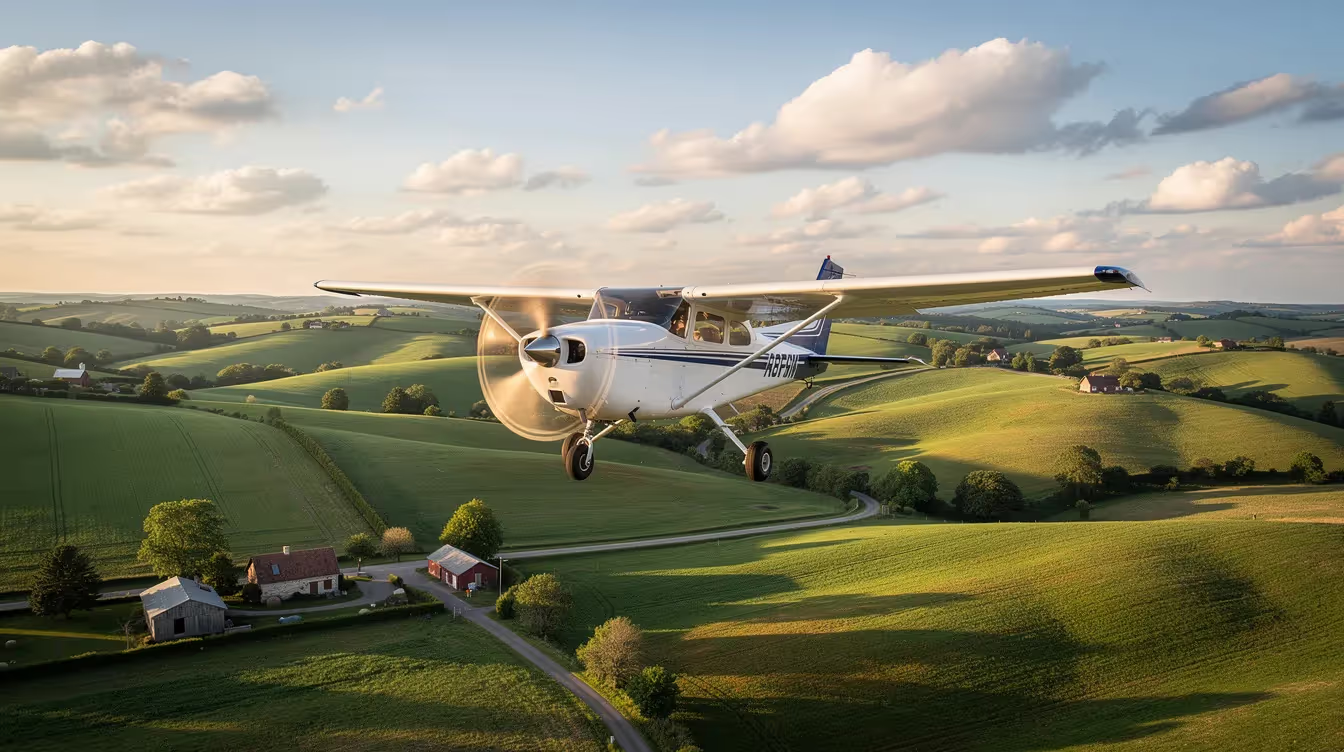
The Cessna 172 Skyhawk has earned its place as the most-produced airplane in history and is widely recognized as a popular aircraft in general aviation and pilot training. Introduced in the 1950s, the Cessna 172 quickly became a staple in flight schools and private aviation, with ongoing development enhancing its reliability and versatility. Understanding its capabilities starts with knowing how far it can fly on a single tank of fuel. Whether you’re a student pilot planning your first cross-country or a traveler weighing your options, the range of Cessna 172 aircraft is a fundamental specification that shapes every flight plan.
Maximum range: 600–800 NM under ideal conditions
Practical endurance: 4–5 hours, 8–10 GPH fuel burn
Range varies with payload, wind, altitude, and pilot technique
Modern 172S models can handle regional routes (e.g., LA to SF) in a single leg; longer trips (e.g., NY to Chicago) require a fuel stop
Cessna 172 is a cornerstone of flight training and personal aviation, but private jet charter is preferred for longer or faster trips
The article covers a range of numbers, real-world examples, and tips for maximizing distance
The range of a Cessna 172 refers to the maximum distance the aircraft can travel on a full fuel load under specified conditions. For later-model 172S Skyhawks, this figure typically falls between 600 and 800 nautical miles, with official Textron Aviation specifications listing a maximum range of 660 nautical miles (760 miles or 1,225 km) with one passenger and a pilot. When fully loaded with four occupants, the range decreases to about 440 nautical miles (506 miles or 815 km).
The Cessna 172 has a maximum takeoff weight (MTOW) of 2,450 lbs (1,111 kg) and is powered by a four-cylinder Lycoming IO-360 engine that generates 160 horsepower (120 kW). Performance varies among different Cessna 172 models due to differences in engine horsepower and fuel tank capacities.
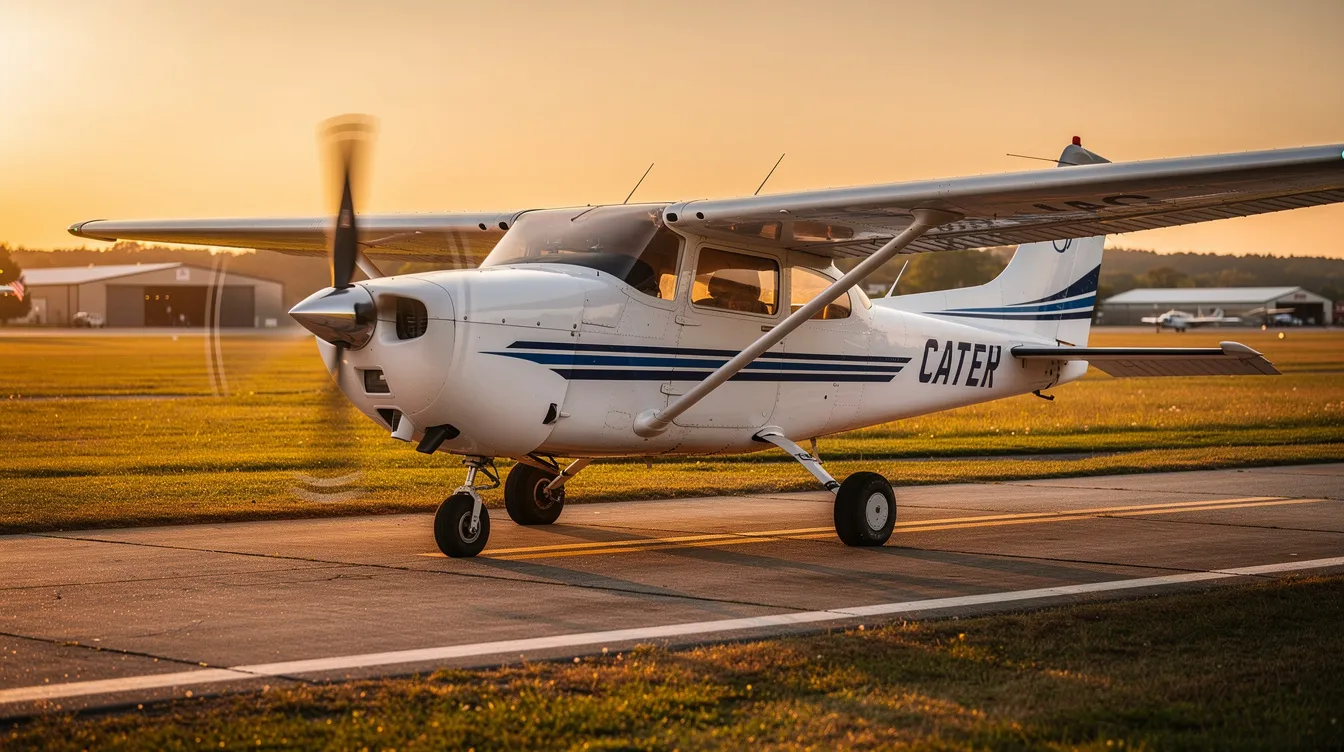
At an economy cruise, pilots can expect endurance of roughly 4–5 hours, burning approximately 8–10 gallons per hour while achieving a cruise speed of 110–125 knots true airspeed. Flying at lower power settings, such as 45% to 55%, at higher altitudes can significantly improve fuel efficiency and extend the range of a Cessna 172. Higher altitudes generally offer better fuel efficiency due to thinner air, which reduces drag and improves true airspeed for the same fuel flow.
The Embry-Riddle Aeronautical University fleet, for example, documents a practical range of 515 NM at 75% power with 4.2 hours endurance using 52 gallons of usable fuel. These figures assume still-air conditions, properly leaned mixtures at 8,000–12,000 feet, and regulatory reserves already subtracted. For standard flight planning, a 30 to 45-minute fuel reserve is typically included, which effectively reduces the usable range. Pilots should never plan to use every drop in the tanks, and smart planning starts with identifying suitable departure and destination airfields using an airport locator and route planning tool.
Compared to other general aviation aircraft, the Cessna 172’s range exceeds most two-seat trainers like the Cessna 152 (around 400 NM) but falls short of turboprops and light jets that routinely cover 1,000+ NM nonstop, prompting some pilots to evaluate the best cross-country aircraft for longer missions.
The Cessna 172 Skyhawk airplane took its first flight in the mid-1950s, and Cessna produced over 44,000–45,000 units through 2026, making it the most-produced airplane in aviation history. Production today continues with modern variants featuring updated avionics and refined performance.
Core design features define its mission profile:
Four-seat configuration with a spacious cabin suitable for pilot, instructor, and two additional occupants
Single piston engine (Lycoming IO-360-L2A producing 160 horsepower on current models)
High-wing design provides great visibility and stability
The Cessna 172 Skyhawk features a high-wing design that provides excellent visibility and stability, making it a preferred choice for both training and personal use.
Tricycle landing gear in a fixed configuration for simplistic flight characteristics and easy access to the cabin
The airplane serves primarily as a training aircraft for flight schools and universities worldwide. Its high-wing design and lenient stall characteristics make it forgiving for students learning basic maneuvers. Students benefit from the Cessna 172's forgiving characteristics, which help them build confidence and skills during flight training, and many later explore affordable airplane rental options for personal flying. The slow landing speed and predictable ground roll further cement its reputation as the ultimate training aircraft.
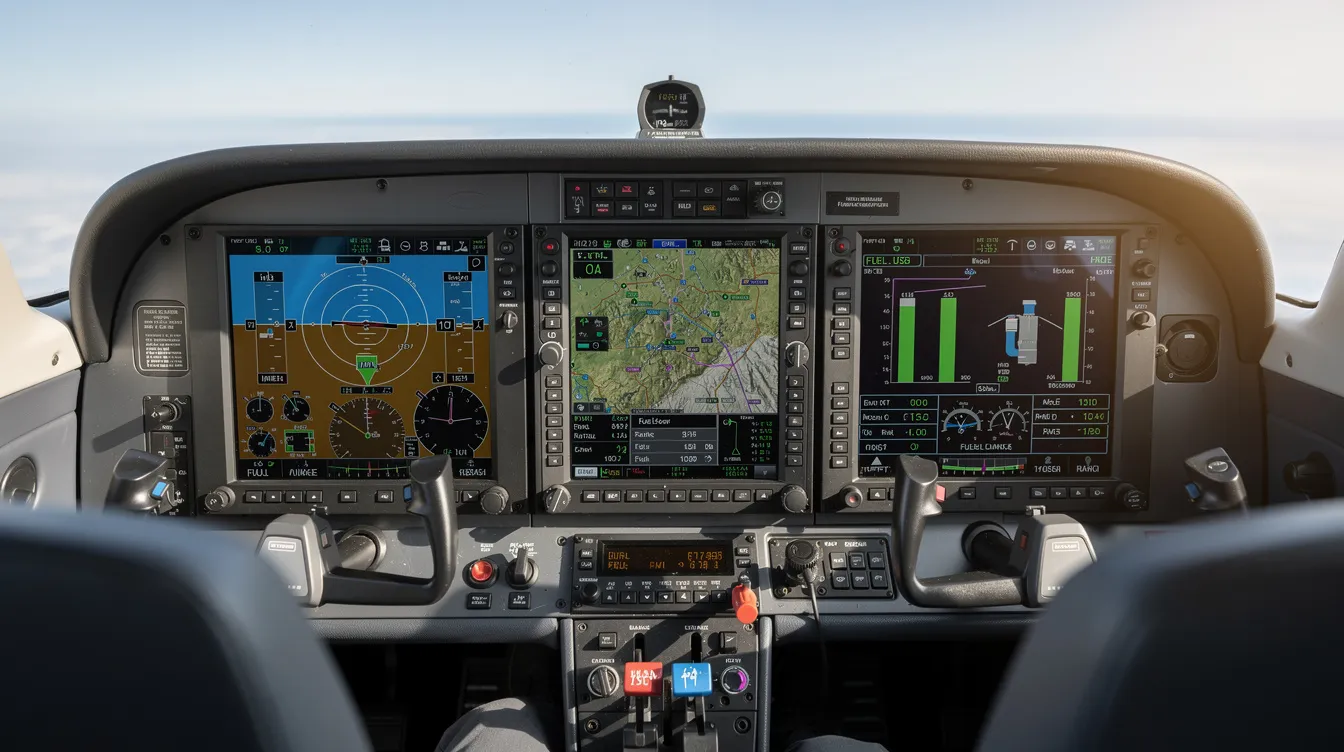
Many institutions equip their fleet with sophisticated glass cockpit outfitted configurations, typically featuring the Garmin G1000 avionics package or the newer G1000 NXi. This integrated avionics package provides real-time fuel flow monitoring, range rings, and wind-corrected ground speed—tools that help pilots manage range with precision.
The airplane’s stability and predictable fuel consumption make range planning more straightforward than in higher-performance types with variable-pitch propellers or retractable gear.
Understanding fuel capacity is essential for accurate range calculations. Configuration varies by model:
|
Configuration |
Total Capacity |
Usable Fuel |
Typical Models |
|---|---|---|---|
|
Standard tanks |
40 gallons |
~38 gallons |
Older 172M/N |
|
Long-range tanks |
56 gallons |
53 gallons |
172R, 172S |
|
Older Cessna 172 models may have smaller fuel tanks, typically around 40 gallons, resulting in a reduced range of approximately 440 to 500 nautical miles. The difference between total and usable fuel accounts for unusable fuel trapped in lines and tank headers—never plan on accessing those last few gallons. |
|||
Fuel burn rates depend on power settings:
75% power: 9–10 GPH, ~124 knots
Economy cruise: 8–9 GPH at higher altitudes
Climb phase: 12–15 GPH (rich mixture)
Worked example: A 2024 Cessna 172S at 8,000 feet, leaned for economy cruise at 9 GPH with 53 gallons usable, yields theoretical endurance of approximately 5.8 hours. After subtracting 30 to 45 minutes for VFR reserves and accounting for climb fuel (approximately 8 gallons), practical planning endurance drops to roughly 4.5 hours.
If the same pilot chooses 75% power for faster cruise (10.5 GPH), endurance shortens to about 4 hours with reduced range—a direct trade-off between speed and distance.
Digital avionics like the Garmin G1000 display fuel remaining, fuel flow, and projected “fuel to destination” based on current ground speed. These tools are invaluable, but conservative manual calculations remain essential for preflight planning.
Published range varies across the Cessna 172’s long production history. Here are ballpark figures for major variants, assuming standard tanks, no wind, and standard atmosphere conditions:
172M and 172N variants
Approximately 440–500 NM under ideal conditions
Powered by six-cylinder, air-cooled engines and less powerful configurations
Long-range 56-gallon tanks became standard
Range improved to approximately 600–700 NM
Fixed-pitch propeller maintained simplicity
Current production model, a new aircraft featuring advanced avionics and improved performance (180 hp IO-360-L2A)
Range quoted at 600–800 NM, depending on power settings and reserves
Sophisticated glass cockpit outfitted with Garmin G1000 NXi
The Cessna 172 Skyhawk has an operational range of approximately 660 nautical miles with one passenger and a pilot, and for a four-person flight at maximum capacity, the range is reduced to about 440 nautical miles.
172RG Cutlass (retractable gear): Slightly higher range near 700 NM due to reduced drag
Floatplane or tundra-tire conversions: 20–30% range reduction (400–500 NM) due to added weight and drag
Aftermarket long-range tank STCs: Some exceed 800 NM at minimal payload
The short-lived diesel-powered Skyhawk JT-A promised 885 NM range on Jet-A fuel—a 38% improvement—but certification delays led to program cancellation before widespread adoption.
Book range figures rarely match reality. Real flights involve variables that push actual range above or below published specifications.
The useful load on a typical 172S sits around 878–900 lb, depending on equipment. Full long-range tanks (53 gallons) weigh approximately 318 lb. Add a pilot at 170 lb, and roughly 390 lb remains for passengers and baggage.
Four 170-lb adults (680 lb) plus 100 lb of bags forces fuel reduction of about 10 gallons, cutting range 15–20% due to higher angle-of-attack drag and slower climb to efficient altitudes. Always verify maximum takeoff weight limits before departure.
The Cessna 172 has undergone numerous design modifications since its introduction in 1955, including a lowered rear deck for improved visibility, known as 'Omni-Vision', which was first introduced in the 1963 model, while higher-performance cabin-class twins like the Cessna 340 extend range and speed for business travelers.
20–30 knot headwinds reduce 115 KTAS to 85–95 knots ground speed, cutting effective range
Tailwinds, conversely, extend the effective range significantly
Flying at 8,000–11,000 feet in smooth, cool air improves specific fuel consumption by 10–15% compared to low-altitude, rich-of-peak operations
The service ceiling of 13,500–14,000 feet allows flexibility in selecting favorable altitudes
Flying at lower power settings, such as 45% to 55%, at these higher altitudes can significantly improve fuel efficiency and extend range
Range optimization depends on proper leaning (targeting peak EGT then 50°F lean of peak), avoiding unnecessary step climbs, maintaining clean airframe configuration, and conservative fuel monitoring. Small technique differences can save 1–2 GPH. Students learn essential fuel management and flight planning skills in the Cessna 172, making it a foundational aircraft for pilot training.
Practical cross-country planning differs from theoretical maximums. Here’s how the Cessna 172’s range applies to actual routes:
Single-leg flight in a 172S with comfortable reserves
Approximately 2.5 hours at 115 knots ground speed
Fuel burn around 25 gallons, landing with 2+ hours reserve
Standard training cross-country distance
Requires at least one fuel stop
Typical planning: two legs of 300–350 NM each (e.g., via Cleveland)
Total flight time: 6–7 hours over the course of a full day
Wind patterns can significantly affect leg planning, and some travelers instead opt for nonstop private jet charter services from major hubs like Atlanta to save time
Single-hop VFR or IFR flight feasible
Under 3 hours with an adequate reserve margin, though comparable distances are often flown via private jet charter from cities such as Kolkata for added comfort
Similar profile to LA–San Francisco
Requires 4–7 legs of 300–400 NM each, which leads some travelers to weigh shared charter flights versus booking a full private charter for greater efficiency
Sample routing: LA → Phoenix → Denver → Omaha → Chicago → Detroit → NYC
Total flight time: 20–25 hours plus stops
Realistically spans 2–3 days, accounting for fatigue rules and weather
Most experienced pilots cap individual legs at 350–450 NM to allow for rest breaks, weather deviations, and comfortable fuel margins. Stretching to maximum range invites unnecessary risk.
Getting the best range from a Cessna 172 requires attention to several controllable factors:
Lean mixture correctly at cruise altitude using EGT gauges
Select economy power settings (45–55% recommended for max range) from the Pilot’s Operating Handbook
Avoid prolonged full-rich operations above 3,000 feet
Carry only the necessary baggage
Consider partial fuel loads when the payload is high, planning fuel stops accordingly
Remember that basic empty weight varies between equipped models
Check winds aloft forecasts before departure
Select altitudes with favorable tailwinds when possible
Use digital tools and ADS-B weather displays for in-flight adjustments
Plan VFR reserves of at least 30 to 45 minutes
Many instructors recommend landing with 1 hour of fuel remaining whenever practical
Never stretch fuel to match published maximum range
File conservative alternatives when the weather is uncertain
These practices apply equally to student pilots building cross-country experience and seasoned pilots flying the popular single-engine aircraft for personal travel.
The Cessna 172’s 600–800 NM ideal maximum range and 110–125 knot cruise speed make it excellent for training and regional trips. However, business travelers covering 1,000+ NM in a single day face practical limitations.
Jettly operates a digital private aviation platform connecting travelers to over 20,000 aircraft globally, including structured jet card programs with fixed hourly rates. The fleet includes:
|
Aircraft Category |
Typical Range |
Cruise Speed |
Example |
|---|---|---|---|
|
Light Jets |
1,000–1,500 NM |
400+ KTAS |
Phenom 100 with jet card-based cost estimates |
|
Midsize Jets |
2,000–2,500 NM |
450+ KTAS |
Citation XLS and comparable types to the Boeing 737-800 for regional missions |
|
Heavy/Long-Range Jets |
4,000–6,000+ NM |
500+ KTAS |
Gulfstream G650 and regional-class jets like the Canadair CRJ-200 |
Routes requiring multiple stops and most of a day in a Cessna 172 can often fly nonstop in a few hours via charter when you tap into a broad private charter aircraft network. New York to Miami (approximately 950 NM) requires 2–3 stops and 10+ hours in a 172 versus 2.5 hours nonstop in a light jet. Key benefits of charter for longer trips, especially when you understand how private jet charter pricing is structured:
Jets cruise three to four times faster than piston singles, and tools like a private jet charter cost estimator make it easy to see the time and cost trade-offs for longer routes
Direct routing between smaller FBOs closer to destinations, with private jet membership programs offering wholesale rates and added flexibility
Instant booking and transparent pricing through Jettly’s platform
Carbon offset options for environmentally conscious travelers, plus the ability to crowdsource flights and share empty seats on private charters to reduce both cost and environmental impact
The Cessna 172 remains outstanding for its intended mission—but travelers prioritizing time savings on longer legs should explore Jettly’s on-demand charter options, especially if they are comparing different private and charter airline providers in the market.
Yes, but it requires careful multi-leg planning. A Los Angeles to New York flight covers approximately 2,100 NM and typically demands 4–7 fuel stops depending on routing, winds, and terrain. Most pilots plan legs of 300–400 NM each, with the journey spanning 2–3 days to avoid fatigue.
Rocky Mountain crossings require climbing to 12,000+ feet, potentially shortening westbound legs. Winter jetstream headwinds can significantly affect eastbound timing. While the aircraft is capable, travelers wanting efficient coast-to-coast transport often find private jet charter through Jettly a faster alternative.
U.S. FAA regulations require a 30-minute reserve for daytime VFR and a 45-minute reserve for night VFR or IFR operations. However, many experienced pilots and instructors recommend landing with at least 1 hour of fuel remaining whenever practical.
This extra margin accounts for unexpected headwinds, ATC holding patterns, weather diversions, or missed approaches. Each gallon of reserve reduces usable range by approximately 10–12 NM, but the safety buffer is worth the trade-off—especially for low-time pilots on longer cross-country flights.
Every additional pound of payload reduces available fuel capacity or increases fuel burn through higher drag. A well-equipped 172S offers approximately 850–900 lb useful load. With full 53-gallon tanks (318 lb), a 170-lb pilot retains roughly 390 lb for passengers and baggage.
Four adults plus bags can quickly approach or exceed limits, forcing reduced fuel loads and shorter legs with more frequent stops. Flying significantly under gross weight improves climb performance and fuel economy. Always calculate weight and balance before flight—never exceed maximum takeoff weight or center-of-gravity limits.
Maximum published range assumes ideal test conditions: standard atmosphere, optimal power settings, perfectly leaned mixtures, controlled loading, and zero wind. Real-world flights rarely match these assumptions.
Headwinds, temperature deviations, routing changes, and ATC instructions typically reduce actual range by 20–40%. Pilots should treat book range as a theoretical ceiling and plan conservatively—many experts recommend using 60–70% of published maximum range for trip planning, ensuring adequate margins for the unexpected.
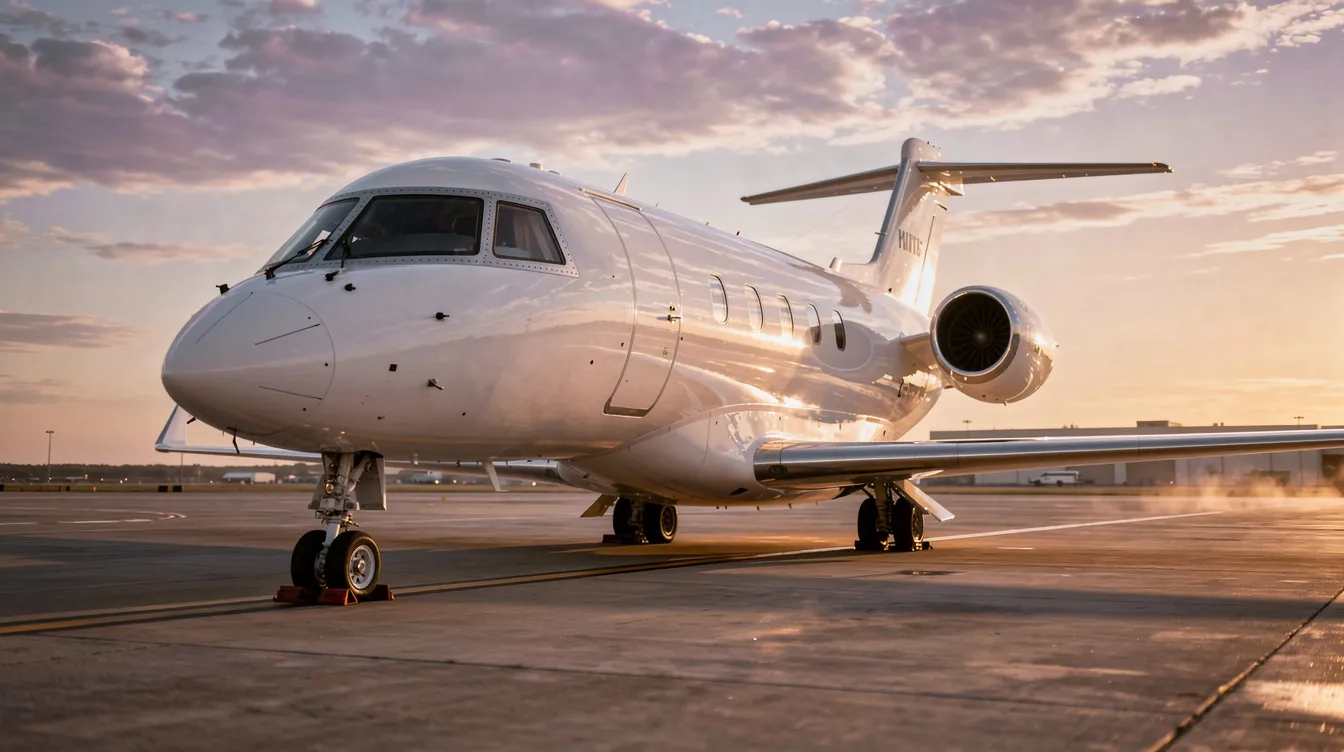
Private jet charter makes sense when trips exceed several hundred nautical miles, time is critical, or same-day returns are required. Jets cruise three to four times faster than a 172 and can fly nonstop on routes that would require multiple fuel stops and potentially overnight stays in a piston single.
Multi-city business itineraries, cross-border travel, or urgent family trips particularly benefit from charter flexibility. Jettly’s platform provides access to over 20,000 aircraft with instant pricing and transparent booking—ideal for travelers whose mission profile exceeds what training aircraft can efficiently deliver and for those seeking a flexible NetJets alternative for private flying. Explore options at https://www.jettly.com, and if you have an aviation audience of your own, consider Jettly’s ULTRA high ticket affiliate program to earn by referring new charter clients.
The range of Cessna 172 aircraft—typically 600–800 NM under ideal conditions—supports everything from student training flights to weekend cross-country adventures. Real-world leg lengths often fall between 300 and 450 NM when accounting for fuel reserves, weather deviations, and pilot comfort.
Successful range planning combines proper fuel management, weight awareness, altitude optimization, and conservative reserve calculations. The aircraft’s simplistic flight characteristics and versatility make these calculations straightforward for pilots at every experience level.
For missions beyond the Skyhawk’s practical envelope—particularly time-sensitive business travel or routes exceeding several hundred nautical miles—private jet charter offers meaningful advantages in speed and convenience.
Ready to explore faster options for your next trip? Request a quote or learn more about Jettly’s charter options at https://www.jettly.com.
The right aircraft for the right mission makes all the difference. Whether you’re building hours in a Cessna 172 or chartering a jet for a cross-country meeting, understanding your aircraft’s capabilities leads to safer, smarter flying.
Share this post:
Jay Franco Serevilla
Apr 16, 2026
|
5
min read
Discover tips and trends in the industry.
5
min read
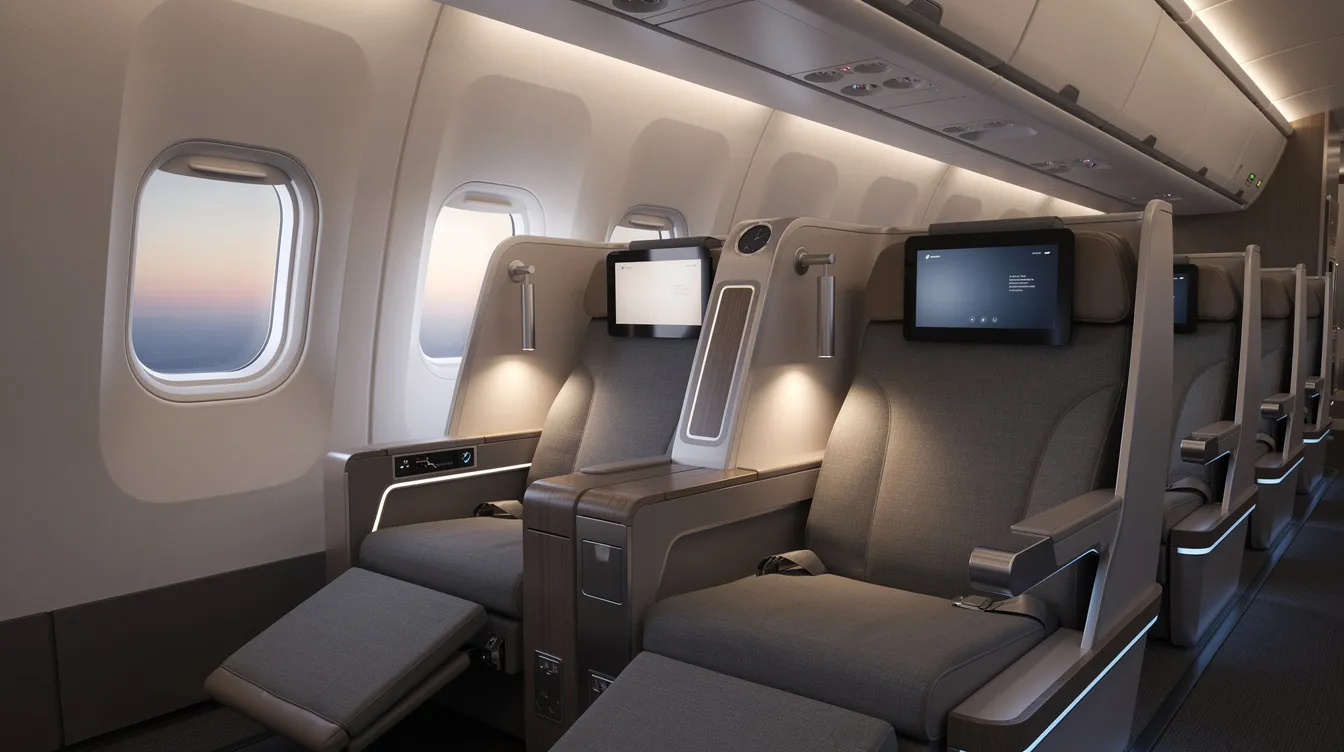
Business Class in Flight: Comfort, Cost, and Private Jet Alternatives with Jettly
Flying business class offers travelers enhanced comfort, priority services, and access to airport lounges, making long-haul flights more enjoyable. However, for those seeking ultimate privacy and flexibility, private jet charters through platforms like Jettly present a compelling alternative. This guide explores the benefits, costs, and comparisons between business class and private jet travel.
Read More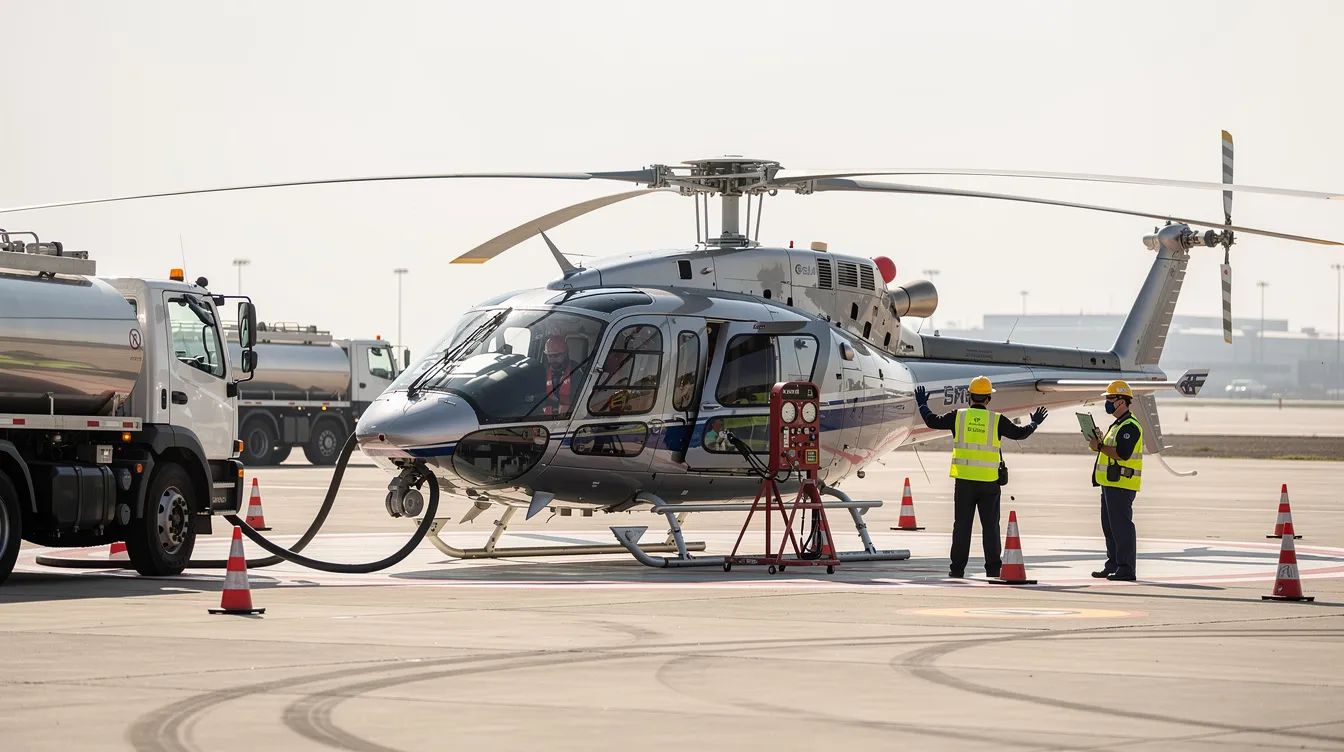
5
min read
Price of Helicopter Fuel: What It Really Costs to Fly
Understanding helicopter fuel prices is essential for charter flight customers, as fuel is the largest variable cost in helicopter operations. This article details current fuel prices, burn rates across various helicopter models, and regional price variations, helping customers make informed decisions. Jettly's transparent pricing model incorporates these factors, ensuring no surprises during booking.
Read MoreStay updated with our latest insights and tips to elevate your journey with us.
MEMBERSHIPS AND ASSOCIATIONS



Disclaimer: Jettly operates as a charter broker, offering access to a global digital jet charter marketplace. Jettly is not a direct air carrier and does not own or operate aircraft. All advertised flights are conducted by third-party air carriers that are fully licensed and hold the appropriate Part 135 or Part 121 certifications issued by the Federal Aviation Administration (FAA) or equivalent regulatory authorities under U.S. or foreign law. Jettly complies fully with the U.S. Department of Transportation's Part 295 and Part 298 Charter Broker regulations. Jettly does not carry additional liability insurance. Passengers are covered by aircraft operator insurance. TICO: 50023770


