



Login
Get Instant Pricing On 23,000+ Aircraft

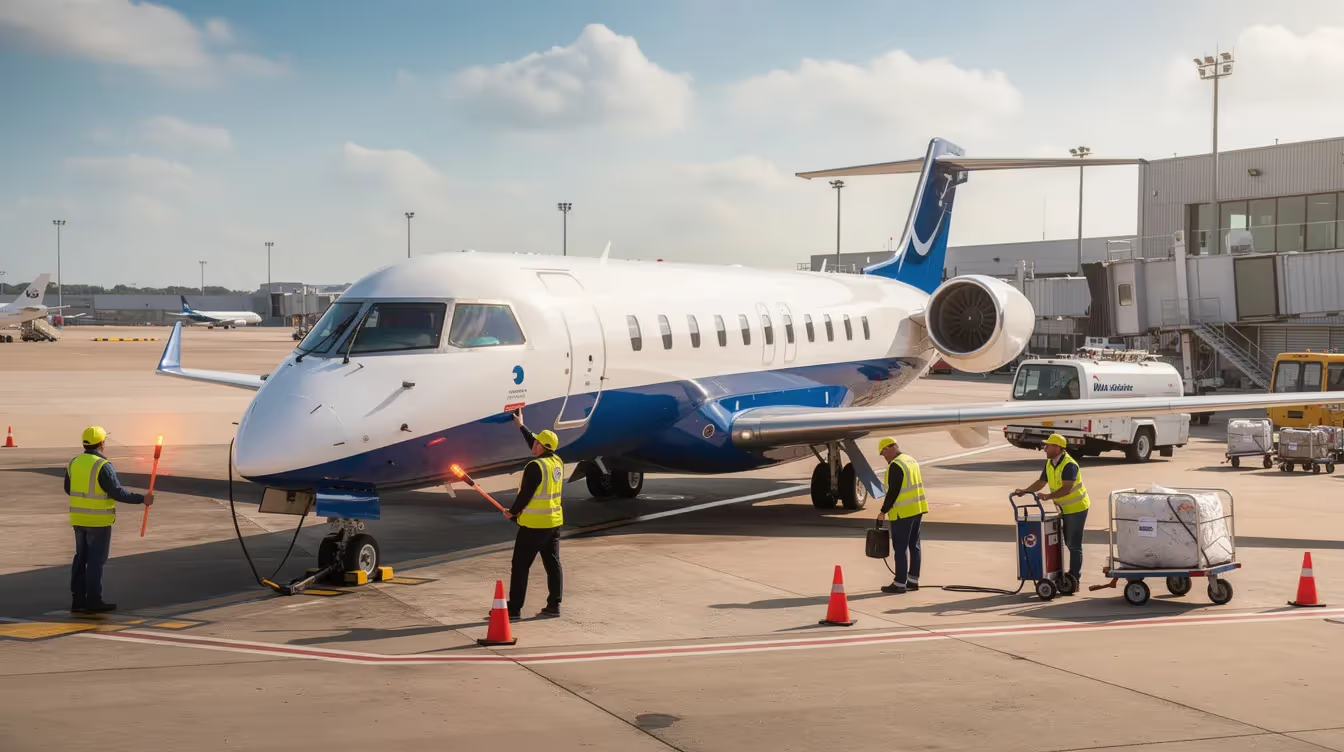
The Embraer ERJ 145 has an excellent safety record, with zero passenger fatalities in scheduled airline operations as of 2026, making it one of the safest regional jets in service. Over its three decades of operation, the aircraft has been involved in approximately 26 reportable incidents, but none resulted in fatalities, highlighting its robust design and safety features. While passengers often express concerns about comfort due to cramped seating and limited amenities, these issues do not reflect the aircraft's safety performance, which meets the same stringent FAA standards as larger jets. For those seeking more control over their travel experience, private charter options are available, offering comparable safety with added flexibility and comfort.
Jay Franco Serevilla
Apr 13, 2026
|
5
min read


View all
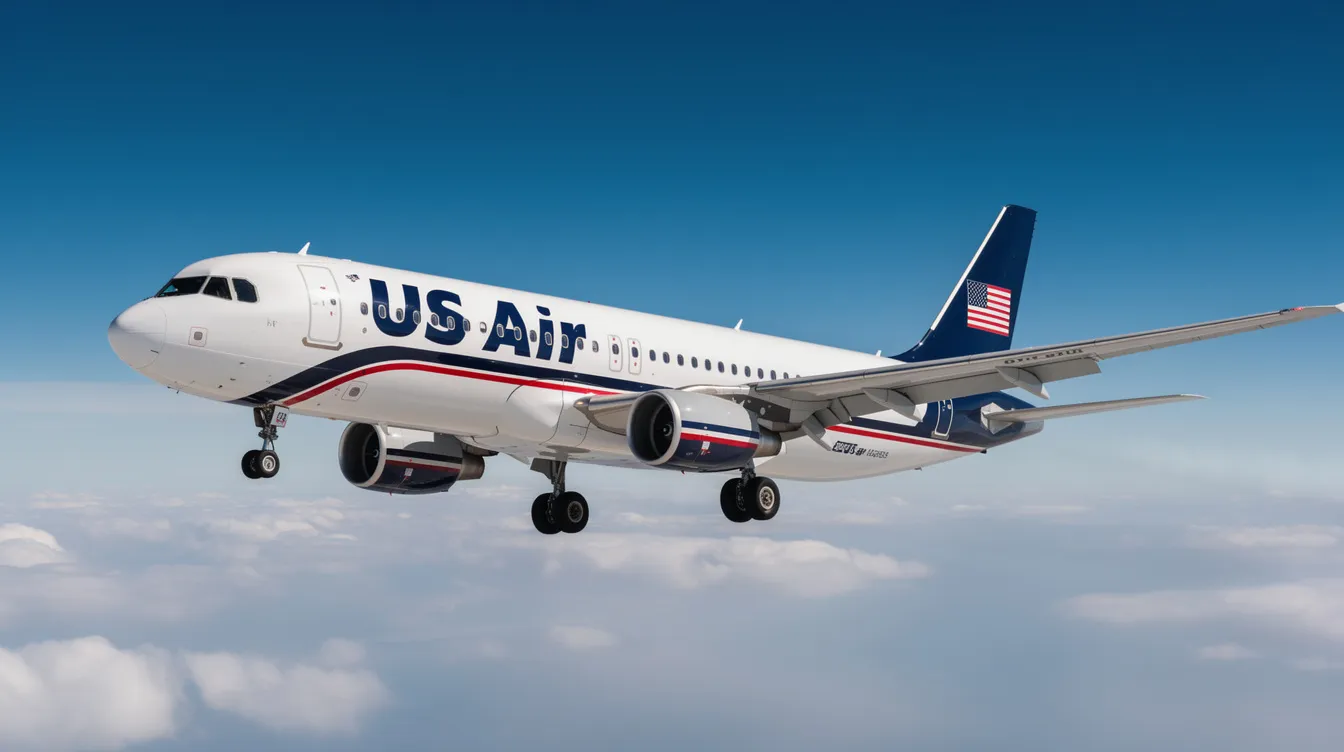
The history of US air disasters highlights both tragedy and the evolution of aviation safety. Major incidents have led to significant regulatory reforms, improving maintenance practices, pilot training, and aircraft design. This article explores key disasters, their causes, and the lessons learned that have shaped modern aviation safety standards.
Jay Franco Serevilla
Nov 8, 2026
|
5
min read

View all
Understanding what happens during a plane crash can alleviate fears about flying. While the odds of experiencing a crash are extremely low, knowing the causes, survival strategies, and the importance of passenger actions can enhance safety. This article provides insights into aviation safety, the factors contributing to crashes, and what passengers can do to prepare.
Jay Franco Serevilla
Nov 6, 2026
|
5
min read
View all
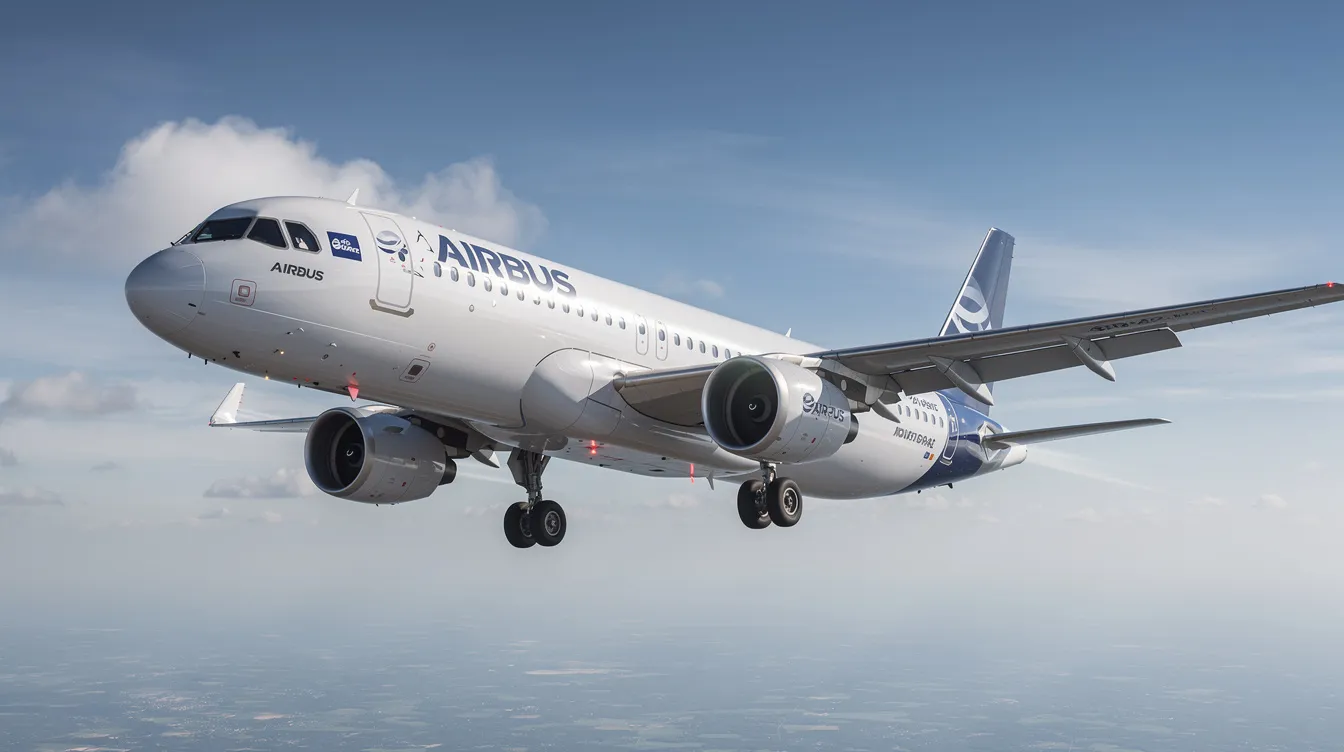
Airbus crashes, though rare, have significant implications for aviation safety. This article reviews major incidents since 2000, highlighting key findings and lessons learned that have shaped safety reforms in the industry. Understanding these events helps travelers make informed choices about air travel and charter services.
Jay Franco Serevilla
Nov 6, 2026
|
5
min read
View all
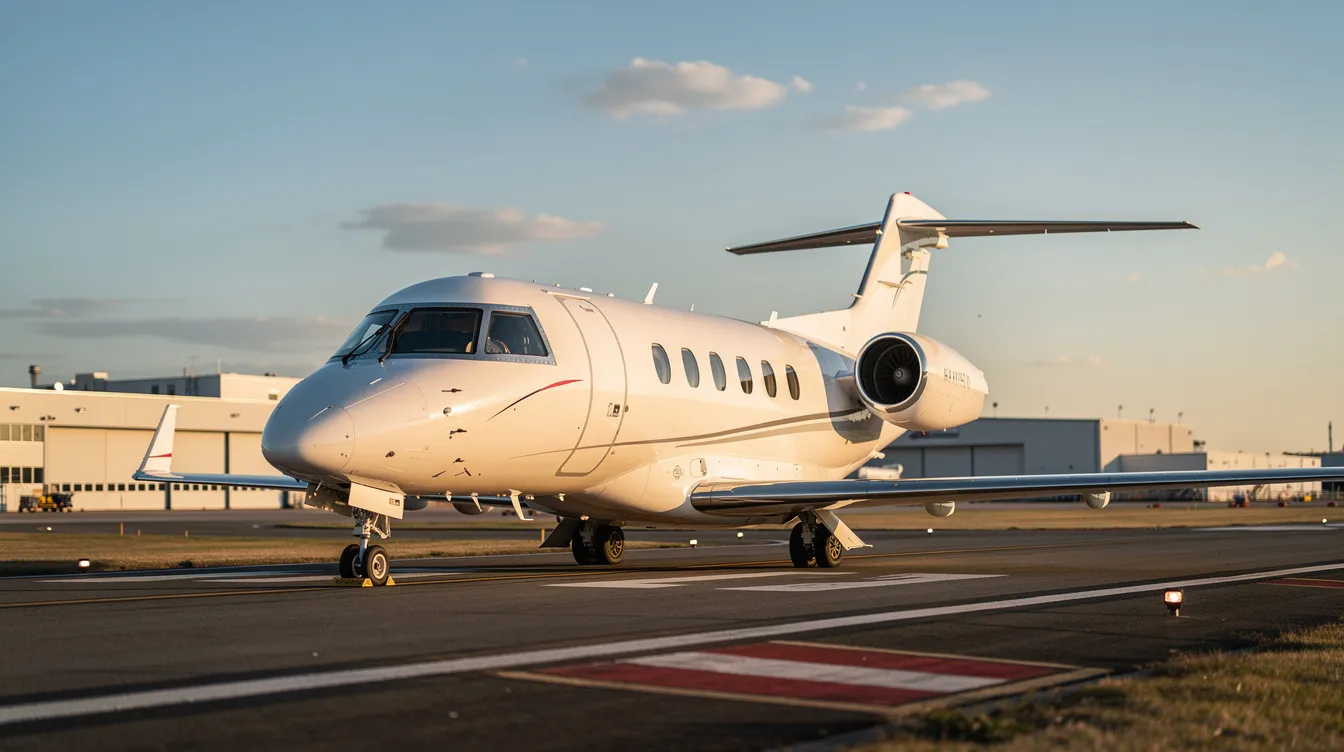
On November 1, 2026, a Learjet 60 tragically crashed near Greenacres, Florida, resulting in the deaths of all nine individuals on board. The victims included a tech entrepreneur, his family, and two pilots, highlighting the critical importance of aviation safety and regulations. Investigators are currently examining various factors, including weather conditions and aircraft maintenance, to determine the cause of the crash.
Jay Franco Serevilla
Nov 6, 2026
|
5
min read
View all
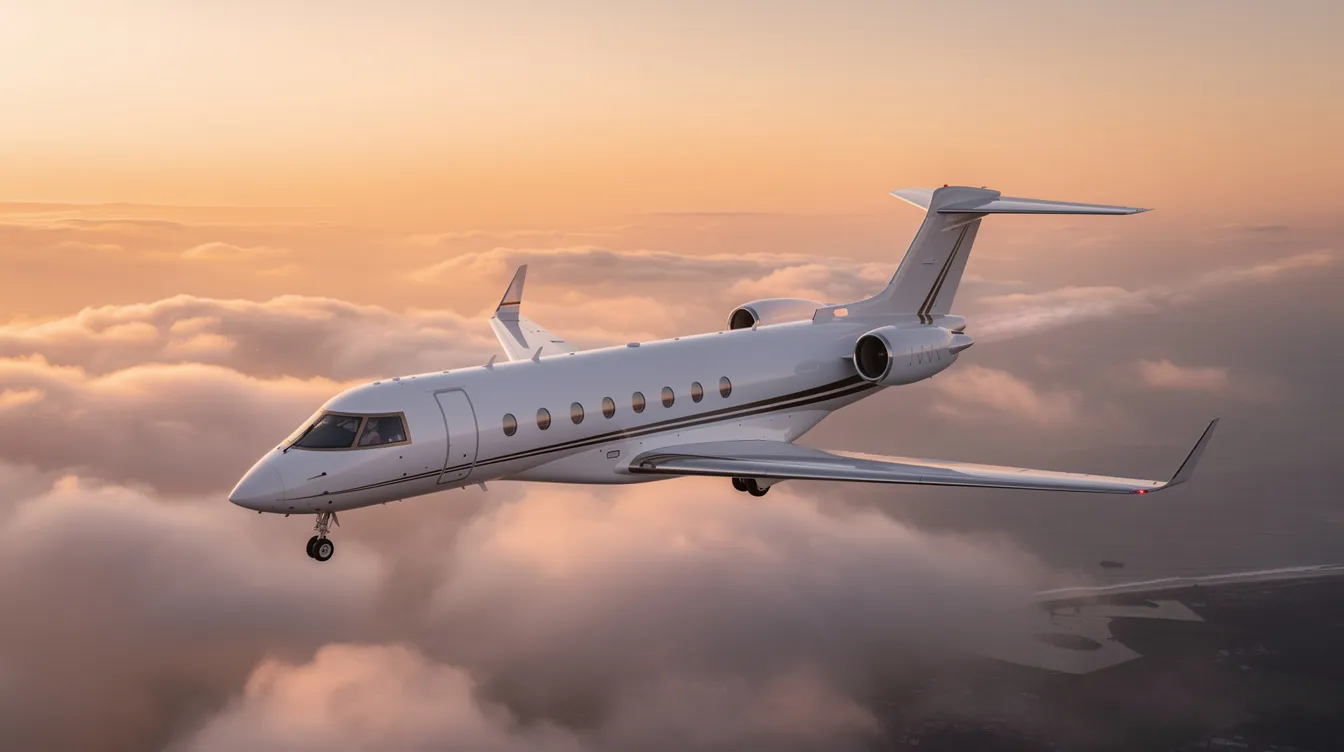
Mid-air collisions, though rare today, can lead to catastrophic outcomes. This article explores the history of such incidents, modern safety measures, and a recent Learjet 60 crash in Florida, emphasizing the importance of safety protocols for private jet travelers.
Jay Franco Serevilla
Nov 6, 2026
|
5
min read
View all
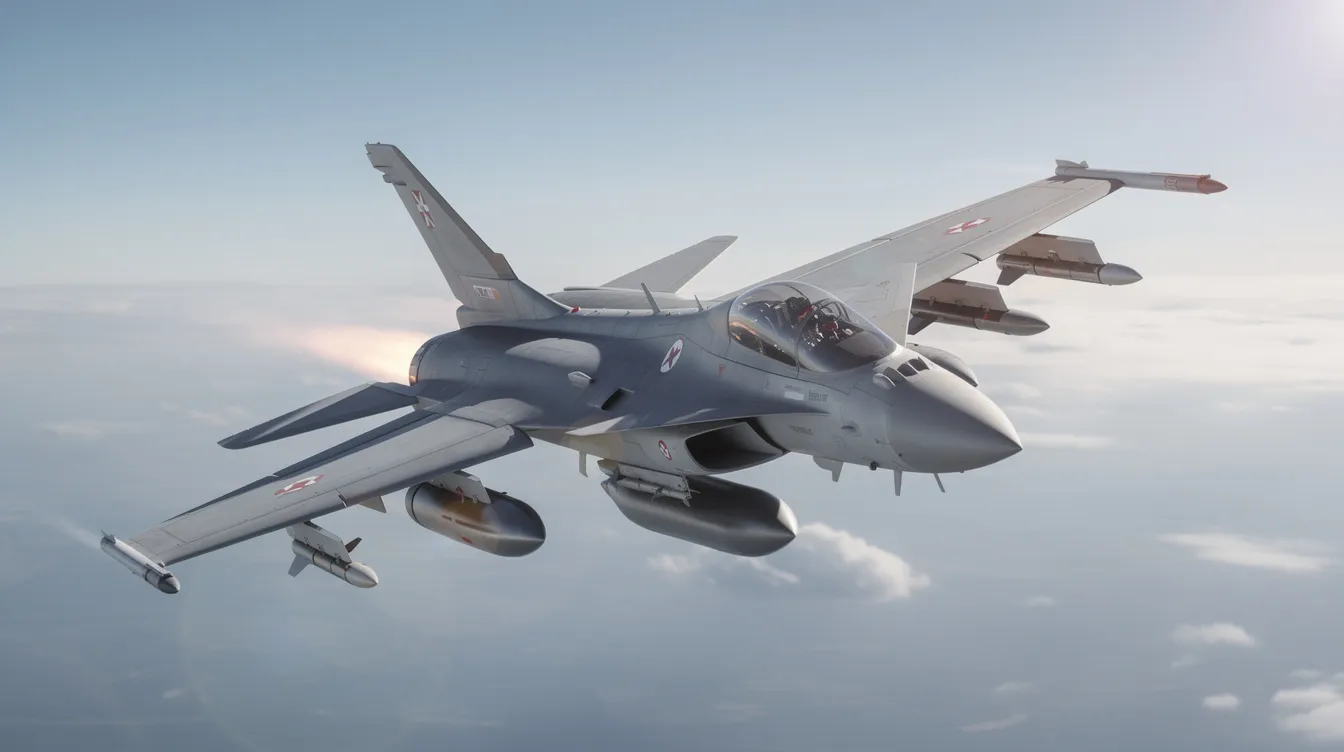
Military planes with two propellers, including twin-engine turboprops and tiltrotors, play crucial roles in logistics, surveillance, and humanitarian missions. This guide explores their capabilities, key aircraft, and how their performance informs civilian turboprop travel choices. Understanding these military aircraft helps travelers make informed decisions when comparing civilian options.
Jay Franco Serevilla
Nov 6, 2026
|
5
min read
Explore our latest articles and updates.

5
min read
Gulfstream V Operating Costs: Ownership, Charter Rates, and Budget Breakdown
The Gulfstream V, an ultra-long-range business jet produced from 1995 to 2002, has significant operating costs that vary based on flight hours, with annual budgets ranging from approximately $1.66 million for 200 hours to over $4.5 million for 450+ hours. Fixed costs, including crew salaries and maintenance, typically range from $650,000 to over $900,000 annually, while variable costs can reach $7,200 per flight hour. Chartering the Gulfstream V is often more economical for those flying under 300 hours per year, with rates around $9,000 to $10,000 per hour, while ownership may be justified for higher usage. Prospective buyers should consider acquisition costs, maintenance history, and operational needs when evaluating ownership versus charter options.
Read More
5
min read
Comprehensive Guide to the Learjet 60: Performance, Features, and Market Insights
The Learjet 60 is a reliable midsize business jet known for its strong climb performance, efficient Pratt & Whitney Canada PW305A engines, and a range of over 2,000 nautical miles, making it ideal for regional travel. It comfortably seats 6-7 passengers in a spacious cabin and offers competitive cruise speeds of Mach 0.76-0.81, with a service ceiling of 51,000 feet. While it has lower acquisition costs compared to newer models, safety concerns have arisen due to its accident rate, primarily attributed to pilot error during landings. Platforms like Jettly facilitate access to the Learjet 60 for chartering, providing a practical option for corporate and private travel without the burdens of ownership.
Read MoreJoin our community and receive the latest blog updates directly in your inbox.
MEMBERSHIPS AND ASSOCIATIONS



© 2026 Jettly Inc. All rights reserved.
Disclaimer: Jettly operates as a charter broker, offering access to a global digital jet charter marketplace. Jettly is not a direct air carrier and does not own or operate aircraft. All advertised flights are conducted by third-party air carriers that are fully licensed and hold the appropriate Part 135 or Part 121 certifications issued by the Federal Aviation Administration (FAA) or equivalent regulatory authorities under U.S. or foreign law. Jettly complies fully with the U.S. Department of Transportation's Part 295 and Part 298 Charter Broker regulations. Jettly does not carry additional liability insurance. Passengers are covered by aircraft operator insurance. TICO: 50023770


