



Login
Get Instant Pricing On 23,000+ Aircraft

>
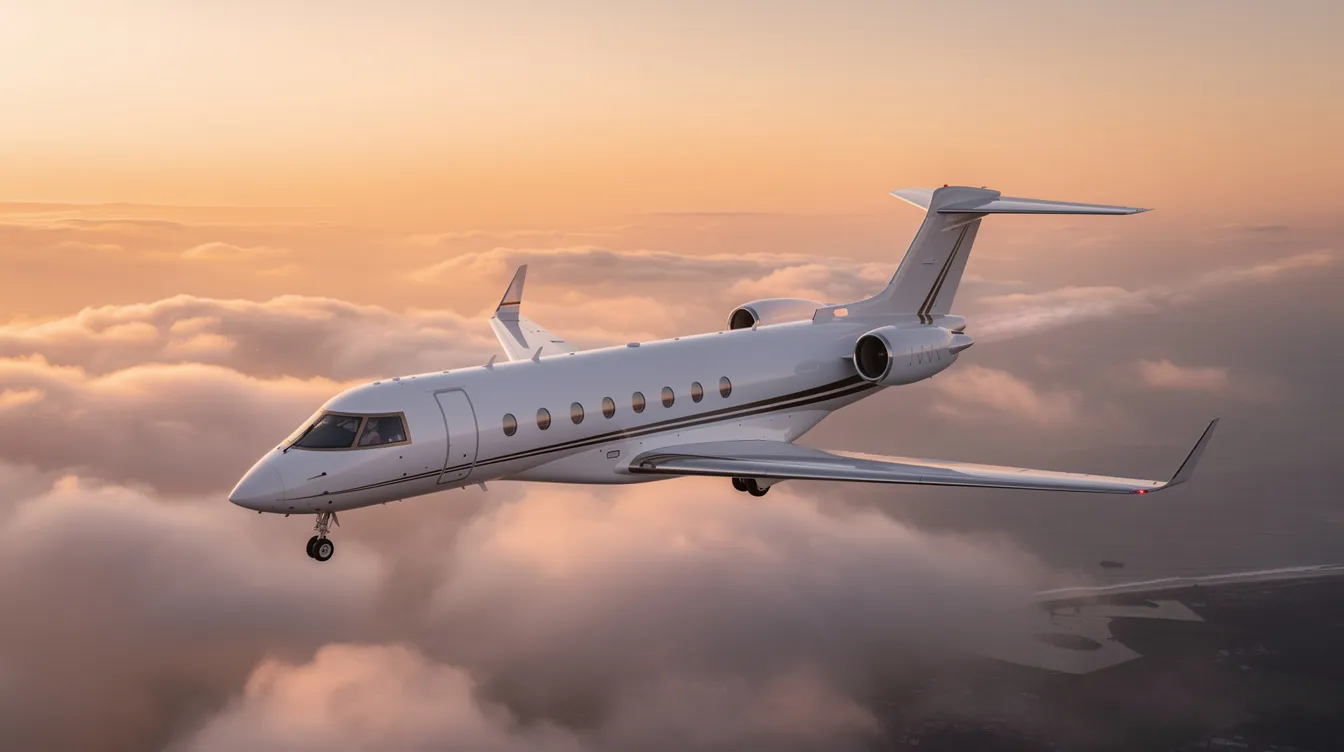
A mid-air collision occurs when one plane crashes into another while both are in flight. These events represent severe emergencies in aviation, and fatalities are common. The November 2026 Learjet 60 crash in Palm Beach County renewed attention to how quickly a routine flight can turn fatal. This article covers the history of mid-air collisions, the technology designed to prevent them, the Florida case study, and what private jet charter travelers should evaluate before booking.
Mid-air collisions are now rare in controlled airspace. Between 1938 and 1960, U.S. civil aviation recorded 410 mid-air collisions; 97% involved general aviation. Modern rates for commercial and certified charter jets approach zero in developed airspace.
The Florida crash near Palm Beach County on November 1, 2026, killed all nine people on board a Learjet 60 flying from Austin, Texas, to the Bahamas. Investigators are focused on ice, moderate turbulence, and structural failure rather than a confirmed collision with another aircraft.
Layered defenses help prevent most plane-on-plane events: air traffic control separation, TCAS, transponders, radar, and GPS-based navigation.
Regulated charter operators accessible through digital brokers like Jettly must comply with Federal Aviation Administration, EASA, or equivalent standards, including applicable collision-avoidance requirements.
The sections ahead cover historic collisions, modern prevention systems, the Florida case, and how travelers can evaluate safety when booking private jet charters.
Past mid-air collisions shaped many of the safety systems used today. Historical accidents have frequently changed safety practices in aviation, and technology upgrades often follow major collision incidents.
The first recorded aircraft collision occurred in 1910 at the Milano Circuito Aereo Internazionale in Milan: René Thomas's Antoinette IV monoplane struck Captain Bertram Dickson's Farman III biplane. Both pilots survived, but Dickson was badly injured and never flew again. The first fatal collision happened on June 19, 1912, over La Brayelle Airfield in France, killing both French Army pilots in hazy morning light, before structured air traffic rules existed.
By the 1950s, rapid growth in jet traffic was outpacing control infrastructure. The 1956 Grand Canyon collision between United Airlines and Trans World Airlines killed 128 people. In 1958, two military-civilian collisions helped lead to the FAA's creation under the Federal Aviation Act, unifying civilian airspace control. Major collisions often prompt regulatory changes in aviation safety standards; requirements for collision-avoidance systems emerged from lessons learned in historical accidents.
Preventing one plane from crashing into another relies on layered defenses: air traffic control, onboard systems, pilot procedures, and regulated airspace. No single technology carries the full burden.
Most modern aircraft are equipped with Traffic Collision Avoidance Systems (TCAS). TCAS alerts pilots to potential mid-air collisions with Traffic Advisories and Resolution Advisories that can direct a climb or descent. It uses signals from aircraft transponders, and more than 30,000 aircraft worldwide carry TCAS II or equivalents. TCAS has significantly reduced mid-air collisions among equipped fleets, though it cannot remove all risk.
These systems are not perfect. Technology glitches in systems such as ACAS can delay pilot responses during crises. Communication breakdowns between pilots and air traffic controllers can contribute to collisions if instructions are misheard or misapplied. Controllers can also miscalculate vectors and assign conflicting altitudes, which is why aviation relies on redundant safeguards.
|
Safety layer |
What it does |
Important limitation |
|---|---|---|
|
Air traffic control |
Separates aircraft using assigned routes, headings, and altitudes |
Miscommunication or conflicting instructions can undermine separation |
|
Transponders and radar |
Help controllers identify and track aircraft |
Coverage and signal quality can vary, especially outside controlled airspace |
|
TCAS |
Uses transponder signals to alert pilots and recommend collision-avoidance maneuvers |
Depends on functioning equipment and timely crew response |
|
Pilot procedures |
Support visual monitoring, communication, and response to alerts |
Weather, workload, or reduced visibility can make monitoring harder |
The 1958 Federal Aviation Act created the Federal Aviation Administration, enabling unified control of civilian and military traffic. Efforts such as the “See and Avoid” initiative, active from around 2005 to 2017, targeted military and civilian conflicts in shared U.S. airspace. Certified charter operators, including those available through Jettly's marketplace, operate within applicable regulatory frameworks on every flight.
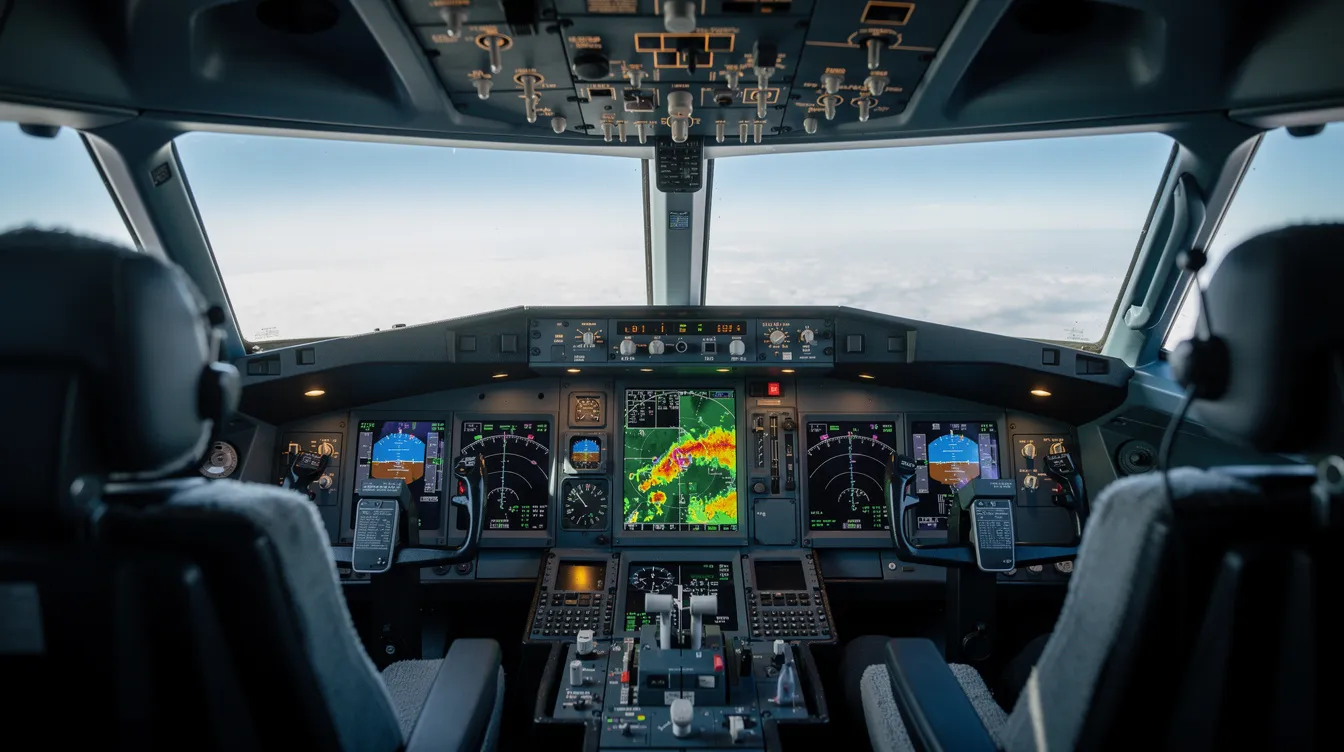
On Sunday afternoon, November 1, 2026, a Learjet 60 operated by Aurora Aviation (Upper Jets) crashed near Greenacres, Florida, about nine miles from Mar-a-Lago. Nine people were killed: two crew members and seven passengers. The aircraft departed Austin-Bergstrom International Airport in Texas around 10:37 a.m. local time, bound for North Eleuthera in the Bahamas under Part 135 charter.
Ice and turbulence were reported before the crash. At approximately 12:47 p.m., while flying at 35,000 feet, the pilots reported “light clear ice” and moderate turbulence, with altitude deviations of roughly 700 feet. The outside air temperature measured -47°C. The copilot requested a climb to 37,000 feet, and air traffic control granted clearance. About 30 seconds before impact, the crew declared a mayday and reported an overspeed condition during descent. The plane nosedived at a rate reported as 20,000 feet per minute or more before ADS-B tracking lost the signal. The Learjet 60 crashed after losing control during descent.
Debris scattered across businesses, homes, and a roadway near Military Trail. Much of the left elevator was found in three pieces between 1.3 and 3.8 miles from the main crater at the impact site. Investigators from the National Transportation Safety Board said structural failure in flight was a focus. Investigators commonly seek flight data and cockpit voice recorders, and recovery efforts form part of the inquiry. Dashcam video from Palm Beach County roads and security footage are also being reviewed.
The NTSB, FAA, and aircraft manufacturers are examining evidence, and aviation authorities may issue emergency airworthiness directives when evidence warrants action. No officials have identified a collision with another aircraft. The BBC reported that the crew had communicated about ice and turbulence before the rapid descent; a transcript of air traffic control audio reportedly included an emergency call describing a descent of 20,000 feet per minute. Those details are part of reporting on an ongoing investigation, not a final determination of cause. The families of the nine people killed are awaiting the findings of a lengthy investigation.
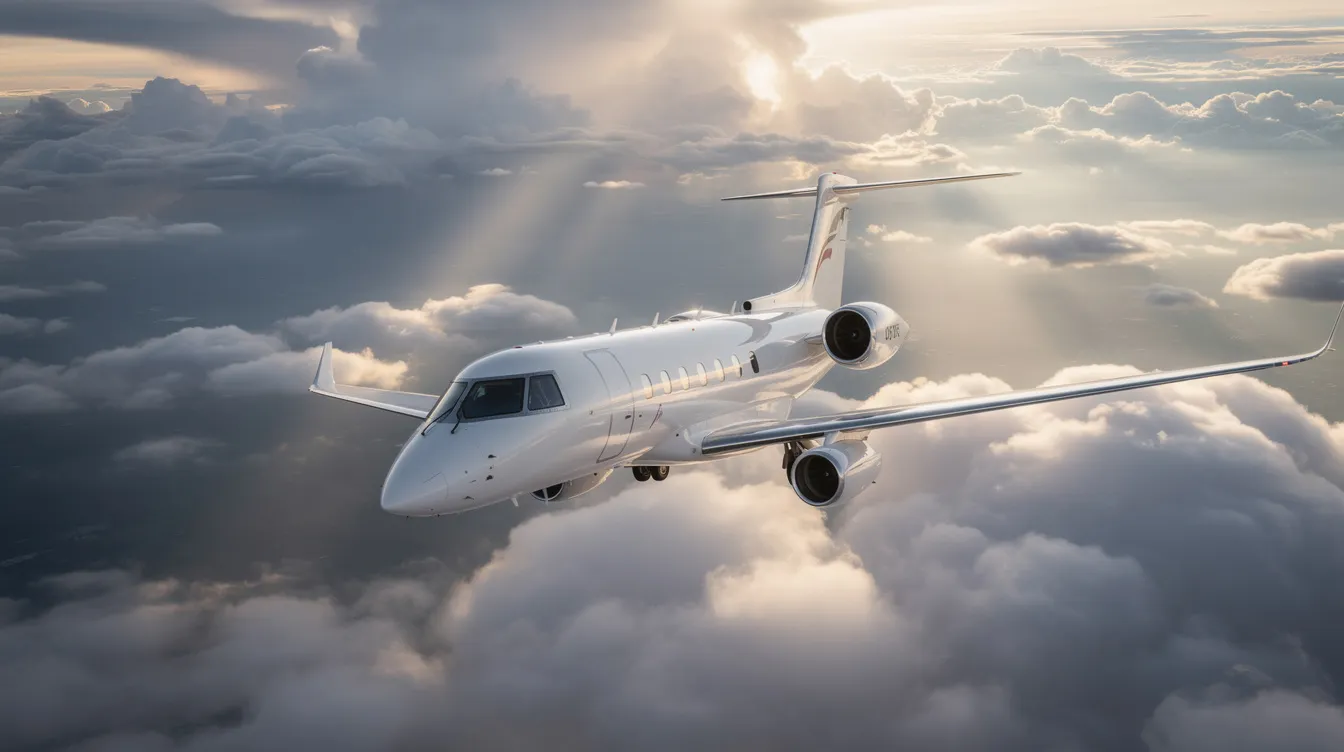
True “plane crashes into plane” events include mid-air collisions and ground-operation collisions. Both usually result from multiple overlapping safety failures. The Swiss Cheese Model, widely used in aviation safety analysis, explains how human and technical weaknesses can align at the same time.
Common contributing factors include:
Pilot error or miscommunication: Misinterpreting ATC instructions, failing to see conflicting traffic, or violating flight rules.
ATC separation failure: Conflicting altitude or route assignments.
Equipment failure: An inoperative transponder, faulty TCAS, or missing altitude encoder.
Weather and visibility: Cloud layers, storms, or turbulence that increase workload. In uncontrolled airspace, visual monitoring can fail because of environmental conditions.
Airspace congestion: Overlapping flight paths near busy hubs or military training zones.
The kinetic energy in mid-air collisions can be catastrophic, and many such events result in high loss of life or no survivors. Rapid decompression can occur if a collision breaches the cabin or fuel tanks. Loss of control typically follows major structural damage or severed hydraulic lines. The Learjet 60 crash in Palm Beach County was not a confirmed mid-air collision, but it illustrates how icing and possible structural failure can also lead to a fatal outcome.
Ground incidents, where one plane collides with another on taxiways or runways, are managed with surface movement radar and tower procedures. Investigations into accidents may involve multiple countries and follow international guidelines established by ICAO.
Investigations led by the NTSB or equivalent bodies can result in safety actions such as new approach procedures, revised separation rules, or changes in crew training around TCAS responses.
Mid-air collisions involving certified charter jets are rare. Choosing properly certified operators through a platform such as Jettly is a practical step travelers can take when arranging a flight.
Jettly operates as a digital private jet charter broker, connecting travelers with third-party carriers that hold valid air operator certificates and comply with FAA or equivalent oversight. Safety measures on charter flights can include:
TCAS-equipped aircraft, including jets in the same class as the Learjet 60.
Trained two-pilot crews on most multi-engine jets flown for hire.
Cockpit voice recorders and flight data recorders where required.
Compliance with applicable air traffic control separation rules.
Private aviation can offer access to less congested airports and flexible routing that may help avoid storms or peak traffic periods, especially when travelers use an airport locator tool to identify suitable departure and arrival points. Travelers should ask specific safety questions when booking, including questions about operator certification, aircraft maintenance, crew experience on type, and whether modern avionics and collision-avoidance systems are installed.
Learn more about aircraft categories, safety standards, and instant pricing at jettly.com. Jettly is a charter broker; flights are operated by properly certified third-party carriers.
Travelers can take practical steps to understand collision safety on both commercial and private flights, even when using crowdsourced and shared private jet flights to lower costs:
Choose reputable booking channels. For private jets, use a broker such as Jettly that connects travelers with properly certificated Part 135 operators. For airlines, choose carriers meeting ICAO and national safety standards.
Ask operators about specific protocols. Confirm TCAS installation, required maintenance checks, recurrent pilot training in collision-avoidance procedures, and policies for flying in icing or moderate turbulence.
Use scheduling flexibility. Avoid peak rush periods at major hubs when practical. Charter platforms that provide access to regional airports may offer alternatives to busier airports, though routing and traffic conditions vary by flight.
Travelers who prioritize routing flexibility can explore Jettly's on-demand charter options and instant quote tools at jettly.com.
In modern regulated airspace, mid-air collisions involving scheduled airlines or charter jets are very rare. FAA data from 1938 to 1960 recorded 410 collisions, 97% of which involved general aviation. Radar surveillance, ATC separation, and TCAS on most larger aircraft have helped reduce collisions among commercial and certified jet operations to very low levels. Remaining risks include uncontrolled airspace, some small general aviation operations, and military training areas. High-profile incidents can prompt safety reviews and responses.
Investigators have focused on structural failure, icing, moderate turbulence, and overspeed or loss-of-control factors. No confirmed collision with another plane has been identified. A scattered debris field can raise questions, but the NTSB's final report is needed before conclusions can be drawn. Recordings and video from the ground are among the evidence under review.
Many private jets, including aircraft in the same class as the Learjet 60, carry TCAS and modern avionics similar to those on commercial airliners. Equipment varies by aircraft and operator. When booking through Jettly's marketplace, travelers can ask about specific avionics or safety equipment for the proposed aircraft.
Turbulence does not typically cause one plane to collide with another. ATC and onboard systems help maintain vertical and horizontal separation regardless of air conditions. Turbulence can increase pilot workload and complicate situational awareness, so crews follow established procedures, ATC instructions, and collision-avoidance alerts to maintain safe spacing.
Ask for the operator's air operator certificate details and confirm that it operates under Part 135 in the United States, or equivalent commercial regulations elsewhere. Travelers can also ask about independent safety audits from programs such as ARGUS, Wyvern, or IS-BAO. Jettly connects travelers with third-party carriers and can help simplify due diligence; the carrier, not the broker, operates the flight.
Ready to fly private on your terms? Explore flight options or request a quote at jettly.com.
A plane crashing into another aircraft is a serious but rare event in modern, regulated airspace. Historical collisions and near misses have led to improvements in air traffic control, transponders, TCAS, pilot training, and operating rules. These safeguards work together, though no single system can eliminate every risk.
The Palm Beach County Learjet 60 crash is a separate case. Investigators have examined icing, turbulence, structural failure, and loss of control; they have not confirmed that the aircraft collided with another plane. As the investigation continues, its findings may inform future safety actions. Travelers booking private aviation can ask about operator certification, aircraft maintenance, crew experience, and collision-avoidance equipment.
Jettly is a charter broker that connects travelers with properly certified third-party carriers. Explore aircraft options and request an instant quote at https://www.jettly.com.
Share this post:
Jay Franco Serevilla
Nov 6, 2026
|
5
min read
Discover tips and trends in the industry.
5
min read
What Happens When a Plane Crashes? (And What It Really Means for Flight Safety)
Understanding what happens during a plane crash can alleviate fears about flying. While the odds of experiencing a crash are extremely low, knowing the causes, survival strategies, and the importance of passenger actions can enhance safety. This article provides insights into aviation safety, the factors contributing to crashes, and what passengers can do to prepare.
Read More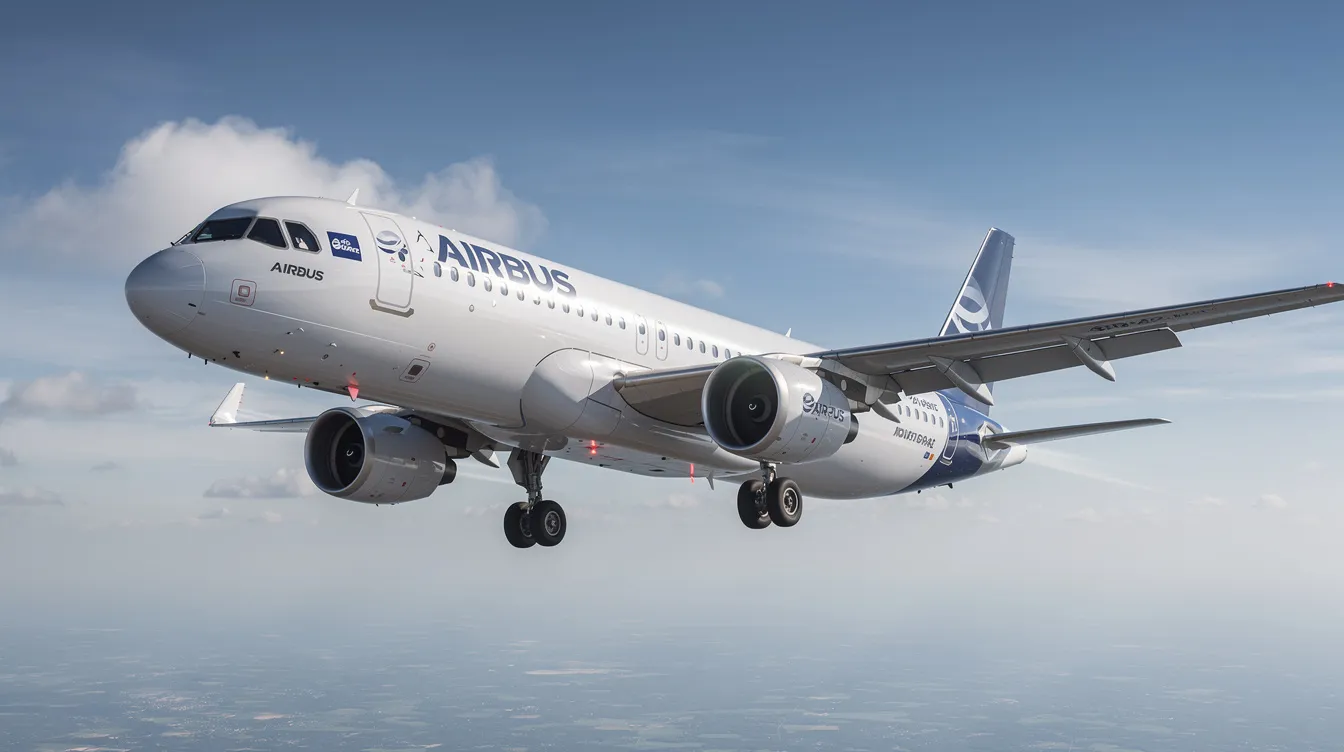
5
min read
Airbus Crash: Major Incidents, Safety Lessons, and What They Mean for Modern Aviation
Airbus crashes, though rare, have significant implications for aviation safety. This article reviews major incidents since 2000, highlighting key findings and lessons learned that have shaped safety reforms in the industry. Understanding these events helps travelers make informed choices about air travel and charter services.
Read MoreStay updated with our latest insights and tips to elevate your journey with us.
MEMBERSHIPS AND ASSOCIATIONS



© 2026 Jettly Inc. All rights reserved.
Disclaimer: Jettly operates as a charter broker, offering access to a global digital jet charter marketplace. Jettly is not a direct air carrier and does not own or operate aircraft. All advertised flights are conducted by third-party air carriers that are fully licensed and hold the appropriate Part 135 or Part 121 certifications issued by the Federal Aviation Administration (FAA) or equivalent regulatory authorities under U.S. or foreign law. Jettly complies fully with the U.S. Department of Transportation's Part 295 and Part 298 Charter Broker regulations. Jettly does not carry additional liability insurance. Passengers are covered by aircraft operator insurance. TICO: 50023770


