


Login
Get Instant Pricing On 23,000+ Aircraft


In 2026, pre-owned Gulfstream IV aircraft prices range from approximately US$1.8M to US$5.7M, influenced by factors like age, maintenance status, and avionics upgrades. Charter rates through platforms like Jettly typically cost between US$7,000 and US$10,000+ per flight hour, making chartering more economical than ownership for those flying under 200-250 hours annually. Total annual ownership costs can exceed US$1.5M for operators flying over 200 hours, highlighting the importance of evaluating both acquisition and operational expenses. Jettly offers flexible charter options, allowing users to access Gulfstream IV capabilities without the financial commitment of ownership.
Jay Franco Serevilla
Apr 16, 2026
|
5
min read


View all
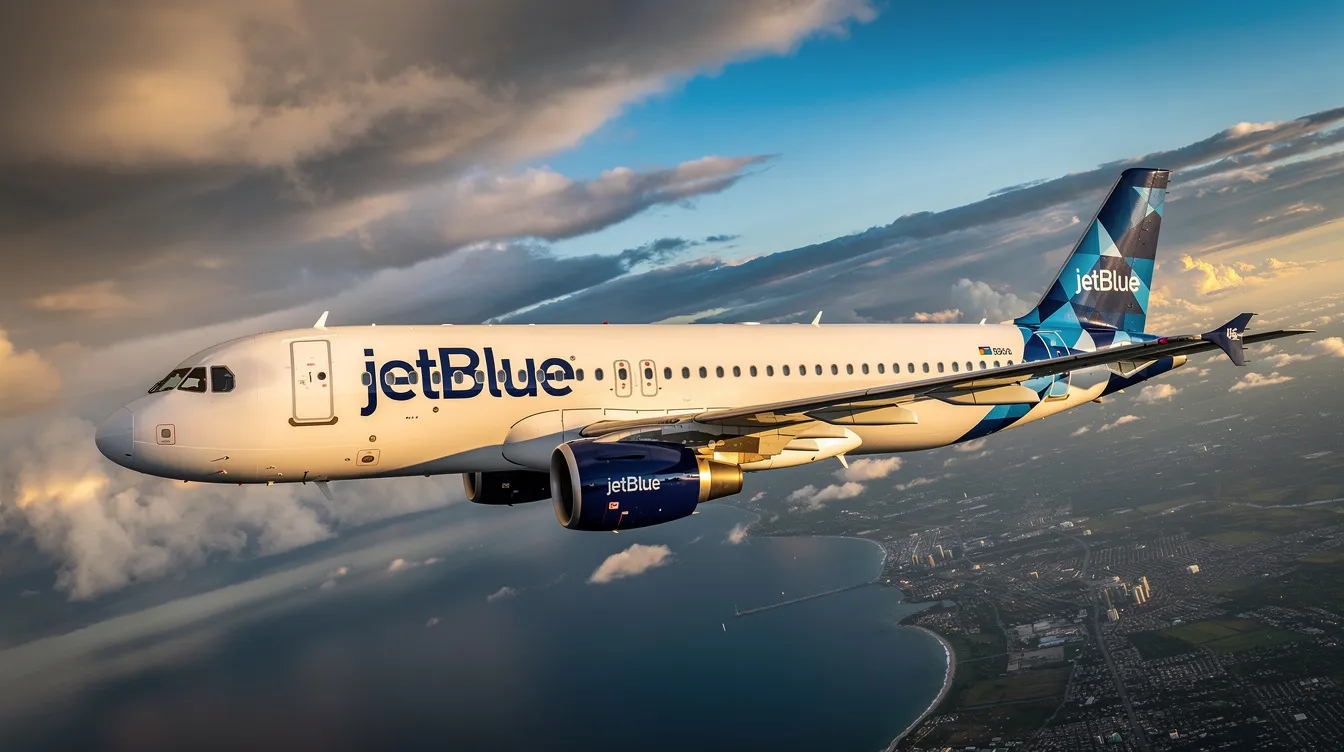
This article provides developers and travel planners with essential insights into accessing JetBlue's aviation data, including flight schedules and real-time status. It highlights the importance of integrating JetBlue's API with private charter services like Jettly to enhance travel solutions and optimize trip planning. Understanding these options allows for seamless passenger experiences and operational advantages.
Jay Franco Serevilla
Sep 13, 2026
|
5
min read

View all
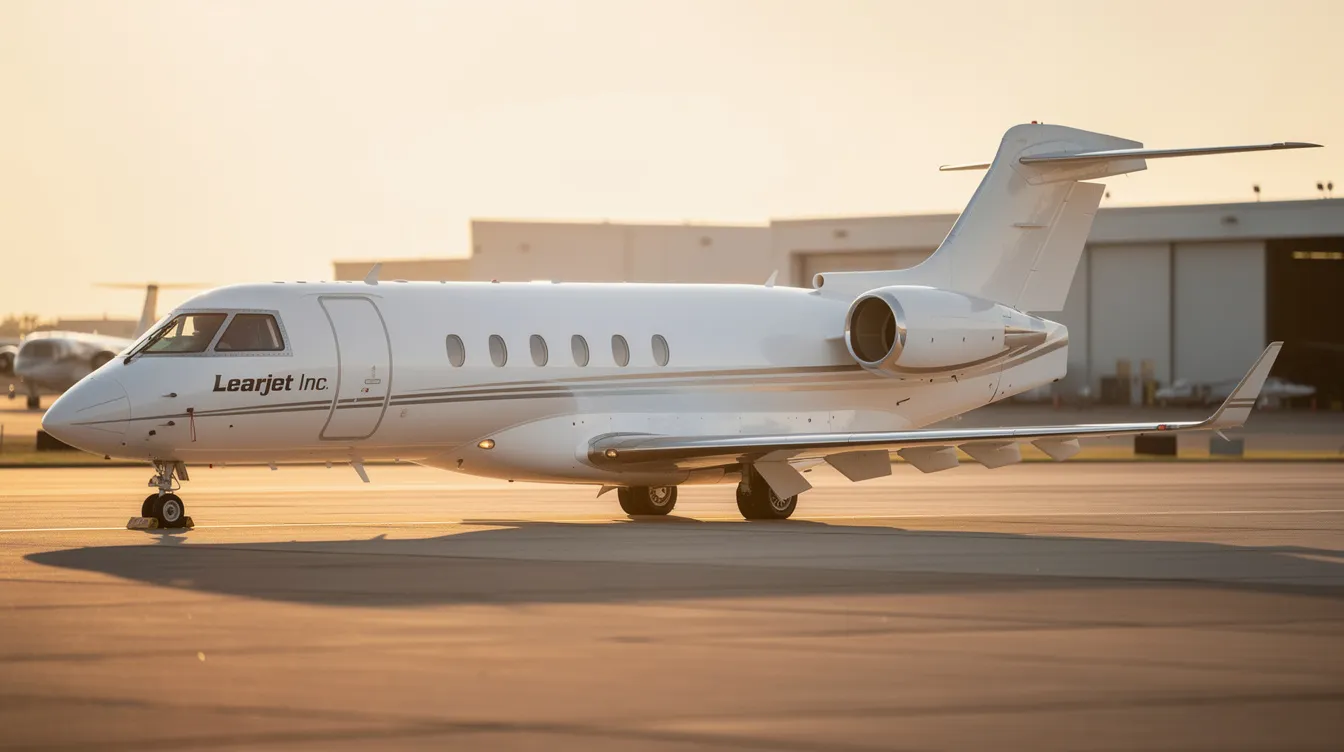
ATI Jet, now rebranded as Jetvia, specializes in private jet charters with a dedicated fleet of Learjet 60 aircraft. Established in 1985 in El Paso, TX, the company offers tailored services and a strong safety record, catering to both business and leisure travelers across North America. This overview compares Jetvia's fleet-based model with digital platforms like Jettly, highlighting the benefits of each for potential travelers.
Jay Franco Serevilla
Sep 13, 2026
|
5
min read
View all
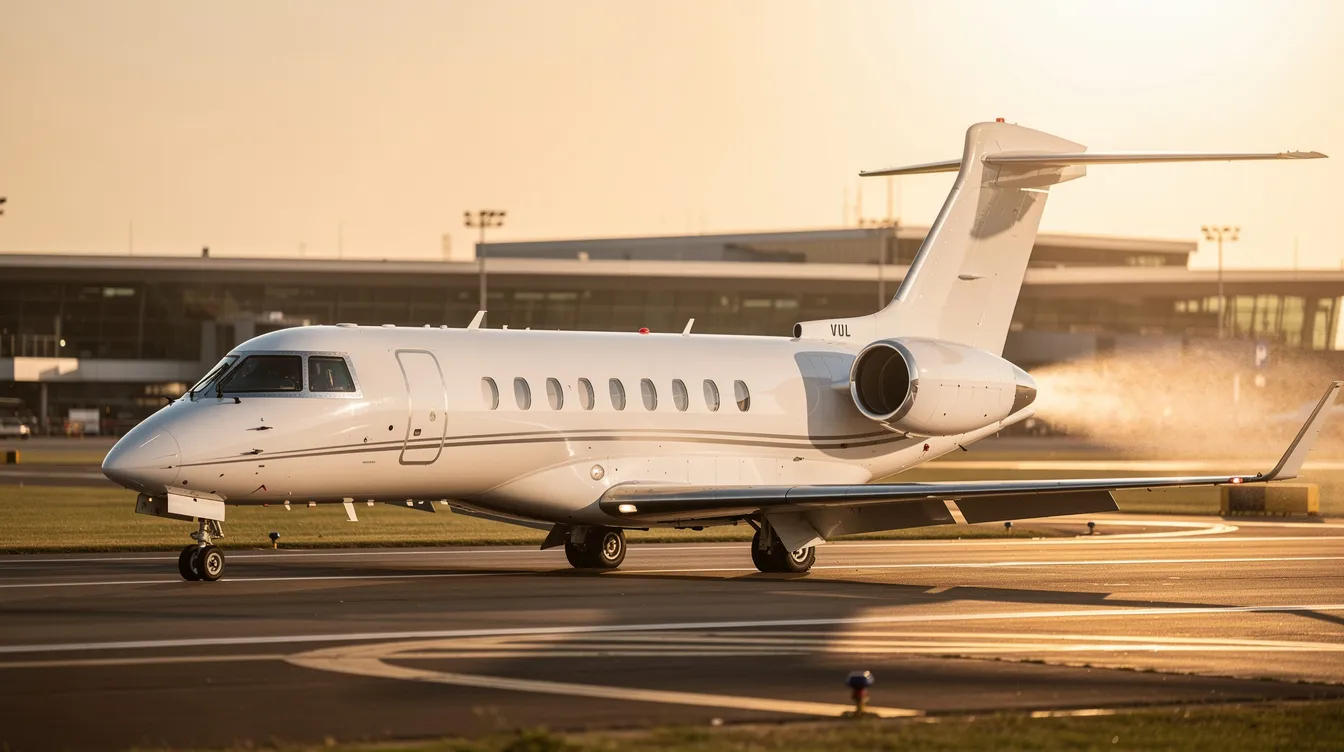
The Learjet 55 is a renowned midsize business jet known for its speed, altitude capability, and spacious stand-up cabin. Since its introduction in the early 1980s, it has remained a practical choice for charter travelers and aircraft buyers alike. This guide covers its performance, cabin features, operating costs, and charter options, providing essential insights for those interested in this versatile aircraft.
Jay Franco Serevilla
Sep 13, 2026
|
5
min read
View all
The Learjet 55 is a renowned midsize business jet known for its speed, altitude capability, and spacious stand-up cabin. Since its introduction in the early 1980s, it has remained a practical choice for charter travelers and aircraft buyers alike. This guide covers its performance, cabin features, operating costs, and charter options, making it a valuable resource for aviation enthusiasts.
Jay Franco Serevilla
Sep 13, 2026
|
5
min read
View all
As the private jet charter landscape evolves in 2026, understanding the differences between Ultimate Jetcharters LLC and modern platforms like Jettly is essential. Ultimate Jetcharters, once a key player in group travel, has ceased operations, leaving travelers to seek flexible and efficient alternatives. Jettly offers access to over 20,000 aircraft, providing instant pricing and tailored services for various travel needs.
Jay Franco Serevilla
Sep 13, 2026
|
5
min read
View all
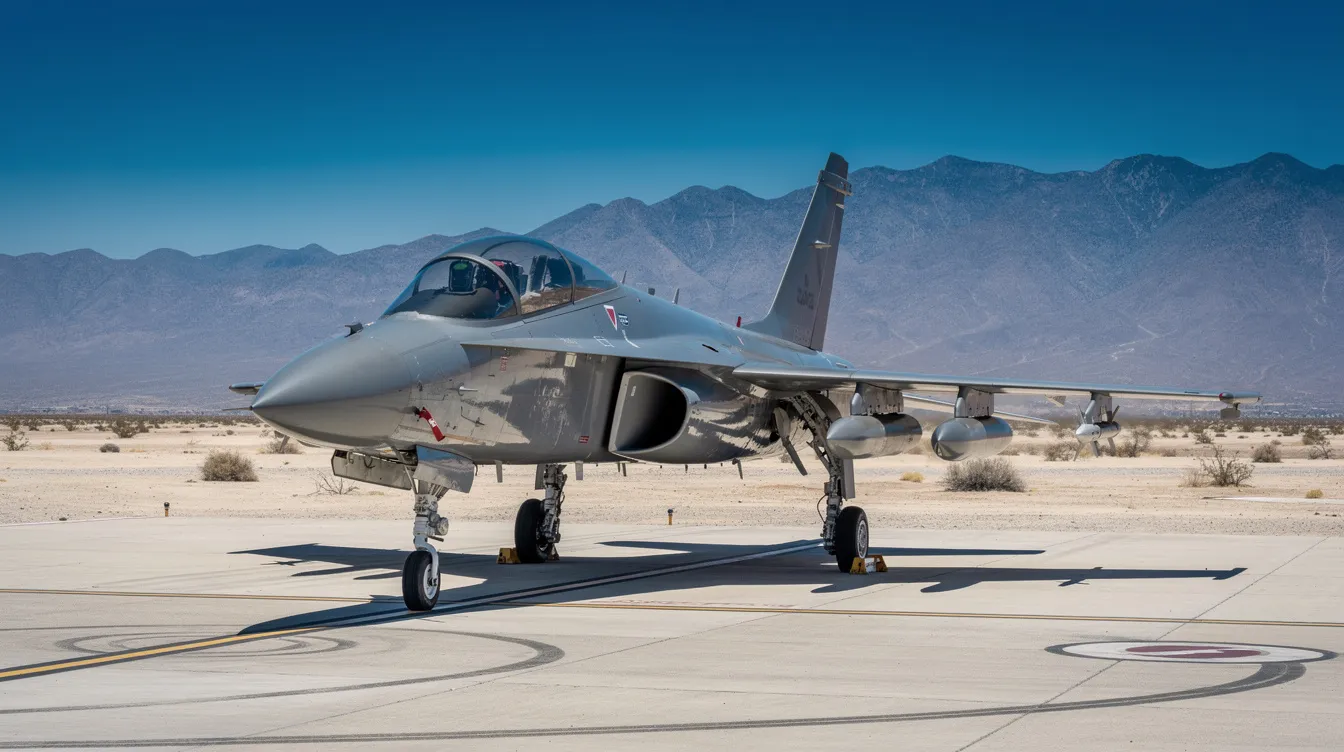
Jet rides offer a thrilling range of experiences, from luxurious private jet charters to adrenaline-pumping fighter jet flights. Jettly connects travelers with vetted operators for both comfort and adventure, making it easy to compare options and book unforgettable flights. Whether you're an aviation enthusiast or looking for a unique gift, this guide covers everything you need to know about jet rides.
Jay Franco Serevilla
Sep 13, 2026
|
5
min read
Explore our latest articles and updates.
5
min read
Byerly Aviation Peoria: Private & General Aviation at Peoria International Airport
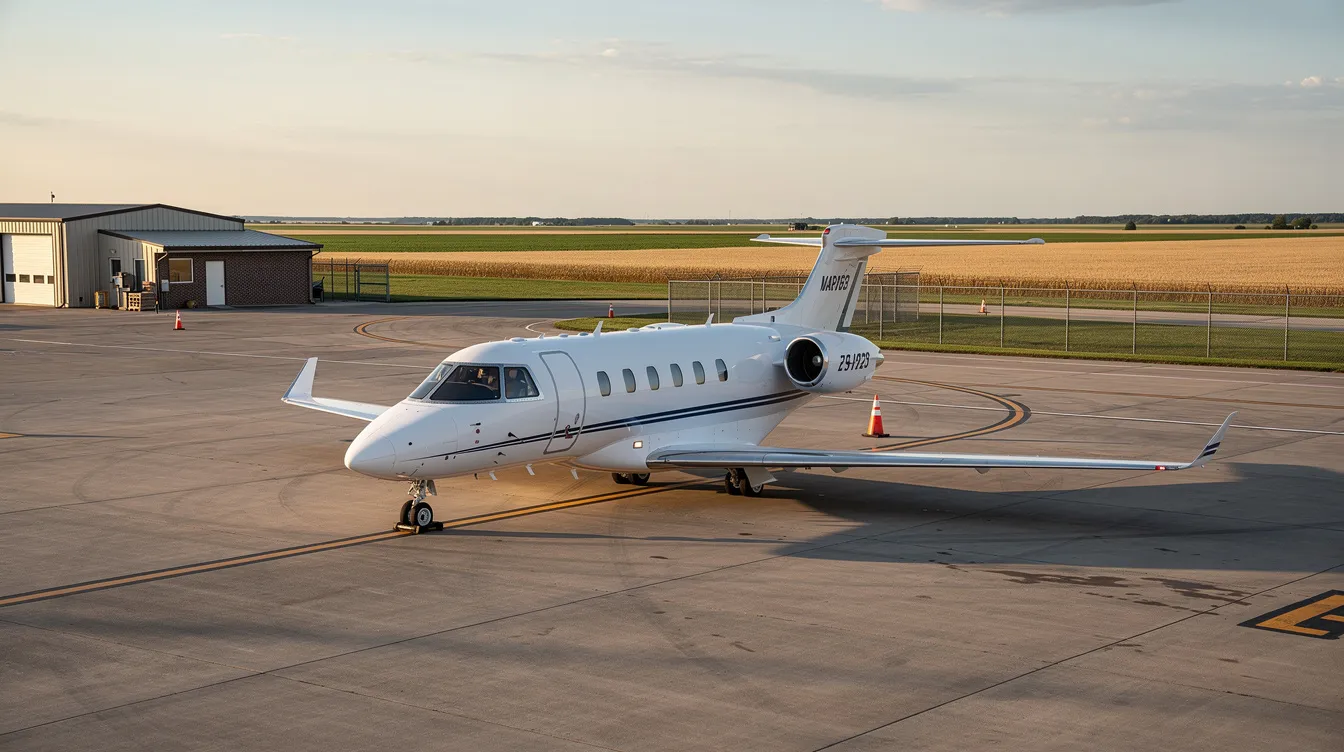
Byerly Aviation is a premier Fixed Base Operator at Peoria International Airport, offering comprehensive services for private and general aviation. With nearly a century of experience, they provide fueling, maintenance, and passenger amenities, ensuring a seamless travel experience. Partnering with Jettly's digital charter marketplace, travelers can easily book private flights tailored to their needs.
Read More
5
min read
Where Is Delta Based? (And What That Means for Your Travel)
Delta Air Lines is headquartered in Atlanta, Georgia, at Hartsfield–Jackson Atlanta International Airport, the busiest airport in the world. This strategic location allows Delta to operate a vast network of flights across nine hubs globally, enhancing travel options for passengers. Understanding Delta's base and hub structure can help travelers make informed decisions about their travel routes and alternatives like private jet charters.
Read MoreJoin our community and receive the latest blog updates directly in your inbox.
MEMBERSHIPS AND ASSOCIATIONS



Disclaimer: Jettly operates as a charter broker, offering access to a global digital jet charter marketplace. Jettly is not a direct air carrier and does not own or operate aircraft. All advertised flights are conducted by third-party air carriers that are fully licensed and hold the appropriate Part 135 or Part 121 certifications issued by the Federal Aviation Administration (FAA) or equivalent regulatory authorities under U.S. or foreign law. Jettly complies fully with the U.S. Department of Transportation's Part 295 and Part 298 Charter Broker regulations. Jettly does not carry additional liability insurance. Passengers are covered by aircraft operator insurance. TICO: 50023770


