



Login
Get Instant Pricing On 23,000+ Aircraft

>
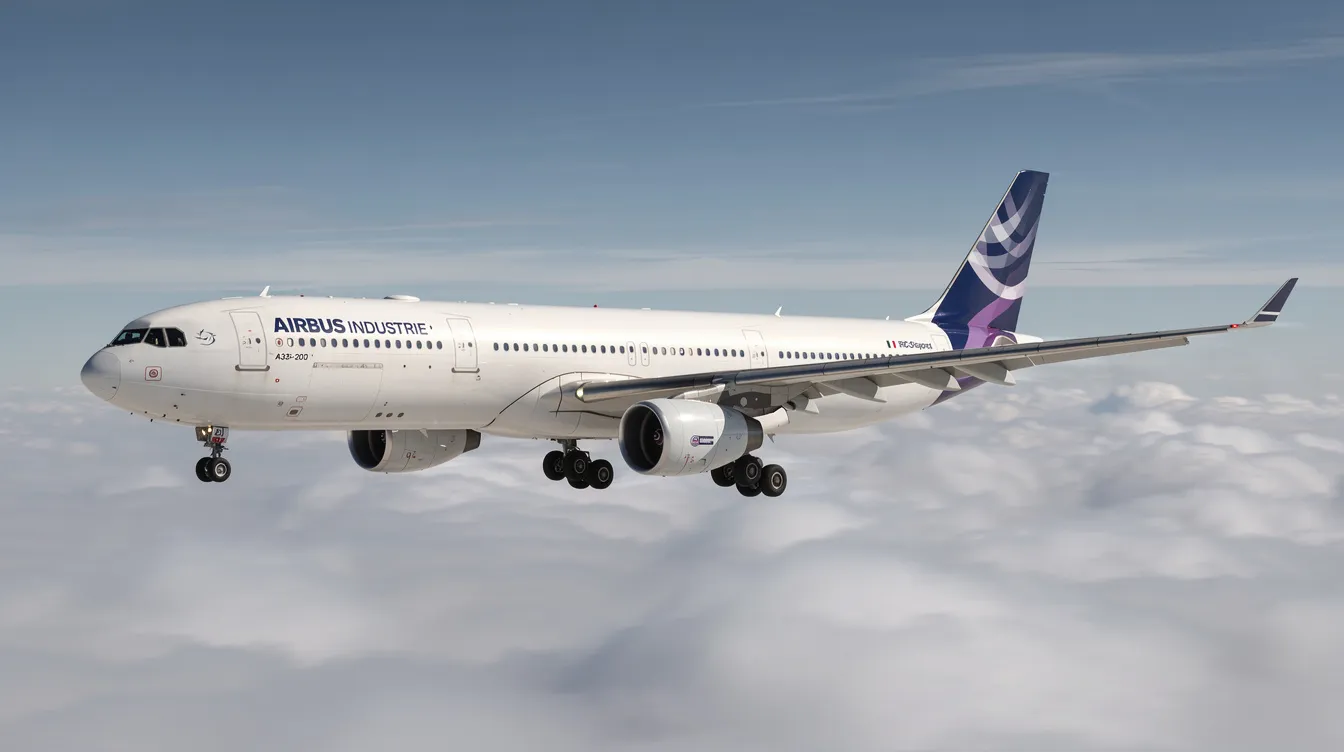
The Airbus Industrie A330-200 is a wide-body twin-engine aircraft built for long-haul flying, offering roughly 13,400 km of range, typical seating for 210 to 250 passengers, and better fuel efficiency than older four-engine jets. This guide is intended for frequent flyers, corporate travel planners, aviation enthusiasts, and anyone considering private charter or airline travel on the Airbus A330-200. That mix of range, cabin space, and operating efficiency has made it a mainstay on intercontinental airline routes and a practical choice for large-group private charter.
For frequent flyers, corporate executives, high-net-worth travelers, and organizations planning long-distance group travel, the A330-200 stands out as a cost-effective way to move more people nonstop without giving up cabin flexibility or comfort. This guide looks at the aircraft’s history, design, performance specifications, cabin options, variants, operating economics, safety, and charter use, including how platforms like Jettly can connect travelers with VIP-configured A330-200 aircraft for nonstop long-haul missions.
The Airbus A330-200 is a long-range, wide-body, twin-engine aircraft with a range of up to 13,400 km and flexible cabin layouts that suit both airline service and private charter. It is a shortened, longer-range variant of the A330-300, optimized for intercontinental routes and is regarded for its balance of range and passenger capacity - carrying between 210 and 250 passengers in typical configurations.
Its fuel efficiency versus older four-engine aircraft like the A340 or 747 makes it attractive to airlines and, in VIP configuration, to private charter customers via platforms like Jettly.
Multiple variants share the same core airframe - passenger, freighter (A330-200F), MRTT tanker, and corporate jet (ACJ330) - boosting global popularity and reliability.
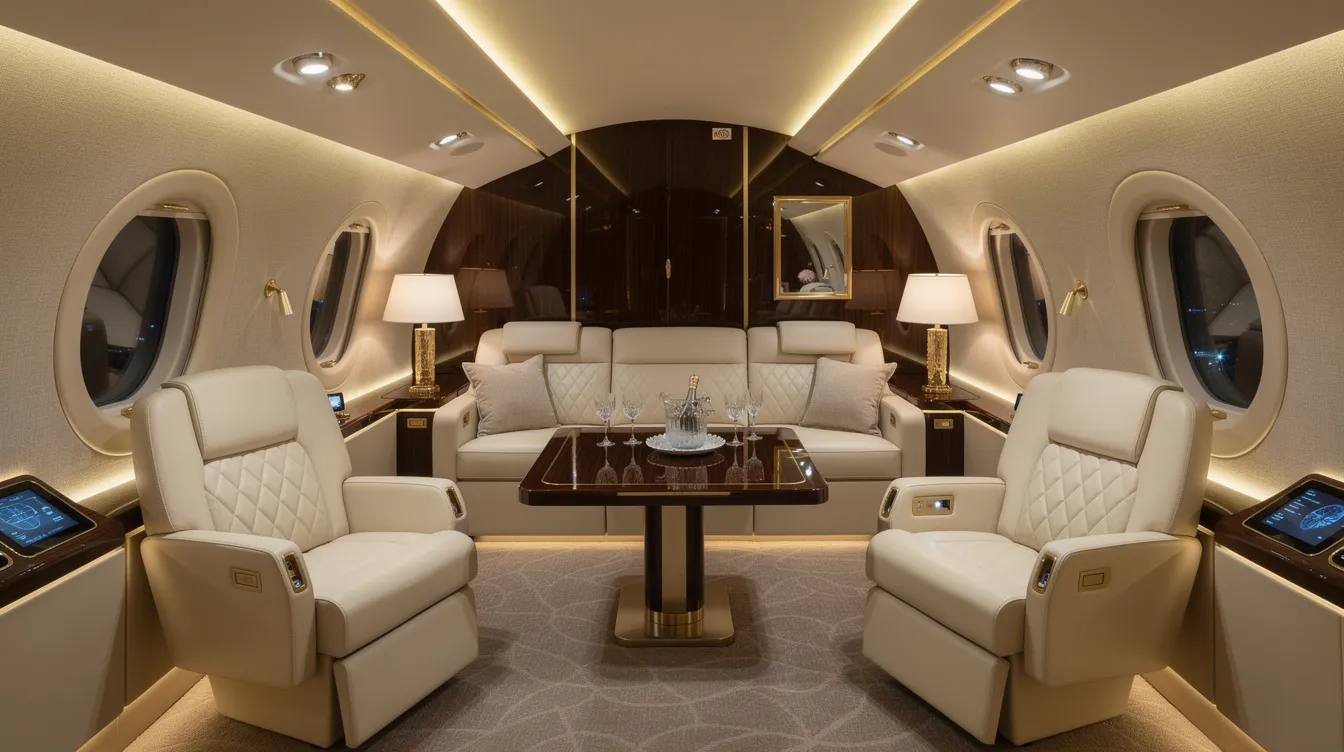
In VIP layouts, the A330-200 can seat 25 to 80 passengers with lounges, suites, and conference rooms, serving governments, corporations, and large groups.
Jettly can arrange access to VIP or corporate-configured A330-200 aircraft for large groups needing long-haul private travel with nonstop capability.
The Airbus A330-200 is a twin-engine, wide-body, long-haul member of the Airbus A330 family. It entered service in the late 1990s as a shortened-fuselage derivative of the A330-300, designed to serve thinner long-haul routes where demand did not justify a larger aircraft.
Key figures tell the story quickly. The A330-200 offers a typical two-class passenger capacity of around 253, while a maximum capacity of up to 406 passengers is possible in high-density layouts. Its range reaches about 7,250 nautical miles - roughly 13,400 km - enough for nonstop flights between most major city pairs across the Atlantic, from Europe to Asia, or across South America.
Airlines adopted the A330-200 because it delivered strong fuel efficiency and lower operating costs compared to four-engine types. It could fly routes that could not be filled by larger wide-bodies like the 747, making it a backbone aircraft in global fleets through the 2000s and 2010s. Operators deployed it on Europe–Asia, transatlantic, Europe–Africa, and South America routes. The aircraft is heavily utilized for long-haul routes to this day.
As airlines retire or upgrade older A330-200s, many airframes move into cargo, MRTT military, or VIP roles. This secondary market means charter brokers can source well-maintained, corporate-configured A330-200 aircraft for private and head-of-state travel.
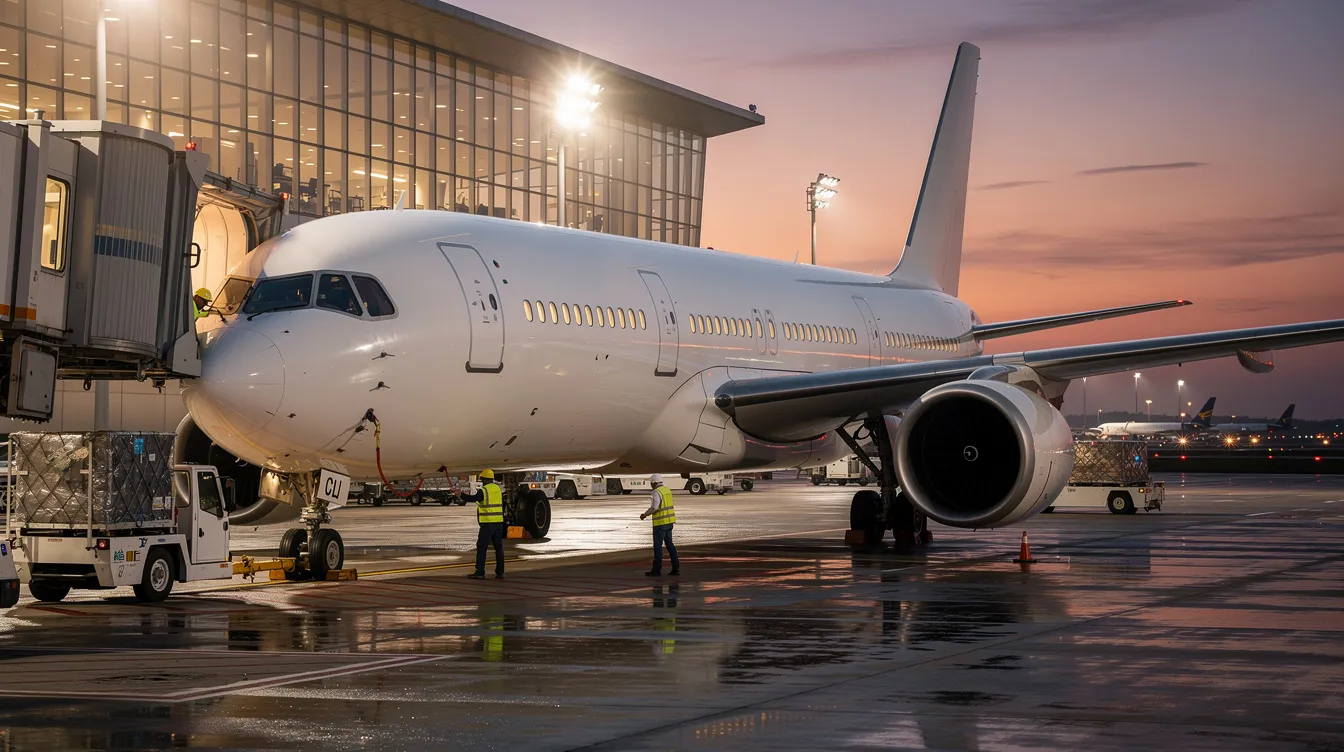
Airbus built its wide-body ambitions through the 1980s and 1990s, evolving from the original A300 into a full family of twin-aisle aircraft. The dual A330/A340 program launched in June 1987, with the A330-300 entering commercial service first. Air Inter became the first operator on 17 January 1994, establishing the A330 as a viable competitor to Boeing on medium- and long-haul routes.
Airlines soon requested a longer-range, lower-capacity version to replace aging Boeing 767-300ERs on thinner long-haul routes. Airbus responded by launching the Airbus A330-200 program on 24 November 1995. The development work built on the A330-300 but incorporated a shorter fuselage - the A330-200 is ten fuselage frames shorter than the A330-300 - along with increased fuel volume via a center section tank and structural reinforcements to the wing roots.
The A330-200 first flew on 13 August 1997. Certification by European authorities followed quickly, and the type entered commercial service in April 1998 with Canada 3000 as the launch customer before receiving FAA certification in September 1998. Airbus marked a major delivery milestone when it delivered its 1000th A330 on 19 July 2013. Early customers also included airlines like Air France, which deployed the type on transatlantic routes from Paris.
Early technical refinements included improvements to hydraulic pumps, avionics upgrades from CRT to LCD displays, and the progressive granting of ETOPS approvals. By November 2009, the A330 became the first aircraft certified for ETOPS-240 minutes, allowing direct over-water routing on nearly any oceanic route. The last A330-200 delivery took place on 1 October 2019, closing a production run that spanned over two decades.
The A330-200's physical design reflects a careful balance of range, capacity, and airport compatibility.
Fuselage. The external diameter is 5.64 meters (222 inches), giving a twin-aisle cross-section based on the original A300 family. The A330-200 has a length of 58.8 meters (191 ft 6 in), roughly ten frames shorter than the -300. This shorter fuselage freed up weight budget for additional fuel, directly enabling the aircraft's greater range.
Wings. The wingspan is 60.3 meters (197 ft 10 in), using a high-aspect-ratio swept design shared largely with the A330-300 and A340. Wings are optimized for cruise at Mach 0.82, balancing speed, drag, and fuel consumption. The A330-200 has operational commonality with the A330-300 and A340, allowing airlines to simplify fleet management and pilot training. The A330-200 has an operational commonality with the A330-300 and A340 that simplifies fleet management for airlines operating multiple Airbus types.
Materials and structure. Primary structure uses advanced aluminum alloys, with composite materials in non-primary areas like fairings and tail surfaces. The landing gear features dual-bogie main units and twin-wheel nose gear, designed for wide airport compatibility. Maximum takeoff weight reaches 229.8 tonnes in standard versions, with later upgrades pushing the maximum takeoff weight to 242 tonnes for higher-gross-weight variants.
The A330-200 includes a digital fly-by-wire flight control system - a hallmark of Airbus aircraft - and its cockpit design reduces pilot training costs through cross-crew qualification with other A330 and A340 variants. These design choices contribute directly to the aircraft's fuel efficiency and operational flexibility.
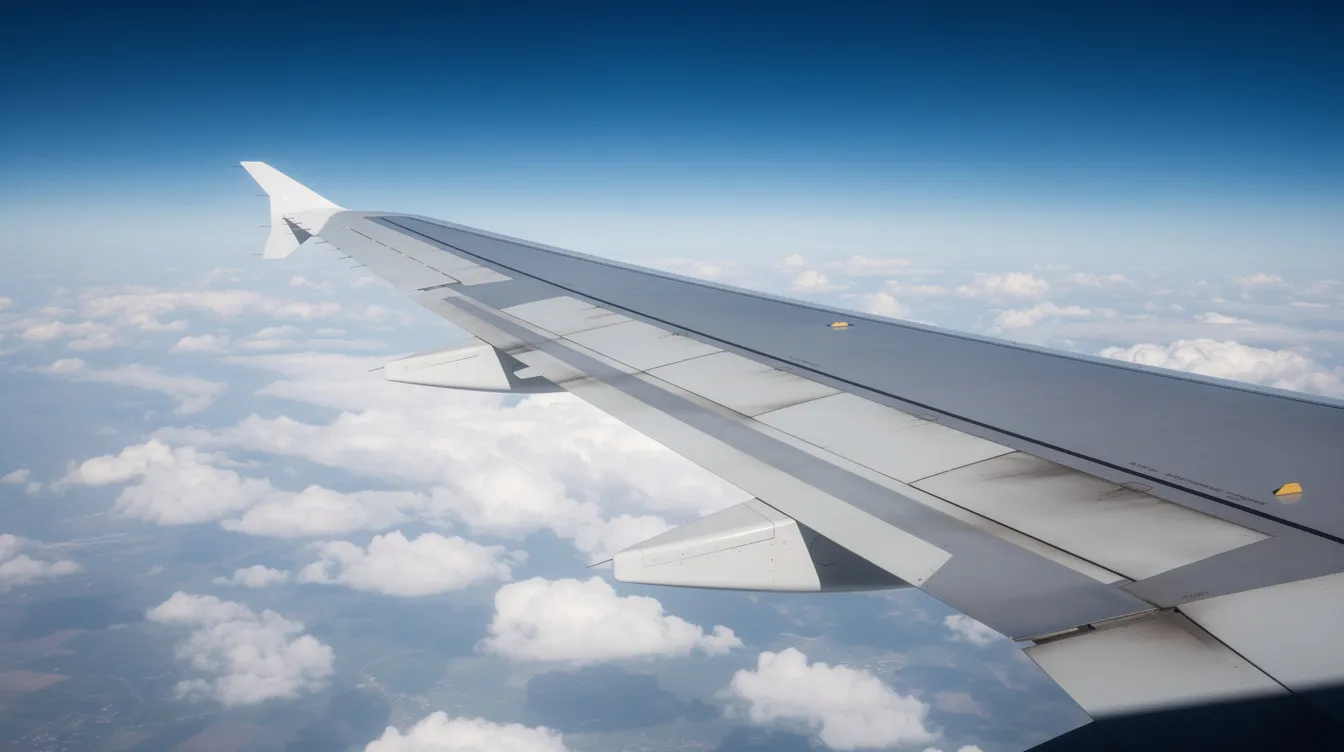
The Airbus A330-200 was offered with three main engine families, each selected to match operator preferences and fleet commonality:
Rolls-Royce Trent 700 (around 68,000–72,000 lbf thrust)
General Electric CF6-80E1
Pratt & Whitney PW4000 series
All three are high-bypass turbofans powered by decades of development. Airlines chose engines based on existing fleet compatibility, allowing operators to fly the A330-200 alongside other Airbus aircraft with shared maintenance infrastructure.
Performance. The A330-200 cruises at Mach 0.82 with a service ceiling around 41,000 ft. In standard airline configuration, it can carry about 253 passengers over approximately 6,350 nautical miles (around 13,400 km). The fuel capacity of the A330-200 is 139,090 liters (about 36,750 US gallons), distributed across wing tanks and a center section tank that is standard equipment.
In terms of fuel efficiency, the A330-200 burns less fuel per seat than older four-engine aircraft like the Airbus A340-300 and Boeing 747-400. It also offers 9% lower operating costs than the Boeing 767-300ER on comparable missions - a figure that drove many airlines to switch.
From an environmental perspective, lower fuel burn translates to lower CO₂ emissions per passenger-kilometer compared to legacy wide-bodies. Many operators combine the A330-200 with carbon offset programs and optimized flight planning to further reduce their footprint. For fuel efficiency and sustainable aviation, the A330-200 remains a strong performer.
For VIP A330-200 operations, fuel efficiency means fewer fuel stops on ultra-long-range flights and more sustainable large-group travel - something Jettly can help organize for clients needing intercontinental nonstop capability.
The A330-200's 222-inch-wide cabin with a 2-4-2 seating configuration in economy is one reason passengers prefer it. The 2-4-2 seating configuration means there are two seats by each window and four in the center, providing only one middle seat per row in the center section. That seat layout means only one middle seat per row of four in the center section - more windows and aisles per passenger than 3-3-3 layouts found on some competing wide-bodies.
Typical configurations include:
|
Layout |
Approximate Seats |
|---|---|
|
Three classes (First/Business/Economy) |
210–250 |
|
Two-class (Business/Economy) |
250–260 |
|
High-density single-class |
Up to 406 |
The A330-200 supports a variety of seating layouts depending on airline specifications, from ultra-premium long-haul products to high-density holiday charter configurations. It can carry up to 250 passengers in a three-class configuration or up to 406 in maximum density.
The main cabin features spacious galleys, flexible lavatory positioning, and overhead bins that accommodate modern carry-on volumes. Fourth-generation in-flight entertainment systems introduced in the 2000s brought seat-back screens, video on demand, and movies to every row. Later retrofits added Wi-Fi and satellite connectivity.
In business class, newer refits feature herringbone or staggered lie-flat seats with direct aisle access, while economy class retains the generous 2-4-2 layout. Compared to earlier wide-bodies, the A330-200 offers quieter cabin designs and improved lighting, especially after modernization programs.
VIP and corporate layouts are a different world entirely. Private suites, conference rooms, open lounges, and bedrooms can transform an A330-200 into a flying office or residence for heads of state, sports teams, or corporate roadshows. Jettly's inventory may include access to such aircraft when comfort, privacy, and nonstop capability for 20–50 passengers are critical.
The A330-200 airframe serves as the basis for multiple specialized variants, extending its role far beyond standard passenger service. The A330-200 can be configured for passenger and cargo operations, and several purpose-built derivatives exist.
A330-200F (Freighter). Introduced around 2009, this dedicated freighter features a slightly raised nose gear to level the cargo deck. It carries payloads of up to about 65–70 tonnes with a range of approximately 4,000–4,500 nautical miles, targeting express and general cargo markets.
A330-200 Regional. Optimized for high-density, shorter-range operations with reduced maximum takeoff weight and space for up to about 400 passengers, this variant targets domestic or regional high-traffic routes in Asia and other high-demand markets.
A330neo Family. The A330-800 is the new-engine-option successor to the A330-200. Powered by Rolls-Royce Trent 7000 engines with new sharklet-equipped wings, it delivers about 14% better fuel efficiency per seat compared to A330ceo models - keeping the platform competitive against the Boeing 787 and Airbus A350.
A330 MRTT (Multi-Role Tanker Transport). Based largely on the A330-200 airframe, the MRTT serves aerial refueling, troop transport, and medical evacuation roles. At least 13 countries have adopted it, with around 60 orders placed by 2020.
BelugaXL. Though derived from the broader A330 platform, this oversized cargo transport features a dramatically enlarged upper fuselage to carry Airbus wings and other large components. It completed its first flight in July 2018, entering service in 2020 for intra-Airbus logistics from Toulouse.
This versatility has extended the production life and aftermarket value of the -200 platform, ensuring continued availability for cargo, military, and VIP conversion that feeds into the charter market.
Beyond airline service, the Airbus A330-200 is widely used as a large corporate jet, government aircraft, and special-mission platform. Its range, cabin volume, and reliability make it a natural fit for customers who need to fly large groups long distances without stopping.
ACJ330-200 Prestige. The Airbus Corporate Jets version offers ultra-long-range capability - up to about 15,400 km - with seating for around 50 passengers in spacious VIP layouts featuring lounges, offices, and private suites. The height of luxury in airborne travel, these aircraft serve royal families, governments, and Fortune 500 companies.
ACJ330neo variants push the range envelope beyond 19,000 km (about 21 hours nonstop for around 25 passengers), making nonstop missions like London–Perth or New York–Seoul possible.
Typical user profiles include:
Governments and royal families for diplomatic travel
Large corporations for executive retreats or product roadshows
Sports teams needing custom nutrition and medical support on board
Entertainment tours transporting crew and equipment across continents
A charter broker like Jettly fits into this space by connecting clients to operators of VIP A330-200 aircraft, sourcing aircraft globally, comparing options, and presenting transparent pricing for ad-hoc charter or seasonal programs, including opportunities to crowdsource flights and share empty seats when appropriate.
Consider a scenario: a multinational company needs to fly 30 executives from Toronto to Tokyo nonstop for a product launch. Or a professional sports team chartering an A330-200 from New York to European tournaments. In both cases, a single wide-body offers more flexibility and shared space than coordinating multiple smaller jets.
Operational considerations for private users include minimum trip length where an A330-200 becomes economical, crew size and rest requirements, and ground handling at both ends. Digital booking tools and an airport locator tool for wide-body-capable airports simplify planning for complex multi-segment missions.
The A330-200 built its reputation on economics. It has lower operating costs than larger long-haul aircraft on many routes, driven by twin-engine fuel burn, relatively modest maintenance costs through engine and systems commonality, and strong residual values supported by demand for freighter and MRTT conversions.
Route patterns span the world:
Transatlantic pairs like Paris–New York or Amsterdam–Boston
Europe–Africa routes serving moderate-density city pairs
South American long-hauls like São Paulo–Lisbon
Intra-Asia flights where demand does not justify larger jets like the 777
Current fleet data also underscores that market presence, with 481 A330-200s in revenue service as of June 2026. Delta Air Lines operates 81 A330-200 aircraft. Turkish Airlines has 60 A330-200 aircraft in service. China Eastern Airlines operates 56 A330-200 aircraft. Air China has 43 A330-200 aircraft in its fleet. Cathay Pacific operates 43 A330-200 aircraft. These numbers reflect the type's global reach and operators' confidence in its economics.
ETOPS ratings up to 240 minutes (achieved by around 2009) allowed the A330-200 to fly more direct over-water routes, improving block times and fuel efficiency compared to routing detours required by older aircraft. This capability opened transcontinental routes that were previously impractical for twin-engine types.
The aircraft's generous belly cargo volume - 27 LD3 containers in passenger versions - supports e-commerce, express freight, and mail, enhancing route profitability even on marginal passenger loads.
When airlines lease out A330-200 aircraft for charter - pilgrimage flights, holiday peaks, sports charters - brokers like Jettly can source these wide-bodies alongside other private charter aircraft across multiple categories for large-group private movements, allowing customers to compete on flexibility and response time.
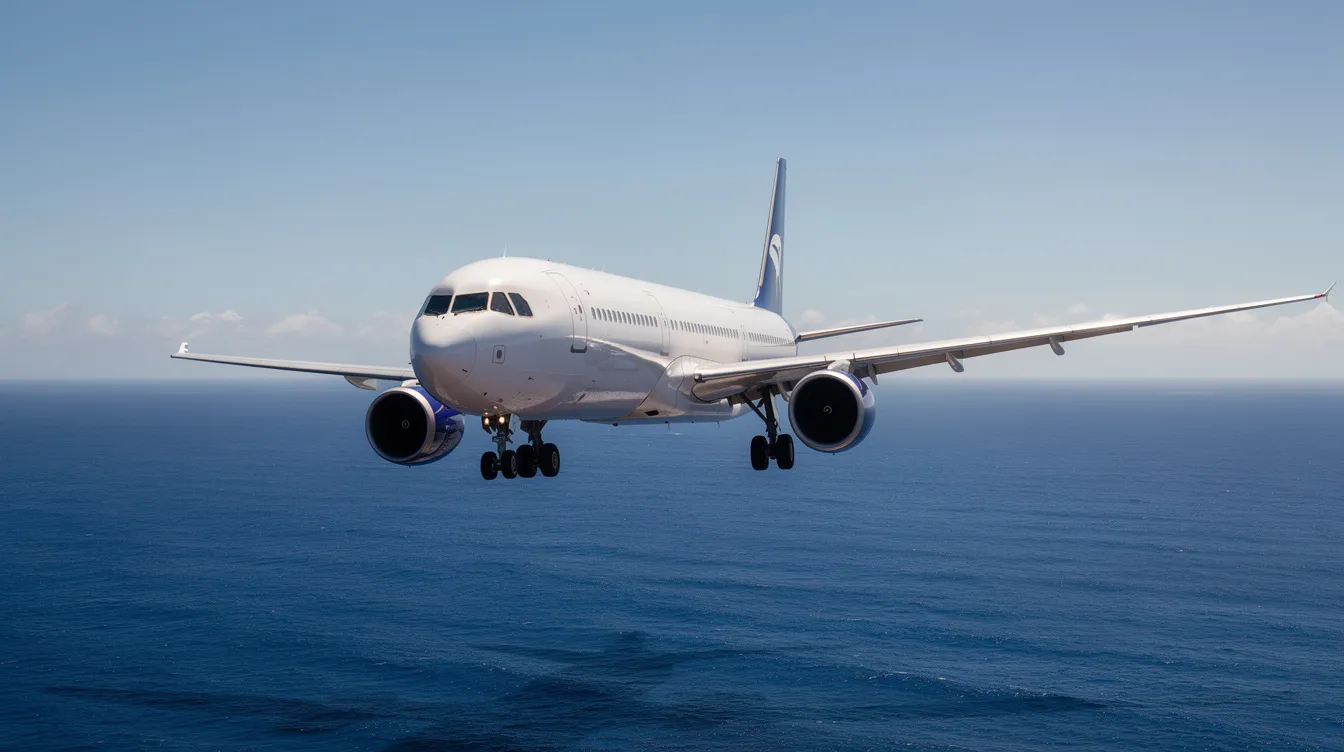
The Airbus A330 family, including the A330-200, is generally regarded as a dependable long-haul platform. By the mid-2020s, the global A330 fleet had accumulated over 72 million flight hours with an operational dispatch reliability above 99%.
The most significant incident involving an A330-200 was Air France Flight 447 in June 2009, which crashed in the Atlantic en route from Rio de Janeiro to Paris. Investigation determined that pitot tube icing led to inconsistent airspeed readings, followed by an aerodynamic stall. In response, Airbus and operators implemented changes to pitot probe design, flight control laws, and crew training on high-altitude stall recovery across the entire fleet.
Other early development challenges included hydraulic pump fire risks identified during A330/A340 development near Toulouse, which were resolved through modifications before or shortly after entry into service.
Maintenance philosophy highlights:
Modular avionics with heavy parts commonality across Airbus types
Global support networks, including Airbus Flight Hour Services
Strong aftermarket for cabin retrofits and structural upgrades
Well-maintained older airframes remain serviceable for freighter and VIP conversion
Jettly works only with operators that meet strict regulatory standards - FAA Part 135, EASA, or equivalent authorities - and maintain their A330-200s under approved maintenance programs with regular audits. The combination of strong design, continuous improvements, and rigorous operator oversight makes the A330-200 a trusted choice for airlines and private charter clients alike, fitting neatly into the wider landscape of charter airlines and private operators.
Seat maps on the Airbus A330-200 vary significantly between airlines and between airline and VIP configurations. Understanding the layout helps passengers maximize comfort on long flights.
Economy class typically uses a 2-4-2 arrangement across each row. This is popular because only one middle seat exists per set of four in the center, giving more window and aisle positions than 3-3-3 layouts on some other wide-bodies.
Business class arrangements range from older 2-2-2 flat-bed setups to modern staggered or herringbone seats with direct aisle access. The position of your seat relative to the galley or lavatory can significantly affect noise and comfort.
General guidance for airline flights:
Quietest seats are often forward of the wing
Last-row seats near lavatories or galleys can be noisy
Bulkhead and exit-row seating offer extra legroom
Third-party tools and airline websites let passengers inspect A330-200 seat maps, compare pitch and width, and read reviews
On a private charter, the dynamic changes entirely. Layout is fully customized, so charter clients focus on zone uses - lounge, conference room, bedrooms - rather than selecting a specific seat. A family chartering a VIP A330-200 might designate forward zones for dining and living, mid-cabin for bedrooms, and aft space for staff, with flexibility to tailor the arrangement through a broker like Jettly while applying tips for booking the cheapest private jet flights to keep costs under control.
The A330-200 played a central role in transitioning global fleets away from older, less efficient wide-bodies. Twin-engine long-haul certification (ETOPS) allowed it to replace four-engine aircraft on many routes, cutting fuel burn and emissions significantly while maintaining range and payload.
Incremental upgrades - higher-gross-weight versions, aerodynamic tweaks, and cabin weight reductions - preserved the A330-200's competitiveness well into the era of newer models like the A350 and Boeing 787. These improvements kept per-seat fuel costs low and extended the type's useful service life.
Practical fuel efficiency benefits include:
Fewer fuel stops on long routes in VIP configuration
Lower fuel cost per available seat-kilometer than legacy four-engine types
Competitive trip economics even against newer aircraft on certain route profiles
Better margins for airlines or lower charter costs for clients
For large-group charters, efficiency matters in a different way. A single A330-200 carrying 30–50 passengers on a long-haul mission can deliver a smaller per-passenger carbon footprint than flying multiple smaller jets. When combined with carbon offsetting or sustainable aviation fuel - where available - the environmental case strengthens further, especially on international private jet flights that span oceans and continents.
Many operators and digital platforms like Jettly consider both economics and environmental impact when recommending aircraft for long-haul missions, often shortlisting the A330-200 or its neo successor for fuel-sensitive routes. Travelers can also review a comprehensive guide to affordable private jet charter costs when comparing this wide-body aircraft against smaller aircraft. Even as newer types enter service, the A330-200 remains a benchmark for efficient, versatile long-haul performance in both commercial and private aviation.
Jettly is a digital private jet charter marketplace that aggregates access to over 20,000 aircraft worldwide, including large VIP airliners like the Airbus A330-200 when available. The platform bridges the gap between operators of wide-body aircraft and clients who need them.
How it works:
Users submit route, dates, passenger count, and cabin requirements
Jettly sources suitable aircraft from its global operator network
Options may include A330-200s configured for VIP, corporate, or high-density charter use
Transparent, upfront pricing lets clients compare the cost of a single A330-200 against multiple smaller jets or alternative wide-bodies
Frequent flyers or organizations can opt for private jet memberships with flexible access to aircraft and additional support, while occasional users can book on a trip-by-trip basis without long-term commitment. This flexibility suits the unpredictable nature of group charter demand.
Sample use cases for A330-200 charter through Jettly:
Global product roadshows across multiple continents
Music tours transporting crew, equipment, and artists on a single plane, sometimes with travelers opting to buy individual seats on private jet flights when full-aircraft charter is unnecessary
Corporate events where executives and customers must travel together
Sports teams flying from the west coast to international competitions, or large fan groups using accessible ways to get a seat on a private jet when traveling together
Ancillary amenities can be integrated: tailored in-flight catering, onboard branding, flight attendants with specific language skills, and ground transportation at each end of the journey. All coordination runs through the platform, simplifying planning for even the most complex multi-segment missions and positioning Jettly as a compelling NetJets alternative for flexible private flying.
To learn more or request a quote for an A330-200 or similar large-cabin aircraft, visit Jettly's website directly and try their private jet charter cost estimator for instant ballpark pricing.

Below are common questions not fully addressed elsewhere on this page, focused on practical concerns for travelers and charter clients.
In a typical airline configuration, the Airbus A330-200 can fly about 6,350 nautical miles (around 13,400 km). That is enough for routes like London to Shanghai, New York to Athens, or São Paulo to Lisbon without refueling. VIP or corporate configurations with fewer passengers and optimized payload can sometimes extend usable range further - up to about 14,800 km - depending on fuel reserves and operational rules.
Most VIP or corporate A330-200 layouts carry between 25 and 80 passengers, trading seat count for larger suites, meeting rooms, and communal space. Exact capacity depends on the specific aircraft and its interior configuration. During the quoting process, Jettly or the operating carrier will detail the available layout and amenities.
Pricing varies by region, configuration, and mission length. Chartering an A330-200 for long-haul flights typically involves a six-figure cost, calculated per flight hour plus positioning and handling fees. For a personalized cost estimate, Jettly provides transparent, trip-specific quotes so clients can compare an A330-200 against other large-cabin options or use a jet card flight cost estimator when considering program-based flying.
The A330-200 can operate from most major international and many regional airports with runways of roughly 2,500 meters or more, appropriate pavement strength, and wide-body handling facilities. Jettly's booking tools can quickly determine which departure and arrival airports in a client's itinerary support wide-body operations.
For large groups on long-haul missions, a single A330-200 is typically more time- and cost-efficient than coordinating multiple smaller jets. It offers significantly more shared space and luggage capacity. For smaller groups or shorter routes, super-midsize or large-cabin business jets may be more economical - Jettly can arrange and compare both options side by side, including structured jet card programs with fixed hourly rates.
The Airbus A330-200 combines long range, strong fuel efficiency, and a flexible cabin to remain highly relevant in both airline service and private charter markets. It carries medium-to-large groups over intercontinental distances nonstop, offers adaptable interiors from standard two-class seating to full VIP layouts, and is backed by a proven reliability record and global support network developed across millions of flight hours.
Whether an A330-200 charter makes sense for your trip depends on group size, route length, budget, and desired onboard experience, as well as whether you apply cost-saving strategies for affordable private jet flights. For 20 or more passengers traveling long distances together - across the Atlantic, from Europe to Asia, or on complex multi-stop itineraries - it is hard to find a better combination of space, range, and efficiency in a single aircraft.
Comparing it with other wide-body and large-cabin options is the best way to decide. Jettly makes that comparison straightforward, whether you are weighing an A330-200 against a Boeing 737-800 for shorter sectors or other long-haul types.
Ready to experience private travel on your terms? You can join Jettly's ULTRA high-ticket affiliate program to earn by referring new charter clients, or explore regional services such as private jet charter in Chennai, Tamil Nadu, private jet charter in Kolkata, West Bengal, and private jet charter in New Delhi. Jettly also partners with operators like Dexter Air Taxi for on-demand private flights. Explore flight options or request a quote at https://www.jettly.com.
Share this post:
Jay Franco Serevilla
Jul 19, 2026
|
5
min read
Discover tips and trends in the industry.

5
min read
Havasu Falls Helicopter Price: Costs, Schedule, and How to Book in 2026
Planning a trip to Havasu Falls in 2026? The helicopter service offers a quick alternative to the challenging hike, costing approximately $300 one-way. Flights operate on select days and are first-come, first-served, so early arrival is essential. Remember, a valid permit is required for all visitors to access the falls.
Read More
5
min read
How Long Does It Take to Get a Helicopter License? Timeline, Training, and Costs
Becoming a helicopter pilot can take anywhere from 2 months to 2 years, depending on the type of license and training frequency. A private pilot license typically requires 40 flight hours, while a commercial license demands 150 hours. Factors such as training intensity, weather conditions, and flight school choice significantly influence the timeline and costs involved.
Read MoreStay updated with our latest insights and tips to elevate your journey with us.
MEMBERSHIPS AND ASSOCIATIONS



Disclaimer: Jettly operates as a charter broker, offering access to a global digital jet charter marketplace. Jettly is not a direct air carrier and does not own or operate aircraft. All advertised flights are conducted by third-party air carriers that are fully licensed and hold the appropriate Part 135 or Part 121 certifications issued by the Federal Aviation Administration (FAA) or equivalent regulatory authorities under U.S. or foreign law. Jettly complies fully with the U.S. Department of Transportation's Part 295 and Part 298 Charter Broker regulations. Jettly does not carry additional liability insurance. Passengers are covered by aircraft operator insurance. TICO: 50023770


