



Login
Get Instant Pricing On 23,000+ Aircraft

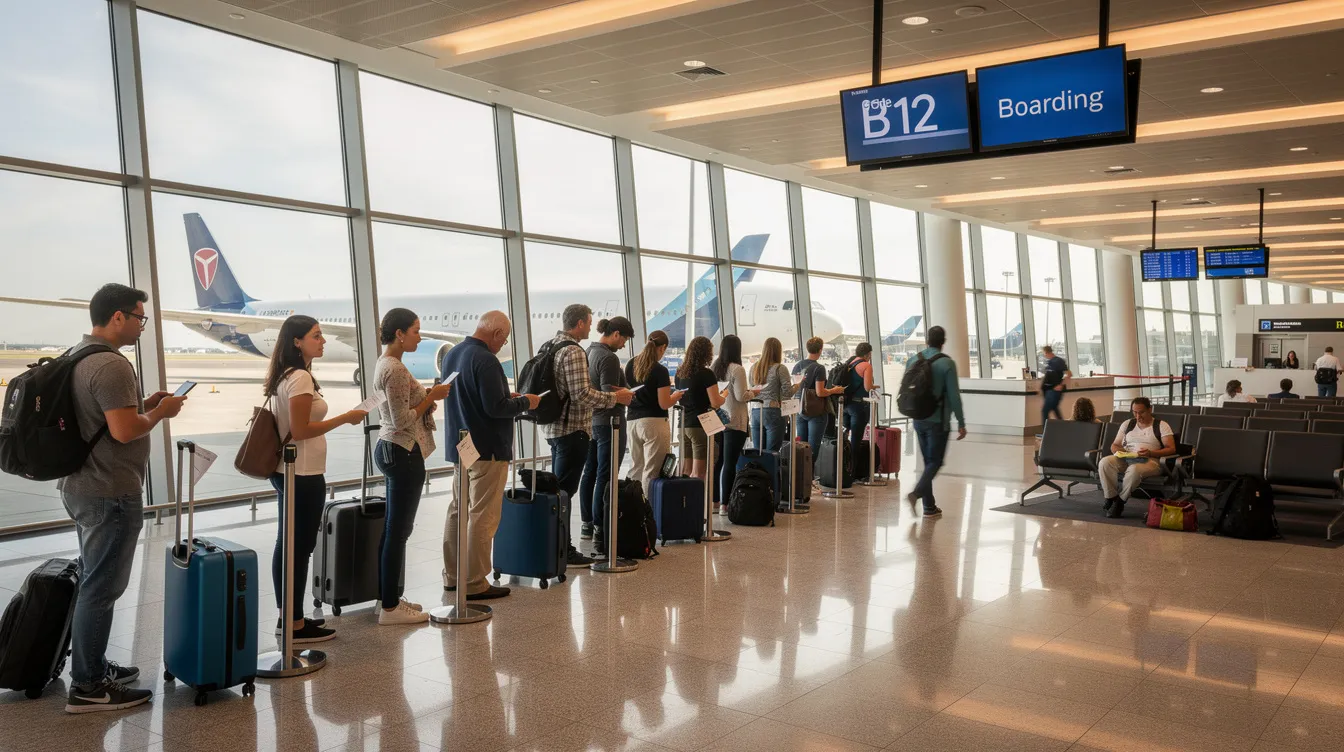
Delta Air Lines utilizes a structured boarding system with eight numbered zones plus pre-boarding, determining the order in which passengers board based on cabin class, fare type, and loyalty status. Understanding this system is crucial for travelers considering commercial flights versus private jet charters, as it impacts overhead bin space and wait times. For those seeking a more streamlined experience, private jet options like Jettly eliminate the complexities of boarding zones altogether.
Jay Franco Serevilla
Oct 25, 2026
|
5
min read


View all
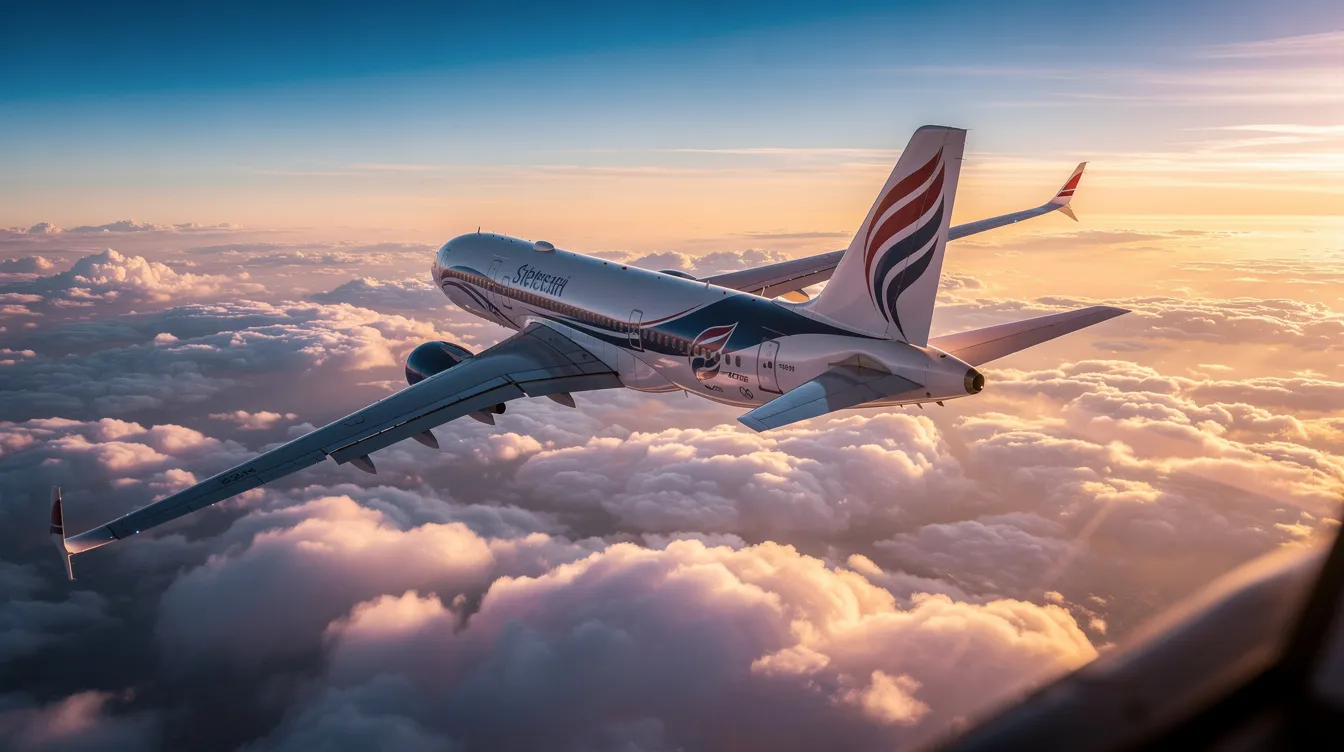
The Airbus A330 boasts a maximum operating speed of Mach 0.86, with typical cruising speeds ranging from Mach 0.82 to 0.84 for optimal fuel efficiency. Variants like the A330neo enhance fuel economy while maintaining similar speed capabilities. Understanding these speeds aids travelers in comparing commercial flights with private jet options.
Jay Franco Serevilla
Jul 19, 2026
|
5
min read
View all
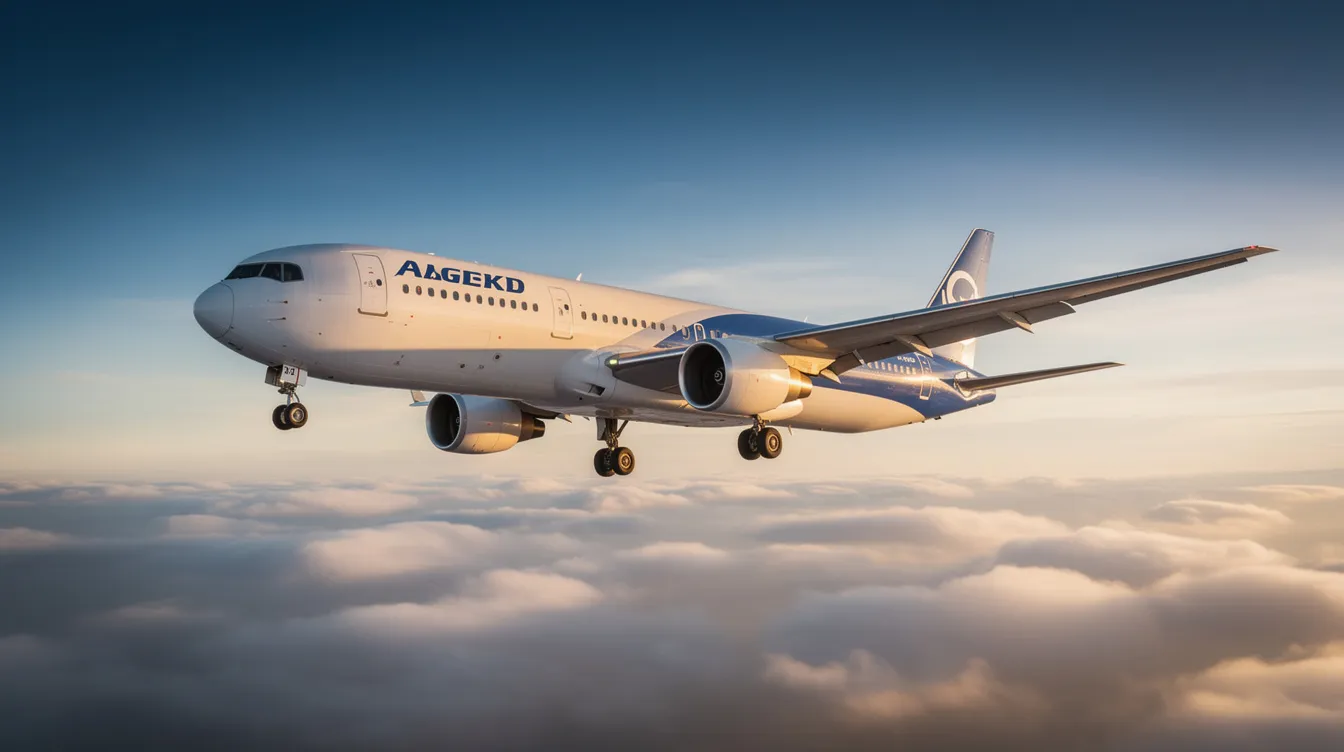
The Boeing 767, with a top speed of approximately Mach 0.86, has been a staple in global aviation since 1982. Its cruising speed typically ranges from Mach 0.80 to 0.82, making it competitive among wide-body aircraft. Ideal for long-haul flights and private charters, the 767 balances speed, range, and fuel efficiency, ensuring reliable service for both passengers and cargo.
Jay Franco Serevilla
Jul 19, 2026
|
5
min read
View all
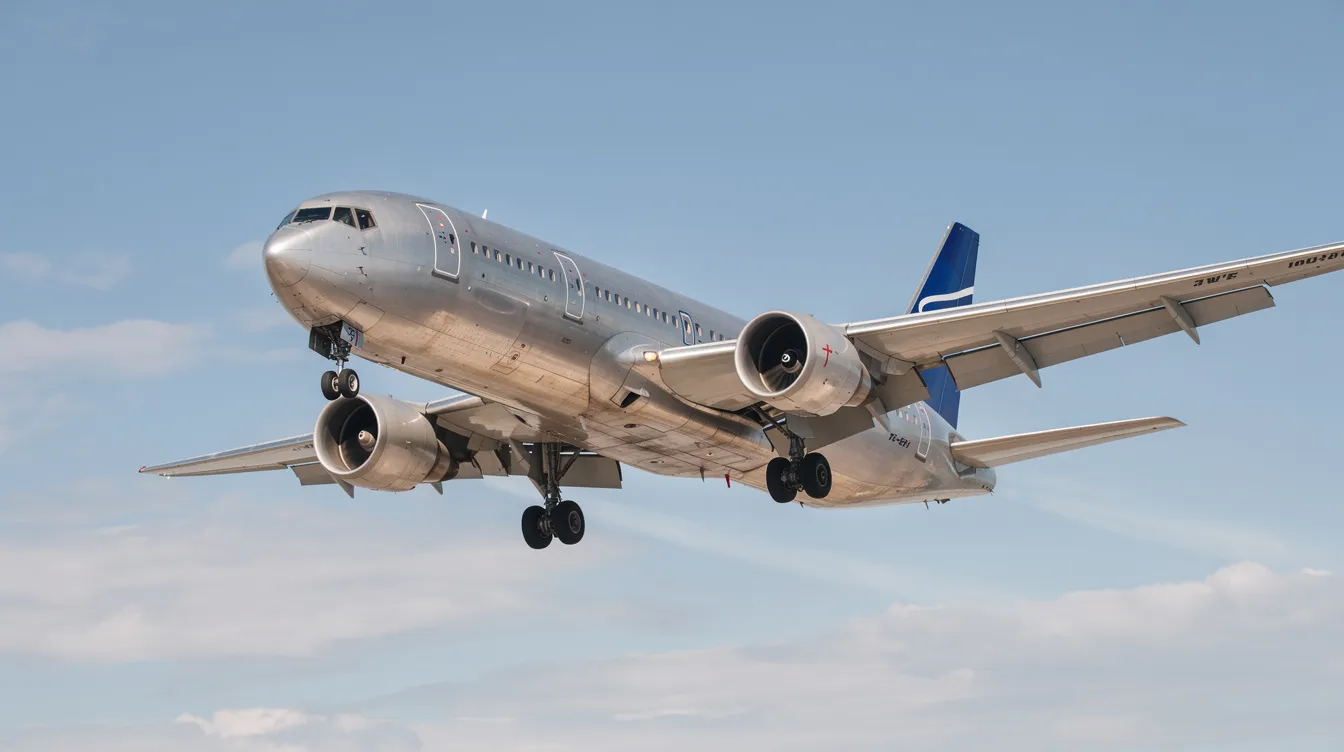
The Boeing 767 has been a staple in aviation for over 40 years, with weight specifications crucial for operators and charter planners. This guide details the weight data across the 767 family, highlighting how it impacts payload, range, and airport compatibility. Understanding these figures is essential for optimizing flight operations and ensuring efficient charter missions.
Jay Franco Serevilla
Jul 19, 2026
|
5
min read
View all
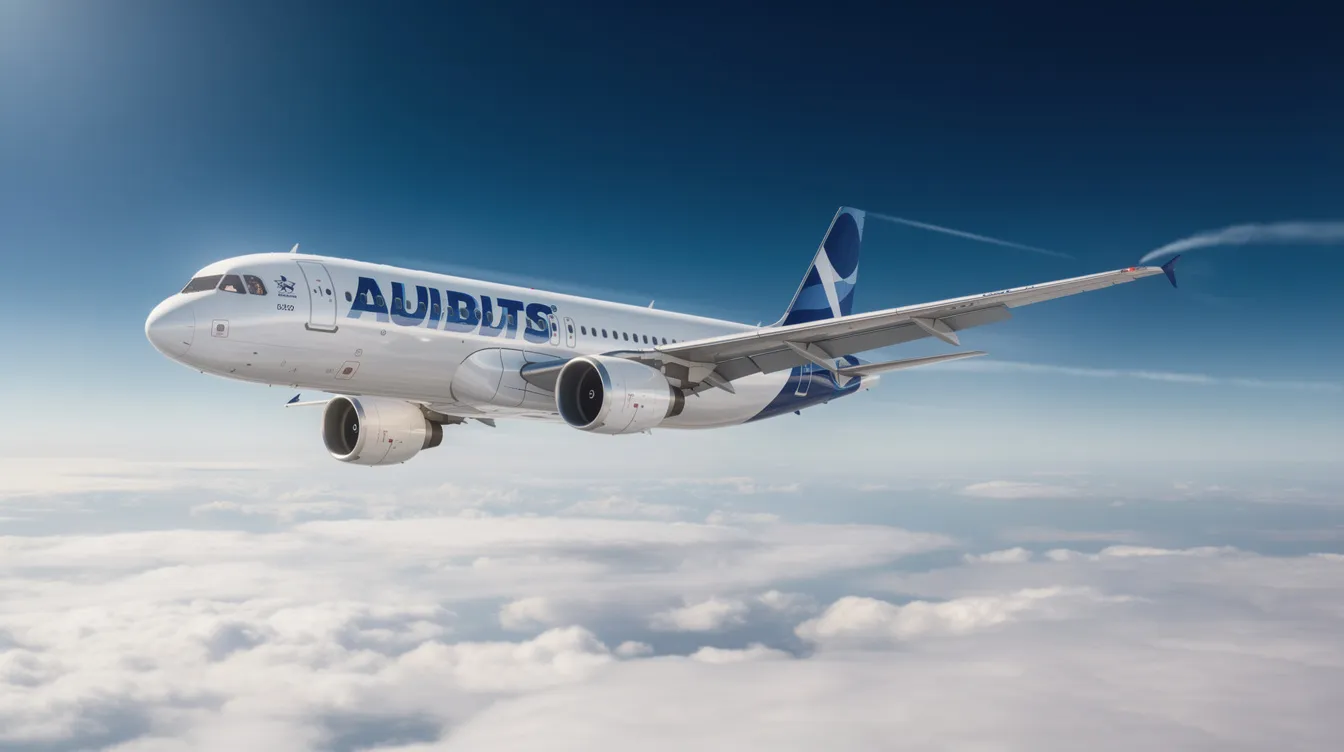
The Airbus A320 typically cruises at Mach 0.78 to 0.80, translating to about 450-470 knots true airspeed. Understanding its cruise speed is essential for flight planning, fuel efficiency, and passenger comfort. Factors like aircraft weight, altitude, and atmospheric conditions influence these speeds, making them crucial for both airlines and travelers.
Jay Franco Serevilla
Jul 19, 2026
|
5
min read
View all
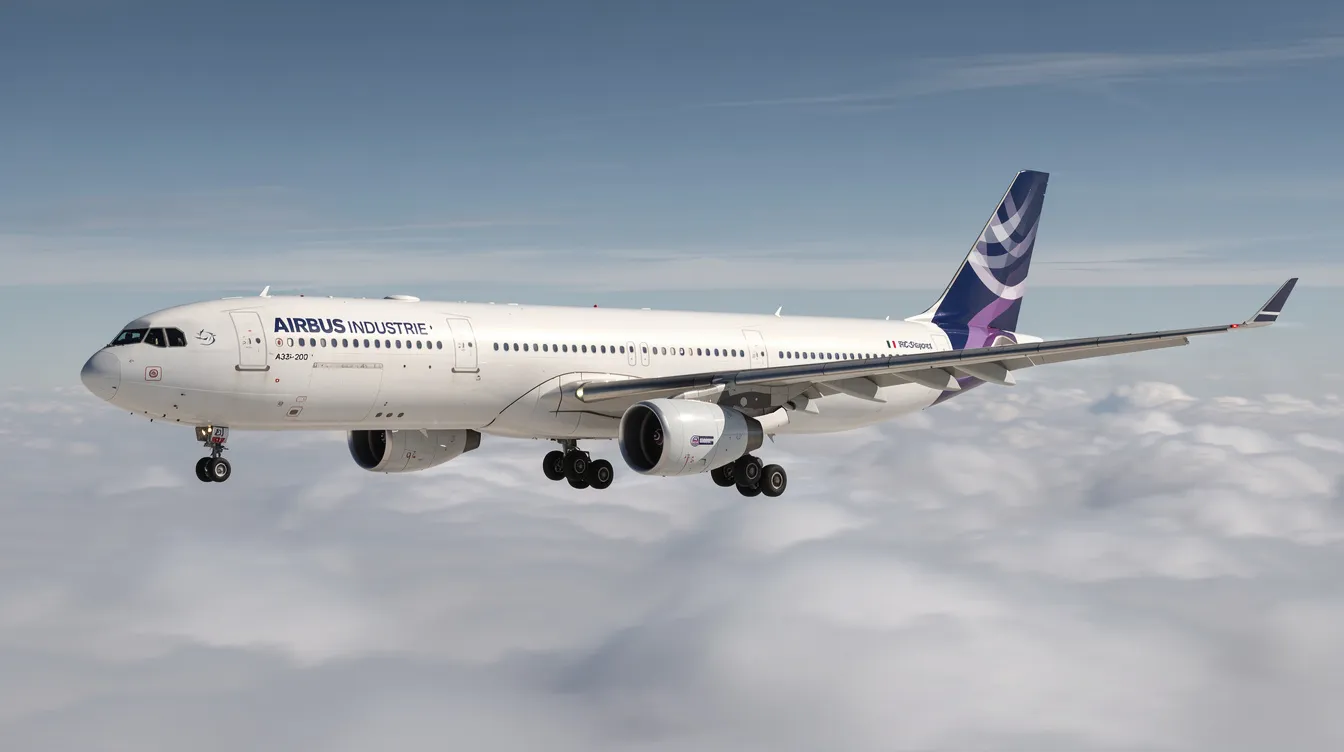
The Airbus A330-200 is a versatile wide-body aircraft known for its long-range capabilities and fuel efficiency, making it ideal for both commercial and private charter use. With a range of approximately 13,400 km and seating for up to 250 passengers, it balances comfort and capacity effectively. This guide explores its specifications, variants, and how platforms like Jettly facilitate access to A330-200 for private travel.
Jay Franco Serevilla
Jul 19, 2026
|
5
min read
View all
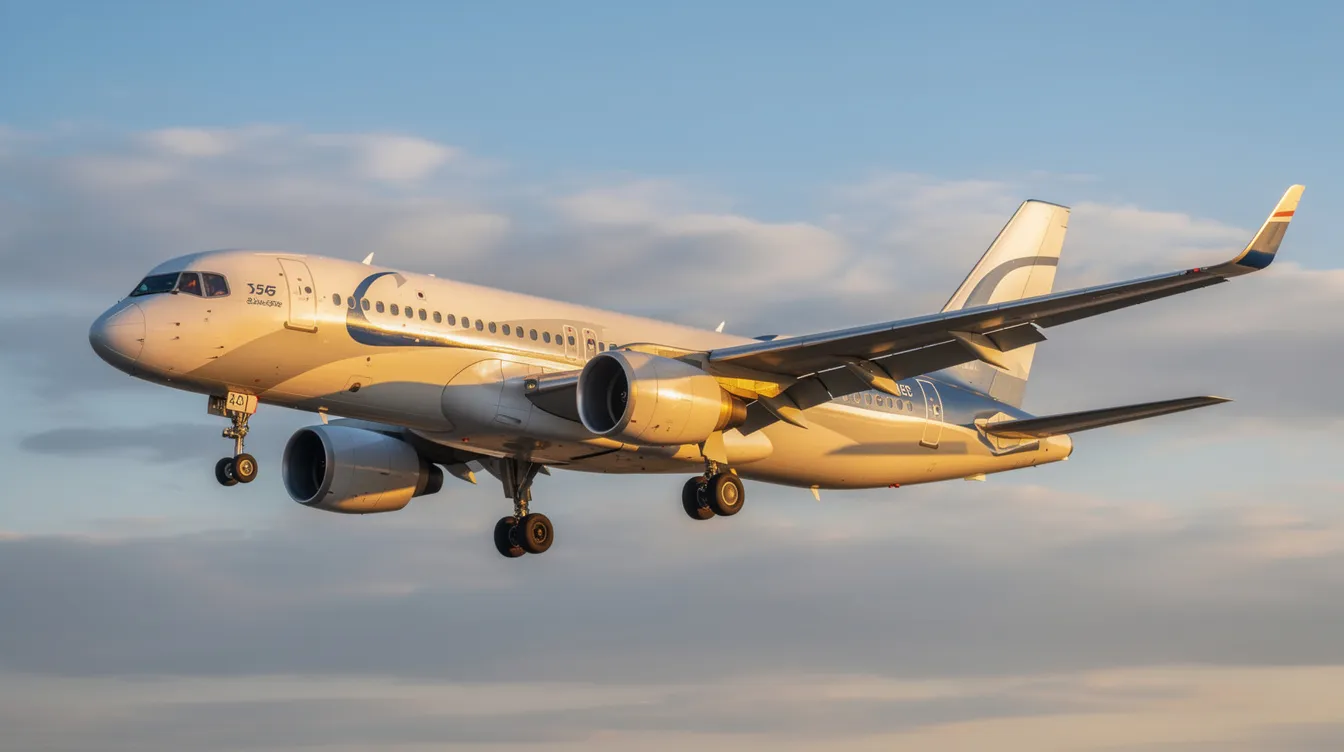
The Boeing 757, a versatile narrow-body airliner, has been a staple in aviation since its first flight in 1982. Known for its fuel efficiency and capacity, it continues to serve airlines and charter markets, particularly for large groups and VIP configurations. This guide explores its history, variants, and modern applications in charter services, highlighting how platforms like Jettly facilitate access to this iconic aircraft.
Jay Franco Serevilla
Jul 17, 2026
|
5
min read
Explore our latest articles and updates.

5
min read
Deer Jet: From Dream Jet Experience to Modern Private Jet Charter
Deer Jet is a leading Chinese private jet company known for its ultra-luxury Dream Jet experience, particularly featuring the Boeing 787 Dream Jet, which offers a lavish cabin and bespoke services for VVIP travel. Established in 1995, Deer Jet has played a significant role in the growth of business aviation in Asia, operating a large fleet and providing on-demand charter services across numerous global destinations. In contrast, Jettly is a digital private jet charter platform that connects travelers to a wide range of aircraft without the need for ownership, offering flexibility and transparent pricing. Both Deer Jet and Jettly cater to different aspects of private aviation, with Deer Jet focusing on high-end experiences and Jettly providing accessible options for various travel needs.
Read More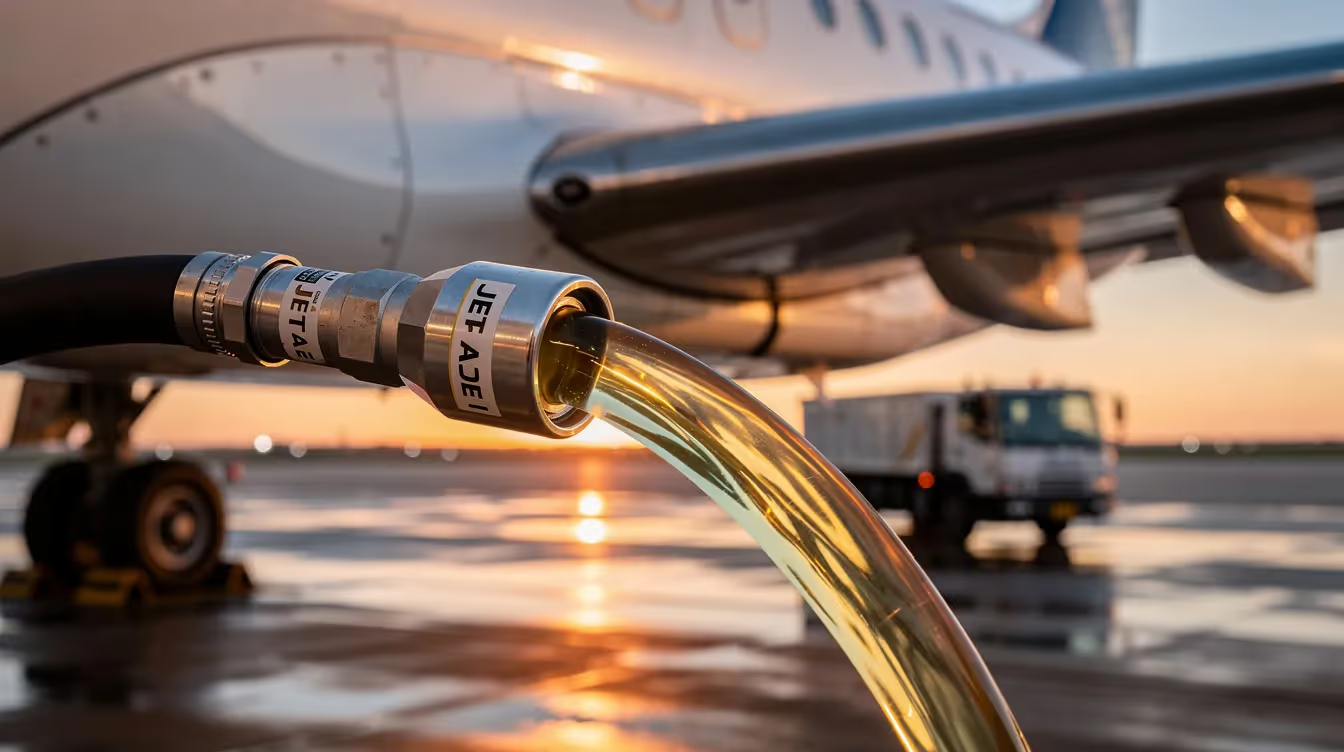
5
min read
Aviation Fuel: From Conventional Jet Fuel to Sustainable Aviation Fuels (SAF)
Aviation fuel, primarily consisting of conventional jet fuel and aviation gasoline (avgas), is essential for powering aircraft engines, with sustainable aviation fuels (SAF) emerging as a low-carbon alternative that can reduce lifecycle emissions by up to 80%. Jet A and Jet A-1 are the most common kerosene-based fuels for turbine engines, while avgas is used for piston engines. The aviation industry is actively transitioning to SAF, which can be blended with traditional jet fuel without requiring significant modifications to existing aircraft. Fuel choices impact various operational aspects, including cost, range, and emissions, making them a critical consideration for private jet charter services like Jettly.
Read MoreJoin our community and receive the latest blog updates directly in your inbox.
MEMBERSHIPS AND ASSOCIATIONS



Disclaimer: Jettly operates as a charter broker, offering access to a global digital jet charter marketplace. Jettly is not a direct air carrier and does not own or operate aircraft. All advertised flights are conducted by third-party air carriers that are fully licensed and hold the appropriate Part 135 or Part 121 certifications issued by the Federal Aviation Administration (FAA) or equivalent regulatory authorities under U.S. or foreign law. Jettly complies fully with the U.S. Department of Transportation's Part 295 and Part 298 Charter Broker regulations. Jettly does not carry additional liability insurance. Passengers are covered by aircraft operator insurance. TICO: 50023770


