



Login
Get Instant Pricing On 23,000+ Aircraft

>
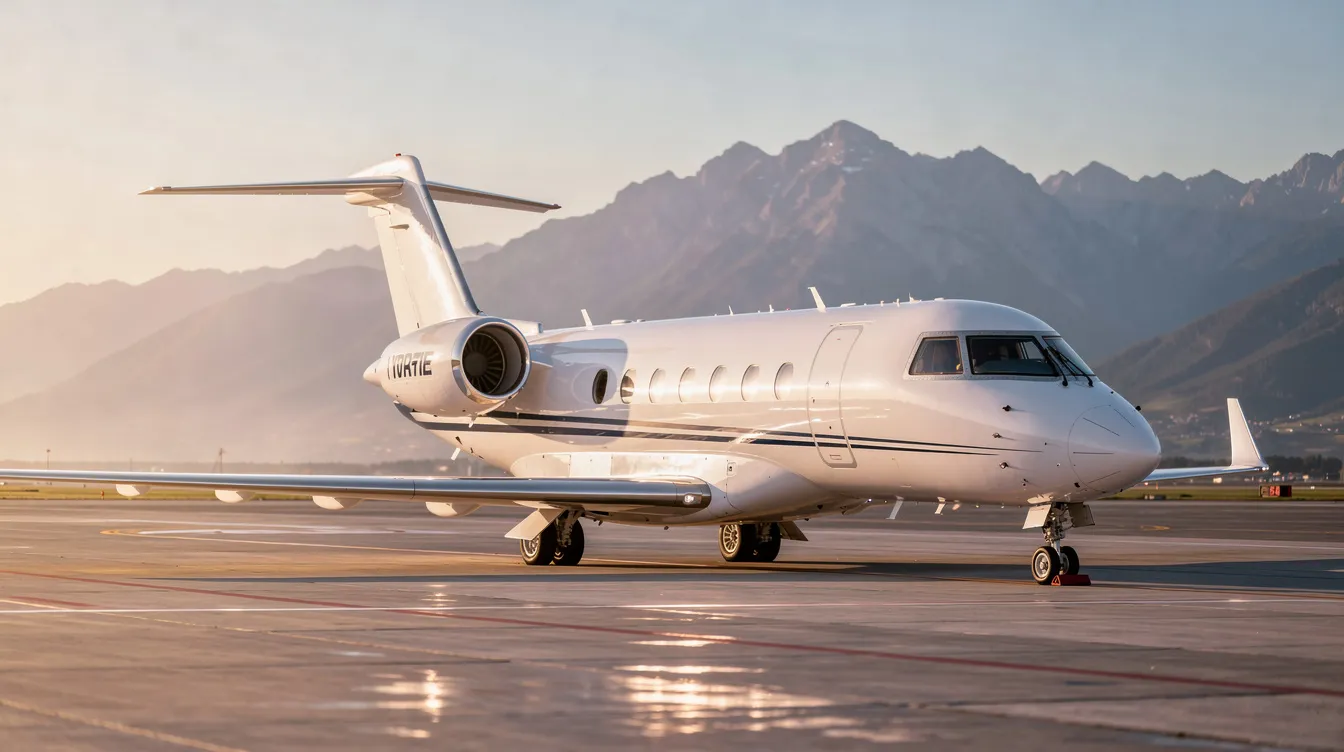
If you've ever searched "how much is a 10-seater private jet," the short answer is this: new models typically cost between $18 million and $35 million, while pre-owned options range from roughly $7 million to over $25 million. Annual operating costs add another six to seven figures on top. This guide breaks down every layer of pricing—from purchase to operations to charter—so you can figure out which path makes sense for the way you fly.
A 10-seater private jet typically falls into the super-midsize jet or heavy jet category. Super-midsize jets can typically seat 8 to 10 passengers, making them a common choice for groups of this size. Here's what the numbers look like in 2025–2026:
10-seater jets typically cost $15 million to $30 million, with some super-midsize and smaller heavy jets stretching above that range depending on manufacturer and specification.
Pre-owned 10-seaters often sell for $7 million to $25 million or more, driven by aircraft age, total flight hours, and maintenance history.
Annual operating costs for 10-seater jets exceed $1 million in many scenarios once crew salaries, hangar fees, insurance, fuel, and routine maintenance are factored in.
Chartering a 10-passenger private jet through Jettly usually costs $4,000 to $8,000 per flight hour, while actual quotes vary by aircraft, route, and fees.
Chartering is more cost-effective for many travelers flying under 200 hours annually, while ownership may make financial sense for those who fly 200 to 400 hours a year.
The headline numbers: new 10-seater private jets in 2025–2026 generally fall in the $18 million to $35 million range, while pre-owned models trade between $7 million and $25 million depending on age and specification. On top of the purchase price, annual running costs typically land between $800,000 and $2 million or more.
When the industry says "10-seater," it usually means an aircraft configured for 8 to 10 passengers, plus two crew members. The chosen aircraft type usually determines whether that means a super-midsize jet or a smaller heavy jet—not an ultra-long-range heavy jet with a 16-seat cabin. They are designed for coast-to-coast domestic flights or medium-range international routes.
Private jet ownership costs range from $2 million to $100 million depending on category. A 10-seater sits in the middle of that spectrum. List prices can run higher than actual transaction prices because buyers may negotiate discounts, trade-ins, or delivery incentives. Many travelers skip outright purchase and charter a 10-passenger private aircraft on demand through platforms like Jettly because they prefer flying private without the responsibilities tied to ownership.
The table below summarizes typical purchase and charter ranges. Actual prices depend on aircraft age and condition, route, availability, and the services included in a quote.
|
Cost category |
Typical range |
What affects the price |
|---|---|---|
|
New 10-seater purchase |
$15 million–$35 million |
Aircraft category, manufacturer, configuration, and options |
|
Pre-owned 10-seater purchase |
$7 million–$25 million+ |
Age, flight hours, maintenance history, and upgrades |
|
Annual ownership costs |
$800,000–$2 million+ |
Flight hours, crew, hangar, insurance, fuel, and maintenance |
|
Super-midsize charter rate |
$5,000–$10,000 per hour |
Route, aircraft availability, and trip requirements |
|
Heavy jet charter rate |
$8,000–$16,000 per hour |
Aircraft size, flight time, and itinerary |
|
Five-hour one-way charter |
$30,000–$80,000 |
Aircraft class and additional fees |
Most 10-seat layouts appear in midsize, super-midsize, and some smaller heavy jets. You won't find 10 comfortable seats in a very light jet or a light jet like the Cessna Citation Mustang; very light jets seat 4–6 passengers and fly under 1,200 nautical miles, while light jets generally range from $3.5 million to $9 million.
|
Jet category |
Typical passenger capacity |
Typical use |
|---|---|---|
|
Midsize |
7–9 |
Regional and some transcontinental trips |
|
Super-midsize |
8–10 |
Longer domestic trips and medium-range international routes |
|
Heavy |
10–16 |
Larger groups, longer trips, and greater cabin space |
|
Large cabin |
12–19 |
Long-range travel with larger cabins and additional amenities |
Midsize jets are priced between $5 million and $30 million. They seat 7–9 passengers in many configurations, with ranges around 2,500–3,000 nautical miles. Examples include the Cessna Citation Latitude and Hawker 900XP.
Super-midsize jets are often the best fit for 10-seat missions. They typically seat 8 to 10 passengers, offer stand-up cabins, and have ranges of roughly 3,200–3,600 nautical miles. Acquisition cost ranges from $10 million to $25 million. Models include the Bombardier Challenger 3500, Gulfstream G280, and Embraer Praetor 600.
Smaller heavy jets can typically seat 10 to 16 passengers and offer more cabin volume, though larger aircraft generally come with higher operating and maintenance costs. Acquisition costs for heavy jets range from $25 million to $90 million. Models such as the Challenger 604 or Dassault Falcon 900 may appear in 10-seat configurations.
Large cabin jets accommodate 12 to 19 passengers and may offer sleeping areas, a more luxurious environment, and added luxury amenities. They can be more aircraft than a 10-passenger mission requires, but may suit travelers who need additional range or space.
The aircraft type affects purchase price, operating costs, cabin comfort, and route capability. Runway access also varies by aircraft, so the right choice depends on the airports as well as the passenger count.
New super-midsize jets cost between $20 million and $30 million in many cases, though options and delivery timing can push pricing higher. Here are specific models commonly configured for 10 passengers:
Cessna Citation Latitude: A midsize jet seating 8–9 passengers in a flat-floor cabin with club seating. The new price is around $18–20 million. It can suit groups that do not always fill all 10 seats.
Cessna Citation Longitude: A super-midsize jet with room for up to 10 passengers and a range exceeding 3,500 nautical miles. List price is around $29 million.
Bombardier Challenger 3500: A super-midsize jet with up to 10 seats, a wide cabin, and modern amenities. New pricing is around $23–26 million, depending on build year.
Gulfstream G280: A super-midsize jet seating up to 10, with a stand-up cabin and strong runway performance. New list price is approximately $24.5 million.
Options such as upgraded avionics, premium interiors, high-speed Wi-Fi, and custom paint can add $1 million or more to the headline list price, and highly bespoke cabin work can go much higher, in rare cases into the hundreds of millions. New super-midsize jets generally cost between $20 million and $30 million, while delivery timing and specifications can shift the final price.
Many buyers target 5- to 15-year-old pre-owned jets to reduce upfront costs while retaining solid performance. Older midsize 10-seaters may trade for $7 million to $10 million, while newer, low-time super-midsize aircraft can reach $15 million to $25 million.
|
Pre-owned model |
Indicative price range |
Key pricing considerations |
|---|---|---|
|
Bombardier Challenger 300/350 |
$8 million–$18 million |
Model year, engine programs, and inspection status |
|
Gulfstream G280 |
$16 million–$22 million |
Year, condition, and equipment |
|
Citation Sovereign/Sovereign+ |
Under $10 million for some earlier models |
Variant, age, and maintenance history |
|
Embraer Legacy 500/Praetor 600 |
Often above $18 million for Praetor 600 |
Cabin condition, range, and aircraft age |
Airframe age, pressurization cycles, and total flight hours directly affect valuation. An aircraft with 3,000 total hours and a clean maintenance history may be worth significantly more than one with 6,000 hours and deferred inspection items. Buyers should also budget for immediate maintenance catch-up, cabin refreshes, or avionics upgrades. Older jets can require several hundred thousand dollars in updates before entering regular service.
Purchase price is only part of the equation. Annual ongoing costs for ownership can exceed $2 million, depending on how often the aircraft flies and where it is based.
Fixed annual costs typically include:
Crew salaries and training: $200,000–$500,000+ for two pilots, with larger jets and some longer missions also requiring cabin crew or flight attendants
Hangar fees: $30,000–$150,000+ depending on location
Private jet insurance: $30,000–$100,000+
Management and administration fees: $50,000–$200,000+
Fixed costs for jet ownership range from $500,000 to $2 million annually when all line items are combined.
Variable operating costs scale with flight hours and change with usage and fuel prices, and include fuel, routine maintenance, engine reserves, landing fees, navigation charges, catering, de-icing, and ground handling. Variable operating costs per flight hour for private jet ownership usually range from $2,500 to $5,000. Larger jets also tend to have higher fuel costs than smaller aircraft, especially on trips that do not require the extra cabin space or range. At 300 flight hours per year, total annual operating costs for a midsize or super-midsize 10-seater can reach $1.2 million to $2 million.
Per-flight-hour costs generally rise as you move from very light jets through midsize, heavy, and ultra-long-range aircraft. The figures below are broad estimates; ownership costs and charter prices are not identical.
|
Aircraft category |
Typical purchase price |
Indicative hourly cost |
|---|---|---|
|
Very light jet |
$2 million–$5 million |
$1,500–$3,000 operating costs |
|
Light jet |
$3.5 million–$9 million |
$2,000–$3,500 operating costs |
|
Midsize/super-midsize |
$5 million–$30 million (midsize); $10 million–$25 million (super-midsize) |
$4,000–$8,000 charter range for many 10-seat missions |
|
Heavy/large cabin |
$25 million–$100 million for large jets |
$7,000–$12,000+ operating costs |
These ranges do not necessarily include long-term capital items such as engine overhauls or major cabin refits. Hourly costs rise because larger jets typically burn more fuel and carry higher maintenance and crew expenses. Midsize and heavy aircraft can also provide more cabin space, but that added room is one reason their hourly rates are higher. When chartering through Jettly, customers receive a trip-specific quote that identifies applicable costs. Fuel, airport fees, repositioning, and route planning can affect the final price.
Two seemingly identical 10-seater private jets can differ in price by millions. Key advantages of comparing aircraft and quotes include understanding what the price covers and selecting a model suited to the route, passenger group, and baggage needs. Important price drivers include:
Aircraft age and total hours: A well-documented maintenance history adds value. Deferred items or gaps in records can reduce it.
Engine program enrollment: An OEM or third-party maintenance program can affect the purchase price and future maintenance exposure.
Avionics suite and connectivity: Modern cockpits, satellite Wi-Fi, and required compliance equipment can make an aircraft more desirable. Older jets may need costly retrofits.
Cabin configuration and interior condition: Recent refurbishments, sleeping configurations, and additional cabin space can command premiums. Business travelers may prioritize comfort over maximum seat count.
Market dynamics: The number of aircraft listed for sale and buyer demand can affect prices for a model.
Depreciation is another factor. Depreciation risks are one reason some travelers choose to charter rather than buy a private jet outright.
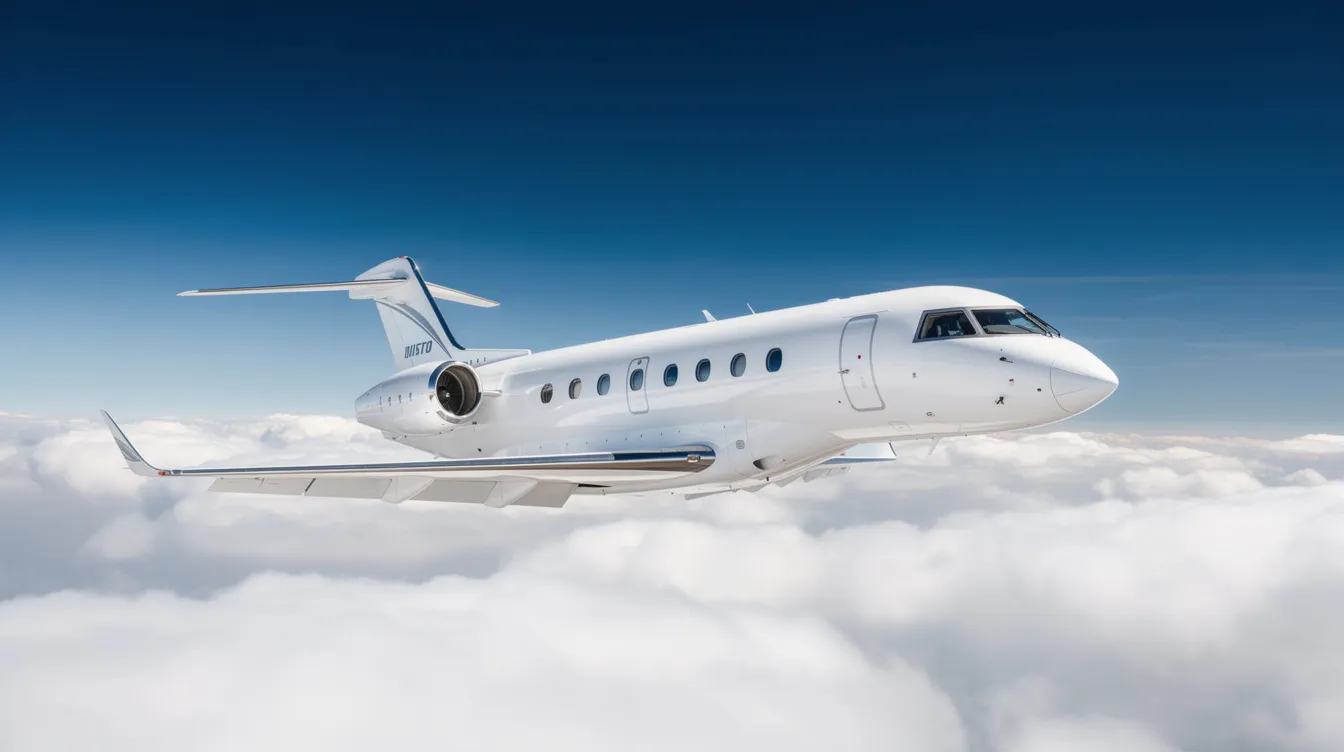
Full private jet ownership may make financial sense above roughly 200–250 flight hours per year, though the break-even point varies. Below that threshold, charter or membership programs are often more economical for travelers who want private access without buying a private plane. Chartering eliminates ongoing ownership costs entirely, including hangar, crew payroll, and insurance obligations.
|
Annual flying pattern |
Typical consideration |
|---|---|
|
Fewer than 100 hours |
Chartering is typically more economical than ownership |
|
Under 200 hours |
Chartering is often more cost-effective after fixed costs are considered |
|
200–400 hours |
Ownership may become financially sensible, depending on aircraft and use |
A 10-seater owner flying 100 hours per year may face $800,000–$1.2 million or more in total annual costs once fixed and variable expenses are combined. Chartering the same 100 hours in a comparable midsize or super-midsize jet through Jettly might cost $400,000–$700,000, depending on routes and aircraft category.
Jettly's digital marketplace, instant pricing, and large aircraft inventory help match the ideal aircraft to each mission based on route, passenger needs, and cost. Charter customers pay for the trip and selected services rather than carrying the entire aircraft's ownership cost structure. They avoid ownership costs such as ongoing crew, maintenance, and parking responsibilities between trips.
Charter pricing is usually quoted for the entire aircraft, regardless of how many seats are filled, so splitting the trip among multiple passengers can reduce the per-person cost. Shared or semi-private options may be available on some routes, but standard charter pricing is not per seat.
In 2025–2026, indicative hourly charter costs include:
Super-midsize jets: generally $5,000 to $10,000 per hour
Heavy jets: generally $8,000 to $16,000 per hour
A five-hour one-way flight in a super-midsize or heavy jet: approximately $30,000 to $80,000
The total cost of chartering depends on the number of passengers as well as the aircraft and trip details. Additional fees can include fuel, fuel surcharges, landing, and crew-related charges. Other factors include jet category, one-way or round-trip itinerary, repositioning requirements, airport selection, runway length, landing fees, peak dates, and short-notice bookings. Ask for an itemized quote to understand what is included. Some providers offer more transparent pricing than others, so confirm all variable charges before booking.
Jettly offers access to over 20,000 aircraft globally, including 10-seater private jets across multiple categories. Its instant quote workflow helps travelers compare options for their specific route rather than relying on a generic estimate.
Different 10-seaters suit different missions, from short business hops to longer transcontinental flights. The right aircraft type should match flight duration, baggage, runway needs, and traveler priorities. Some models work better for short-haul flights, while others are better suited to longer flights.
Cessna Citation Sovereign+: A super-midsize jet used for domestic trips, with a range of roughly 3,200 nautical miles.
Bombardier Challenger 350/3500: A super-midsize jet with a wide cabin and strong runway performance, suited to groups that value cabin space.
Embraer Praetor 600: A super-midsize jet with long range, suited to long-haul flights when the route and payload fit the aircraft’s range.
Gulfstream G280: A super-midsize jet that can seat up to 10 and may suit long-haul flights when the route and payload fit the aircraft’s range.
While some light jets can technically seat 7–8 passengers, comfort and baggage capacity often favor moving up to a midsize or super-midsize jet for longer trips. Jettly can help compare cabin, luggage, Wi-Fi, runway access, and quote details against the mission.
Jet ownership becomes more viable when annual flight hours, schedule predictability, and desire for control outweigh higher fixed costs. Owning a jet provides complete freedom and flexibility in travel, including use of a preferred cabin setup and the ability to fly on your own schedule.
Break-even points: For a 10-seater, ownership may make more financial sense above 250–300 flight hours per year, depending on the aircraft and operating model.
Availability: Owners have direct access to their aircraft, subject to maintenance and operational requirements, and private jet owners often accept higher fixed costs for that control.
Administrative overhead: Ownership involves regulatory compliance, flight department management, safety oversight, and crew management.
Bridging options: Fractional ownership, leasing, jet cards, and memberships can bridge the gap between full ownership and occasional charter. Jet cards provide fixed hourly rates for membership users. Membership programs offer subscription-based fleet access, may reduce costs by sharing flights, and often provide access to private terminals. They can also sit between chartering and scheduled airlines for travelers who want more flexibility without the full burden of ownership.
For many frequent flyers logging fewer than 200 hours annually, chartering a 10-seater via Jettly remains a practical option. Jettly's membership options can offer more predictable pricing for travelers who fly regularly.
Jettly is a digital private aviation marketplace and charter broker connecting travelers with certified third-party operators worldwide. Jettly is not an airline; flights are operated by properly certified third-party carriers.
Jettly's core advantages include:
Access to a global network of over 20,000 unique aircraft, spanning light jets, midsize, super-midsize, heavy jets, and ultra-long-range jets
Instant pricing with transparent pricing and quote details for comparing charter options
The ability to compare aircraft to choose the ideal aircraft for a trip based on comfort, baggage capacity, Wi-Fi availability, and runway requirements
Options for filtering by passenger capacity and trip needs
Customers can also explore empty-leg flights—one-way flights with no passengers that occur when jets return to base after a charter. Empty-leg flights can offer discounts of up to 75%, making them a cost-effective option when schedules and routes align. Some travelers further reduce costs by sharing or crowdsourcing private jet flights to fill remaining seats. Chartering also makes flying private on demand possible without the commitments of ownership.
Jettly also offers on-demand charter, membership options, and tools such as a charter cost estimator. Learn more about Jettly's charter options or request a quote at https://www.jettly.com.

These FAQs cover practical questions not fully addressed above, focused on 10-seater costs and usage patterns in 2025–2026.
Most 10-seater jets used for business and family travel fall into the super-midsize category, though some midsize jets can be configured for 10 seats and certain smaller heavy jets offer 10 or more seats. Classification depends on cabin volume, maximum takeoff weight, and range—not just seat count. Jettly typically categorizes these as midsize, super-midsize, or heavy jets for charter pricing.
Hundreds of aircraft models and thousands of individual airframes can be configured for 8 to 10 passengers. Exact numbers change as aircraft are delivered, sold, retired, or reconfigured. Jettly's network includes many of these aircraft worldwide, with availability depending on location and dates.
Most midsize and super-midsize 10-seaters are designed for regional and transcontinental flights rather than 7,000-plus-nautical-mile missions. Ultra-long-range jets such as the Gulfstream G650 or Bombardier Global 7500 can fly intercontinental routes but are often configured for more passengers and carry higher costs. Travelers needing nonstop intercontinental capability may need a different jet category.
Typical ongoing costs include crew salaries and recurrent training, hangar and insurance premiums, management fees, routine and unscheduled maintenance, fuel, navigation, and landing charges. A realistic annual budget can range from $800,000 to $2 million or more, excluding financing and depreciation. Prospective owners should model several flight-hour scenarios before committing to purchase.
A light jet generally has lower hourly operating costs, but two separate flights can increase crew time, landing fees, and total flight hours. Coordinating two aircraft also adds logistical complexity. A single midsize or super-midsize 10-seater may be more efficient for group travel. Jettly can quote both options so travelers can compare.
The core numbers: new 10-seater private jets typically cost $18 million to $35 million, while pre-owned examples can start around $7 million to $10 million for older jets. Annual operating costs can reach $2 million or more. For travelers who fly enough hours, ownership provides control and flexibility.
For many others, chartering a 10-seater on demand is the more practical financial choice if they want the benefits of private travel without ownership's ongoing commitments. Learn more about private jet ownership costs and compare them with private jet charter options. Jettly makes private travel easier to compare with transparent quote details, an instant-quote workflow, and access to a wide range of jet categories.
Travelers can also explore empty-leg flights for potential discounts when routes and schedules align, including access to smaller regional airports when relevant to the trip. Before choosing between ownership, membership, or on-demand charter, assess expected flight hours, budget, route, and flexibility needs. Ready to compare options for your next 10-seater private jet trip? Explore flight options or request a quote.
Share this post:
Jay Franco Serevilla
Nov 11, 2026
|
5
min read
Discover tips and trends in the industry.
5
min read
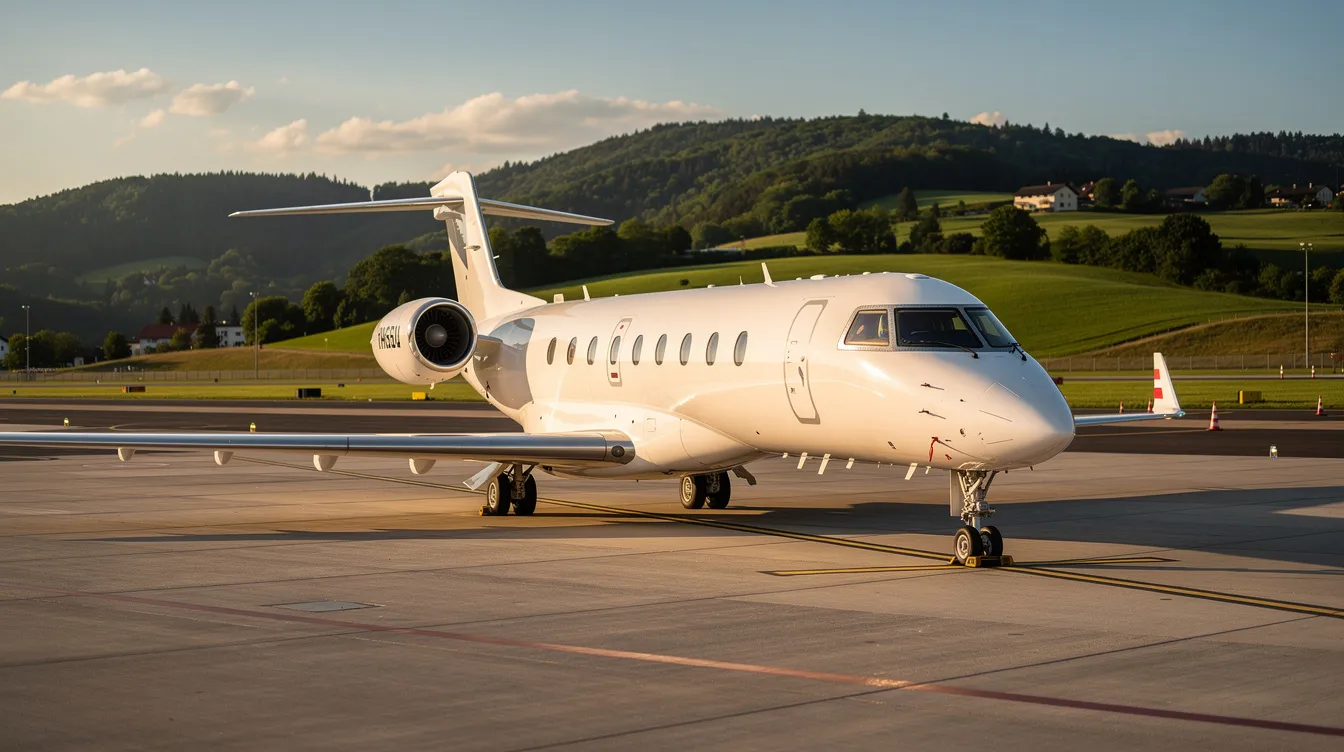
Bombardier Challenger 300 Business Jet: Performance, Cabin, and Charter Guide
The Bombardier Challenger 300 is a super-midsize business jet known for its impressive performance, spacious cabin, and competitive operating costs. With a range of up to 3,100 nautical miles and a comfortable stand-up cabin, it is ideal for business travelers and charter clients seeking efficiency and comfort. This guide provides insights into its specifications, performance, and how to charter through Jettly.
Read More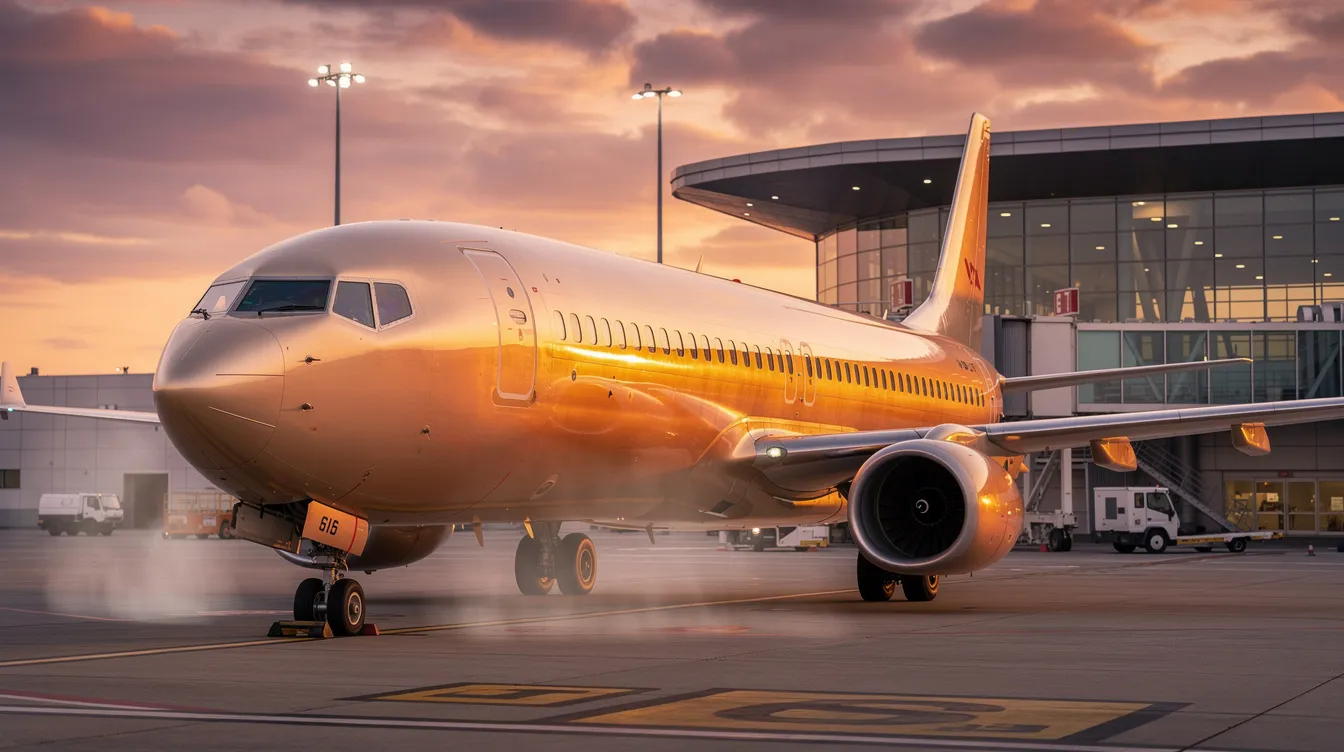
5
min read
How Many Passengers Does a 737‑800 Hold? (And What That Means for Private Charter Travelers)
The Boeing 737-800 typically accommodates between 162 and 189 passengers, depending on the airline's cabin configuration. This flexibility allows airlines to balance comfort and capacity, making it a popular choice for both commercial and private charter travelers. Understanding these configurations can help travelers make informed decisions about their flight options, especially when considering private jet alternatives.
Read MoreStay updated with our latest insights and tips to elevate your journey with us.
MEMBERSHIPS AND ASSOCIATIONS



© 2026 Jettly Inc. All rights reserved.
Disclaimer: Jettly operates as a charter broker, offering access to a global digital jet charter marketplace. Jettly is not a direct air carrier and does not own or operate aircraft. All advertised flights are conducted by third-party air carriers that are fully licensed and hold the appropriate Part 135 or Part 121 certifications issued by the Federal Aviation Administration (FAA) or equivalent regulatory authorities under U.S. or foreign law. Jettly complies fully with the U.S. Department of Transportation's Part 295 and Part 298 Charter Broker regulations. Jettly does not carry additional liability insurance. Passengers are covered by aircraft operator insurance. TICO: 50023770


