


Login
Get Instant Pricing On 23,000+ Aircraft


The Gulfstream G650 is an ultra-long-range business jet known for its speed, comfort, and advanced technology, making it ideal for nonstop travel between major global cities. With a maximum range of 7,000 nautical miles and a spacious cabin designed for productivity, it caters to corporate executives and high-net-worth individuals. Jettly offers seamless charter access to the G650, providing transparent pricing and digital booking options without the costs associated with ownership. This aircraft is particularly suited for business and leisure travel, allowing for efficient, direct flights while ensuring a comfortable in-flight experience.
Jay Franco Serevilla
May 23, 2026
|
5
min read


View all
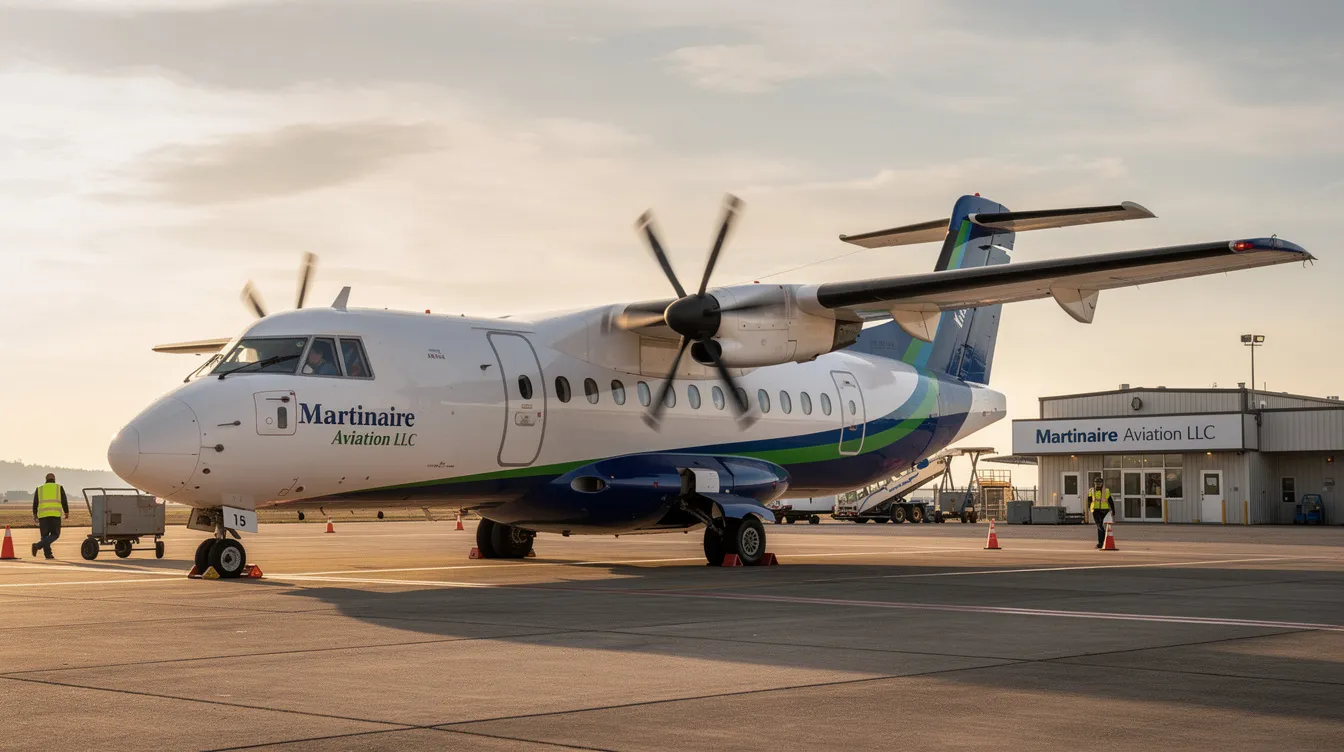
Martinaire Aviation LLC, founded in 1978, is a leading cargo feeder carrier in the U.S., specializing in overnight freight operations. With a fleet of turboprop aircraft, it connects regional airports to major sorting hubs, primarily serving integrators like UPS. This article explores Martinaire's operations, career opportunities, and how it contrasts with private charter services like Jettly.
Jay Franco Serevilla
Sep 4, 2026
|
5
min read

View all
Alerion Aviation is a premier boutique private aviation company specializing in aircraft management, on-demand charter, and in-house maintenance. With a strong safety record and a large fleet operating from key U.S. locations, Alerion offers personalized service for travelers and aircraft owners. Jettly enhances the experience by providing a digital marketplace for comparing charter options, ensuring travelers find the best fit for their needs.
Jay Franco Serevilla
Sep 4, 2026
|
5
min read

View all
Destin–Fort Walton Beach Airport (VPS) is the main airport serving Florida's Emerald Coast, providing access to Destin and Fort Walton Beach. This guide covers essential information about VPS, including airlines, routes, and private jet charter options through Jettly for a more flexible travel experience.
Jay Franco Serevilla
Sep 4, 2026
|
5
min read

View all
Finding the best time to buy airline tickets can be challenging due to fluctuating prices and various factors affecting fares. This guide provides insights on optimal booking windows for domestic, international, and private flights, helping travelers save money and avoid last-minute price hikes. Key strategies include monitoring prices, using fare alerts, and understanding seasonal trends.
Jay Franco Serevilla
Sep 4, 2026
|
5
min read

View all
Finding the best day to book a flight can be tricky, as there's no universal answer. While Sundays may offer slight savings, booking in advance and flying on midweek days like Tuesdays and Wednesdays generally yields better prices. This guide provides valuable insights into optimal booking windows and strategies for both commercial flights and private jet charters.
Jay Franco Serevilla
Sep 4, 2026
|
5
min read

View all
Discover the best times to order plane tickets and when to consider chartering private flights. This guide outlines optimal booking windows for domestic and international flights, as well as private jet charters, helping travelers save money and time. Learn how to navigate fluctuating prices and maximize your travel experience.
Jay Franco Serevilla
Sep 4, 2026
|
5
min read
Explore our latest articles and updates.
5
min read
Rent Cirrus Aircraft with Jettly: Smart Options for Training and Travel
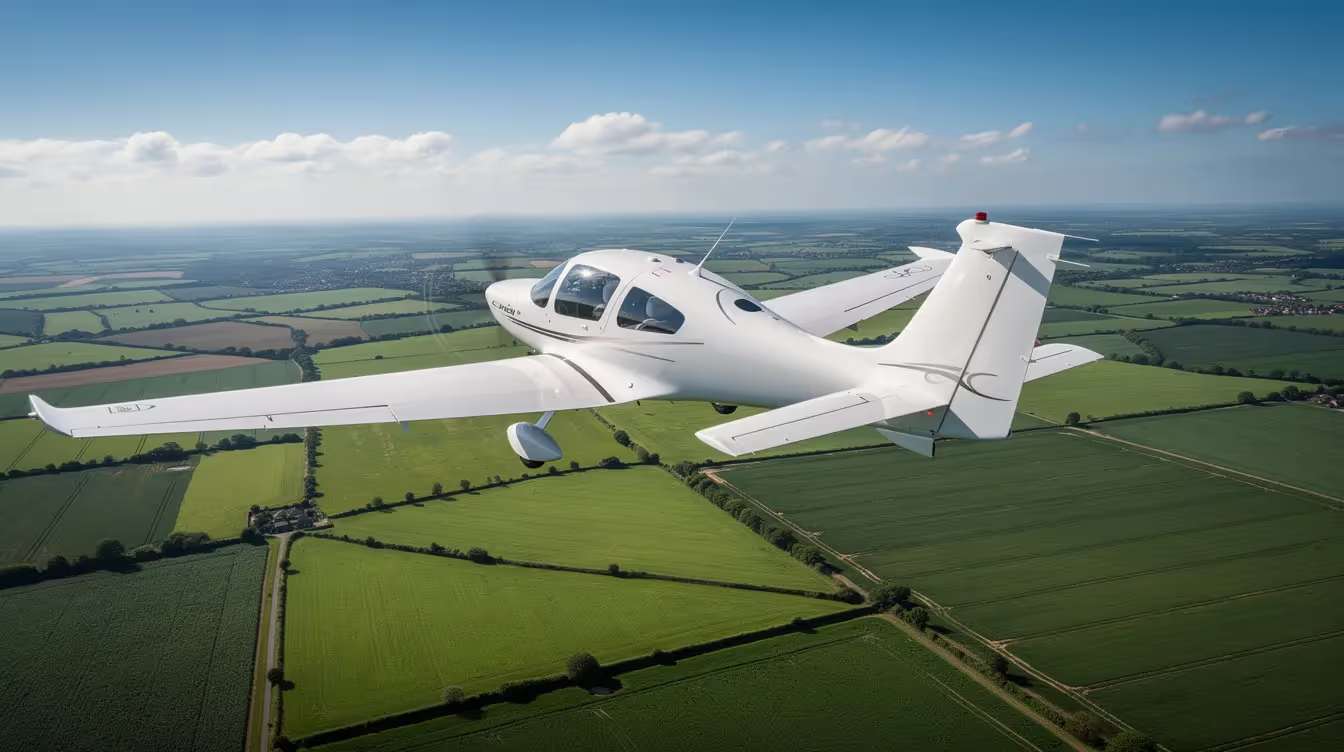
Jettly offers a digital platform for renting Cirrus aircraft (SR20, SR22, SR22T), catering to pilots and travelers for flight training and regional trips. With transparent pricing and access to vetted operators, users can benefit from specialized instruction by Cirrus Standardized Instructor Pilots (CSIPs) and flexible scheduling options. Rental rates range from $245 to $540 per hour, depending on the model, and Jettly simplifies the booking process by providing instant pricing and customizable options. This service presents an efficient alternative for personal and business travel, allowing users to access advanced aviation technology without the need for local fleet ownership.
Read More
5
min read
Weight of a Private Jet: How It Shapes Performance, Cost, and Comfort
The weight of a private jet significantly impacts its performance, operating costs, and passenger comfort, with categories ranging from very light jets (6,000–10,000 lbs MTOW) to heavy jets (over 100,000 lbs MTOW). Understanding maximum takeoff weight (MTOW) is crucial for travelers, as it influences range, runway requirements, and onboard amenities. Heavier jets offer more luxury features and longer ranges but come with higher operating costs, while lighter jets provide better fuel efficiency and access to smaller airports. Jettly's platform helps users navigate these factors by matching them with the most suitable aircraft based on their trip requirements.
Read MoreJoin our community and receive the latest blog updates directly in your inbox.
MEMBERSHIPS AND ASSOCIATIONS



Disclaimer: Jettly operates as a charter broker, offering access to a global digital jet charter marketplace. Jettly is not a direct air carrier and does not own or operate aircraft. All advertised flights are conducted by third-party air carriers that are fully licensed and hold the appropriate Part 135 or Part 121 certifications issued by the Federal Aviation Administration (FAA) or equivalent regulatory authorities under U.S. or foreign law. Jettly complies fully with the U.S. Department of Transportation's Part 295 and Part 298 Charter Broker regulations. Jettly does not carry additional liability insurance. Passengers are covered by aircraft operator insurance. TICO: 50023770


