


Login
Get Instant Pricing On 23,000+ Aircraft

>
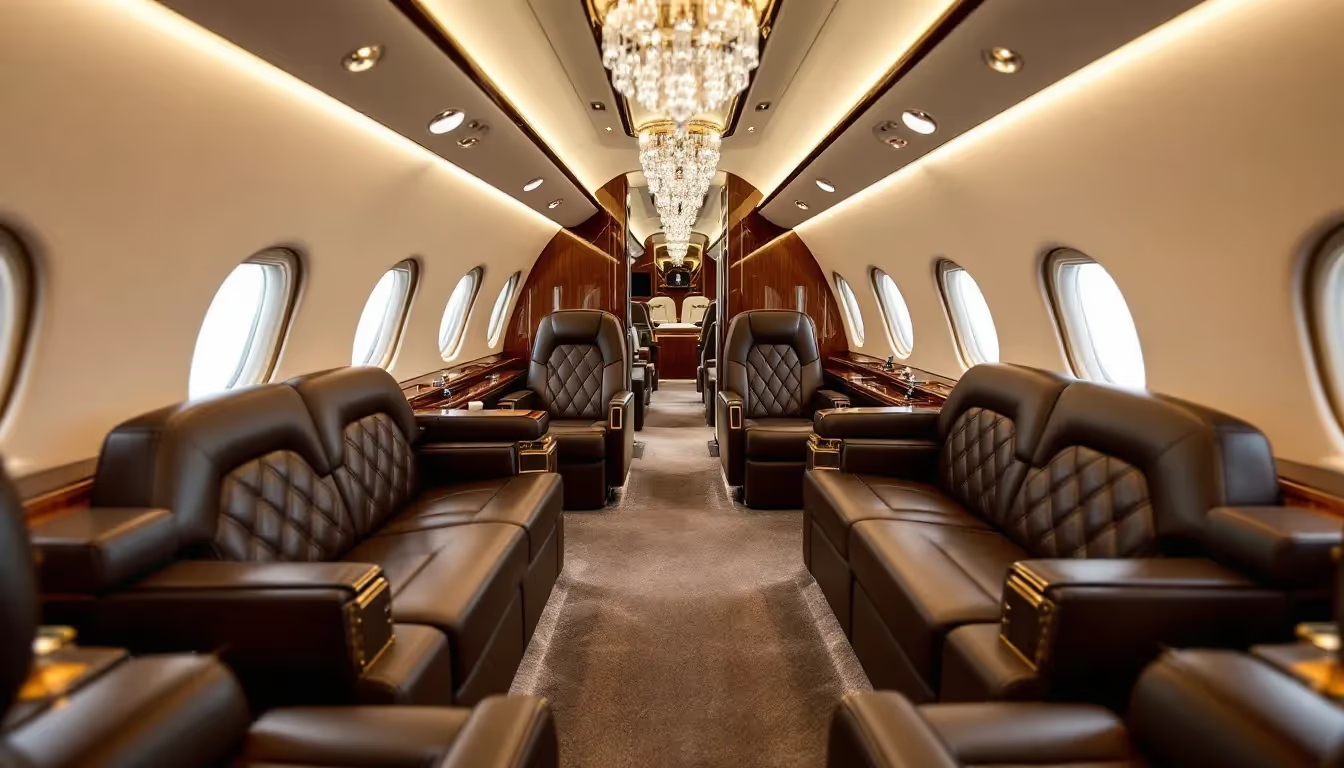
When a single aircraft commands a price tag of $660 million—more than most skyscrapers—it raises an inevitable question: why are private jets so expensive? The world of private aviation represents the pinnacle of luxury transportation, where cutting-edge technology meets unlimited customization possibilities. From Air Force One’s military-grade security systems to Saudi royalty’s flying palaces complete with Turkish baths and built-in garages, these aircraft transcend mere transportation to become airborne symbols of ultimate luxury. Private jets bring a high level of luxury and comfort, ensuring passengers arrive at their destination fresh and ready for business.
The astronomical costs associated with private jets stem from a complex web of factors that extend far beyond the initial purchase price. Advanced engineering requirements, limited production runs, premium materials, and extensive customization demands all contribute to making these aircraft among the most expensive machines on Earth. Private jets have high manufacturing costs due to precision, low-volume production, and rigorous safety certification. Unlike commercial airlines, which spread their costs across many passengers, making individual travel more economical, private jets concentrate these expenses on a single owner or a small group of users. Understanding why private jets cost so much requires examining not just the sticker price, but the ongoing operating expenses, luxury features, and market dynamics that drive the private aviation industry.
Private jets are expensive due to advanced technology, luxury customization, high operating costs, and limited production volumes
The most expensive private jet is Air Force One at $660 million, followed by Saudi Prince Al Waleed’s Airbus A380 at $600 million
The Boeing 747-8 VIP has a value of $367 million and is owned by an anonymous billionaire
Annual operating costs can range from $1.5 million for light jets to $8 million for large aircraft, often exceeding the purchase price
Customization costs can double or triple the base aircraft price, with some owners spending $200-400 million on interior modifications
Purchase prices range from $1.5 million for entry-level jets to over $600 million for the most luxurious aircraft, with most jets typically ranging from $30 million to $5 million in purchase price
The astronomical cost of private jets results from several interconnected factors that distinguish them from commercial aircraft. Unlike commercial airlines that benefit from mass production economies, most jets are produced in limited quantities with extensive customization requirements that drive up manufacturing costs exponentially. Private jets are often compared to the most expensive planes in the world, such as the Boeing 747 or Airbus A380, due to their exclusivity and opulent features. In terms of cost and amenities, a private jet can far surpass a commercial plane, offering a level of luxury and personalization unmatched in commercial aviation. Annual operating expenses include fuel, maintenance, insurance, pilots, and other fixed costs, further adding to the financial burden of ownership.
Advanced Engineering and Safety Systems
Private aircraft incorporate cutting-edge technology that rivals military specifications. Modern business jets feature sophisticated avionics systems, advanced weather radar, and navigation equipment that can cost millions of dollars alone. Aircraft like Air Force One include electromagnetic pulse protection and military-grade security features that add tens of millions to the base price. These systems ensure safety and reliability standards that far exceed commercial aviation requirements. Notably, models such as the Boeing BBJ and Boeing Business Jet exemplify advanced engineering, high purchase prices, and extensive customization, making them some of the most expensive planes available for private ownership. Some jets also feature advanced technologies designed to enhance comfort, such as hospital-grade filtration systems and noise insulation.
Limited Production Volumes
Unlike commercial aircraft manufacturers who produce hundreds of identical planes, private jet manufacturers typically build fewer than 50 units per model annually. This limited production volume means development costs must be spread across fewer aircraft, significantly increasing the per-unit manufacturing cost. When Gulfstream develops a new model like the G700, the research and development expenses—often exceeding $1 billion—must be recouped through relatively few sales. The Gulfstream III, such as the one owned by Tyler Perry and valued at $125 million after extensive customizations, is another example of a high-end jet with limited production and significant development costs, further contributing to its status as an expensive plane. Additionally, hangar costs for storing a private jet can be a significant part of the annual operating budget, adding to the overall expense.
Premium Materials and Construction
The construction of expensive private jets involves materials rarely found in commercial aviation. Gold accents, hand-stitched leather interiors, marble flooring, and crystal chandeliers are standard features on ultra-luxury aircraft. These premium materials not only cost significantly more than standard aircraft components but also require specialized installation techniques that extend production timelines and increase labor costs. The Bombardier Challenger, particularly the 601-3R model, is renowned for its luxurious materials and bespoke interiors, setting a benchmark for comfort and exclusivity in the private jet market. Even smaller luxury private jets can provide interiors equivalent to those of high-end sports utility vehicles, ensuring a premium experience for all passengers.
Cutting-Edge Avionics and Technology
Modern private jets incorporate technology systems that would make commercial pilots envious. Advanced flight management systems, synthetic vision technology, and automated landing capabilities represent millions in additional equipment costs. The latest jets feature cabin management systems that control everything from lighting and temperature to entertainment systems, adding substantial expense to the final aircraft price.
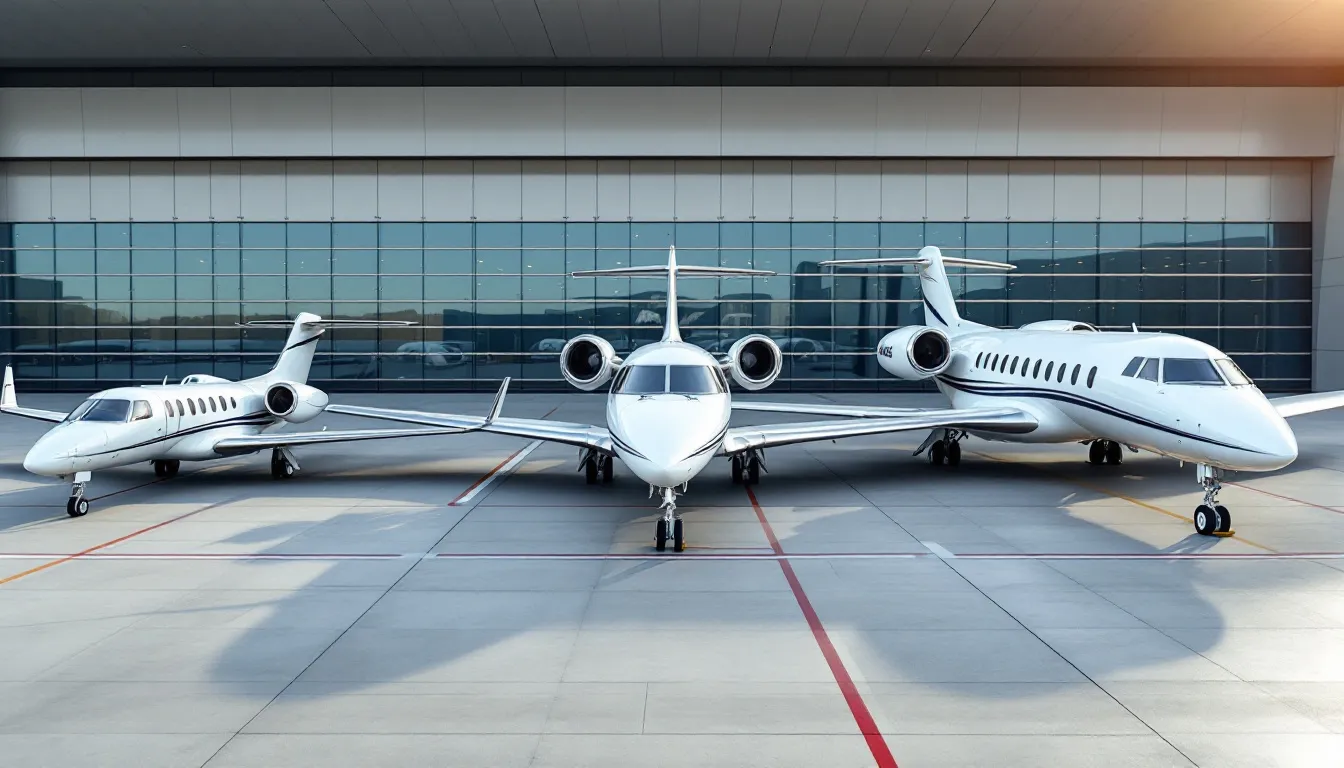
Private jets come in a wide array of types, each designed to meet the unique needs and preferences of discerning travelers. At the entry level, Light Jets such as the Cessna Citation CJ1 are perfect for short flights, offering efficiency and comfort for small groups of passengers. These jets are ideal for quick business trips or weekend getaways, providing private travel without the need for excessive cabin space.
Stepping up in size and capability, Mid-Size Jets like the Hawker 800XP deliver greater range and more spacious interiors, making them a popular choice for longer journeys and larger passenger groups. For those seeking even more comfort and amenities, Super Mid-Size Jets such as the Gulfstream G280 offer enhanced performance, advanced technology, and luxurious features that rival larger aircraft.
At the pinnacle of private aviation are Large Jets and Ultra-Long-Range Jets. The Boeing 747-8 VIP stands out as a true “flying palace,” boasting expansive floor space, lavish interior design, and the ability to accommodate numerous passengers in ultimate luxury. Ultra-Long-Range Jets like the Airbus ACJ350 are engineered for long-haul flights, ensuring maximum comfort and convenience on intercontinental journeys. Certain private jets may include unique features like elevators, full-size dining areas, and themed lounges, further elevating the luxury experience. Whether you’re flying for business or pleasure, the world of private jets offers a tailored solution for every type of traveler, from nimble light jets to the most extravagant flying palaces in the sky.
The private jet industry is defined by a handful of elite manufacturers, each renowned for its innovation, craftsmanship, and commitment to luxury. Boeing’s Business Jet (BBJ) division is synonymous with ultimate luxury, offering bespoke aircraft like the Boeing 747-8 VIP, which can be customized with features such as private bedrooms, conference rooms, and even built-in garages. The Boeing 787-8 BBJ is valued at $324 million after customizations, showcasing the high costs associated with transforming these aircraft into luxurious flying residences. Airbus’s Corporate Jet (ACJ) division rivals this with models like the Airbus ACJ350, delivering cutting-edge technology and expansive cabin space for the most discerning private jet owners.
Gulfstream is a name that commands respect in the world of business jets, with models like the Gulfstream G650ER and G700 setting the standard for speed, range, and comfort. Bombardier, another industry leader, offers a diverse lineup including the Bombardier Global 7500, celebrated for its long-range capabilities and sophisticated interior design. Cessna, part of Textron Aviation, is known for its versatile and reliable jets, with the Cessna Citation series being a favorite among private and corporate jet owners alike.
Each manufacturer brings its own strengths to the table, whether it’s the sheer size and customization potential of a Boeing 747-8 VIP, the advanced engineering of a Bombardier Global, or the efficiency and accessibility of a Cessna Citation. Together, these brands shape the landscape of private aviation, offering jets that cater to every imaginable need and desire.
The upper echelon of private aviation showcases the world's most expensive private jets—aircraft that cost more than small nations’ annual budgets. These flying palaces, such as the Boeing BBJ and Boeing Business Jet, represent the absolute pinnacle of luxury, technology, and customization possibilities among private planes. The Sultan of Brunei owns the Boeing 747-430, which costs $220 million, further exemplifying the extraordinary investments made in private aviation.
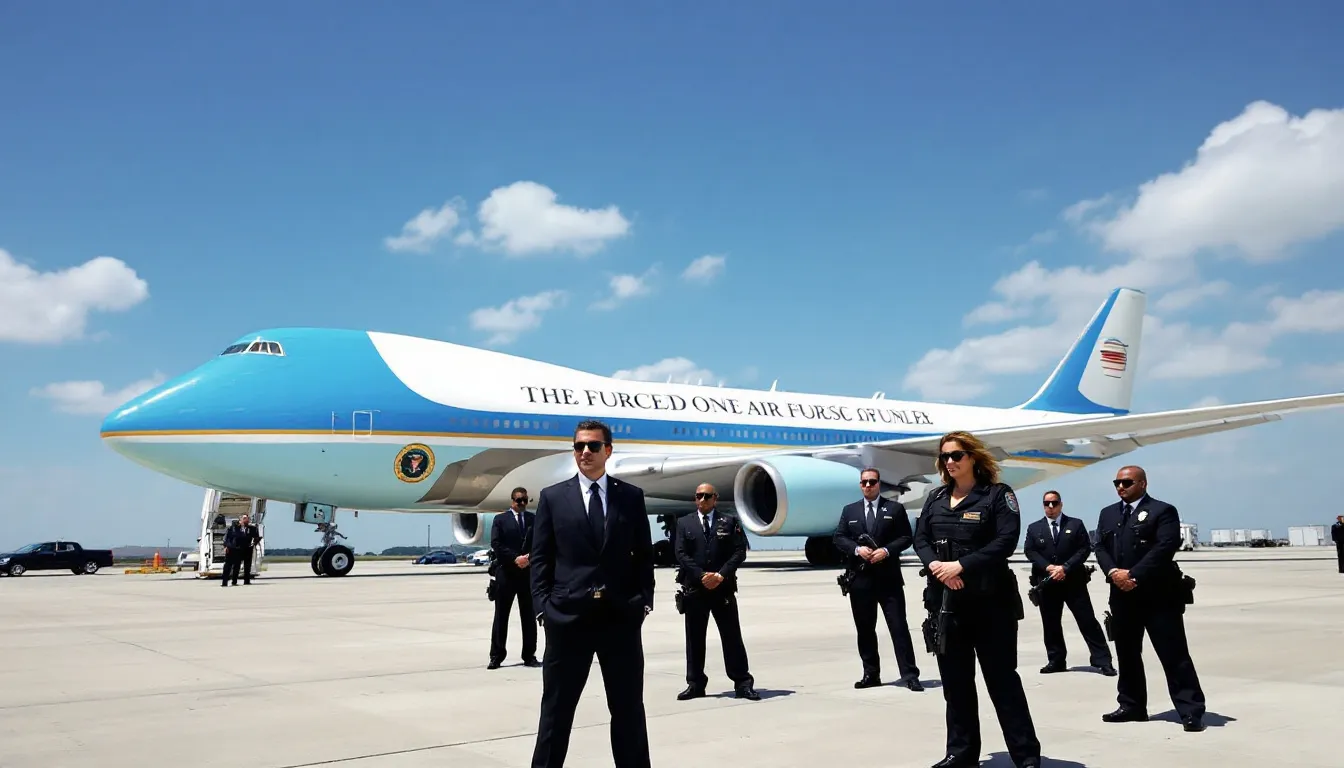
Air Force One stands as the most expensive private jet in the world, though it serves a unique governmental function rather than private use. The US President travels aboard two customized Boeing 747-200B aircraft that collectively cost $660 million to develop and maintain. These flying command centers feature 4,000 square feet of space across three decks, including private offices, a conference room, medical facilities, and a master bedroom. Donald Trump's Boeing 757, estimated to have a value of $100 million, is another example of a high-profile aircraft that combines luxury with functionality.
The aircraft’s extraordinary cost stems from military-grade security features, including electromagnetic pulse protection, advanced communication systems capable of worldwide secure communications, and mid-air refueling capabilities. The planes are constantly escorted by two fighter jets for protection during flight and equipped with defensive countermeasures that classify them as military assets rather than civilian aircraft.
Saudi Prince Al Waleed bin Talal’s Airbus A380 represents private aviation’s most lavish customization project. Initially purchased for $400 million, the prince invested an additional $200 million in luxury modifications that transform the world’s largest passenger aircraft into a flying palace. The Airbus A380 was commissioned by Saudi Prince Alwaleed bin Talal for $600 million. The three-floor configuration includes a Turkish bath with gold finishes, a prayer room with mats that rotate toward Mecca, and a built-in garage housing a diamond-encrusted Rolls-Royce.
Interior designer Edèse Doret created spaces that rival five-star hotels, including four private guest rooms, a dedicated dining room for formal meals, and a guest lounge designed for relaxation and socializing. There are also dining areas for 14 passengers and a concert hall featuring a grand piano. Luxurious features in private jets often include ergonomic seats, a meeting room, and a sleeping area. The passenger capacity reaches 800 in commercial configuration, but the prince’s version accommodates just 50 guests in ultimate luxury. The lavish interior incorporates the finest materials available, with custom features that required nearly two years to complete.
Russian oligarch Alisher Usmanov owns one of the world’s most expensive private jets, an Airbus A340-300 that cost $238 million for the base aircraft plus $262 million in interior customization. The total investment of $500 million represents one of the highest customization costs relative to the base aircraft price in private aviation history. While details remain secretive, sources claim the aircraft features a private nightclub, extensive entertainment facilities, and luxury amenities that rival the world’s finest hotels.
The aircraft’s long-range capabilities enable intercontinental flights without refueling, making it ideal for the global business activities of one of Russia’s wealthiest individuals. The extreme customization costs reflect the challenge of fitting luxury hotel-level amenities into an aircraft cabin while maintaining safety and weight requirements.
While purchase prices grab headlines, the ongoing operating costs of private jets often exceed the initial investment over the aircraft’s lifetime. Only individuals or corporations with significant money can afford these high ongoing expenses, making private jet ownership accessible primarily to those who can afford such a financial commitment. Regular maintenance and inspections for private jets can cost millions annually, depending on usage and jet complexity. Insurance costs for private jets are a major expense, covering liability and hull insurance. These expenses represent a significant financial commitment that many potential private jet owners underestimate. Additionally, private jets incur additional airport fees and taxes, which can be higher in larger airports and vary by aircraft size.
Annual Operating Cost Breakdown
Light jets typically incur annual operating costs between $1.5 million and $2.5 million, while mid-size jets range from $2.5 million to $3.5 million annually. Large aircraft like Boeing Business Jets can cost $3 million to $8 million per year to operate, depending on usage patterns and maintenance requirements. These figures include fuel, maintenance, crew salaries, insurance, hangar fees, and regulatory compliance costs. Jet fuel costs can range from $6.00 to $10.00 per gallon in the U.S., depending on the airport.
Fuel represents the largest variable operating expense, accounting for 40-60% of direct operating costs depending on flight frequency and distance. A large jet consuming 350 gallons per hour at current aviation fuel prices can incur fuel costs exceeding $400,000 annually for typical usage patterns. Long-haul flights significantly increase these expenses, with intercontinental trips often requiring $50,000 or more in fuel costs alone.
Maintenance and Inspection Programs
Aircraft maintenance represents a substantial fixed cost regardless of flight hours. Manufacturers offer maintenance programs like Bombardier’s Smart Parts, Gulfstream’s Maintenance Services Program, and Boeing’s Maintenance Performance Toolbox that can cost $300,000 to $1.2 million annually. These programs provide predictable maintenance costs but represent significant expense even for aircraft that fly infrequently. Proper maintenance is essential for retaining the aircraft's value and ensuring it can be sold in the future. Management fees can also be a recurring expense for private jet owners if they hire management companies to oversee operations and logistics.
Major inspections occur every 18-24 months and can cost $500,000 to $2 million, depending on aircraft size and condition. Unscheduled maintenance events, while less predictable, can easily exceed $100,000 for significant repairs. Engine overhauls, required every 3,000-6,000 flight hours, represent million-dollar expenses that must be planned years in advance.
Crew and Personnel Costs
Professional flight crews represent substantial ongoing expenses, with qualified pilots commanding salaries between $150,000 and $300,000 annually plus benefits. Large aircraft requiring multiple crew members can incur crew costs exceeding $800,000 per year. Flight attendants, maintenance personnel, and management services add additional personnel expenses that contribute significantly to overall operating costs. Crew salaries contribute significantly to the operational costs of owning a private jet, with experienced pilots earning $150,000 to $400,000 annually.
Training requirements mandate annual recurrent training for all crew members, with simulator sessions and certification costs adding $50,000 to $100,000 annually per pilot. International flight operations require additional certifications and training that further increase crew-related expenses.
Owning a private jet is not just about the initial investment—it’s a continuous commitment to maintenance and upkeep that ensures safety, reliability, and maximum comfort for every flight. Private jet owners must schedule regular inspections, adhere to strict maintenance protocols, and replace parts as needed to keep their aircraft in peak condition. Routine inspections and maintenance must comply with industry regulations to keep the aircraft airworthy. Engine maintenance is particularly significant, often requiring specialized technicians and, in many cases, engine insurance to manage the high costs associated with repairs and overhauls. Replacement parts and tires for private jets can be significantly more expensive than those for commercial aircraft.
Beyond ongoing expenses for fuel, insurance, and secure storage, there are other costs that add to the total cost of ownership. Hiring and training a skilled crew is another essential aspect, as experienced pilots and cabin staff are crucial for both safety and service. For private jet owners, these costs are a necessary investment in the longevity of their jet and the well-being of their passengers. Diligent upkeep not only preserves the value of the jet but also guarantees that every journey meets the highest standards of private aviation.
The transformation of aircraft from transportation tools into luxury environments drives significant cost increases that can double or triple base aircraft prices. Custom interior design and premium amenities represent the most visible aspect of why luxurious private jets are so expensive.
Custom Interior Design and Materials
Master bedrooms with king-size beds, marble-lined bathrooms, and heated floors represent standard amenities on ultra-luxury aircraft. The installation of these features requires extensive aircraft modifications that can take 12-18 months to complete. Interior designers like Edèse Doret and Alberto Pinto command fees exceeding $10 million for complete aircraft transformations, with material costs adding millions more. Private jets can also be customized to include features such as private offices, full-size bedrooms, and children's playrooms, ensuring a tailored experience for every owner.
Gold accents throughout the cabin, including gold toilet handles, light fixtures, and decorative elements, add substantial cost while providing unmistakable luxury appeal. Crystal chandeliers require special mounting systems to withstand flight loads, while marble installations demand engineering solutions to manage weight distribution. These premium materials often cost 10-50 times more than standard aircraft interior components.
Advanced Entertainment and Business Amenities
Modern expensive private jets feature entertainment systems that rival professional theaters, with 55-inch screens, surround sound systems, and streaming capabilities that enable passengers to enjoy luxury while airborne. Conference rooms equipped with high-definition video conferencing allow business meetings at 40,000 feet, while private offices provide quiet spaces for work during long flights.
Children’s playrooms, wine cellars maintained at proper storage temperatures, and gyms with specialized equipment demonstrate the extent to which aircraft can be customized for specific owner preferences, including family-friendly luxury features. These specialized installations require custom engineering solutions that significantly increase both design complexity and installation costs.
Specialized Luxury Installations
Some of the most expensive private jets feature amenities that push the boundaries of aircraft design. Turkish baths require complex plumbing and drainage systems that must function safely during flight, while built-in garages demand specialized loading mechanisms and secure storage systems. Prayer rooms with rotating prayer mats incorporate sophisticated mechanical systems that maintain proper orientation regardless of aircraft heading.
Dining areas designed to accommodate formal meals for 14+ passengers require commercial-grade galley equipment and service areas that consume significant cabin space. The family space configurations found on the largest private aircraft often include guest lounges, a dedicated lounge area for relaxation and socializing, private guest rooms, and entertainment areas that provide hotel-level comfort during long flights. A VIP bath is another example of a high-end bathroom feature found in these jets.
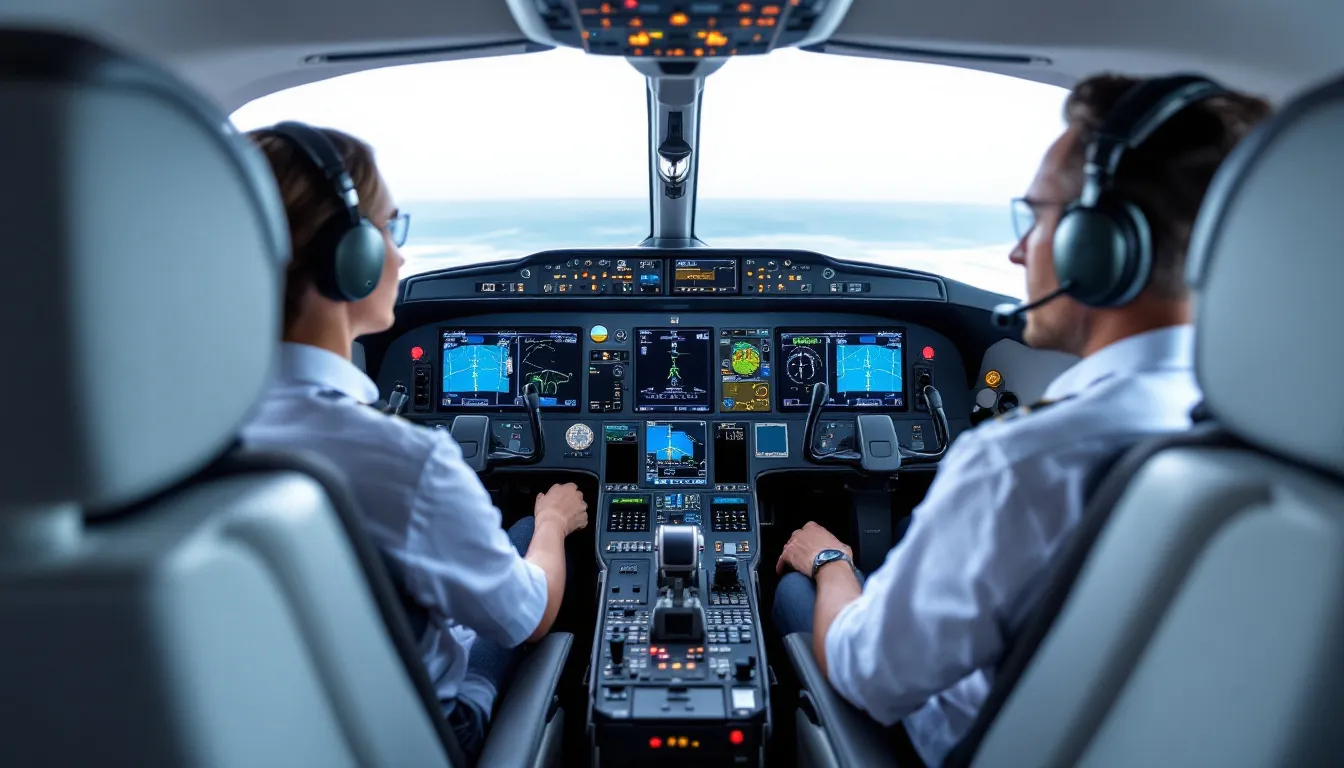
Safety and security are at the heart of private aviation, with private jets equipped with state-of-the-art systems designed to protect both passengers and assets. From advanced emergency oxygen and fire suppression systems to sophisticated collision avoidance technology, every private jet is engineered to meet rigorous safety standards. Secure communication systems are standard, allowing passengers to conduct confidential business or stay in touch with family while in the air.
For high-profile private jet owners, additional security measures are often implemented. These can include armored plating, advanced surveillance systems, and even the presence of security personnel on board. The Sultan of Brunei, for example, is known for equipping his jets with some of the most advanced security features in the world. Compliance with international aviation regulations ensures that every flight operates within strict safety guidelines, providing peace of mind for both passengers and crew. In the world of private jets, safety and security are non-negotiable, forming the foundation of every luxurious journey.
As environmental awareness grows, the private aviation industry is embracing a new era of sustainability. Leading manufacturers like Boeing and Airbus are pioneering more fuel-efficient jets, such as the Boeing 787-8 BBJ and the Airbus ACJ350, which combine luxury with reduced carbon emissions and lower operating costs. These advancements are not only better for the planet but also appeal to private jet owners seeking to balance luxury with responsibility.
The adoption of sustainable aviation fuel (SAF) is another major step forward, with some private jet owners and operators using SAF to cut greenhouse gas emissions by up to 80%. Innovations in aircraft design, lighter materials, and more efficient engines are further reducing the environmental impact of private jets. As the green revolution gains momentum, private aviation is proving that it’s possible to enjoy the ultimate in luxury travel while making meaningful strides toward a more sustainable future. For today’s private jet owners, eco-friendly options are becoming an essential part of the luxury aviation experience.
The relationship between base aircraft prices and final delivered costs reveals why private jets command such extraordinary prices. Customization expenses often represent 50-200% of the original aircraft cost, transforming standardized business jets into personalized flying residences.
Base Aircraft Pricing Structure
Entry-level light jets like the Cessna Citation start around $1.5 million for pre-owned models, while new light jets typically range from $4 million to $8 million. Mid-size jets command prices between $15 million and $25 million, depending on range and passenger capacity. Large aircraft like the Gulfstream G650ER cost approximately $70 million new, while Boeing Business Jets can exceed $100 million before any customization begins. The Airbus ACJ319Neo is worth $101.5 million before customization.
Entry-level light jets like the Cessna Citation start around $1.5 million for pre-owned models, while new light jets typically range from $4 million to $8 million. Mid-size jets command prices between $15 million and $25 million, depending on range and passenger capacity. Large aircraft like the Gulfstream G650ER cost approximately $70 million new, while Boeing Business Jets can exceed $100 million before any customization begins.
The Boeing 747-8 VIP represents the ultimate in large aircraft luxury, with base prices around $400 million before interior modifications. At this level, the aircraft essentially serves as a flying platform for unlimited customization possibilities, with the final cost determined primarily by owner preferences rather than aircraft limitations.
Customization Cost Analysis
The Saudi Prince’s Airbus A380 exemplifies extreme customization costs, with $200 million spent on interior modifications to a $400 million aircraft. This 50% customization premium reflects the complexity of installing luxury amenities in an aircraft environment while maintaining safety and weight requirements. Most jets require customization investments of 25-75% of the base aircraft price to achieve desired luxury levels.
Customization transforms a standard aircraft into a unique private plane, tailored to the owner's preferences for exclusivity, privacy, and advanced features.
Brunei owns several aircraft with customization costs that reportedly exceed base aircraft prices. The Sultan of Brunei’s Boeing 747 required $120 million in modifications to a $100 million aircraft, demonstrating how luxury requirements can drive total investment beyond original aircraft costs. These extreme examples highlight the unlimited customization possibilities available to private jet owners with sufficient financial resources.
Return on Investment Considerations
For privately owned aircraft used primarily for personal transportation, return on investment calculations focus on time savings, convenience, and privacy rather than financial returns. However, some owners offset costs through charter operations when not using their aircraft for private use. Corporate jet ownership may provide tax advantages and business benefits that partially justify the substantial investment.
The exact price paid for ultra-luxury aircraft often remains confidential, but industry estimates suggest that the most expensive private jets represent total investments exceeding $500 million when factoring in purchase price, customization, and first-year operating costs. The resale value of a private jet significantly depends on its maintenance history and current market conditions. These investments typically reflect owner wealth levels where aircraft costs represent a small percentage of total net worth.
The private aviation market continues evolving as new technologies, changing demographics, and environmental concerns shape future aircraft development. Understanding these trends provides insight into why private jets will likely remain expensive while potentially offering improved value propositions. However, private jets might depreciate heavily, with some older jets dropping below $1 million after several years, making resale value a critical consideration for buyers.
Growing Global Demand
Ultra-high-net-worth individuals in Asia and the Middle East represent the fastest-growing segment of private jet buyers, driving demand for larger, more luxurious aircraft. These markets often prefer maximum comfort for long-haul flights, supporting continued development of expensive jet models with extended range and luxury amenities. The global population of individuals who can afford private jets is increasing, reflecting the growing number of people worldwide with the money required to enter the market for the world's most expensive private jets. This expansion supports strong demand for premium aircraft.
Corporate travel recovery following pandemic disruptions has renewed interest in private aviation as companies prioritize employee safety and schedule flexibility. This trend supports demand for mid-size and large aircraft optimized for business use rather than personal luxury, though many corporate jets still incorporate premium amenities that justify high prices.
Technology Advancement Impact
New aircraft models like the Airbus ACJ350 and Boeing 787-8 BBJ incorporate fuel-efficient engines and advanced materials that provide better operating economics while maintaining luxury standards. These technological improvements help justify premium prices by reducing long-term operating costs, though initial purchase prices remain substantial due to development expenses.
Sustainable aviation fuel adoption and electric propulsion research represent long-term trends that may influence future aircraft costs. While these technologies currently add expense, they may become competitive factors as environmental regulations increase and fuel efficiency becomes more critical for operating cost management.
Pre-owned Market Dynamics
The pre-owned market for expensive private jets shows strong value retention for popular models like the Gulfstream G650ER, which maintains values around $70 million several years after initial delivery. This value stability helps justify high purchase prices for buyers who view aircraft as depreciating assets rather than pure expenses.
However, older jets with outdated technology or inefficient engines face significant depreciation as newer, more efficient models enter the market. This dynamic encourages buyers toward newer aircraft despite higher initial costs, supporting continued demand for the latest expensive jet models with modern technology and efficiency improvements.
Annual operating costs typically exceed the purchase price over the aircraft's lifetime, with fuel, maintenance, and crew costs being the largest ongoing expenses. For large jets like Boeing Business Jets, annual costs can reach $3-8 million while purchase prices range from $100-400 million. Over a 15-20 year ownership period, operating costs often total 2-3 times the initial aircraft purchase price, making ongoing expenses the most significant financial commitment.
Customization can double or triple the base aircraft price, with extreme examples like the Saudi Prince’s A380 adding $200 million to a $400 million aircraft. Typical luxury modifications range from $50 million to $200 million, depending on aircraft size and owner requirements. The most expensive customizations involve structural modifications, precious metal installations, and complex systems like Turkish baths or built-in garages that require extensive engineering work.
Most ultra-expensive private jets like Air Force One and royal aircraft are not available for charter due to security and personal use restrictions. However, similar luxury aircraft models can be chartered for $50,000-200,000 per flight hour, depending on the jet type. Some privately owned Boeing Business Jets and large Airbus corporate aircraft do enter charter markets when not needed for private use, though availability remains extremely limited.
Advanced military-grade security systems, electromagnetic pulse protection, mid-air refueling capability, and specialized communication equipment distinguish Air Force One from commercial aircraft. The three-deck configuration includes a presidential suite, medical facilities, conference rooms, and the ability to serve as an airborne command center during national emergencies. These unique features, combined with the ability to operate independently for extended periods, justify costs far exceeding commercial aircraft of similar size.
Modern jets like Boeing 787-8 VIP prioritize fuel efficiency with advanced engines and lightweight materials, though luxury modifications can impact efficiency. Newer aircraft offer 15-20% better fuel economy than older generation aircraft while maintaining luxury standards. However, the additional weight from luxury amenities like marble floors, gold accents, and complex entertainment systems typically reduces fuel efficiency compared to standard business jet configurations, contributing to higher operating costs.
Private jets represent the ultimate blend of luxury, technology, and exclusivity in air travel. From the unparalleled security and advanced features of Air Force One to the lavish customizations found in flying palaces like the Airbus A380 and Boeing 747-8 VIP, these aircraft redefine what it means to travel in style and comfort. While the purchase price of these expensive private jets captures much attention, the ongoing operating costs—including fuel, maintenance, crew salaries, and customization upkeep—are equally significant, underscoring the commitment required to own and operate such extraordinary machines.
For those who desire the experience of flying aboard a luxurious private plane without the enormous financial commitment of ownership, companies like Jettly offer an excellent solution. Jettly provides access to a wide range of private jets for charter, allowing clients to enjoy the privacy, convenience, and comfort of private aviation with flexible options tailored to their needs. Whether for business or leisure, Jettly connects travelers to some of the most luxurious private jets available, delivering the ultimate luxury experience in the skies.
In summary, private jets are much more than just expensive airplanes—they are bespoke flying residences that cater to the unique demands of the world’s wealthiest individuals and leaders. With ongoing innovations and growing demand, private aviation continues to evolve, offering unmatched luxury and efficiency for those who can afford it, while services like Jettly make that luxury increasingly accessible to a broader audience.
Share this post:
Jay Franco Serevilla
Sep 27, 2025
|
5
min read
Discover tips and trends in the industry.
5
min read
Cessna 182 Useful Load: Real-World Numbers, Tradeoffs & Planning
The Cessna 182's useful load is crucial for pilots when planning flights, as it determines how much weight can be carried, including passengers and fuel. This guide explores the useful load across various Cessna 182 models, highlighting trade-offs and practical loading scenarios for effective flight planning.
Read More
5
min read
How Much Is Airplane Fuel? Jet Fuel Prices, Costs, and What They Mean for Private Flights
As of May 2026, airplane fuel prices in the U.S. range from $7.00 to $9.20 per gallon for Jet A, significantly impacting private flight costs. Understanding these prices is crucial for frequent flyers, as fuel constitutes a major portion of charter expenses. Jettly offers transparent pricing that incorporates real-time fuel costs to help travelers budget effectively.
Read MoreStay updated with our latest insights and tips to elevate your journey with us.
MEMBERSHIPS AND ASSOCIATIONS



Disclaimer: Jettly operates as a charter broker, offering access to a global digital jet charter marketplace. Jettly is not a direct air carrier and does not own or operate aircraft. All advertised flights are conducted by third-party air carriers that are fully licensed and hold the appropriate Part 135 or Part 121 certifications issued by the Federal Aviation Administration (FAA) or equivalent regulatory authorities under U.S. or foreign law. Jettly complies fully with the U.S. Department of Transportation's Part 295 and Part 298 Charter Broker regulations. Jettly does not carry additional liability insurance. Passengers are covered by aircraft operator insurance. TICO: 50023770


