



Login
Get Instant Pricing On 23,000+ Aircraft

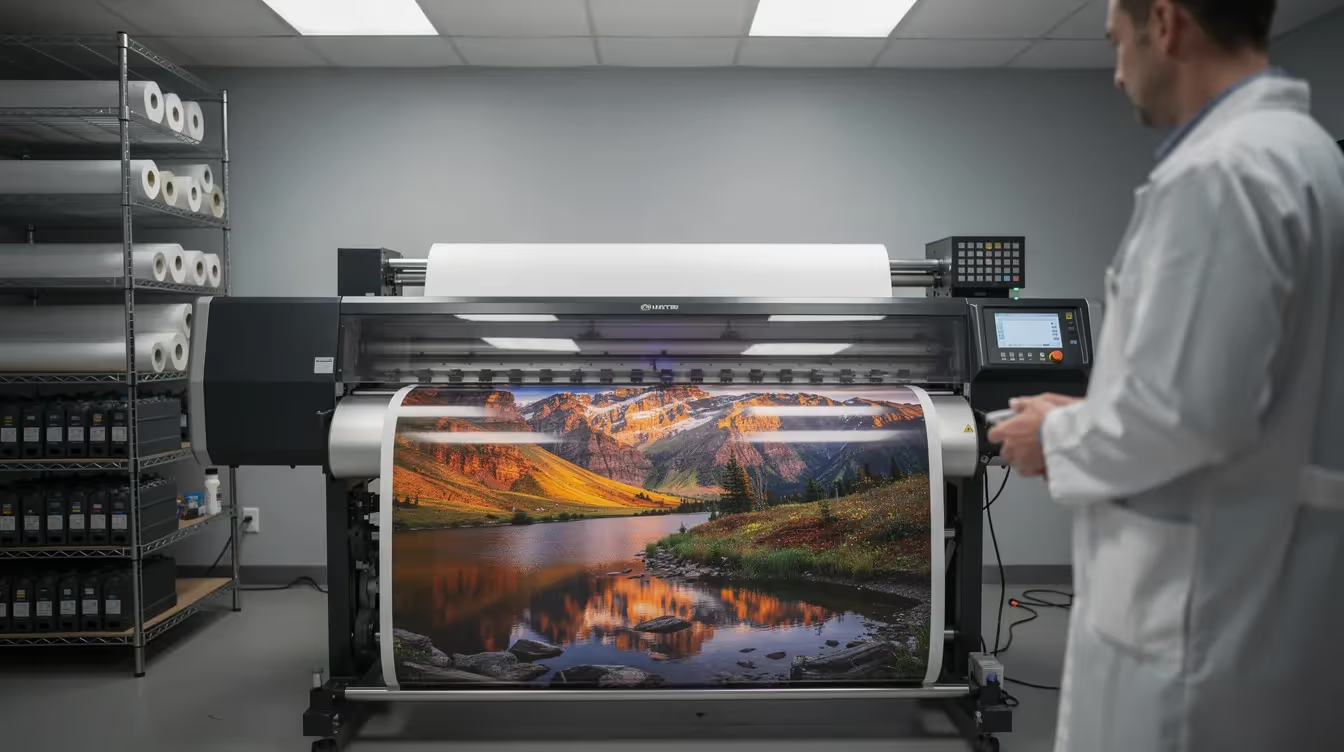
Lightjet printing is a laser-based photographic process that produces high-quality, continuous-tone images on traditional photographic paper using red, green, and blue lasers. While it offers superior color and detail, making it a gold standard for fine art and archival prints, it has largely been replaced by more environmentally friendly digital printing methods like dry lab dye sublimation. Lightjet prints are valued for their longevity and classic photographic appearance, but economic and environmental factors have led to a decline in its use. The article also clarifies the distinction between Lightjet printing and light jets in aviation, emphasizing that they are unrelated fields.
Jay Franco Serevilla
Apr 16, 2026
|
5
min read



View all
Mid-air collisions, though rare today, can lead to catastrophic outcomes. This article explores the history of such incidents, modern safety measures, and a recent Learjet 60 crash in Florida, emphasizing the importance of safety protocols for private jet travelers.
Jay Franco Serevilla
Nov 6, 2026
|
5
min read

View all
Military planes with two propellers, including twin-engine turboprops and tiltrotors, play crucial roles in logistics, surveillance, and humanitarian missions. This guide explores their capabilities, key aircraft, and how their performance informs civilian turboprop travel choices. Understanding these military aircraft helps travelers make informed decisions when comparing civilian options.
Jay Franco Serevilla
Nov 6, 2026
|
5
min read

View all
Virginia Beach's weather can change rapidly, impacting travel plans, especially for private jet travelers. Understanding the local forecast and seasonal patterns is crucial for smooth operations and optimal scheduling. Jettly provides tools to help travelers adjust their flights based on real-time weather conditions.
Jay Franco Serevilla
Nov 6, 2026
|
5
min read

View all
In 2025, there were 51 commercial airline accidents worldwide, with 8 classified as fatal, resulting in 394 fatalities. Despite a rise in fatalities, the overall accident rate improved, highlighting the complexities of aviation safety. This article provides insights into the statistics and implications for travelers.
Jay Franco Serevilla
Nov 6, 2026
|
5
min read

View all
Jet airliners have revolutionized global travel since the 1950s, transforming long journeys into hours-long flights. This article explores the evolution from early models like the de Havilland Comet to modern aircraft such as the Boeing 787, highlighting their impact on commercial aviation and the rise of private jet travel options.
Jay Franco Serevilla
Nov 6, 2026
|
5
min read

View all
Recent plane crashes in the U.S. have raised concerns about aviation safety, particularly for private flyers. This guide reviews notable incidents, the roles of the FAA and NTSB in investigations, and offers practical safety tips for travelers considering private flights.
Jay Franco Serevilla
Nov 6, 2026
|
5
min read
Explore our latest articles and updates.

5 minutes
min read
Fractional Private Jet Ownership: The Good, The Bad, The Ugly
Private jet charters offer affordability, flexibility, and convenience compared to fractional jet ownership. Charters are cost-effective for one-time trips without the high expenses of fractional ownership. They also provide more control over travel plans, including choice of airports and aircraft, whereas fractional ownership may involve limitations and advance booking requirements. Lastly, private jet charters handle all travel arrangements, enhancing overall convenience.
Read More5 minutes
min read
Fractional Jet Ownership: Pros, Cons, Costs & FAQs
Fractional jet ownership allows multiple owners to share the costs of private jet travel, making it a cost-effective alternative to full ownership. Benefits include guaranteed flight hours, personalized service, and increased flexibility, though drawbacks such as limited aircraft choice and high ongoing expenses exist. Potential owners should evaluate their travel needs and financial priorities before committing. Comparing fractional ownership to alternatives like jet chartering or full ownership can help determine the best option for individual circumstances.
Read MoreJoin our community and receive the latest blog updates directly in your inbox.
MEMBERSHIPS AND ASSOCIATIONS



© 2026 Jettly Inc. All rights reserved.
Disclaimer: Jettly operates as a charter broker, offering access to a global digital jet charter marketplace. Jettly is not a direct air carrier and does not own or operate aircraft. All advertised flights are conducted by third-party air carriers that are fully licensed and hold the appropriate Part 135 or Part 121 certifications issued by the Federal Aviation Administration (FAA) or equivalent regulatory authorities under U.S. or foreign law. Jettly complies fully with the U.S. Department of Transportation's Part 295 and Part 298 Charter Broker regulations. Jettly does not carry additional liability insurance. Passengers are covered by aircraft operator insurance. TICO: 50023770


