



Login
Get Instant Pricing On 23,000+ Aircraft

>
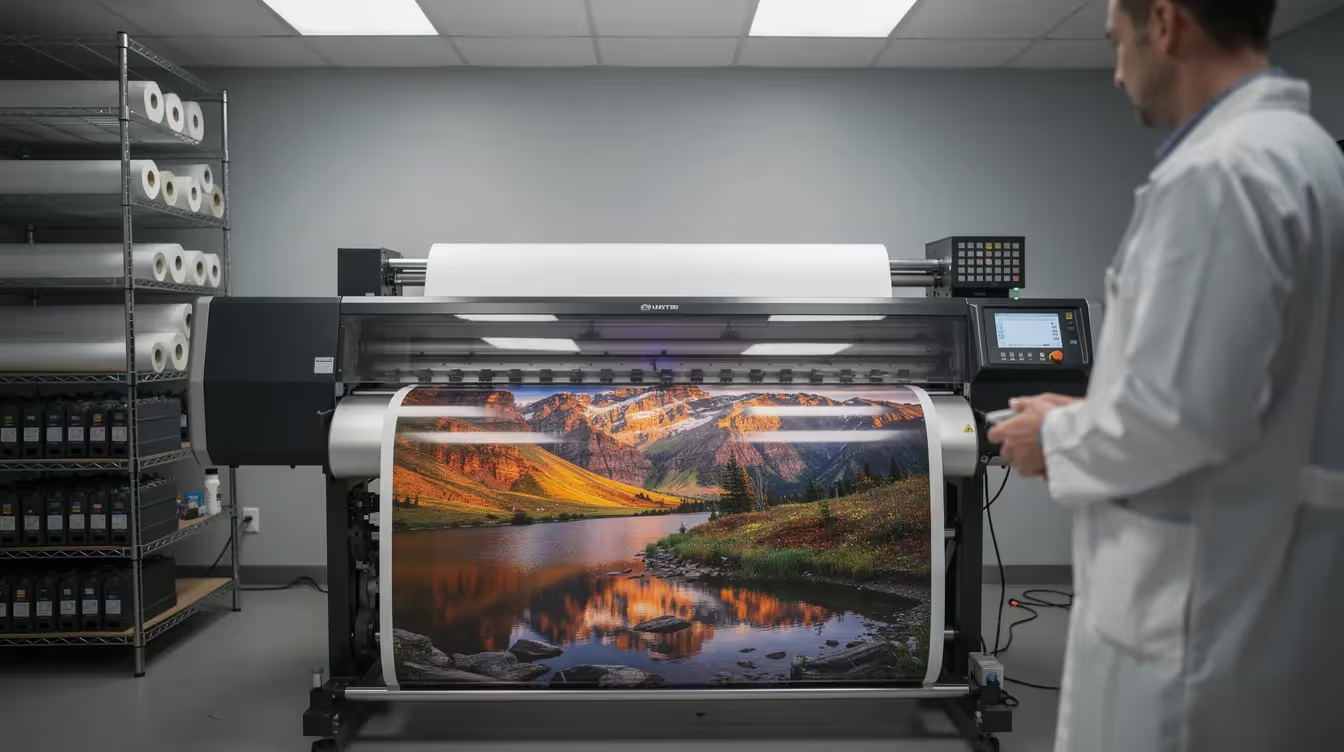
Lightjet printing is a specialized photographic process that uses laser technology, with the light source being red, green, and blue lasers, to produce high-quality, continuous-tone images on traditional photographic paper. Originating in the 1990s, this method bridges the gap between analog darkroom techniques and modern digital printing, offering vivid colors and sharp detail without the dot patterns common in inkjet prints. While largely replaced by newer, more environmentally friendly technologies, Lightjet printing is classified as a 'wet lab' photo printing method, which uses treated paper and chemical emulsions, making it less environmentally friendly compared to newer alternatives such as dry lab dye sublimation. Dry lab dye sublimation does not use AgX paper or harsh chemicals, thus being more environmentally sustainable. Lightjet remains valued for its archival quality and true photographic appearance. It is widely considered the gold standard for high-quality, large-format photography due to its technical advantages over other printing methods. This article provides a comprehensive overview of Lightjet printing, explaining its technology, advantages, limitations, and how it compares to other digital printing methods. Additionally, it clarifies the distinction between Lightjet printing and light jets in aviation, a separate field served by platforms like Jettly.
Lightjet is a laser-based, silver-halide wet lab process that exposes true photographic paper rather than using ink, producing continuous-tone output without visible dot patterns.
The technology emerged in the 1990s and uses red, green, and blue lasers to create precise color and density values for each pixel imaged onto light-sensitive emulsion.
Modern dry lab and inkjet technologies have largely replaced lightjet due to lower costs, greater media flexibility, and reduced environmental impact.
Lightjet prints on archival paper like Fuji Crystal Archive exhibit longevity, often lasting over 60 years without significant fading, making them highly durable for fine-art and archival purposes.
Lightjet prints remain valued by fine-art photographers and archival institutions for their classic photographic look and archival qualities.
Note that Jettly operates in aviation, not imaging—this article clarifies the term for readers who may have encountered both contexts.
Lightjet refers to a category of digital photographic printing technology that uses RGB lasers to expose silver-halide photographic paper or film. The process was developed in the early 1990s as a transition between traditional analog enlargers and modern inkjet printers.
The technology writes each pixel directly onto photo-sensitive emulsion using three digitally controlled lasers—red, green, and blue laser light working simultaneously. This creates a final print with true continuous-tone output on actual photographic paper or film medium, rather than ink-based reproduction. LightJet operates in a 36-bit color space, capable of producing over 68 billion colors, which results in vivid and deeply saturated colors.
Over time, the LightJet brand became a generic shorthand in professional labs for any laser-based, continuous-tone exposure system capable of producing images on back-lit transparency medium—a specific photographic paper or film designed for high-quality, continuous-tone photographic prints, especially for back-lit display applications, or standard photographic materials. When discussing LightJet printers, the 'number' often refers to model designations or the maximum image sizes supported by different LightJet models.
Lightjet printers use an internal drum system where unexposed photographic paper is temporarily fixed to a stationary drum. A spinning mirror deflects the laser light at 90 degrees, traveling along the drum’s axis to expose the entire print surface with consistent precision.
The intensity of each laser varies pixel by pixel to provide specific color and density values across the substrate. This pixel-level control enables edge-to-edge sharpness on the final print.
The workflow follows a clear process: digital file preparation, rasterization within the printer, laser exposure on AgX photo paper, then chemical development, fixing, and washing using RA4 chemistry. This process uses traditional photographic chemistry for development, similar to traditional film photography, ensuring archival quality and rich color depth. Models like the LightJet 430 and LightJet 5000 can produce images up to 50 inches wide by 120 inches long at approximately 300 dpi continuous tone.
When mounting, the choice of board or substrate onto which the LightJet print is affixed significantly affects image quality, archival durability, and overall presentation.
One of Lightjet’s defining benefits is true continuous-tone rendering. Unlike inkjet or halftone production methods, lightjet prints display no visible dot pattern—just smooth gradients and subtle tonal transitions.
The color performance leverages the full RGB color gamut, with 24-bit depth providing access to over 16,777,216 colors. Files prepared in AdobeRGB (1998) color space transfer with maximum fidelity. Blue lasers and their red and green counterparts create saturated hues and deep blacks that many photographers find difficult to replicate with other technologies.
Archival qualities are notable: prints on Fujifilm Crystal Archive or Kodak Endura paper can maintain stable color for 60+ years when displayed behind UV-protective glass indoors.
Common use cases include:
Limited-edition fine art gallery prints
High-end museum exhibition pieces
Archival reproductions requiring a classic photographic look
Understanding the comparison between Lightjet and modern alternatives helps photographers and artists meet their unique needs.
|
Feature |
Lightjet (Wet Lab) |
Pigment Inkjet |
Dry Lab |
|---|---|---|---|
|
Process Type |
Laser + chemical development |
Ink on substrate |
Digital exposure, minimal chemistry |
|
Media Options |
AgX papers only |
Paper, canvas, metal, acrylic |
Specialty photo papers |
|
Environmental Impact |
Higher (chemicals, water) |
Lower |
Lowest |
|
Typical Use |
Fine art, archival |
Versatile production |
Consumer/commercial |
Many labs retired lightjet systems in the 2010s–2020s due to rising chemistry costs, limited manufacturer support, and the improved resolution of modern inkjet. Today’s high-end pigment printers can rival LightJet in detail while avoiding hazardous waste handling. Alternatives to LightJet printing, such as dry lab dye sublimation, do not use AgX paper or harsh chemicals, making them more environmentally sustainable options.
Although Lightjet is often associated with color, the technology excels at black-and-white output. The process involves scanning negatives digitally, making tonal adjustments, and then exposing them onto dedicated silver-gelatin RC paper.
Typical sizes include 12×16 inches in glossy or pearl finishes. The results deliver a classic darkroom look with rich midtones, clean highlights, and the ability to create white borders or borderless prints. This aesthetic appeals to photographers seeking the feel of traditional development without manual darkroom work.
Lightjet was once cutting-edge but is now a specialist service offered at select labs. Several factors explain the shift.
Economic pressures include the cost of maintaining older hardware that is no longer manufactured—only remanufactured and resold. Sourcing chemistry and paper has become increasingly challenging as suppliers consolidate. Environmental considerations around chemical processing, waste handling, and water use favor cleaner dry technologies.
Workflow limitations also matter: Lightjet operates only with fixed AgX paper types, offering less flexibility compared to inkjet’s range of textured fine-art papers and alternative substrates.
In 2026, Lightjet represents one option among several for photographers and galleries with specific requirements.
Ideal scenarios include:
Limited-edition fine-art runs requiring the traditional photographic look
Exhibitions matching older portfolios originally produced on Lightjet
Retrospective projects where consistency with historic prints is essential
For example, a San Diego gallery mounting a photographer’s 2005 series would benefit from Lightjet to maintain visual consistency across old and new prints.
When choosing between lightjet and modern inkjet, consider detail requirements, paper type preference, budget, turnaround time, and environmental priorities.
The term lightjet (printing technology) is entirely different from light jet (a category of small private aircraft). This distinction matters for readers who arrived here researching aviation.
In aviation, light jets refer to business aircraft like the Embraer Phenom 300 or Cessna Citation CJ3—typically seating 4–8 passengers with range capabilities around 1,000–2,000 nautical miles and often operating from a broad network of private airports. These jets serve business travelers and families who value time savings and flexibility, and who often rely on tools like a private jet charter cost estimator to plan their trips.
Jettly is a digital private jet charter marketplace connecting travelers with light jets, midsize, and heavy private charter aircraft globally. The platform is built for aviation, not photo printing. Readers interested in aircraft rather than imaging can learn more about charter options at Jettly, including how the company offers affordable private jet charter for a range of routes and budgets.
Lightjet services remain available at select professional labs in major markets like New York, Los Angeles, London, and Berlin. Many labs now advertise digital C-prints or laser-exposed silver-halide prints rather than using the LightJet brand directly. Artists should confirm the exact device and paper type with their chosen shop if legacy equipment is specifically required.
Prices vary significantly by size and lab. A small 8×10-inch print may start from a few tens of dollars, while large 40×60-inch exhibition prints can reach several hundred dollars. Lightjet prints are generally priced higher than basic inkjet due to chemistry costs, machine upkeep, and specialist handling. Request a detailed quote, including test proofs and mounting.
Many labs accept orders from both professionals and enthusiasts who meet file specifications. Some providers operate online upload portals where any customer can order a single print. Hobbyists should start with a small test print to experience how their images and color profiles translate to the process before committing to larger projects.
High-resolution TIFF or high-quality JPEG files in AdobeRGB (1998) are commonly recommended for maximum color fidelity. Labs typically request 240–300 ppi at the final print size with properly embedded color profiles. Black-and-white images require careful preparation to avoid banding and preserve highlight and shadow detail in the continuous-tone output.
While active machines are declining, some fine-art and archival labs plan to maintain equipment as long as parts, paper, and chemistry remain obtainable. Collectors who value consistency with historic prints may help sustain steady demand. For most new work, labs increasingly recommend modern pigment inkjet alternatives that emulate or improve upon lightjet results.
Lightjet printing remains a valuable option for photographers and artists seeking true continuous-tone, archival-quality prints with a classic photographic appearance. However, environmental concerns and evolving technologies have shifted the market toward more sustainable and flexible digital printing methods. Understanding Lightjet’s unique benefits and limitations can help creatives make informed choices for their projects.
Interested in private aviation instead of printing? Browse flight options or get a quote at https://www.jettly.com.
Share this post:
Jay Franco Serevilla
Apr 16, 2026
|
5
min read
Discover tips and trends in the industry.
5
min read
Business Class in Flight: Comfort, Cost, and Private Jet Alternatives with Jettly
Flying business class offers travelers enhanced comfort, priority services, and access to airport lounges, making long-haul flights more enjoyable. However, for those seeking ultimate privacy and flexibility, private jet charters through platforms like Jettly present a compelling alternative. This guide explores the benefits, costs, and comparisons between business class and private jet travel.
Read More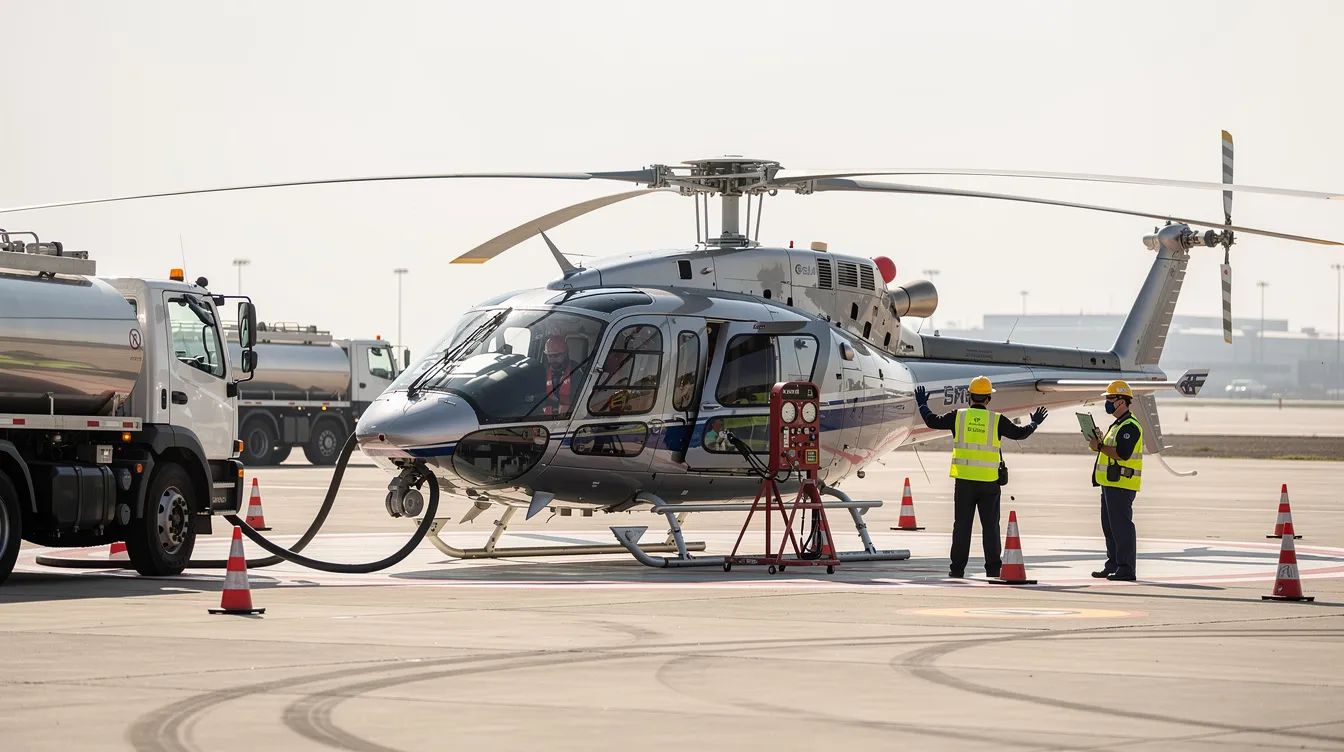
5
min read
Price of Helicopter Fuel: What It Really Costs to Fly
Understanding helicopter fuel prices is essential for charter flight customers, as fuel is the largest variable cost in helicopter operations. This article details current fuel prices, burn rates across various helicopter models, and regional price variations, helping customers make informed decisions. Jettly's transparent pricing model incorporates these factors, ensuring no surprises during booking.
Read MoreStay updated with our latest insights and tips to elevate your journey with us.
MEMBERSHIPS AND ASSOCIATIONS



Disclaimer: Jettly operates as a charter broker, offering access to a global digital jet charter marketplace. Jettly is not a direct air carrier and does not own or operate aircraft. All advertised flights are conducted by third-party air carriers that are fully licensed and hold the appropriate Part 135 or Part 121 certifications issued by the Federal Aviation Administration (FAA) or equivalent regulatory authorities under U.S. or foreign law. Jettly complies fully with the U.S. Department of Transportation's Part 295 and Part 298 Charter Broker regulations. Jettly does not carry additional liability insurance. Passengers are covered by aircraft operator insurance. TICO: 50023770


