



Login
Get Instant Pricing On 23,000+ Aircraft


In 2026, the cost of jet aircraft varies significantly, with new private jets priced from $2 million for very light jets to over $400 million for customized VIP airliners, while charter rates range from $1,500 to $28,000 per hour based on aircraft type. For most business travelers, chartering is more economical than ownership, especially for those flying fewer than 200-300 hours annually, as ownership entails substantial fixed and variable costs. Jettly, a digital private jet charter platform, offers a transparent marketplace for on-demand bookings, allowing users to compare costs and access over 20,000 aircraft globally. Key strategies for reducing costs include choosing the right aircraft size, being flexible with travel times, and utilizing empty leg flights.
Jay Franco Serevilla
Apr 18, 2026
|
5
min read



View all
FlightAware is a leading flight tracking platform that provides real-time data on commercial and general aviation flights. It offers features like live maps, flight status updates, and historical data, making it ideal for travelers and aviation enthusiasts. However, for those needing to book private flights, Jettly serves as a complementary service, offering access to a vast inventory of aircraft and transparent pricing.
Jay Franco Serevilla
Oct 21, 2026
|
5
min read

View all
Staying updated on Southwest Airlines flight status is essential for a smooth travel experience. This guide explains how to check flight status using the Southwest app, website, and airport displays, while also discussing when private jet charters through Jettly may be a better option for time-sensitive travelers. Understanding flight status terms and utilizing real-time updates can help avoid delays and ensure timely arrivals.
Jay Franco Serevilla
Oct 21, 2026
|
5
min read

View all
Private jet hire costs in 2026 range from $2,300 to over $22,000 per hour, influenced by aircraft type, route, and timing. This guide provides a comprehensive breakdown of costs, including hidden fees and savings opportunities, helping travelers budget effectively for their private jet experience.
Jay Franco Serevilla
Oct 21, 2026
|
5
min read
View all
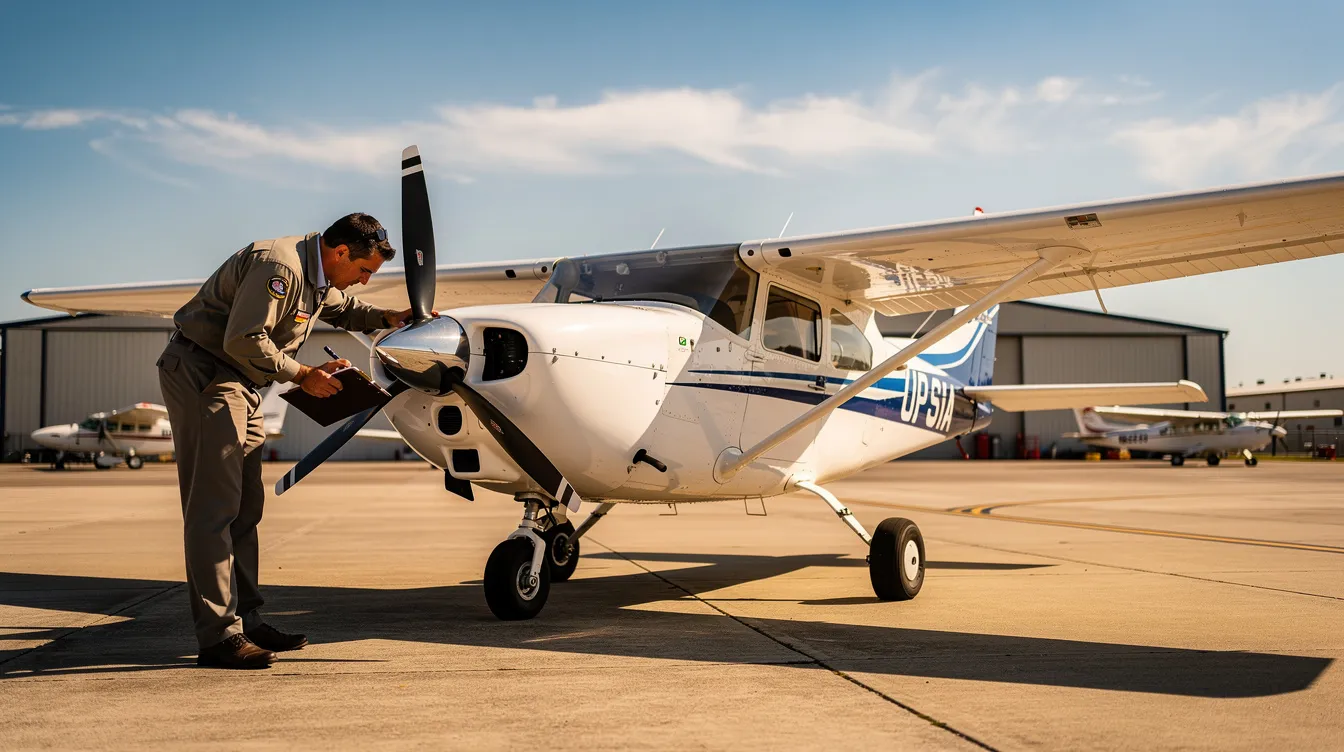
The career of an aircraft pilot encompasses various roles, from commercial and airline pilots to military and private pilots. Aspiring pilots must navigate a structured training path, including obtaining necessary certifications and flight hours. With a growing demand for qualified pilots, especially in 2026, this guide outlines the essential steps, costs, and opportunities in the aviation industry.
Jay Franco Serevilla
Oct 21, 2026
|
5
min read

View all
The Bell 407 is a versatile light helicopter known for its reliability and efficiency. Understanding its operating cost per hour is crucial for potential owners and charter operators, as it varies based on fixed and variable expenses. This guide provides a comprehensive breakdown of costs, helping you make informed decisions about ownership or chartering.
Jay Franco Serevilla
Oct 21, 2026
|
5
min read

View all
In 2026, medevac flight costs range from $25,000 for short domestic transfers to over $200,000 for complex international missions. Factors influencing pricing include distance, aircraft type, and patient medical needs. Understanding these costs is crucial for families facing urgent transport decisions, especially when insurance coverage varies significantly.
Jay Franco Serevilla
Oct 21, 2026
|
5
min read
Explore our latest articles and updates.
5
min read
Powered Sailplane: A Modern Guide to Motor Gliders, Performance and Private Travel
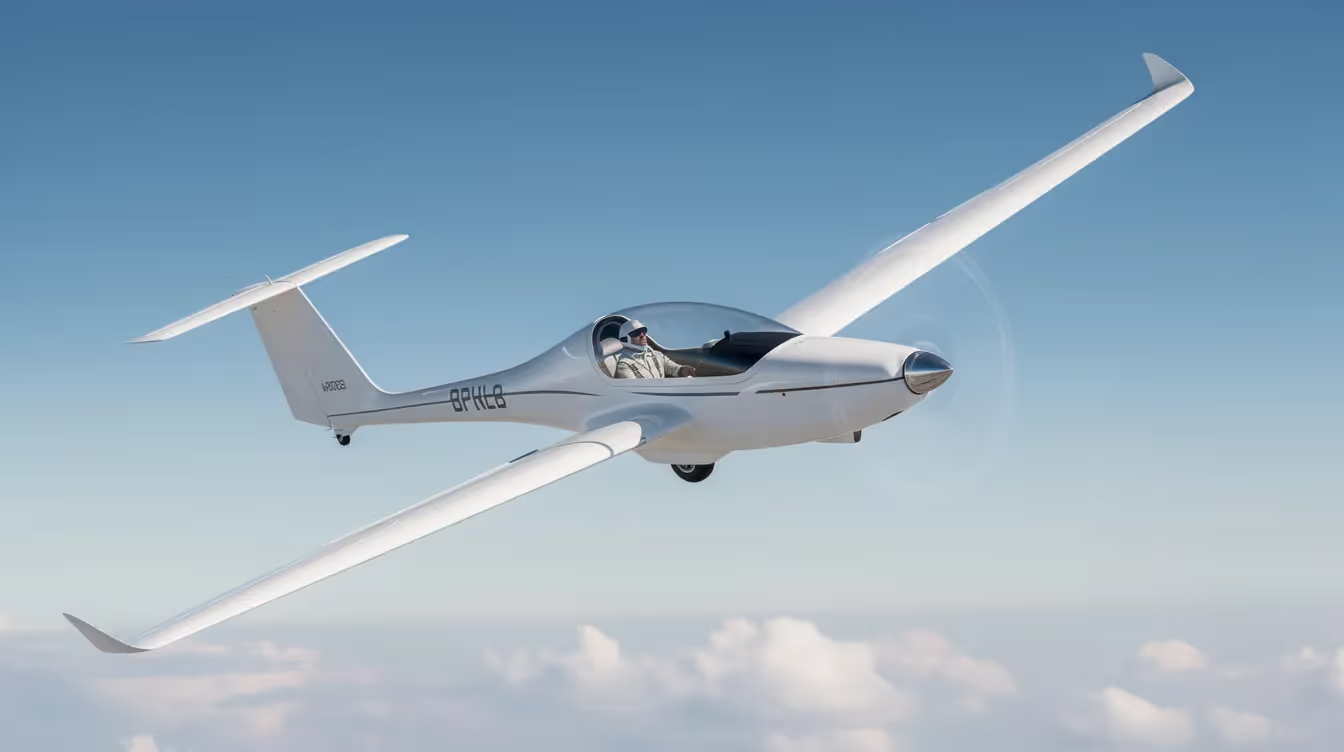
Powered sailplanes, or motor gliders, combine the aerodynamic efficiency of traditional gliders with onboard propulsion systems, allowing for self-launching and extended flights. They are categorized into sustainer, self-launching, and touring motor gliders, each offering unique performance characteristics and operational flexibility. While powered sailplanes excel in sport and recreational aviation, providing pilots with enhanced safety and independence, they are not as practical for time-sensitive travel compared to private jet charters, which offer speed and comfort. As electric and hybrid technologies advance, powered sailplanes are likely to influence broader trends in private aviation toward lower emissions and improved efficiency.
Read More5
min read
Powered Sailplane: A Modern Guide to Motor Gliders, Performance and Private Travel
Powered sailplanes, or motor gliders, combine the aerodynamic efficiency of traditional gliders with onboard propulsion systems, allowing for self-launching and extended flights. They are categorized into sustainer, self-launching, and touring motor gliders, each offering unique performance characteristics and operational flexibility. While powered sailplanes excel in sport and recreational aviation, providing pilots with enhanced safety and independence, they are not as practical for time-sensitive travel compared to private jet charters, which offer speed and comfort. As electric and hybrid technologies advance, powered sailplanes are likely to influence broader trends in private aviation toward lower emissions and improved efficiency.
Read MoreJoin our community and receive the latest blog updates directly in your inbox.
MEMBERSHIPS AND ASSOCIATIONS



Disclaimer: Jettly operates as a charter broker, offering access to a global digital jet charter marketplace. Jettly is not a direct air carrier and does not own or operate aircraft. All advertised flights are conducted by third-party air carriers that are fully licensed and hold the appropriate Part 135 or Part 121 certifications issued by the Federal Aviation Administration (FAA) or equivalent regulatory authorities under U.S. or foreign law. Jettly complies fully with the U.S. Department of Transportation's Part 295 and Part 298 Charter Broker regulations. Jettly does not carry additional liability insurance. Passengers are covered by aircraft operator insurance. TICO: 50023770


