


Login
Get Instant Pricing On 23,000+ Aircraft

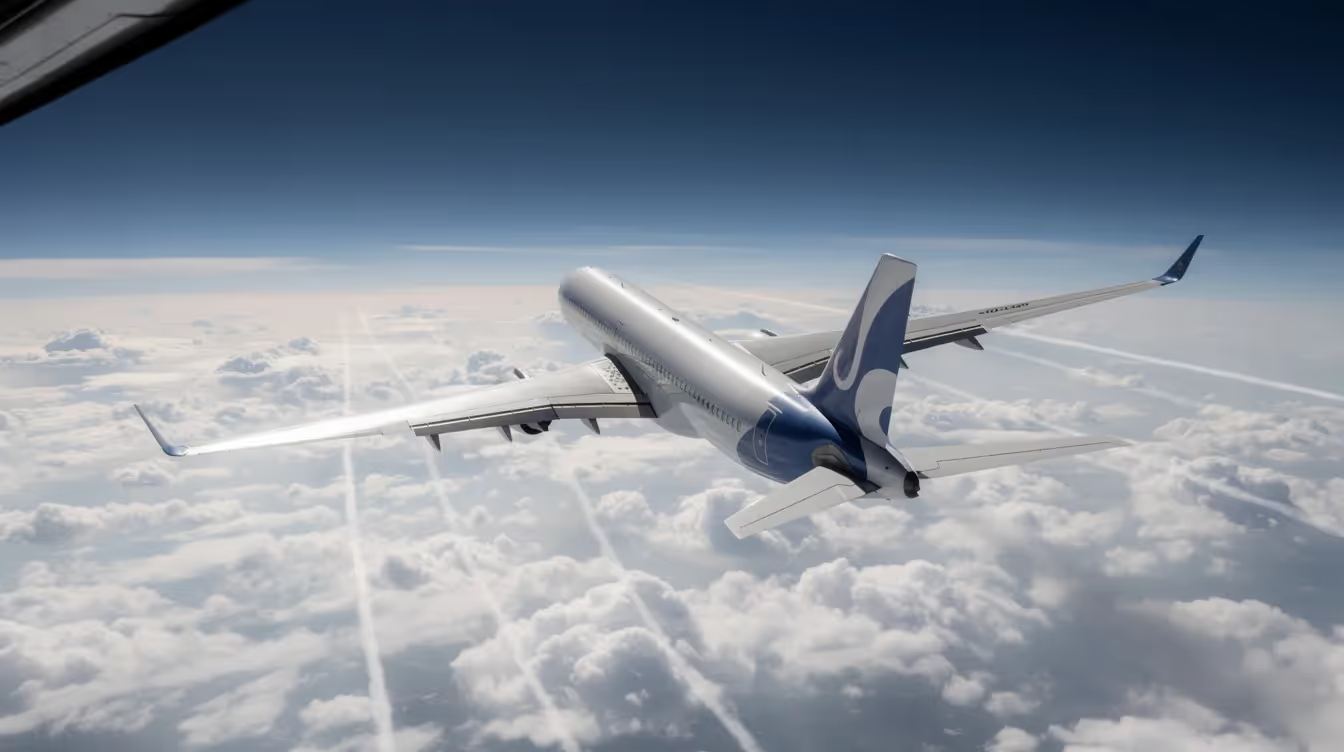
Modern jet airliners typically cruise at speeds between 550 and 600 mph (Mach 0.85 to 0.90), while private jets may operate at similar or slightly higher speeds but can save time by avoiding hub airports and delays. Factors such as aircraft design, altitude, wind conditions, and regulatory limits influence actual flight speeds. Despite advancements in technology, commercial airliner speeds have remained relatively stable due to economic and environmental considerations. Understanding these dynamics helps travelers make informed choices between commercial and private aviation options.
Jay Franco Serevilla
Apr 18, 2026
|
5
min read


View all
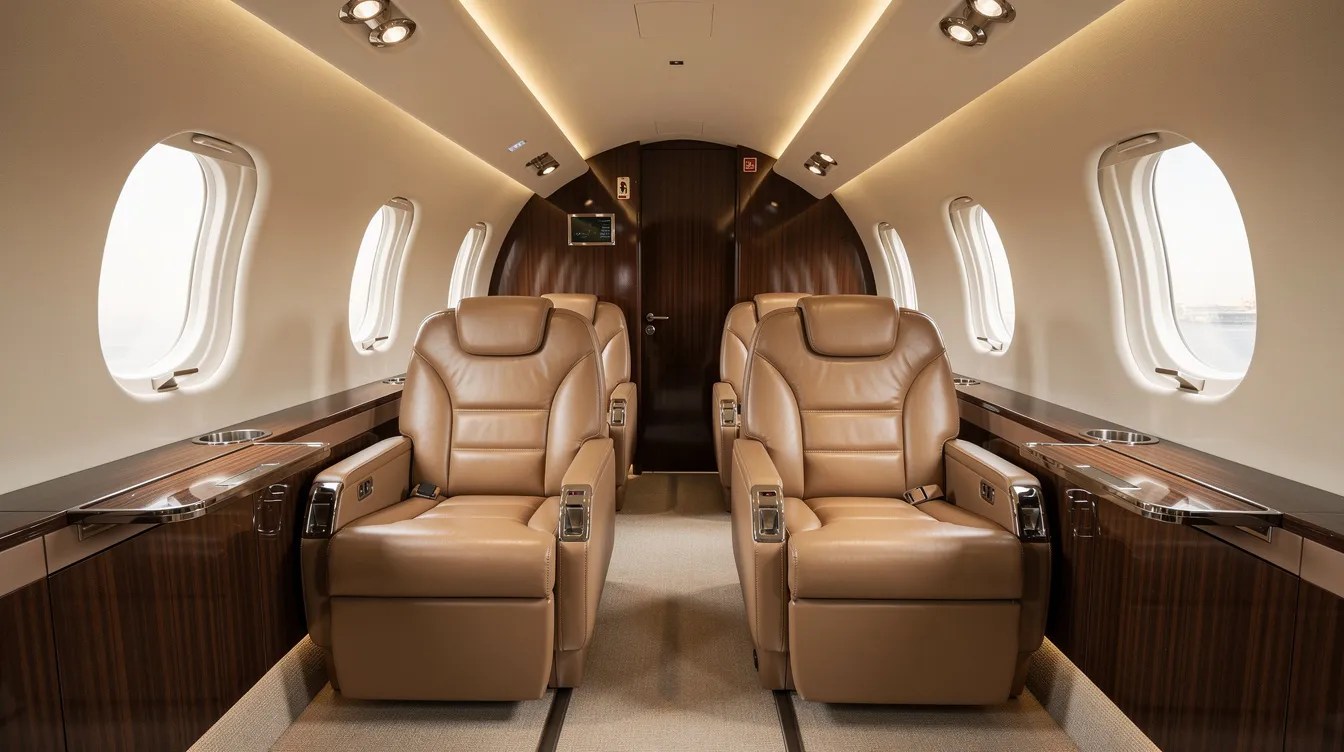
Choosing the right private jet begins with understanding seating capacity, which affects comfort, space, and cost. This guide details how different jet categories accommodate passengers and how Jettly's platform helps match your group size with the ideal aircraft. Learn about seating layouts and practical considerations for a smooth flying experience.
Jay Franco Serevilla
Aug 9, 2026
|
5
min read
View all
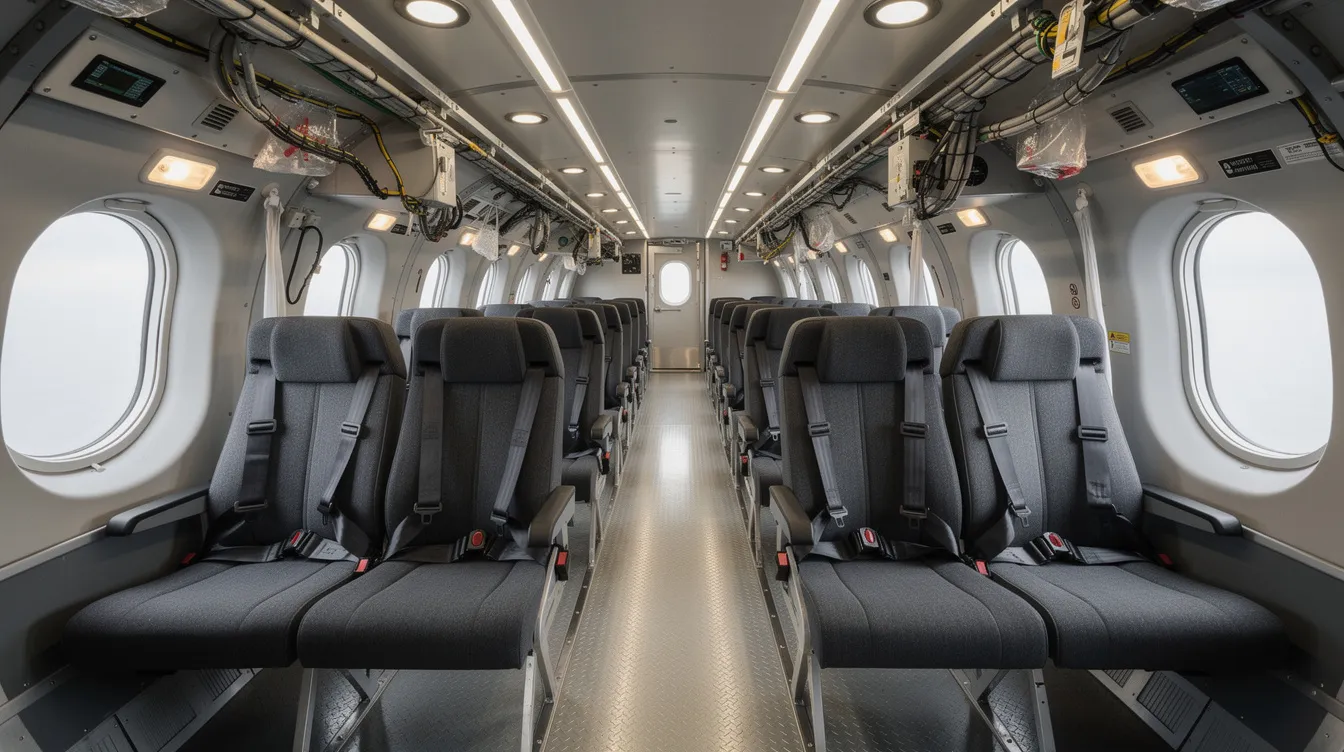
The Sikorsky S-92 interior offers a spacious and versatile cabin, accommodating 9 to 19 passengers with advanced comfort features. Ideal for corporate, government, and offshore operations, it combines safety, flexibility, and luxury. Jettly provides tailored charter options to meet diverse travel needs.
Jay Franco Serevilla
Aug 9, 2026
|
5
min read
View all
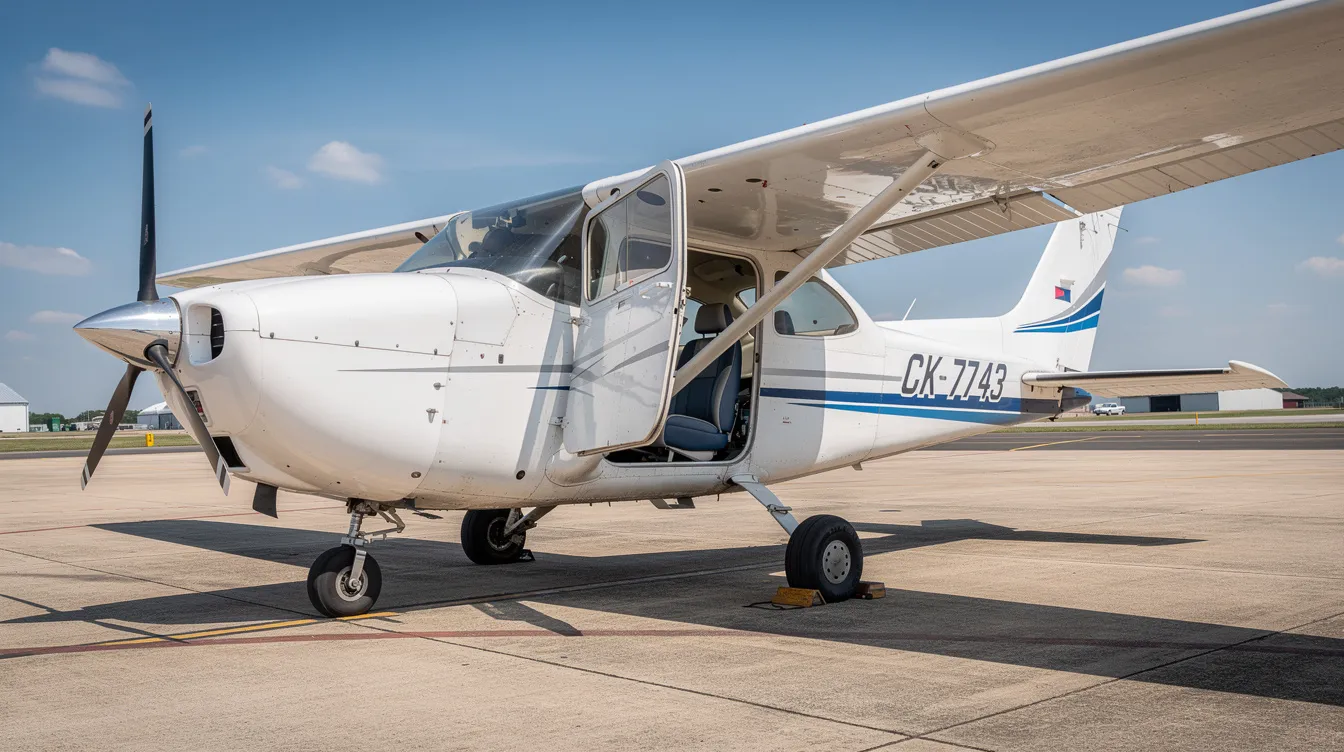
The Cessna 172 cockpit is a training-focused flight deck featuring a classic six-pack of primary flight instruments and essential controls. Its logical layout aids student pilots and aviation enthusiasts in mastering fundamental flying skills that transfer to more complex aircraft. Understanding this cockpit enhances situational awareness and prepares pilots for future flying experiences.
Jay Franco Serevilla
Aug 9, 2026
|
5
min read
View all
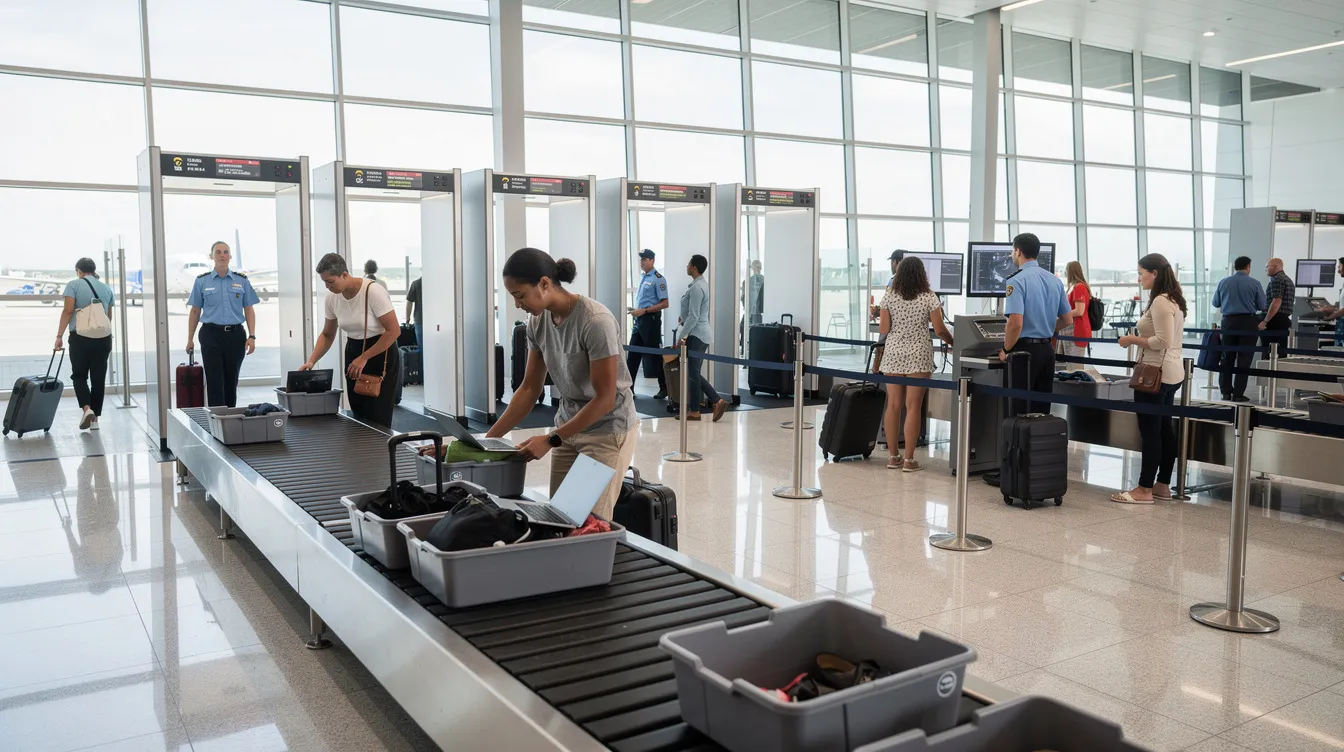
The TSA does not conduct full background checks on standard passengers at airport security. Instead, it verifies identities against federal watchlists and performs physical screenings. Comprehensive background checks are reserved for trusted traveler programs and aviation personnel, ensuring safety while allowing most travelers to board without issues related to their criminal history.
Jay Franco Serevilla
Aug 9, 2026
|
5
min read
View all
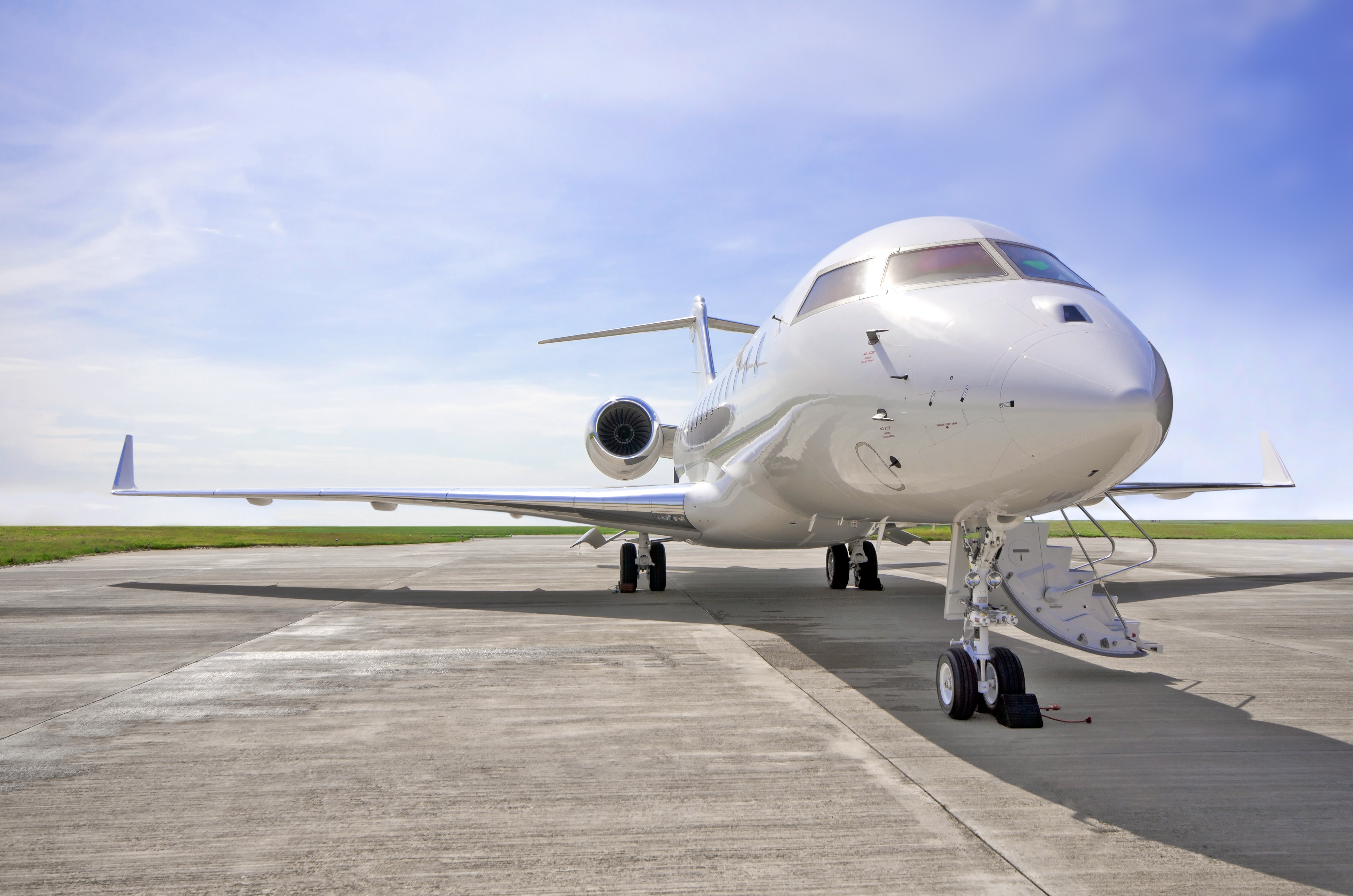
Discover why private jet travel to America's most exclusive summer destinations becomes significantly more expensive during peak season. Learn how dynamic pricing, empty-leg repositioning, overnight parking restrictions, airport slot limitations, and FBO surcharges impact charter costs to destinations like the Hamptons, Martha's Vineyard, Nantucket, and Aspen. Understanding these factors can help travelers budget more effectively and avoid unexpected charter expenses.
Jay Franco Serevilla
Aug 8, 2026
|
5
min read

View all
Cotulla–La Salle County Airport (KCOT) is a key private jet gateway in South Texas, featuring a 6,005-foot runway and 24/7 automated weather reporting. It serves corporate executives and travelers in the Eagle Ford Shale region, offering efficient access without the hassle of larger commercial airports. This guide provides essential information for private jet travelers, including airport features, services, and how to book through Jettly.
Jay Franco Serevilla
Aug 5, 2026
|
5
min read
Explore our latest articles and updates.
5
min read
How Fast Does a Single-Engine Plane Fly? (Real Speeds, Examples, and When Faster Makes Sense)
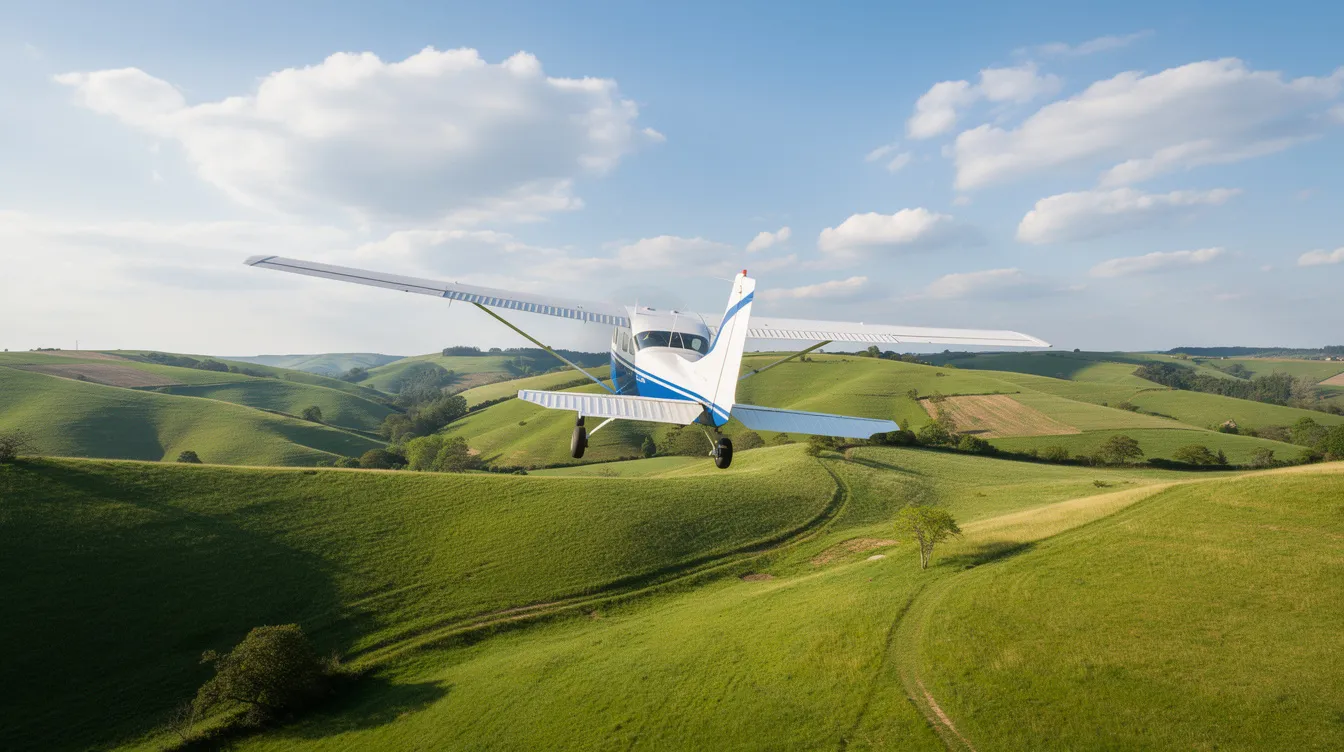
Single-engine planes typically cruise between 110 and 180 knots, with high-performance models exceeding 200 knots. Factors like aircraft type, altitude, and weight significantly influence actual speeds. Understanding cruise speed is crucial for effective trip planning and can often rival commercial airliners in total travel time.
Read More5
min read
How Fast Does a Single-Engine Plane Fly? (Real Speeds, Examples, and When Faster Makes Sense)
Single-engine planes typically cruise between 110 and 180 knots, with high-performance models exceeding 200 knots. Factors like aircraft type, altitude, and weight significantly influence actual speeds. Understanding cruise speed is crucial for effective trip planning and can often rival commercial airliners in total travel time.
Read MoreJoin our community and receive the latest blog updates directly in your inbox.
MEMBERSHIPS AND ASSOCIATIONS



Disclaimer: Jettly operates as a charter broker, offering access to a global digital jet charter marketplace. Jettly is not a direct air carrier and does not own or operate aircraft. All advertised flights are conducted by third-party air carriers that are fully licensed and hold the appropriate Part 135 or Part 121 certifications issued by the Federal Aviation Administration (FAA) or equivalent regulatory authorities under U.S. or foreign law. Jettly complies fully with the U.S. Department of Transportation's Part 295 and Part 298 Charter Broker regulations. Jettly does not carry additional liability insurance. Passengers are covered by aircraft operator insurance. TICO: 50023770


