


Login
Get Instant Pricing On 23,000+ Aircraft

>

Private jet leasing has transformed the way people travel by air, offering unparalleled flexibility and luxury for discerning travelers.
The growing demand for personalized aviation solutions has highlighted two primary leasing options: wet leases and dry leases, each with distinct features and considerations for businesses and individuals.
Wet leases offer a complete package, bundling the aircraft with crew, maintenance, and insurance in one convenient solution. This all-inclusive approach stands in stark contrast to dry leases, which offer the aircraft alone, placing operational responsibilities entirely on the lessee.
The choice between these leasing options can significantly impact cost structures, operational control, and overall travel experience. Understanding the details of wet and dry leases is crucial for making informed decisions that align with specific travel needs and long-term goals.
From short-term flexibility to maximum customization, each leasing arrangement presents unique advantages and challenges. Exploring these differences empowers travelers to understand the nuances of private aviation with confidence, ensuring they can take to the skies on their own terms.
Aircraft leasing has revolutionized private aviation, making luxury air travel more accessible without the hefty price tag of ownership. This innovative approach has opened doors for a broader range of individuals and businesses to experience the convenience and prestige of private jet travel.
The private jet leasing market has soared to new heights, fueled by a growing appetite for personalized and efficient air travel solutions. Private jet leasing companies have flourished, offering a smorgasbord of options to cater to diverse needs and preferences.
Leasing has become increasingly popular as it combines the appeal of luxury travel with financial prudence. It allows clients to savor the perks of private aviation without the long-term commitments or substantial upfront costs typically associated with ownership.
Economic ups and downs have made leasing an attractive alternative to ownership, offering financial flexibility and a buffer against market uncertainties. This approach allows businesses and individuals to adapt quickly to changing financial landscapes.
Technological leaps in aircraft design have also played a starring role in the leasing boom. Modern jets are marvels of efficiency, offering improved performance and lower operational costs that make leasing an appealing option for a wider audience.
Corporate travel needs have further propelled the leasing market to new heights. Businesses are increasingly recognizing private aviation as a powerful tool for boosting productivity and enabling swift, flexible travel for their executives.
Getting a handle on different lease types is crucial for anyone dipping their toes into private aviation. The decision between leasing or buying a private jet can have a significant impact on financial strategies and operational flexibility.
Wet leases and dry leases are the main contenders in the leasing arena, each with its own set of perks and considerations. Understanding these differences is key to making informed decisions that align with specific needs and circumstances.
Choosing the right lease can lead to optimized costs, smoother operations, and a tailor-made aviation experience. On the flip side, picking the wrong lease type might result in unnecessary expenses or operational headaches.
Imagine having a private jet at your disposal, complete with crew and maintenance, all wrapped up in one neat package. That's essentially what a wet lease offers in private aviation.
A wet lease is like renting a fully-staffed, ready-to-fly private jet. It's an agreement where you get an aircraft, crew, maintenance, and insurance all in one deal. Often called an ACMI lease, it's the aviation equivalent of an all-inclusive resort package.
These leases are typically short-term, lasting anywhere from a few months to a couple of years. This makes them perfect for businesses or individuals who need quick access to private air travel without a long-term commitment.
Think of this as getting the keys to your dream car, but in this case, it's a private jet. The lessor provides an aircraft that is suited to your needs, whether that's a specific model or certain amenities.
With a wet lease, you're not just getting the aircraft; you're getting the experts to fly it too. This includes pilots, flight attendants, and sometimes additional support staff, all trained for that specific aircraft.
Worried about keeping the jet in top shape? Don't be. The lessor takes care of all maintenance, from routine checks to repairs, ensuring the aircraft is always ready for takeoff.
Flying comes with risks, but a wet lease has you covered. The insurance coverage included protects both you and the lessor from potential liabilities.
In a wet lease, think of the lessor as the captain of the ship. They're in charge of flight planning, dispatch, and overall flight operations. You get to decide where and when to fly, but the nitty-gritty details are handled by the experts.
Wet leasing is like having a personal chauffeur service in the sky. It's perfect for those new to private aviation or anyone looking for a short-term solution. You get instant access to a private jet without needing to be an aviation expert yourself.
Budgeting becomes a breeze with wet leasing. Most costs are bundled into one fee, making it easy to predict and manage your aviation expenses.
While wet leasing offers many perks, it's not without its trade-offs. The cost per flight hour is typically higher than other options, reflecting the all-inclusive nature of the service.
Customization can be limited in wet lease arrangements. While lessors try to accommodate preferences, the standardized nature of the service might restrict certain modifications to the aircraft or operations.
Imagine having a private jet at your disposal, but with the freedom to run it your way. That's the essence of dry leasing in private aviation. It's an arrangement that appeals to those who want long-term solutions and the ability to tailor their flying experience.
A dry lease is like renting a car without a driver. The lessor provides only the aircraft, while the lessee takes care of everything else. This includes hiring crew, handling maintenance, and ensuring all operations comply with aviation regulations.
These leases often last for several years, making them ideal for businesses or individuals with ongoing aviation needs. It's perfect for those who want to put their personal stamp on their air travel experience.
At its heart, a dry lease is about the aircraft itself. The lessor hands over the keys, so to speak, allowing the lessee to use the plane as they see fit within agreed terms.
With great freedom comes great responsibility. The lessee is responsible for hiring and managing flight crews, scheduling maintenance, securing insurance, and understanding the requirements of aviation regulations.
Dry leasing puts you in the pilot's seat, figuratively speaking. You have full control over how the aircraft is used, from choosing your crew to deciding on maintenance schedules.
Want to redesign the interior or change operational procedures? With a dry lease, you have the freedom to do so. This level of control is particularly attractive to businesses with specific needs or those already familiar with aviation operations.
For those ready to take on aircraft management, dry leasing offers significant perks. It offers flexibility in how you utilize the aircraft and enables smooth coordination with current fleets.
Over time, cost savings can be substantial, especially for frequent flyers who can efficiently manage crew and maintenance. Plus, there's potential to generate revenue by chartering the aircraft when you're not using it.
While dry leasing offers many advantages, it's not without its challenges. It requires expertise in managing complex aviation operations, from crew training to regulatory compliance.
Setting up can be costly, as you'll need to establish or expand your aviation infrastructure. There's also financial risk, as you're responsible for fixed costs whether the plane flies or not.
Staying on top of aviation regulations can be a full-time job in itself. It's crucial to keep up with changing rules and ensure your operations always meet legal requirements.
Selecting between wet and dry leases in private aviation can be a complex decision. Let's break down these options to help you make an informed decision that best suits your needs.
Leasing a private jet involves distinct financial considerations between wet and dry leases. Understanding these differences is key to making a budget-friendly choice.
Think of wet leases as the "all-inclusive package" of the aviation world. They typically require less upfront cash since you're not footing the bill for crew training or maintenance facilities.
Dry leases require a heftier initial investment to set up everything from hiring crews to establishing maintenance facilities, similar to buying a fixer-upper house.
Wet leases bundle most costs into one neat fee, making budgeting a breeze. However, this convenience might come with a higher per-hour price tag.
The cost of leasing a private jet through a dry lease might seem more wallet-friendly at first glance, but don't forget to factor in separate expenses like crew salaries, maintenance, and insurance.
Both lease types can surprise you with unexpected expenses. Wet leases might tack on extra charges for flying longer hours or to specific destinations.
Dry leases can sneak up on you with unforeseen costs related to staying compliant with regulations, training your crew, or dealing with major maintenance issues.
Wet leases are like renting a fully furnished apartment – great for short-term needs and quick moves.
Dry leases, however, give you the freedom to "decorate" as you please, tailoring the aircraft and operations to your specific tastes, but with less wiggle room to change your mind about the "property" itself.
Imagine wet leases as having a personal assistant who handles most of your paperwork. They simplify regulatory compliance by taking care of most legal and regulatory requirements.
Dry leases, however, put you in the driver's seat – you'll need to become well-versed in aviation regulations and have the resources to stay on top of them.
Risk can be mitigated through wet leases, which function like an umbrella, protecting you from most operational risks. Dry leases, however, leave you more exposed to the elements, requiring you to invest in extensive insurance coverage and robust risk management strategies.
For those new to the aviation field or seeking a simpler approach, wet leases can provide a more straightforward experience.
They offer superior operational efficiency without the need for in-house expertise. Dry leases prove advantageous for those with existing aviation expertise, enabling them to smoothly incorporate the leased aircraft into their operations.
Leasing a private jet is like choosing the perfect vehicle for your journey. Let's explore the key factors to consider when deciding between wet and dry leases, helping you find the best fit for your aviation needs.
Think of your organization's aviation expertise as your driving skills. Wet leases are perfect for those new to the road, offering a complete package with minimal responsibilities. Dry leases are suitable for experienced drivers who prefer to handle maintenance and fueling themselves.
Money matters, so let's break it down simply. Wet leases are like renting a car with all-inclusive packages – higher hourly rates but lower upfront costs. Dry leases resemble buying a car – significant initial investment but potential long-term savings if you use it frequently.
Your flying habits play a big role in choosing the right lease. Wet leases offer flexibility for occasional trips or unpredictable schedules. For frequent flyers with consistent routes, dry leases can be more cost-effective, like owning a car for daily commutes.
Aligning your lease choice with your future plans is crucial. Wet leases provide flexibility, perfect for businesses testing the waters of private aviation. Dry leases are ideal for those committed to long-term private flying, offering more control and customization options.
Real-world examples can demonstrate the practical benefits of each lease type. A growing company used wet leases to quickly expand into new markets, adjusting their aviation needs as they grew.
In contrast, a seasoned jet-setter chose a dry lease, customizing their aircraft and seamlessly integrating it with their existing flight operations.
Private jet leasing is evolving rapidly, with new technologies, market shifts, and environmental considerations shaping its future. These exciting developments are creating fresh opportunities and challenges for everyone involved in private jet leasing.
Imagine a private jet that knows the best route to take and when it needs a tune-up. That's the power of artificial intelligence and machine learning in today's leasing world. These smart technologies are making flights more efficient and potentially cheaper for both wet and dry leases.
Blockchain, the technology behind cryptocurrencies, is also making waves in jet leasing. It's making paperwork easier and more secure, which could open up private jet leasing to more people and reduce the hassle of managing leases.
The industry is getting creative with new leasing options that mix and match features from wet and dry leases. These flexible plans let clients choose how much they want to be involved in running their jet.
One new option is called a "damp lease." It's like ordering a pizza with half the toppings - you get the jet and the pilots, but you're in charge of maintenance and insurance. This setup is perfect for those who want more control than a wet lease but aren't ready for the full responsibility of a dry lease.
Going green is becoming a big deal in private jet leasing. Companies are adding more fuel-efficient and eco-friendly planes to their fleets to meet the growing demand for sustainable travel.
Many leasing packages now come with carbon offset programs, letting clients fly with a cleaner conscience. Some companies are even looking into electric and hybrid planes for short trips, which could completely change how we think about sustainable air travel.
As governments crack down on carbon emissions, the rules of the game are changing. Smart lessors and lessees are already preparing for these new environmental standards, adapting their strategies to stay ahead of the curve.
Think of wet leases as short-term rentals, usually lasting a few months to a couple of years. Dry leases, however, are more like long-term commitments, often extending for several years or more.
Switching lease types mid-contract is like trying to change horses midstream – it's tricky and usually requires a whole new agreement. Most lessors prefer sticking to the original terms because wet and dry leases are as different as apples and oranges in terms of operations.
With a wet lease, you're getting the full package – the lessor typically provides extensive insurance coverage. For dry leases, you're responsible for obtaining liability, hull insurance, and other aviation-specific coverages.
Wet leases come with a ready-to-go crew, managed by the lessor – it's like having a fully staffed kitchen in a restaurant. In dry leases, you're the chef and the restaurant owner, responsible for hiring, training, and managing your own flight crew.
Flying internationally with leased aircraft can be a complex process, as it involves understanding and complying with various regulations.
Wet leases might face restrictions on cabotage rights in some countries, while dry leases could require special approvals from aviation authorities in both the lessor's and lessee's countries.
Leasing a private jet doesn't have to be complicated. Think of wet leases as the all-inclusive resort package of aviation: everything's taken care of, making them perfect for short trips or newcomers to private flying.
Dry leases are more like renting a vacation home – you get the keys and full control, which can be ideal for those with experience and long-term plans.
Picking the right option boils down to understanding your needs, budget, and goals. It's like choosing between a guided tour or planning your own adventure – both can lead to amazing experiences, but in different ways.
By taking the time to explore these leasing options, you're setting yourself up for smoother skies and more efficient travel, whether for business or pleasure.
Share this post:
Justin Crabbe
May 7, 2025
|
5 minutes
min read
Discover tips and trends in the industry.
5
min read
ATR 72: Guide to the Regional Turboprop (For Charter and Commercial Use)
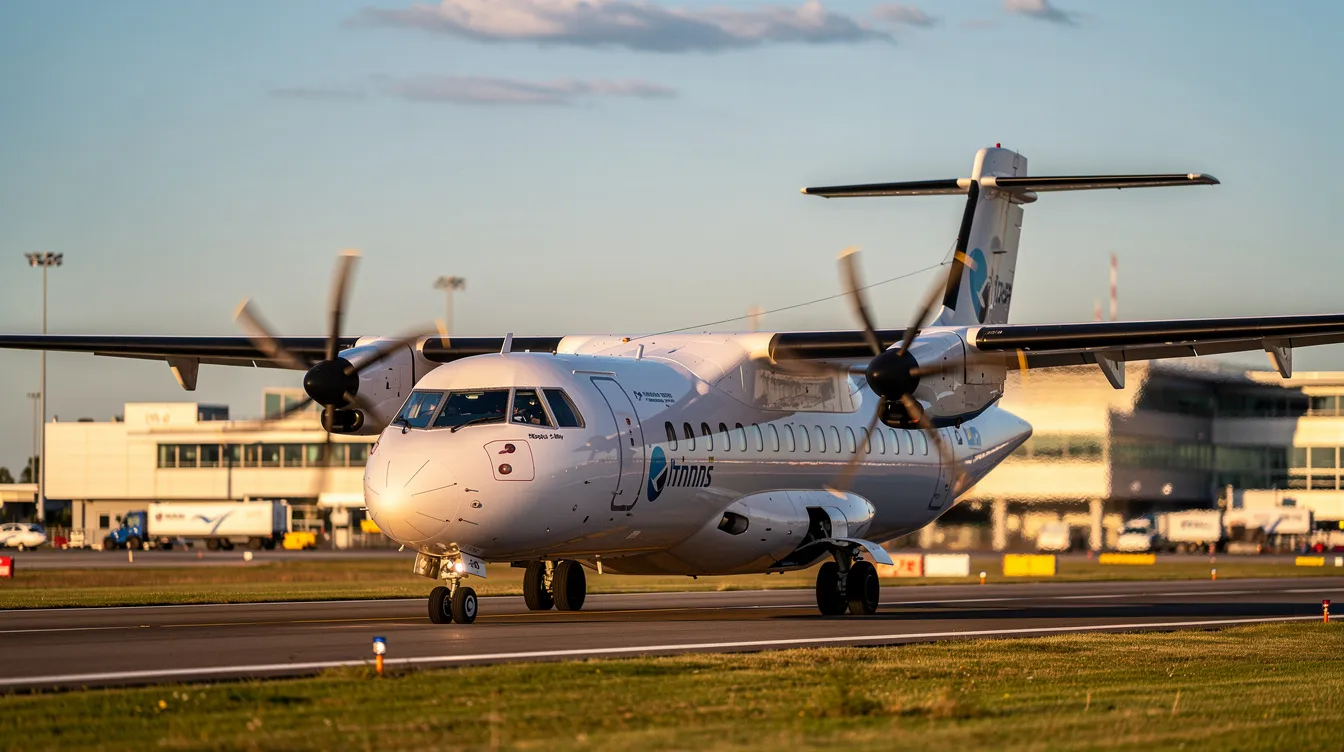
The ATR 72-201 and ATR 72-202 are efficient turboprop aircraft designed for regional group charters, accommodating 66 to 72 passengers. With their reliable Pratt & Whitney engines and versatile landing gear, they excel in short- to medium-haul operations. Ideal for corporate shuttles, sports teams, and tour operators, these aircraft offer cost-effective alternatives to larger jets.
Read More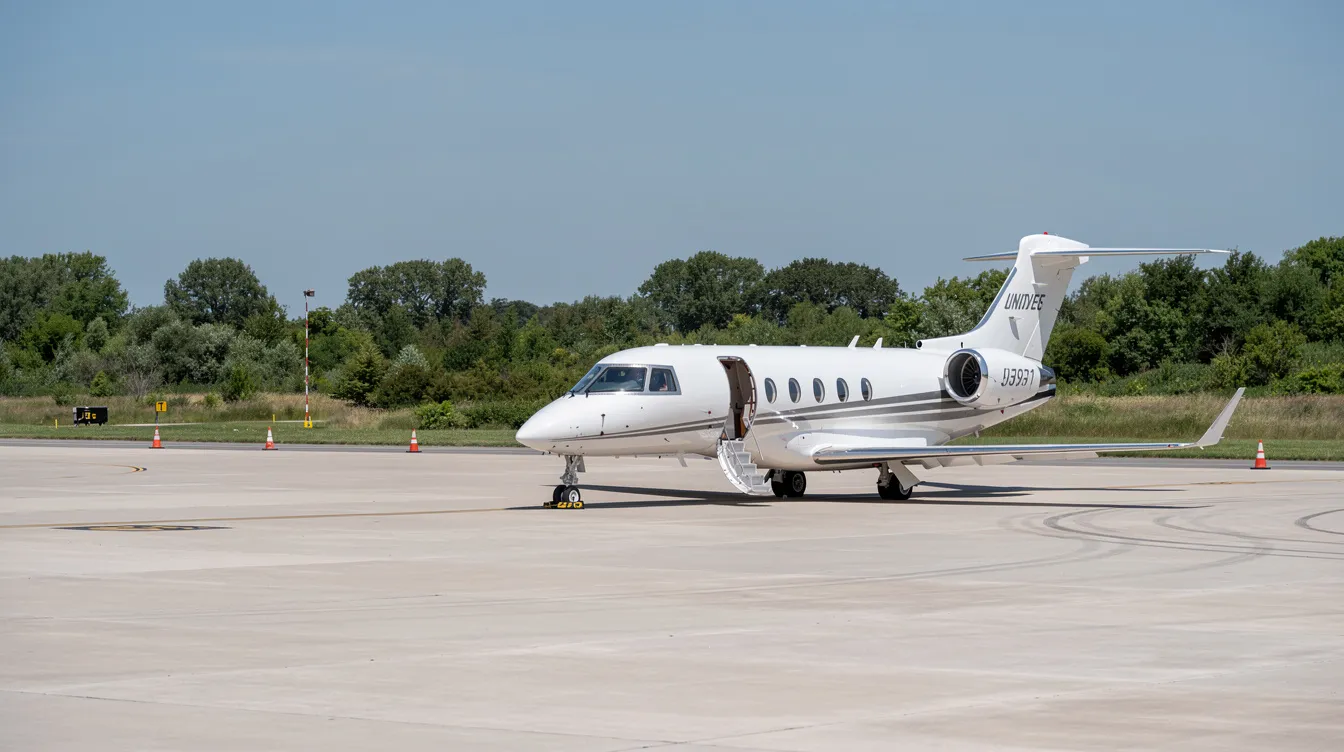
5
min read
Stebbins Aviation Inc: Charter Services, Location, and How Jettly Helps You Compare Options
Stebbins Aviation Inc, based at East Texas Regional Airport, has been providing charter services since 1987, specializing in Cessna Citation jets for short-haul flights. While it offers reliable local options, Jettly's digital marketplace provides access to a broader range of aircraft and instant pricing, making it a valuable resource for travelers with diverse needs.
Read MoreStay updated with our latest insights and tips to elevate your journey with us.
MEMBERSHIPS AND ASSOCIATIONS



Disclaimer: Jettly operates as a charter broker, offering access to a global digital jet charter marketplace. Jettly is not a direct air carrier and does not own or operate aircraft. All advertised flights are conducted by third-party air carriers that are fully licensed and hold the appropriate Part 135 or Part 121 certifications issued by the Federal Aviation Administration (FAA) or equivalent regulatory authorities under U.S. or foreign law. Jettly complies fully with the U.S. Department of Transportation's Part 295 and Part 298 Charter Broker regulations. Jettly does not carry additional liability insurance. Passengers are covered by aircraft operator insurance. TICO: 50023770


