


Login
Get Instant Pricing On 23,000+ Aircraft

>

“This guide is for individuals and businesses considering private aviation options. The three main ways to access private aviation are fractional ownership, jet cards, and on-demand charter. Each model offers different tradeoffs in cost, commitment, flexibility, and aircraft consistency. Choosing the right model can save high costs and provide the right level of flexibility for your travel needs. Here is how they compare using real-world pricing and operational examples—not marketing language.”
The first distinction is ownership vs access: fractional ownership involves buying an aircraft share; jet cards and charter give access without equity, depreciation, or resale risk. The second distinction is fixed vs variable cost: fractional has an upfront cost, monthly management fees, and hourly operating costs; jet card programs use deposit funds or prepaid hours with fixed hourly rates; charter is trip-by-trip pricing.
Private aviation access breaks into three practical models:
Fractional ownership: You buy a fractional ownership share in a specific aircraft or fleet type. A 1/16 fractional share often equals about 50 fractional hours per year.
Jet card: You buy flight hours or deposit funds into a prepaid program. Most jet card programs bill an hourly rate for flight time, typically ranging from about $5,000 to $20,000 per hour, depending on the aircraft size and category.
On-demand charter: You book each private jet trip through a charter broker or digital platform, with no membership fees, ownership, or long-term contracts.
Charter usually makes most sense at 0–25 hours per year. Jet cards fit frequent flyers at roughly 25–100 hours. Fractional jet ownership starts to make financial sense around 100–200+ hours, especially when travel frequency is predictable.

Aircraft types matter. A light jet suits short regional trips; midsize and super-midsize jets handle longer routes; large-cabin aircraft carry more passengers. This guide compares the real economics, including fuel surcharges, repositioning fees, unused hours, blackout dates, and additional fees, similar to broader breakdowns of how much a private jet really costs.
The core card vs fractional ownership question is simple: do you fly enough to justify aircraft ownership, or do you want predictable pricing without an asset purchase?
A typical fractional ownership program requires a purchase price for a particular aircraft share, a multi-year contract of three to five years, monthly management fees, and an occupied hourly rate. Fractional ownership costs typically include an initial investment for a share of an aircraft, ongoing monthly management fees, and hourly operating costs, which can add up significantly over time.
A jet card vs fractional comparison looks different. Jet cards provide a pay-as-you-go model, allowing users to purchase a block of hours for flights, while fractional ownership requires a long-term commitment and shared ownership responsibilities. Jet card programs usually guarantee availability, ensuring you can access a private jet whenever necessary, often with as little as 24 hours' notice.
Both jet cards and fractional ownership provide access to a diverse fleet of aircraft, allowing users to select the most suitable option for each trip based on passenger count, luggage requirements, and flight distance. But fractional ownership provides guaranteed access to a specific aircraft type, while jet cards allow you to easily switch between different aircraft sizes based on your route and passenger count.
Assume a U.S. light jet, such as a Phenom 300 or Citation CJ3+. Example fractional assumptions: $700,000 share, five-year term, $144,000 annual management fee, and $5,000/hour occupied cost, including estimated fuel surcharges and routine variable fees. Assume 50% residual value after five years, reducing the effective capital cost by about $70,000 per year. Example jet card rate: $7,000/hour all-in for a light jet, with de-icing, special catering, or international fees extra, which aligns with many market benchmarks on jet card pricing structures and fees.
|
Annual flight hours |
Fractional gross annual cost |
Fractional residual-adjusted cost |
Jet card annual cost |
Practical read |
|---|---|---|---|---|
|
50 |
$140k capital + $144k management + $250k hourly = $534k |
~$464k, or $9,280/hr |
~$350k, or $7,000/hr |
A jet card usually wins |
|
100 |
$140k + $144k + $500k = $784k |
~$714k, or $7,140/hr |
~$700k, or $7,000/hr |
Near crossover |
|
200 |
$140k + $144k + $1M = $1.284M |
~$1.214M, or $6,070/hr |
~$1.4M, or $7,000/hr |
Fractional can win |
The crossover point is usually around 110–150 hours per year, depending on residual value, aircraft type, tax treatment, and hourly rate. Fractional ownership can be more cost-effective for frequent flyers who travel 50 hours or more annually in some programs, but for most flyers at or below 50 hours of flight time per year, the simplicity and predictability of a jet card outweigh the theoretical per-hour savings of fractional ownership.
Purchasing an aircraft share allows you to take advantage of business asset depreciation, potentially providing significant tax write-offs if the jet is used heavily for business travel. Owners can deduct the entire asset cost in the year of purchase when eligible, and major legislation permanently restored 100% bonus depreciation for qualified business aircraft. Get tax advice before relying on these financial benefits.
On-demand charter for the same light jet often runs about $6,500–$8,500/hour depending on market conditions, route, and aircraft availability; online tools such as a private jet charter cost estimator can help you quickly sanity-check quotes for specific routes.
Fractional ownership commitments are significant. Fractional ownership usually requires a multi-year commitment, often spanning three to five years, which ensures consistent access to the aircraft share. Early exit may involve resale limits, remarketing fees, or depreciation exposure.
Jet card commitments are lighter. Jet cards typically offer a pay-as-you-go model, allowing users to purchase a set number of flight hours without the long-term commitment associated with fractional ownership. Jet card programs typically allow members to end their membership at any time without facing significant penalties, offering users considerable flexibility.
Fractional owners must also follow program rules: notice periods, peak periods, minimum usage, and possible blackout dates. Jet card availability can be affected by fleet demand, peak-day restrictions, and blackout dates, which may lead to delays or unavailability during high-traffic times. However, jet card programs often do not impose blackout dates, allowing users to fly on their preferred dates without restrictions, which enhances travel flexibility.
Fractional: higher commitment, structured access, residual risk.
Jet card: lower commitment, predictable pricing, more adaptability.
Charter: maximum flexibility, but less guaranteed access.
Many buyers care as much about the same aircraft experience as they do about cost. Fractional ownership provides guaranteed access to a specific aircraft type, ensuring that owners can use their aircraft when needed without the uncertainty of availability. Guarantees the highest priority for guaranteed access to an aircraft, often with as little as 4 to 6 hours’ notice.
Fractional programs typically offer a standardized cabin, Wi-Fi, maintenance standards, and service on a specific jet model. It is not full ownership of one tail number, but it can feel close to an ownership experience.
Jet cards offer access by aircraft category. A card can place you with different operators and different aircraft for each trip. Some buyers prefer that, because different aircraft types fit different missions. Fractional ownership provides guaranteed access to a specific aircraft type, but may limit flexibility in aircraft selection compared to jet cards, which allow users to choose from a variety of aircraft for each trip.
Choose fractional if you want a particular aircraft type nearly every time. Choose a jet card if flying private means choosing aircraft size trip by trip.
Fractional wins when:
You fly roughly 100–200+ hours per year.
You want consistent access to a specific aircraft.
You can commit capital for three to five years.
You can use potential tax benefits and accept depreciation risk.
Jet card wins when:
You fly approximately 25–100 hours per year.
You want fixed hourly rates and guaranteed availability without buying a fractional share.
You want to increase or reduce private jet travel year to year.
You do not want fractional ownership commitments, resale exposure, or maintenance costs.
The older comparison was fractional vs charter. Charter means booking individual trips, paying only when you fly, and avoiding an asset purchase. Fractional means higher fixed costs but lower per-hour economics at heavy use, and a detailed fractional jet ownership cost breakdown helps clarify where those fixed and variable charges come from.
Fractional ownership involves purchasing a share of a specific aircraft, which typically grants access to a set number of flight hours per year, while jet cards allow users to pre-purchase flight hours without ownership stakes. Charter goes further: no aircraft share, no minimum commitment, and no pressure to use fewer hours or more hours than needed.
Using a light jet example, assume fractional costs of $700,000 upfront, $144,000 per year in management, $5,000/hour in operating costs, and 50% residual value after five years. Assume charter averages $7,500/hour.
At 50 hours, fractional is roughly $464,000 residual-adjusted versus charter at $375,000. Charter wins. At 100 hours, fractional is roughly $714,000 versus charter at $750,000. It is close. At 150 hours, fractional is about $964,000 versus charter at $1.125 million. Fractional can win.
The practical crossover is usually 100–150 hours per year. A broader fractional jet ownership pros, cons, and cost guide can help you sanity-check whether your own usage profile justifies that crossover. Above about 150–175 hours, fractional ownership may offer a lower effective hourly rate for similar aircraft and repeatable routes, but you should weigh that against the structural drawbacks outlined in many fractional private jet ownership good-and-bad reviews. Below about 75–100 hours, charter remains simpler and often cheaper, especially if you understand the levers discussed in guides to reducing private jet charter costs.
Choose charter if:
You fly fewer than roughly 75 hours per year.
Your routes, passenger count, and aircraft types vary widely.
You want no monthly fees, no purchase price, and no long-term contract.
Consider fractional ownership if:
You consistently exceed 100–150 hours per year.
You need guaranteed access and predictable aircraft availability.
Your business use may support tax depreciation.
NetJets vs PlaneSense is really a mission-profile comparison, and understanding how NetJets operates as a leading fractional provider helps frame that decision. NetJets offers a large jet fleet, including light, midsize, super-midsize, and large-cabin aircraft, with strong North American and European reach. PlaneSense focuses on Pilatus PC-12 and PC-24 operations, making it attractive for regional trips, smaller airports, and lower operating costs.
PlaneSense often suits flyers traveling under 800–1,000 nautical miles and prioritizing runway access over speed. NetJets suits flyers needing broader aircraft types, longer missions, and more international reach.
Neither is automatically the best fractional jet program; comparing the best fractional jet ownership companies and their costs is essential before committing capital. PlaneSense can be more efficient for regional turboprop missions; NetJets can be more capable for longer jet missions. If neither fractional program fits your budget, annual hours, or desired flexibility level, a jet card program like Jettly’s can provide private aviation access without requiring an aircraft share purchase.
Airshare vs NetJets often comes down to regional efficiency versus fleet breadth, and any decision involving NetJets should be informed by a clear view of NetJets card options and pricing. Airshare serves selected U.S. regions with aircraft such as the Phenom 300 and Challenger 3500 and uses a day-based model in some programs. That can work well if you fly several legs in one day.
NetJets uses a larger hourly-based fractional model with broader national and international capabilities. Airshare can be compelling for business travelers moving between regional meetings. NetJets generally fits corporations and individuals with varied domestic and international missions.
If neither fractional program fits your budget, annual hours, or desired flexibility level, a jet card program like Jettly’s can provide private aviation access without requiring an aircraft share purchase.
NetJets is often the first name buyers consider when searching for NetJets alternatives or the best fractional jet program, though many travelers now also look at Jettly as a flexible NetJets alternative. Its value is consistency: managed fleet, service standards, and guaranteed availability.
On-demand charter through a marketplace like Jettly offers no upfront capital, no long-term contracts, and access to more than 20,000 private charter aircraft worldwide. A private jet charter may have a higher quoted hourly rate, but it avoids capital tie-up, monthly management fees, and residual-value risk.
NetJets or similar fractional programs can be worth it for around 150–200 annual hours. For most buyers below that threshold, charter or jet cards are often simpler over a three-to-five-year horizon.
This table is the quickest private aviation comparison of fractional ownership, jet cards, and charter.
|
Option |
upfront capital required |
Ongoing monthly cost |
typical light jet hourly rate |
minimum commitment |
aircraft consistency |
flexibility |
guaranteed availability |
Carbon offset included |
best for annual hours flown |
|---|---|---|---|---|---|---|---|---|---|
|
Fractional ownership |
~$400k–$1M+ share purchase |
Yes, fixed management fee |
Effective ~$4,000–$6,000 at high use |
3–5 year term |
High for the same type |
Moderate |
Strong programme rules apply |
Varies |
100–200+ hours |
|
Jet card (Jettly) |
~$100k–$500k deposit |
No fixed monthly fee |
~$6,000–$8,000 all-in |
Funds or hours, often 12–24 months |
Category-based |
High |
Often 24 hours’ notice |
Varies |
25–100 hours |
|
On-demand charter |
$0 |
No fixed monthly fee |
~$6,500–$8,500 |
None, trip by trip |
Lower |
Maximum flexibility |
Market-dependent |
Usually optional |
0–25 hours |
Actual values vary depending on provider, region, fuel environment, aircraft, and routing.
Choosing the right private aviation model is crucial for maximizing value and flexibility. Use this step-by-step decision framework to guide your choice:
Under 25 hours/year:
Choose an on-demand charter.
No upfront capital, no long-term commitment, pay only when you fly.
25–100 hours/year:
Choose jet cards if you want predictable pricing and less complexity.
Fixed hourly rates, guaranteed availability, no ownership risk.
100–200+ hours/year:
Evaluate fractional ownership if routes are predictable and capital is available.
Potential for lower hourly rates, tax benefits, and consistent aircraft access.
If aircraft consistency and guaranteed access matter most:
Lean fractional ownership.
If cash flexibility matters most:
Lean jet card or charter.
If aircraft types change often:
Avoid locking into one specific aircraft type.
Map your last 12–24 months of trips:
Consider routes, passengers, luggage, flight hours, and aircraft size.
Many buyers blend models: fractional for core routes, jet card or charter for overflow, often using industry overviews of private charter airlines and operators to understand which providers fit each role.
Jettly is a digital private aviation platform offering on-demand charter and jet card-style solutions built around flexibility, transparent pricing, and access to 20,000+ aircraft worldwide.
Jettly is usually most relevant for individuals, families, and companies flying roughly 25–100 hours per year, especially those comparing structured jet card programs with fixed hourly rates against ownership. These travelers want to fly privately without buying an aircraft share, accepting depreciation risk, or paying monthly management fees.
With Jettly, clients can compare aircraft, operators, catering, and ground transportation options before each trip. Jet cards typically offer guaranteed availability with as little as 24 hours’ notice, allowing users to book flights without long-term commitments or restrictions on travel dates.
Review how your annual flight time compares to jet card vs fractional economics, and consider using a jet card flight cost estimator to benchmark likely spend on your key routes. Use Jettly’s instant pricing to benchmark charter costs against any current ownership or card program, or explore crowdsourced and shared private jet flights if you are open to sharing aircraft and reducing per-seat costs.
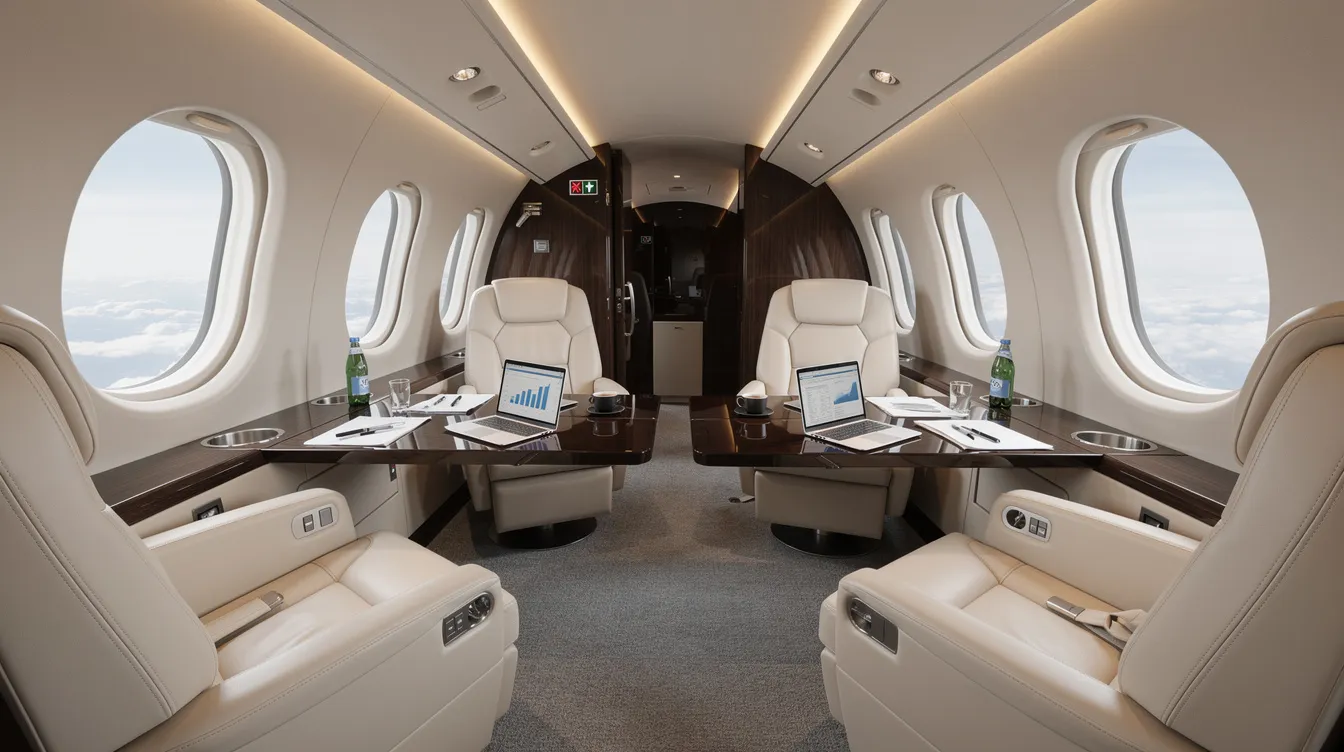
Neither is universally better. For roughly 25–100 hours per year, jet cards usually provide better flexibility, lower complexity, and no ownership risk. For 100–200+ hours, fractional ownership may deliver a lower effective hourly cost, especially when business-use depreciation and residual value are included. Jet cards avoid resale risk, monthly management fees, and multi-year contracts, and resources explaining what a jet card is and how it works can clarify whether that structure fits your needs. Fractional ownership offers stronger aircraft consistency, a more structured ownership experience, and higher-priority access to a specific aircraft type.
With 2026 market rates, fractional can start to beat charter around 100–150 hours per year on the same aircraft type. For example, a light jet charter at $7,500/hour costs $750,000 at 100 hours. A residual-adjusted fractional model may land near $714,000 at the same use level. Below about 75–100 hours per year, charter generally remains cheaper and simpler because there is no upfront capital, no monthly management fee, and no long-term obligation.
Neither is strictly better. NetJets suits jet users who need range, speed, fleet breadth, and international coverage. PlaneSense suits regional flyers who prioritize cost efficiency and smaller-airport access using Pilatus PC-12 and PC-24 aircraft. PlaneSense may have lower hourly operating costs, but turboprops are slower than most jets. Choose based on stage length, runway needs, geography, and budget rather than brand recognition alone.
NetJets offers a larger, more global fleet and broader aircraft interchange options. Airshare offers a regional, day-based model that can be efficient for multi-leg business days in its service area. NetJets is generally stronger for cross-country and international private jet travel. Airshare can be attractive for regional business travelers making several stops in one day. Compare actual routes and annual hours before choosing either model.
The best fractional jet programme depends on aircraft type, route length, service area, budget, and desired ownership experience. NetJets, PlaneSense, Airshare, and other fractional programs specialize in different segments: global jets, turboprops, and regional operations. Ask each provider for share price, monthly fees, occupied hourly rate, maintenance costs, additional fees, exit terms, and residual assumptions. If you are unsure about a significant commitment, start with a flexible jet card or charter model first.
Choosing between fractional ownership, jet cards, and on-demand charter hinges primarily on your annual flight hours, budget, and flexibility needs. Fractional ownership suits high-frequency flyers (100–200+ hours/year) who value consistent access to a specific aircraft and are comfortable with upfront capital and long-term commitments. Jet cards offer a flexible, lower-commitment middle ground ideal for moderate flyers (25–100 hours/year) seeking predictable pricing and guaranteed availability without ownership complexity. On-demand charter remains the most cost-effective and flexible option for occasional flyers under 25 hours annually, avoiding fixed costs and commitments altogether, while private jet membership models can appeal if you want broker support without long-term ownership commitments.
Each model delivers distinct tradeoffs in cost, commitment, and operational control. Understanding these differences through real-world pricing and operational examples helps buyers make informed decisions aligned with their flying profile. Platforms like Jettly provide a flexible, transparent alternative that bridges the gap between ownership and charter, making private aviation accessible without the burdens of capital lock-up or long-term contracts.
Ultimately, the best private aviation option is the one that fits your unique travel patterns, financial goals, and desire for convenience—ensuring you fly smarter, not just more luxuriously.
Share this post:
Jeff Ryan Serevilla
May 17, 2026
|
5
min read
Discover tips and trends in the industry.

5
min read
Cirrus SR22 Insurance Costs: What Owners Should Really Expect in 2026
Cirrus SR22 insurance costs can range from $2,500 to over $9,000 annually, influenced by factors like hull value and pilot experience. Understanding these costs and investing in training can help owners manage their insurance expenses effectively as they head into 2026.
Read More
5
min read
Keystone Aviation Utah: Private Jet Charter & Aircraft Services in Salt Lake City
Keystone Aviation, now Elevate Jet, offers premier private jet charter services from Salt Lake City, Utah. With a diverse fleet and extensive local knowledge, they provide flexible and efficient travel options for both business and leisure. Partnered with Jettly, customers can access transparent pricing and a seamless booking experience.
Read MoreStay updated with our latest insights and tips to elevate your journey with us.
MEMBERSHIPS AND ASSOCIATIONS



Disclaimer: Jettly operates as a charter broker, offering access to a global digital jet charter marketplace. Jettly is not a direct air carrier and does not own or operate aircraft. All advertised flights are conducted by third-party air carriers that are fully licensed and hold the appropriate Part 135 or Part 121 certifications issued by the Federal Aviation Administration (FAA) or equivalent regulatory authorities under U.S. or foreign law. Jettly complies fully with the U.S. Department of Transportation's Part 295 and Part 298 Charter Broker regulations. Jettly does not carry additional liability insurance. Passengers are covered by aircraft operator insurance. TICO: 50023770


