



Login
Get Instant Pricing On 23,000+ Aircraft


Empty leg flights offer a cost-effective way to fly privately, providing discounts of 30% to 75% on standard charter prices. However, these flights come with restrictions, including fixed routes and limited flexibility. This guide explains how to book empty leg flights, the savings potential, and key considerations for travelers.
Jay Franco Serevilla
Nov 5, 2026
|
5
min read


View all
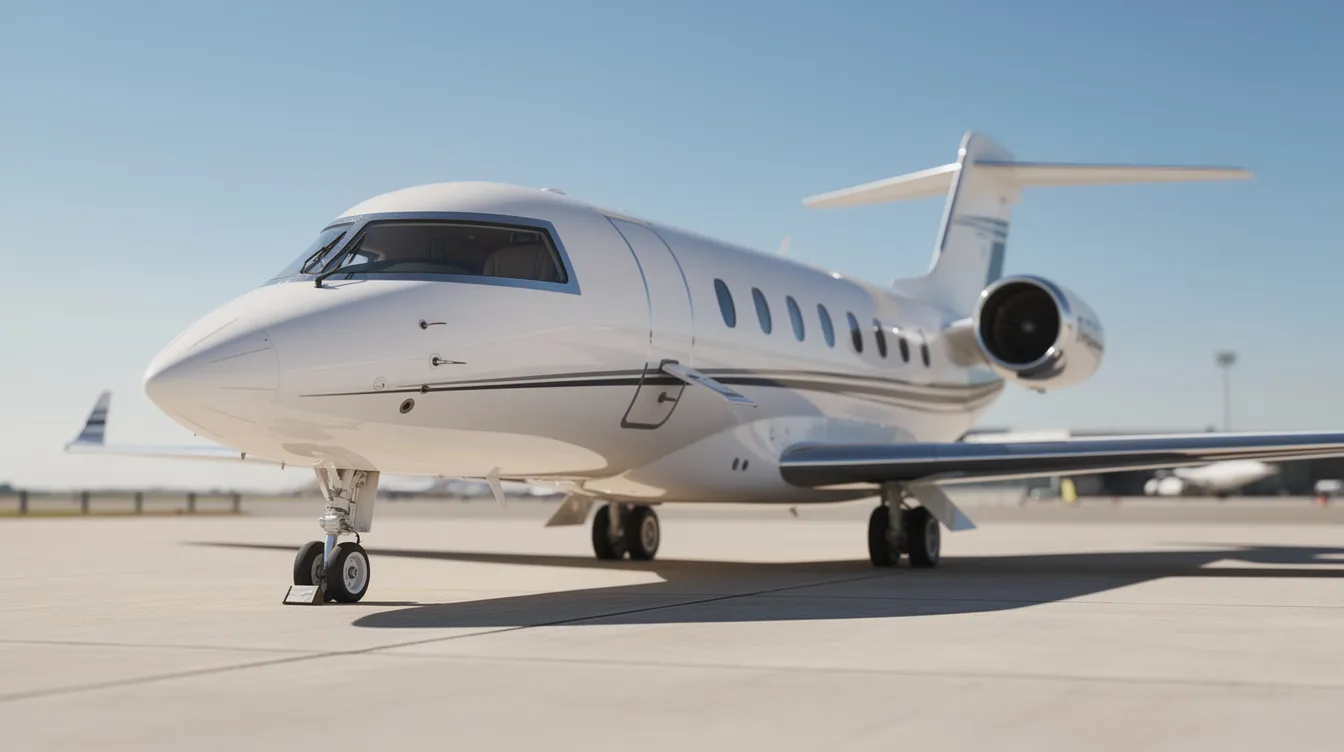
In 2026, private charter flight costs range from $2,000 to over $20,000 per flight hour, influenced by aircraft type, distance, and demand. A typical 2-hour domestic flight on a light jet costs between $5,000 and $10,000, with additional fees for taxes and services. This guide provides detailed pricing factors, examples, and tips for reducing costs when flying private.
Jay Franco Serevilla
Nov 2, 2026
|
5
min read

View all
The Boeing 777 is a prominent long-haul aircraft that typically cruises between 30,000 and 39,000 feet, balancing factors like weight and fuel efficiency. Understanding cruise altitude is crucial for both airlines and travelers, as it impacts comfort, operating costs, and overall flight efficiency. This article explores how altitude choices are made and their implications for long-range travel.
Jay Franco Serevilla
Nov 2, 2026
|
5
min read
View all
Understanding Delta Airlines airplane seating can greatly enhance your travel experience by providing comfort and potential cost savings. This guide details the various cabin classes, how to read seat maps, and tips for selecting the best seats for your journey. Whether you're flying Delta One or Basic Economy, knowing your options can make a significant difference.
Jay Franco Serevilla
Nov 2, 2026
|
5
min read
View all
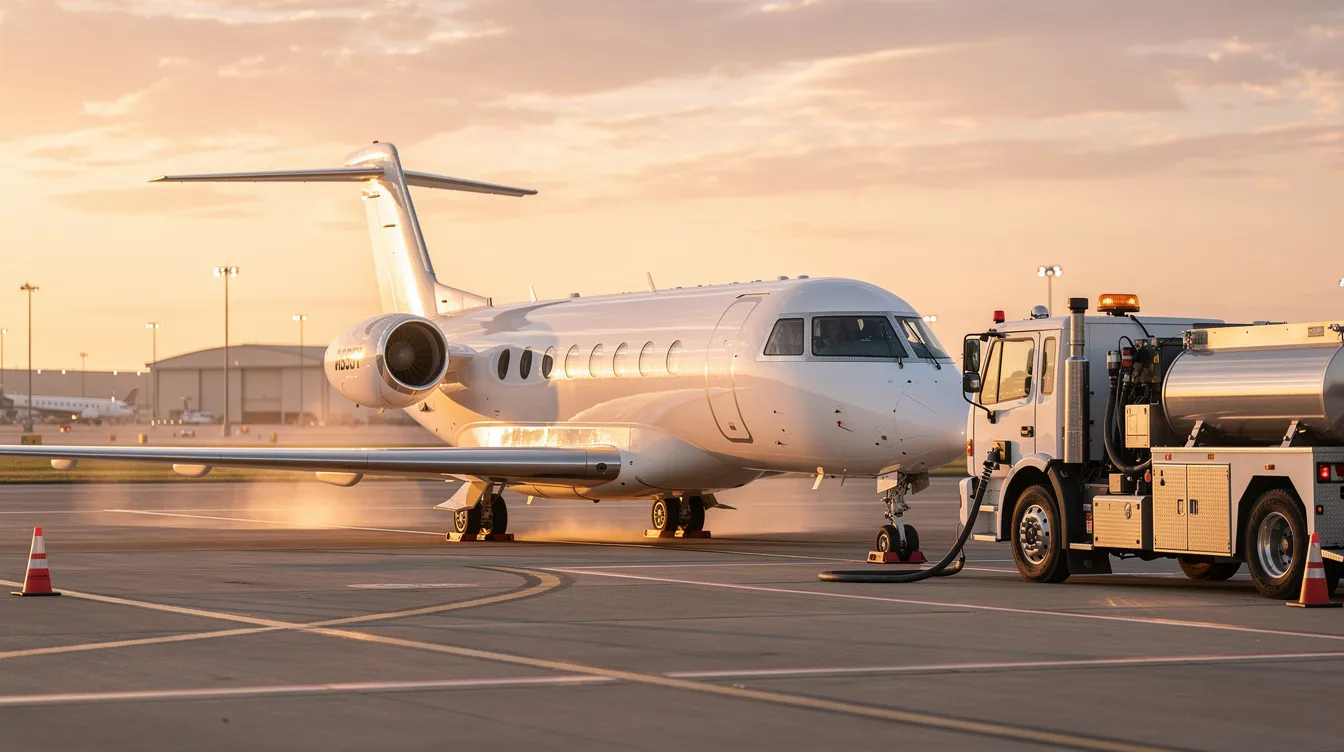
Jet A fuel is a kerosene-based aviation fuel primarily used for turbine engines in the U.S. It is essential for both commercial airlines and private jet charters, offering specific properties that ensure safety and efficiency during flights. This guide provides insights into its technical specifications, performance in cold weather, and the differences between various aviation fuels.
Jay Franco Serevilla
Nov 2, 2026
|
5
min read

View all
Understanding the types of jet fuel is crucial for private flight operations. Jet A and Jet A-1 are the most common kerosene-based fuels, each with unique properties that affect performance, safety, and costs. Knowledge of these fuels helps travelers make informed decisions when booking private charters.
Jay Franco Serevilla
Nov 2, 2026
|
5
min read
View all
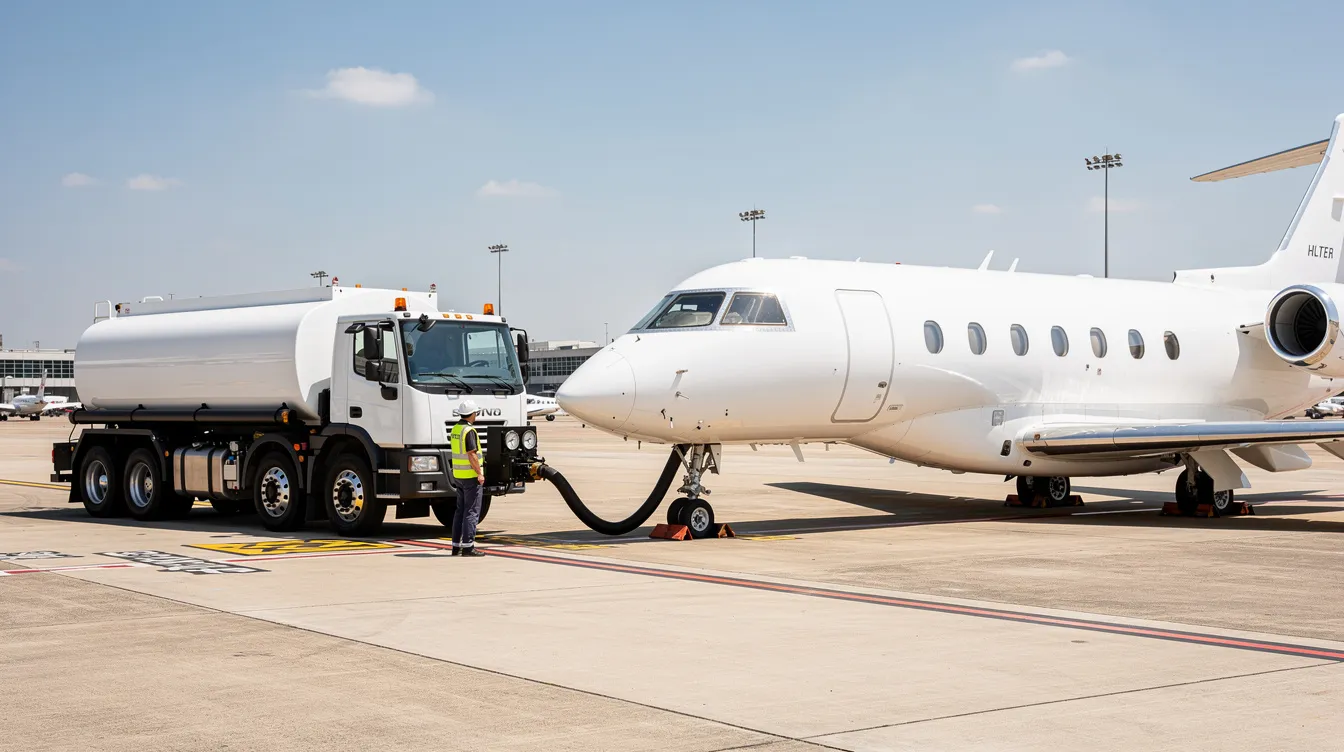
Jet fuel is indeed flammable, but its behavior differs significantly from gasoline. With a flash point above 38 °C, jet fuel requires specific conditions to ignite, making it safer to handle than more volatile fuels. Understanding jet fuel's properties is essential for aviation safety and informed travel decisions.
Jay Franco Serevilla
Nov 2, 2026
|
5
min read
Explore our latest articles and updates.
5
min read
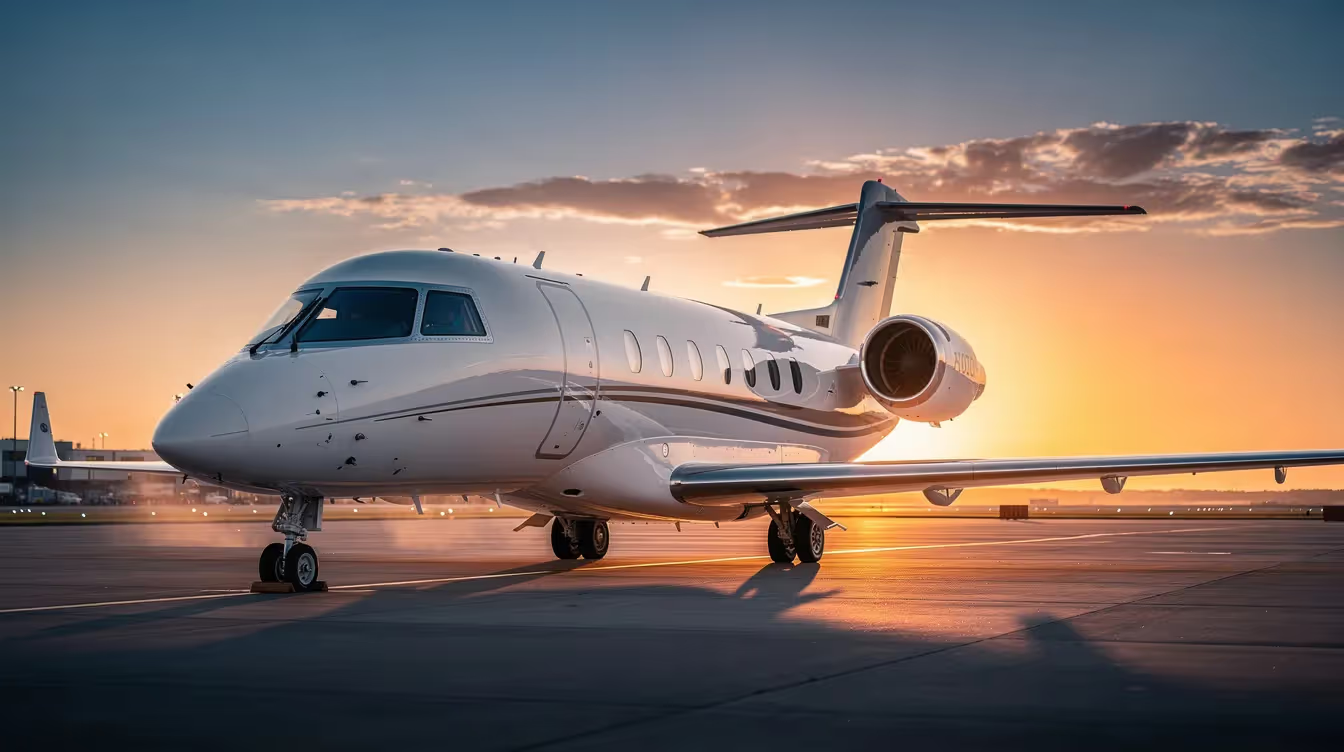
Newest Private Jet: What’s Really New in 2026 (And How to Charter It with Jettly)
The newest private jets in 2026, including the Bombardier Global 8000 and Gulfstream G800, offer significant advancements in speed, range, and cabin comfort, making them ideal for business travelers. These aircraft, which can reach speeds up to Mach 0.95 and have ranges exceeding 8,200 nautical miles, are available for charter through Jettly's platform, allowing users to access cutting-edge technology without the financial burden of ownership. Jettly provides a transparent booking process, enabling clients to select specific aircraft features and receive instant pricing for over 20,000 aircraft globally. As the demand for efficient and luxurious travel grows, these new jets represent a significant evolution in private aviation, focusing on passenger wellness and environmental sustainability.
Read More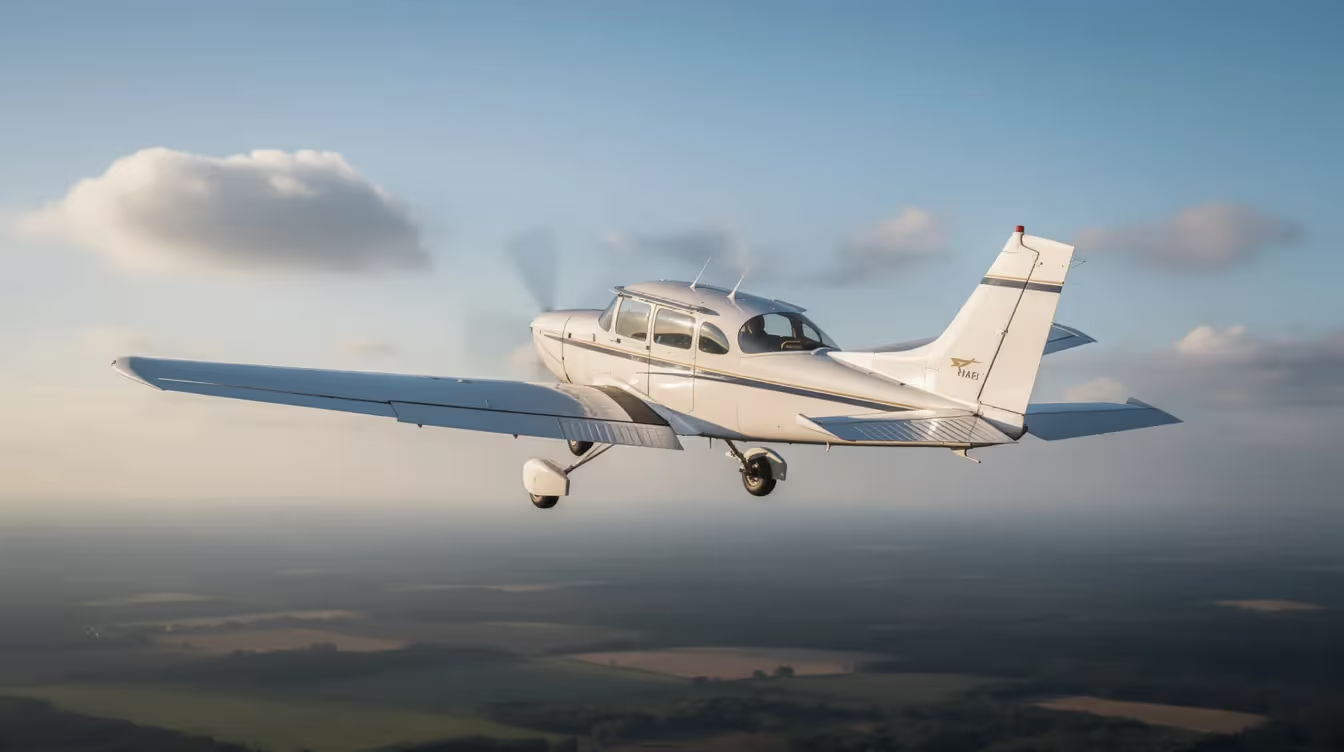
5
min read
Small Cessna Plane: Guide to Popular Models, Costs & Private Charter Options
Small Cessna planes, primarily single-engine piston or light turboprop aircraft, are ideal for private aviation, offering practical solutions for flight training, leisure travel, and business trips. Popular models like the Cessna 172 and 206 provide reliable performance for regional routes, with used prices ranging from $150,000 to $450,000, while charter options through platforms like Jettly offer cost-effective hourly rates without ownership commitments. Jettly connects travelers to over 20,000 private charter aircraft, facilitating easy booking and access to smaller airports, making it suitable for trips under 400-600 miles. Overall, small Cessna planes provide flexibility, time savings, and lower costs for those seeking efficient regional travel.
Read MoreJoin our community and receive the latest blog updates directly in your inbox.
MEMBERSHIPS AND ASSOCIATIONS



Disclaimer: Jettly operates as a charter broker, offering access to a global digital jet charter marketplace. Jettly is not a direct air carrier and does not own or operate aircraft. All advertised flights are conducted by third-party air carriers that are fully licensed and hold the appropriate Part 135 or Part 121 certifications issued by the Federal Aviation Administration (FAA) or equivalent regulatory authorities under U.S. or foreign law. Jettly complies fully with the U.S. Department of Transportation's Part 295 and Part 298 Charter Broker regulations. Jettly does not carry additional liability insurance. Passengers are covered by aircraft operator insurance. TICO: 50023770


