


Login
Get Instant Pricing On 23,000+ Aircraft

>
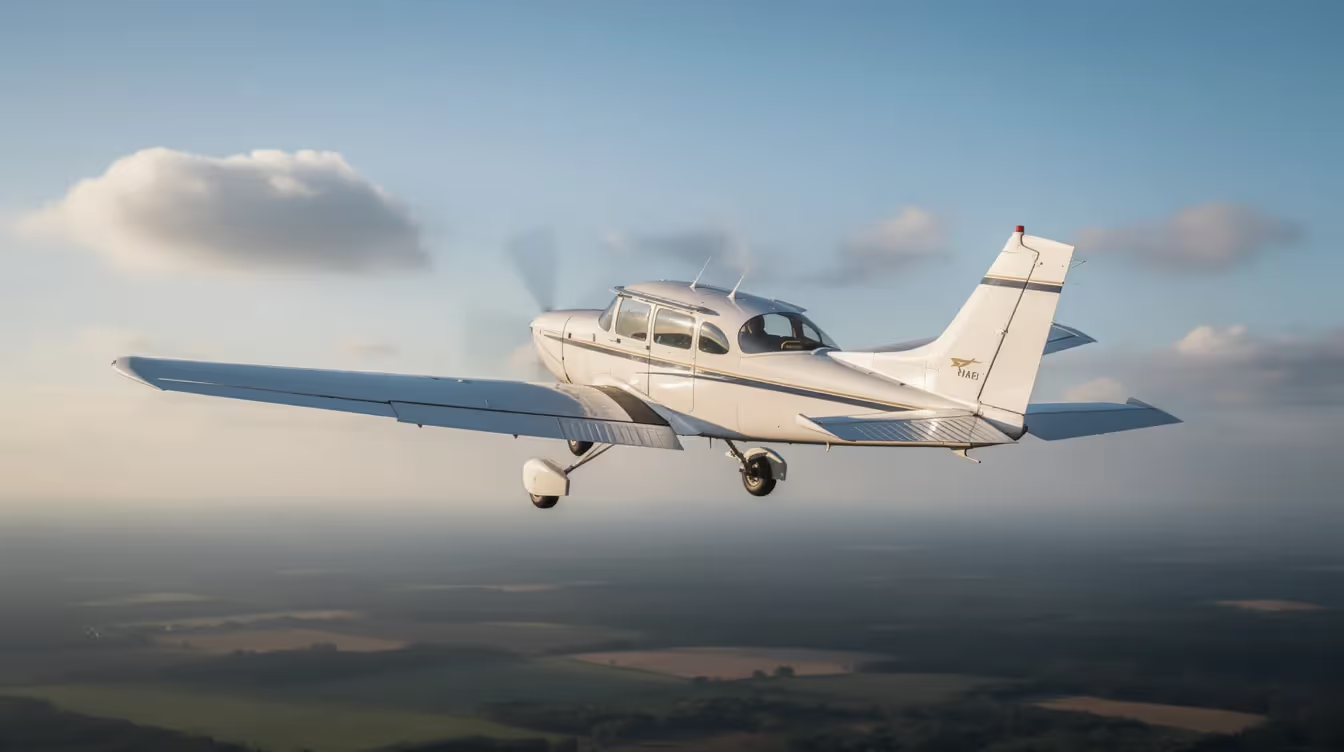
A small Cessna plane represents one of the most practical ways to access private aviation without the complexity of jet ownership. These single-engine aircraft have served pilots, flight schools, and travelers for decades, offering reliable performance on regional routes. Whether considering a Cessna 172 for weekend trips or exploring charter options through platforms like Jettly, understanding what these aircraft offer helps travelers make informed decisions.
Small Cessna planes are a top choice for those seeking accessible private aviation without the cost and complexity of jet ownership. These versatile aircraft excel in training, leisure, and short-haul business travel while offering efficient operations and convenient airport access.
– Small Cessnas accommodate 2–10 passengers and are renowned for their reliability and cost-effectiveness.
– They are commonly used by flight schools, private travelers, and utility operators for regional missions.
– Chartering through platforms like Jettly removes maintenance and ownership burdens while providing flexible scheduling.
– Cessna models such as the 172, 182, and 206 are trusted for safety, comfort, and adaptable performance.
– Digital charter services enable transparent pricing and streamlined booking for these aircraft.
A small Cessna plane typically refers to single-engine piston or light turboprop aircraft seating 2–10 passengers, including models like the Cessna 172, 182, 206, and 207
Common uses include flight training, leisure travel, bush flying, business trips under 500–800 miles, and specialized cargo transport
Used Cessna 172 prices range from USD $150,000–$450,000, while hourly charter rates through Jettly run significantly lower, with no ownership commitment
On-demand charter via Jettly provides transparent pricing, digital booking, and access to small airports closer to final destinations
All charter operations meet FAA/EASA safety standards with experienced pilots and structured maintenance programs
Small Cessna planes are single-engine piston or compact turboprop aircraft seating roughly 2–10 passengers. Small Cessna planes are light, high-wing, single-engine piston aircraft designed for training and personal travel. Production spans from the post-World War II era to the present day under Textron Aviation, with many models built under license by Reims Aviation in France.
These aircraft deliver cruise speeds of 110–160 knots and range capabilities of 400–900 nautical miles, depending on loading. Small Cessna planes typically include speeds around 110-145 knots, 2-4 seats, and service ceilings under 15,000 feet. Popular lines include the Cessna 150/152, 172 Skyhawk, 182 Skylane, 206 Stationair, and 207—each powered by reliable piston engines suited for light charter and personal travel. Small Cessnas primarily use Lycoming piston engines with fixed-pitch propellers. They often use simple cable-and-pulley systems for flight controls, unlike larger aircraft that utilize complex hydraulic or fly-by-wire systems. Small Cessnas operate lower than larger aircraft, typically below 15,000 feet without cabin pressurization.
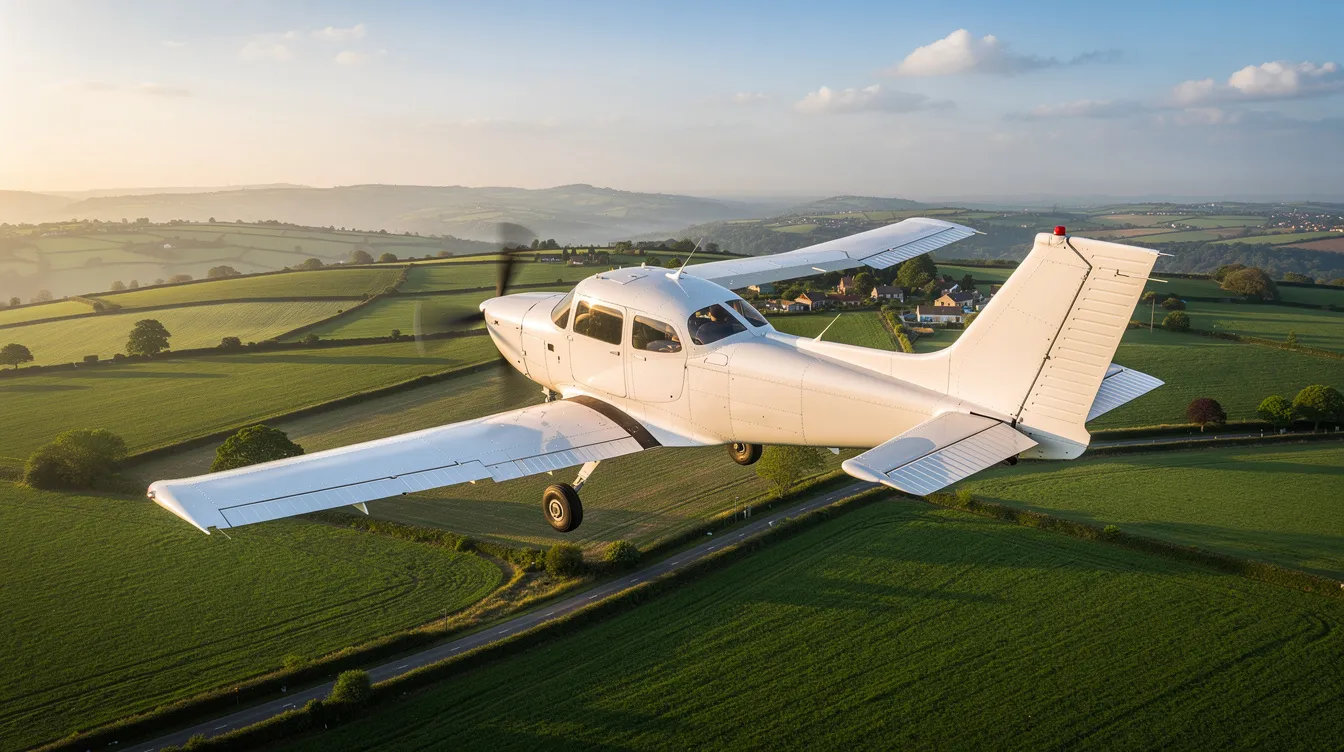
Cessna aircraft models include a wide range of options, from single-engine planes like the Cessna 172 to multi-engine jets like the Citation series. The Citation series uses turbofan or turboprop engines, while small Cessnas utilize piston engines with propellers. Small Cessna aircraft are characterized by their high-wing design, which offers superior downward visibility and stability during flight.
Cessna aircraft are the primary choice for flight schools due to their forgiving handling and cost-efficiency. The Cessna 172, in particular, is used for private licenses, instrument ratings, and personal travel, making it the industry standard for flight training, and many operators pair these aircraft with digital tools like an airport locator and on-demand charter platform to simplify trip planning.
Each Cessna model serves distinct purposes based on capacity, performance, and interior configuration:
Cessna 150/152: Two-seat trainers produced from 1958 to 1986, with over 30,000 units built. Low operating costs make them ideal for student pilots learning the fundamentals.
Cessna 172 Skyhawk: The world’s most-produced aircraft with over 44,000 units since 1955. Four seats, 120–130 knot cruise, and forgiving handling dominate flight school fleets globally.
Cessna 182 Skylane: A step-up with 230–235 horsepower, offering better high-altitude performance and useful loads around 1,200 pounds. The T182T Skylane features advanced avionics, including the Garmin G1000 NXi, enhancing safety and performance. Popular among owner-pilots for family trips and, on longer routes, can complement international private jet travel when passengers need to connect between regional and overseas segments.
Cessna 206 Stationair: Six-seat utility workhorse with large cargo doors and 1,400+ pound useful load. Often called the 'SUV of the air,' it excels in bush operations, skydiving, and specialized cargo transport.
Cessna 207: A popular utility and small commercial piston aircraft built off the design of the Cessna 210 Centurion series, offering additional capacity and useful load.
Cessna 208 Caravan: Though larger and turbine-powered, this turboprop fits the small utility aircraft role in charter markets, seating 9–14 passengers.
Model age, avionics upgrades, and maintenance history significantly affect pricing and passenger comfort.
Small Cessnas fill roles from basic training to serious business travel. Their balance of performance, economy, and airport access makes them practical for a wide range of missions.
Flight Training: Student pilots typically log time in Cessna 172s at regional airports, benefiting from low stall speeds and stable characteristics for touch-and-go practice.
Leisure Travel: A family might charter a small Cessna from Miami Opa-Locka to the Florida Keys, landing at short runways near resorts that commercial jets cannot access.
Business Trips: Teams fly Cessna 182s, 206s, or higher-capacity Cessna 207s on charter from Dallas to smaller Texas towns for site visits, saving hours compared to driving or connecting commercially.
Utility Missions: Bush flying in Alaska, aerial photography, pipeline patrol, and skydiving operations regularly use Cessna 182s and 206s.
Owner-flown operations differ significantly from professionally crewed charters through platforms like Jettly, where Part 135 regulations ensure structured oversight; frequent flyers may also prefer predictable access via private jet memberships.
Small Cessna planes appear affordable compared with jets, but ownership costs extend well beyond purchase price:
|
Factor |
Ownership |
Charter via Jettly |
|---|---|---|
|
Upfront Cost |
$30,000–$800,000 |
None |
|
Annual Fixed Costs |
$20,000–$40,000 |
Per-trip only |
|
Maintenance |
Owner responsibility |
Included |
|
Flexibility |
Limited to one aircraft |
20,000+ aircraft globally |
|
Commitment |
Long-term |
None |
Used Cessna 150/152 models start in the tens of thousands, while equipped late-model 172s reach mid-six figures. Annual inspections, engine overhauls, hangar fees, and insurance add up quickly.
Chartering eliminates these burdens. Piston rates typically run $300–600 per hour wet through Jettly, allowing customers to request quotes, use a private jet charter cost estimator, and explore affordable private jet charter pricing and broader guides on how much a private jet costs overall before booking.
Jettly connects travelers to a global inventory of over 20,000 private charter aircraft, including many small Cessnas suitable for regional hops. The platform’s digital booking process simplifies access:
Enter the route and travel date on the website
Receive instant pricing with clear breakdowns
Filter for small piston or turboprop aircraft
Select and confirm a Cessna 172, 182, 206, or 207 based on availability
Small Cessna charters make sense for trips under 400–600 miles, light passenger loads, access to short runways, and budget-sensitive travel where jets are unnecessary. For travelers primarily focused on price, Jettly also supports crowdsourced private flights and shared empty seats to lower per-passenger costs, alongside options to buy a single seat on private jet flights and to apply tips to book the cheapest private jet flights rather than chartering the entire aircraft.
Jettly offers transparent pricing without hidden broker commissions, plus options for coordinating ground transportation at small airports and arranging in-flight catering through Jettly Eats, where available.
Learn more about Jettly’s charter options at https://www.jettly.com.
While small Cessna planes are generally safe and widely used, incidents do occur and are taken seriously by regulators. On April 8, 2026, a Cessna T-41B crashed into a home in Fort Mohave, Arizona, after veering off the runway, resulting in two injuries that required hospitalization. The Federal Aviation Administration (FAA) is investigating the crash, which struck a garage while no residents were home.
Earlier in March 2026, a Piper PA-28, another small aircraft, crashed in Phoenix following a mechanical failure. This incident highlighted ongoing safety concerns in small aircraft operations, including those involving Cessna models.
Chartered flights through Jettly operate under FAA, EASA, or equivalent oversight. This includes:
Licensed air carriers with structured maintenance programs
Pilots with significant type experience (often 1,500+ hours)
Documented inspections and component tracking
Weather analysis and contingency planning
Safety depends on training, weather decision-making, and the quality of maintenance. Professional Part 135 charter operations add layers of protection absent in casual private flying.
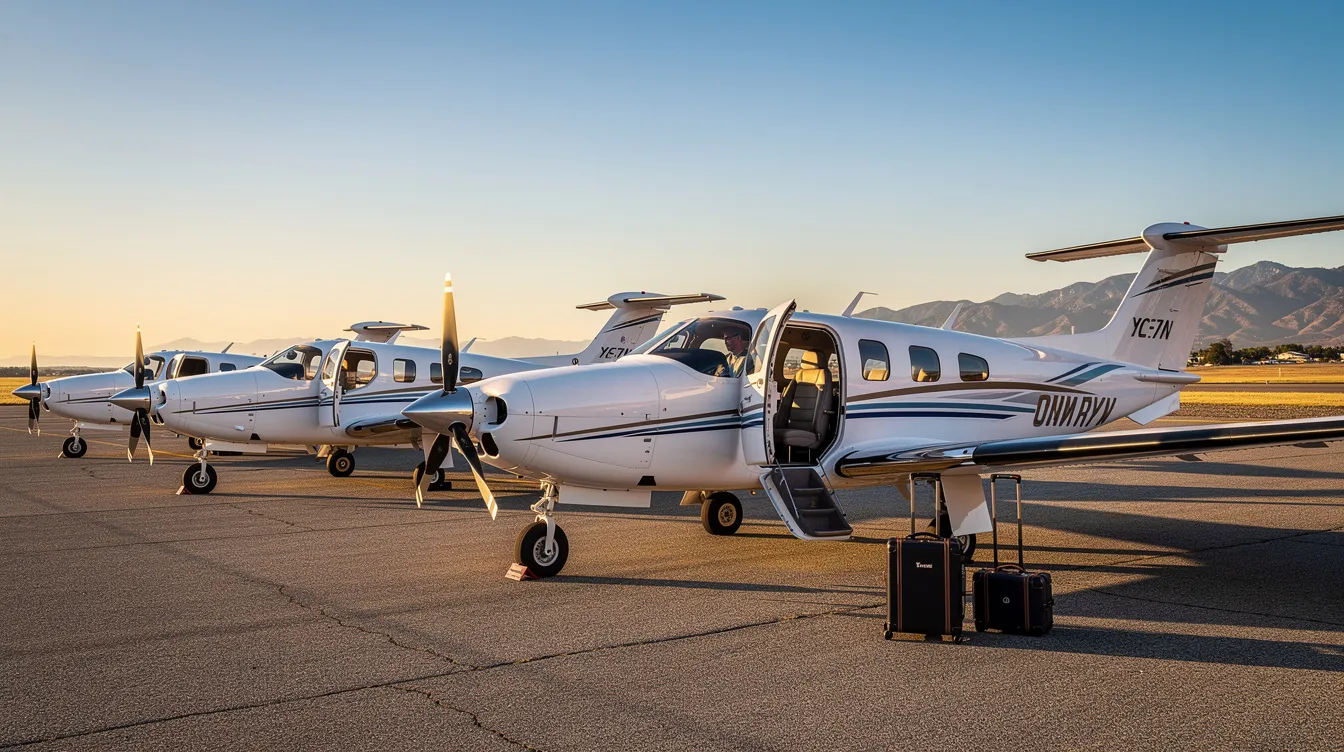
Small Cessnas lack jet speed but unlock unique benefits, fitting into a broader ecosystem of private charter airlines and services, and modern options for getting a seat on a private jet easily:
Time savings: Access small airfields closer to home or destinations, reducing door-to-door travel time
Flexibility: Adjust schedules around meetings, change departure times, and route directly between secondary cities
Cost efficiency: Lower hourly rates than jets enable more frequent, shorter trips, and some travelers combine small aircraft charters with jet card programs for fixed hourly pricing, insights from top private jet charter companies, and dedicated tools, such as a jet card flight cost estimator, to forecast expenses.
Comfort: Adequate space for flights under 2–3 hours, with high-wing designs offering excellent visibility
Environmental impact: Lower fuel consumption per hour; Jetty customers can consider carbon-offset options when comparing providers, including Jettly’s role as a flexible alternative to NetJets-style programs, and understand how NetJets leads the private aviation industry.
Selecting the right aircraft depends on distance, passenger count, baggage, and runway requirements; for longer, faster regional missions, some travelers step up to Cessna 340 charter specifications and rates or even instant-book platforms like Zenflight’s global private jet marketplace alongside fixed-wing operators like Dexter Air Taxi’s private charter services:
Cessna 172: 2–3 passengers with light bags for trips under 400nm
Cessna 182: 3–4 passengers with more baggage for 500nm legs
Cessna 206: 4–6 passengers or cargo-heavy missions requiring utility performance
Cessna 207: For missions needing extra capacity and cargo space beyond the 206
Check runway length at both airports. Higher temperatures and elevation reduce performance—factors Jettly’s team can address when matching aircraft to your mission, whether you’re planning short hops between regional fields or a private jet charter itinerary to Chennai in Tamil Nadu.
Range varies by model and loading. A Cessna 172 covers approximately 696 nautical miles maximum, while the 182 reaches 930nm. Most practical trips with reserves fall within the 400–700nm range, making these aircraft ideal for regional travel rather than long-haul journeys, though they can connect conveniently with private jet charter services in hubs such as Kolkata, West Bengal, or Mumbai, Maharashtra.
Many charter-configured Cessnas are equipped and certified for night and instrument flight (IFR). However, operators respect weather limits and may delay, reroute, or cancel flights to maintain safety margins based on current conditions.
Capacity depends on weight and balance, not just seats. A 4-seat Cessna 172 typically carries 2–3 adults plus light baggage on longer legs. The 206 handles more passengers or cargo, subject to performance calculations.
Many operators allow pets, especially on small Cessna flights. Policies vary, so notify Jettly during the quote request. The platform can locate pet-friendly aircraft and clarify the requirements for crates, harnesses, and documentation.
Booking several days ahead ensures the best aircraft selection and pricing. Same-day or next-day requests are often possible for urgent trips, subject to aircraft and crew availability in your region, especially when coordinating with private jet charter solutions in major markets like New Delhi or arranging private jet charter services in Houston, Texas.
Upfront Cost: Ownership requires an upfront investment of $30,000–$800,000, while chartering via Jettly has no upfront cost.
Annual Fixed Costs: Owners pay $20,000–$40,000 annually in fixed costs; charter customers pay only per trip.
Maintenance: Maintenance is the owner's responsibility; chartering includes maintenance in the hourly rate.
Flexibility: Owners are limited to one aircraft, while chartering provides access to over 20,000 aircraft globally.
Commitment: Ownership means a long-term commitment; chartering offers flexibility with no long-term obligations.
What is considered a small Cessna plane?
A small Cessna typically refers to single-engine piston or light turboprop models, such as the 150/152, 172, 182, 206, and 207, seating between 2 and 10 passengers.
How much does it cost to charter a small Cessna plane?
Hourly charter rates for small Cessnas usually range from $300 to $600, with no upfront investment or long-term commitment needed.
Are small Cessna planes suitable for business travel?
Yes, many professionals use Cessna 182s, 206s, or 207s for quick regional business trips, especially to airports not served by commercial airlines.
How safe are small Cessna charter flights?
Charter flights operate under strict FAA/EASA regulations, with licensed operators, experienced pilots, and rigorous maintenance protocols, greatly enhancing safety.
Can I bring pets on a small Cessna charter?
Many charter operators allow pets, but policies can vary; it is best to notify the charter company in advance to ensure accommodations are available.
What factors should I consider when choosing a Cessna model for my trip?
Passenger count, baggage needs, trip distance, and the runway length at your departure and arrival airports are all important when selecting the right model.
How far can a small Cessna fly without refueling?
Depending on the model, typical ranges are between 400 and 900 nautical miles, suitable for most regional flights.
Is it better to own or charter a small Cessna plane?
Chartering is often more cost-effective and flexible for infrequent flyers, as it avoids ownership costs and maintenance responsibilities while providing a wide range of aircraft options.
A small Cessna plane offers efficient, flexible regional travel when passengers value access to small airports and lower trip costs. Travelers don’t need to buy or maintain aircraft to benefit—Jettly provides on-demand access with transparent pricing and digital booking, whether you’re flying between regional towns or major hubs like Atlanta, or private jet charter services.
Ready to experience private travel on your terms? Explore flight options or request a quote at https://www.jettly.com.
Share this post:
Jay Franco Serevilla
Apr 14, 2026
|
5
min read
Discover tips and trends in the industry.
5
min read
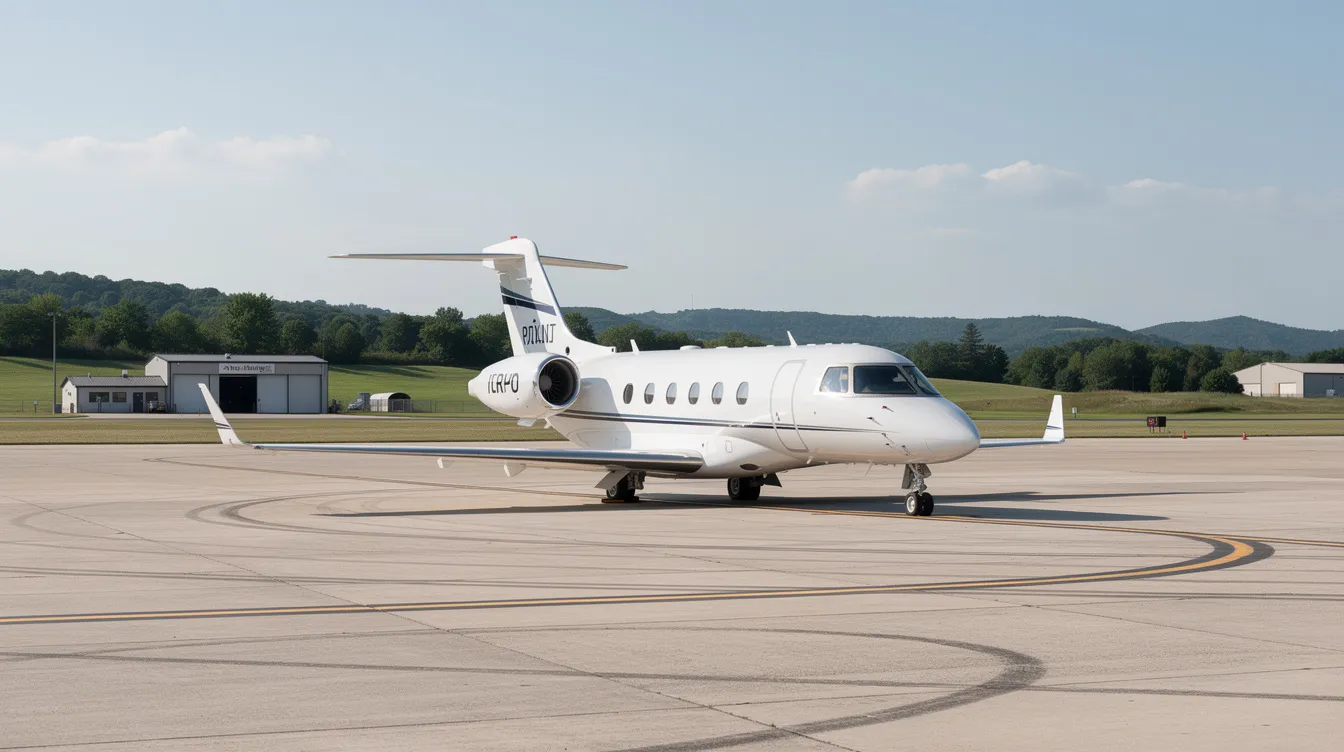
Private Small Jet Price: What It Really Costs to Fly and Own Light & Very Light Jets in 2026
In 2026, the cost of flying private in small jets varies significantly based on factors like aircraft type and usage. Very light jets typically charter for $2,500 to $4,800 per hour, while light jets range from $3,500 to $7,000. Understanding the full scope of ownership and operational costs is crucial for making informed decisions about private aviation.
Read More
5
min read
Flights to New York by Private Jet
Traveling to New York by private jet offers unparalleled flexibility and luxury compared to commercial flights. This guide provides essential information on booking private jet charters, airport options, and pricing, ensuring a seamless travel experience for both business and leisure travelers. Discover how private aviation can save you time and enhance your comfort on your next trip to the Big Apple.
Read MoreStay updated with our latest insights and tips to elevate your journey with us.
MEMBERSHIPS AND ASSOCIATIONS



Disclaimer: Jettly operates as a charter broker, offering access to a global digital jet charter marketplace. Jettly is not a direct air carrier and does not own or operate aircraft. All advertised flights are conducted by third-party air carriers that are fully licensed and hold the appropriate Part 135 or Part 121 certifications issued by the Federal Aviation Administration (FAA) or equivalent regulatory authorities under U.S. or foreign law. Jettly complies fully with the U.S. Department of Transportation's Part 295 and Part 298 Charter Broker regulations. Jettly does not carry additional liability insurance. Passengers are covered by aircraft operator insurance. TICO: 50023770


