


Login
Get Instant Pricing On 23,000+ Aircraft

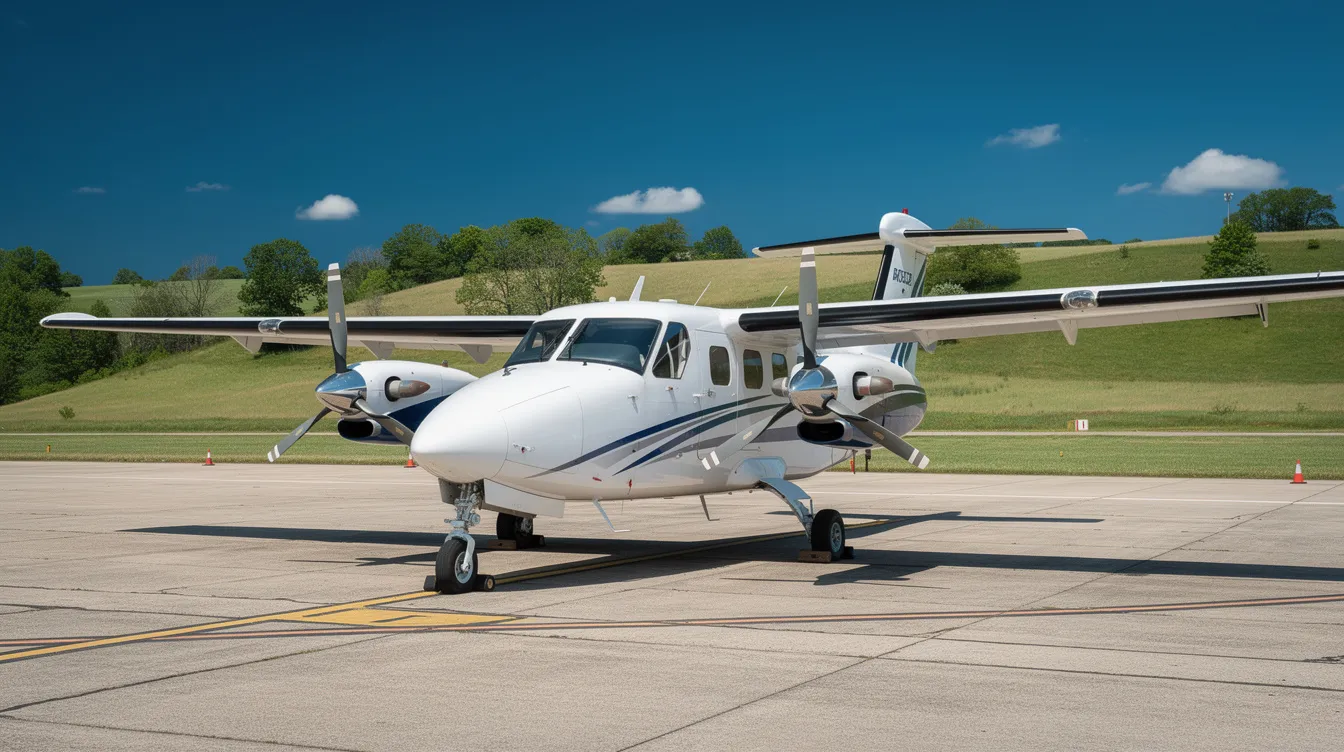
The Cessna 402 is a versatile light twin-engine aircraft known for its reliability and efficiency in regional travel. With a spacious cabin accommodating up to 10 passengers, it serves various roles including commuter service and cargo transport. Its long history and proven performance make it a popular choice among charter operators and aviation enthusiasts alike.
Jeff Ryan Serevilla
Oct 4, 2026
|
5
min read



View all
This guide outlines the complexities of fractional jet ownership resale, focusing on resale value, buyback terms, and exit strategies for current and prospective owners. It highlights that fractional ownership is an illiquid asset with significant depreciation, typically retaining 60-70% of its value after three years and 45-60% after five years, influenced by contractual restrictions and provider control. Owners face challenges such as lockup periods, right of first refusal clauses, and ongoing costs until a sale is finalized, which can take several months to over a year. For those seeking flexibility without the burdens of ownership, transitioning to jet cards or charter services may be a viable alternative.
Jeff Ryan Serevilla
May 17, 2026
|
5
min read

View all
Fractional jet ownership can offer significant tax advantages for qualified business operators, primarily through bonus depreciation, Section 179 expensing, and deductions for business-use flight activity. However, these benefits come with complexities, including compliance requirements, limitations on business use, and potential tax consequences such as depreciation recapture upon resale. The tax treatment varies based on ownership structure and individual circumstances, making it essential for buyers to consult with tax professionals to navigate these intricacies. For those prioritizing flexibility and reduced administrative burdens, jet card programs and charter services may provide simpler alternatives without the tax benefits associated with ownership.
Jeff Ryan Serevilla
May 17, 2026
|
5
min read

View all
This guide compares three private aviation options: fractional ownership, jet cards, and on-demand charter, highlighting their distinct trade-offs in cost, commitment, flexibility, and aircraft consistency. Fractional ownership requires a significant upfront investment and long-term commitment, making it suitable for frequent flyers (100-200+ hours/year) who value consistent access to a specific aircraft. Jet cards offer a more flexible, pay-as-you-go model ideal for moderate flyers (25-100 hours/year) seeking predictable pricing without ownership risks. On-demand charter is the most flexible and cost-effective option for occasional flyers (under 25 hours/year), allowing users to pay only for the flights they take without any long-term commitments.
Jeff Ryan Serevilla
May 17, 2026
|
5
min read

View all
Fractional jet ownership allows individuals or companies to purchase a share of a specific aircraft, typically ranging from 1/16 to 1/2, granting them a proportional number of flight hours annually and access to equivalent aircraft when their own is unavailable. This model provides the benefits of private jet travel, including professional management and operational ease, while reducing the financial burden compared to full ownership. Owners can expect to fly between 50 to 400 hours per year, depending on their share size, and the management company handles all operational aspects under FAA regulations. While fractional ownership requires a significant initial investment and ongoing fees, it offers equity and flexibility, making it suitable for frequent flyers, whereas those flying less may prefer alternatives like jet cards or charter services.
Jeff Ryan Serevilla
May 17, 2026
|
5
min read
View all
Fractional jet ownership in 2026 typically requires an upfront investment of $500,000 to over $1.5 million for a share, along with monthly management fees ranging from $8,000 to $25,000 and hourly flight costs of $4,000 to $9,000, leading to total five-year costs that can exceed $1 million. The structure includes various fees such as acquisition costs, management fees, fuel surcharges, and depreciation, making it essential for potential buyers to understand the complete financial implications. While fractional ownership offers flexibility and access to aircraft, it may not be cost-effective for those flying under 150 hours annually, where alternatives like jet cards could provide better value. A thorough analysis of all costs and usage patterns is crucial for informed decision-making in private aviation investments.
Jeff Ryan Serevilla
May 17, 2026
|
5
min read

View all
The Jet Card Tax Guide outlines key tax considerations for private jet card users, including Federal Excise Tax (FET), state sales tax, and business deductibility rules, aimed at CFOs and finance teams managing aviation budgets. FET is a 7.5% tax on domestic flights, with pricing typically quoted as either "all-in" (including FET) or "plus-FET" (added on top). Jet card flights may be tax-deductible if they meet IRS criteria for business expenses, while personal travel is generally non-deductible. The guide emphasizes the importance of understanding tax implications for effective financial planning and compliance in private aviation.
Jeff Ryan Serevilla
May 17, 2026
|
5
min read
Explore our latest articles and updates.

5
min read
Citation Sovereign: Cabin, Performance, and Charter Guide with Jettly
The Cessna Citation Sovereign and its upgraded variant, the Sovereign+, are midsize jets renowned for their range, cabin space, and short-field performance, making them ideal for both business and leisure travel. Jettly provides on-demand charter access to these aircraft, offering instant pricing and transparent booking to enhance the private aviation experience. With a cabin designed for comfort and practicality, the Sovereign can accommodate 8-9 passengers and is particularly suited for luggage-heavy trips like ski or golf holidays. Understanding the features and configurations of the Citation Sovereign helps travelers make informed charter decisions, ensuring they select the right aircraft for their specific needs.
Read More
5
min read
CL 600 Bombardier: Guide to the Bombardier Challenger 600 Series for Private Jet Charter
The Bombardier Challenger 600 series, introduced in 1980, is a leading choice in private jet aviation, recognized for its spacious cabin, reliable performance, and versatility. This guide details its history, design, and chartering options, emphasizing its appeal for both business and leisure travel, with platforms like Jettly facilitating easy booking. The series includes various models, such as the 601, 604, 605, and 650, each enhancing range and comfort, making it suitable for long-distance flights and diverse passenger needs. With competitive operating costs and modern amenities, the Challenger 600 series remains a practical option for travelers seeking large-cabin jets without ownership commitments.
Read MoreJoin our community and receive the latest blog updates directly in your inbox.
MEMBERSHIPS AND ASSOCIATIONS



Disclaimer: Jettly operates as a charter broker, offering access to a global digital jet charter marketplace. Jettly is not a direct air carrier and does not own or operate aircraft. All advertised flights are conducted by third-party air carriers that are fully licensed and hold the appropriate Part 135 or Part 121 certifications issued by the Federal Aviation Administration (FAA) or equivalent regulatory authorities under U.S. or foreign law. Jettly complies fully with the U.S. Department of Transportation's Part 295 and Part 298 Charter Broker regulations. Jettly does not carry additional liability insurance. Passengers are covered by aircraft operator insurance. TICO: 50023770


