



Login
Get Instant Pricing On 23,000+ Aircraft

>
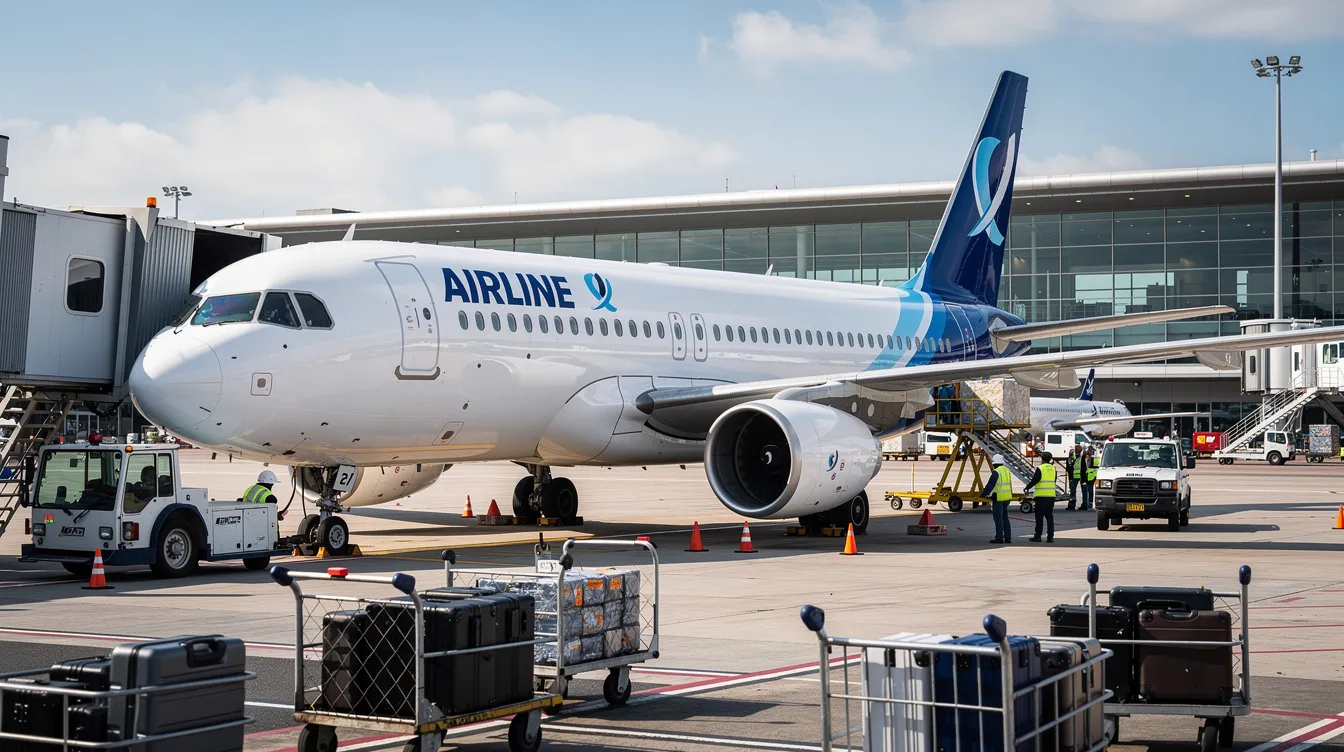
Figuring out when is the best time to buy plane tickets is one of the most common questions in air travel. The answer depends on your route, the season, how flexible you are with travel dates, and whether commercial or private aviation serves your trip better. This guide breaks down the data behind booking windows, pricing patterns, and the scenarios where private jet charter through a platform like Jettly changes the equation entirely.
The best time to buy plane tickets varies by domestic or international travel. U.S. domestic flights are typically cheapest about 30–45 days before departure, while international routes are best priced 2–8 months out.
The day of the week you book matters far less than the day you fly. Midweek flights (Tuesday–Thursday) and some Saturdays tend to be significantly cheaper than Fridays and Sundays.
Major holidays and peak seasons require planning ahead—often 2–6 months in advance—to avoid sharp price spikes and limited seat availability.
Cheapest months for travel include August, January, and September, when demand dips below peak levels.
For travelers considering private aviation, Jettly's marketplace and empty leg flights can make last-minute or peak-date travel more predictable, with savings of 30–75% off standard charter rates when schedules align.
Flight prices fluctuate constantly due to dynamic pricing algorithms. Airlines adjust prices multiple times per day based on remaining seats, current demand, competing carriers, and booking patterns. There is no fixed fare chart—airline ticket prices are the output of systems balancing dozens of variables simultaneously.
Airlines use historical data, seasonal patterns, and route-specific demand forecasts to set and adjust prices. On business-heavy routes like New York–Chicago or London–Frankfurt, airlines tend to release cheaper fares months out, then raise them steeply as the departure date nears and business travelers start booking. Dynamic pricing algorithms adjust airline ticket prices based on seat demand in real time.
Beyond the base fare, the "real" cost of a commercial flight includes surcharges for fuel, airport fees, taxes, checked bags, seat selection, and sometimes even carry-on luggage. These ancillary costs can shift which airline ticket is actually cheapest once everything is added up.
Private jet pricing works differently. Commercial tickets are sold per seat; private jets (including those booked through Jettly) are priced per aircraft and route. Hourly rates, distance, aircraft positioning, crew costs, and airport fees drive the total. This means airlines price tickets one way, while charter pricing follows a completely separate logic—which matters when comparing options for time-sensitive or group travel, particularly if you're exploring affordable private jet charter options.
For most domestic trips in North America, book domestic flights 1 to 3 months in advance for the best balance of price and availability. Data from Google Flights shows that prices for domestic flights drop around 39 days before departure, with the broader useful range spanning roughly 21–60 days out.
On popular routes like New York–Miami, Los Angeles–Las Vegas, and Toronto–Vancouver, domestic flight prices tend to remain stable until about three weeks before departure, then climb sharply. Booking 15 to 30 days prior still saves an average of $130 compared to last-minute fares, but the lowest prices typically land in that 30–45 day window.
Booking too early may not yield the best prices either. Purchasing domestic tickets more than 4–6 months ahead often means airlines are still testing demand and haven't released their most competitive fare classes yet. The exception: for very popular events—major sports finals, festivals, conferences—domestic flight tickets justify booking farther ahead because seats fill faster than normal.
Booking 1–3 months in advance typically yields better prices on routine domestic trips. For event-driven travel, move that window forward.
International airfare has a wider ideal booking window than domestic. For most international routes, booking 2 to 8 months ahead gives travelers the best chance of securing affordable flights. Many long-haul routes hit competitive prices roughly 50 to 101 days before departure.
Here are some route-specific guidelines:
|
Route |
Best Booking Window |
|---|---|
|
U.S. to Europe (e.g., New York–London) |
~90–100 days before departure |
|
U.S. to Mexico/Caribbean (e.g., Dallas–Cancún) |
~44 days out (non-peak) |
|
North America to Asia or Middle East (e.g., Toronto–Dubai) |
4–6 months ahead |
|
Complex multi-stop itineraries |
4–8 months ahead |
International flights to Europe are cheapest around 90 days before departure. For long-haul to Asia or Africa, booking 4–6 months out often captures the lowest fares, especially during busy travel periods. Booking international flights less than three weeks before departure usually means higher prices unless there is unusually weak demand or a specific airline sale. Complex itineraries with multiple stops or open jaws (e.g., New York–Rome, return Paris–New York) benefit from tracking prices 4–8 months out because airlines are slower to open all fare classes on multi-leg schedules.
The old advice to buy plane tickets on "Tuesday at 3 p.m." is largely a myth. While some studies show small average savings on specific booking days, prices change any day of the week, and the day you click "purchase" affects price far less than booking within the right time window before departure.
Booking on Sundays can save money compared to Fridays, but the difference is typically in the low single-digit percentages—roughly 1–1.5%. A 2024 study found flying Tuesday through Thursday is cheaper than weekend departures, which has a much larger impact on cost than the day you happen to purchase your airline ticket.
For private jet charters through Jettly, there is no "cheapest day" to book. Aircraft availability, type, and routing matter more than the day of the week. Travelers should focus on flexible dates, monitoring price drops, and choosing cheaper days to fly rather than obsessing over which weekday to purchase airline tickets—especially when applying tips for booking the cheapest private jet flights.
The day you fly—not the day you buy flights—has a meaningful impact on cost. Tuesday and Wednesday are typically the cheapest days to fly on most domestic and short-haul flights. Travelers can save 14% to 20% by flying midweek instead of on peak travel days.
Here is a general pattern for most leisure-heavy routes:
|
Day |
Price Trend |
|---|---|
|
Tuesday |
Often the cheapest day |
|
Wednesday |
Close to Tuesday pricing |
|
Saturday |
Often cheaper than Friday/Sunday for round trips |
|
Friday |
Generally more expensive |
|
Sunday |
Frequently the most expensive day |
Fridays and Sundays are generally more expensive for flights because of weekend leisure demand and Monday office returns. Flying on Saturdays often yields the best prices for domestic flights when paired with a midweek outbound leg.
For international trips, midweek departures (Tuesday–Thursday) deliver the best balance of schedule and price, with Friday and Saturday returns tending to cost more.
Example: A round trip Chicago–Los Angeles departing Wednesday and returning Saturday typically costs noticeably less than the same route departing Friday and returning Sunday—sometimes 10–15% lower on the same airline in the same cabin.

Seasonality often overrides all other pricing patterns. Flight prices fluctuate significantly based on travel seasons. Peak summer months (June–August in North America and Europe) and the December holiday period see the highest average fares. Meanwhile, late January, February, and September often deliver lower prices.
Traveling during shoulder seasons—the weeks just before and after peak windows—can lead to lower fares and fewer crowds. These periods offer a strong combination of reasonable pricing and pleasant travel conditions.
Booking for major holidays should start 3 to 10 months in advance. Here are some data-backed benchmarks:
Thanksgiving: Lowest domestic fares appear about 45 days before departure (range: 26–59 days)
Christmas: Domestic holiday flights are priced best about 58 days before departure (range: 36–72 days)
International holiday travel: Book 4–10 months ahead for winter holidays abroad
Private jet demand also spikes around these dates. Jettly customers considering charter for ski trips, Caribbean holidays, or family gatherings should request quotes well in advance to secure aircraft and control costs, and frequent flyers may benefit from Jettly's private jet memberships. Availability of crew, FBOs, and preferred aircraft tightens quickly during busy travel periods.
For peak periods like Thanksgiving, Christmas, New Year's, Spring Break (March–April), and summer vacation (June–August), the standard booking windows shift earlier.
|
Period |
Domestic Booking Window |
International Booking Window |
|---|---|---|
|
Thanksgiving |
1–3 months ahead |
N/A for most |
|
Christmas / New Year's |
2–4 months ahead |
3–6 months ahead |
|
Spring Break |
Book by January |
3–5 months ahead |
|
Summer Vacation |
2–4 months ahead |
3–6 months ahead |
Concrete examples: book holiday flights like New York–Orlando for Spring Break in January. London–Dubai for Christmas should ideally be locked in by late summer or early autumn to avoid premium prices.
Flying on the holiday itself (e.g., Thanksgiving Day or Christmas Day) can sometimes be cheaper than traveling on the surrounding peak days, because most travelers prefer to arrive before the holiday.
For private travel, Jettly can help travelers avoid peak airport congestion by using smaller airports and flexible departure times—especially when commercial flights at ideal hours are very expensive or sold out, or when clients use jet cards with fixed hourly rates to lock in predictable costs.
Because airfares fluctuate and prices change frequently, tracking fare trends is more effective than checking once and hoping for the best. Setting up price alerts helps track flight price changes on specific routes and dates. Utilizing price tracking tools can help monitor fare changes over time, so travelers know whether a current price is a good deal or likely to drop.
Here is a practical approach:
Set alerts on Google Flights, Skyscanner, or Kayak for your target route and dates
Compare current prices against typical or historical fares using calendar views and price-history indicators
Create multiple alerts for alternative days to fly, nearby airports, and different cabins
Track prices even after booking—most U.S. airlines allow free rebooking if prices drop
Prices drop when demand is low or after cancellations, so utilizing flight comparison tools will enhance the search for cheaper fares across airlines and online travel agencies.
For private aviation, Jettly's platform lets users compare instant charter quotes across aircraft types and departure times. This helps travelers find cheap flights in the private market—especially through empty leg listings or by sharing empty seats on crowdsourced private flights that appear close to departure.
Flexibility is one of the most powerful tools to save money on flight tickets—often beating small day-of-the-week gains by a wide margin.
Key flexibility strategies:
Shift travel dates by a day or two to capture lower fares
Choose early morning or late-night flights, which are often less expensive than midday departures
Consider secondary airports that may offer cheaper flights compared to primary airports (e.g., Oakland instead of SFO, Stansted instead of Heathrow)
Book connecting flights when nonstop options are expensive, but weigh savings against longer travel times
Use map or "Explore" tools to find cheap flights to flexible destinations within a given month
Flights departing before 3 PM tend to have fewer delays, which adds a reliability bonus to morning travel. Booking a standard economy ticket allows for greater flexibility than basic economy, including the ability to change flights if fares drop after purchase. Last-minute bookings usually incur higher prices due to demand, so planning ahead almost always wins.
For private jets, Jettly users can improve pricing by adjusting departure times, choosing a smaller jet size appropriate for their group, or using airports closer to their true origin and destination via an airport locator tool. Explore Jettly's charter cost estimator to compare options.
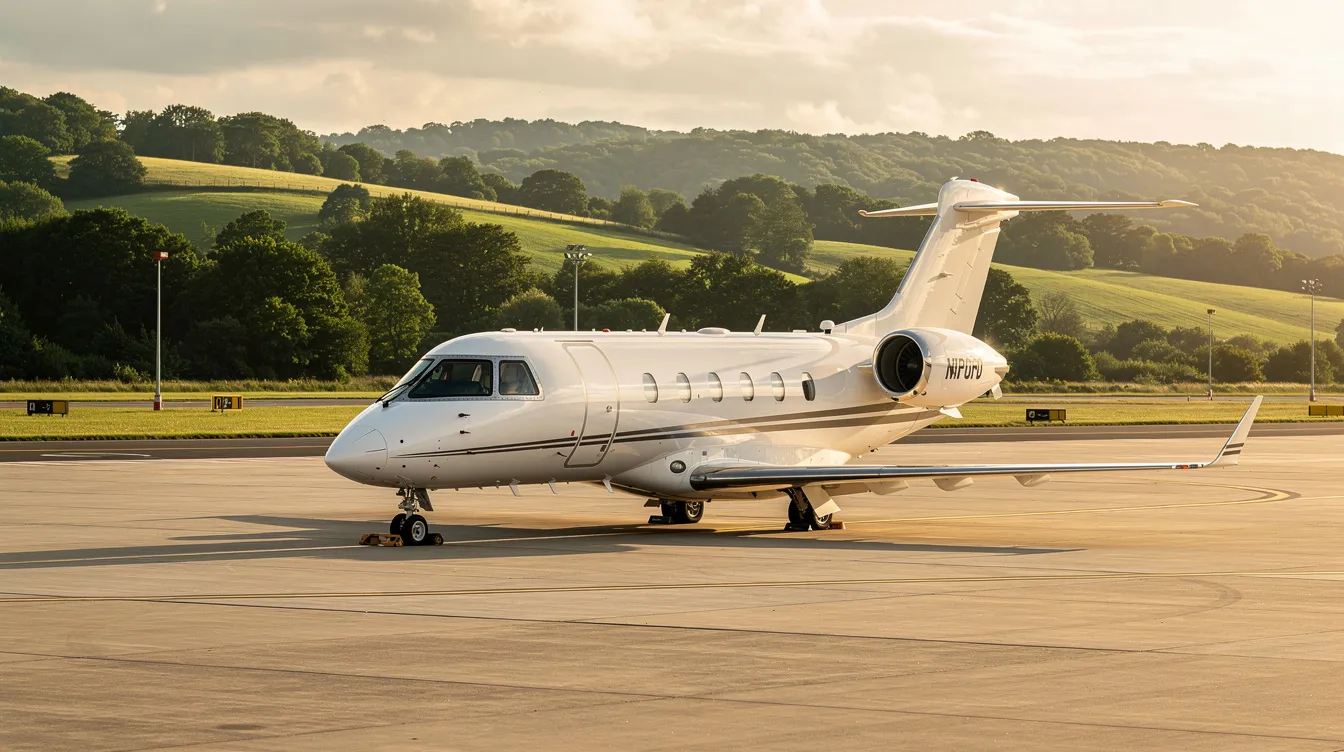
For some travelers, the traditional rules about buying flights early do not fully apply when considering private jet charter. Private charters are priced per mission—aircraft type, distance, positioning, airport fees, and schedule — and cost more than how far ahead you book.
Empty legs are repositioning flights that would otherwise fly empty. These legs become available when an aircraft needs to return to base or move to its next pickup, and they represent some of the best deals in private aviation, including opportunities similar to ultra-short private jet flights and free empty legs. Empty leg flights can save travelers 30–75% on charter prices.
Example: A Global 7500 charter might cost around $80,000 for a full mission. The same aircraft on an empty leg could appear at roughly $22,000—a savings of about 72%. Travelers can even book single seats on empty-leg flights in some cases.
Empty leg flights are often the best deals in private aviation, but they require flexibility. Most appear 24–72 hours before departure, sometimes up to a week ahead for longer routes. Jettly aggregates global empty leg flights and on-demand aircraft availability, making it easy to compare whether upgrading to private might make sense when commercial flight prices are high or schedules are inconvenient.
The question of "best time to buy plane tickets" can also include the decision of whether to fly commercial or private. The right answer depends on total trip value, not just the ticket price, and on understanding the best private jet charter companies and options available.
|
Factor |
Commercial |
Private (Jettly) |
|---|---|---|
|
Best for |
Solo leisure, flexible dates, simple round trips |
Urgent business, remote destinations, groups, same-day returns |
|
Pricing |
Per seat, fare classes |
Per aircraft and route |
|
Airport access |
Major hubs |
5,000+ airports including regional |
|
Booking lead time |
Weeks to months |
Hours to weeks |
|
Schedule control |
Fixed airline schedule |
Fully customizable |
When factoring in time savings, overnight hotel costs avoided, missed work, and airport transfer expenses, a private charter can deliver better total value than a last-minute business class fare—especially for groups of 4 or more, which mirrors many findings when comparing jet rentals vs. first-class tickets for corporate travel.
Ready to compare? Explore Jettly's marketplace or request an instant quote at jettly.com when commercial fares are high, or schedules don't match your needs, especially if you're evaluating a NetJets alternative like Jettly for flexible private flying.
Persistent myths about airline ticket prices cause travelers to delay booking or chase deals that rarely appear. Here are the most common ones—and what the data actually says.
"Always buy flights on Tuesday" - Modern pricing systems adjust constantly. Tuesday may be marginally cheaper to book on, but the savings are tiny (1–1.5%) and unreliable.
"Incognito mode guarantees cheaper fares" - Airlines generally say fares adjust based on inventory and competition, not individual cookies. Noticeable price changes usually reflect fare classes selling out, not tracking your browser.
"Wait until the last minute for the best deals" - Last-minute deals do occasionally appear, but on high-demand routes and around major holidays, prices almost always climb as the departure date approaches. Find cheap flights by booking within the data-backed windows, not by gambling on a random drop.
"One-way is always more expensive" - For many traditional carriers, round-trip tickets are still priced more competitively. But on low-cost carriers, one-way pricing can be very competitive. Always compare both.
Data-driven strategies—using price alerts, watching ideal booking windows, and planning around the cheapest days to fly—are more reliable than hoping for a last-second airline sales miracle, whether you're weighing how much a private jet really costs or following affordable luxury strategies for private flights.
These answers address specific booking questions that come up frequently when travelers try to time their purchases.
Most airlines release schedules roughly 11–12 months (about 330–360 days) before departure. Some low-cost carriers open slightly closer to departure. While it is possible to book a flight as soon as it appears, the very first prices are not always the lowest fares, especially for regular, non-holiday routes. Start monitoring when schedules open, but plan to purchase within the typical sweet spots: 1–3 months for domestic, 2–8 months for international trips.
For normal vacations and business trips, booking a full year out rarely delivers the best price and limits flexibility if plans change. It can make sense for global sporting events, major festivals, or destinations with extremely limited service and constrained capacity. In those cases, securing seats early matters more than finding the absolute lowest prices—especially for large families needing many seats together or travelers relying on private and charter airlines for hard-to-reach destinations.
Many U.S. and European airlines now allow free changes on standard economy tickets or higher, giving travelers the option to cancel for credit and rebook at the lower fare. Check fare rules before purchase: basic economy tickets are often the most restrictive. Set fare alerts even after booking to catch meaningful price drops worth rebooking for, similar to how savvy flyers compare JetCard costs and inclusions before committing to a private program.
For most airlines, round-trip tickets remain more competitive than two separate one-way tickets on the same carrier. However, on low-cost carriers and competitive routes, one-way fares can be very affordable. Always compare total prices both ways. For private jets, charters are often quoted per leg, so round-trip vs. two one-ways can price differently based on repositioning needs—or whether you choose shared charter flights vs. full charters. Jettly's instant quotes clarify the difference quickly.
Private jets can often be booked very close to departure—sometimes within hours—provided aircraft and crew are available. Jettly can facilitate same-day charters in as little as 3–6 hours when conditions align. Booking earlier improves aircraft choice but does not always guarantee a lower rate; operational factors drive price more than lead time. Empty leg flights typically appear closer to departure (often a few days out), so travelers seeking the lowest private jet prices or simply looking to buy a seat on a private jet should stay flexible and watch those listings on Jettly's platform.
There is no single perfect date to buy plane tickets. But the data is clear: book domestic flights 1–3 months before travel, book international flights 2–8 months ahead, and choose midweek days to fly whenever possible. Understanding booking windows, tracking flight prices, and staying flexible on airports and airlines delivers far more savings than chasing old myths about a specific cheapest day to purchase.
For time-critical, multi-city, or peak-season international travel, comparing commercial flight prices with private charter options can reveal when private travel offers better overall value in both time and convenience—especially when leveraging Jettly's global network of private charter aircraft. Empty leg flights and instant charter pricing make this comparison faster than ever.
Ready to experience private travel on your terms? Explore flight options, check instant charter pricing, or review empty leg opportunities at https://www.jettly.com, including dedicated pages for private jet charter in Kolkata, West Bengal, and private jet charter in New Delhi.
Share this post:
Jay Franco Serevilla
Nov 13, 2026
|
5
min read
Discover tips and trends in the industry.
5
min read
Delta Flash Sales: How to Spot, Book & Maximize Them (While Considering Private Jet Alternatives)
Delta flash sales offer significant discounts on SkyMiles award tickets, often reducing mileage requirements by 30-60% for a limited time. These sales can apply to both domestic and international flights, making them a valuable opportunity for travelers. Pairing these deals with private jet charters can enhance flexibility and convenience for those needing to connect to less accessible destinations.
Read More
5
min read
Delta Blanket: What It Is, How to Use It, and the Best Alternatives for Private Jet Travelers
Delta blankets are essential for comfort during flights, especially on long-haul journeys. This guide explores their features, care tips, and how private jet travelers can enhance their in-flight experience with personalized bedding options. Discover the differences between Delta's offerings and alternatives for ultimate travel comfort.
Read MoreStay updated with our latest insights and tips to elevate your journey with us.
MEMBERSHIPS AND ASSOCIATIONS



© 2026 Jettly Inc. All rights reserved.
Disclaimer: Jettly operates as a charter broker, offering access to a global digital jet charter marketplace. Jettly is not a direct air carrier and does not own or operate aircraft. All advertised flights are conducted by third-party air carriers that are fully licensed and hold the appropriate Part 135 or Part 121 certifications issued by the Federal Aviation Administration (FAA) or equivalent regulatory authorities under U.S. or foreign law. Jettly complies fully with the U.S. Department of Transportation's Part 295 and Part 298 Charter Broker regulations. Jettly does not carry additional liability insurance. Passengers are covered by aircraft operator insurance. TICO: 50023770


