


Login
Get Instant Pricing On 23,000+ Aircraft

>

Over the past two decades, luxury air travel has evolved from an exclusive perk of the ultra-wealthy into a versatile transportation solution for business leaders, celebrities, sports teams, and high-net-worth individuals. With increasing demand for privacy, flexibility, and time efficiency, the private aviation industry has seen significant growth, especially in light of global travel disruptions, commercial airline limitations, and rising concerns about public health.
Chartering a private aircraft or owning a jet offers more than just prestige. It provides access to a highly personalized travel experience, complete with tailored itineraries, reduced airport wait times, and direct access to thousands of airports worldwide, including those not serviced by commercial airlines.
As innovations in aircraft design, digital booking platforms, and fractional ownership models make private aviation more accessible, understanding how it works, what types of aircraft exist, what it costs, and what benefits it provides has become increasingly important for travelers exploring their options.
Private jets, also known as business jets or executive jets, are aircraft specifically designed to provide exclusive air travel for individuals, small groups, or corporations seeking privacy and flexibility. Unlike commercial airliners, private jets provide flexible scheduling, enhanced privacy, and direct access to thousands of airports not typically served by scheduled flights.
In contrast to commercial air travel, private jets offer greater flexibility, access to smaller airports, and a highly personalized experience. Private aircraft can be customized to individual needs, offering luxurious amenities, advanced technology, and tailored services for each client.
From quick regional hops to intercontinental travel, private jets accommodate various mission profiles. Their ability to reach smaller airports and remote destinations makes them ideal for executives, government officials, high-net-worth individuals, and travelers requiring efficient, discreet, and comfortable air transport. Many clients access these services through a charter service, which arranges flights using industry expertise and provides customized travel options without the need for aircraft ownership.
Jet aircraft encompass a wide range of planes powered by jet engines, including those used for commercial, military, and private purposes. Private jets are a subset of jet aircraft specifically designed for business and luxury travel.
Private jets come in several classes, each suited to different trip lengths, passenger counts, and budget levels.
After light jets, there is also a category known as super light jets. Super light jets blend the efficiency and agility of light jets with some of the range and comfort features found in mid-size jets. Notable examples include the Embraer Phenom 300 and Cessna Citation XLS+.
In addition to jets, turboprop aircraft, and smaller aircraft are commonly used in private aviation for short-range or specialized missions. These aircraft offer cost-effective alternatives to jets, especially for regional travel or operations requiring flexibility.
Compact and fuel-efficient, VLJs are optimal for short-haul flights. Typically seating 4 to 6 passengers, these aircraft are ideal for single-pilot operations and regional travel. Many very light jets are certified for single-pilot operation, making them especially attractive for owner-operators and cost-conscious travelers. Examples include the Eclipse 500 and Cirrus Vision Jet.
Often used for business trips within a 2- to 3-hour range, light jets offer more cabin space and range than VLJs. They accommodate 6 to 8 passengers and include aircraft such as the Cessna Citation CJ3 and Learjet 40. Light jets are ideal for transporting small groups efficiently and comfortably on regional routes. These jets have an average range of 1,500-2,000 nautical miles, making them versatile for regional and short-haul travel.
Mid-size jets offer a balance between range and comfort, typically seating 7 to 10 passengers. They are also valued for their lower operating costs compared to larger aircraft, making them a cost-effective choice for many travelers. With stand-up cabins and onboard lavatories, they are suited for cross-country flights. Examples include the Hawker 800XP and Citation Excel.
These jets bridge the gap between mid-size and heavy jets. With a longer range, larger cabins, and speeds closer to commercial aircraft, super mids such as the Challenger 350 and Gulfstream G200 can carry 8 to 10 passengers comfortably on transcontinental routes.

For global travel and elite comfort, large jets are a key category within private aviation, offering a truly elevated experience. Larger jets stand out for their enhanced comfort and amenities, such as private bedrooms, spacious bathrooms, and conference facilities, making them ideal for business and luxury travel.
Most aircraft in this category are known for their impressive range, passenger capacity, and luxury features, accommodating larger groups with ease. Large and Ultra Long Range Jets cost between $8,000 and $14,000 per hour within the US, reflecting their premium capabilities and luxurious amenities.
Aircraft like the Gulfstream G650ER or Bombardier Global 7500 can fly nonstop for over 7,000 nautical miles. They support intercontinental routes such as New York to Hong Kong with 12 to 16 passengers and luxury amenities onboard.
Heavy jets like the Dassault Falcon 7X or Challenger 605 feature spacious cabins, full-service galleys, and entertainment systems. They also offer ample baggage capacity, making them ideal for travelers with significant luggage who require both space and convenience. With capacities of up to 19 passengers, they are suitable for business groups and longer trips. Heavy jets are especially popular for business travel due to their comfort, productivity features, and ability to accommodate larger teams.
Converted from commercial aircraft (e.g., Boeing BBJ, Airbus ACJ), executive airliners offer custom interiors including conference rooms, private suites, showers, and formal dining areas. These are used by governments, corporations, and VIPs requiring the highest level of luxury. Executive airliners are designed for elite experiences and can carry up to 20 or more passengers, making them ideal for large groups or extended travel.
Private jet travel offers significant advantages for regional flights—especially in areas where commercial connectivity is limited.
Access to smaller regional airports minimizes ground transportation time.
Very light jets and light jets are ideal for regional routes, offering lower costs and faster boarding.
Itineraries can be customized, making day trips and multi-city routes efficient and feasible.
Ideal for business roadshows, private getaways, and medical transport.
Private jet usage continues to rise due to the substantial benefits it offers over traditional air travel:
Flexible Scheduling: Depart and arrive according to your itinerary. Private flights can be tailored to individual needs and preferences, offering unmatched convenience.
Time Savings: Avoid long check-in lines, TSA security, and boarding delays.
Privacy: No shared cabin with strangers, ideal for confidential business or relaxation.
Luxury Amenities: Onboard features often include leather seats, entertainment systems, Wi-Fi, gourmet catering, and customized interiors.
Remote Access: Reach locations that commercial airlines do not serve.
The cost of private jet travel depends on aircraft type, flight duration, and additional services. Many travelers use an air charter service to arrange private jet travel, benefiting from industry expertise and a global network. Midsize or Super Midsize Jets, for example, cost between $4,000 and $8,000 per hour, offering a balance of range and comfort for their price.
Billable flight time is calculated on an hourly basis and includes positioning time and airborne time. Positioning fees are based on the amount of flight time to reposition the aircraft to pick up passengers. Charter flight pricing is typically transparent and may consist of options for environmental offsetting. Hangar fees range from $500 to $1,500 per day, depending on the aircraft's size.
Very Light Jets: $2,000 – $3,500 per hour
Light Jets: $2,500 – $4,500 per hour
Midsize Jets: $3,500 – $6,000 per hour
Super Midsize Jets: $4,500 – $8,000 per hour
Heavy & Long-Range Jets: $8,000 – $14,000+ per hour
Additional fees may include repositioning, overnight crew charges, landing fees, and catering. Landing fees, for instance, vary based on the aircraft's size and weight, typically ranging from $150 to $500. Ramp and handling fees range from $100 to $500 per visit, charged by the fixed-base operator for handling the aircraft. Federal Excise Tax is charged for all US domestic flight legs at a rate of 7.5%.
Outright Ownership: Ideal for frequent fliers but comes with high maintenance and depreciation costs.
Fractional Ownership: Share the cost and usage of an aircraft (e.g., NetJets model).
Jet Cards: Prepaid flying hours on select aircraft types.
On-Demand Charter: Pay per trip with no ownership responsibility.
Private aviation maintains stringent safety and security standards, often exceeding those of commercial airlines.
Aircraft are maintained according to FAA Part 135 or Part 91 regulations.
Pilots typically hold ATP (Airline Transport Pilot) licenses and undergo frequent training.
Flights often operate from private Fixed Base Operators (FBOs), with limited access and higher security.
Clients can screen flight history, pilot qualifications, and aircraft safety ratings when booking through reputable charter providers.
High-end private jets deliver a customized in-flight experience tailored to passenger needs:
Cabin Comfort: Stand-up cabins, lie-flat seating, and advanced climate control.
Gourmet Catering: Tailored meals, fine wines, and dietary accommodations.
Business Services: Wi-Fi, video conferencing, and office equipment for productivity on the go.
Personalization: From onboard branding to luxury linens, jets can be customized per flight.
Luxury levels vary by jet category, with larger aircraft offering more expansive and refined interiors.
Private jets are under increasing scrutiny for their disproportionate environmental impact. A single private jet flight emits significantly more CO₂ per passenger than commercial flights. In comparison, commercial jetliners generally have a lower per-passenger emission rate, making them a more sustainable option for air travel.
The European Commission’s Green Deal aims to reduce aviation emissions by 55% by 2030.
Public pressure has grown due to high-profile emissions tracking.
Carbon offset programs allow charter clients to compensate for emissions, typically costing 0.06%–0.08% of the total charter price.
Industry innovation is ongoing, including investment in Sustainable Aviation Fuel (SAF) and electric aircraft prototypes.
Private jet travel is synonymous with exclusivity and comfort, but it also comes with its own set of etiquette and protocols that ensure a smooth and enjoyable journey for everyone on board. Understanding these unwritten rules is essential for both first-time and seasoned travelers, as it helps maintain the high standards expected in private aviation.
When preparing for a private jet flight, passengers should plan to arrive at the terminal at least 30 minutes before departure. This allows ample time for check-in, baggage handling, and any necessary security screening, all of which are typically more streamlined than on commercial airliners.
Once on board, it’s essential to respect the aircraft’s amenities, such as the service galley and lavatory, and to follow any instructions provided by the flight attendant. Keeping noise levels to a minimum, using electronic devices responsibly, and being mindful of personal belongings all contribute to a pleasant cabin environment.
Etiquette also extends to understanding the different types of private jets and their unique features. For example, very light jets and light jets are designed for short-haul flights and may have more compact cabins, while ultra-long-range jets and mid-size jets offer more space and amenities for transcontinental flights. Being aware of the aircraft’s size and layout can help passengers make the most of their journey and interact appropriately with the available facilities.
Respect for the flight crew is another cornerstone of private jet protocol. The pilot, co-pilot, and flight attendant are there to ensure your safety and comfort, and their expertise is vital to a successful flight. Passengers should always follow crew instructions and treat all crew members with courtesy and professionalism.
By adhering to these etiquette guidelines, travelers can enjoy the full benefits of private jet travel—whether on a quick regional hop in a very light jet or a luxurious transcontinental journey aboard an ultra-long-range jet. Observing proper protocol not only enhances your own experience but also upholds the standards that set private aviation apart from commercial airliners.
Maintaining a private jet involves rigorous inspections, diagnostics, and component servicing, often more frequently than commercial aircraft due to FAA mandates.
Pre-flight checks, post-flight inspections, and periodic overhauls are standard.
Maintenance tracking systems ensure compliance and optimal performance.
Reputable operators often use third-party maintenance organizations (MROs) or have in-house engineering teams.
Continuous upgrades and avionics modernization improve safety and passenger experience.
Operating or owning a private jet requires specialized aviation insurance to cover liability, hull damage, crew risk, and passenger injury.
Liability Insurance: Covers bodily injury or property damage to third parties.
Hull Insurance: Covers damage to the aircraft itself.
Passenger Liability: Covers injuries sustained by passengers.
Crew Insurance: Workers’ compensation and personal coverage for flight crew.
Policy premiums depend on aircraft value, usage, flight hours, and geographic scope. Insurance is typically mandatory for operators under FAA Part 135.
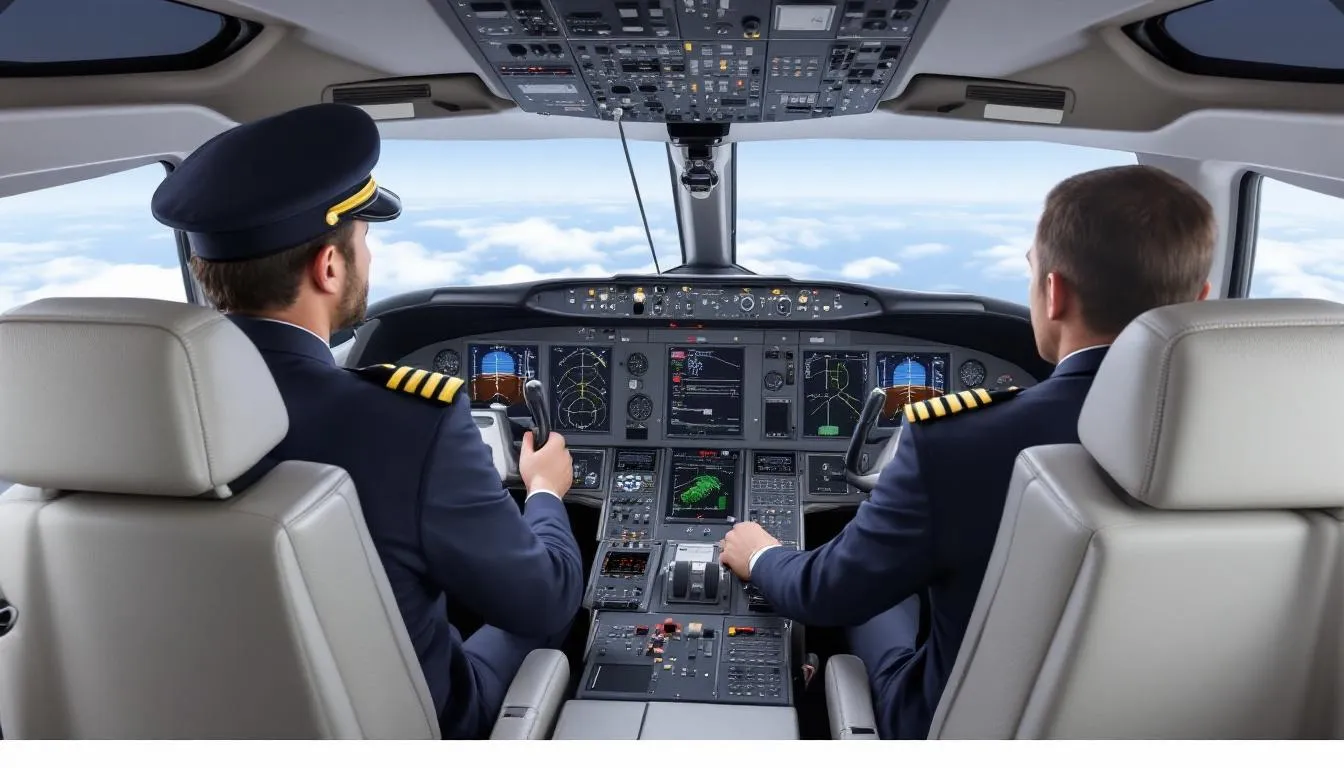
Behind every seamless private jet experience is a complex network of management and operational expertise. Private jet management encompasses everything from routine aircraft maintenance and crew training to meticulous flight planning and cost control, ensuring that each flight meets the highest standards of safety, efficiency, and luxury.
Aircraft management companies play a pivotal role in overseeing the day-to-day operations of private jets. Their services include scheduling regular inspections, coordinating repairs and upgrades, and ensuring that all maintenance is performed to regulatory standards. This attention to detail is crucial for maintaining the airworthiness and performance of every light jet, mid-size jet, or ultra-long-range jet in their care.
Crew members, including pilots and flight attendants, undergo rigorous training and certification to meet strict safety requirements. Ongoing education ensures that they are prepared for any situation, from routine flights to specialized missions. This commitment to professionalism is a hallmark of reputable aircraft management and is essential for delivering a superior private jet travel experience.
Flight planning and logistics are equally important, involving the coordination of routes, schedules, and necessary permissions for each journey. Management companies navigate complex regulatory environments, handling everything from customs and immigration to compliance with international aviation standards. This expertise allows clients to focus on their business or leisure activities, confident that every detail of their private flight is expertly managed.
Operational expenses—such as fuel, insurance, and maintenance—are carefully monitored to provide cost-effective solutions without compromising quality. Many management companies also offer value-added services like empty leg flights, which allow clients to take advantage of repositioning flights at reduced rates. These leg flights can be an excellent option for travelers with flexible schedules, offering the luxury of private jet charters at a fraction of the usual cost.
By entrusting their aircraft to a professional management company, private jet owners and charter clients can enjoy peace of mind, knowing that experts handle every aspect of their journey. Whether flying on a light jet for a quick business trip or an ultra long range jet for a transcontinental adventure, comprehensive aircraft management ensures a safe, efficient, and luxurious experience every time.
Private jets offer an unparalleled level of freedom, comfort, and efficiency in air travel. Whether for business or leisure, the ability to customize the journey—combined with time savings, privacy, and exclusive services—continues to make private aviation an attractive option.
As technology evolves and the industry responds to environmental challenges, private jet travel will remain a staple for those seeking control, discretion, and access to global destinations on their terms.
For those exploring private aviation, platforms like Jettly provide instant access to a global network of certified operators, making luxury air travel more accessible than ever.
Share this post:
Jay Franco Serevilla
Aug 21, 2025
|
5
min read
Discover tips and trends in the industry.

5
min read
Best Time to Buy International Airline Tickets to Europe
Finding the best time to buy international airline tickets to Europe can save travelers hundreds of dollars. Booking 3 to 7 months in advance typically yields the best prices, especially during shoulder seasons. This guide offers insights on timing, fare tracking, and alternative airports to maximize savings and flexibility.
Read More
5
min read
When Do Plane Tickets Get Cheaper? Timing Your Booking for Better Flight Prices
Understanding when plane tickets get cheaper is essential for travelers looking to save on airfare. Generally, booking domestic flights 1 to 3 months in advance and international flights 2 to 8 months ahead yields the best prices. Factors like travel dates, day of the week, and seasonality significantly impact ticket costs, making it crucial to stay flexible and track fare changes.
Read MoreStay updated with our latest insights and tips to elevate your journey with us.
MEMBERSHIPS AND ASSOCIATIONS



Disclaimer: Jettly operates as a charter broker, offering access to a global digital jet charter marketplace. Jettly is not a direct air carrier and does not own or operate aircraft. All advertised flights are conducted by third-party air carriers that are fully licensed and hold the appropriate Part 135 or Part 121 certifications issued by the Federal Aviation Administration (FAA) or equivalent regulatory authorities under U.S. or foreign law. Jettly complies fully with the U.S. Department of Transportation's Part 295 and Part 298 Charter Broker regulations. Jettly does not carry additional liability insurance. Passengers are covered by aircraft operator insurance. TICO: 50023770


