


Login
Get Instant Pricing On 23,000+ Aircraft

>
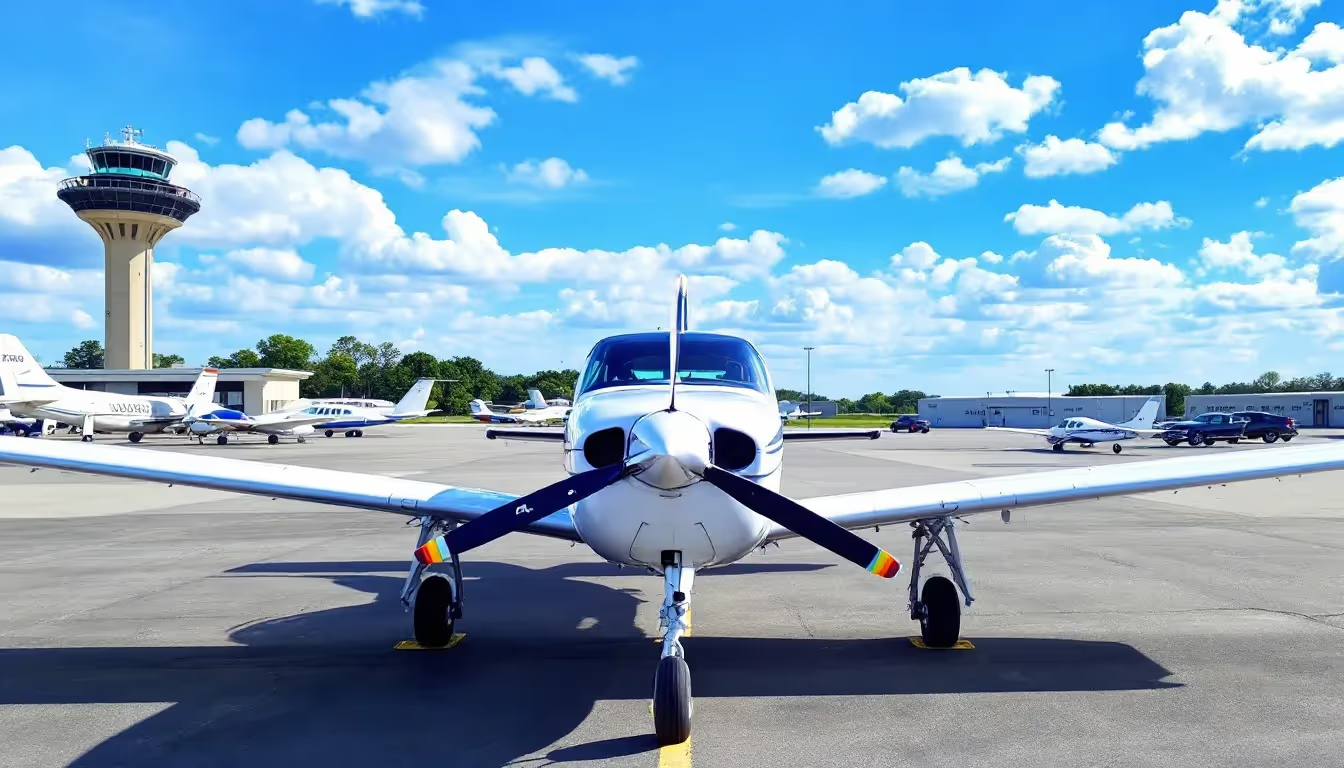
If you've ever dreamed of skipping airport lines and taking off for a spontaneous weekend getaway, aircraft rental might be your best-kept secret. Renting a plane, whether for a scenic flight, advanced pilot training, or a quick hop to a nearby city, isn't just for seasoned aviators or business executives anymore. Scenic flights, in particular, offer a unique way to enhance your flying experience, providing breathtaking views and memorable moments. Thanks to platforms like Jettly, weekend plane rental has become more accessible, convenient, and tailored to various needs.
But before you start planning that weekend sky adventure, it’s worth understanding what aircraft rental involves, what affects the pricing, and how to get started safely and affordably. The rental process may require a pre-flight briefing covering safety and operational procedures. This guide covers everything you need to know about aircraft rentals for weekend use.
Renting an aircraft is similar to renting a car, but with some key differences. You don’t just pay for the time you use the aircraft; you also need to consider licensing, insurance, fuel, and availability.
There are different types of aircraft and rental options available, which can affect both your rental experience and the overall costs. Fixed-Base Operators (FBOs) at airports often have aircraft available for rent, providing an additional option for those seeking flexibility and convenience. Local flight schools often have aircraft available for rent as well, offering an alternative to traditional private jet charter companies.
Flexibility in scheduling and route planning
Ability to reach remote or underserved locations
Ideal for short vacations, training flights, or sightseeing
Skip the stress of commercial air travel
Personal or leisure flying
Cross-country weekend trips
Flight training and hour building
Business travel
There are several categories of planes available for rental, each with its own pricing and suitability depending on your plans. Single-engine planes seat up to four passengers and are easy to maneuver, making them a popular choice for many renters. Multi-engine planes, on the other hand, offer more power and reliability, making them ideal for longer distances and more demanding flight conditions. They are also well-suited for anyone prioritizing safety and efficiency.
These include popular models like the Cessna 172 or Piper Cherokee. They’re ideal for short flights, training, and solo or small group travel (2–4 passengers).
Best for: Budget-conscious flyers and new pilots. Small single-engine aircraft are generally cheaper to rent than larger or more advanced planes.
Typical cost: $100–$200/hour (wet rental)
More power, speed, and passenger capacity, but also higher cost.
Best for: Experienced pilots, longer distances
Typical cost: $250–$500/hour
For those looking for speed, comfort, and range, chartering a jet like a Cessna Citation or Learjet may be the way to go.
Best for: Corporate trips, luxury weekend getaways
Typical cost: $2,000–$6,000/hour
Helicopters have vertical takeoff and landing capabilities, making them perfect for reaching destinations with limited space. They typically seat 2-6 passengers and provide excellent views and agility.
Private jets often feature luxurious interiors, ample seating, and premium amenities, making them a top choice for those seeking comfort and exclusivity.
Newer planes are equipped with modern digital avionics and navigation systems. Aircraft age can impact both the availability of glass cockpit features and the rental cost, with newer aircraft typically commanding higher rates.
Best for: Pilots wanting modern instrumentation
Costs vary based on aircraft type, aircraft age, and model year
When browsing weekend plane rental options, you’ll often encounter two rental types:
Wet Rental: Includes fuel and sometimes insurance.
Dry Rental: You pay only for the aircraft, and fuel/insurance are additional. With dry rentals, you are responsible for paying separately for fuel and insurance, which can affect your total rental expenses.
Wet rentals are easier to budget for a weekend getaway, while dry rentals may save money if you have access to discounted fuel.
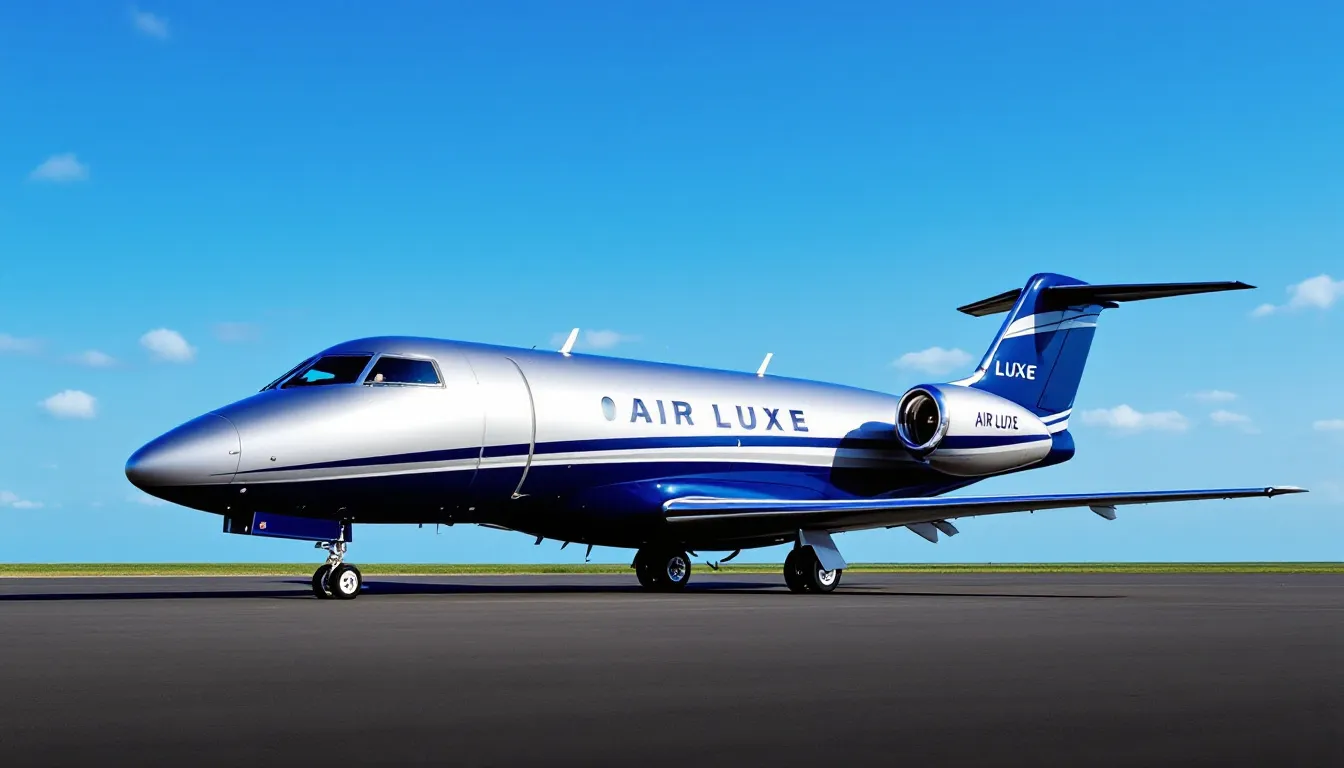
Newer, more sophisticated aircraft cost more to rent, and the rental rate is typically higher for these models compared to older or less advanced aircraft. Rental prices vary significantly by aircraft size, with light single-engine planes being less expensive than multiengine or jet aircraft. Single-engine piston aircraft are generally the most affordable, while jets demand premium rates.
Aircraft are typically rented based on flight time as measured by the Hobbs meter or tach time. Your rental price increases with every hour the engine is running.
Rentals from major cities or busy airports may be more expensive due to higher demand. Additionally, renting experiences can vary significantly based on location due to regulatory factors, which can influence both availability and pricing.
If not included, fuel costs can add hundreds of dollars to a weekend rental, especially for longer flights or higher-performance aircraft.
Some airports charge landing, parking, or facility fees. These vary by location and are usually not included in your hourly rate. Additional charges like airport fees and taxes can further increase rental expenses, so it's important to account for these when budgeting for your trip.
Rental companies may require you to have renter’s insurance. Some provide it for an added fee, while others expect you to source it yourself.
To ensure you meet all requirements, contact your insurance provider or the rental company directly to confirm the necessary insurance coverage.
Here’s a general breakdown of what you might expect to pay for a weekend plane rental. Renters should be aware of the expected rental fees, which may include hourly rates, fuel, and other charges.
Here’s a general breakdown of typical weekend plane rental costs based on aircraft type and usage:
Cessna 172 (wet rental): Approximately $150 per hour, with an average of 5 to 10 flight hours over the weekend, resulting in an estimated total cost between $750 and $1,500. These expected rental fees usually cover both the aircraft and fuel.
Piper Arrow (dry rental): Around $130 per hour plus fuel costs, usually flown for 6 to 8 hours during the weekend, leading to an estimated total cost of $1,000 to $1,300. Rental fees here do not include fuel, so plan for that additional expense.
Light Jet (chartered): Costs about $4,000 per hour, typically rented for 2 to 3 hours over the weekend, with an estimated total cost ranging from $8,000 to $12,000.
When comparing these total weekend rental costs to the annual costs of aircraft ownership, which include ongoing expenses like hangar fees, insurance, fuel, and maintenance, renting is often more cost-effective for those who only fly occasionally.
Flying is safe, but safety starts with preparation. Here’s what to consider:
Most renters need a non-owned aircraft insurance policy. Costs can range from $100 to $500/year, depending on coverage.
Always rent from companies that maintain clear logs and FAA-compliant maintenance schedules.
Rental providers often require a checkout flight or proof of recent flying experience.
You must hold a valid and current pilot's license (certificate) to rent and fly an aircraft. Private pilots may need additional endorsements for complex or high-performance aircraft.
Want to make the most of your weekend rental? Add a training component. Weekend rentals are a great opportunity to train and improve your piloting skills. Many renters use weekends to build hours or advance their certifications.
Dual instruction with a Certified Flight Instructor (CFI)
Night flying or cross-country training
Instrument or commercial pilot preparation
Simulator or ground school sessions
This is a smart way to combine leisure and skill-building, especially for aspiring commercial or airline pilots.
Joining a flying club can significantly reduce the cost and hassle of aircraft rental. Flying clubs often provide access to shared aircraft and reduced rental costs, making them an attractive option for frequent flyers or those looking to save on rental expenses. Many aviation companies offer loyalty programs that provide rewards for frequent flyers, such as reduced rates.
Membership programs can also give access to exclusive offers and early promotions, further enhancing the value for members. Membership programs can include benefits like free simulator use and credit toward flight reviews. Frequent flyers can also join the Sweet Flyers membership to receive discounts on hourly rental rates, further enhancing the cost-effectiveness of their flying experience.
Lower hourly rental rates
Access to multiple aircraft types
Community of pilots and enthusiasts, fostering shared experiences among members
Exclusive perks and cost savings available to members
Organized trips and group events
Optional training sessions and workshops
Points for each rental that can be redeemed for discounts on future rentals
Equity Clubs: You buy a share of the aircraft. Lower hourly rates, but more upfront cost.
Non-Equity Clubs: Pay a monthly fee for access without ownership. More flexible and affordable for casual flyers.
If comfort, speed, and privacy are top priorities, chartering a jet is another option. Though expensive, platforms like Jettly make it seamless and flexible. Online marketplaces like FlyUSA and Jettly provide access to a variety of aircraft for rent.
No need to be a licensed pilot
Ideal for business or luxury travel
Access to thousands of airports
Concierge-level service
Flight distance and duration
Onboard amenities
Departure flexibility
Jettly provides access to a global fleet of aircraft with transparent pricing and concierge support, making it one of the top choices for private weekend getaways.
When you’re ready to embark on a weekend trip with an aircraft rental, understanding the rental process and requirements is crucial for a smooth experience. Most rental companies will ask for a valid pilot’s license, a current medical certificate, and proof of insurance before you can take to the skies. In many cases, you’ll also need to complete a checkout flight or orientation to get familiar with the specific aircraft you’ll be flying. To rent an aircraft, you must supply a valid pilot certificate, a current medical certificate, a current flight review, and renters' insurance coverage.
Rental costs and fees can vary widely depending on the aircraft type, the age of the aircraft, and the duration of your rental. Be sure to review the rental agreement thoroughly, this document outlines important details such as insurance costs, landing fees, and any additional fees that may apply, like fuel surcharges or cleaning charges. Factors like the aircraft’s maintenance history and safety features can also influence rental rates, so it’s wise to ask about these before making your reservation.
By taking the time to understand the requirements and reading the fine print, pilots can avoid surprises and focus on enjoying their flying adventure. Whether you’re renting for advanced training, a cross-country flight, or a fun weekend getaway, being prepared ensures a safe and enjoyable trip.
A successful weekend flight starts with careful planning and preparation. Begin by checking the weather forecast for your route and destination, and make sure to file a flight plan if required. Gather all necessary documents and equipment, including your pilot’s license, logbook, and any navigation tools or charts you’ll need.
Consider all the costs associated with your flight, such as fuel costs, airport fees, and any additional fees for services like flight training or advanced training sessions. If you’re looking for a cost-effective way to fly, joining a flying club or seeking out discounted rates can help reduce expenses. Renting a smaller aircraft is often more affordable for cross-country flights or short weekend trips, making it a great option for pilots on a budget. Package deals that bundle multiple rental services into a single rate can also simplify budgeting and reduce overall costs.
Don’t forget to double-check your equipment and ensure the aircraft is ready for your journey. By planning ahead and considering all aspects of your trip, you’ll set yourself up for a safe, enjoyable, and affordable flying experience.
Whether you're a new pilot or a seasoned traveler, here's how to get started with weekend plane rentals:
Obtain a Valid Pilot’s License (if not chartering)
For small plane rentals, at a minimum, a private pilot license is required.
Choose a Rental Platform or Flying Club
Start with Jettly for vetted operators and a wide range of aircraft.
Get Renter’s Insurance
Protect yourself and the aircraft in case of damage.
Schedule a Checkout Flight
Required by most rental companies for new customers.
Understand the Rental Agreement
Read the fine print: hourly minimums, cancellation policies, and refueling requirements.
Plan Your Route and Weekend Itinerary
Consider weather, fuel stops, and alternative airports.
Eligible renters need to complete the required paperwork and arrange payment before confirming a rental.
Prominent aviation rental companies provide customer service support to assist with questions during the booking process, ensuring a smooth and informed rental experience. Cancellations might incur fees, or some companies may offer full refunds if cancelled within a specified period.
To get the most out of your aircraft rental, keep these additional tips in mind. Always choose a reputable rental company known for well-maintained aircraft and transparent rental rates. Opting for an aircraft equipped with modern avionics, such as a glass cockpit, can enhance both safety and efficiency during your flight.
Before you fly, make sure you fully understand the rental agreement, including how rental rates are calculated, whether by hobbs time or per hour, and any additional fees that may apply. This will help you avoid unexpected costs and budget more accurately for your trip. Some rental companies offer block rates or membership programs, which can be a cost-effective way to enjoy more flying time at a lower hourly rate.
By staying informed and taking advantage of these options, pilots can enjoy a fun, safe, and efficient flying experience every time they rent.
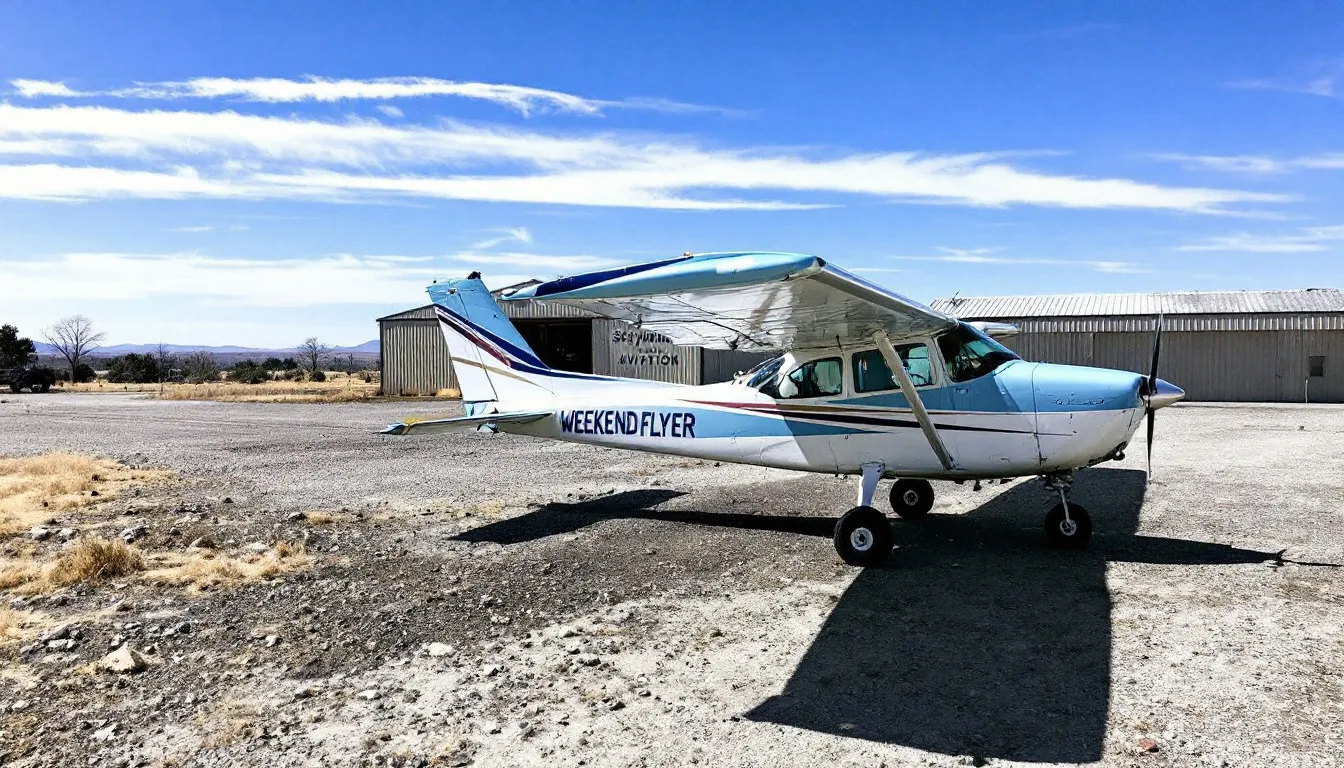
When it comes to airplane rentals, pilots often have a few common questions. For example, what are the typical rental costs for a private jet versus a smaller aircraft? Rental rates can vary significantly based on aircraft type, location, and even the age and safety features of the plane. Smaller aircraft generally offer more affordable rental costs, while private jets command premium rates. Security deposits are typically required when renting an aircraft and are usually refundable upon returning the plane in good condition.
Another frequent question is about requirements; most rental companies require a valid pilot’s license, appropriate insurance coverage, and sometimes a checkout flight. Joining a flying club can be a great way to access discounted rates and a variety of aircraft, making flying more accessible and affordable.
It’s also important to consider factors like aircraft maintenance, safety features, and the reputation of the rental company. By understanding these elements and asking the right questions, pilots can make informed decisions and enjoy a safe, cost-effective, and enjoyable flying experience.
Before you head out for your weekend flight, take a moment to run through a few last-minute checks. Make sure you have all your essential documents, pilot’s license, medical certificate, and proof of insurance on hand. Review the weather forecast and file a flight plan if needed. Confirm that you have enough fuel for your journey and that the aircraft is in top condition.
Don’t overlook any additional fees, such as landing fees or fuel costs, which can add up quickly. Renting from a reputable rental company ensures you’re flying a well-maintained aircraft and helps avoid unexpected issues. With careful planning and attention to detail, renting an aircraft can be a cost-effective and fun way to explore the world of flying, without the long-term commitment of ownership.
By following these reminders, you’ll be ready to fly safely and confidently, making the most of your weekend adventure in the skies.
Renting an aircraft for the weekend isn’t just a luxury; it’s a practical and exhilarating way to explore new places, advance your flying skills, or enjoy a well-deserved getaway. Whether you're a licensed pilot looking to log hours or a traveler seeking a private jet experience, there's an option that fits your needs. FlyUSA prioritizes safety and convenience for all rental experiences.
Ready to take off? Visit Jettly to explore available aircraft, compare rates, and start planning your perfect weekend in the skies.
Share this post:
Jay Franco Serevilla
Sep 19, 2025
|
5
min read
Discover tips and trends in the industry.

5
min read
Private Jet Charter Colorado Springs: Fly Smarter with Jettly
Private jet charter in Colorado Springs offers a convenient and flexible travel solution for business and leisure travelers. With access to over 20,000 aircraft through Jettly, booking a flight is quick and hassle-free, allowing you to bypass commercial airline delays and enjoy tailored services. Experience the benefits of private aviation, including direct airport access and personalized itineraries.
Read More
5
min read
Boise Charter Flights with Jettly: Private Jets, Pricing & Top Routes
Boise charter flights with Jettly offer travelers a flexible and efficient way to fly in and out of Idaho's capital. With access to over 20,000 aircraft, Jettly provides personalized scheduling, enhanced privacy, and direct routing to numerous destinations, making it ideal for both business and leisure travel.
Read MoreStay updated with our latest insights and tips to elevate your journey with us.
MEMBERSHIPS AND ASSOCIATIONS



Disclaimer: Jettly operates as a charter broker, offering access to a global digital jet charter marketplace. Jettly is not a direct air carrier and does not own or operate aircraft. All advertised flights are conducted by third-party air carriers that are fully licensed and hold the appropriate Part 135 or Part 121 certifications issued by the Federal Aviation Administration (FAA) or equivalent regulatory authorities under U.S. or foreign law. Jettly complies fully with the U.S. Department of Transportation's Part 295 and Part 298 Charter Broker regulations. Jettly does not carry additional liability insurance. Passengers are covered by aircraft operator insurance. TICO: 50023770


