


Login
Get Instant Pricing On 23,000+ Aircraft

>
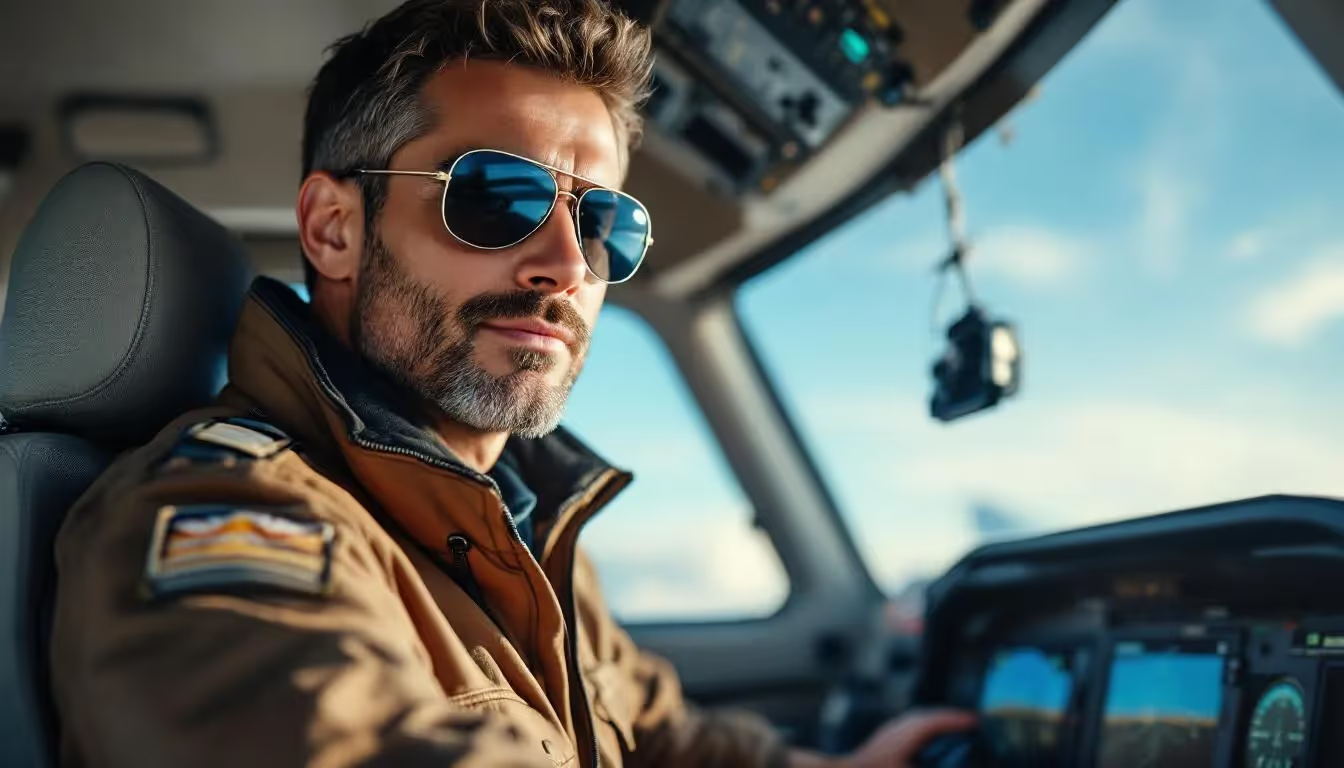
Whether you’re dreaming of flying for fun or exploring a career in the aviation industry, obtaining a private pilot license (PPL) is a foundational step. While it’s not cheap, understanding the breakdown of a private plane license cost can help you plan better and avoid unexpected expenses. With a private pilot license, you can fly virtually anywhere, day or night, giving you unparalleled freedom and flexibility.
At its core, a private pilot license lets you fly noncommercial aircraft. It’s not the same as a commercial or airline pilot license, but it’s often a stepping stone to those advanced certifications. There are different pilot licenses available, such as private, commercial, and airline transport pilot licenses, each serving a unique purpose and offering specific flying privileges and career milestones. If you’re serious about taking flight, you need to be just as serious about budgeting for it.
This guide offers a comprehensive overview of what influences the cost of a private pilot license, as well as how it compares to other pilot licenses. Obtaining a pilot's license involves meeting specific training, regulatory, and flight hour requirements. Ground school training is essential for passing written tests as part of private pilot training. Before the final FAA practical exam, you need to polish the skills learned during your private pilot training course. Understanding your career path in the aviation industry can help you plan your training and expenses more effectively. For those who pursue advanced licenses, there is significant potential for a lucrative career in aviation. You’ll also find insights on how to afford training and where platforms like Jettly fit into your aviation goals.
Obtaining a pilot’s license is a major achievement for aspiring pilots and marks the beginning of a truly rewarding career in aviation. The private pilot license (PPL) is the most widely pursued pilot license around the world, granting individuals the ability to fly aircraft privately for personal enjoyment, travel, or as a stepping stone toward more advanced certifications. To earn a private pilot license, you’ll need to enroll in a reputable flight school, where your journey will include both classroom-based ground school and hands-on flight training with a certified flight instructor. Every professional pilot starts their career at some point with a student pilot certificate before advancing to higher levels of licensure.
To start your training, you need a student pilot certificate and a medical certificate. The Federal Aviation Administration (FAA) sets the standards for private pilot training in the United States, requiring a minimum of 40 hours of total flight time. However, many flight schools may require closer to 60 to 75 flight hours to obtain a PPL. This includes at least 20 hours of dual instruction with a flight instructor and 10 hours of solo flight, where you’ll have the chance to fly on your own. For many, the process of becoming a private pilot is not just about learning to fly—it’s about opening doors to new adventures, personal growth, and the possibility of a lifelong aviation career.
There are several types of pilot licenses, such as the private pilot certificate, commercial pilot certificate, and sport pilot's license, and each comes with different training requirements and costs:
Private Pilot License (PPL): Also known as a private pilot certificate or private license, this is the most common starting point for aspiring pilots. The cost typically includes ground training, written exams, and aircraft rental. Students pay aircraft rental fees for the time they spend practicing flying. Private Pilot Training includes dual flights with an instructor for hands-on practice and preparation for the FAA practical test.
Commercial Pilot License (CPL): This license allows you to be compensated for flying. Obtaining a commercial pilot certificate involves additional training components and testing expenses beyond the private pilot level.
Airline Transport Pilot License (ATPL): This is the highest level of pilot certification and is required for those who wish to become airline pilots. Regional airlines often serve as a stepping stone for pilots on their way to major airline careers.
Sport Pilot's License: This license is designed for those who want to fly light-sport aircraft and has fewer requirements compared to the private or commercial pilot certificates.
Many professional pilots begin with a private pilot certificate and then progress to a commercial pilot certificate and obtain an instrument rating, which is essential for flying in instrument meteorological conditions and further enhances pilot credentials.
Purpose: Fly for personal or recreational reasons
Flight Hours Required: Minimum 40 hours (most people average 60–70, and many flight schools may require closer to 60 to 75 hours). Additionally, a minimum of 5 hours of cross-country flight time is required by the FAA for private pilot candidates.
Cost Estimate: $15,000–$20,000
Purpose: Allows you to fly for hire (e.g., charters, tours)
Flight Hours Required: Minimum 190–250 hours
Cost Estimate: $55,000–$100,000
Purpose: Required for airline captains
Flight Hours Required: 1,500+ hours
Cost Estimate: Often $100,000+
Purpose: Lightweight aircraft, fewer restrictions
Flight Hours Required: 20–30 hours
Cost Estimate: $4,000–$8,000
Understanding which license matches your goals helps you avoid over- or under-spending on training. For most private pilots, the PPL is a natural starting point.

On average, earning a private pilot license costs between $15,000 and $20,000 in the United States. The total depends on your location, flight school, and how quickly you learn.
Here’s a breakdown of typical expenses:
Ground School Training (Online or In-Person): $200–$1,000
Ground school training provides the foundational knowledge needed to pass the written exam and is an essential classroom component of pilot education.
Flight Instructor Fees: $40–$80 per hour
Aircraft Rental (Dual/Solo Flights): $100–$200 per hour
Medical Certificate (FAA Class 3): $75–$200
Obtaining a medical certificate is a requirement before you can start flight training.
Written Knowledge Test: $150
Practical Test (Checkride): $500–$700
Practical tests are required for certification and assess your flying skills in real-flight scenarios. Before the final FAA practical exam, you need to polish the skills learned during your private pilot training course.
Study Materials: $100–$300
Study materials, such as textbooks and review guides, are important for exam preparation.
Flight Planning Tools: $50–$200
Flight planning is a key skill learned during training and these tools help you prepare for navigation and cross-country flights.
Books and Supplies: $200–$300
Headset & Equipment: $300–$1,000
Tip: Budget for more than the FAA’s 40-hour minimum. Most students take closer to 60–70 hours to feel confident and pass the checkride. Solo flying is a required milestone during training, and you’ll need a student pilot certificate before you can fly solo. Accurate completion time for earning a private pilot license can vary, taking as little as 2 months for part-time students to 6-9 months for others.
The private pilot license cost can vary widely, but most aspiring pilots in the United States should expect to invest between $15,000 and $20,000 to complete their training. The largest portion of this expense comes from flight training, which includes both ground training and actual flight hours with an instructor. Students often pay for findings, which can include aircraft usage and fuel costs.
Additional costs cover essentials like the written exam, aircraft rental for your check ride, and other training materials. Key factors that influence the total cost include the type of flight school you choose, your geographic location, and how quickly you progress through the training program. It’s a smart move to compare prices and offerings at different flight schools to find the best fit for your budget and goals. Many flight schools also offer financing options or flight training loans, making it easier for student pilots to manage the investment required to become a private pilot.
Several variables can influence your final private pilot license cost. To save money, students should consider efficient training paths and make use of available resources to minimize expenses.
Type of Flight School: Whether you choose a Part 61 or Part 141 school can impact your costs. Both types of schools must comply with federal aviation regulations, which set the standards for pilot training and certification. Prestigious flight schools may come with higher fees compared to less popular institutions.
Aircraft Rental Rates: The hourly rate for renting an aircraft varies by location and aircraft type.
Instructor Fees: Flight instructor rates can differ based on experience and region.
Ground School: Some students opt for online ground school, while others prefer in-person classes. Flight school tuition can differ if attending in-person courses versus online courses, influencing the overall expense.
Study Materials and Exams: Books, online courses, and exam fees add to the total cost.
Medical Exam: A third-class medical certificate is required and comes with its own fee.
Checkride Fees: The final practical test, or checkride, has an associated cost.
After considering these factors, students can also fly virtually using flight simulators to practice navigation and flight skills. This approach can help reduce overall training costs and supplement real-world experience.
Part 61 schools are more flexible but may lead to longer training times.
Part 141 schools follow a strict FAA-approved syllabus, often leading to faster completion. ATP Flight School provides a fixed-cost pricing model that allows for predictable financial planning.
Urban areas tend to have higher hourly rates for aircraft and instructors compared to smaller towns or rural areas.
Training in newer, glass-cockpit aircraft costs more than older models. But newer planes may save time and enhance safety.
The more consistently you train, the fewer hours you’ll need overall. Gaps between lessons mean relearning, which can drive up costs.
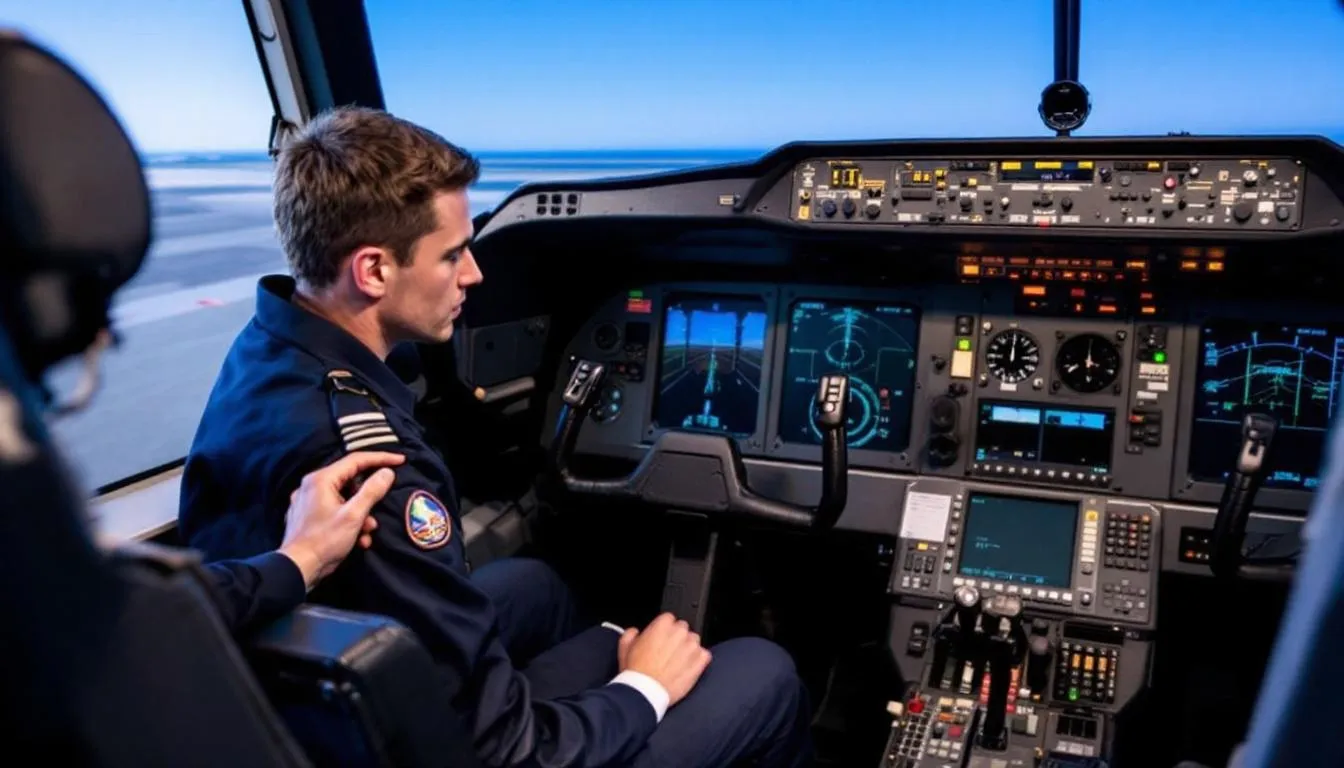
Once you’ve earned your PPL, you may choose to pursue a Commercial Pilot License (CPL). This allows you to earn income as a pilot, such as working for charter services or agricultural aviation. The progression from a Private Pilot License to a Commercial Pilot License usually requires additional flight time and training.
Flight Hour Requirements: 190 hours (Part 141) to 250 hours (Part 61)
Cost Estimate: $55,000–$100,000+
Pilots require a minimum of 1,500 flight hours to obtain an Airline Transport Pilot License (ATPL).
Keep in mind, this doesn’t include college degrees or advanced training often required by airlines. Many pilots fund their hours by working as flight instructors (CFI) after earning a CPL. Flight training can vary in duration depending on the individual's commitment and training frequency, but it typically takes several months to a few years to reach commercial status. Obtaining your CPL is a crucial milestone in building a pilot career, serving as the foundation for advancing toward professional pilot roles and further career progression in aviation.
A multi-engine rating certifies you to fly aircraft with more than one engine, opening up more advanced roles.
Cost Estimate: $2,000–$5,000
Flight Time Required: ~10–20 hours
This rating builds your skills in managing emergency situations and complex systems—skills essential for commercial aviation careers.
The FAA written knowledge test is a requirement for any pilot license. It covers subjects like:
Aerodynamics
FAA regulations
Airspace classification
Weather systems
Navigation and charts
Prep materials can cost between $150 and $500, depending on whether you choose self-study, an online course, or in-person instruction.
Passing this exam is mandatory before scheduling your checkride.
One of the largest costs in your PPL journey is aircraft rental:
Dual Flights (with Instructor): $150–$250/hour
Solo Flights: $100–$200/hour
The costs at flight schools may include aircraft rental fees, which can vary based on the aircraft's age and condition. Some schools bundle hours into discounted packages, which can reduce per-hour rates.
Dual Flights (with Instructor): $150–$250/hour
Solo Flights: $100–$200/hour
Some schools bundle hours into discounted packages, which can reduce per-hour rates.
You’ll also need non-owner aircraft insurance, typically costing $150–$300 annually. This protects you in case of damage or liability while flying a rented aircraft.
Not all flight training programs are created equal. Here’s what to look for:
Accreditation and FAA approval
Instructor experience and student pass rates
Modern fleet and well-maintained aircraft
Structured curriculum with clear goals
Transparent pricing and financing options
Consider well-known programs like ATP Flight School, which offers fixed-cost pricing for both PPL and career-focused training.
If you’re interested in flying for fun rather than as a career, a sport pilot certificate (also known as a sport pilot's license) might be a good entry point:
Flight Hours Required: 20 minimum
Cost Estimate: $4,000–$8,000
Limitations: Daylight only, light sport aircraft, no commercial flights
You can always upgrade to a private or commercial license later. It’s a good stepping stone for budget-conscious beginners.
Flight training is expensive, but there are ways to manage costs:
Scholarships and Grants: Offered by AOPA, EAA, and other aviation organizations
Financing Options: Many flight schools partner with lenders
Accelerated Programs: Complete training in weeks instead of months
Military Service: Offers aviation training at no cost in exchange for service
Community Colleges: Some offer aviation programs at a lower cost
Consider your long-term goals. A higher upfront investment in a reputable program may pay off in the form of faster licensure and job opportunities.
If your interest in flying is more about convenience and access than passion for piloting, consider the benefits of private air travel through a platform like Jettly.
With Jettly, you get:
On-demand access to thousands of aircraft
Transparent pricing with no hidden fees
Ability to bypass the long and costly training process
Freedom to travel privately without becoming a licensed pilot
This is ideal for business executives, leisure travelers, or entrepreneurs who want the private aviation experience without the time and financial investment of flight training.
A private plane license is more than a certificate—it’s a gateway to freedom, adventure, and career possibilities. But it’s also a significant financial and time investment. By understanding the true private plane license cost, aspiring pilots can plan more effectively and make informed decisions.
Whether you're preparing for a career in aviation or simply love the idea of flying, knowing your options is key. And if you're more focused on private air travel than pilot training, Jettly offers a smart alternative for flying on your terms.
Share this post:
Jay Franco Serevilla
Aug 21, 2025
|
5
min read
Discover tips and trends in the industry.
5
min read
What Airline Has the Most Crashes 2026 (And What That Really Means for Air Travel Safety)
In 2026, no major airline has been identified as having the most crashes, with serious incidents primarily involving smaller operators. Despite 61 reported crashes resulting in 397 fatalities, commercial flying remains one of the safest modes of transportation due to stringent regulations and advanced safety technologies. Understanding aviation safety statistics is crucial for travelers to make informed decisions about their air travel options.
Read More
5
min read
Survival Rate of Plane Crashes: What the Data Really Shows
The survival rate of plane crashes is significantly higher than commonly believed, with around 90% of accidents being survivable. Factors such as seat location, crew training, and aircraft design play crucial roles in enhancing safety. By choosing regulated operators like Jettly, travelers can further ensure high safety standards in private aviation.
Read MoreStay updated with our latest insights and tips to elevate your journey with us.
MEMBERSHIPS AND ASSOCIATIONS



Disclaimer: Jettly operates as a charter broker, offering access to a global digital jet charter marketplace. Jettly is not a direct air carrier and does not own or operate aircraft. All advertised flights are conducted by third-party air carriers that are fully licensed and hold the appropriate Part 135 or Part 121 certifications issued by the Federal Aviation Administration (FAA) or equivalent regulatory authorities under U.S. or foreign law. Jettly complies fully with the U.S. Department of Transportation's Part 295 and Part 298 Charter Broker regulations. Jettly does not carry additional liability insurance. Passengers are covered by aircraft operator insurance. TICO: 50023770


