


Login
Get Instant Pricing On 23,000+ Aircraft

>

Private jet terminals, also known as Fixed Base Operators (FBOs), are specialized facilities that redefine the private aviation experience by offering privacy, efficiency, and tailored services far beyond what commercial airport terminals provide. Operated by companies such as Jet Aviation, Signature Aviation, and Atlantic Aviation, these terminals serve as exclusive gateways for private-jet travelers, allowing them to bypass long lines, crowded spaces, and rigid schedules typical of commercial airports.
With FBOs strategically located at major hubs such as Teterboro Airport near New York and Van Nuys Airport near Los Angeles, passengers can arrive as little as 15 to 30 minutes before departure, enjoying seamless transitions from vehicle to aircraft. Jettly leverages a global network of over 5,000 FBOs to streamline every aspect of the journey, including check-in, security, customs clearance, catering, and ground transportation. Choosing the right private jet terminal involves considering factors such as location, runway length, operating hours, customs availability, and ground services, to ensure a personalized and efficient travel experience.
A private jet terminal, also called a Fixed Base Operator (FBO), is a dedicated facility separate from commercial terminals, designed specifically for private aviation and operated by providers like Jet Aviation, Signature Aviation, or Atlantic Aviation.
FBOs at major international airports near New York (Teterboro Airport, Westchester County Airport) and Los Angeles (Van Nuys Airport) allow passengers to arrive as little as 15–30 minutes before departure, compared to hours at commercial terminals.
Private jet terminals offer significant time savings, allowing travelers to arrive just 15 to 20 minutes before their scheduled departure, bypassing long security lines and crowded terminals.
Jettly uses a global network of over 5,000 FBOs to streamline check-in, security, customs, catering, and car service so travelers move from aircraft to ground transport in minutes.
Key considerations for choosing a private jet terminal include location, runway length, opening hours, customs availability, and ground transportation options.
A private jet terminal is a dedicated facility for non-scheduled private jet flights, commonly operated by a Fixed Base Operator (FBO) such as Jet Aviation, Signature Aviation, or Atlantic Aviation. Private jet terminals, also known as Fixed Base Operators (FBOs), provide a dedicated facility for private aviation services, focusing on privacy, luxury, and efficiency.
These facilities are typically located away from commercial terminals, with their own access roads, parking areas, and security procedures. Unlike commercial aviation gates that handle thousands of passengers daily, FBOs focus on providing a streamlined experience for a smaller volume of private jet travelers. Private jets can fly to remote or hard-to-reach destinations, offering travelers the flexibility to access airports and locations that commercial airlines often cannot serve, making the travel experience highly customizable when you use an airport locator tool to explore available options worldwide.
Core characteristics of private jet terminals:
Separate from commercial terminals with dedicated entrance points
Operated by specialized companies that manage fueling, maintenance, and passenger services
Designed for aircraft owners, corporate executives, family groups, sports teams, and high-net-worth travelers interested in time savings and discretion
Often, multiple options at busy airports, such as Teterboro Airport serving New York, which hosts eight major FBOs, while Van Nuys Airport near Los Angeles offers six competing facilities
Business executives represent approximately 68% of users, according to a 2024 NBAA survey
At many busy airports, travelers can choose between several FBOs, each offering different amenities and service levels. This competition drives innovation and gives passengers options based on their specific business needs.

The private jet terminal experience begins the moment passengers arrive. FBOs often transform the commercial airport experience into a seamless, rapid journey, allowing travelers to move from vehicle to aircraft in minutes rather than hours. FBOs allow seamless ground transitions whereby passengers can drive directly to their aircraft at many locations.
Private jet terminals streamline the check-in and security processes, allowing travelers to enjoy a hassle-free experience with minimal waiting times. Many private jet terminals are designed to provide a seamless and luxurious experience, allowing travelers to arrive just 15 to 20 minutes before their flight, bypassing long security lines and crowded areas, including when planning private jet international travel with customs and immigration considerations.
Step-by-step process:
Arrival by car service: Passengers arrive at a secure gate, often pre-cleared via the aircraft tail number provided by Jettly or the operator 24–48 hours before departure
Check in at reception: Greeters verify IDs against manifest data, typically completing the process in under five minutes
Brief security screening: Where required, passengers undergo quick, discreet screening—far different from commercial TSA lines
Lounge access: Wait in private lounges with refreshments, Wi-Fi, and workspaces until the aircraft is ready
Ramp transfer: Staff escort passengers directly to the aircraft via golf cart or short walk
Boarding: Step onto the aircraft, often within two minutes of leaving the lounge
Realistic timing expectations:
|
Flight Type |
Recommended Arrival |
Typical Total Ground Time |
|---|---|---|
|
Domestic |
15–20 minutes |
Under 10 minutes (curb to cabin) |
|
International |
30–45 minutes |
15–20 minutes with CBP processing |
|
Commercial (comparison) |
90–120 minutes |
60+ minutes in queues |
This contrasts sharply with commercial terminals, where commercial travelers may spend 60–120 minutes in queues, security, and boarding at busy airports like JFK or Los Angeles International Airport during peak hours.
Most FBOs offer business amenities such as conference rooms, private workspaces, and internet access, making these features common across the majority of FBOs. These bespoke services allow guests to remain productive before departure. Many also coordinate in-flight catering for private jets, ensuring meals and refreshments match passenger preferences. FBOs provide a quiet, exclusive environment suitable for high-profile individuals or business teams to hold confidential meetings.

The primary differences between private and commercial terminals include the level of service, speed, and privacy offered, with private terminals catering to high-net-worth individuals and providing personalized service.
Time savings:
Private jet terminals, also known as Fixed Base Operators (FBOs), focus on privacy, luxury, and efficiency, providing a stark contrast to commercial airport terminals that handle large volumes of passengers.
Departing from Van Nuys Airport in Los Angeles enables 20-minute arrivals with a 15-minute drive to Beverly Hills. Compare this to Los Angeles International Airport, where passengers face 120-minute security lines and 60–90 minute traffic delays during rush hour. Similarly, Teterboro Airport offers 23-minute drives to Manhattan, while JFK commercial flights require 2+ hours of total ground time.
Privacy advantages:
The level of privacy and exclusivity at private jet terminals ensures that travelers can enjoy their journey without the interruptions common in commercial airport terminals. At private jet terminals, customs and immigration procedures are often handled in a more discreet and private environment, catering to high-profile individuals who value confidentiality during their travels.
Exclusive terminals feature:
Discrete entrances and fenced ramps
Low foot traffic (under 20 passengers at peak times vs. thousands at commercial terminals)
Additional privacy through private suite options and separate screening areas
Flexibility:
Unlike commercial airlines operating on fixed schedules, private jet flights can accommodate:
Last-minute schedule changes (90% same-day modifications per ARGUS data)
Custom departure times
Reduced risk of missed connections
Direct routing to your final destination
Comfort and productivity:
FBOs provide quiet space to work, take calls, or hold pre-flight meetings. Reliable Wi-Fi, conference rooms, and catering options suited to passenger preferences make travel time productive rather than wasted, and platforms that crowdsource private jet flights and share empty seats can further improve cost efficiency for frequent travelers.
FBOs provide access to over 5,000 U.S. airports, compared to roughly 500 served by commercial airlines. This expanded access opens routing options that commercial travelers simply cannot match when paired with a broad portfolio of private charter aircraft available across multiple categories and ranges.
Major international airports:
Most major airports in North America and Europe host at least one FBO:
Los Angeles International Airport (5 FBOs)
JFK International (Signature Flight Support and others)
Toronto Pearson International
London Heathrow (Harrods Aviation)
New York metro area options:
|
Airport |
FBOs |
Drive to Manhattan |
Notes |
|---|---|---|---|
|
Teterboro Airport |
8 |
23 minutes |
180,000+ annual operations |
|
White Plains (HPN) |
4 |
52 minutes |
Quieter alternative |
|
Republic (FRG) |
Multiple |
Varies |
Long Island access |
|
Westchester County Airport |
4 |
45 minutes |
Northern suburbs access |
Los Angeles basin:
Van Nuys Airport: 6 FBOs, 10 minutes to Hollywood
Burbank Bob Hope: Media industry hub
Long Beach: Cruise ship proximity
Regional and smaller airports:
Many travelers interested in avoiding congestion prefer secondary airports. Regional gems like Palm Beach cut Miami traffic by 60 minutes, while North Las Vegas shaves 45 minutes off McCarran International during peak times. These smaller airports often offer lower handling fees (20–40% less than major hubs) and faster ground access to popular destinations.
Some airport facilities cater specifically to business aviation, offering valet parking, duty-free shopping at select locations, and extended operating hours for late-night arrivals, particularly at major business hubs such as private jet charter in Atlanta, Georgia.
Selecting the right FBO involves several key considerations that can affect timing, cost, and overall experience.
Operational factors:
Understanding the broader ecosystem of operators and service models can also help, and resources like a comprehensive list of charter airlines provide context on how different providers use FBOs worldwide.
Runway length: Teterboro’s 6,000–7,000 ft runways limit super-heavy jets, while Van Nuys Airport’s 8,400 ft runways accommodate larger aircraft
Aircraft size limits: Check wingspan and weight restrictions via airport authority guidelines
Operating hours: Some FBOs operate 24/7 (like Flexjet Dallas), while others have curfews (Teterboro observes 11 PM–7 AM noise abatement)
Night operations: Confirm ATC availability for late-night arrivals
Customs and immigration:
Private jet terminals often provide dedicated customs and immigration services, allowing for expedited processing that significantly reduces wait times for international travelers. On-site U.S. Customs is available at 35+ FBOs, including locations in New York, Florida, and major ports of entry. Where dedicated customs facilities aren’t available, passengers are escorted to nearby clearance areas with minimal wait times, though overall budgets still depend on understanding how much a private jet costs across different usage models.
Ground access:
For example, when planning trips such as a private jet charter in New Delhi, Delhi, factors like transfer time from regional FBOs to key business districts are often just as important as in-flight comfort.
Driving time to downtown areas
Traffic patterns in cities like New York and Los Angeles
Ability to arrange transportation or car service
Cost variables:
Travelers comparing airports and aircraft types can benefit from tools like a private jet charter cost estimator, which breaks down how distance, aircraft size, and operational fees influence overall pricing.
Landing fees vary by airport size
Handling fees: $300–$500 for light jets, $800–$1,500 for heavy aircraft
Ramp or hangar charges may be offset through fuel purchases
Jettly operates as a digital private aviation marketplace that coordinates private jet charter flights through a vetted global network of operators and FBOs worldwide. The platform factors FBO options into every trip, balancing convenience, cost, and services while also focusing on affordable private jet charter strategies for cost-conscious travelers.
Platform capabilities:
In addition to on-demand bookings, Jettly offers a range of private jet memberships that provide wholesale rates and predictable pricing for frequent flyers who regularly use FBOs.
Access to 5,000+ FBOs across 1,800+ airports globally
AI-driven routing that evaluates 20+ variables, including handling fees, and can be complemented by a jet card flight cost estimator for members comparing fixed-rate options
Real-time API integration for instant quotes
Route optimization on popular corridors like New York–Miami (TEB to PBI) or Los Angeles–Las Vegas (VNY to LAS)
Service coordination:
For travelers who prefer predictable hourly rates and bundled services, Jettly’s jet card programs integrate closely with FBO operations to streamline recurring itineraries.
Jettly can arrange transportation to and from exclusive terminals, including car service, chauffeured sedans, or onward helicopter transfers where available. The platform bundles ground logistics through partnerships with providers like Blacklane.
Transparency:
Jettly integrates expected FBO fees and facility fees into charter quotes, displaying itemized costs (typically 10–15% of total price) so customers understand complete trip expenses before booking, positioning the platform as a flexible NetJets alternative for travelers who prefer on-demand or membership-based access over fractional ownership.
Learn more about Jettly’s charter options at https://www.jettly.com, or explore partnering with the company through its ULTRA High Ticket Affiliate Program to earn commissions on referred private aviation clients.
Although private jet terminals offer a more relaxed atmosphere than commercial terminals, passengers still follow regulatory requirements. Security at FBOs is personalized and discreet, often involving quick ID checks rather than invasive public screenings.
Regulatory framework:
In the United States, Part 135 charter operations are overseen by the FAA
Airport security standards are influenced by TSA and local airport authority guidelines
Manifests are filed via the FAA’s EIS system 60 minutes prior to Part 135 operations
Secure Flight data vetting achieves 99.9% match rates
Security procedures:
ID verification against passenger manifests
Some FBOs use private security firms or optional screening equipment
40% of U.S. FBOs deployed millimeter-wave scanners following 2021 TSA directives
Government officials and other high-profile travelers may request enhanced protocols
International FBOs often use dedicated security lanes and house customs officers inside the private terminal rather than the main commercial building. Jettly works only with certified air carriers meeting ARGUS, IS-BAO, or equivalent safety standards, including on routes highlighted in its regional guides, such as private jet charter in Kolkata, West Bengal.
While passengers rarely pay FBOs directly, various fees are built into the overall charter price. Understanding these costs helps travelers make informed decisions when comparing routes and airports and complements broader guidance on how to buy a seat on a private jet using different booking models.
Typical fee structure:
|
Fee Type |
Light Jet |
Heavy Jet |
|---|---|---|
|
Handling |
$300–$500 |
$800–$1,500 |
|
Ramp usage |
$50–$200/hour |
$100–$300/hour |
|
Overnight hangar |
$500–$1,500 |
$2,000–$5,000 |
Costs vary by airport size, geographic region, and aircraft category. Very busy airports and central hubs often charge 30% more than nearby regional alternatives, which can influence route and airport selection and may encourage some travelers to look at easy ways to get a seat on a private jet through shared flights or memberships.
Jettly’s instant pricing tools include these operational costs, allowing customers to compare different airport and aircraft combinations transparently. For precise figures on your specific route, request a quote through the platform or review destination-specific guides, such as private jet charter in Chennai, Tamil Nadu, for localized pricing and airport details.
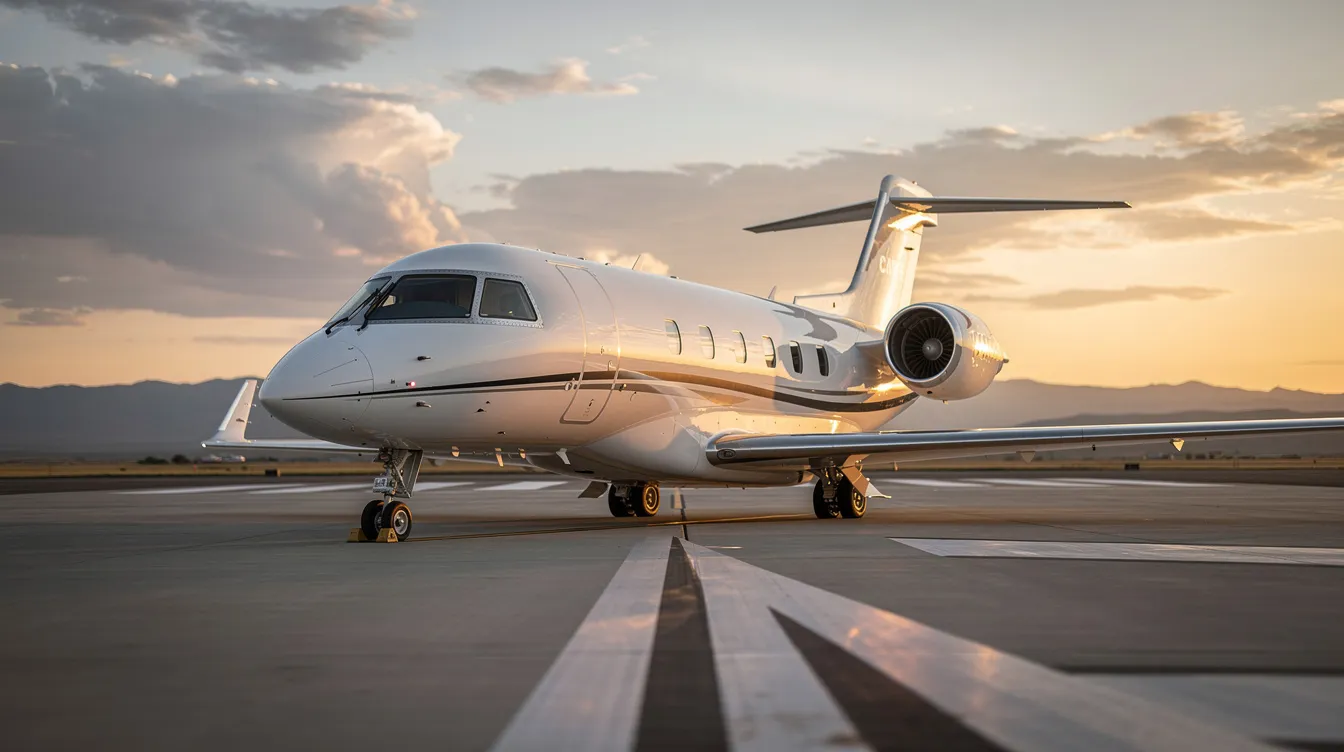
For most domestic charters, arriving 20–30 minutes before departure is sufficient. International flights may require 30–45 minutes to accommodate customs formalities and immigration services. Exact timing varies by airport, security rules, and operator. Jettly or the charter provider will confirm recommended arrival times in advance.
Planeside drop-off or pick-up is allowed at some airports but restricted at others due to security regulations, especially at large commercial hubs. Where ramp access isn’t possible, the walk from the lounge to the aircraft is typically very short—often under 100 meters. Ask Jettly or the operator ahead of time to confirm exclusive access options.
Many, but not all, FBOs at major airports have on-site customs officers or dedicated clearance rooms for private aviation. In locations without on-site facilities, passengers may be escorted to a nearby customs area within the airport, with far less queuing than commercial terminals experience.
The operating carrier typically selects the FBO based on fuel contracts and availability, but passengers can often request a preferred terminal when booking. Switching FBOs at the same airport may slightly adjust costs. Jettly can explain available options and any price differences during trip planning.
Ground transportation is usually a separate service. However, many charters—including trips arranged through Jettly—can bundle car service or arrange transportation on request. Specify your needs (number of passengers, luggage requirements, child seats, specific routes in cities like New York or Los Angeles) when requesting a quote to ensure seamless coordination for your next journey.
Ready to experience private travel on your terms? Explore flight options or request a quote at https://www.jettly.com.
Private jet terminals, or Fixed Base Operators (FBOs), dramatically enhance the private aviation experience by offering unmatched privacy, efficiency, and personalized services. They allow travelers to bypass the hassles of commercial airports, save valuable time, and enjoy tailored amenities such as concierge services, VIP lounges, and streamlined customs and immigration assistance. Whether flying from major hubs or regional airports, selecting the right private jet terminal is key to a smooth and comfortable journey.
Jettly’s extensive global network of over 5,000 FBOs ensures travelers have access to the best facilities and support services worldwide. By integrating instant booking, transparent pricing, and comprehensive ground transportation options, Jettly simplifies private jet travel from start to finish.
Ready to experience private travel on your terms? Explore flight options or request a quote at https://www.jettly.com.
Share this post:
Jay Franco Serevilla
May 15, 2026
|
5
min read
Discover tips and trends in the industry.
5
min read
Lease a Cessna: How to Access Cessna Aircraft Without Buying
Leasing a Cessna aircraft provides an affordable alternative to ownership, allowing pilots, flight schools, and businesses to access various models without significant upfront costs. With options like dry and wet leases, operators can tailor agreements to their specific needs while enjoying predictable budgeting. For those seeking flexibility, platforms like Jettly offer on-demand charter services as a viable alternative.
Read More
5
min read
Flights to Zapopan: How to Get There, Save Time, and Upgrade with Private Charter
Traveling to Zapopan requires flying into Guadalajara Miguel Hidalgo y Costilla International Airport (GDL), located about 25-30 km away. This guide outlines both commercial and private flight options, helping travelers save time and choose the best fit for their needs. With competitive pricing and flexible scheduling, private jet charters through Jettly offer a convenient alternative for those seeking comfort and efficiency.
Read MoreStay updated with our latest insights and tips to elevate your journey with us.
MEMBERSHIPS AND ASSOCIATIONS



Disclaimer: Jettly operates as a charter broker, offering access to a global digital jet charter marketplace. Jettly is not a direct air carrier and does not own or operate aircraft. All advertised flights are conducted by third-party air carriers that are fully licensed and hold the appropriate Part 135 or Part 121 certifications issued by the Federal Aviation Administration (FAA) or equivalent regulatory authorities under U.S. or foreign law. Jettly complies fully with the U.S. Department of Transportation's Part 295 and Part 298 Charter Broker regulations. Jettly does not carry additional liability insurance. Passengers are covered by aircraft operator insurance. TICO: 50023770


