



Login
Get Instant Pricing On 23,000+ Aircraft

>
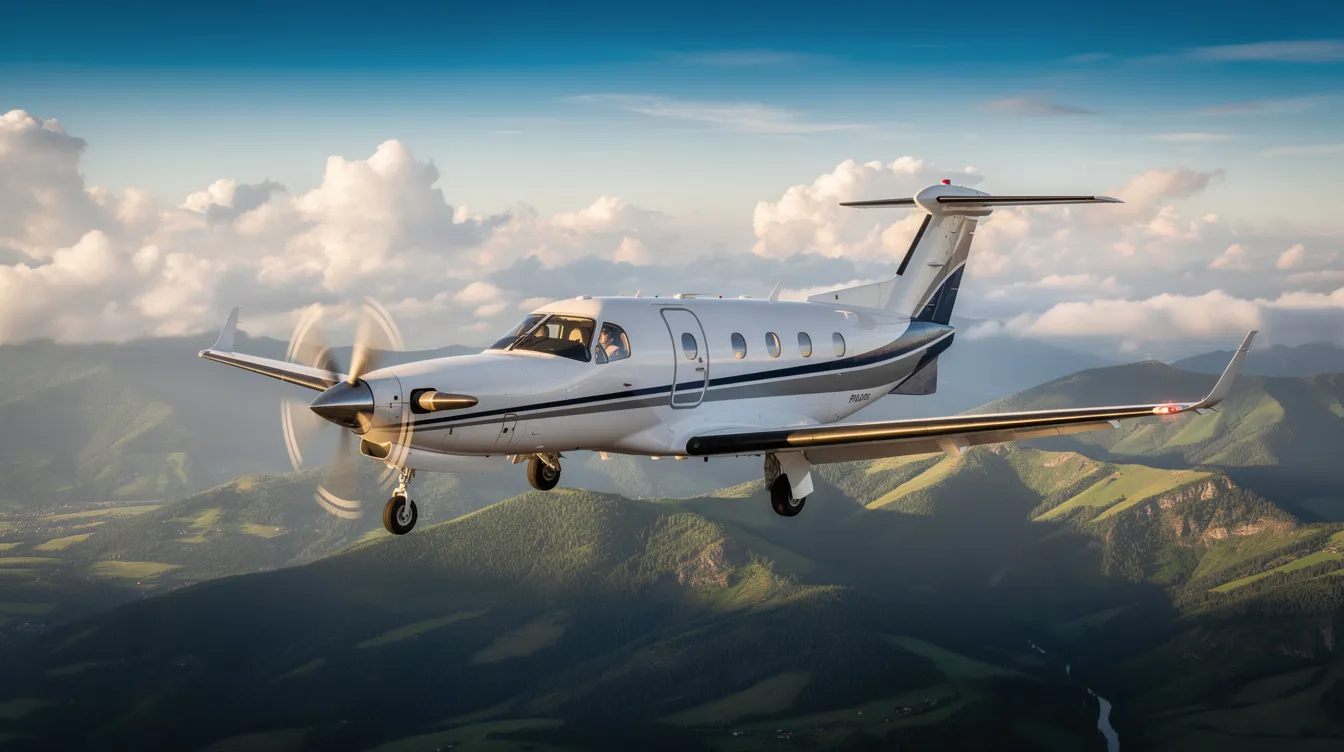
Pilatus fractional ownership gives travelers a way to share the cost of one of private aviation's most versatile turboprops without shouldering the full price tag of an aircraft. The Pilatus PC-12, a single-engine turboprop built in Switzerland, has become a go-to choice for fractional programs thanks to its reliability, short-field ability, and relatively low operating costs. But is locking into a multi-year share the smartest move, or does on-demand charter through a platform like Jettly offer a better fit? This post breaks down costs, flexibility, and responsibility so you can decide. This guide is for business travelers, executives, and private flyers considering Pilatus fractional ownership or on-demand charter. Understanding the differences can help you make a cost-effective and flexible private aviation decision.
Pilatus fractional aircraft ownership involves purchasing an equity share in a PC-12, paying a fixed monthly management fee, and covering a variable hourly rate for each flight. A 50-hour annual share averages roughly $5,000 per occupied hour when all costs are included.
Fractional ownership reduces the initial investment compared to whole ownership and works well for travelers flying 50–300 hours per year on predictable regional routes with similar passenger counts.
Full aircraft ownership concentrates every expense on a single user. If annual flight hours fall below 150–200, the per-hour cost can spike well above what fractional or charter options would run.
On-demand charter through Jettly requires no upfront capital, no multi-year contract, and no monthly fees. Travelers pay on a trip-by-trip basis and can choose from turboprops, light jets, midsize jets, heavy jets, and helicopters across a global fleet of more than 20,000 aircraft.
For irregular schedules, varied destinations, or changing passenger counts, Jettly's charter marketplace is usually more cost-effective than committing to a fractional share.
Fractional ownership means multiple owners share a Pilatus aircraft-typically a PC-12 or PC-12 NGX-by purchasing equity shares instead of buying the whole plane. It is not informal co-ownership among friends. Structured fractional programs handle professional crew, maintenance, insurance, and regulatory compliance on behalf of owners.
Fractional ownership of Pilatus aircraft involves buying a specific share of an airplane. Typical share sizes include 1/16, 1/8, 1/4, and 1/2, translating into roughly 50, 100, 200, or 400 occupied flight hours per year. Most programs have aircraft operated under FAA Part 91K or Part 135 in North America, with equivalent regulations in Europe.
Buying a fractional share significantly lowers upfront acquisition and operational costs compared to full ownership. Owners pay three main cost components:
A one-time initial investment for the share
A fixed monthly management fee covering crew, hangar, insurance, and scheduled maintenance
A variable hourly rate charged only for occupied flight hours
This structure reduces the financial burden of full aircraft ownership while still providing many of the benefits of having a plane at your disposal.
Pilatus manufactures single-engine turboprop and twin-engine jet aircraft. The Pilatus PC-12 stands out as the company's flagship turboprop, known for its versatility and efficiency. The PC-12 made its maiden flight in 1991, and Pilatus produced its 1,800th PC-12 series aircraft in May 2021-a testament to sustained market demand.
Key performance numbers for the current NGX variant:
Cruise speed around 280–290 knots
Range near 1,700–1,800 nautical miles with IFR reserves
Ability to operate from runways under 3,000 ft
Pilatus aircraft can land on short, rough, or unpaved runways, giving owners access to over 3,500 airports, including smaller airfields that jets simply cannot reach and that can place travelers closer to their final destination. The PC-24 is the first Swiss business jet for unprepared runways, extending this philosophy into the jet category.
The PC-12's cabin space measures approximately 330 cubic feet with a flat floor, 6–8 executive seats, a large rear cargo door, and about 40 cubic feet of baggage area. That spacious cabin makes it comfortable for regional business travel or family trips.
Single-engine turboprop configuration keeps fuel burn and maintenance costs well below many light jets. Compared to Citation Excels or a Phenom 300, the PC-12 trades pure speed for better short-field access, lower ongoing costs, and more flexible loading. For missions under 1,000 nautical miles, it is often the most efficient choice in the smaller aircraft category.
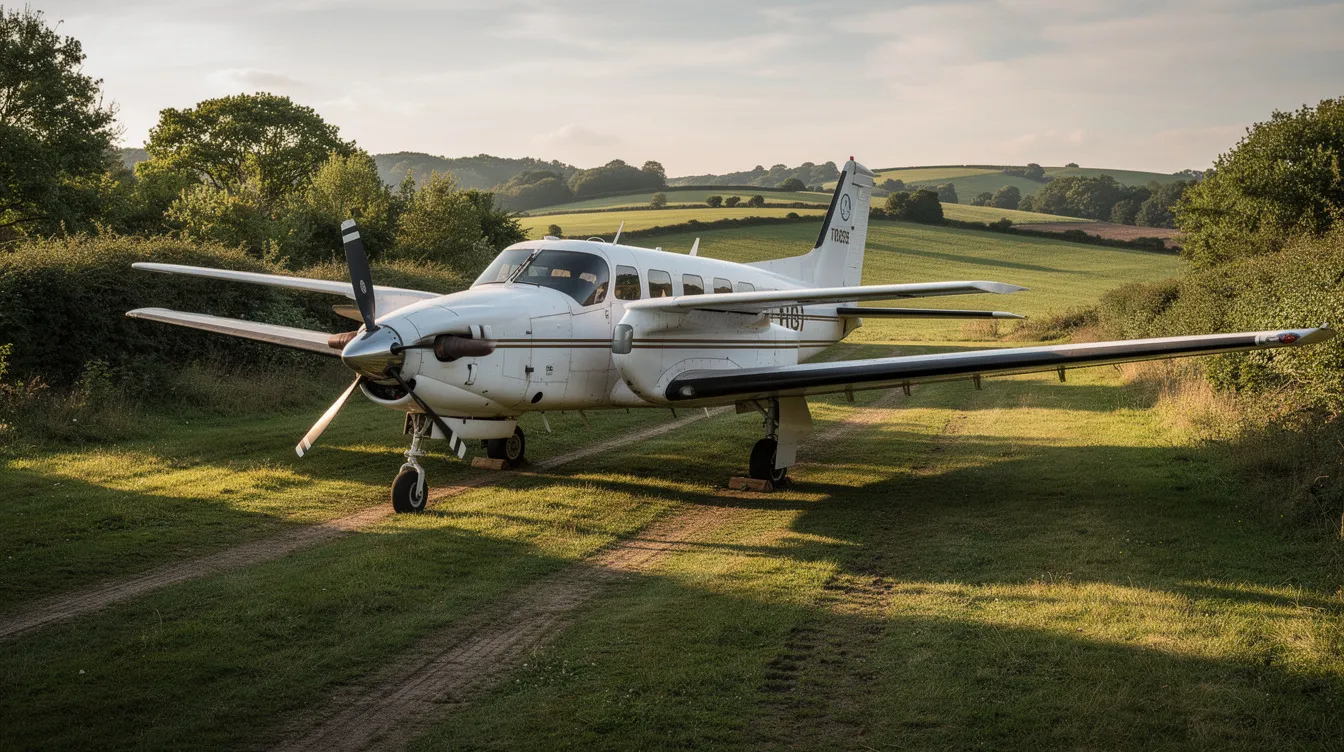
A typical Pilatus fractional program places a PC-12 or PC-12 NGX into a managed fleet. Fractional ownership usually requires multi-year commitments, typically 3 to 7 years, though some providers extend to 10.
The initial investment is a one-time capital payment to purchase equity in a pooled PC-12 fleet. At the end of the term, the operator sells the aircraft and distributes proceeds to owners based on share size. During the term, annual flight hours are allocated by share-a 1/8 share might provide about 100–150 hours per year. Owners schedule trips in advance, and fractional ownership often comes with guaranteed aircraft availability, typically with as little as 24 hours' notice.
The management company handles everything operational: pilot salaries, crew scheduling, maintenance, hangar, insurance, and dispatch. Owners do not manage day-to-day operations.
Several providers serve this market. PlaneSense provides 365-day access to a private fleet of PC-12 and PC-24 aircraft. Jetfly adds 5–6 new aircraft annually for fleet modernization. You can access a broader fleet of aircraft rather than a specific tail number in fractional ownership, which increases availability but means the exact airframe may differ trip to trip.
Usage rules matter. Most programs impose booking windows, peak-day restrictions, minimum flight times per leg, and repositioning policies that can affect how efficiently owners use their hours, so comparing fractional jet ownership companies and their costs is essential before committing to a specific provider.
Pilatus fractional ownership converts the lump-sum cost of full ownership into a mix of upfront and ongoing charges tied to actual flight hours.
|
Cost Component |
Description |
Typical Cost Range |
|---|---|---|
|
Initial Capital Cost |
One-time payment for fractional share purchase |
$354,000 for 1/16 share (≈50 hours/year) |
|
Monthly Management Fee |
Covers fixed expenses like crew, hangar, insurance, and maintenance |
$6,000–$7,000 per month |
|
Hourly Rate |
Charged per occupied flight hour, includes fuel, maintenance, and services |
$1,100–$1,200 per hour |
A 50-hour share in a Pilatus PC-12 averages $5,000 per hour when you factor in the buy-in amortized over the contract term, monthly fees, and the occupied-hour charge. Fractional ownership programs offer predictable invoicing with no hidden costs, a more responsible structure based on actual flight hours flown.
By comparison, on-demand charter pricing for a PC-12/47 through Jettly typically falls between $2,000 and $2,600 per hour-higher per hour than the variable rate alone, but with zero upfront capital or long-term commitments.
Many buyers consider the PC-12 because it offers a lower barrier to full aircraft ownership compared with jets. Even so, purchasing outright carries significant burdens: recruiting and managing pilots, arranging maintenance, negotiating hangar space, overseeing insurance, and handling regulatory paperwork. Fractional programs absorb all of that.
Full ownership concentrates every fixed cost on a single user. At 275 hours per year on a $5M PC-12, all-in cost can reach roughly $4,586 per hour. Drop 150 hours below, and the number climbs sharply. Depreciation and resale risk are factors to consider in fractional ownership as well, but the exposure is proportional to your share size rather than the entire asset.
Tax benefits may be available for businesses using fractional ownership-U.S. owners may qualify for MACRS depreciation, though bonus depreciation rules have been phasing down through 2026. Prospective buyers should also understand the broader pros, cons, costs, and FAQs of fractional jet ownership. Consult a tax professional for specifics.
Full ownership still makes sense when annual utilization is very high, when strict schedule control is non-negotiable, or when specific cabin configurations or branding justify the premium. Those considering buying an aircraft should understand how much a private jet really costs across ownership models. For everyone else, a private jet ownership alternative like fractional or charter deserves serious consideration.
Many travelers weighing fractional aircraft ownership also evaluate on-demand charter to avoid long-term obligations. The contrast is straightforward:
|
Feature |
Pilatus Fractional Ownership |
Jettly On-Demand Charter |
|---|---|---|
|
Commitment |
5–10 year contracts, six-figure upfront capital |
No long-term contract or upfront capital |
|
Aircraft Options |
Typically tied to PC-12 or PC-12 NGX models |
Access to 20,000+ aircraft including jets, turboprops, helicopters |
|
Pricing Structure |
Initial investment + monthly fees + hourly rate |
Pay per trip, no monthly fees |
|
Flexibility |
Best for predictable, regional travel |
Ideal for variable schedules and destinations |
|
Repositioning Fees |
May apply, depending on program |
Empty leg flights can reduce repositioning costs |
When fractional wins: Predictable, heavy usage on similar routes-flying 100+ hours per year between the same cities with the same passenger count, where the good, bad, and ugly of fractional private jet ownership still net out in your favor.
When Jettly wins: Variable destinations, changing passenger counts, seasonal or infrequent flying, or any scenario where locking capital into a share doesn't pencil out. Guaranteed availability through a fractional program matters less when a marketplace with 20,000 aircraft can fill the same need on shorter notice.
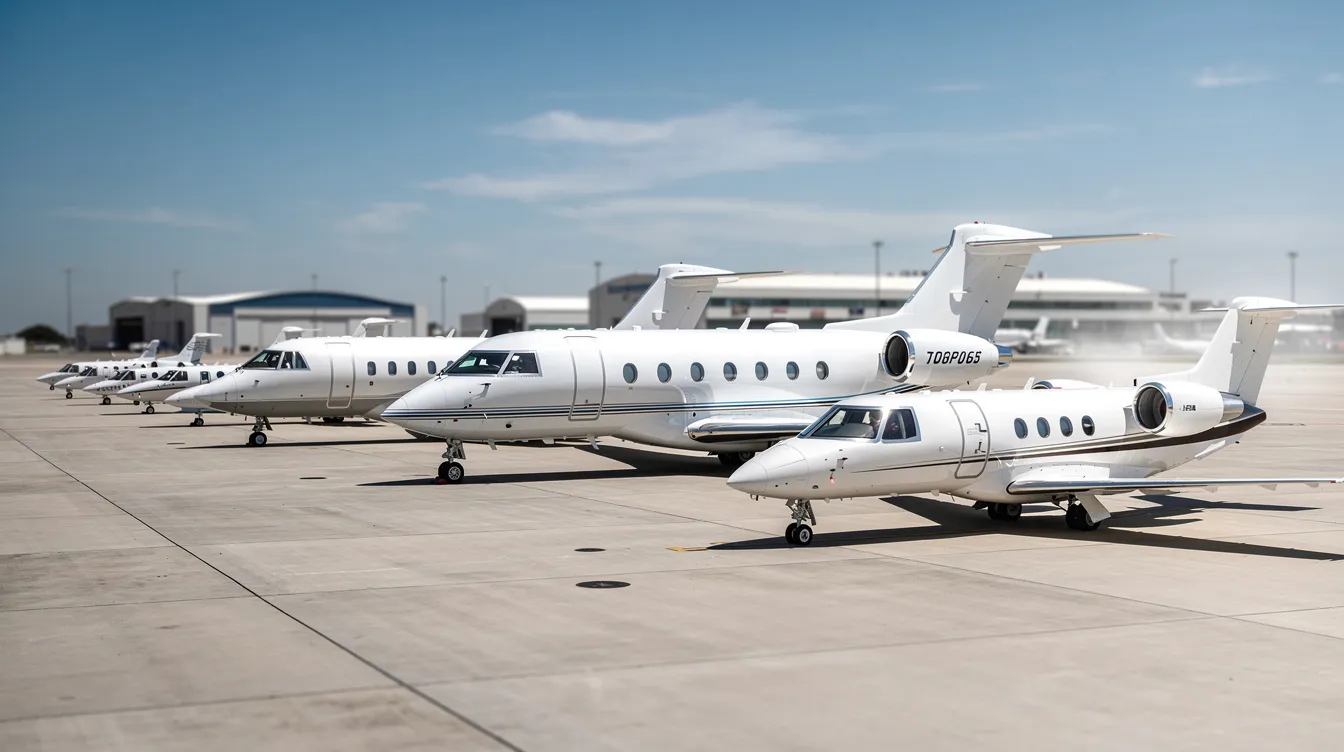
Key indicators that a PC-12 fractional share may be a good fit:
Flying 50–300 hours per year
Mostly regional routes within about 1,000–1,200 nautical miles
Similar passenger counts and travel patterns month after month
Frequent use of smaller airports with short runways
Ideal use cases include a regional executive team regularly visiting plants, a medical group serving rural hospitals, or a family with a second home in a hard-to-reach location. SkyShare offers flexible ownership options tailored to travel needs, and similar providers cater to these profiles, as part of a broader charter airline and private aviation landscape. Lifestyle factors like ownership pride, guaranteed access within a program's promised response time, and cost predictability also play a role.
For travelers whose flying is highly seasonal, last-minute, or geographically diverse, paying per trip through Jettly's on-demand model often leads to lower overall cost and greater flexibility. Those still comparing options may benefit from a broader guide to affordable aeroplane rental costs and access options. Use Jettly's charter cost estimator to model your actual routes before committing.
Jettly can serve as a complement to an existing fractional share, covering overflow trips when your PC-12 is unavailable, handling routes outside program coverage, or providing a larger jet when the mission demands more speed or cabin space. As a flexible NetJets alternative to fractional ownership, it can also replace the need for a fractional share altogether.
Real-world scenarios where Jettly fills gaps:
A fractional owner's aircraft is in maintenance during a time-sensitive business travel trip
A one-way flight falls outside the fractional program's primary region
Passengers need a midsize or heavy jet that the PC-12 fleet cannot accommodate
Jettly's value proposition centers on instant online pricing, transparent quotes without opaque fuel surcharges, and access to a wide variety of aircraft classes while still focusing on affordable private jet charter pricing and cost-saving strategies. The platform works only with vetted operators meeting applicable regulatory standards such as FAA Part 135, ensuring safety and service quality match what fractional programs deliver.
If you are unsure about committing to fractional aircraft ownership, test your typical trips through Jettly first. Run your expected routes through the platform's instant pricing, compare the total yearly spend to a fractional contract, and see which model fits your travel needs before signing a multi-year deal. You can also review a detailed guide on how to buy a seat on a private jet for more flexible, per-seat access. Learn more about how to charter a private jet through Jettly.
For travelers who do not need a full share but still want consistent access, exploring easy ways to get a private jet seat can help bridge the gap between fractional ownership and traditional charter.
Share sizes vary by provider. A common entry point is roughly 50 occupied flight hours per year for a small share (around 1/16). Larger shares scale up-1/8 provides about 100–150 hours, and a 1/4 share can reach 200 hours or more. Owners pay an hourly rate for each occupied hour they fly, and fractional ownership allows access to a modern fleet of aircraft rather than a single aging airframe.
Most programs allocate access to a fleet of similar PC-12 aircraft rather than a single tail number. This increases availability but means the exact aircraft and interior may differ from trip to trip. The trade-off is more scheduling flexibility in exchange for slightly less cabin consistency.
At the end of a 5–10 year term, the management company typically sells the aircraft on the secondary market and distributes proceeds to owners based on their share, net of fees and refurbishment costs. Market conditions, engine hours, and overall aircraft demand heavily influence residual value, so owners should factor depreciation risk into their investment decision.
Because Pilatus fractional programs and charter networks span multiple regions, tools like an airport locator for private jet flights worldwide can help you confirm which airports and routes are realistically served before you invest.
Yes. Several European and global operators offer PC-12 and PC-24 fractional programs with coverage across Europe, parts of the Middle East, and sometimes cross-Atlantic. However, pricing, local fees, regulatory requirements, and availability differ by region.
Beyond standard instant quotes, Jettly also offers a dedicated jet card flight cost estimator that shows indicative pricing for common routes using prepaid hours.
List your expected annual trips, routes, passenger counts, and cabin space needs. Get a detailed quote from at least one fractional provider, then run the same trips through Jettly's instant pricing tool to compare total yearly spend. This side-by-side approach reveals whether the upfront acquisition cost and monthly fees of a fractional share deliver a seamless experience that justifies the commitment-or whether on-demand charter gives you all the advantages at lower total cost.
Pilatus fractional ownership offers a structured, cost-effective way to access the versatile PC-12, with predictable expenses and guaranteed aircraft availability. This option is well-suited for frequent travelers with consistent flying patterns. However, the requirement for a substantial upfront investment, long-term contracts, and fixed monthly fees may not be the best fit for those with irregular schedules or diverse aircraft preferences. On the other hand, Jettly's on-demand charter provides greater flexibility, no long-term commitments, and access to a broad global fleet, making it ideal for travelers with variable or unpredictable flight needs. Evaluating your typical flight hours, destinations, and budget will help determine whether a Pilatus fractional share or Jettly's charter marketplace aligns better with your private aviation goals.
Ready to explore private flights on your terms? Whether for business or leisure, consider city-specific options like private jet charter in Atlanta, Georgia, Chennai, Tamil Nadu, Kolkata, West Bengal, or New Delhi, Delhi. Request instant pricing or browse aircraft options at https://www.jettly.com.
Share this post:
Jay Franco Serevilla
Sep 4, 2026
|
5
min read
Discover tips and trends in the industry.
5
min read
GE Honda HF120 Engine: Technology, Performance, and Impact on Light Business Jets
The GE Honda HF120 engine is a cutting-edge turbofan that powers the HondaJet family, delivering exceptional performance and efficiency for light business jets. With a focus on fuel efficiency, low emissions, and reduced noise, the HF120 sets a new standard in private aviation. Its advanced design and technology ensure reliability and comfort for charter travelers.
Read More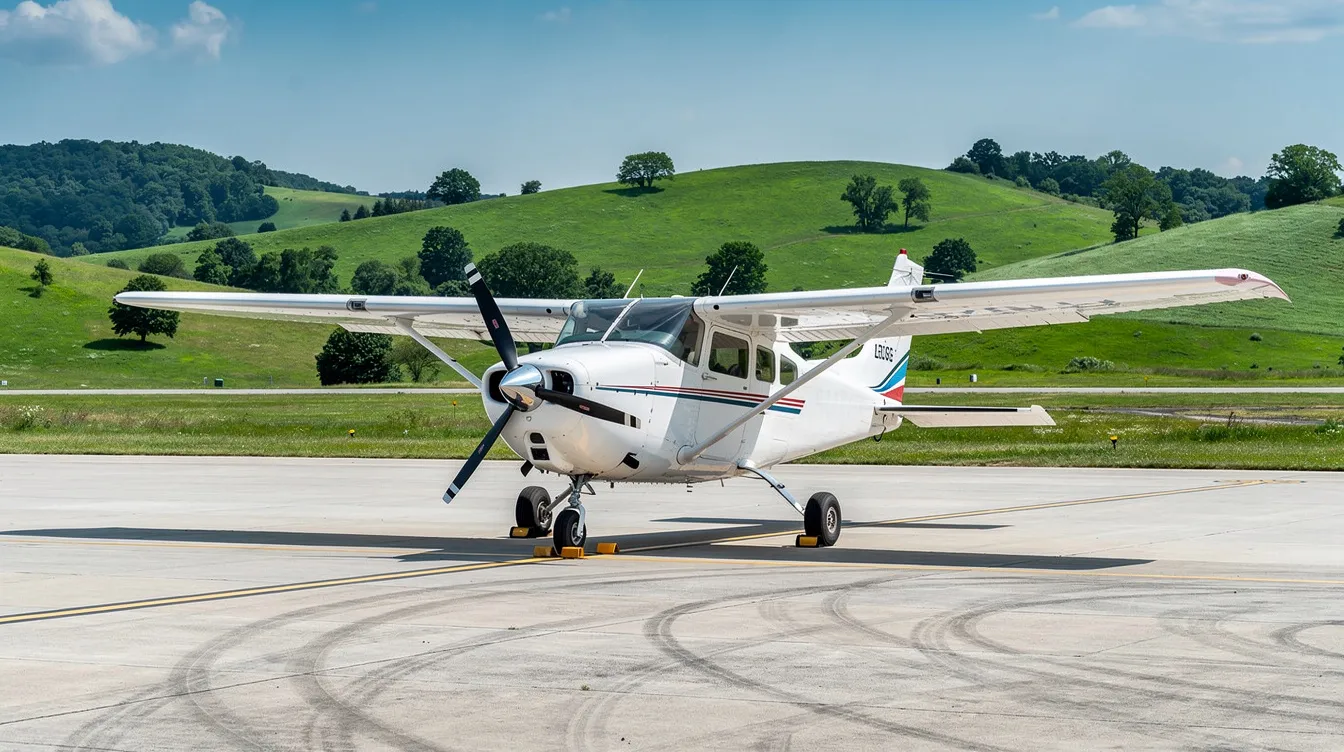
5
min read
Cessna 182T for Sale: Market Overview, Pricing, and Buying Guide
The Cessna 182T Skylane is a popular single-engine aircraft known for its reliability and performance. With a price range from $239,897 to $879,250, buyers can find models from 2001 to 2024. Understanding key factors like total time, engine status, and avionics is crucial for making informed purchasing decisions.
Read MoreStay updated with our latest insights and tips to elevate your journey with us.
MEMBERSHIPS AND ASSOCIATIONS



Disclaimer: Jettly operates as a charter broker, offering access to a global digital jet charter marketplace. Jettly is not a direct air carrier and does not own or operate aircraft. All advertised flights are conducted by third-party air carriers that are fully licensed and hold the appropriate Part 135 or Part 121 certifications issued by the Federal Aviation Administration (FAA) or equivalent regulatory authorities under U.S. or foreign law. Jettly complies fully with the U.S. Department of Transportation's Part 295 and Part 298 Charter Broker regulations. Jettly does not carry additional liability insurance. Passengers are covered by aircraft operator insurance. TICO: 50023770


