



Login
Get Instant Pricing On 23,000+ Aircraft

>

Understanding the full NetJets Phenom 300 cost is critical before committing a quarter-million dollars or more to a private jet card or fractional share. Prices have shifted heading into 2025–2026, and the gap between published hourly rates and actual all-in expenses can surprise even experienced private aviation buyers. This guide breaks down every major cost layer and compares NetJets programs to on-demand charter through Jettly.
NetJets operates a global fleet of over 800 private jets, including more than 150 Phenom 300s, making it the largest user of this popular light jet.
NetJets Phenom 300 jet card programs in 2025–2026 run about $215,000–$280,000 for 25 hours, translating to roughly $8,600–$11,200 per hour including federal excise tax.
Jet cards have no monthly management fees but include blackout dates and peak day surcharges, whereas fractional ownership generally provides 365-day access but involves high upfront costs, ongoing monthly fees, and depreciation risk.
Fractional ownership of a Phenom 300 light jet through a NetJets share requires an upfront investment of approximately $500K–$850K for a 1/16 share, with monthly management fees ranging from $12,000 to $28,000 and hourly rates around $8,500. Total first-year costs can exceed $1 million.
Chartering typically provides flexibility without a long-term commitment and can be cost-effective for infrequent flyers. Jettly offers on-demand charter alternatives with transparent pricing and no prepaid blocks or ownership obligations. Explore live charter quotes at https://www.jettly.com.
How much does NetJets charge for a Phenom 300? The NetJets cost for a Phenom 300 depends on which card program or ownership structure a traveller selects. Under the Card275, the 25-hour jet card costs approximately $215,000, which works out to about $8,600 per hour including tax. The Card320 starts at $280,000 for 25 hours, or approximately $11,200 per hour, with fewer blackout dates but peak day surcharges.
Those headline numbers, however, are only part of the story. Hidden fees such as 7.5% federal excise tax, fuel surcharges, and international handling fees add to the total cost. High-demand dates may involve different availability or pricing depending on the jet card or fractional ownership program. Including these factors, the realistic all-in hourly cost can range from $9,000 to $12,500 on typical U.S. missions. By comparison, booking a Phenom 300–class light jet through Jettly's on-demand marketplace or using Jettly's jet card flight cost estimator often lands in the mid-$4,000s to $7,000+ per flight hour for routes like New York–Miami or LA–Vegas, with no prepayment or long-term commitment.
The Embraer Phenom 300 is one of the most popular light jets in private aviation and a cornerstone of the NetJets fleet. The Phenom 300 seats up to 6 passengers in a comfortable cabin with wi-fi, a refreshment centre, and solid baggage capacity. It cruises at roughly 450–460 knots with a range of approximately 3,200 kilometres under standard payload.
This aircraft type excels on 1–3 hour regional flights—think New York–Chicago, Dallas–Aspen, or Toronto–New York. The Phenom 300 is popular because it balances high speed, adequate range, and lower operating costs compared to many midsize jets. NetJets operates over 150 Phenom 300s specifically because this aircraft offers an efficient blend of performance and economics. It is ideal for short domestic flights, though travellers needing transcontinental range or large cabin space may want to consider a different aircraft class.
NetJets offers several ways to access the Phenom 300: a NetJets card (jet card), lease programs, and fractional share ownership. Each carries a different cost profile and commitment level, and a detailed fractional jet ownership cost breakdown helps clarify where these models become economical.
Jet Cards (Card275 & Card320). NetJets jet card programs let travellers prepay a 25-hour block at a fixed hourly rate. NetJets Card275 costs approximately $215,000 for 25 hours on the Phenom 300—about $8,600 per hour including federal excise tax. Card320 pricing starts at $280,000 for 25 hours, or roughly $11,200 per hour, with better peak day access. Jet cards have no monthly management fees unlike fractional ownership, but they include blackout dates and peak day surcharges. Unused hours typically must be consumed within a 24-month window before the contract end date.
25-Hour Lease. A lease-based program mirrors the jet card structure but substitutes a lease fee for the prepaid card funding. The hourly price lands in a similar range, giving guaranteed access without asset ownership.
Fractional Jet Ownership. Fractional ownership generally becomes more economical for owners flying around 300 hours per year or more. A 1/16th share costs approximately $500K–$850K upfront, covering about 50 hours of annual access. Monthly management fees range from $12,000 to $28,000, paid regardless of usage. The occupied hourly rate for light jets is approximately $8,500. Total first-year costs for a light jet exceed $1 million once all fees, taxes, and actual flight time charges are combined. Depreciation can reduce share value by 30–50% over five years, though NetJets guarantees buyback of shares after five years. Fractional ownership offers 365-day access but requires a significant long-term commitment.
The published hourly rate for the Phenom 300 is only one layer of the true NetJets cost. Several additional costs can move the real hourly cost materially higher.
Federal excise tax adds 7.5% on U.S. flights. Some card program quotes (like Card275) bundle it in; others list it separately. Always confirm tax treatment before signing. Fuel surcharges are variable add-ons tied to jet-A spot prices. During high-fuel periods, these line items can add hundreds of dollars per hour on top of direct operating costs. Landing fees, international handling charges, overnight crew accommodations, and de-icing in winter are also passed through on many trips.
Blackout dates and peak day rules differ sharply between programs. Card275 offers 275 days of access with 90 blackout days, meaning holiday-heavy flyers may struggle to book. Card320 provides 320 days of access with 45 blackout days—better flexibility at a higher hourly price. Fractional customers generally enjoy guaranteed availability across the full calendar, which partly justifies the steeper fixed costs.
Within the collective service area, NetJets typically waives repositioning fees. Outside core zones or on unusual routings, extra charges may apply, and minimum flight charges could factor in on certain segments, making tools like an airport locator platform useful for planning optimal departure and arrival points.
Travellers often weigh a Phenom 300 jet card against both fractional jet ownership and upgrades to larger aircraft like a Citation Latitude, Citation Sovereign, or heavy jets such as the Gulfstream G450, and many also compare these options to a broader NetJets jet card cost overview.
A 25-hour card on heavy jets or large cabin jets can reach $400,000–$500,000+, roughly $16,000–$20,000 per hour including tax and typical fuel surcharges. For most regional missions of 2–3 hours with 2–6 passengers, a Phenom 300–class light jet remains far more cost-effective, especially when contrasted with alternative jet card programs. Mid-size options sit between the two.
Fractional share ownership of a Phenom 300 makes sense for specific flying patterns—typically 50–100+ hours annually with predictable schedules and a need for full-calendar annual access. However, depreciation on a fractional share is 30–50% over five years, meaning significant capital erosion by the time the share is bought back. Full ownership or fractional jet ownership locks in capital, while jet cards and on-demand charter avoid asset risk entirely.
Lease programs offer a middle step: guaranteed aircraft type access without buying a share, still at light-jet hourly price points rather than large cabin aircraft levels.
NetJets jet card programs and fractional ownership are structured, long-term solutions. Jettly takes a different approach: on-demand charter that lets travellers fly private without ownership commitments or prepaid hour blocks.
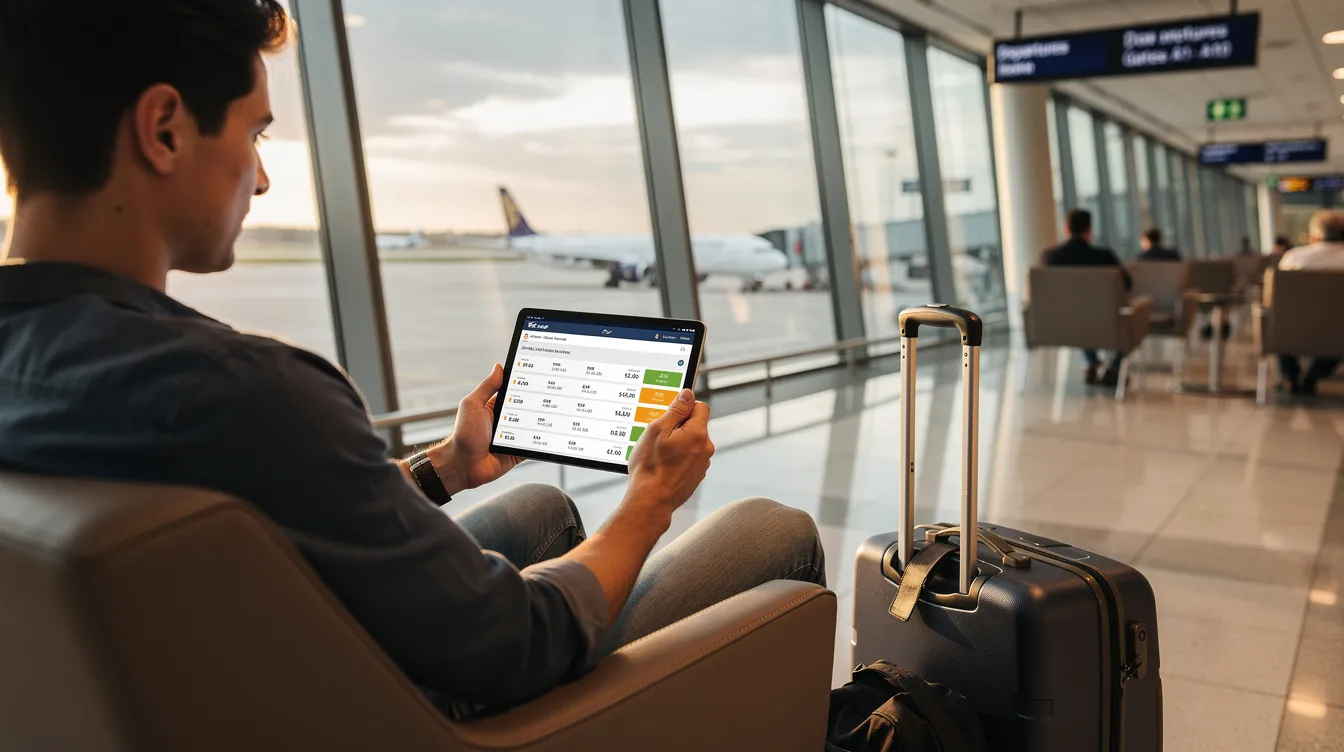
On Jettly, charter pricing for a Phenom 300 or similar light jet reflects dynamic market rates—often starting in the mid-$4,000s to $7,000+ per flight hour in North America depending on route, season, and operator. A 2-hour New York–Miami flight for 4 passengers on a NetJets Card275 would cost roughly $17,200 in occupied time alone; a comparable light jet booked through Jettly's marketplace could come in meaningfully lower, especially on routes with strong operator supply.
Jettly users pay only for actual trips taken. There is no 25-hour prepayment, no monthly management, and no depreciation risk. The platform's vast fleet of 20,000+ private charter aircraft worldwide lets customers choose between light jets, midsize jets, heavy jets, turboprops, and helicopters per mission—rather than locking into a single aircraft class. Pricing is transparent: taxes and additional costs appear upfront, and travellers can compare multiple operators before committing. That level of predictable pricing contrasts with the more opaque long-form contracts of fractional programs. Unlike competitors such as Sentient Jet or Magellan Jets, Jettly operates as a charter company marketplace with no card-based lock-in.
No single model fits every flyer. The right choice depends on annual flight hours, route patterns, travel plans, and tolerance for blackout dates and fixed costs.
NetJets Phenom 300 jet card suits travellers logging 25–50 hours per year on frequent regional trips who want a consistent cabin and crew style, and who are comfortable prepaying $215,000+. Others may prefer flexible private jet memberships that retain on-demand pricing and avoid long-term contracts. NetJets guarantees aircraft availability within the card program's access window, which matters for time-sensitive business schedules.
Fractional ownership becomes more logical at 50–100+ hours annually, when short-notice dispatch year-round and guaranteed availability justify the acquisition cost, monthly management fee, and five-year lock-in. Fractional customers gain asset ownership and potential tax advantages, but also absorb depreciation and ongoing fixed fees.
On-demand charter through Jettly is often the better fit for flyers under 25 hours per year, those with mixed routes and group sizes, or anyone testing private jet travel before committing capital. It also works well when you occasionally need a midsize or heavy jet instead of a light jet. Analyze your past 12–24 months of flight behavior—destinations, passenger counts, seasonality—and calculate the effective per-hour cost under each model, including fuel surcharges and taxes, then benchmark that against a guide to affordable private jet charter pricing.
Use Jettly's platform to model actual charter pricing on your typical routes as a data-driven benchmark against NetJets offers and any private jet card program, and supplement this with a broader view of the best private jet charter companies in the market.
Published hourly rates for the Phenom 300 cluster around $8,600–$11,200 per flight hour depending on whether the NetJets card is Card275 or Card320 and whether tax is included. Once 7.5% federal excise tax (if not bundled), fuel surcharges, and any peak day or international fees are added, a realistic all-in range for U.S. travellers is often closer to $9,000–$12,500 per hour. Using a dedicated jet card flight cost estimator can help translate these figures to your specific routes. Exact pricing is contract-specific and can change with market conditions and program updates.
On a pure per-seat basis, a private jet on the Phenom 300 usually costs more than scheduled business-class tickets, especially on competitive routes. However, for groups of 4–6 sharing a Phenom 300 on busy dates or last-minute bookings, the per-passenger cost can sometimes approach high last-minute business or first-class fares, particularly when you buy a seat on a private jet via shared or empty-leg options. Non-price benefits—direct routing, reduced travel time, privacy, and schedule control—often matter more than marginal cost differences.
The practical minimum is a 25-hour jet card, representing a prepayment in the low- to mid-$200,000s. The minimum commitment depends on the NetJets program chosen, with cards and fractional ownership carrying different access rules. Fractional ownership shares start at 1/16 (about 50 hours per year) with a five-year contract, upfront share purchase, and ongoing monthly management fees—a significantly larger commitment. Hours on most jet cards must be used within about 24 months, governed by blackout dates and peak day rules in the card agreement, though some travellers instead focus on getting a seat on a private jet easily through more flexible models.
Card275 trades a lower hourly rate for more blackout days and limited peak access, which can disrupt holiday travel plans. Card320 reduces those restrictions but costs more per hour. To avoid blackout dates entirely, on-demand charter via a platform like Jettly has no formal blackout calendar; availability and pricing reflect real-time fleet supply and demand, which can push prices up on busy days but never restricts access outright, whether you're flying domestically or planning international private jet trips.
Use Jettly's online search and instant-pricing tools to input your route, dates, and passenger count, then filter for light jets similar to the Phenom 300. Compare quotes across several aircraft types and departure times to see how flexibility influences the hourly price, or consider crowdsourcing private jet flights and sharing empty seats to reduce per-passenger costs further. Flyers logging under 25 hours per year should benchmark these on-demand charter numbers against NetJets' quoted rates and insights from an ultimate list of charter airlines before committing capital to any prepaid or fractional program.
Ready to experience private travel your way? Discover available aircraft or get a live charter quote at https://www.jettly.com.
Understanding the full scope of NetJets Phenom 300 cost—including upfront prices, hourly rates, management fees, taxes, and surcharges—is essential for making an informed decision. While NetJets offers unparalleled access to a large, well-maintained fleet and premium service backed by Berkshire Hathaway, its pricing is among the highest in fractional ownership and jet card programs. Costs vary based on program choice, seasonal demand, and travel patterns, with fractional ownership suited for frequent flyers needing year-round access and jet cards fitting those with moderate usage.
For travellers seeking flexibility without long-term commitments or ownership risks, on-demand charter through platforms like Jettly provides transparent pricing, no blackout dates, and a broad aircraft selection, often at a lower effective hourly cost. Evaluating your annual flight hours, preferred routes, and tolerance for fixed fees will help determine if NetJets’ structured programs or Jettly’s flexible charter better align with your private aviation goals.
Ready to experience private travel on your terms? Explore flight options or request a quote at https://www.jettly.com.
Share this post:
Jay Franco Serevilla
Jul 20, 2026
|
5
min read
Discover tips and trends in the industry.

5
min read
Bell 407 Operating Cost Per Hour: Complete Owner and Charter Guide
The Bell 407 is a versatile light helicopter known for its reliability and efficiency. Understanding its operating cost per hour is crucial for potential owners and charter operators, as it varies based on fixed and variable expenses. This guide provides a comprehensive breakdown of costs, helping you make informed decisions about ownership or chartering.
Read More
5
min read
Medevac Flight Cost: What a Medical Evacuation Really Costs in 2026
In 2026, medevac flight costs range from $25,000 for short domestic transfers to over $200,000 for complex international missions. Factors influencing pricing include distance, aircraft type, and patient medical needs. Understanding these costs is crucial for families facing urgent transport decisions, especially when insurance coverage varies significantly.
Read MoreStay updated with our latest insights and tips to elevate your journey with us.
MEMBERSHIPS AND ASSOCIATIONS



Disclaimer: Jettly operates as a charter broker, offering access to a global digital jet charter marketplace. Jettly is not a direct air carrier and does not own or operate aircraft. All advertised flights are conducted by third-party air carriers that are fully licensed and hold the appropriate Part 135 or Part 121 certifications issued by the Federal Aviation Administration (FAA) or equivalent regulatory authorities under U.S. or foreign law. Jettly complies fully with the U.S. Department of Transportation's Part 295 and Part 298 Charter Broker regulations. Jettly does not carry additional liability insurance. Passengers are covered by aircraft operator insurance. TICO: 50023770


