


Login
Get Instant Pricing On 23,000+ Aircraft

>
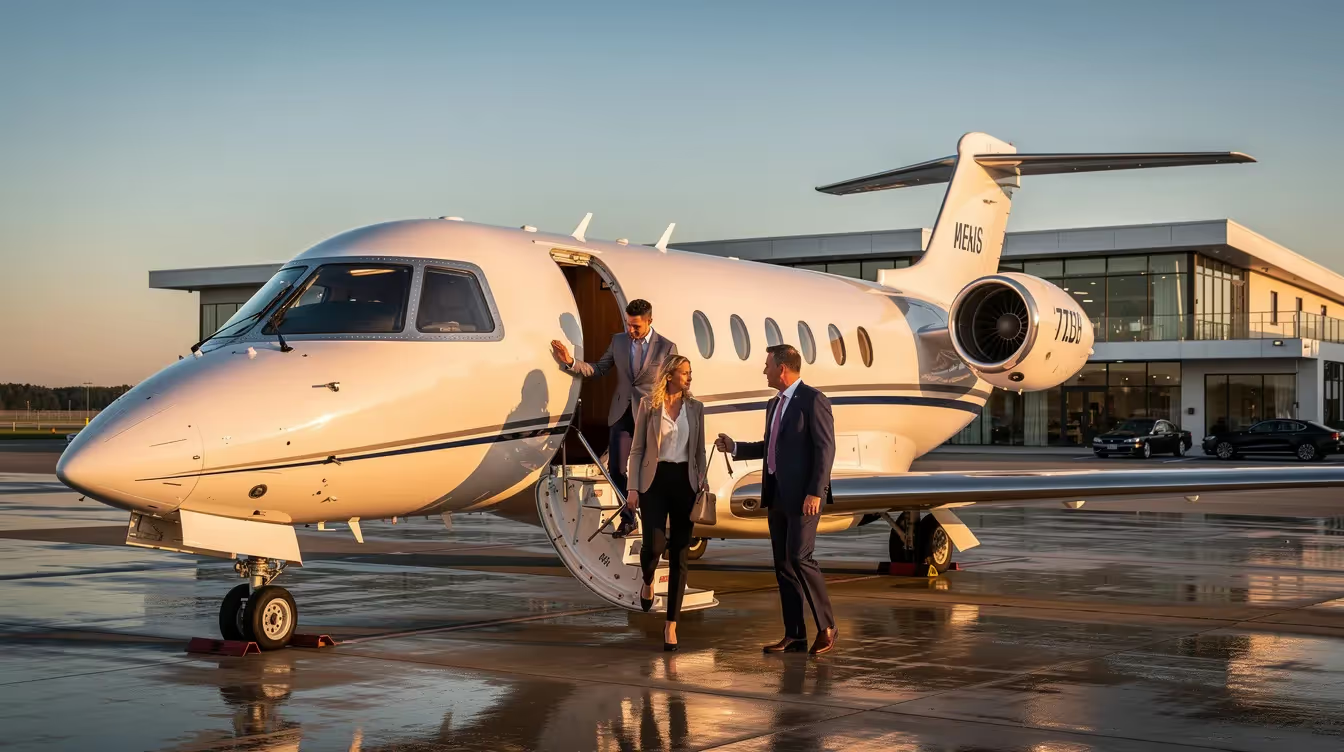
The term “fastest personal plane” spans a wide spectrum in 2025. For owner pilots flying their own aircraft, it might mean a 240+ knot single-engine piston like the Acclaim Ultra or the Cirrus Vision SF50, which offers a single-pilot capable, “simpler” jet experience. For business travelers and families chartering flights, it refers to high-speed private jets that can reach speeds approaching Mach 0.94.
Knowing about the fastest personal planes matters because it directly translates to time savings, increased business efficiency, and greater travel flexibility—key advantages for those who value productivity and convenience.
As of 2025, the Bombardier Global 8000 holds the title of world's fastest private jet and fastest business jet in civil service, cruising at Mach 0.94—roughly 721 miles per hour at typical cruise altitudes. Jettly’s marketplace connects clients with comparable aircraft worldwide, making this level of aircraft performance accessible without the burden of ownership. For buyers and charterers focused on budget, a range of the cheapest private aircraft and entry-level options expands access to personal aviation. Personal aircraft performance varies significantly by category, ranging from efficient single-engine piston planes to high-speed turboprops and ultra-long-range jets exceeding Mach 0.90.
This comprehensive guide covers single-engine pistons (150–240 knots), turboprops (250–330+ knots), light jets (340–530 knots), and long-range jets (Mach 0.90+). Whether you’re an aviation enthusiast researching options or a business traveler seeking the quickest door-to-door journey within the business aviation industry, you’ll find the data you need here. Jettly offers instant digital pricing, quick booking, global coverage, and access to 20,000+ aircraft without long-term contracts.
This guide is for aviation enthusiasts, business travelers, and anyone considering private air travel who wants to understand the fastest options available.
The Bombardier Global 8000, the world’s fastest private jet, leads as the fastest personal plane in 2025 with a top speed of Mach 0.94 (approximately 721 mph), while the Mooney Acclaim Ultra is recognized as the fastest single-engine piston aircraft in production, reaching 242 knots. The Gulfstream G700 can also reach maximum speeds of up to Mach 0.935, making it one of the fastest private jets currently available.
Jet's speed is typically measured using Mach numbers and knots, which are standard units for comparing aircraft performance. Private jets typically cruise at 575–600 mph (Mach 0.78–0.81), delivering significant time savings of 1–2+ hours per trip compared to commercial flights when factoring in reduced check-in and direct routing.
Jettly’s digital charter marketplace connects travelers with over 20,000 aircraft—from fast light jets to ultra-long-range flagships—without requiring ownership or long-term contracts.
Speed categories range from single-engine pistons (150–240 knots) to turboprops (250–330+ knots) to jets (340–530 knots), each serving different mission profiles and budgets.
Personal jets are the fastest personal aircraft, often cruising between 340 and 530 knots, but typically require longer runways of 4,000 feet or more.
Turboprops can access approximately 3,000 more airports than light jets because they can land on shorter, sometimes unimproved strips, offering greater flexibility.
On-demand charter through Jettly often proves more cost-efficient than ownership for travelers flying under 100–150 hours annually who want occasional access to the world’s fastest private jet options.
Understanding speed measurements helps when comparing personal aircraft across categories. Here’s what you need to know:
Knots True Airspeed (KTAS): Used for pistons and turboprop engines. One knot equals 1.15 mph. The Mooney Acclaim Ultra’s top cruise speed of 242 KTAS translates to approximately 278 miles per hour.
Mach Number: Used for jets flying above 30,000 feet. Most business jets cruise at Mach 0.78–0.81 (about 575–600 mph). The fastest aircraft, like the Global 8000, reach Mach 0.94.
Maximum Speed vs. Cruise Speed: Maximum speed represents short bursts under ideal conditions (light weight, high altitude, tailwinds). Typical cruising speed—what pilots use for most of the flight—balances fuel efficiency and engine longevity. However, ‘achieved speeds’ in real-world conditions may differ from published maximums, as actual maximum velocities are often verified during testing or operational flights. A jet's speed is determined by its engine performance and aerodynamic design and is typically measured in knots or Mach number, allowing for direct comparison between different aircraft specifications.
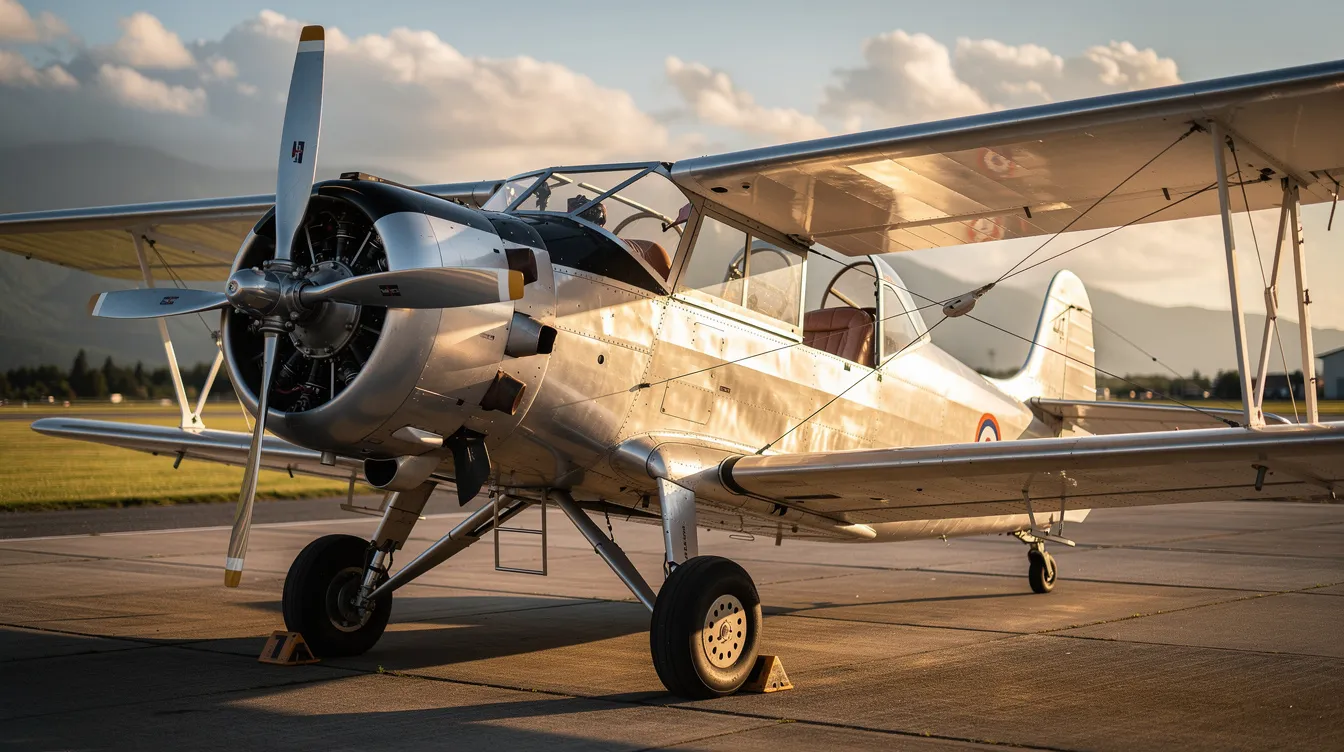
Piston aircraft are generally limited to speeds below 200–240 knots, while turboprops can reach speeds up to 300 knots. Personal jets are the fastest personal aircraft, often cruising at speeds between 340 and 530 knots, but they usually require longer runways of 4,000 feet or more for safe operations. Engine technology plays a crucial role in determining speed capabilities: turboprop engines enable speeds of approximately 350 knots, while jet engines can sustain speeds exceeding Mach 0.9.
External factors significantly impact real-world performance. Headwinds can reduce ground speed by 50–100 knots on transatlantic legs. Weight, altitude, and air mass conditions create variations of 10–20% in actual travel times. This is where charter operator experience, as curated on platforms like Jettly, becomes valuable for route optimization.
For owner pilots, the fastest personal plane often means a high-performance aircraft cruising above 200 knots with significantly lower operating costs than jets. These aircraft represent the entry point to high speed in general aviation, and are examined in depth in a broader guide to fast personal planes in 2025 and a complementary guide to choosing the best personal plane.
Notable fast single-engine aircraft:
Mooney Acclaim Ultra: ~242 KTAS top speed, turbocharged engine, all-metal low-drag design
Piper M700 Fury: ~301 KTAS, PT6A turboprop power, pressurized cabin
Cirrus SR22T: ~213 KTAS, turbocharged engine, Cirrus Airframe Parachute System for safety
Cirrus Vision SF50: ~305 KTAS, single-pilot capable, offering a simpler jet experience ideal for owner-pilots seeking jet performance without complex operation
Mooney Ovation Ultra: ~197 KTAS, naturally aspirated for simplicity
Beechcraft Bonanza G36: ~176 KTAS, proven reliability
Cirrus SR22: ~183 KTAS, strong pre-owned market
Cessna Skylane: ~145 KTAS cruise speed, renowned for reliability, versatility, and historical significance in general aviation.
Cessna Turbo Stationair HD: Turbocharged engine, rugged design, cruise speed suitable for utility and bush flying, popular for cargo and remote operations.
What makes these planes fast? Turbocharged engines enable high altitude cruise, where thinner air reduces drag. Slick aerodynamic design, retractable gear, and advanced avionics all contribute to single-engine performance. Acquisition costs cluster around $1–$1.5 million new, with lower options on the pre-owned market.
These personal aircraft are often preferred by owner-pilots who want jet-like speed with significantly lower operating costs and better access to shorter runways. Most charter customers access similar speed performance via turboprops or light jets rather than flying piston aircraft personally. Jettly can arrange various aircraft types where operators use single-engined aircraft for specific missions.
![A sleek single-engine aircraft, known for its high performance and aerodynamic design, soars above scattered clouds with majestic mountains visible below. This fast light jet showcases cutting-edge technology and exceptional performance, making it one of the fastest single-engine aircraft in the sky. Image source: [appropriate attribution]
The Mooney Acclaim Ultra has long held its position as one of the fastest single-engine aircraft in certified production. Its combination of speed and efficiency makes it a favorite among serious owner pilots.
Key specifications:
Top speed: approximately 242 KTAS
High speed cruise: near 230 KTAS
Engine: turbocharged Continental TSIO-550-G producing 280 hp
Design: all-metal low-drag fuselage with long-span laminar-flow high lift wing
Cockpit: modern glass panel with Garmin G1000 NXi
The typical mission profile includes 2–3 occupants on cross-country trips, cruising in the low 20,000-foot range with approximately 1,000+ nm range under NBAA IFR reserves. While owner pilots fly their own Acclaim for personal missions, many choose charter via Jettly for longer multi-leg trips or when a crewed aircraft better suits the journey.
The Cirrus SR22T and Piper M350 represent fast personal planes that balance speed with safety features and passenger comfort—priorities that matter to pilots alike.
Cirrus SR22T highlights:
Engine: turbocharged Continental producing around 315 hp
Top speed: ~213 KTAS
Advanced avionics suite with synthetic vision
Cirrus Airframe Parachute System (CAPS) is a key safety differentiator, with deployment success rates exceeding 99% in emergencies
Piper M350 highlights:
Pressurized cabin for the smoothest ride at high altitudes
Top speed: approximately 213 KTAS
Six-seat layout with cabin comfort approaching turboprop levels
Cruise capability in the low 20,000-foot range
The SR22T often serves owner-flown business hops and high-end training, while the M350 suits passengers wanting a near-jet-style in-flight experience without stepping up to turboprops. Many charter passengers achieve comparable speed and exceptional comfort by booking pressurized turboprops via Jettly, without taking on pilot workload or maintenance responsibilities.
Turboprops bridge the gap between pistons and jets, with the fastest models cruising 280–330+ KTAS while operating from shorter runways. They deliver jet-like speed for regional trips with generally lower hourly costs.
Turboprops can access approximately 3,000 more airports than light jets because they can land on shorter, sometimes unimproved strips, offering travelers greater flexibility in routing and airport choice, especially when using tools like an airport locator for private jet charters.
Speed leaders in the turboprop category:
|
Aircraft |
Top Cruise Speed |
Range |
Notes |
|---|---|---|---|
|
Epic E1000 GX |
~333 KTAS |
~1,200 nm |
All-composite, pilot-centric |
|
Daher TBM 960 |
~330 KTAS |
~1,730 nm |
HomeSafe autoland, autothrottle |
|
Piper M700 Fury |
~301 KTAS |
~1,800 nm |
Single-engine turboprop, pressurized |
|
Beechcraft King Air 250 |
~312 KTAS |
~1,800 nm |
Twin-engine reliability |
|
Pilatus PC-12 NGX |
~290 KTAS |
~1,800+ nm |
Spacious cabin, short-field champion |
Many Jettly customers charter private aircraft such as turboprops for frequent city-pair routes—Los Angeles to Las Vegas, Toronto to Montreal, or London to Geneva—where speed and runway flexibility both matter. While turboprops aren’t the absolute fastest personal planes in sheer miles per hour, they often deliver the quickest door-to-door times when smaller airports closer to destinations are used, making them strong contenders when evaluating the best cross-country planes for long trips.
The Epic E1000 GX and TBM 960 stand as the fastest single-engine turboprops in 2025. Owner pilots sometimes choose these as personal jet substitutes, achieving speeds averaging well above 300 knots.
Epic E1000 GX:
Maximum cruising speed: ~333 KTAS (about 383 mph)
All-composite airframe cutting weight 20% versus aluminum
Powerful Pratt & Whitney PT6A-series engine
Garmin G3000 cockpit with autothrottle
Acquisition: approximately $3.3 million
Daher TBM 960:
Cruise speed: ~330 KTAS
Advanced automation, including autothrottle and HomeSafe emergency autoland
Long-range capability: roughly 1,700+ nm with reserves
Interior design emphasizing productivity
Acquisition: approximately $4.5 million
These aircraft serve high-net-worth individuals and corporate flight departments for fast regional and transcontinental missions with 3–5 passengers. Charter customers access similar speeds through TBM- or PC-12-class aircraft listed on Jettly for on-demand missions.
When travelers think of “fastest personal plane,” they often picture a private jet they can charter for small groups. Light jets and super-midsize jets cruise at 340–530 knots, making them practical speed champions for most business travel needs and a key focus in comparisons of the best private jet charter companies and providers.
Leading fast light jets and super-midsize options:
Embraer Phenom 300E: Mach 0.80 (~511 mph), 2,010 nm range, 7–10 seats
HondaJet Elite S: ~486 mph (Mach 0.63), 1,437 nm range, 4–7 passengers
Cessna Citation XLS+: ~507 mph (441 KTAS), 2,100 nm range, 8–12 seats
Hawker 400XP: ~518 mph, proven high-speed aircraft
These jets comfortably handle popular routes: New York to Miami, London to Ibiza, or Dubai to Riyadh. They’re common in Jettly’s on-demand inventory, representing the best balance of speed, cost, and airport accessibility for business groups and families.
Charter costs typically range from $3,000–$5,000 per flight hour for many light and super-midsize jets, though actual quotes on Jettly depend on routing, aircraft, and date, and can be explored in more detail using a private jet charter cost estimator.
The HondaJet Elite S stands out with its distinctive over-the-wing engine mounts—a design choice that delivers both performance and passenger benefits through cutting-edge technology.
Performance specs:
Maximum cruise speed: ~486 mph (Mach ~0.63)
Range: 1,400–1,500 nm
Seating: up to 6 passengers
Acquisition: approximately $5.5 million
The over-the-wing GE HF120 engine configuration reduces cabin noise and frees interior space. This matters for travelers seeking a quiet, productive in-flight experience. The jet’s speed suits fast regional flights—Chicago to New York or Paris to Barcelona—where efficiency outweighs ultra-long range needs.
Jettly users often find HondaJet and similar light jets available for short-notice charters on high-demand business corridors.
The Phenom 300E has earned its reputation as one of the best-selling and fastest private jets in the light category, with over 700 delivered by 2025.
Key performance data:
Cruise speed: Mach 0.80 (about 511 mph)
Range: just over 2,000 nm
Capacity: 7–9 passengers, depending on layout
Climb rate: 3,900 fpm to FL450
This jet’s speed comes from strong climb performance and high cruise speed capability. It can fly nonstop on missions like New York to Dallas or London to Moscow under favorable conditions. The flat-floor cabin, refined noise insulation, and connectivity options create a productive work environment.
Jettly’s platform frequently features Phenom 300-series aircraft, making this level of performance accessible without ownership or long-term commitments.
The absolute fastest personal planes by sheer speed and range are ultra-long-range business jets cruising above Mach 0.90. Unlike light jets, these larger private jets offer significantly greater range, cabin space, and performance, with operational and cost structures tailored for long-haul, high-speed travel. These aircraft achieve jet speeds that approach the practical limits of subsonic flight, with the Bombardier Global 8000 recognized as the world's fastest private jet.
Top contenders with specifications:
|
Aircraft |
Max Speed |
High-Speed Cruise |
Range |
World Records |
|---|---|---|---|---|
|
Bombardier Global 8000 |
Mach 0.94 |
Mach 0.92 |
8,000 nm |
Fastest civil jet in service |
|
Gulfstream G700 |
Mach 0.935 |
Mach 0.90 |
7,750 nm |
Multiple city-pair records |
|
Gulfstream G800 |
Mach 0.925 |
Mach 0.90 |
8,000 nm |
Ultra-long range leader |
|
Bombardier Global 7500 |
Mach 0.925 |
Mach 0.90 |
7,700 nm |
150+ delivered |
These jets enable nonstop intercontinental flights: Los Angeles to Singapore, New York to Tokyo, or London to Buenos Aires at near-sonic jet speeds, illustrating what’s possible when private jets fly internationally over long distances. Acquisition costs exceed $70–$80 million, with hourly operating costs reaching $8,000–$15,000. However, on-demand charter through Jettly allows occasional access without ownership.
Cabin advantages include multiple living zones, dedicated bedrooms, showers, and environmental systems that reduce jet lag through low cabin altitude and circadian lighting—hallmarks of many of the top 10 best private jets worldwide.
The Bombardier Global 8000, the world's fastest private jet, features the innovative Smooth Flĕx Wing, which functions like two wings in one—providing high-lift capabilities for low-speed agility and transforming into a high-speed wing for enhanced jet’s speed and range.
The Bombardier Global 8000 is recognized as the world's fastest private jet in service as of 2025, with certified performance that sets it apart from all competitors.
Performance summary:
Maximum speed: Mach 0.94 (approximately 721 mph at cruise altitude)
Typical high-speed cruise: Mach 0.92
Range: 8,000 nm, enabling routes like Dubai to Houston or Hong Kong to New York nonstop
Engines: GE Passport producing 18,920 lbf each
The aircraft’s Smooth Flex Wing combines high-speed efficiency with exceptional low-speed agility for short-field performance, giving access to more airports than larger aircraft of previous generations. The four-zone cabin offers a potential master suite, very low cabin altitude (2,900 feet at FL510), and high-bandwidth connectivity.
While individual ownership is rare and extremely costly, Jettly can connect qualified clients with operators offering Global 8000-class aircraft for missions where maximum speed and global range matter most.
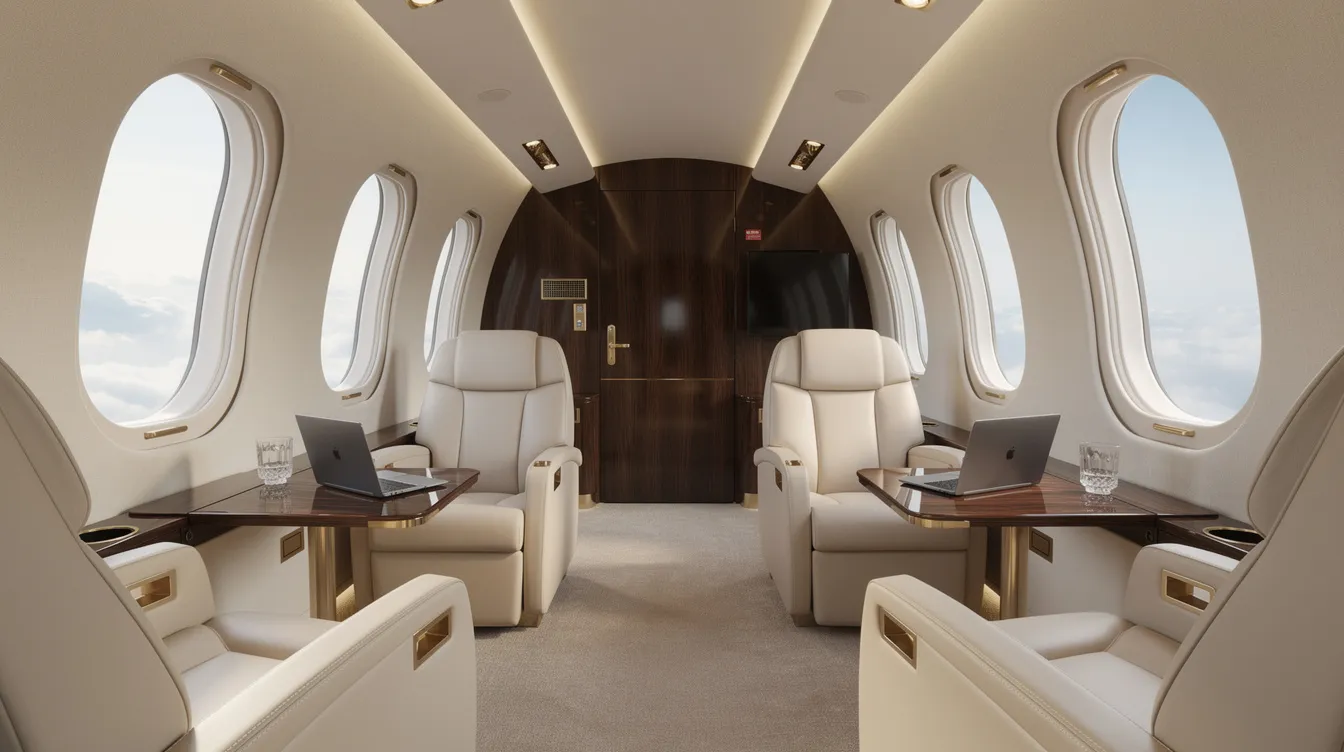
The G700 and Citation X+ have established numerous world records and remain among the fastest personal planes available for charter.
Gulfstream G700:
Max speed: Mach 0.935
High speed cruise: Mach 0.90
Range: approximately 7,750 nm
Cabin: up to five living areas, 19 windows
Records: US coast-to-coast flights under 5 hours, LA to NY in 4:12
Cessna Citation X+:
Historical significance as the fastest business jet of its era
Top speed: Mach 0.935
Coast-to-coast capability: New York to Los Angeles in under 4.5 hours
Production ended in 2018, but many remain in charter service
These jets serve high-profile business travelers and families needing rapid links between financial centers or production sites across continents. Jettly’s marketplace often includes G650, G700, and Citation X operators, allowing customers to select by jet’s speed, range, and cabin layout when every minute counts, while also comparing offerings from leading private plane manufacturers like Gulfstream and Bombardier.
The fastest personal planes today deliver more than raw speed. Cabin design focuses on rest, work, and wellbeing, so passengers arrive ready to perform—flying faster while maintaining exceptional comfort.
Comfort features in modern fast jets:
Lie-flat seating or full beds in larger aircraft
Low cabin altitude reduces fatigue by 30% per studies
Advanced climate control with 100% fresh air
Noise reduction for productive conversations
Circadian lighting systems (Bombardier’s Soleil, Gulfstream solutions)
Connectivity for business travel:
High-speed internet via JetWave, Starlink (500+ Mbps), or Gogo Galileo
VPN-friendly connections for secure work
Streaming capability for longer periods in flight
Even smaller fast personal planes—Phenom 300E, HondaJet Elite S, PC-12 NGX—now offer thoughtfully designed cabins with large windows, ergonomic seating, and integrated storage. Jettly’s booking interface lets users filter aircraft by cabin size, configuration, and amenities, not just by speed or price, while add-on services like in-flight catering for private jets further enhance comfort.
The fastest personal plane in pure airspeed isn’t always the quickest option door-to-door. Airport access, routing, and ground logistics matter significantly for total time savings.
How private aviation saves time:
Depart within 15–30 minutes of FBO arrival
Skip security lines and boarding queues
Use airports closer to the origin and destination
Average savings: 1–2+ hours per trip for business travelers
Route example: New York to Miami on a Phenom 300E takes approximately 2.5 hours flight time versus 4+ hours commercial. Factor in reduced check-in and direct routing, and total journey time drops significantly.
Flying into secondary airports—Van Nuys instead of LAX, Teterboro instead of JFK—can offset slightly lower airspeed compared with the very fastest jets, especially on shorter segments. Jettly’s platform optimizes both aircraft choice and departure point, presenting options that balance speed, airport convenience, and total trip time.
The “best” or fastest personal plane depends entirely on the mission profile. Distance, passenger count, destination airports, and budget all shape the ideal choice.
Trip length guidelines:
Under 500 nm: Turboprop or light jet
500–2,500 nm: Light or super-midsize jet
Over 4,000–5,000 nm: Large or ultra-long-range jet (G650, Global 7500/8000)
Consider these factors:
Passenger numbers and baggage requirements
Airport constraints (short runways, remote locations)
Whether you need to sacrifice speed for runway access
Total door-to-door time versus pure airspeed
Budget perspective: For travelers comparing options, a broader look at how much a private jet really costs can help frame charter pricing versus ownership.
Turboprop charter: roughly $2,000–$3,000/hour
Light jets: approximately $3,000–$5,000/hour
Larger aircraft: higher rates with more amenities
For many missions, especially shorter trips or training-focused flying, travelers may also explore affordable airplane rental options and cost breakdowns.
Jettly provides instant, transparent pricing rather than opaque quotes. Travelers who fly more regularly can also consider private jet membership programs alongside on-demand charter. Use the platform’s digital tools or support team to compare multiple fast aircraft for a specific trip, or explore Jettly’s high-ticket affiliate program for private aviation referrals if you want to monetize your network while sharing these options.
Scenario 1: Weekly New York–Chicago round-trips
Distance: ~740 nm
Best fit: Light jet (Phenom 300, Citation CJ4)
Why: Speed, frequency, manageable cost
Scenario 2: Family vacation, Toronto to the Caribbean
Distance: ~1,500–2,000 nm
Best fit: Turboprop or light jet (PC-12, Phenom 300E)
Why: Balance of range, cabin space, cost
Scenario 3: Pan-European business roadshow
Multiple cities, 500–1,000 nm legs
Best fit: Super-midsize (Citation XLS+, Challenger 350)
Why: Speed, runway flexibility across Europe
Scenario 4: Global dealmaking tour
Intercontinental, 5,000+ nm legs
Best fit: Global 8000, G650ER
Why: Nonstop capability, maximum speed, full productivity cabin
Jettly’s marketplace allows travelers to switch aircraft types as needs change. Frequent flyers under 100–150 annual hours often find on-demand charter more cost-efficient than ownership. The platform integrates extras like ground transportation and catering, so door-to-door efficiency matches in-flight speed.
Flying at very high speeds demands rigorous safety standards and professional operations.
Pilot qualifications:
High-performance pistons: Complex endorsements and instrument ratings
Jets: Type ratings and recurrent simulator training
Charter operators meet or exceed regulatory minimums
Modern safety technology in fast personal planes:
Enhanced vision systems
Terrain awareness and warning systems
Traffic collision avoidance (TCAS)
Whole-airframe parachutes in some pistons (Cirrus CAPS)
Reputable charter providers on Jettly’s platform use aircraft operated under commercial certificates with strict maintenance schedules, safety audits, and insurance coverage. Jettly screens operators for regulatory compliance (FAA, EASA, Transport Canada standards) so clients focus on choosing the right aircraft rather than vetting safety documentation.
While the fastest personal planes can cost tens of millions to acquire and thousands per hour to operate, digital charter platforms make their capabilities accessible trip by trip.
Approximate ownership costs:
Acquisition: $10–$80+ million for fast jets
Fixed annual: Crew, hangar, insurance
Variable: Fuel, maintenance, landing fees
Charter advantages:
Pay only when flying
Per-hour pricing with minimal commitments
Jettly offers transparent upfront pricing
Membership options can simplify costs, and a jet card flight cost estimator can help compare package-based pricing to on-demand rates
Access models compared:
Full ownership: Maximum control, highest cost
Fractional ownership: Shared aircraft, guaranteed access
Jet cards: Prepaid hours, fixed rates supported by structured jet card programs
On-demand charter: Maximum flexibility, pay as you fly, often benefiting from strategies outlined in guides to affordable private jet charter pricing
For infrequent or varied missions, on-demand charter through Jettly often proves most practical and can serve as a flexible NetJets alternative for flying private. Readers comparing options may also want a detailed overview of NetJets as a leading private aviation provider. Visit Jettly to run sample quotes for typical routes and compare aircraft classes in real time.
Flying faster doesn’t necessarily mean less efficient. Modern fast personal planes use advanced aerodynamic design and engines to reduce fuel burn per passenger-mile.
Efficiency improvements:
Newer jets (Global 7500/8000, G700) use high-bypass engines
Optimized high-speed wing designs and lighter materials
15–20% better fuel efficiency than the 2000s aircraft
Sustainable Aviation Fuel (SAF):
Can reduce lifecycle CO2 emissions by up to 80%
Growing availability at major hubs in Europe and North America
Compatible with existing engines
Charter enables additional efficiencies: right-sizing aircraft for each trip, avoiding unnecessary repositioning, and using direct routing. Travelers who want to understand the broader operator landscape can review an ultimate list of charter airlines and private operators and learn how Part 135 charter companies operate under safety-focused regulations. Ask about SAF availability, carbon offset options, and aircraft age when booking through Jettly if environmental impact is a priority.
These questions address common topics about fast personal planes and accessing them via charter that weren’t fully covered above.
No license is needed for charter. Aircraft booked through Jettly come with professional crews employed by certified operators—customers simply book and fly.
A pilot’s license is only required if you want to personally operate aircraft like the Mooney Acclaim Ultra or Cirrus SR22T. As performance increases, additional ratings (instrument, multi-engine, type ratings for jets) become necessary.
Some travelers combine both approaches: flying their own slower aircraft for local trips while chartering faster jets via Jettly when speed or distance exceeds their capabilities, using a variety of options to get a seat on a private jet easily and affordably.
While some flights can be arranged within hours, booking 24–72 hours in advance typically yields more aircraft choices and better pricing.
Ultra-fast long-range jets (Global 7500/8000, G650/G700) and peak dates often require earlier planning. Jettly’s platform shows real-time availability where possible, and users can submit trip requests for short-notice missions with rapid operator responses.
Frequent travelers should consider Jettly membership options for predictable access to the fastest personal plane options, and may further reduce costs by using crowdsourced private jet flights and shared empty seats or other methods of buying a single seat on a private jet.
Each aircraft listing includes key performance data: typical cruise speed, range, and passenger capacity for side-by-side comparison.
Focus on cruise speed and range rather than published maximum speed—these figures better reflect real-world performance. Jettly’s support team can recommend options based on origin, destination, and timing, sometimes suggesting a slightly slower jet that uses a nearer airport for quicker door-to-door travel.
Modern fast personal planes are certified under strict regulations and equipped with advanced avionics—weather radar, de-icing systems, terrain awareness—to handle varied conditions.
Flying higher and faster can actually help avoid weather systems. Professional crews prioritize safety over speed and adjust routing as needed. Charter operators on Jettly follow mandatory maintenance schedules and training programs, with many adhering to third-party safety audits.
SAF availability varies by region and airport, but an increasing number of operators offer SAF blends at major hubs in Europe and North America.
Travelers booking through Jettly can inquire about SAF options and whether operators participate in carbon offset programs. Even when SAF isn’t available at a specific airport, carbon offset solutions can compensate for emissions. Raise these preferences during the quote process, so Jettly and partner operators can align aircraft choice and fueling accordingly.
In 2025, the Bombardier Global 8000 stands as the fastest personal plane by pure top speed (Mach 0.94) and range (8,000 nm). For most travelers, however, turboprops, light jets, or super-midsize jets represent the most practical “fast” choice.
The right aircraft depends on mission profile, budget, and airport access. Whether you need the absolute quickest intercontinental travel or simply want to cut hours from regional business trips, speed combined with flexible scheduling delivers real value.
Fast private aircraft, paired with dedicated terminals and on-demand booking, can save significant time versus commercial travel while offering a private, productive cabin environment. Jettly’s digital marketplace helps match travelers with the ideal fast plane for each trip—from turboprops to ultra-long-range flagships.
Ready to experience private travel on your terms? Explore aircraft options, compare speeds, or request a custom quote at https://www.jettly.com for your next high-speed trip.
Share this post:
Jay Franco Serevilla
Apr 18, 2026
|
5
min read
Discover tips and trends in the industry.
5
min read
How Fast Does a Single-Engine Plane Fly? (Real Speeds, Examples, and When Faster Makes Sense)
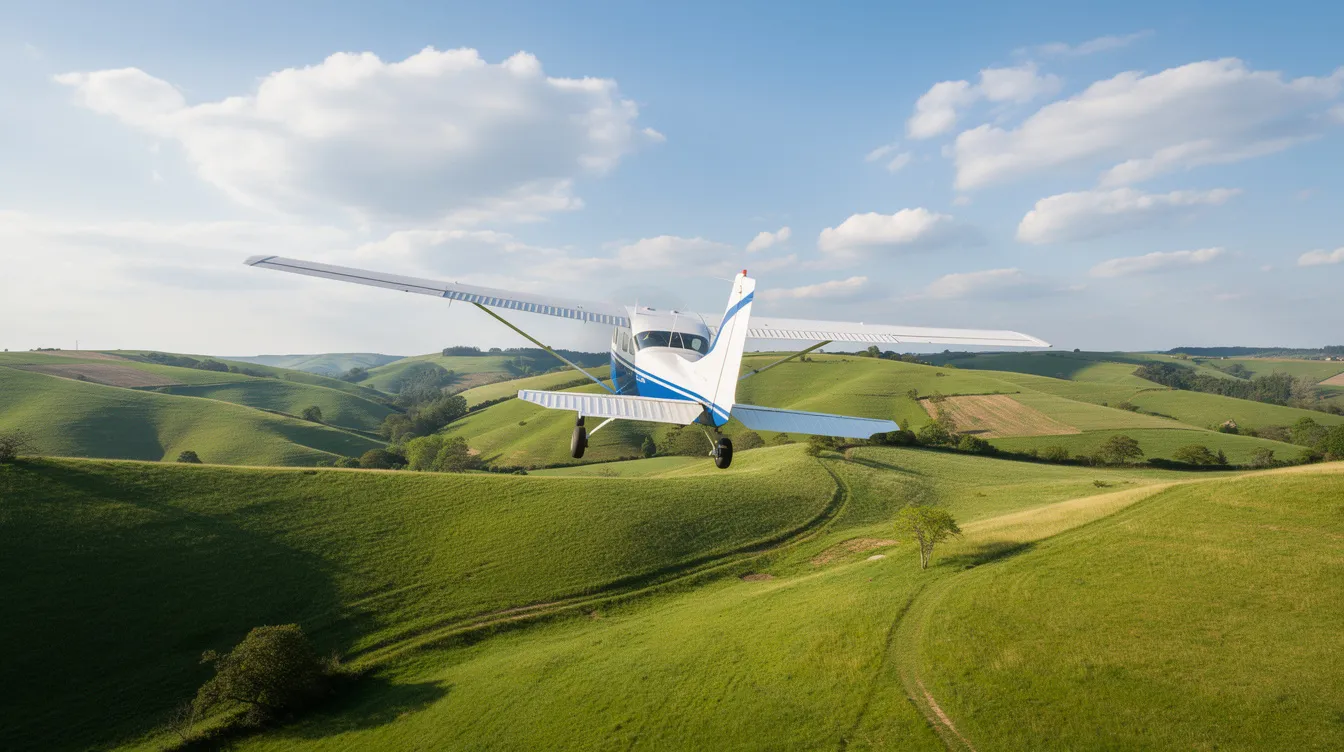
Single-engine planes typically cruise between 110 and 180 knots, with high-performance models exceeding 200 knots. Factors like aircraft type, altitude, and weight significantly influence actual speeds. Understanding cruise speed is crucial for effective trip planning and can often rival commercial airliners in total travel time.
Read More5
min read
How Fast Does a Single-Engine Plane Fly? (Real Speeds, Examples, and When Faster Makes Sense)
Single-engine planes typically cruise between 110 and 180 knots, with high-performance models exceeding 200 knots. Factors like aircraft type, altitude, and weight significantly influence actual speeds. Understanding cruise speed is crucial for effective trip planning and can often rival commercial airliners in total travel time.
Read MoreStay updated with our latest insights and tips to elevate your journey with us.
MEMBERSHIPS AND ASSOCIATIONS



Disclaimer: Jettly operates as a charter broker, offering access to a global digital jet charter marketplace. Jettly is not a direct air carrier and does not own or operate aircraft. All advertised flights are conducted by third-party air carriers that are fully licensed and hold the appropriate Part 135 or Part 121 certifications issued by the Federal Aviation Administration (FAA) or equivalent regulatory authorities under U.S. or foreign law. Jettly complies fully with the U.S. Department of Transportation's Part 295 and Part 298 Charter Broker regulations. Jettly does not carry additional liability insurance. Passengers are covered by aircraft operator insurance. TICO: 50023770


