



Login
Get Instant Pricing On 23,000+ Aircraft

>

A charter pilot job is a position in private aviation where a pilot flies on-demand, non-scheduled flights for individuals and businesses. Unlike airline pilots who fly fixed routes on predictable schedules, charter pilots operate under Part 135 regulations and handle diverse mission types, from corporate shuttles and family vacations to medical transport and urgent travel.
Charter pilots often fly to smaller regional airports and handle diverse flight routes that airline crews rarely see. The role contrasts sharply with a flight instructor position, which focuses on training students rather than transporting passengers.
Digital charter brokers like Jettly act as intermediaries in this ecosystem. Jettly does not employ pilots directly but connects travelers with certified operators who hire and manage captains and first officers. Since 2020, private charter demand has grown steadily. U.S. private jet departures increased roughly 29% between 2019 and 2025, driven by travelers seeking flexibility, access to smaller airports, and reduced crowd exposure.
A charter pilot job involves flying on-demand, non-scheduled flights under Part 135 regulations, serving business, leisure, and medical travel clients with a level of flexibility that airline roles rarely match.
Minimum qualifications typically include a Commercial Pilot License with Instrument Rating, 500 to 1,500+ total flight hours for first officers, and 2,500 to 3,500+ hours for captains, plus a current FAA Medical Certificate and relevant type ratings.
Charter flying offers varied schedules, routes into smaller airports, and direct passenger interaction, but comes with irregular duty patterns and time away from home.
Digital charter brokers like Jettly do not employ pilots directly but connect travelers with certified operators whose captains and first officers execute each mission.
Compensation ranges widely by aircraft type and experience, with first officers earning $100,000 to $180,000 and captains earning up to $225,000+ at top operators.
Charter pilot roles vary based on aircraft size, operation type, and mission profile. Here are the main categories:
Charter Captain: Responsible for command decisions, safe operation, and customer interaction. Captains fly aircraft ranging from turboprops to large-cabin jets and hold final authority over every flight. Charter pilots face unique challenges compared to traditional airline pilots due to the nature of private aviation, including varied airports, weather, and client expectations.
First Officer and First Officers in Training: First officers support the captain by handling radios, checklists, and flying legs under supervision while building the experience needed for an upgrade. Many operators structure first officer training programs with ground school, simulator time, and supervised line flying.
Specialized Niches: Medical charter (air ambulance) pilots handle emergency response with medical equipment on board. Cargo charter pilots move freight on tight deadlines. Corporate shuttle crews fly recurring routes for a single company. Seasonal or contract pilots cover busy periods at resort locations.
Transitional Roles: Many pilots move into charter from flight instructor or regional airline positions. Aero Charter is currently hiring for various pilot positions, reflecting the broader industry demand for talented candidates across all role levels.
Exact standards depend on the region, operator, and aircraft type. But most Part 135 charter companies share common minimum qualifications for their crews.
Licenses and ratings:
A Commercial Pilot License (CPL) is required to fly professionally for compensation. Most jet charter roles also require an Airline Transport Pilot (ATP) certificate or ATP-eligible status for the pilot in command.
An Instrument Rating allows flying solely by reference to instruments, which is critical for charter operations in varied weather. A Multi-Engine Rating is necessary for operating multi-engine aircraft.
Type ratings are needed to operate specific aircraft models, particularly jets like the Learjet 60XR, Citation X, or Gulfstream series.
Hour thresholds:
Typically, charter pilots need between 500 and 1,200 flight hours depending on the operation's requirements. FAA regulations set minimum flight hour requirements for different pilot roles in charter aviation: Part 135 rules specify 1,500 total hours for pilot-in-command and 500 hours for second-in-command on eligible on-demand operations.
Many operators ask captains for 2,500 to 3,500+ total hours with significant multi engine turbine PIC time. First officer roles typically require 1,000 to 2,000 hours with instrument and multi-engine experience.
Medical and other requirements:
A current FAA Medical Certificate is mandatory for charter pilots. Most operators require a Class 1 medical, which is valid for 12 months if the pilot is under age 40.
A valid passport and English proficiency are typically required for charter pilots, especially for operators flying international routes.
Some employers prefer candidates with prior Part 135 experience, flight instructor background, or previous first officer time on type.
The path from student pilot to charter captain follows a fairly standard process, though timelines vary.
Private Pilot License and Instrument Rating: The foundation. Most pilots complete these within the first year of training.
Commercial License: Requires 250 hours total time. Initial commercial flying jobs often require 250 flight hours, opening access to entry-level positions.
Hour Building: Many pilots work as a flight instructor to quickly gain PIC time, sharpen decision-making, and meet insurance minimums for charter. Pilots become more marketable after 500 hours of flight time. PCC helps pilots find local flying companies for initial jobs, which matters because many local flying companies do not publicly post pilot positions.
Charter First Officer: After reaching 1,000 to 1,500 hours, pilots can apply for charter FO roles. Company training typically includes aircraft-specific ground school, simulator sessions, and supervised line flying.
Captain Upgrade: Based on total hours, time in type, checkride performance, and company seniority. Realistic timeline from student to charter minimums is 3 to 6 years depending on training pace.
Ongoing training never stops. Annual recurrent training, checkrides, and proficiency checks are standard throughout a charter career.
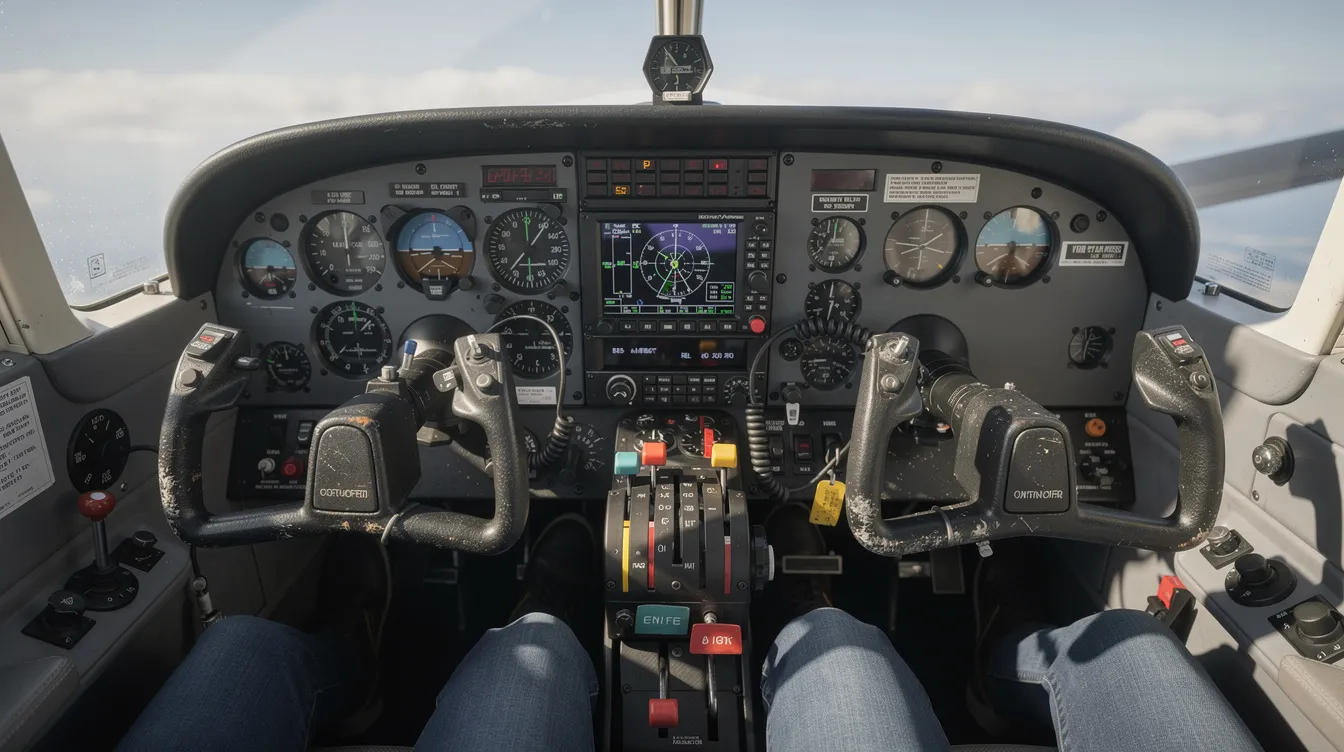
Charter flying is customer-facing and operationally varied. No two days look the same.
Pre-flight tasks:
Flight planning includes reviewing weather, routing, and weight and balance calculations tailored to each passenger group and baggage load
Filing flight plans, coordinating with dispatch, checking NOTAMs and performance data
Pre-flight inspections of the aircraft, verifying systems and cabin readiness
Passenger interaction:
Greeting clients on the ramp, confirming itinerary changes, and explaining flight conditions
Managing expectations for VIP and high-net-worth travelers who expect seamless service
In-flight and post-flight:
Monitoring systems, communicating with ATC, managing fuel
Completing post-flight paperwork, recording maintenance discrepancies, and securing the aircraft at smaller airports
In smaller operations, pilots often handle catering coordination, ground transport, and baggage directly
Charter flying schedules are often irregular and subject to last-minute changes. This is one of the clearest differences from airline work.
Typical patterns:
Rotations like 8 days on, 6 days off or 15 on, 13 off are common, but on-call periods add unpredictability
Multi-day trips, one-way repositioning flights, and same-day turnarounds all happen regularly
Clients booking through platforms like Jettly may request flights with short notice, adding variety but reducing schedule control as they select from a broad range of private charter aircraft
Common routes:
Business corridors like New York to Miami, Los Angeles to Las Vegas, and Toronto to Vancouver are frequent. According to McKinsey, 78% of departure growth since 2019 occurred at leisure-destination airports like Naples, Scottsdale, and similar locations, which are heavily served by the best private jet charter companies and top luxury operators.
Lifestyle trade-offs:
Pros: destination variety, flying into airports closer to city centers, direct passenger interaction, and occasional empty-leg repositioning flights
Challenges: irregular sleep, rapid itinerary changes, time away from home, and variable workloads
Pilots evaluating a charter pilot job should ask about duty-time policies, rest guarantees, and typical night-versus-day flying ratios before accepting an offer

Pay varies by aircraft size, region, company, and employment type. Here is a general view based on recent industry data.
|
Role |
Typical Annual Range |
|---|---|
|
Turboprop FO |
$50,000–$100,000 |
|
Light/Midsize Jet FO |
$100,000–$180,000 |
|
Large-Cabin Jet Captain |
$150,000–$225,000+ |
First officers can earn an extra $1,250 for PIC bonus days at some operators. For more detail on compensation levels, see Jettly's breakdown of private jet pilot salary data.
Common benefits include: health insurance, dental coverage, retirement contributions (401K matching), per diem, hotel and travel allowances, paid recurrent training, and performance bonuses tied to safety.
Career progression:
First officers can experience one of the fastest captain upgrades at certain companies. flyExclusive offers one of the fastest captain upgrades and has over 80 approved domicile locations in the U.S., giving pilots flexibility in relocation.
Wing Aviation provides opportunities for upward or lateral moves, including transitions from charter to corporate flight departments or management positions.
Lateral moves into fractional operators, airline first officer seats, or chief pilot and training captain roles are all realistic paths to continue building a career.
Jettly is a charter broker and digital marketplace, not an operator. It does not directly hire pilots.
Charter pilots are employed by operators whose aircraft are listed on platforms like Jettly for on-demand booking. When clients request instant quotes on Jettly, the platform sources flights from certified carriers and helps them understand how much a private jet charter typically costs. Assigned captains and first officers then execute the mission.
Digital booking and instant pricing tools to estimate private jet charter costs increase aircraft and crew utilization. This creates more varied trip opportunities for charter pilots, from business shuttles between financial centers to family vacations at resort destinations. Financial transparency and flexibility are critical aspects of the private jet charter market, and platforms like Jettly provide both to travelers while supporting consistent demand for operators and their crews.
Brokers like Jettly focus on safety by working with operators that meet regulatory and audit standards. This supports structured training and recurrent programs for the pilots who fly these missions. Readers interested in how charter flights work from the passenger side can explore real trip examples and aircraft options at Jettly's aircraft charter guide.
Safety and regulatory compliance define the professional charter pilot job and directly influence hiring, training, and promotion decisions.
Charter operations are governed by FAA Part 135 regulations in the U.S., with EASA rules covering Europe and similar frameworks elsewhere. These regulations set standards for duty time, maintenance, training, and crew qualifications.
Key safety elements:
Checkrides and line checks occur once or twice per year, often in simulators for specific jet types. Pilot positions may require recurrent training for safety standards as mandated by both regulators and company policy.
Safety management systems (SMS) require hazard reporting, standardized checklists, and adherence to company operations manuals
Many operators working with Jettly hold third-party safety accreditations such as ARGUS, Wyvern, or IS-BAO, which set strict pilot qualification and training benchmarks
Drug test requirements are standard across the industry as part of employment screening
Professionalism, communication, and customer service are core safety skills in charter aviation, not just soft skills. A culture of accountability and continuous improvement separates strong operators from the rest.
Charter pilots are often the main brand touchpoint for private travelers, especially on smaller jets and turboprops. Charter pilots provide high-touch customer service directly interacting with clients from the moment they arrive at the ramp.
Responsibilities beyond flying:
Greeting passengers, assisting with baggage, coordinating catering preferences, and ensuring cabin comfort
Working with ops teams and brokers like Jettly to handle special requests: pets on board, child seats, medical equipment, or tight business schedules
Maintaining discretion and confidentiality for corporate travelers, public figures, and families who value privacy
Repeat clients often request the same captain or first officer when booking via platforms that support personalized service. This reinforces the relationship aspect of the role and rewards pilots who attend to details and deliver consistent quality.
Pilots who enjoy direct customer interaction and problem-solving tend to thrive in the charter environment compared with more anonymous airline roles.

This comes down to what matters most to you in a career: predictability or variety, structure or independence, anonymity or direct client contact.
Traits that fit charter work:
Adaptability and comfort with changing plans
Strong customer service mindset and ability to operate independently at small airports
Willingness to handle the paperwork, logistics, and problem-solving that come with varied locations
Charter flying is less predictable than airline work but offers more variety in missions and closer contact with passengers and decision-makers. Pilots who started as flight instructors may appreciate how charter flying continues to develop their judgment, multi-crew communication, and real-world IFR skills. These dynamics mirror the broader trends in private and charter airlines across the industry.
Research specific operators. Ask about training, lifestyle, and captain upgrade timelines. Look at the types of aircraft in their fleet and the locations they serve. Consider whether relocation is feasible. Understanding how clients book via Jettly can also give aspiring charter pilots useful insight into the commercial side of private aviation.
Jettly's instant pricing and global aircraft inventory give operators access to more routes and customer segments across the world. For the captains and first officers employed by those operators, this translates into a broader range of mission profiles.
Typical Jettly-sourced trips include business shuttles between financial centers, family travel to resort destinations, and last-minute repositioning flights that keep crews and aircraft productive. Accurate passenger counts, luggage expectations, and schedule transparency flow from Jettly's confirmed bookings through operator dispatch to the flight crew.
Jettly focuses on transparent pricing, tech-enabled booking, and partnerships with properly certified carriers. This supports safe and efficient missions for people on both sides of the cockpit door. The demand for charter pilots will continue to grow as more travelers discover the convenience of on-demand private flights.
Ready to experience private travel on your terms? Explore flight options or request a quote at https://www.jettly.com.
Most pilots reach common charter minimums within 3 to 6 years from their first lesson. The timeline depends on training pace and hour-building roles. Working as a flight instructor or in a regional airline first officer seat accelerates the process. Initial commercial flying jobs often start around 250 hours, but competitive charter positions typically require 1,000 to 1,500 hours for first officers and significantly more for captains.
Charter pilots have more variety in their flying but less predictability. Some operators use fixed rotations like 8 days on and 6 off, while others rely on on-call models where trips appear with short notice. Schedule control depends heavily on the specific operator's policies, fleet size, and base location. Pilots should ask about guaranteed days off and duty-time limits during the recruitment process.
Many charter operators do not require a four-year degree if candidates meet license, hour, and performance standards. What matters most is ratings, flight time, checkride history, and the ability to pass company training. That said, some corporate and large-fleet employers still prefer aviation or STEM degrees, and a degree can help in a competitive job market.
Foreign pilots typically need to convert their licenses to FAA or EASA equivalents by passing written knowledge exams, meeting hour and rating equivalency standards, and obtaining work authorization. The process varies by country. Candidates should start by reviewing guidance from the relevant aviation authority well before applying to operators.
Private flights generally produce higher emissions per passenger due to smaller passenger loads and repositioning legs. However, newer aircraft are more fuel-efficient, and some operators and brokers offer carbon offset programs. Efficient routing through digital platforms and growing use of lighter aircraft categories also help reduce the environmental footprint of on-demand charter travel.
A charter pilot job can offer varied routes, direct passenger interaction, and opportunities to advance, but it also requires strong qualifications and flexibility around changing schedules. Aspiring pilots should compare operator requirements, training support, safety standards, and typical duty patterns before applying. For more guidance, read about private aviation jobs, Part 135 charter companies, and private jet pilot salary.
Jettly is a charter broker and digital marketplace, not an aircraft operator or pilot employer. Its platform connects travelers with properly certified third-party carriers and positions itself as a flexible, cost-effective NetJets alternative for private flyers. Explore Jettly’s charter options at https://www.jettly.com.
Share this post:
Jay Franco Serevilla
Nov 24, 2026
|
5
min read
Discover tips and trends in the industry.

5
min read
Private Jet Safety Guide to Broker Rules, Ratings, and Operator Checks
This comprehensive guide to private jet safety outlines essential broker rules, operator checks, and safety ratings. It emphasizes the importance of verifying the actual air carrier operating your flight, rather than relying solely on the broker's branding. Readers will learn how to assess safety ratings, understand regulatory distinctions, and ensure compliance before booking a charter flight.
Read More
5
min read
Does Delta Premium Select Include Lounge Access? (2026 Guide)
Delta Premium Select does not include lounge access by itself. Access to Delta Sky Clubs or Delta One Lounges requires separate eligibility, such as Medallion status or an eligible credit card. Travelers should check current access rules before booking to ensure they meet the necessary criteria.
Read MoreStay updated with our latest insights and tips to elevate your journey with us.
MEMBERSHIPS AND ASSOCIATIONS



© 2026 Jettly Inc. All rights reserved.
Disclaimer: Jettly operates as a charter broker, offering access to a global digital jet charter marketplace. Jettly is not a direct air carrier and does not own or operate aircraft. All advertised flights are conducted by third-party air carriers that are fully licensed and hold the appropriate Part 135 or Part 121 certifications issued by the Federal Aviation Administration (FAA) or equivalent regulatory authorities under U.S. or foreign law. Jettly complies fully with the U.S. Department of Transportation's Part 295 and Part 298 Charter Broker regulations. Jettly does not carry additional liability insurance. Passengers are covered by aircraft operator insurance. TICO: 50023770


