



Login
Get Instant Pricing On 23,000+ Aircraft

>
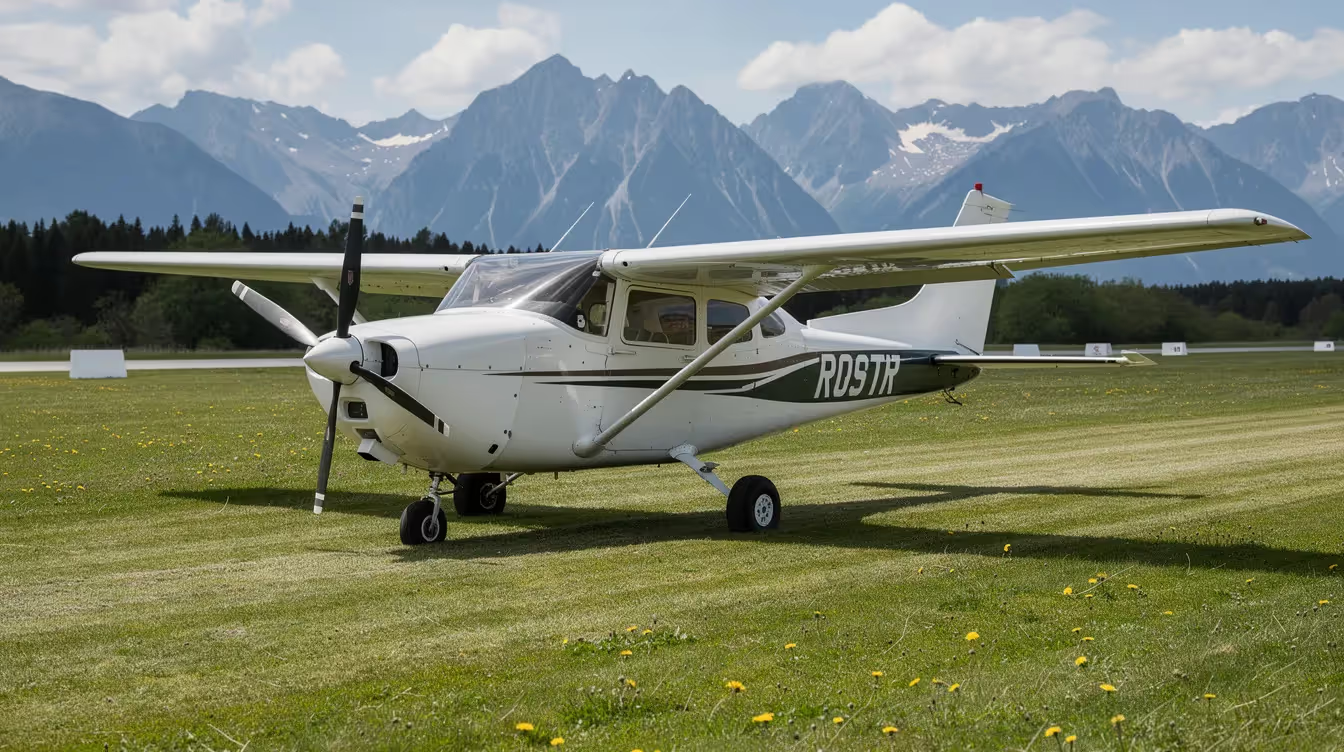
The Cessna 172 interior represents decades of aviation engineering focused on one goal: making flight training and personal flying accessible, safe, and practical. Since its introduction in 1955, the aircraft has enjoyed an exceptional length of production, with more than 44,000 units constructed, making it a standout in aviation history. The company, Cessna, has played a pivotal role in manufacturing and branding decisions, ensuring the aircraft's continued relevance through strategic updates and adaptations for both civilian and military markets. Evolving from a basic tricycle landing gear variant of the Cessna 170, the Cessna 172 has become the world's most successful aircraft for pilot training. Over the years, it has incorporated advanced features such as the Garmin G1000 avionics suite, reflecting continuous improvements in technology and usability. Understanding what makes the cabin work—from seating to avionics to storage—helps owners, operators, and student pilots get the most from this iconic aeroplane.
The Cessna 172 interior features a four-seat, high-wing cabin layout with dual flight controls and a straightforward cockpit optimised for visibility and training purposes.
Modern 172S Skyhawk models produced from the late 1990s onward include improved seat padding, better interior plastics, and glass cockpit options like the Garmin G1000 NXi.
Interior refurbishment for older 172s can range from affordable trim replacements to comprehensive overhauls costing several thousand dollars, often combined with avionics upgrades.
The high-wing design provides superior downward visibility compared to low-wing aircraft, making the 172 ideal for sightseeing, aerial photography, and flight instruction.
Jettly serves as a digital aviation platform where travellers can compare aircraft interiors and configurations when chartering larger cabin options as their flying needs evolve.
The Cessna 172 is a four-seat, single-engine aircraft whose interior has evolved significantly from the first 1956 production models to the current 172S Skyhawks rolling off assembly lines today. For many pilots, it also represents one of the most affordable aircraft ownership options, balancing acquisition and operating costs with practical performance. The concept behind the cabin remains consistent: prioritise functionality, durability, and ease of use over luxury appointments.
When pilots and owners discuss the Cessna 172 interior, they typically reference several key areas:
Seating layout: A 2+2 configuration with front seats for pilot and instructor, plus a rear bench
Cockpit design: Either classic analogue “six-pack” instruments or modern glass displays
Materials and finishes: Durable synthetic upholstery and plastics designed for training environments
Storage solutions: Rear baggage area and various cabin pockets for charts and headsets
Upgrade paths: Avionics, soundproofing, lighting, and interior refurbishment options
Photos are often used to compare old and new interiors, helping pilots and enthusiasts analyse design changes and improvements over time.
The interior is designed for ease of use and features a straightforward layout prioritising functionality. This makes it ideal for high-utilisation flight schools where the cabin sees multiple flights daily. Research into past designs and regulations highlights how understanding the past informs both current and future interior concepts, ensuring that each new iteration builds on decades of experience. The wings are mounted above the cabin, which provides excellent downward visibility and makes boarding easier for passengers of all ages.
Looking ahead, future advancements and redesigns will continue to shape the Cessna 172 interior, further enhancing comfort, technology, and pilot experience.
The cockpit of the Cessna 172 has undergone a dramatic transformation over six decades of production. Earlier models from the 1960s through 1990s feature the classic “six-pack” arrangement of primary flight instruments: airspeed indicator, attitude indicator, altimeter, turn coordinator, heading indicator, and vertical speed indicator. These analogue gauges remain intuitive and reliable, which explains why many flight schools continue operating older airframes. The Cessna 172 is powered by its reliable engine and avionics, ensuring dependable performance for pilots and students alike.
The transition from analogue to digital cockpit designs in the Cessna 172 reflects a broader trend in aviation, where newer models incorporate advanced avionics and user-friendly interfaces to improve pilot efficiency and safety. Current production Skyhawks typically come equipped with the Garmin G1000 or G1000 NXi suite, integrating primary flight display and multi-function display capabilities into two large screens. These digital systems are subject to FAA certification and must comply with FAA regulations to ensure safety and reliability in flight operations.
The cockpit of the Cessna 172 is divided into three primary zones to optimise pilot performance and safety. This thoughtful layout helps pilots achieve optimal situational awareness and safety by ensuring that critical information and controls are easily accessible and clearly visible:
|
Zone |
Components |
Function |
|---|---|---|
|
Primary Flight Display |
Airspeed, attitude, altitude, heading |
Core flight reference |
|
Center Stack |
Radios, NAV/COM, transponder |
Communication and navigation |
|
Lower Panel |
Throttle, mixture, flap lever, switches |
Engine and configuration control |
Key cockpit elements include dual yokes for both front seats, a central throttle quadrant with mixture control, and a flap lever positioned for easy access during landing approaches. Modern retrofits often add compact electronic standby displays like the GI 275, which replace three separate analogue backup gauges and free up panel space.
Common upgrades in this area include new instrument panel overlays, improved backlighting for night flying, and USB power ports that allow pilots to charge tablets and electronic flight bag devices during cross-country missions. Certain modifications, such as streamlined fairings or wheel pants, can also reduce drag, improving the aircraft's performance and fuel efficiency.
The Cessna 172 interior includes seats wrapped in durable materials, enhancing both comfort and longevity for users across thousands of flight hours. The four-seat configuration places two front seats side-by-side with full flight controls, while a slightly narrower rear bench accommodates one to two additional passengers, making it a popular choice among family-of-four aircraft options.
In practice, three adults fly comfortably on shorter flights of one to three hours. The rear seats work well for smaller adults or children, though larger passengers may find the depth and legroom limited compared to six-seat aircraft from other manufacturers. Pilots and passengers often remark on the fun and enjoyment of flying in the Cessna 172, making each trip a memorable experience. (Cabin noise levels during takeoff and climb can reach 101.3 to 114 dBA, so headsets are recommended for comfort.)
The Cessna 172 has seen various interior design changes over the years, including the introduction of contoured, energy-absorbing seats and a multi-level ventilation system in newer models. Post-1997 aircraft (172R and 172S variants) feature significant improvements:
Better seat foam with improved ergonomic contouring
More durable synthetic leather upholstery is resistant to wear in training environments
Updated interior plastics that feel less brittle than 1970s-era components
Improved shoulder harness systems beyond basic lap belts
Newer materials and configurations can also result in a lighter cabin, which helps improve overall aircraft efficiency and performance.
Adjustability remains straightforward: front seats move forward and aft on seat tracks, with some seat back recline available. Shoulder harnesses became standard equipment over time, though older models may require retrofit under supplemental type certification.
Owners planning an interior overhaul often refurbish seats and side panels together, selecting colours that reduce glare while keeping the cabin bright for daytime flying.
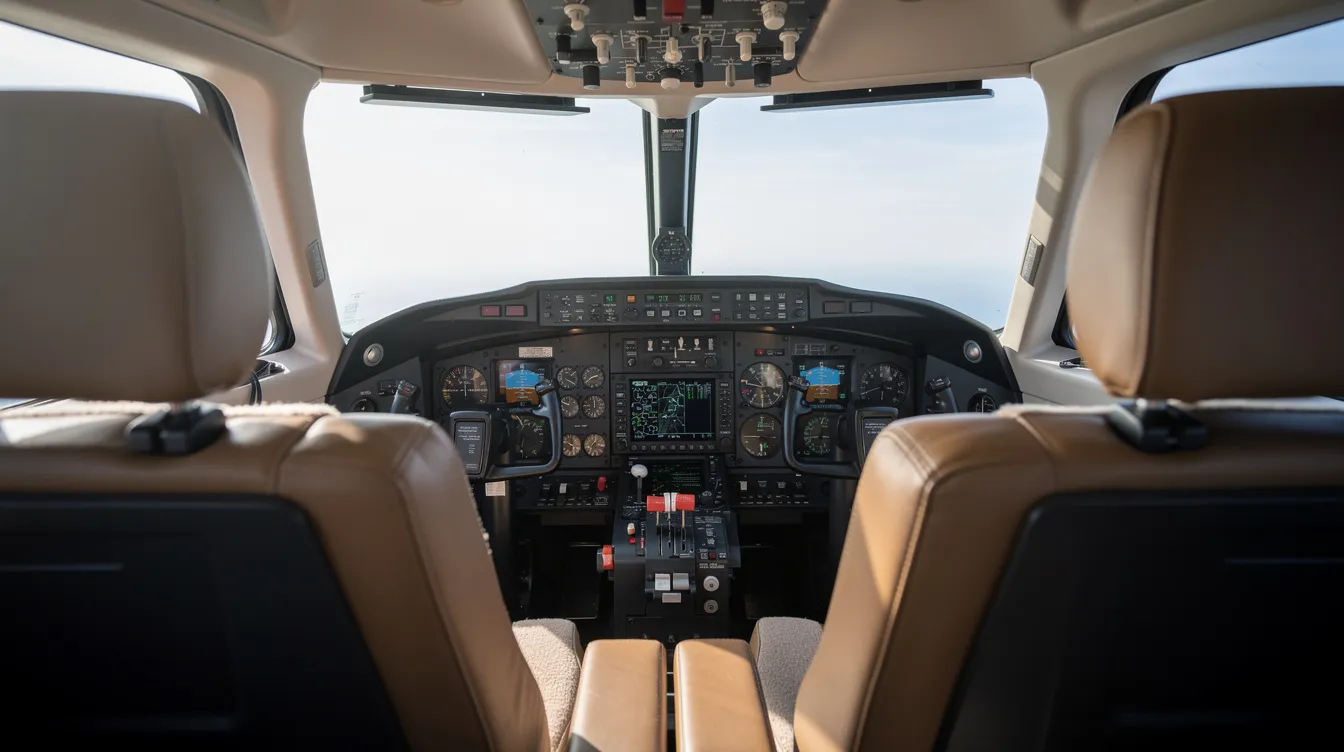
Visibility ranks among the most praised characteristics of the Cessna 172 interior. The high-wing design provides superior downward visibility compared to low-wing aircraft, making it the ultimate training aircraft for instructor observation and student situational awareness.
In 1963, the Cessna 172D model introduced a lowered rear deck and an Omni-Vision rear window, enhancing visibility for pilots and passengers, which became a hallmark of the design. This feature improved rearward sightlines during landing approaches and ground taxi operations—a significant safety enhancement that persists in modern production.
The Cessna 172 features a cabin designed for comfort, with large wraparound windows and soft LED lighting throughout the interior. The front windscreen curves back toward the wings, giving pilots excellent forward and side visibility for traffic scanning and approach procedures.
Interior lighting has evolved considerably:
Dome lights: Overhead illumination for preflight checklists and passenger boarding
Instrument backlighting: Panel flood lights controlled by rotary dimmer knobs
LED upgrades: Many operators now replace original incandescent bulbs with cooler, more efficient LED alternatives
Popular modifications for hot climates include tinted windows, improved sun visors, and aftermarket window shades. These upgrades help manage cabin temperature during ground operations in California, Arizona, and other warm regions.
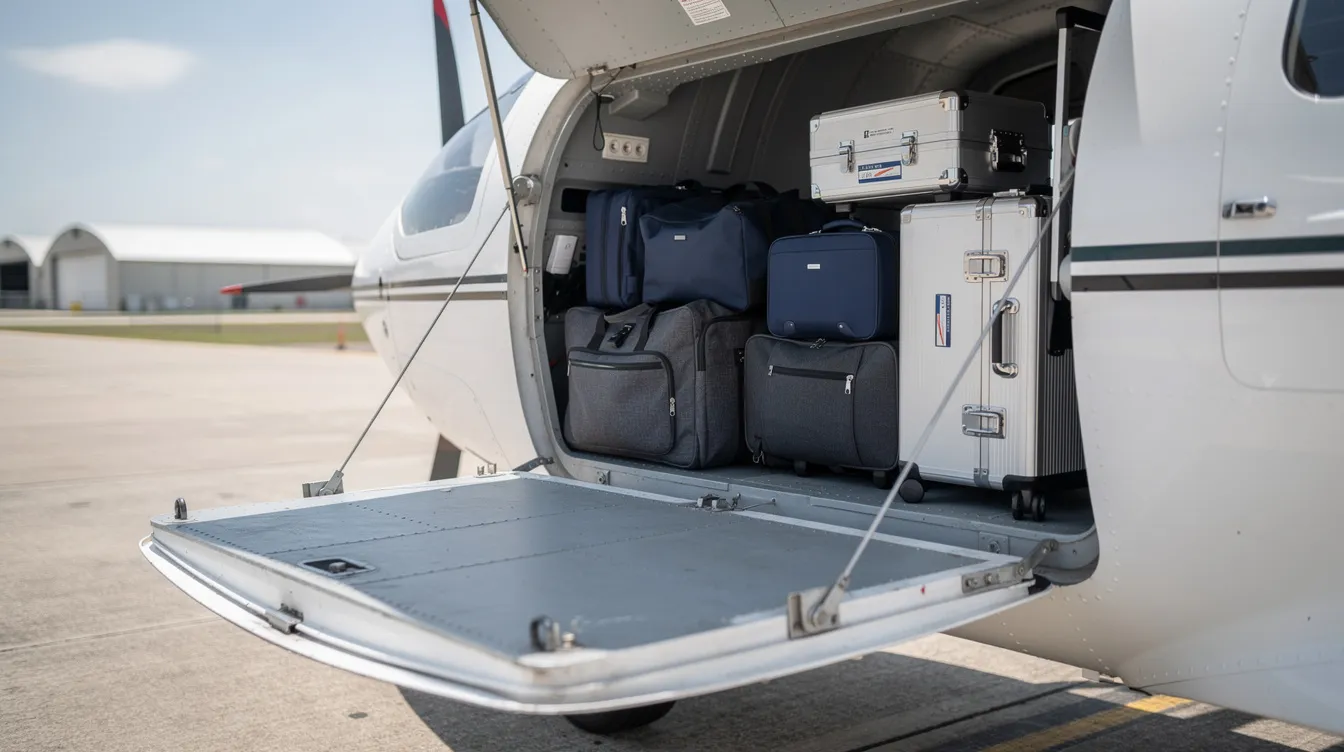
Every inch of the Cessna 172 interior serves a purpose during cross-country flights, which is an important factor when evaluating the best personal aircraft for your needs, assessing the best cross-country plane for your travel journey, or comparing affordable aeroplane rent costs and options. The baggage area of the Cessna 172 is located behind the rear seats and is accessible through an external baggage door, allowing easy loading without disturbing seated passengers.
The compartment in the Cessna 172 typically allows for up to 120 pounds of luggage, though some model years permit slightly higher limits depending on equipment installed and maximum takeoff weight considerations. Weight and balance calculations remain essential—filling both the fuel tanks and baggage area to capacity may not be possible with four passengers aboard.
Common interior components that enhance convenience include:
Centre console or pedestal between front seats for charts and small items
Door pockets sized for sectional charts and approach plates
Armrests on door panels and sometimes on seat sides
Map pockets behind front seats for passenger use
Headset hooks mounted to the cabin ceiling or rear pillars
Safety items stored in the cabin vary by operator and mission profile. Flight schools typically carry fire extinguishers and first-aid kits, while pilots flying over remote ground in Alaska or mountain regions may add survival gear and emergency locator equipment. Being prepared with the right gear is essential for safe operations in any environment.
The design of the Cessna 172’s interior has evolved to include features such as dual USB ports for charging devices, catering to modern user needs. Tablet mounts have become nearly standard additions, as electronic flight bags replace paper charts for many student pilots and certified aviators. Storage and convenience features are designed to support pilots and owners at every stage of their flying journey, adapting to changing needs from training to advanced cross-country flights.
Ageing 172s from the 1960s through 1980s often require interior refurbishment, creating steady demand for replacement parts and custom kits. The history of this aircraft spans nearly seven decades, meaning shops worldwide have developed expertise in bringing tired cabins back to service, and many owners also research the cheapest private aircraft options for their budget before committing to major refurbishment.
The Cessna 172 interior can be customised with various components such as centre consoles, armrests, and baggage compartment panels, which are available for different model years. Typical parts available for purchase include:
|
Component |
Approximate Cost Range |
Notes |
|---|---|---|
|
Centre console kit |
$200 – $800 |
Varies by model year compatibility |
|
Door panels (pair) |
$400 – $1,200 |
Includes window trim |
|
Headliner kit |
$500 – $1,500 |
Material and labour vary |
|
Complete interior kit |
$3,000 – $8,000+ |
Full cabin replacement |
|
Carpet set |
$300 – $700 |
Cut for specific model years |
These figures represent typical ranges; the regular price for any project depends on condition, labour rates, and material choices. Owners in remote areas may pay more for shipping and service. Pilots on tighter budgets often research the best cheap plane options for budget-conscious buyers before committing to a major refurbishment.
Interior upgrades for the Cessna 172 include options for soundproofing, improved seating, and enhanced instrument panel layouts to improve pilot usability and comfort. Owners weighing refurbishment against upgrading to charter or fractional access often use tools like a private jet charter cost estimator or strategies for booking the cheapest private jet flights to compare long-term budgets. Replacing brittle plastic components with modern alternatives dramatically improves the look and feel of older aircraft, often making them competitive with recently repainted airframes.
Many owners combine interior work with avionics retrofits, since accessing the instrument panel and wiring harnesses requires removing significant portions of the cabin. Coordinating these projects saves money on labour and reduces total aircraft downtime, and for some pilots, the next step after a fully upgraded 172 is researching the best, cheapest single-pilot jets for budget-conscious buyers.
The Cessna 172 is famous for its incredibly stable and forgiving flight characteristics, making it the most popular trainer in the world. From a cabin perspective, the interior prioritises function over form—yet the aircraft remains comfortable for typical training missions lasting two to three hours, especially for owners who have carefully evaluated how much a private jet costs compared to piston aircraft and broader trends in the global fleet of private jets.
Compared to larger piston singles or light twins, the 172 cabin is narrower and more compact. Aircraft such as the Cessna 207 with its larger cabin offer more space and seating but introduce additional systems and performance considerations. This simplicity becomes an advantage during solo flights and primary instruction, where student pilots need to focus on flying rather than managing complex cabin systems.
Flight schools and flying clubs favour the 172 interior for several reasons:
Durable materials withstand frequent use by rotating students
Simple layout reduces distractions during critical training phases
Easy access to controls supports instructor intervention when needed
Good visibility aids traffic pattern work and landing practice
Charter operators occasionally use Cessna 172s for scenic flights, introductory lessons, and short regional hops between local airports, often pairing them with tools like an airport locator for planning routes and destinations. Prospective clients comparing these flights with private jets frequently consult guides on how much it costs to rent a private jet to understand the budget implications. In these applications, visibility and simplicity matter more than executive finishes. Passengers seeking their first time in a small aeroplane often appreciate the 172’s reputation for stability, while families planning longer trips may look toward the best private planes for families when they outgrow basic trainers.
The Cessna 172 is known for its stability and is considered the most popular trainer in the world. While the cabin cannot match the wide range of private charter aircraft available through platforms like Jettly, it serves its purpose exceptionally well—preparing pilots for larger, faster aircraft down the line.
Jettly operates as a digital private aviation platform that helps travellers compare aircraft options—including cabin size, seating configuration, and comfort features—before booking a charter flight through its extensive private charter aircraft inventory. While the Cessna 172 interior focuses on training and basic air travel, many pilots eventually seek roomier cabins as their travel needs evolve, turning to flexible private jet membership programs for on-demand access to larger aircraft and researching the best private plane manufacturers for different budgets and missions.
The platform provides easy access to various aircraft categories through its global private charter aircraft network, which is frequently compared against the best private jet charter companies and their services:
Light jets: 4–6 passengers, club seating, work tables, often accessed via structured jet card programs with fixed hourly rates and other top jet card programs compared
Turboprops: Regional range, efficient operation, enclosed lavatories on larger models
Midsize jets: Stand-up cabins, enhanced comfort for business travel, where a dedicated jet card flight cost estimator and guides to jet card costs and pricing structures can help forecast budget needs
Heavy jets: Transcontinental range, full amenities, and customizable in-flight catering services through Jettly Eats
Travellers familiar with piston aircraft like the 172 can use Jettly to filter available aircraft by passenger count, cabin layout, and convenience features, while also exploring affordable private jet charter pricing options, understanding how Part 135 charter companies operate under FAA regulations, and keeping an eye on the global fleet of private jets and industry trends. The platform emphasises transparent pricing and on-demand access—no long-term commitments required, whether you’re chartering a whole aircraft or simply buying a single seat on a private jet through instant-book marketplaces like Zenflight private jet operator services.
For pilots and passengers who started their aviation journey in a Cessna 172 cockpit, graduating to chartered jets and exploring the best private aeroplanes and luxury aircraft options represents a natural progression. Exploring the broader world of charter airlines and private operators helps them understand available cabin types, pricing models, and service levels, including how industry leaders like NetJets dominate fractional private aviation and how to compare the best fractional jet ownership companies and their costs. Larger cabins offer more space, reduced noise levels, and amenities that transform travel from a process of getting somewhere into a productive or relaxing experience, especially when travellers use modern platforms that make it easy to secure a seat on a private jet, compare app-based providers such as XO charter flights and their alternatives, or survey the top private jets in the world for luxury and performance.
Learn more about charter options and compare aircraft interiors at https://www.jettly.com, explore regional operators like Dexter Air Taxi’s private charter service, discover ways to crowdsource and share private jet flights, weigh shared charter flights versus full private charters, research destination-specific services such as private jet charter in Houston, Texas, Hyderabad, Telangana, Kolkata, West Bengal, Lagos, Nigeria, or New Delhi, Delhi, or even join Jettly’s high-ticket affiliate partnership program if you regularly refer new flyers.
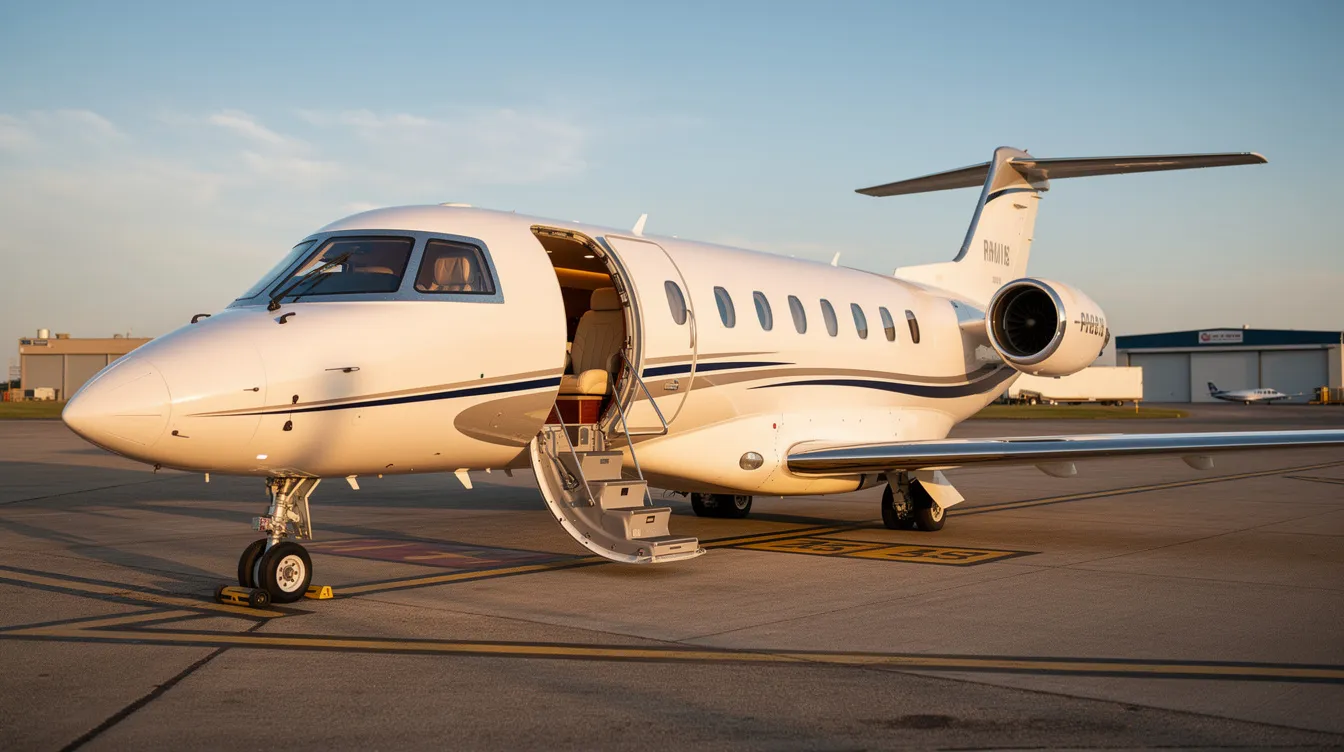
The Cessna 172 is certified for four occupants, but practical comfort depends on passenger size, baggage weight, and flight duration. Two adults in front and one to two smaller adults or children in the rear works well for flights lasting one to three hours. Weight and balance considerations may limit use of all four seats with full fuel—pilots must run calculations before each flight to confirm the aircraft remains within limits.
Many owners refurbish 1960s and 1970s aircraft with modern seat upholstery, new plastic panels, and updated headliners that closely resemble late-model interiors. Others step up to more capable cabins such as the pressurised Cessna 340 for business travel, trading trainer simplicity for speed and comfort. Adding LED lighting, USB charging ports, and avionics retrofits brings older cabins closer to current production standards. While exact factory styling cannot be replicated in every case, the overall look and feel can be significantly modernised with partners experienced in Cessna interior work.
The Cessna 172 interior works best for short regional hops, reaching smaller airfields, or flight training—not executive-level travel requiring space, speed, or privacy. Light jets and turboprops available on platforms like Jettly are generally preferred for regular business travel due to larger cabins, higher cruise speeds, and reduced noise. Pilots and small-business owners sometimes use a 172 for local trips and search out charter aircraft for longer or client-facing missions, often evaluating Jettly as a flexible alternative to NetJets-style programs, booking private jet charter services in Atlanta, Georgia, arranging private jet charter in Chennai, Tamil Nadu, when flying in India, or tapping similar regional options when their routes demand greater range and comfort.
The Cessna 172 interior has proven its value over decades as a reliable, practical, and user-friendly cabin for training and short personal flights. While it may not offer the space or amenities required for executive business travel, its simplicity, durability, and excellent visibility make it an enduring favourite among pilots and flight schools worldwide. For travellers seeking more comfort, speed, and flexibility, platforms like Jettly provide access to a broad range of private aircraft, from light jets to heavy jets, with transparent pricing and instant booking options. Whether upgrading from a Cessna 172 or chartering your first private flight, Jettly makes private aviation accessible and convenient.
Ready to experience private travel on your terms? Explore flight options or request a quote at https://www.jettly.com.
Share this post:
Jay Franco Serevilla
Apr 22, 2026
|
5
min read
Discover tips and trends in the industry.
5
min read
Air X: Private Aviation, Diversified Fleets, and Jet Support Explained
Air X represents a category of private jet charter operators known for their diversified fleets and integrated jet support, ensuring flexibility and safety. With over 7,050 flights in 2023, AirX Charter exemplifies excellence in private aviation, catering to corporate executives and high-net-worth individuals. Digital platforms like Jettly enhance access to these services, allowing travelers to book tailored flights effortlessly.
Read More
5
min read
Helidosa Aviation Group: Private Jet Charter, Safety Insights, and Alternatives
Helidosa Aviation Group is a leading private aviation operator in the Dominican Republic, offering a range of services including private jet charters and helicopter tours. Established in 1992, the company has expanded its fleet and services to cater to leisure and business travelers across the Caribbean and Americas. While Helidosa boasts a strong safety record, it has faced incidents that travelers should consider when booking.
Read MoreStay updated with our latest insights and tips to elevate your journey with us.
MEMBERSHIPS AND ASSOCIATIONS



Disclaimer: Jettly operates as a charter broker, offering access to a global digital jet charter marketplace. Jettly is not a direct air carrier and does not own or operate aircraft. All advertised flights are conducted by third-party air carriers that are fully licensed and hold the appropriate Part 135 or Part 121 certifications issued by the Federal Aviation Administration (FAA) or equivalent regulatory authorities under U.S. or foreign law. Jettly complies fully with the U.S. Department of Transportation's Part 295 and Part 298 Charter Broker regulations. Jettly does not carry additional liability insurance. Passengers are covered by aircraft operator insurance. TICO: 50023770


