



Login
Get Instant Pricing On 23,000+ Aircraft

>
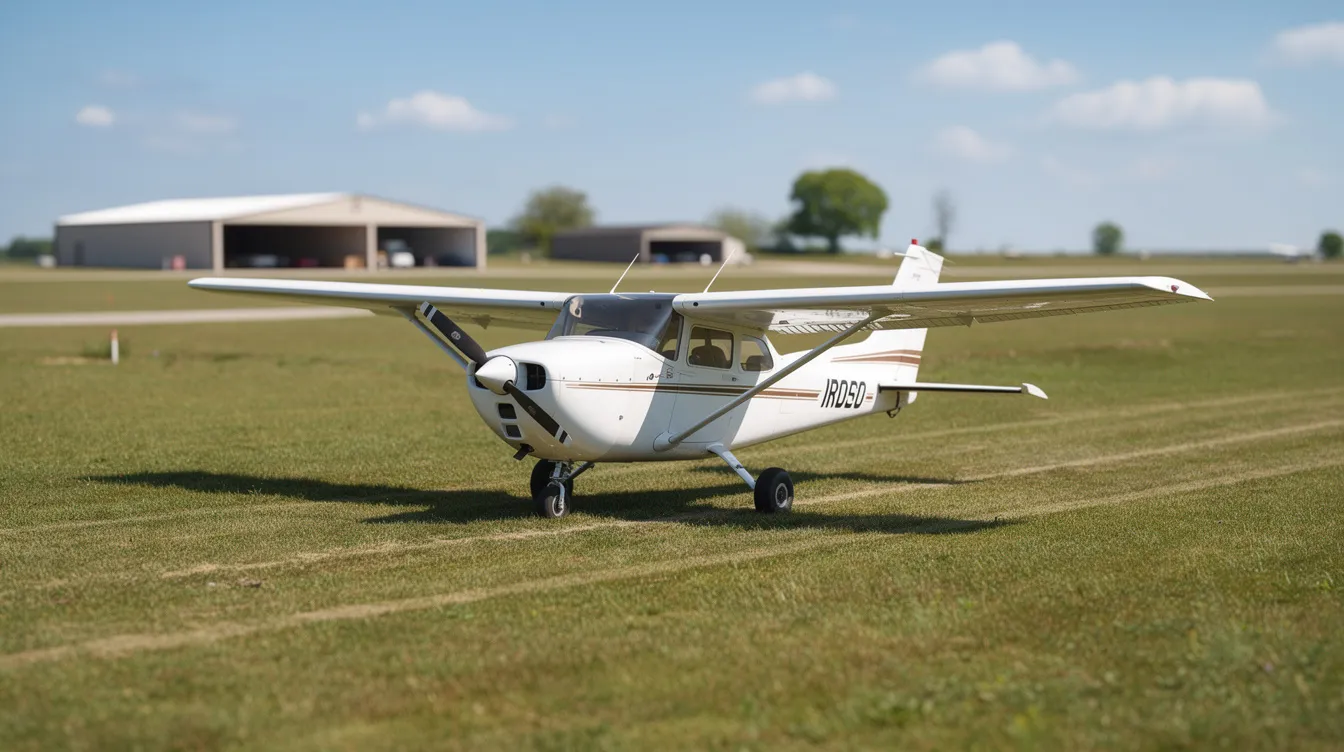
If you own or plan to buy a Cessna 150, understanding the Cessna 150 insurance cost is one of the first steps toward responsible aircraft ownership. This guide breaks down real premium ranges, coverage types, and the factors that push your quote up or down - all based on the latest 2026 market data.
Cessna 150 insurance typically costs $500–$1,000 annually for most private aircraft owners in 2026. This assumes a hull value between $25,000 and $50,000, combined liability and hull coverage, and a reasonably qualified pilot profile. The Cessna 150 is one of the cheapest aircraft to insure, thanks to its simple systems and favorable claims history.
Here's what those numbers usually include:
Liability coverage at $1,000,000 per occurrence with a per-passenger bodily injury sublimit (commonly $100,000)
Full hull coverage at an agreed value, protecting against physical damage both in motion and not in motion
The average premium for a Cessna 150 sits around $725 per year
Liability-only insurance generally costs $225 to $650 per year for qualified pilots, but most aircraft owners choose combined coverage to protect their investment. Full hull coverage for a Cessna 150 with $15,000 to $50,000 hull value typically costs between $390 and $1,100 per year, depending on pilot qualifications and use.
Using the airplane for flight instruction, rental, or commercial operations can push annual insurance costs above the $500–$1,000 band. As a rule of thumb, expect to pay 0.9% to 1.3% of hull value for insurance, with adjustments for pilot experience and claims history.
The Cessna 150 is a two-seat, single-engine trainer and personal aircraft introduced in 1958 and produced through the late 1970s. It remains one of the most popular light aircraft in general aviation, with thousands still flying worldwide.
Key specs that matter to insurers:
100 hp Continental O-200 engine, cruise speed around 95–100 knots
Fixed tricycle gear - no retractable systems that complicate maintenance or increase risk
Two seats, simple avionics, non-pressurized cabin
Market values in 2026 typically fall between $25,000 and $50,000 depending on condition, avionics, and engine time
Cessna 150s have a historical safety record contributing to lower insurance costs. The model's predictable handling, massive fleet size, and excellent parts availability give insurers decades of claims data, reducing underwriting uncertainty. Compared to complex aircraft with retractable gear or higher performance profiles, the 150 sits at the lower end of the piston-aircraft insurance spectrum.
This section translates typical aviation insurance quotes into practical ranges based on data reviewed from mid-2025 through 2026. Insurance rates are based on the aircraft's hull value, pilot profile, and coverage structure.
For Cessna 150s with insured values between $25,000 and $50,000:
Most full-coverage annual premiums cluster between $500 and $1,000
The median premium lands around $700; the average is approximately $725
These premiums typically bundle $1,000,000 combined single limit liability coverage (often with a $100,000 per-passenger sublimit) plus in-motion and not-in-motion hull coverage at the agreed hull value.
Aircraft outside this insured value band - a heavily upgraded 150 worth $60,000 or a project plane insured for $15,000 - may fall above or below these ranges. Liability-only aircraft insurance costs are not represented here and can run substantially lower. Premiums typically range from 0.9% to 1.3% of hull value for the hull portion alone, with liability added on top.
Aircraft insurance for a Cessna 150 can be categorized into liability-only and full hull coverage, though most owners bundle both. Here's what each component covers:
Liability coverage: Protects against third-party bodily injury and property damage claims. Commonly structured as $1,000,000 per occurrence with per-passenger sublimits (e.g., $100,000). The per-passenger limit is typically part of - not in addition to - the overall occurrence limit.
Hull coverage: Insures the aircraft's hull against physical damage at an agreed value. Standard policies cover the plane both in motion (taxi, takeoff, flight, landing) and not in motion (parked, in hangar, tied down).
Ground-only coverage: Some owners of stored or project aircraft choose not-in-motion-only hull protection, which costs less but doesn't cover taxi accidents or runway incidents.
Medical payments: Optional add-on providing no-fault coverage for minor injuries to passengers or pilot, regardless of who caused the incident.
Specific coverage limits influence insurance premiums directly. Higher liability limits or broader hull protections increase the annual cost. Owners should review policy wording carefully - especially around non-owned aircraft coverage and exclusions that may apply during business use or when other pilots fly the plane.
While typical ranges exist, actual aircraft insurance costs depend on pilot, aircraft, and usage details. Here are the primary variables:
Hull value and condition: Higher insured hull value generally leads to higher hull premiums. Accurately stating a realistic market value helps avoid overpaying. Aircraft hull value affects insurance costs directly.
Pilot experience: Cessna 150 insurance underwriters evaluate a pilot's total logged flight hours, hours in type, recent flight activity, and ratings. Pilots with 1,000+ hours often see reduced insurance rates. Low-time pilots under 200 hours face higher premiums. An instrument rating or IFR rating can also help improve your pilot profile.
Aircraft use: Purely personal or recreational use is cheapest. Using the aircraft for flight instruction or rental increases premiums because flight schools and training operations represent higher risk for insurers.
Location and storage: Aircraft location affects insurance rates based on local aviation risk - storm-prone or high-hail areas carry surcharges. Hangared aircraft qualify for lower insurance rates compared to outdoor tiedowns.
Claims and violation history: Claims history impacts insurance costs, with a clean record leading to lower premiums. Prior accidents or FAA enforcement actions will increase premiums and may trigger higher deductibles or stricter pilot warranties.
Pilot age: Some insurers factor in pilot age, particularly for very young or very senior pilots, adjusting rates accordingly.
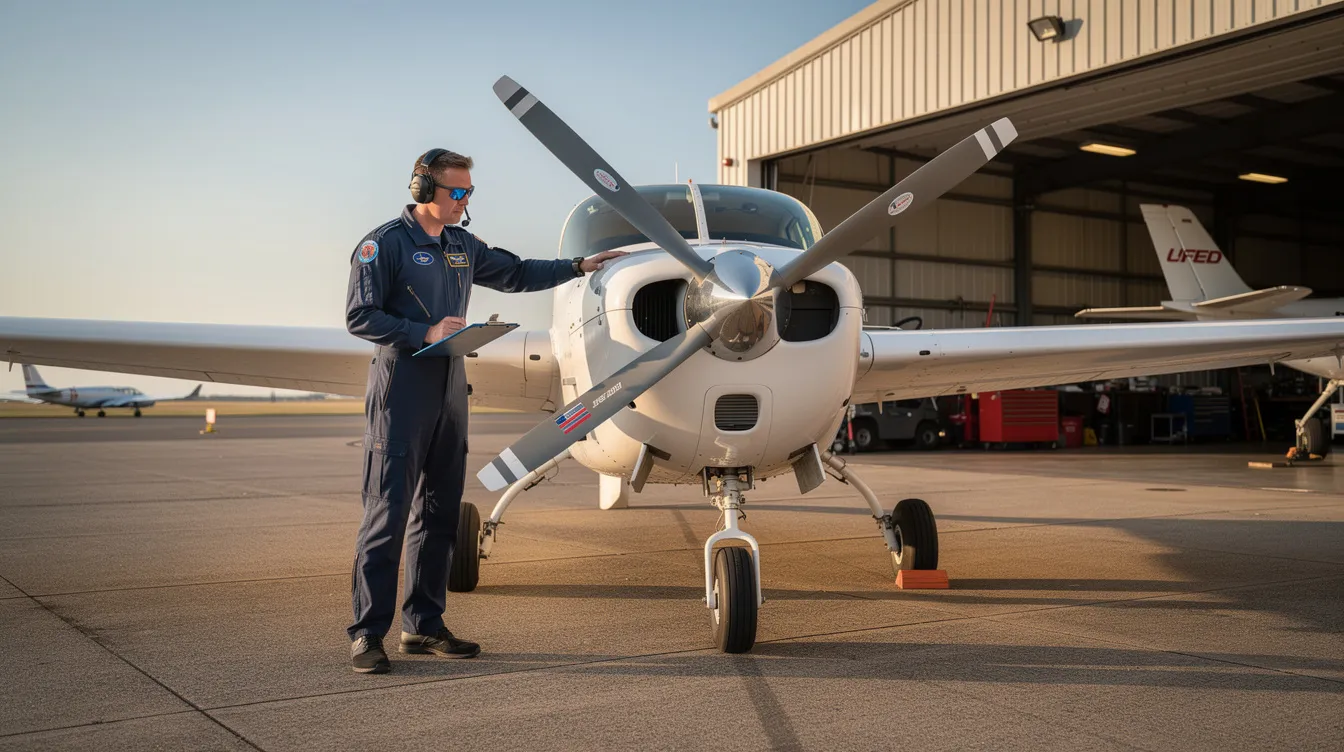
Hull value is the agreed value that the owner and insurer set for the Cessna 150. It forms the basis of hull coverage and determines claim payments if the aircraft is totaled. Unlike auto insurance, most aviation insurance policies use agreed value rather than depreciated market value, meaning a total loss pays the full insured value.
Key distinctions in hull coverage:
In-motion coverage protects the plane during taxi, takeoff, flight, and landing - the phases with the highest exposure to physical damage
Not in motion coverage protects the aircraft while parked, stored, or in a hangar
Full hull policies typically include both; owners who don't fly frequently can sometimes select ground-risk-only coverage to reduce insurance costs.
Hull premiums scale with the insured value - a $40,000 hull costs more to insure than a $25,000 hull
Owners should periodically review hull value against current market conditions. Over-insuring raises premiums unnecessarily, while under-insuring can leave you short in a total-loss scenario. Getting a professional appraisal every few years keeps the agreed value realistic.
Sample ranges are based on historical quote data and cannot substitute for a personalized aviation insurance quote. Here's why your actual cost may differ:
The 2025–2026 data set covers reviewed offers for Cessna 150s within the $25,000–$50,000 insured value band - your aircraft may fall outside that range
Differences in policy structure (liability-only vs full hull, different liability limits, varying bodily injury sublimits) make two similarly priced premiums very different in protection level
Pilot qualifications matter: insurers may ask how many hours you have in type, require named-pilot warranties, or mandate dual checkouts before granting full coverage to a low-time pilot.s
Recurrent training requirements, annual proficiency checks, and minimum flight-hour milestones affect both insurability and cost.
Aviation insurance is more individually underwritten than standard car insurance, making it risky to assume another owner's premium will match your own
The market also shifts. Insurers update pricing as claims trends evolve, so a quote from six months ago may not reflect today's rates.
Aircraft owners can actively manage their annual insurance costs by improving their risk profile rather than just chasing the cheapest premium.
Build time and experience: Log regular flight time in your Cessna 150. Aim for consistent recent hours, and participate in structured programs like FAA WINGS programs to demonstrate proficiency to insurers.
Invest in recurrent training: Annual checkouts, instrument proficiency checks, or flight reviews with experienced CFIs reassure underwriters. Regular recurrent training can reduce insurance premiums by 15–20%.
Right-size financial terms: Set realistic hull values based on market data. Raising your deductible can lower your insurance premium, though very high deductibles may not deliver proportionate savings. Avoid unnecessary coverage gaps.
Hangar your plane: Hangaring your aircraft can lower insurance rates - sometimes by 10–30% compared to outdoor tiedowns. Keeping maintenance costs and logs clean further signals responsible ownership.
Shop through brokers: Work with reputable aviation insurance brokers who know the piston-aircraft market. Compare offers based on price, coverage details, exclusions, and pilot warranties to find the best rates.
Join aviation organizations: Membership in groups like AOPA or type clubs may qualify you for group discounts, helping reduce premiums.
For owners flying only a handful of hours per year, the math sometimes favors chartering rather than absorbing fixed ownership costs, and tools that explain how private jet charter pricing works can clarify when charter becomes the better value.
Owning a Cessna 150 delivers personal flexibility and relatively low direct operating costs. But ownership costs add up: $500–$1,000 annually in aircraft insurance alone, plus hangar fees, maintenance costs, inspections, and unexpected repairs. An owner flying 40–60 hours per year might spend $5,000–$10,000 annually on fixed costs before burning a drop of fuel, so it helps to understand the broader costs of private aircraft ownership versus other access models.
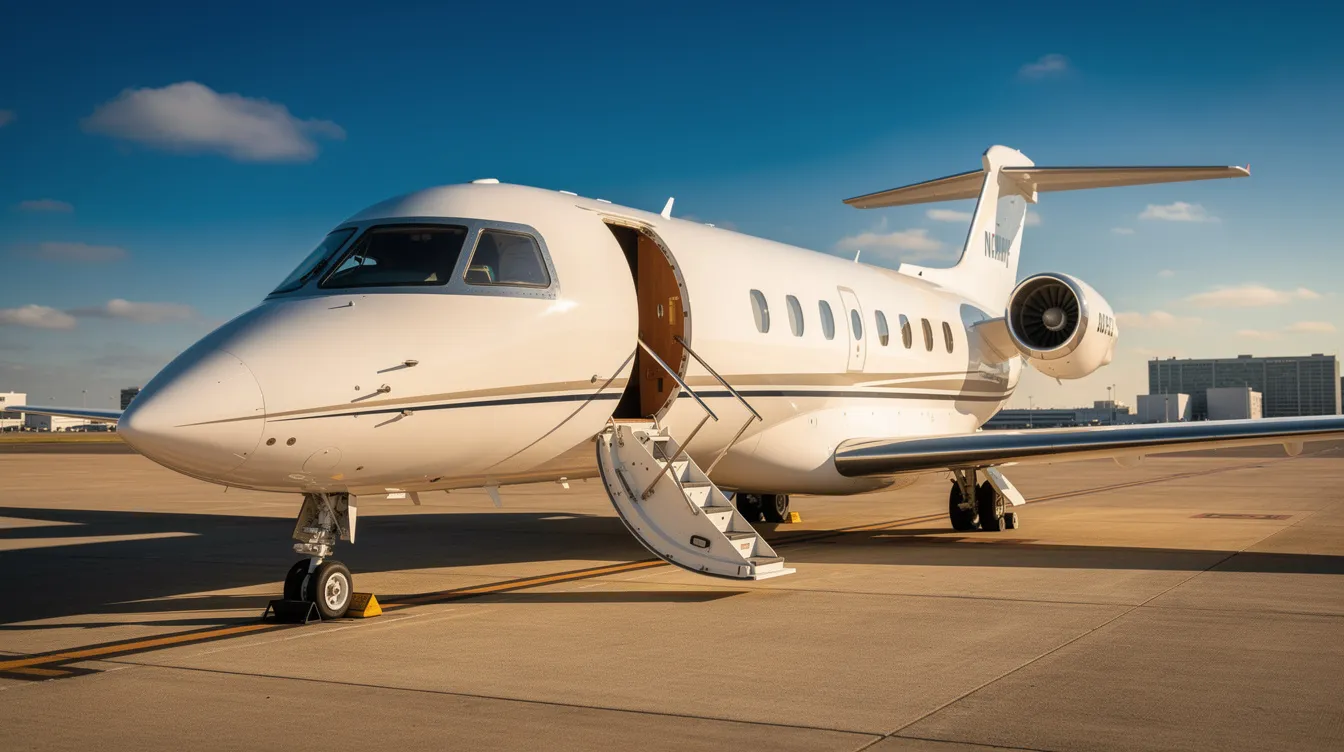
For travelers who need longer-range trips, multi-city itineraries, or capacity beyond two seats, a small training aircraft may not fit the mission, and exploring affordable aeroplane rental options beyond small trainers can help match aircraft capability to each trip. Jettly is a digital private jet charter platform connecting travelers to a global inventory of more than 20,000 aircraft - from turboprops to light, midsize, and heavy jets - with insurance built into every charter rate.
A business traveler flying 6–10 times per year on routes like New York–Miami or Toronto–Vancouver may find that chartering through Jettly delivers better time savings and overall value than owning and insuring a small piston airplane, especially when using a jet card flight cost estimator to compare route pricing. There's no separate hull coverage to manage, no hangar lease to negotiate, and no annual inspection to schedule.
Is the $500–$1,000 range for monthly or annual premiums? These are annual aircraft insurance premiums, not monthly payments. Most aviation insurance policies are written on a 12-month term.
Can a student pilot use these ranges as an estimate? The quoted ranges assume reasonably qualified pilots. A student pilot or low-time pilot may face higher premiums or stricter conditions, such as named-pilot warranties or required dual instruction before solo coverage applies.
What if I only want liability insurance for my Cessna 150? Liability-only aviation insurance costs are usually lower - often $225–$500 per year for well-qualified pilots. However, these policies do not cover physical damage to your plane, leaving you exposed in a ground mishap or accident.
What if my hull value is above or below $25,000–$50,000? Request customized quotes. Insurance premiums do not always scale linearly with hull value. A $60,000 restored 150 may pay proportionally more than a $30,000 model due to parts scarcity or upgrade replacement costs.
How does aircraft insurance compare to auto insurance? Aviation insurance is far more individually underwritten. It insures based on weight, pilot hours, use declarations, and aircraft-specific risk factors, whereas car insurance tends to rely on broader, standardized risk bands.
When does chartering make more sense than ownership? If you fly fewer than 30–40 hours per year or need capabilities beyond a two-seat trainer, chartering can eliminate fixed costs like insurance, hangar, and maintenance. Platforms like Jettly bundle everything - including insurance - into a single transparent trip price.
For 2026, most Cessna 150 owners with hull values between $25,000 and $50,000 can expect annual insurance costs in the $500–$1,000 range, assuming combined liability and hull coverage with standard liability limits, while those who don’t want to own can instead look at how renting an airplane works as an alternative.
The key drivers of your Cessna 150 insurance cost include hull value, pilot experience - especially how many hours you have in type - aircraft use, storage conditions, and claims history. Actively managing these factors through recurrent training, proper hangar storage, and accurate valuations can meaningfully lower premiums without compromising safety.
Understanding the difference between hull coverage and liability coverage, and knowing how in-motion versus not-in-motion protections work, helps you tailor aviation insurance to your budget and risk tolerance. For pilots and travelers with low annual utilization or longer-distance needs, chartering remains a smart alternative to carrying separate aircraft insurance policies and fixed ownership costs year-round.
Ready to explore on-demand private flights as a complement or alternative to aircraft ownership? Discover routes, compare aircraft options, or request a quote at https://www.jettly.com.
Share this post:
Jeff Ryan Serevilla
Oct 31, 2026
|
5
min read
Discover tips and trends in the industry.
5
min read
Best Small Aircraft In 2026: Top Choices For Pilots And Private Travelers
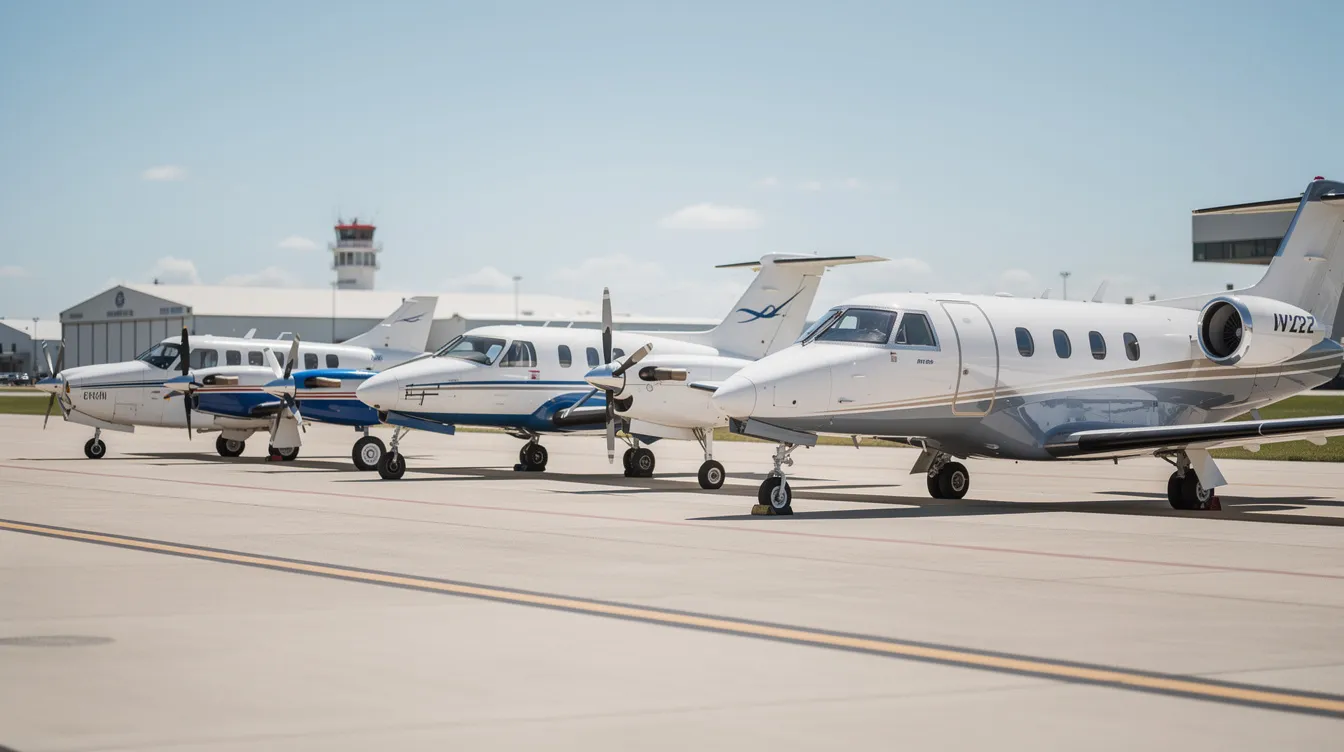
Choosing the best small aircraft in 2026 involves evaluating speed, range, safety, and cost across various categories, including piston singles, turboprops, and light jets. Notable models like the Cessna 172 Skyhawk and Cirrus SR22T cater to different needs, from training to personal travel. With advancements in technology and fuel efficiency, modern small aircraft offer enhanced safety and comfort for pilots and passengers alike.
Read More5
min read
Cessna 150 Insurance Cost Guide for 2026
This guide provides an overview of Cessna 150 insurance costs for 2026, detailing typical premiums, coverage types, and influencing factors. With annual costs ranging from $500 to $1,000, the Cessna 150 is noted for its affordability and favorable claims history, making it a popular choice among private aircraft owners.
Read MoreStay updated with our latest insights and tips to elevate your journey with us.
MEMBERSHIPS AND ASSOCIATIONS



Disclaimer: Jettly operates as a charter broker, offering access to a global digital jet charter marketplace. Jettly is not a direct air carrier and does not own or operate aircraft. All advertised flights are conducted by third-party air carriers that are fully licensed and hold the appropriate Part 135 or Part 121 certifications issued by the Federal Aviation Administration (FAA) or equivalent regulatory authorities under U.S. or foreign law. Jettly complies fully with the U.S. Department of Transportation's Part 295 and Part 298 Charter Broker regulations. Jettly does not carry additional liability insurance. Passengers are covered by aircraft operator insurance. TICO: 50023770


