



Login
Get Instant Pricing On 23,000+ Aircraft

>
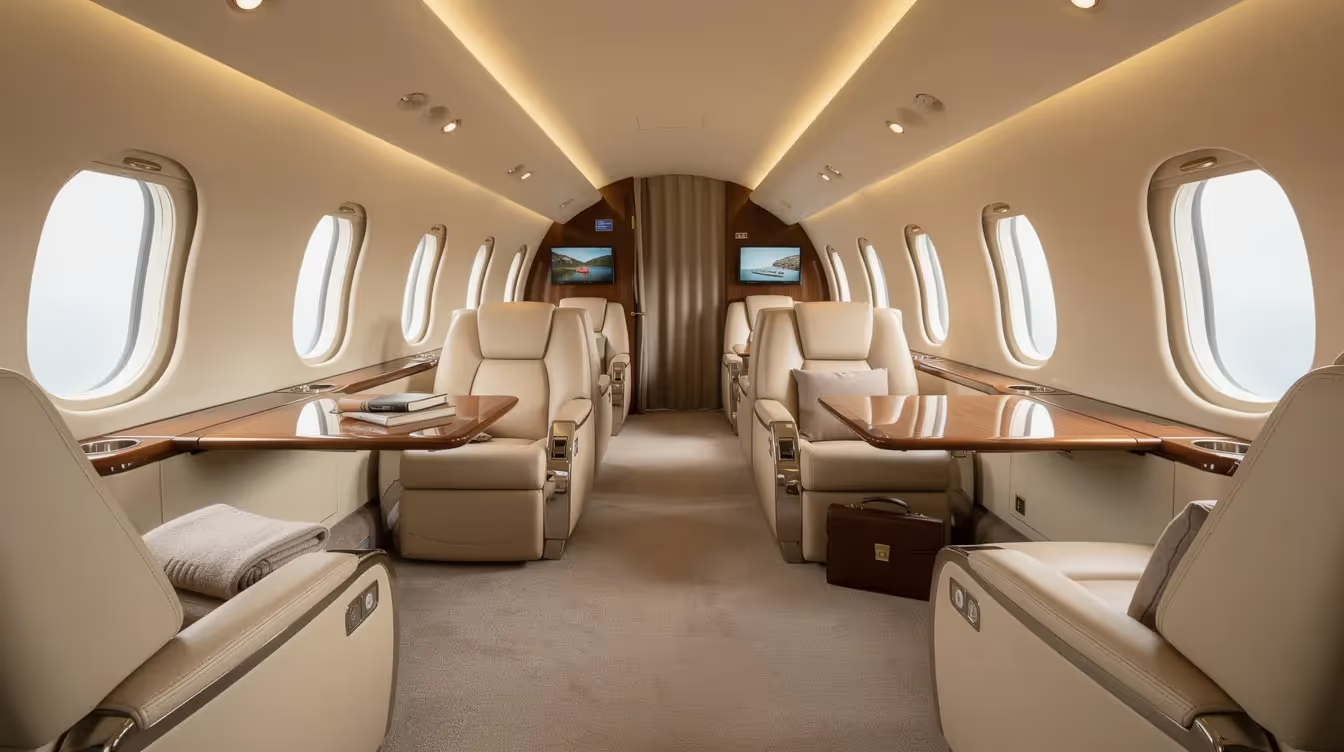
The Bombardier Challenger series is a cornerstone of the private jet charter market, known for its spacious cabins, impressive range, and reliable performance. The Bombardier Challenger series is a leading family of large-cabin business jets known for reliability and wide cabins. Originally developed by the company Canadair as a planned business jet, the Challenger was later acquired by Bombardier, which continued its production and further advanced the series. Since its debut in the late 1970s, the Challenger 600 family has evolved into a versatile fleet of business jets favored by executives, families, and groups seeking comfort and efficiency on transcontinental and international flights. Jettly offers access to a wide selection of Challenger aircraft, providing travelers with transparent pricing, instant booking, and flexible options tailored to their travel needs. This guide explores the key features, variants, and benefits of chartering a Bombardier Challenger through Jettly, helping you decide if this iconic aircraft suits your next trip.
The Bombardier Challenger 600 series is a family of business jets developed by Canadair and produced by Bombardier Aerospace since 1986, with over 1,066 aircraft built by October 2018.
The Bombardier Challenger 600 series (including the Challenger 650) is a large-cabin business jet family popular for private charter worldwide, with over 1,000 aircraft delivered since 1980.
These jets typically seat nine to twelve passengers, offer a spacious cabin measuring 8.2 feet wide, and deliver approximately 3,100 to 4,000 nautical miles range for transcontinental missions.
The Challenger 650 delivers low direct operating costs and dispatch reliability exceeding 99.9%, making it attractive for both business and leisure travel.
Steep approach certification on many units opens access to challenging airports like London City and Aspen.
Travelers can compare live Challenger charter prices and aircraft options via Jettly’s digital marketplace at jettly.com.
The term “Bombardier Challenger” commonly refers to the 600-series of large-cabin jets, including the CL-600, 601, 604, 605, and 650 variants. The Bombardier Challenger series is a leading family of large-cabin business jets known for reliability and wide cabins. This aircraft family has defined the wide-body executive jet segment for over four decades.
The original Canadair Challenger (CL-600) made its first flight on November 8, 1978, entering service in 1980 after receiving Transport Canada certification. The design originated with Bill Lear, founder of Learjet, who conceived it as the LearStar 600 before selling the rights to Canadair in 1976. Canadair developed the Challenger 600 series, and after Bombardier Aerospace acquired Canadair in 1986, the company continued production and further development of the Challenger line.
Bombardier Aerospace, following its acquisition of Canadair, advanced the Challenger line through multiple upgrades in engines, avionics, and cabin design. By the late 2010s, the fleet had accumulated over 7.5 million total flight hours.
In Jettly’s inventory, the most commonly chartered variants today include:
Challenger 601
Challenger 604
Challenger 605
Challenger 650 (current production model)
The Challenger 600 series is a family of business jets developed by Canadair and produced by Bombardier Aerospace since 1986, with over 1,066 aircraft built by October 2018.
The Challenger 650 represents the current Challenger production model, launched in 2015 as a successor to the 605. It carries forward the wide-cabin heritage while incorporating modern efficiency improvements.
Key specifications make the 650 stand out:
|
Feature |
Challenger 650 |
|---|---|
|
Range |
~4,000 nm (NBAA IFR) |
|
Cruise Speed |
Mach 0.82–0.85 (~480 knots) |
|
Passengers |
Up to 12 |
|
Service Ceiling |
41,000 feet |
|
Engines |
GE CF34-3B turbofans |
This range supports nonstop routes like London to New York (approximately 3,000 nm) or New York to Los Angeles (2,150 nm) under typical conditions. The jet excels at transcontinental missions where passengers need room to work, relax, or sleep.
Many Challenger 650s in charter fleets carry steep approach certification for airports such as London City (requiring a 5.5-degree glideslope) and Aspen. This expands airport access significantly for Jettly users planning trips to these destinations.
The defining feature of the Bombardier Challenger family is its wide, almost “widebody-feel” cabin in the large-jet category. At approximately 8.2 feet (2.5 meters) wide, the cabin walls provide more shoulder room than many competitors.
Standard Challenger 650 layouts typically include:
Forward dual-club seating area with fully reclining leather seats and divans that can be converted into sleeping accommodations, enhancing comfort on long flights
Aft divan or conference group
Galley positioned at the fore section
Enclosed lavatory at the aft end
115 cubic feet of baggage space for storing hand luggage, larger items, and dedicated storage areas for small items and other personal belongings, providing added convenience and organizational efficiency
Challenger jets generally seat between nine and twelve passengers and offer cabin configurations that prioritize comfort, including fully reclining chairs and convertible divans for sleeping. The Challenger 3500 model further enhances passenger comfort by maintaining a low cabin altitude of 4,850 feet during high-altitude cruising, which helps reduce fatigue.
Cabin amenities commonly found on charter-configured Challengers include foldaway tables, LED lighting controls, sidewall entertainment screens, and Ka-band Wi-Fi for productive work. The floor plan accommodates four to six passengers for overnight sleeping when seats convert to flat or near-flat beds.
Jettly’s private charter aircraft listings display interior photos, seating diagrams, and sleeping arrangements. This allows travelers to choose between different configurations and furnishing styles before booking.
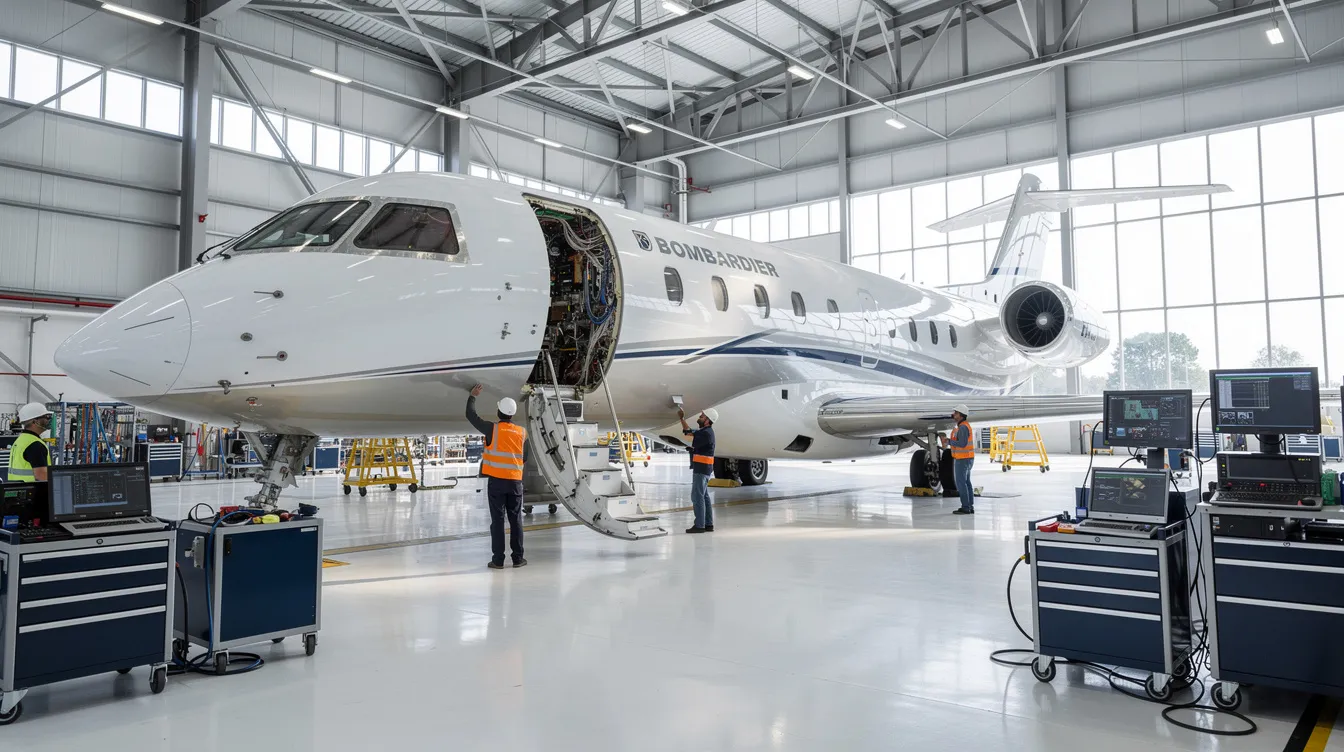
The Challenger 600-series combines transcontinental range with a supercritical wing designed for efficiency and stability. This wing design, derived from modified NACA aerofoils, minimizes drag during high-altitude cruising.
Performance characteristics of the Challenger series include:
Maximum operating speed of Mach 0.82 to 0.85
Range approximately 3,100 to 4,000 nautical miles
Challenger 300 climbs quickly to FL 410 in 18 minutes, enabling more direct routes above weather and traffic
Takeoff distance around 5,700 feet
Landing distance approximately 3,050 feet
Climb rate of 4,450 feet per minute
The wing and aerodynamics contribute to what operators describe as a “solid” ride in turbulence. Under ISA conditions, the aircraft maintains stability that corporate travelers appreciate during long sectors.
On Jettly’s platform, range maps, an airport locator tool, and flight planning features help clients quickly identify realistic nonstop city pairs. Examples include Toronto to Vancouver (1,900 nm), Dubai to London (3,200 nm under favorable weather), and coast-to-coast U.S. routes.
Challenger jets have built a reputation for reliability and cost-effective long-range operations. The Challenger 650 platform reports dispatch reliability figures above 99.9% in corporate fleet operations, indicating minimal technical delays.
Key factors behind competitive direct operating costs:
Efficient GE CF34-3B engines with lower fuel burn
Long maintenance intervals, with scheduled maintenance every 200 flight hours or six months, and major inspections every 96 months (including landing-gear overhauls costing around $110,000)
Widely available parts and service network
Robust system redundancy, including three independent hydraulic systems and advanced avionics
The Bombardier Challenger series has achieved type certification from Transport Canada and the US Federal Aviation Administration, ensuring compliance with rigorous safety standards. Its advanced avionics include dual-channel automatic flight control systems certifiable for Category 3A automatic landings, enhancing safety during challenging weather or low-visibility landings.
The operational costs for chartering a Bombardier Challenger jet can vary significantly based on factors such as journey length and specific airports used, reflecting the flexibility and variability inherent in private jet travel; tools like Jettly’s private jet charter cost estimator help travelers model these variables in advance.
All Challenger aircraft offered through Jettly are operated by certified air carriers subject to FAA Part 135 or EASA-equivalent regulations. The platform allows customers to view operator ratings, safety programs, and aircraft year-of-manufacture to make informed choices.
The “Bombardier Challenger” designation in the charter market covers multiple 600-series variants with similar cabin dimensions but different performance profiles.
Twin General Electric CF34-1A engines replacing original Lycoming ALF 502
Large cabin comfortably seating 8 to 12 passengers
First business jets to offer true stand-up cabin width
Structural and systems upgrades
Improved range up to roughly 4,000 nm
Rockwell Collins Pro Line 4 avionics
Tail tank option for extended range
Larger windows and refreshed cabin design
Modernized avionics and in-flight entertainment
Direct predecessor to the 650
Premier autothrottle system
Excellent steep-approach performance
Flat-floor cabin enhances passenger comfort and mobility
Maintains a low cabin altitude of 4,850 feet to reduce fatigue
On Jettly, pricing and availability differ by variant and year of manufacture. Older 601/604 units often charter at lower hourly rates while retaining core Challenger strengths of space, range, and value, and guides to affordable private jet charter can help clients understand how to optimize those costs.
Jettly functions as a digital marketplace connecting travelers to a global fleet that includes many Bombardier Challenger aircraft. The platform handles everything from instant pricing to operator vetting.
Typical charter use cases for Challenger jets include:
Cross-country business trips with board-level executives
Multi-city roadshows (e.g., New York–Chicago–Dallas in one day)
Family vacations to destinations like Aspen or the Caribbean
Sports teams and entertainment group travel
Users enter route, dates, and passenger count on Jettly to receive instant pricing across multiple aircraft categories, or use the jet card flight cost estimator to understand fixed-rate program pricing. The platform supports both on-demand bookings and membership options for frequent flyers seeking lower per-hour rates.
Ready to fly on a Challenger? Compare options and request a live quote at jettly.com.
The operating economics of the Challenger 600-series often translate into competitive charter rates versus other large-cabin jets in the industry.
Typical hourly charter rates for Challenger variants:
|
Variant |
Approximate Hourly Rate (USD) |
|---|---|
|
Challenger 604 |
Mid-four figures |
|
Challenger 605 |
High-four to low-five figures |
|
Challenger 650 |
Low-five figures |
Rates vary by region, aircraft age, and configuration style.
Jettly’s private jet memberships help frequent travelers reduce effective hourly rates with transparent pricing and no long-term ownership commitments. The competition among operators on the platform keeps the pricing market-driven.
Airport fees (higher at congested hubs)
De-icing (winter operations)
Catering preferences (which can be tailored through services like Jettly Eats in-flight catering)
Overnight crew costs
Ground transportation
Challenger jets frequently appear as empty leg flights on popular city pairs like New York to Miami or London to Geneva. These one-way repositioning flights can offer discounts up to 75% through Jettly’s search tools.
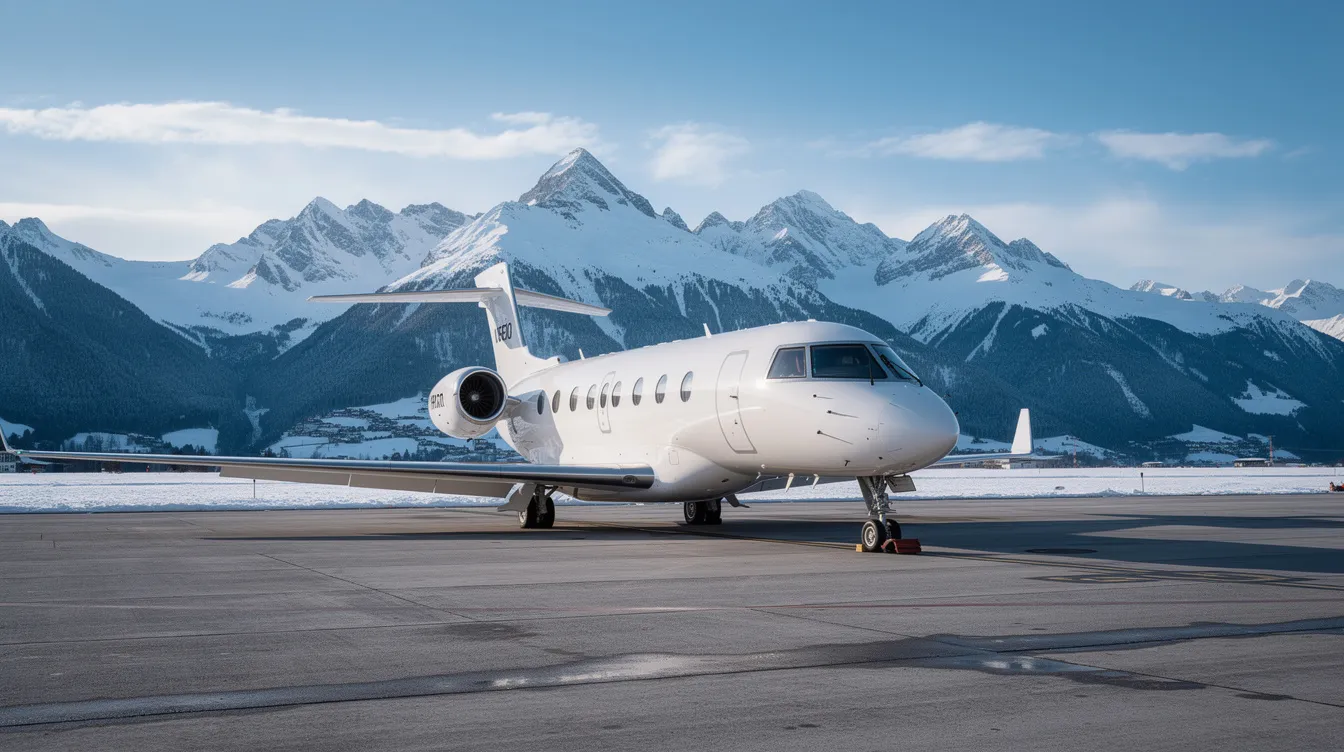
The Challenger 600-series handles everything from short hops to intercontinental missions with equal capability, and specific aircraft such as the Challenger 850 private jet for rent demonstrate how this platform is used in real-world charter operations.
London–New York (~3,000 nm)
Los Angeles–Honolulu (~2,500 nm, conditions permitting)
Toronto–Vancouver (~1,900 nm)
Dubai–Milan (~2,800 nm)
Business scenario: A CEO and team fly a multi-leg itinerary—New York to Chicago to Dallas and back—in a single day. The Challenger minimizes ground time while providing room for meetings en route with equipped conference seating, much like Jettly’s Challenger 605 private jet for rent, which is optimized for both productivity and comfort.
Leisure scenario: A family charters a Challenger for a ski trip to Aspen. The 115 cubic feet of baggage space accommodates skis, boots, and hand luggage without weight concerns. The jet’s performance handles Aspen’s high-altitude, short-runway environment, similar to how a Challenger 850 private jet charter is configured for comfortable group leisure travel.
Jettly’s platform allows filtering aircraft by passenger count, luggage needs, and cabin category. Users can determine when a Challenger provides better value than a midsize jet for their specific trip by reviewing options such as a Challenger 601 private jet for rent alongside other models.
Private aviation carries an environmental footprint, and efficiency matters to many travelers today. Modern Challenger variants address this through engineering improvements.
The 604/605/650 use efficient turbofan engines and optimized cruise profiles that reduce fuel burn per seat compared to older large jets. The thrust delivered by CF34 engines balances performance with economy.
Consolidating eight passengers on a single Challenger flight can sometimes replace multiple commercial tickets plus hotel nights, improving overall resource efficiency for business teams.
Jettly offers options, including voluntary carbon offsetting, and helps surface newer, more efficient aircraft within the Challenger family. When data permits, the platform displays fuel efficiency comparisons to support informed decisions, complementing broader guides on top private jet charter companies and how to evaluate them.
Most Challenger 600-series jets are configured to seat nine to twelve passengers in standard layouts. Some Challenger 650s offer high-density seating for up to 19 in shuttle configurations, though this is rare in charter.
Jettly’s listings display exact seat counts and floor plans so clients can match the aircraft to their group size. Sleeping capacity is typically lower—around four to six lie-flat berths—when club seats and divans convert for overnight flights, and travelers comparing solutions may find Jettly an appealing NetJets alternative for flying private.
While brochure figures for the Challenger 650 quote approximately 4,000 nm, real-world range depends on passenger count, baggage weight, routing, and weather conditions. Each additional passenger beyond four reduces range by roughly 23 nm on base models.
With six to eight passengers, a Challenger 650 typically handles routes like London to New York (transatlantic) or Los Angeles to Miami nonstop under standard conditions. Jettly’s flight planning tools confirm whether specific routes work non-stop.
Compared with midsize jets, the Challenger offers a wider cabin, more stand-up headroom, and greater luggage space—making it more comfortable for long sectors. The distance capability also exceeds most midsize options.
Midsize jets can be 20–50% more cost-effective on shorter routes or with smaller groups. Challengers become attractive when carrying six to ten passengers on longer flights where comfort and productivity matter. Jettly allows side-by-side comparison of categories with transparent pricing and works with operators such as Dexter Air Taxi private jet services to broaden available options.
Many Challenger 604/605/650 aircraft hold approvals for operations into airports with shorter runways or special procedures, including those requiring automatic landings certification and steep approach procedures.
Specific examples include London City and Aspen, though capability depends on individual aircraft equipment and operator approvals. Jettly’s support team confirms airport suitability when planning flights to high-altitude or constrained locations, similar to how it coordinates private jet charter in Kolkata, West Bengal, and other regional markets.
Challenger cabins support in-flight productivity with high-speed internet (Ka-band on newer units), power outlets at each seat, foldout tables, and quiet cruise levels under 80 dB. Many larger commercial aircraft cannot match this working environment.
Jettly-listed Challengers often support VPN access and video calls, subject to route and satellite coverage. Travelers should confirm specific connectivity options for an aircraft before booking if onboard Wi-Fi is mission-critical for their crew, while travel advisors and content creators can benefit from Jettly’s ULTRA High Ticket affiliate program when referring new charter clients.
The Bombardier Challenger 600-series, especially the current Challenger 650, offers a wide cabin, long range, smooth ride, and strong reliability for private charter operations. These jets have delivered proven performance since the original CL-600 was delivered in 1980.
These characteristics make the Challenger an excellent choice for transcontinental and transatlantic missions carrying nine to twelve passengers in comfort. The Challenger 3500 and Challenger 350 represent related Bombardier models, but the 600-series remains the benchmark for guaranteed large-cabin capability.
The Bombardier Challenger is widely available through Jettly’s global charter marketplace, with transparent pricing and instant booking, fitting into the wider landscape described in our guide to charter airlines and private flights.
Ready to experience private travel on your terms? Explore Challenger charter options or request a quote at jettly.com.
Share this post:
Jay Franco Serevilla
Apr 18, 2026
|
5
min read
Discover tips and trends in the industry.

5
min read
Delta Boarding Zones: How Delta Air Lines Boarding Works (and What It Means for Private Flyers)
Delta Air Lines utilizes a structured boarding system with eight numbered zones plus pre-boarding, determining the order in which passengers board based on cabin class, fare type, and loyalty status. Understanding this system is crucial for travelers considering commercial flights versus private jet charters, as it impacts overhead bin space and wait times. For those seeking a more streamlined experience, private jet options like Jettly eliminate the complexities of boarding zones altogether.
Read More
5
min read
Delta Basic Economy: What Changed, What It Includes, and When to Avoid It
Delta Air Lines has rebranded its Basic Economy fare to Delta Main Basic as of October 1, 2025, maintaining its core restrictions while altering the booking experience. This fare class is the most restrictive in Delta's lineup, making it suitable primarily for solo travelers on short flights who prioritize low prices over flexibility. For most travelers, considering higher fare options like Delta Main Classic or private jet charters may provide better value.
Read MoreStay updated with our latest insights and tips to elevate your journey with us.
MEMBERSHIPS AND ASSOCIATIONS



Disclaimer: Jettly operates as a charter broker, offering access to a global digital jet charter marketplace. Jettly is not a direct air carrier and does not own or operate aircraft. All advertised flights are conducted by third-party air carriers that are fully licensed and hold the appropriate Part 135 or Part 121 certifications issued by the Federal Aviation Administration (FAA) or equivalent regulatory authorities under U.S. or foreign law. Jettly complies fully with the U.S. Department of Transportation's Part 295 and Part 298 Charter Broker regulations. Jettly does not carry additional liability insurance. Passengers are covered by aircraft operator insurance. TICO: 50023770


