


Login
Get Instant Pricing On 23,000+ Aircraft

>
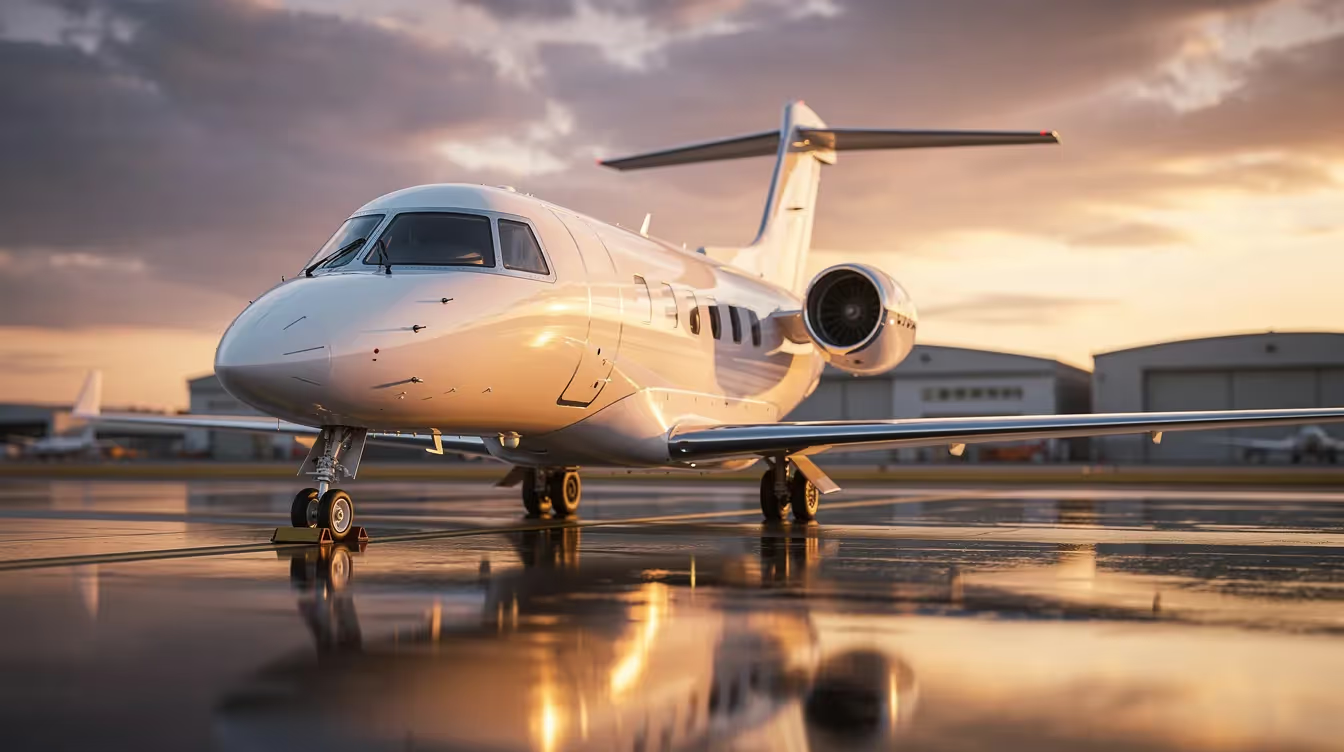
Cessna aircraft have long been a cornerstone of general aviation, known for their reliability, versatility, and ease of use. The Cessna 140, first produced in 1946, is a two-seat light utility airplane that was developed to be more powerful and have a larger fuel capacity than its predecessor, the Cessna 12. From early models like the Cessna 140 to modern Citation jets, the brand offers a wide range of planes suited to various missions—whether training new pilots, family travel, utility work, or private jet charter. This guide explores the best Cessna planes across categories, helping pilots, owners, and travelers understand which model fits their needs. With insights into performance, comfort, and operational roles, readers can make informed decisions about which Cessna aircraft stands out as the best for their unique flying goals, while considering Cessna's strong presence in the general aviation market.
The Cessna 172 Skyhawk is the most popular and versatile Cessna, ideal for training and personal use.
The best Cessna depends on your mission: 152 for budget training, 182/206 for family and utility, 208 Caravan for short fields, Citation jets for charter.
The Cessna 172 is the benchmark for general aviation trainers due to its forgiving handling and global support.
Jettly connects travelers with Cessna Citation jets for private charter without ownership.
This guide matches each Cessna model to its best use case for pilots, owners, and charter passengers.
There is no single best Cessna plane. The right choice depends on whether the mission involves primary flight training, personal ownership, or private jet charter. Cessna aircraft are categorized by specific flight missions, ranging from forgiving trainers to rugged utility workhorses, depending on the pilot’s experience and intended use.
Here are the top picks by category, with new aircraft options continually introduced to the market:
Cessna 172 Skyhawk – Best overall GA trainer and personal aircraft
Cessna 152 – Budget-friendly two-seat trainer
Cessna 182 Skylane – Best family and load-hauling piston aircraft
Cessna 208 Caravan – Utility and charter workhorse for short fields
Cessna Citation CJ4, Latitude, Longitude – Best for private jet charter
The 172 was introduced in 1956, the 152 in 1977, and the 182 dates back to the mid-1950s. The Caravan launched in the 1980s, while modern Citation jets entered service between 2010 and 2020. The 172 remains in ongoing production, with new aircraft models and updates available through authorized Cessna dealers, ensuring access to the latest features and support. For Jettly customers, the Citation family represents the most common Cessna aircraft encountered in charter operations—though understanding piston models provides valuable context for the broader Cessna ecosystem.

Choosing the best Cessna starts with identifying the primary mission: learning to fly, owning a personal aircraft, or chartering a private jet for business or leisure travel. The flying experience offered by each model also plays a significant role, as pilots often prioritize aircraft that deliver superior enjoyment, advanced technology, and utility.
Key decision factors include:
Mission profile – Training, commuting, family travel, cargo, or jet charter
Flight distance – Local hops, regional trips, or transcontinental routes
Passenger count – Solo, two occupants, family of four, or executive team
Budget – Purchase and operating costs vs. hourly charter rates
Airport requirements – Short grass strips vs. major hubs
Speed and comfort needs – Turboprop pace vs. jet-speed travel
A student pilot might weigh the Cessna 152 against the 172 for initial training costs, noting that the 150/152 often serve as the first plane for many pilots beginning their aviation journey. A family comparing weekend travel options could evaluate the 172 vs. the more powerful 182. A business traveler needing New York–Miami speed would look at a Citation Latitude via Jettly.
For many travelers, chartering a Cessna Citation through Jettly proves more practical than owning a piston Cessna, given hangar fees, maintenance schedules, and insurance costs. Understanding affordable aircraft rental options and cost factors can further clarify when charter, rental, or ownership makes the most financial sense.
The Cessna 172 Skyhawk is the most popular aircraft in Cessna’s production line, with over 44,000 units built since its introduction in 1956. Notably, the Skyhawk name was originally introduced as a trim package before becoming the standard model designation. The Cessna 172 Skyhawk was first flown in 1955 and has been extensively used for flight training due to its aerodynamically stable design and ease of handling for beginner pilots. It remains in production in 2026, making it many pilots’ default answer when asked about the best Cessna plane.
Core specifications include:
High-wing, four-seat, single-engine aircraft with tricycle landing gear
Typical cruise around 120 knots with a range of 640–800 NM, depending on the variant
Garmin G1000 NXi avionics in current Skyhawk models
Angular tailfin and lowered rear deck for improved handling
Larger elevators and good visibility from the high-wing configuration
Rear window for enhanced visibility
Flaps for improved handling and safer landings
Cessna’s high-wing designs provide excellent visibility for pilots and shade for passengers, contributing to their robust performance. In 1958, the Cessna 172 set a world record for the longest flight without landing, lasting 64 days, 22 hours, and 19 minutes, covering an estimated 150,000 miles. This remarkable endurance flight demonstrated the aircraft’s reliability and design simplicity.
The 172 earns its reputation through forgiving stall characteristics, stable handling, a large worldwide maintenance network, and strong resale value. The modern 172S Skyhawk features a more powerful air-cooled engine, upgraded avionics, a redesigned instrument panel, and improved interiors with options like leather seats compared to older models. Many variants use the same engine platform, and standard equipment upgrades have been introduced over the years. Specifications such as gross weight have increased in later models, allowing for greater operational flexibility.
While the 172 dominates flight training and sightseeing, Jettly’s charter clients typically step into larger turboprop and jet Cessnas for regional and business flights where speed and cabin space matter more.
The Cessna 150, introduced in 1959, and its successor, the Cessna 152, introduced in 1977, represent compact two-seat training aircraft that have taught generations of pilots to fly. The evolution of the 150 included the introduction of the Omni-Vision rear window in later models, significantly improving rear visibility and pilot awareness.
All-metal construction with tricycle landing gear
First delivered in 1959; 23,839 units built total
The Cessna 150 has trained over 250,000 pilots and ranks as the fifth most-produced aircraft in the world
Many are still active in flying clubs today
Later models featured the Omni-Vision rear window for enhanced visibility
Improved flaps contributed to better landing performance and handling
Developed from the 150 with a more powerful engine and longer overhaul intervals
First deliveries in 1977; production ceased in the mid-1980s after more than 7,500 units were delivered
The Cessna 152 is well-suited for flight training and personal use due to its affordability and ease of operation, with many models still in use today despite being out of production for nearly forty years
Enhanced flap system for improved stability and landing capabilities
Both aircraft feature gentle stall behavior, simple systems, and easy takeoffs and landings. Student pilots should note that proper crosswind technique matters, given their light weight and short wingspan.
For historical context, the Cessna 140, first produced in 1946, served as an early two-seat light utility airplane developed with more power and additional fuel tank capacity compared to its predecessor, the Cessna 12.
Compared to the 172, the 150 and 152 offer lower purchase and operating costs but provide less useful load and range, with seating limited to two occupants. This makes them less versatile for family flying experiences, though many pilots still prioritize affordable aircraft ownership and budget-friendly plane choices when entering general aviation. The addition of a rear window in later 150 and 172 models improved visibility and aircraft aesthetics.
While travelers charter jets rather than 150/152s, many professional charter pilots and airline captains began their pilot training in these small Cessnas—forming the foundation of today’s private aviation industry. These two aircraft have played a major role in pilot training, personal use, and even military applications worldwide, and pilots flying 40 or more hours annually may find fractional ownership of a Cessna 172 an appealing, lower-cost way to access similar general aviation capabilities.
The Cessna 182 Skylane (introduced mid-1950s) and Cessna 206 Stationair (1960s onward) serve pilots who outgrow the 172 and need more power, load capacity, and flexibility.
Four seats with higher horsepower than the 172
Cruise speeds around 135–145 knots
The Cessna 182 Skylane is a high-performance aircraft known for its stability and useful load, making it ideal for cross-country flying
Common choice for IFR operations and family travel with baggage
Higher gross weight than the 172, with later models featuring increased gross weight for improved payload and operational flexibility
Sometimes called the “SUV of the skies.”
Six-seat configuration with large cargo doors
Strong short-field and rough-field climb performance
The Cessna 206 Stationair is recognized as a rugged utility aircraft that can be used for passenger transport and cargo due to its high-performance capabilities
Features wing struts for added stability and structural support
Ideal for backcountry strips, float operations, and remote access missions
The 206 has earned a reputation as a workhorse for air taxi and bush operations, while the 182 appeals to private owners seeking regional business and vacation travel capability.
Both aircraft consume more fuel and require higher maintenance budgets than a 172, but deliver better payload capacity, top speed, and climb performance—making them the best choices for heavier loads and higher terrain operations. For buyers evaluating step‑up aircraft, it helps to compare these models with the cheapest private aircraft options across categories to ensure performance gains justify higher costs. Corrosion-proofing is often incorporated in these models to enhance durability and reduce maintenance, especially in harsh environments.
On regional routes and remote destinations, Jettly may offer Cessna 206, 208 Caravan, Cessna 207 utility aircraft, or similar types as efficient charter options when runways are short or unpaved.
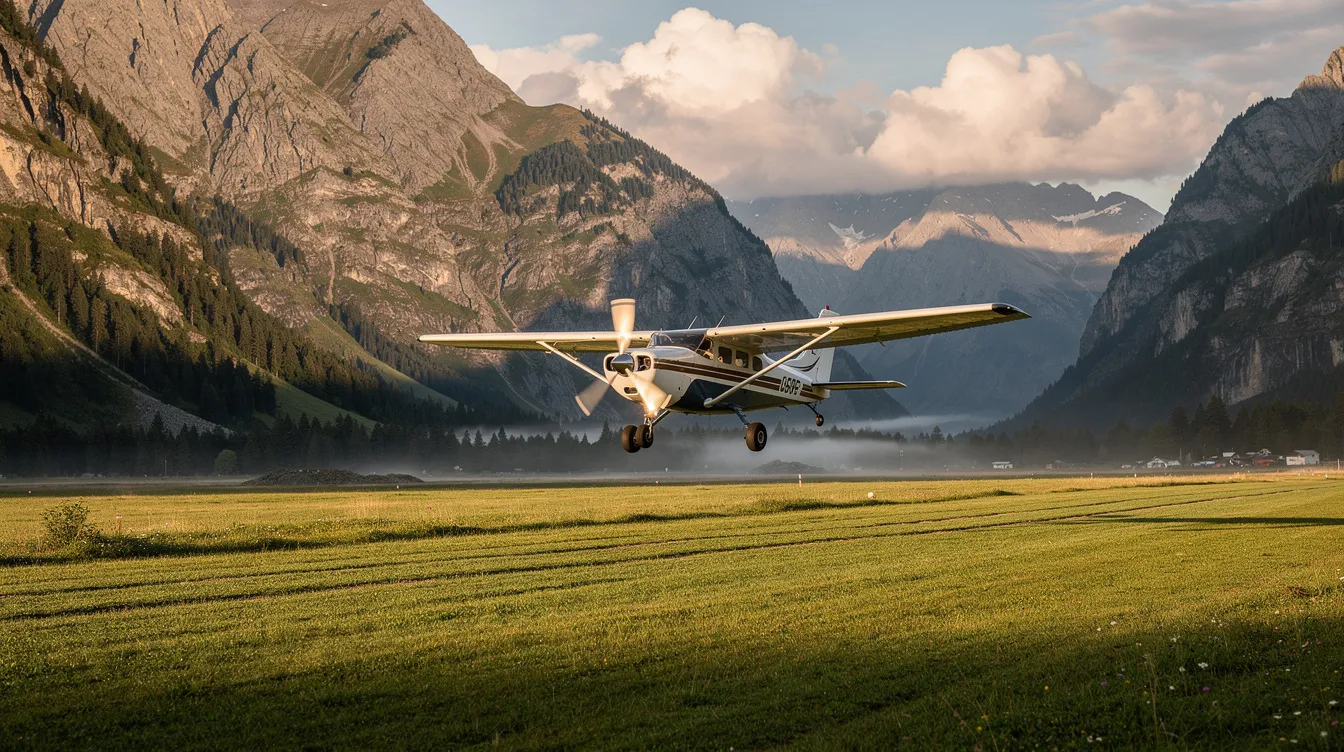
The Cessna 208 Caravan, launched in the early 1980s, is a single engine turboprop designed for cargo, commuter, and utility roles. It now operates worldwide with airlines, charter providers, NGOs, and adventure operators.
Key characteristics:
Seating for 9–14 passengers, depending on configuration
Powered by a PT6 turboprop engine with reliable performance
Rugged fixed gear designed for demanding environments
The Cessna 208 Caravan is known for its massive payload capacity and ability to operate from short and unimproved runways, commonly used for cargo and skydiving
Options for floats, cargo pods, and specialized configurations
Many operators consider the Caravan the best Cessna for remote access and regional utility missions. Its reliable engine, simple systems, and ability to reach locations jets cannot access make it invaluable for specific operations.
Charter and scheduled service operators use Caravans for island hops, safari lodges, mountainous regions, and cargo feeder flights. A Caribbean island transfer or Canadian wilderness lodge trip often involves a Caravan rather than a jet.
While slower than light jets, the Caravan’s flexibility, lower operating cost per flight hour, and easy access to small airports can make it the most practical Cessna for many real-world operations, whereas travelers needing higher speed and cabin comfort on similar routes might consider chartering a Cessna 340 light twin instead and ensure the provider works with properly certified Part 135 charter companies and operators.
For travelers seeking the best Cessna plane in the context of private jet charter, the Citation family of business jets provides the answer. Many Citation aircraft are accessible on-demand through Jettly’s marketplace.
Light jets (Citation CJ3+, CJ4) – 7–9 passengers, regional missions
Midsize (Citation XLS+) – Comfortable cabin, extended range
Super-midsize (Citation Latitude, Citation Longitude) – Stand-up cabins, transcontinental capability
Launched at NBAA 2006; entered service around 2010
Over 400 units built
Powered by Williams FJ44 engines; cruise up to approximately 460 knots
Cessna Citation CJ4 and CJ3 jets are noted for their speed, range, and efficient operating costs
Popular for trips like New York–Chicago or London–Rome
The Cessna Citation Latitude performed its first flight in February 2014, with initial deliveries beginning in August 2015
Flat-floor cabin with stand-up height (approximately 6 feet)
Roughly 2,700+ NM range; typically 8–9 passengers
Widely used as a comfortable mid-continental business jet
The Cessna Citation Longitude was announced in 2012, performed its first flight in October 2016, and entered service in October 2019 after completing tests and regulatory certifications
The Citation Longitude features a fuselage cross-section similar to the Citation Latitude, stretched by a single seat row to accommodate 2-3 more passengers
Around 3,500 NM range class; stand-up cabin with modern amenities
Jettly integrates these aircraft through instant pricing and on-demand access for corporate roadshows, urgent client meetings, and high-end leisure trips—typically with bespoke in-flight catering from Jettly Eats and ground transport coordination included.
Many executives prefer charter via Jettly over jet ownership for cost transparency, no long-term contracts, and the ability to select the exact Citation model that fits each trip’s requirements, while others compare Cessna jets against the best private plane manufacturers for every budget and need before committing to a purchase.
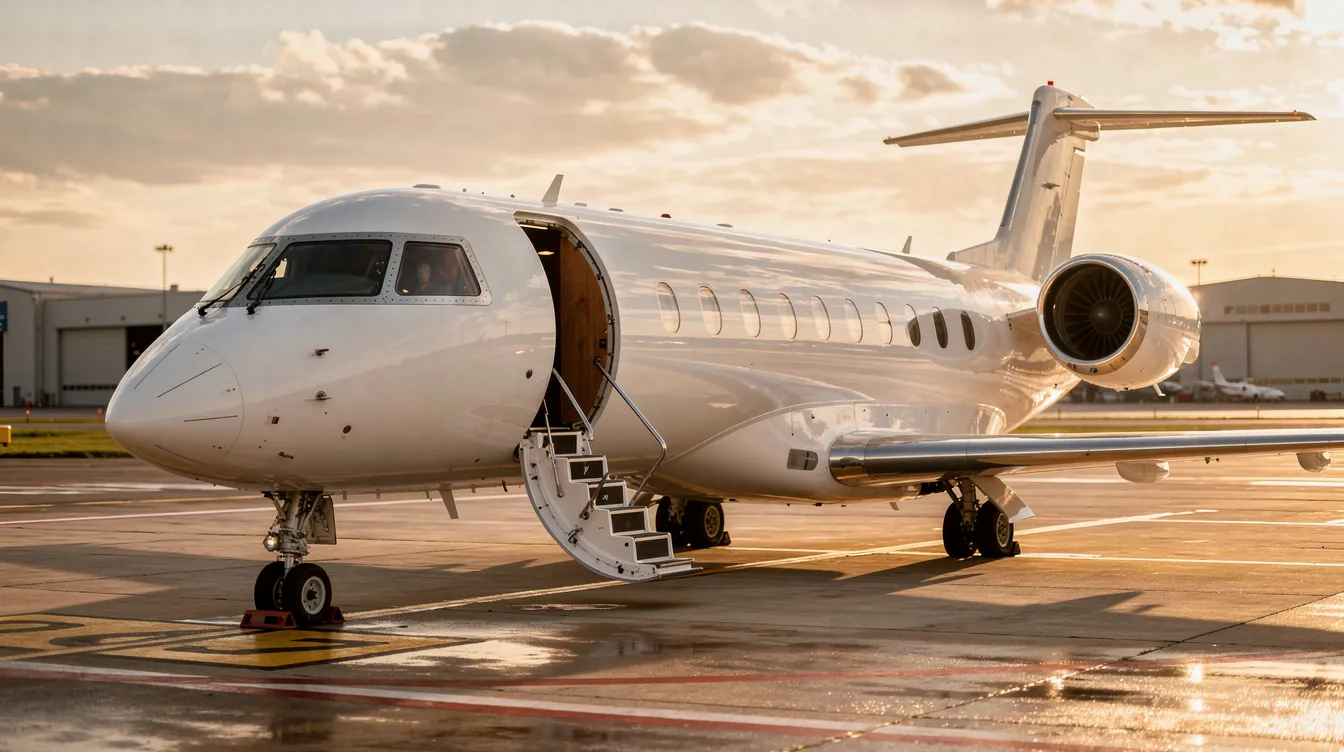
The core question remains: which Cessna is best for a given mission type—initial training, private ownership travel, or on-demand charter?
Student training and local flying: Cessna 150, 152, 172 Skyhawk (the 150 and 152 consume less fuel than larger models, making them more economical for training and local flights)
Family travel and backcountry work: Cessna 182, 206
Regional utility and short-field operations: Cessna 208 Caravan
High-speed business and leisure charter: Citation jets
150–172: Sub-300 NM hops (training, local flights)
182/206: Comfortable up to 600+ NM
Caravan: 200–400 NM to remote fields
Citation Latitude/Longitude: 1,500–3,000+ NM nonstop corporate routes
Example scenarios include a flight school standardizing on 172 Skyhawks for fleet consistency, an outdoors-focused family purchasing a 182 or 206, or a CEO chartering a Citation Longitude via Jettly for New York–Los Angeles nonstop travel with a small team.
Charter through Jettly allows travelers to benefit from Caravan and Citation capabilities without ownership, maintenance, or pilot hiring responsibilities. For those weighing ownership against charter, understanding how much a private jet really costs, from purchase to operations, can clarify which path makes financial sense. Jettly works only with certified operators that maintain Cessna aircraft to strict safety standards, and its airport locator and booking platform helps match each mission to suitable departure and arrival airfields worldwide.
While aviation enthusiasts may own or train in piston Cessnas, most business and leisure passengers experience Cessnas through chartered Citation jets and Caravans booked via digital platforms.
Access to a global inventory of 20,000+ aircraft, including Cessna Citations and Caravans
Instant online pricing without membership requirements
On-demand booking without jet cards or fractional ownership commitments
Benefits for typical Jettly customers include time savings versus commercial travel, flexible scheduling, use of smaller airports closer to final destinations, and the ability to choose light, midsize, or super-midsize Cessna jets depending on group size and route, with a private jet charter cost estimator available to approximate pricing before booking and more detailed guidance on jet card cost structures and typical price ranges for frequent flyers.
The platform offers transparent cost structures with options to compare Cessna jets against other manufacturers’ aircraft for any given trip, and Jettly further explains how private jet charter pricing works and ways to save for travelers comparing options, including whether shared charter flights or full private charters are the better fit for a specific route and budget.
Consider a real-world example: a team of executives chartering a Citation Latitude from Toronto to Dallas on short notice using Jettly’s digital platform, with in-flight catering and ground transfers arranged seamlessly—or leisure travelers crowdsourcing a shared private jet flight and filling empty seats to reduce per-person costs on a popular route after learning how to buy a seat on a private jet through shared and semi-private options.
Readers can learn more about Jettly’s charter options, including flights on Cessna aircraft, at https://www.jettly.com or browse private charter aircraft across 20,000+ jets and turboprops.
This FAQ covers common questions not fully addressed above, focusing on ownership versus charter decisions and practical selection guidance, complementing broader guides to top private jet charter companies and how to choose among them, and a deep dive into NetJets as a leading fractional and charter provider.
For business travelers, the Cessna Citation series offers the most comfort, but among single-engine options, the Cessna TTx stands out. The TTx features a spacious, ergonomic cabin, advanced avionics, and a smooth ride. Notably, it is powered by a 350 hp (261 kW) engine, enabling a maximum cruise speed of 200 knots (370 km/h) and a range of approximately 1,250 nautical miles (2,315 km). This combination of speed, range, and comfort makes it ideal for efficient business trips.
One of the most remarkable achievements is the world record for the longest nonstop flight set by John Cook and Robert Timm in a Cessna 172 Skyhawk in 1958-1959. They flew for 64 days, 22 hours, and 19 minutes, covering an estimated 150,000 miles (240,000 km) without landing, showcasing the aircraft's endurance and reliability.
Yes, the Cessna Hawk XP, introduced in 1977, is a notable variant. It features enhanced engine power and design improvements over previous models, making it popular for floatplane applications and offering a unique blend of performance and versatility.
Brokered air taxi operators like Dexter and other partners illustrate how Jettly connects travelers to certified third-party carriers rather than operating aircraft directly.
Ownership suits frequent pilots who want hands-on flying and accept fixed costs, including hangar fees, maintenance, insurance, and annual inspections. Charter via Jettly works best for travelers who need efficient transport a few times per month or year without long-term commitments and are comparing on-demand charter to fractional programs like NetJets or evaluating the best fractional jet ownership companies and cost structures. Chartering provides access to larger, more capable Cessna aircraft—including Citation jets and Caravans—without ownership burdens. For occasional users, annual charter costs typically run lower than owning even a small piston Cessna. Travelers who primarily fly as passengers rather than pilots should consider charter first.
Aspiring pilots can also benefit from Jettly’s airport locator tool to find nearby airfields and operators when planning training or future charter flights.
The Cessna 172 Skyhawk is the most common and often best choice for primary training. Its stable handling, forgiving stall characteristics, and widespread availability at flight schools worldwide make it ideal for student pilots. The Cessna 152 and 150 also serve as excellent trainers with more economical operating costs, though they offer less space and payload than the 172. Prospective students should visit local flight schools to see which types they operate and prioritize aircraft condition and instructor quality over specific sub-models, while travelers interested in the broader private aviation landscape can explore a comprehensive list of charter airlines and operators.
Citation jets—especially the Citation Latitude and Citation Longitude—offer the most comfortable business travel experience. Both feature stand-up cabins with flat floors, modern, quiet interiors, club seating arrangements, work tables, Wi-Fi where available, and advanced avionics. The Cessna TTx, while a single engine aircraft, offers impressive performance with a maximum cruise speed of 200 knots and a range of approximately 1,250 nautical miles. However, for true business comfort with multiple passengers, Citation jets remain the standard. Travelers can access these aircraft on-demand through Jettly without owning a jet or joining traditional fractional programs, or explore jet card programs offering fixed-rate access to private flights alongside a comparison of the best jet card programs and how they differ if they fly frequently.
Many Cessna models excel at accessing airports that airlines cannot serve. The 182, 206, and 208 Caravans use shorter runways and can operate from grass, gravel, or water surfaces when equipped with floats and proper landing gear configurations. Even Cessna Citation jets often use smaller regional airports than commercial airlines, significantly reducing ground travel time—for example, dedicated services for private jet charter in Atlanta, Georgia, and nearby airports, or instant-book options through Zenflight’s private jet marketplace. Jettly’s platform helps match each trip to operators and aircraft capable of using the closest suitable airfield to the traveler’s final destination.
A Cessna 208 Caravan typically costs several hundred dollars per flight hour, while Citation jets generally range from low to mid thousands per hour, depending on model, region, demand, and operator. Although jets cost more hourly, their higher speed reduces total flight time on longer routes—potentially offsetting hourly rate differences. The Caravan’s lower costs and short-field capability make it optimal for shorter or remote flights where jet access is limited, whereas long-range group charters might call for a large private jet like the Boeing 767-300ER for rent with more seats and amenities. Readers can use Jettly’s instant pricing tools to compare real-time estimates between turboprop and jet Cessnas for specific routes and dates, including a dedicated jet card flight cost estimator for members evaluating fixed-rate options.
|
Model |
Seats |
Engine Type |
Cruise Speed (knots) |
Range (NM) |
Notable Features |
Best Use Case |
|---|---|---|---|---|---|---|
|
Cessna 140 |
2 |
Piston, air-cooled |
~100 |
~400 |
Early model, larger fuel capacity |
Light utility, training |
|
Cessna 150 |
2 |
Piston, air-cooled |
~109 |
~415 |
Budget trainer, Omni-Vision rear window |
Flight training |
|
Cessna 152 |
2 |
Piston, air-cooled |
~107 |
~415 |
Affordable, easy to fly |
Flight training, personal use |
|
Cessna 172 Skyhawk |
4 |
Piston, air-cooled |
~120 |
640–800 |
Most popular trainer, stable handling |
Training, personal travel |
|
Cessna 182 Skylane |
4 |
Piston, air-cooled |
135–145 |
~900 |
High performance, family travel |
Cross-country, utility |
|
Cessna 206 Stationair |
6 |
Piston, air-cooled |
~140 |
~730 |
Rugged, utility, cargo doors |
Utility, backcountry |
|
Cessna 208 Caravan |
9–14 |
Turboprop (PT6) |
~186 |
~900 |
Short-field capability, cargo and passengers |
Regional utility, charter |
|
Citation CJ4 |
7–9 |
Turbofan |
~460 |
~2,000 |
Light jet, efficient, fast |
Regional business charter |
|
Citation Latitude |
8–9 |
Turbofan |
~445 |
~2,700 |
Flat-floor, stand-up cabin |
Midsize jet charter |
|
Citation Longitude |
8–12 |
Turbofan |
~460 |
~3,500 |
Extended range, stretched cabin |
Long-range business charter |
|
Cessna TTx |
4 |
Piston, liquid-cooled |
200 |
~1,250 |
High speed, advanced avionics |
Business travel, performance |
The best Cessna plane depends on the mission: the 172 for all-around training and light travel, 152/150 for entry-level budgets, 182/206 for family and utility missions, 208 Caravan for rugged regional operations, and Citation jets for fast, comfortable charter, similar to the jets often highlighted among the best celebrity private aircraft used for luxurious travel.
Consensus pick for general aviation: The Cessna 172 Skyhawk remains the best all-around Cessna for flight schools and private owners
Top charter choices: Citation Latitude and Citation Longitude lead modern private charter fleets, including on popular business routes such as private jet charter to Abuja in Nigeria’s Federal Capital Territory
When choosing the best Cessna plane for specific needs, most readers will find on-demand charter more practical than ownership—especially for jets and specialized types like the Caravan, and there are now many accessible ways to secure a seat on a private jet affordably by leveraging shared, semi-private, and empty-leg seat booking options.
Ready to experience private travel on your terms? Explore flight options or request a quote for Cessna and other aircraft at https://www.jettly.com, consider partnering through Jettly’s ULTRA high-ticket affiliate program for private aviation referrals, or review Jettly’s private jet membership plans with wholesale rates if you expect to charter regularly. Travelers can also plan route-specific trips, such as a private jet charter to Chennai in Tamil Nadu, Hyderabad in Telangana, Kolkata in West Bengal, or Lagos in Nigeria, using the same platform.
Share this post:
Jay Franco Serevilla
Apr 28, 2026
|
5
min read
Discover tips and trends in the industry.

5
min read
Fighter Jet: Modern Air Superiority, Global Security and High-Performance Flight Experiences
Fighter jets are advanced military aircraft designed for air superiority and ground attack missions, playing a crucial role in global security. They have evolved significantly from early biplanes to modern stealth fighters, integrating cutting-edge technology for enhanced performance. Civilian experiences in demilitarized trainers offer a glimpse into the thrilling world of high-performance aviation.
Read More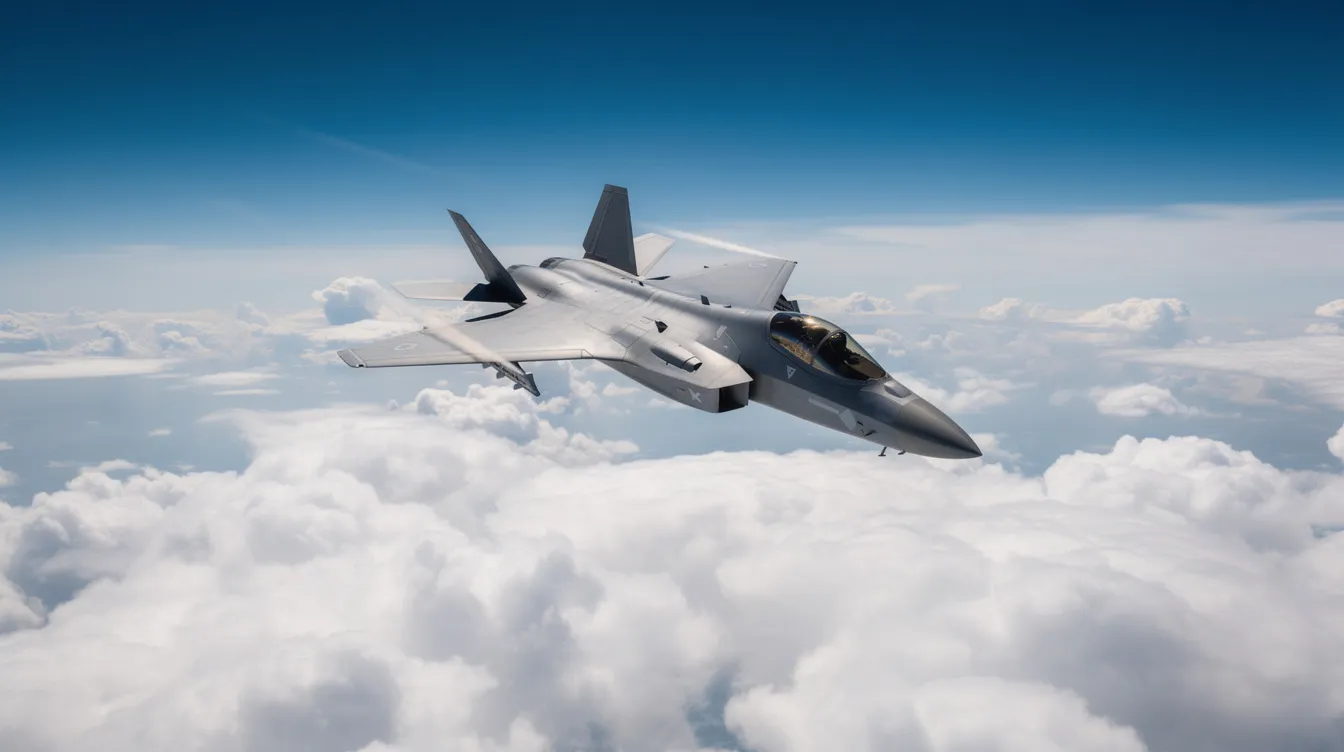
5
min read
F-35 Stealth Fighter Jet: The F-35 Lightning II Explained
The F-35 Lightning II is a revolutionary fifth-generation stealth fighter jet that combines advanced technology, multi-role capabilities, and global partnerships. Serving as a backbone for the U.S. and allied air forces, it enhances air power through its stealth, sensor fusion, and networked warfare capabilities. This guide explores its design, variants, operational history, and impact on global security.
Read MoreStay updated with our latest insights and tips to elevate your journey with us.
MEMBERSHIPS AND ASSOCIATIONS



Disclaimer: Jettly operates as a charter broker, offering access to a global digital jet charter marketplace. Jettly is not a direct air carrier and does not own or operate aircraft. All advertised flights are conducted by third-party air carriers that are fully licensed and hold the appropriate Part 135 or Part 121 certifications issued by the Federal Aviation Administration (FAA) or equivalent regulatory authorities under U.S. or foreign law. Jettly complies fully with the U.S. Department of Transportation's Part 295 and Part 298 Charter Broker regulations. Jettly does not carry additional liability insurance. Passengers are covered by aircraft operator insurance. TICO: 50023770


