



Login
Get Instant Pricing On 23,000+ Aircraft

>
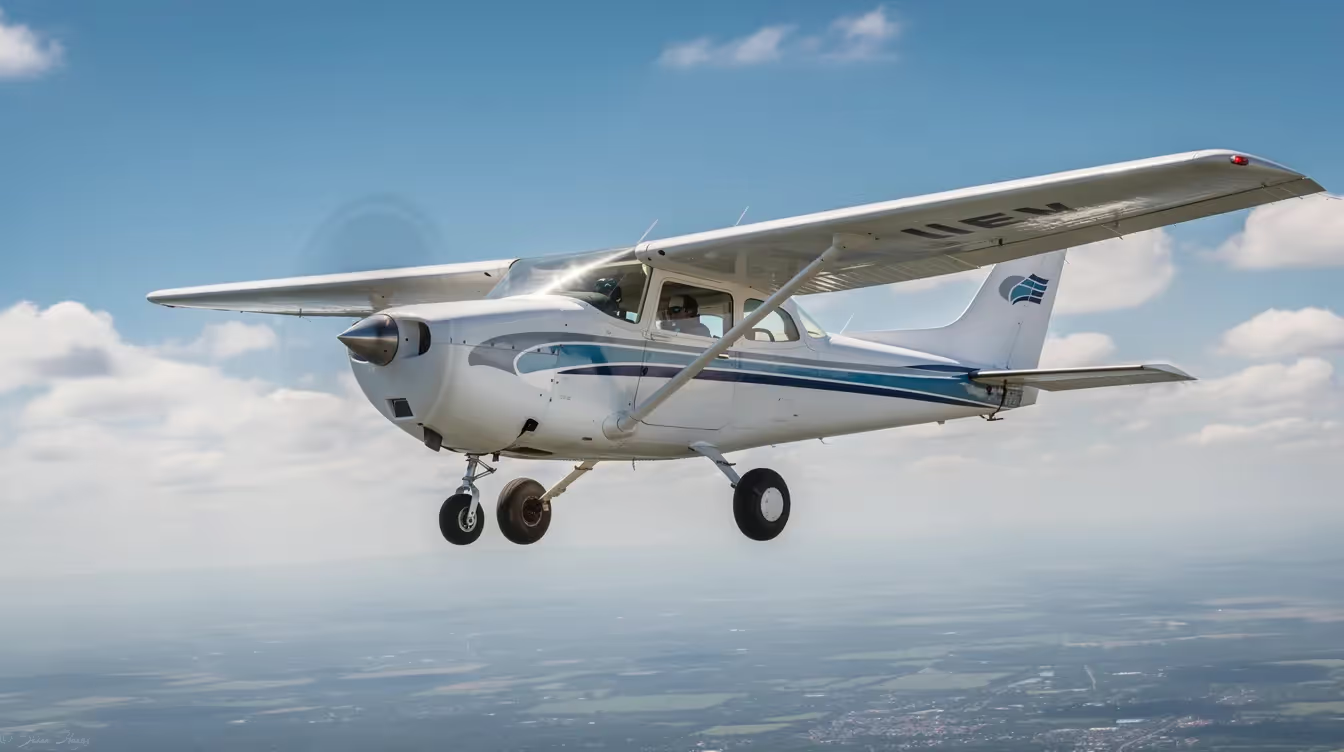
Searching for a Cessna Skyhawk for sale brings up hundreds of listings across major aviation marketplaces. The Cessna 172, introduced in 1956, has become the most produced aircraft in history, with over 43,000 units manufactured to date. Before committing to a purchase, understanding both acquisition costs and long-term ownership economics helps determine whether buying or chartering fits your flying needs better.
Used Cessna 172 prices typically range from $40,000 to $300,000, influenced by factors such as the year of manufacture, total hours flown, and maintenance history.
The Cessna 172 Skyhawk has been in continuous production since 1956, making it the world’s most common training and personal aircraft.
Total ownership costs—including maintenance, insurance, hangar fees, and fuel—average $100 to $150 per flight hour for moderate usage.
Pilots flying fewer than 50–75 hours annually often find chartering more economical than ownership.
Compare charter options and aircraft categories at Jettly for an alternative to ownership.
The Cessna 172 Skyhawk is a four-seat, high-wing, single-engine aircraft first delivered in 1956 and still in production through 2026. The Cessna 172 Skyhawk is widely recognized for its reliability and versatility, making it a popular choice for both personal and instructional flying.
More than 43,000 Cessna 172s have been built, establishing it as history’s most-produced airplane and a staple of flight schools worldwide
Modern Cessna 172 models are typically equipped with a 180-horsepower Lycoming IO-360-L2A engine. Cessna Skyhawks typically offer a cruise speed of around 120-125 knots and a range of approximately 640 to 800 nautical miles, depending on model year and fuel capacity.
The high-wing design provides excellent visibility during flight training and approach. Stable handling characteristics, combined with the comfort offered to both pilots and passengers, make the Skyhawk especially suited to student pilots and instructors working in training environments. The Cessna 172 is known for its excellent safety and reliability, making it a popular choice for both training and personal travel. Experience the freedom and adventure of the open skies with the Skyhawk, whether for leisure or business flying.
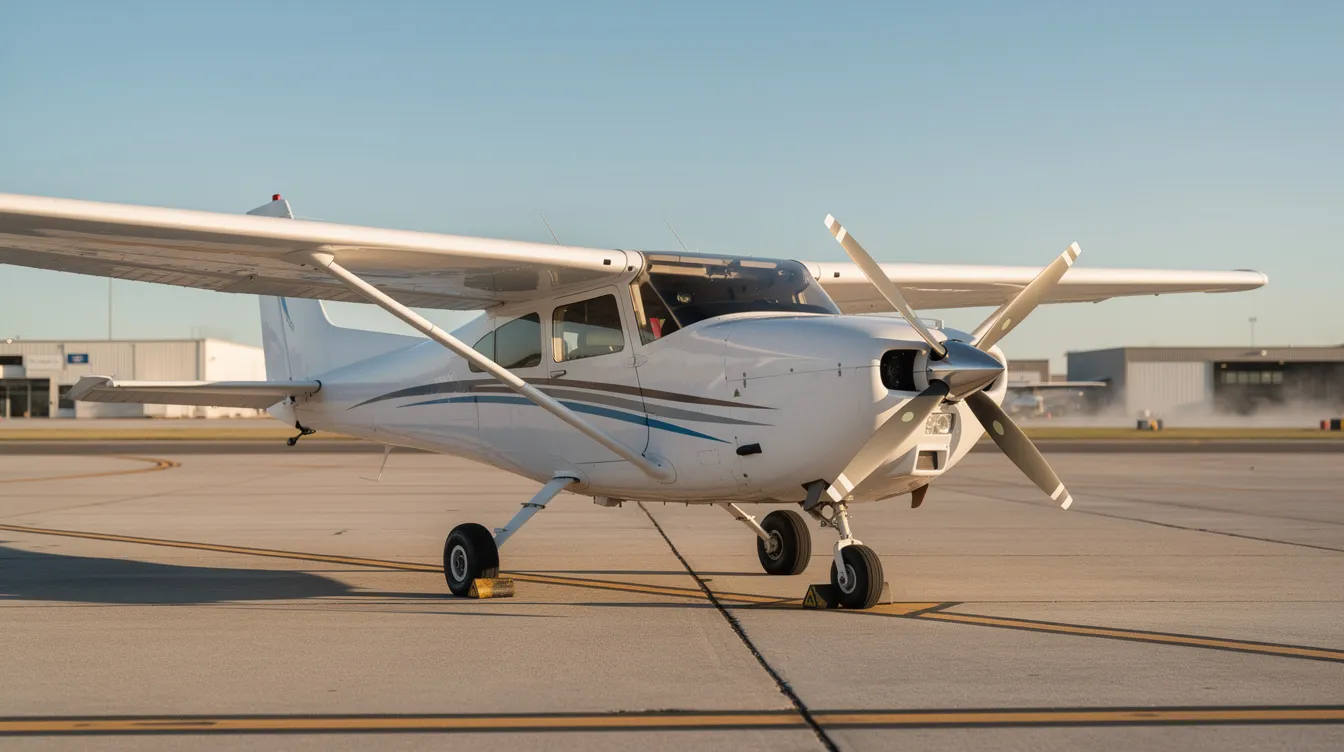
Learn more about the Cessna 172 Skyhawk’s features and training opportunities to see how it can elevate your flying experience.
The 2026 resale market for Cessna 172s remains active, with dozens to hundreds of listings across Controller, Trade-A-Plane, and AircraftForSale.com at any given time. Many Cessna Skyhawks for sale are available in the USA, catering to domestic buyers seeking aircraft within the United States. Cessna Skyhawks (172) are widely available, with prices ranging from around $60,000 for older models to over $300,000 for modern, well-equipped SP models.
New Cessna 172S Skyhawks from Textron Aviation list between $430,000 and $550,000, depending on avionics, interior, and options
The price of a new Cessna 172 Skyhawk can range from $400,000 to $500,000, depending on the model year and added options
Listings typically highlight total time (TT), time since engine overhaul (TSO), ADS-B Out compliance, Garmin G1000 or glass cockpit upgrades, and paint/interior condition.
|
Model Decade |
Typical Price Range |
Common Avionics |
|---|---|---|
|
1960s–1970s |
$70,000–$150,000 |
Basic VFR/IFR analog |
|
1980s–1990s |
$120,000–$250,000 |
ADS-B, GPS (GNS 430) |
|
2000s+ |
$250,000–$400,000+ |
G1000 glass cockpit |
Buyers searching for a Cessna Skyhawk for sale encounter diverse configurations spanning six decades of production. Understanding listing terminology helps evaluate value accurately.
Representative examples from current marketplaces include:
A late-1990s Cessna 172R with 1,800–2,200 TT, ADS-B Out transponder, and 180 HP STC upgrade, often noted as a single-owner aircraft, which appeals to buyers seeking reliability and a trusted ownership history.
1970s Cessna F172 variants featuring Continental engines with fresh overhauls and new interior schemes tailored to meet customers' preferences, enhancing comfort and experience.
Early-1980s 172P models with higher TT (10,000+ hours) but refreshed interiors and IFR panels, often benefiting from substantial updates or restorations that improve condition and value.
TT: Total airframe time in hours
TSO/SMOH: Time since overhaul or major overhaul on engine
NDH: No damage history
ADS-B Out: Required transponder for post-2020 U.S. airspace
Aircraft with Garmin avionics (GNS430/530, G1000) or Avidyne IFD series panels command 25–40% premiums over analog six-pack setups. Modern avionics and avionics upgrades reduce pilot workload while enabling precision approaches.
Full logs, annual inspection compliance, and hangar history remain critical selling points. Sellers are often proud of their aircraft's maintenance and condition, and a low-time engine with complete documentation adds significant value.
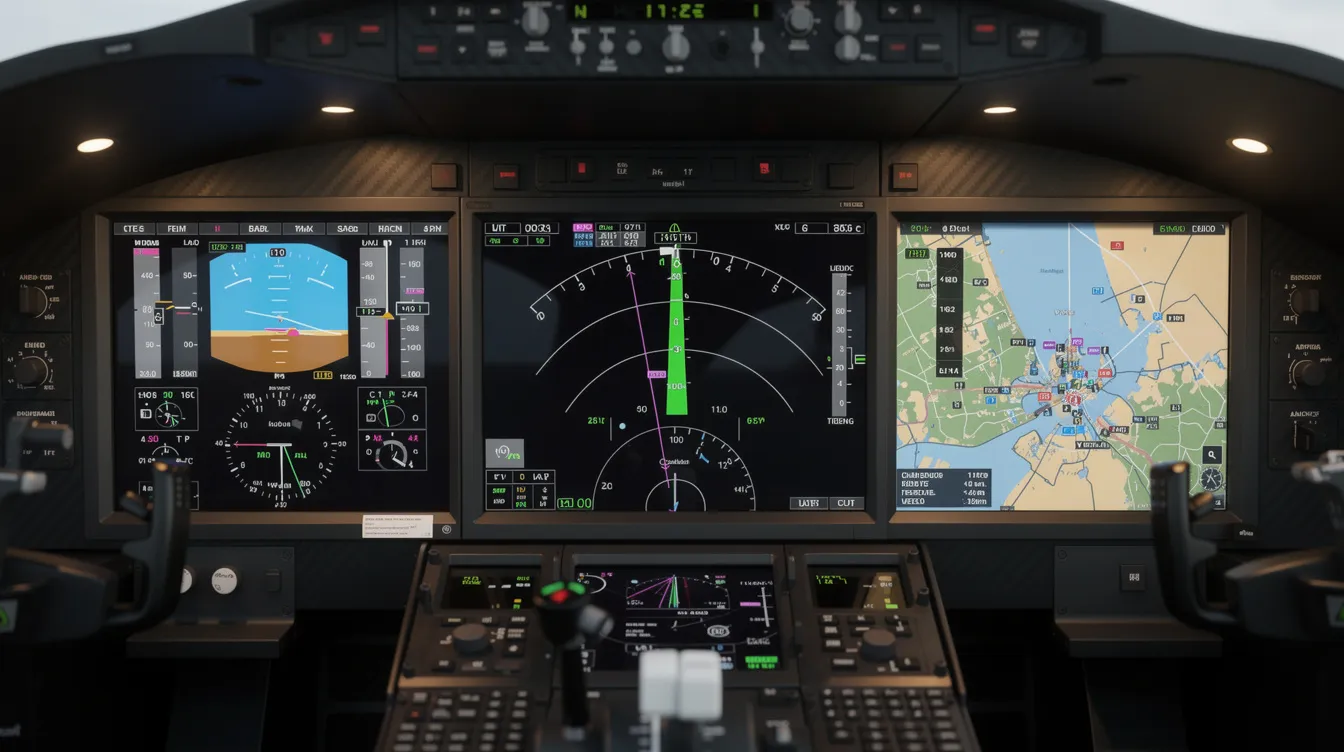
The acquisition price represents only part of the total cost. Buyers must budget for maintenance, inspections, insurance, storage, fuel, and upgrading over time.
Here’s a breakdown of typical cost factors for Cessna 172 ownership, along with broader considerations covered in Jettly’s guide to affordable, budget-friendly aircraft choices:
Annual Inspection and Maintenance:
Annual inspection costs generally range from $1,000 to $2,000.
Many owners budget $3,000–$6,000 annually for a frequently flown airplane (includes routine maintenance).
Engine Overhaul Considerations:
Most Skyhawk engines have a Time Between Overhauls (TBO) of 2,000 hours.
High-time engines nearing 1,800+ hours could incur significant overhaul costs.
Typical overhaul runs $25,000–$40,000+ for Lycoming O/IO-360 engines.
Storage Options:
Hangar fees range from $150/month in rural areas to $800–$1,000+ in major metro regions.
Hangared aircraft retain better condition and resale value versus tie-down storage.
Insurance:
The cost to insure a Cessna 172 can vary widely, with average annual premiums ranging from $1,200 to $5,000 based on factors like pilot experience and aircraft value; some owners also supplement their flying with on-demand operators such as Dexter Air Taxi-style private charter services.
Fuel Costs:
Fuel burn of 8–10 gallons per hour of 100LL avgas translates to $60–$100+ per flight hour, depending on weather conditions and local prices.
The operating cost of a Cessna 172, including fuel and routine maintenance, is typically around $100 to $150 per hour.
Deciding between owning a plane and chartering depends on annual flying hours and mission requirements.
Flying 75+ hours annually
Requiring unrestricted access and customization
Building long-term equity in a reliable aircraft
Flying fewer than 50–75 hours per year
Preferring zero maintenance responsibility
Wanting flexibility to select different aircraft types per trip
Jettly’s digital marketplace provides access to thousands of aircraft globally, including light pistons comparable to the Cessna 172, as well as private charter aircraft like turboprops and jets for longer missions. Charter clients pay per trip with transparent pricing, avoiding surprise costs from unscheduled parts replacement or engine work, and can review a detailed breakdown of what drives the cost of a single charter flight.
Explore current aircraft categories and instant charter pricing with Jettly’s private jet charter cost estimator and a full guide to how much it costs to rent a private jet at Jettly.
Jettly operates as a digital private aviation marketplace—not a Cessna broker—that can complement or replace ownership for many travelers.
Prospective Skyhawk buyers can test their real flying needs by chartering small aircraft on typical missions (250–500 nautical mile trips, weekend family flights) before committing to a purchase decision.
Platform features:
Global access to 20,000+ aircraft
Instant pricing and on-demand booking
Private jet memberships with options for frequent flyers seeking predictable costs
Jettly provides comprehensive assistance throughout the aircraft purchasing process, including sourcing the best prices, financing options, and delivery logistics. Our dedicated team works closely with customers to ensure smooth transactions, operational support, and a seamless experience from start to finish. The delivery process includes thorough inspection, documentation transfer, and ensuring the aircraft arrives ready for use.
Key benefits versus traditional ownership include no long-term capital tie-up, no maintenance coordination, and the ability to scale up to turboprops or jets for routes like New York–Miami, sometimes making the cheapest private aircraft options more attractive than a single-owned Skyhawk. All charter flights arranged through the platform are operated by licensed air carriers meeting FAA Part 135 charter standards, whether you choose shared charter flights or full private charters.
Whether or not you ultimately buy a Cessna, Jettly delivers the flexibility and time-saving benefits of private aviation, and resources explaining how much a private jet really costs and detailed jet card cost breakdowns can further inform your long-term aviation strategy.
Beyond price and logbook entries, buyers should follow a structured inspection process before finalizing any used Cessna purchase.
Pre-purchase inspection:
Engage an independent A&P/IA mechanic to conduct a thorough evaluation
Schedule an inspection near the aircraft’s annual due date to reduce redundancy
Airframe priorities:
Airframe corrosion is a significant concern for Cessna Skyhawks, especially models built before 1994 that often lacked factory primer
Check the spar and firewall condition, evidence of previous damage repairs, and the quality of STC modifications
Engine and propeller evaluation:
Review compression test results and oil analysis history
Verify magneto overhaul dates and propeller cycles
Confirm hours remaining to TBO
Documentation verification:
Review all necessary documents for ownership transfer, registration, and inspection reports
Complete logs since the first flight, if possible
FAA 337 forms for major repairs
AD compliance records and ADS-B Out installation proof
Perform a test flight checking avionics functionality, engine smoothness, and realistic cruise performance compared to book values. Pilots who are still comparing ownership with renting can benefit from a guide to affordable airplane rent, costs, and options, and Jettly’s overview of how renting a plane works in practice to understand how charter and rental alternatives stack up financially. Upon successful inspection and delivery, marking the aircraft's entry into service—especially if it has recently undergone upgrades or maintenance—can be a significant milestone.
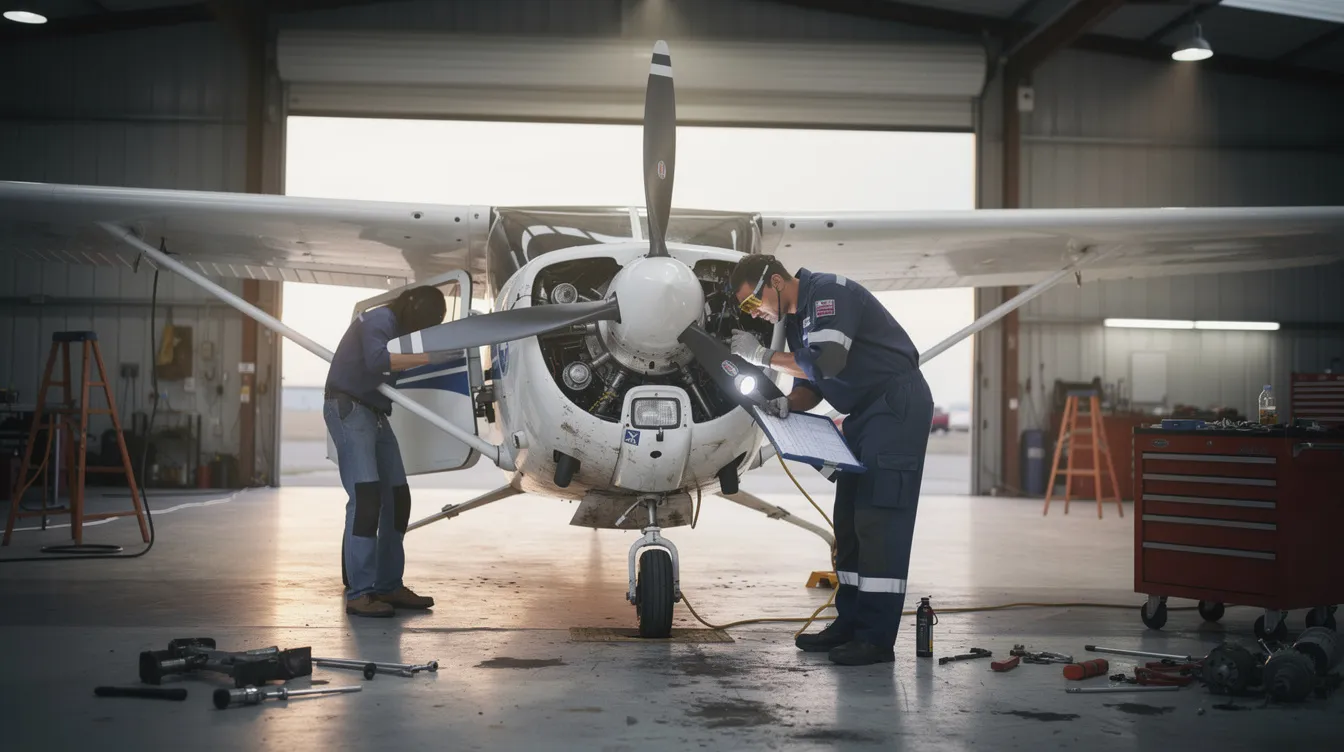
Matching aircraft capabilities to actual flying patterns ensures the right ownership decision, and many buyers also compare models using a broader guide to choosing the best personal plane.
Local training flights with students and instructors
200–400 NM regional trips, where pilots might even consider crowdsourcing flights and sharing empty seats or exploring options to buy an individual seat on a private jet to offset costs on longer repositioning legs
Day VFR family outings with 2–3 adults plus bags, or complementing ownership by using strategies to get a seat on a private jet easily for trips that exceed the Skyhawk’s comfort or range
Light IFR cross-country flying with upgraded panels
Four seats, but practical planning limits payload with full fuel—pilots who frequently operate near gross weight might compare the Cessna 340 for higher-speed, pressurized travel
Cruise speed around 120 knots
Terrain and density altitude affect climb performance when fully loaded
For frequent 800+ NM business trips or time-critical routes, chartering turboprops or light jets via Jettly or other leading private jet charter companies proves more efficient. Reviewing a complete breakdown of private jet operating costs can help you benchmark Cessna 172 ownership against larger aircraft categories. Map your last 12 months of flying to compare ownership costs against on-demand charter for identical missions.
Charter rates for a Cessna 172 or comparable light piston aircraft typically fall between $150 and $300 per flight hour in North America, far below the maintenance costs associated with larger private jets. This price usually includes fuel and basic operating costs but may exclude landing fees or overnight charges. On Jettly, users see indicative pricing for light piston aircraft before booking, alongside tools that explain how private jet charter pricing works and how to reduce costs, and outline what drives the cost of a single private jet flight.
Many Cessna 172 Skyhawks are IFR-certified and widely used by flight schools for instrument training. Buyers should confirm IFR equipment (GPS, nav/com, audio panel) and recent pitot-static checks, and pilots based in busy regions such as India may even pair ownership with private jet charter services in hubs like Kolkata for longer or more demanding missions. Some charter operators on Jettly provide IFR-equipped training aircraft with security service and instructors available, and an airport locator tool can help you identify convenient departure and destination fields for your training routes.
Many aviation lenders offer financing for Cessna 172 purchases, allowing buyers to secure loans with competitive interest rates and flexible terms, while others compare these options with leasing arrangements for private aircraft. Financing options can include low-rate loans tailored to individual needs, with terms negotiated on a case-by-case basis. Prospective buyers may also want to study the best private plane manufacturers for different budgets and needs, and a broader guide to selecting the best personal aircraft before choosing an airframe to finance. The average cost of financing varies based on price, condition, and creditworthiness.
Many Skyhawks from the 1960s and 1970s continue flying safely today. There is no fixed expiration date for the airframe—condition depends on maintenance quality, storage (hangared versus outside), and usage intensity. Buyers should prioritize structural inspections and complete logbook histories over calendar age alone.
Cessna 172 Skyhawks have strong resale demand due to training and personal-use versatility, making it relatively straightforward to sell through established marketplaces or brokers. Market conditions, avionics upgrades, and engine time influence resale price. Travelers moving away from ownership can continue flying on-demand via Jettly, selecting from light pistons to long-range jets, and can reference a comprehensive list of charter airlines and private flight options when comparing providers, including Jettly’s role as a flexible NetJets alternative.
The Cessna Skyhawk remains the world’s most popular training and personal aircraft, with a mature 2026 resale market. Cessna Skyhawks hold their value well and are known for being easy to maintain and insure, although the market is competitive with potential hidden issues.
Main considerations when evaluating a Cessna Skyhawk for sale include:
Accurate interpretation of listings (TT, engine time, avionics)
Understanding long-term ownership costs
Conducting rigorous inspections
Matching the aircraft to actual mission needs
For many pilots—especially those flying infrequently—chartering via a platform like Jettly provides the benefits of private aviation without maintenance, storage, or capital commitments, while resources comparing the best jet card programs available today and explaining what a jet card is and how it works, along with a jet card flight cost estimator, can help heavier users evaluate fixed-rate program options.
Ready to explore private aviation on your terms? Compare aircraft categories, check charter prices, explore jet card programs for predictable hourly rates, or request a quote at Jettly.
Share this post:
Jay Franco Serevilla
Apr 28, 2026
|
5
min read
Discover tips and trends in the industry.

5
min read
Delta Boarding Zones: How Delta Air Lines Boarding Works (and What It Means for Private Flyers)
Delta Air Lines utilizes a structured boarding system with eight numbered zones plus pre-boarding, determining the order in which passengers board based on cabin class, fare type, and loyalty status. Understanding this system is crucial for travelers considering commercial flights versus private jet charters, as it impacts overhead bin space and wait times. For those seeking a more streamlined experience, private jet options like Jettly eliminate the complexities of boarding zones altogether.
Read More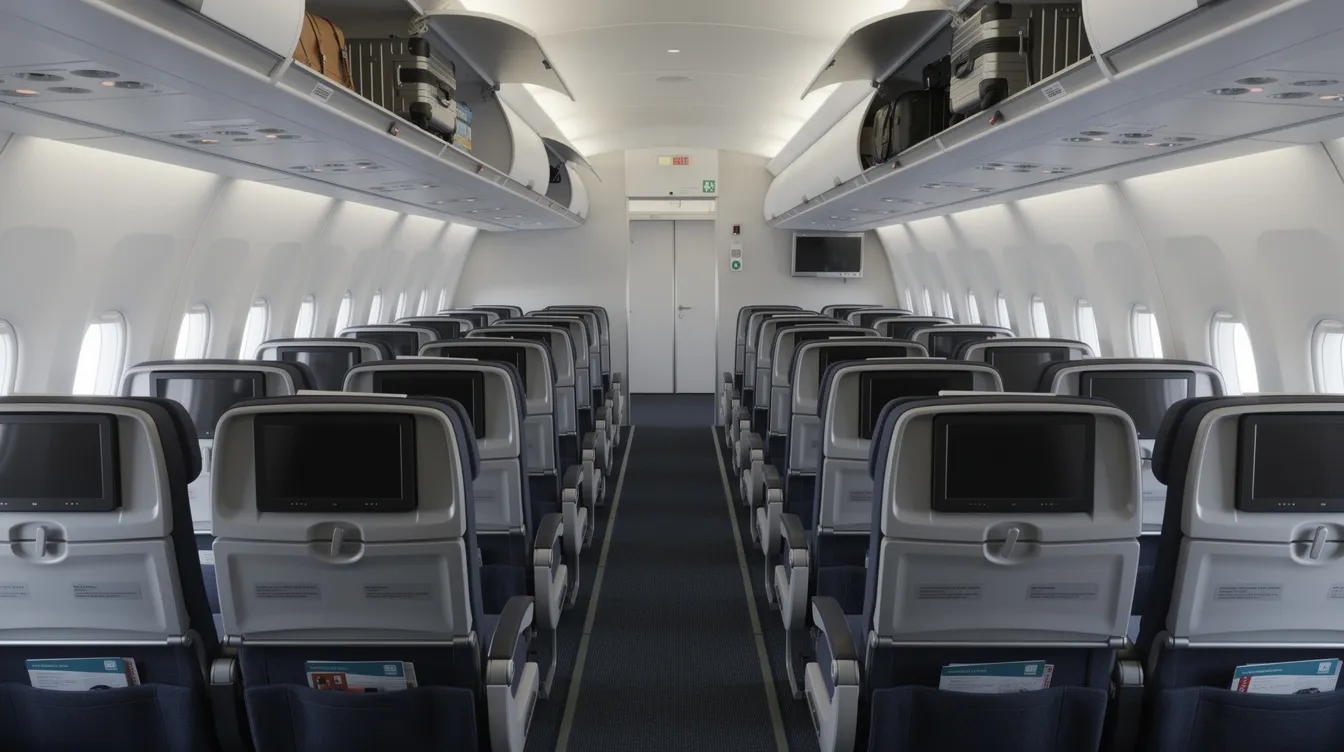
5
min read
Delta Basic Economy: What Changed, What It Includes, and When to Avoid It
Delta Air Lines has rebranded its Basic Economy fare to Delta Main Basic as of October 1, 2025, maintaining its core restrictions while altering the booking experience. This fare class is the most restrictive in Delta's lineup, making it suitable primarily for solo travelers on short flights who prioritize low prices over flexibility. For most travelers, considering higher fare options like Delta Main Classic or private jet charters may provide better value.
Read MoreStay updated with our latest insights and tips to elevate your journey with us.
MEMBERSHIPS AND ASSOCIATIONS



Disclaimer: Jettly operates as a charter broker, offering access to a global digital jet charter marketplace. Jettly is not a direct air carrier and does not own or operate aircraft. All advertised flights are conducted by third-party air carriers that are fully licensed and hold the appropriate Part 135 or Part 121 certifications issued by the Federal Aviation Administration (FAA) or equivalent regulatory authorities under U.S. or foreign law. Jettly complies fully with the U.S. Department of Transportation's Part 295 and Part 298 Charter Broker regulations. Jettly does not carry additional liability insurance. Passengers are covered by aircraft operator insurance. TICO: 50023770


