


Login
Get Instant Pricing On 23,000+ Aircraft

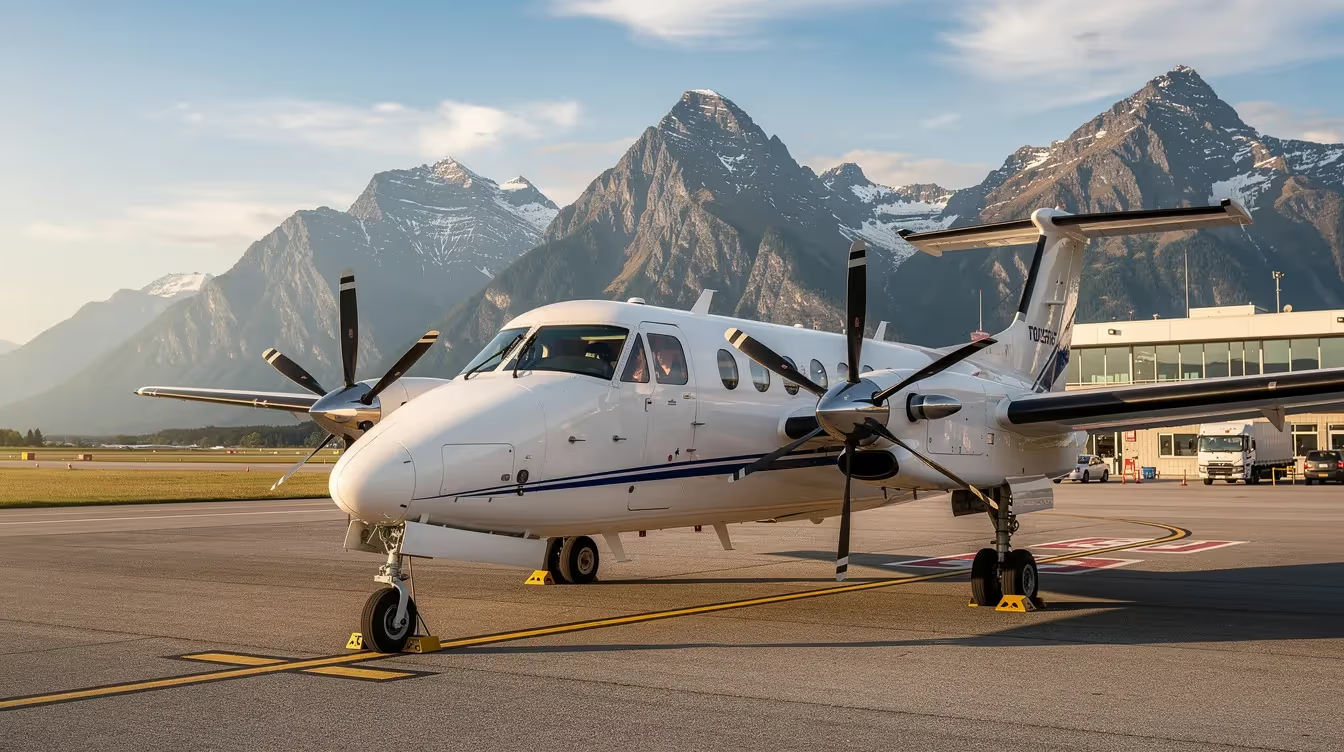
Private jet travel offers convenience and comfort, with costs ranging from $1,200 to $4,000 per flight hour for turboprops and light jets, making it more accessible than many assume. Factors influencing pricing include aircraft type, route length, seasonal demand, and additional fees, which can add 20-40% to the base rate. To find affordable options, travelers can utilize strategies like booking empty leg flights, being flexible with dates and airports, and sharing aircraft costs among groups. Platforms like Jettly provide transparent pricing and instant quotes, helping users navigate private jet charter costs effectively.
Jay Franco Serevilla
Apr 23, 2026
|
5
min read



View all
Single-engine planes typically cruise between 110 and 180 knots, with high-performance models exceeding 200 knots. Factors like aircraft type, altitude, and weight significantly influence actual speeds. Understanding cruise speed is crucial for effective trip planning and can often rival commercial airliners in total travel time.
Jay Franco Serevilla
Sep 7, 2026
|
5
min read
View all
Single-engine planes typically cruise between 110 and 180 knots, with high-performance models exceeding 200 knots. Factors like aircraft type, altitude, and weight significantly influence actual speeds. Understanding cruise speed is crucial for effective trip planning and can often rival commercial airliners in total travel time.
Jay Franco Serevilla
Sep 7, 2026
|
5
min read
View all
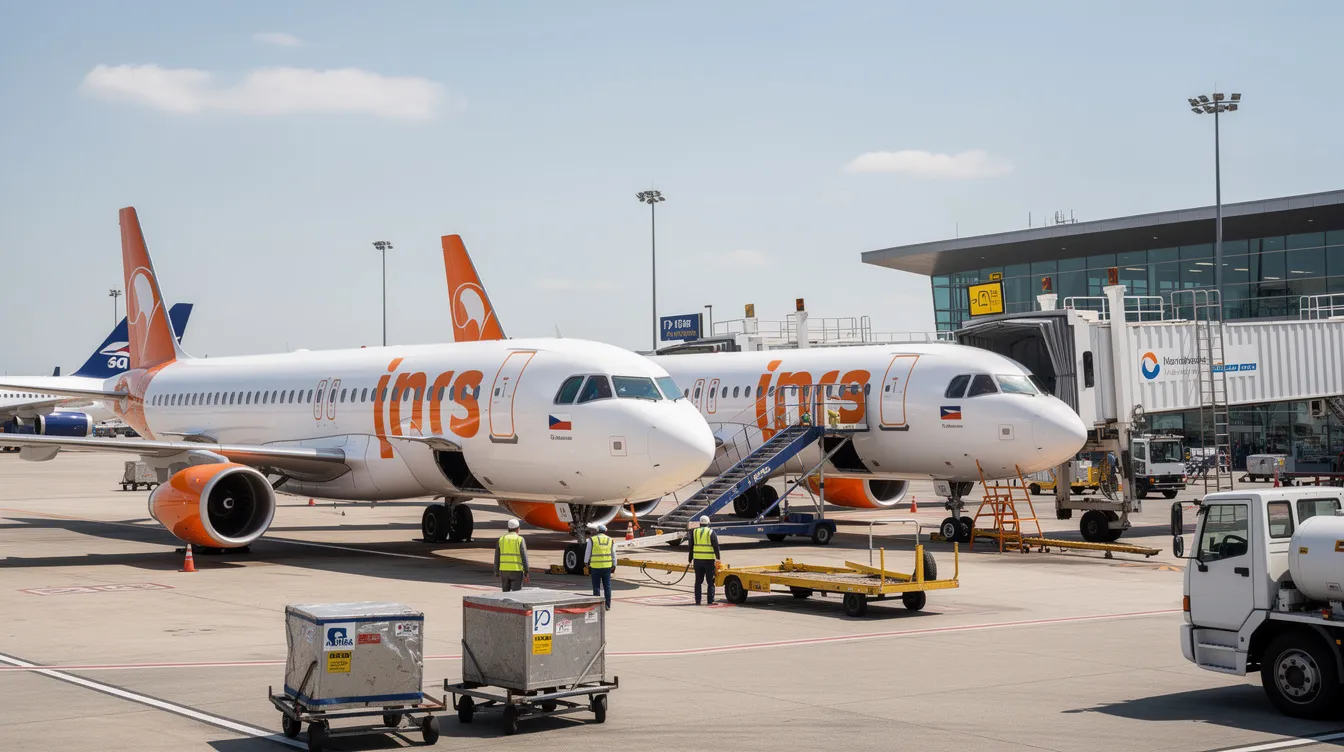
This article compares Southwest Airlines' Boeing 737-800 and MAX 8, focusing on passenger experience, comfort, and features. While both aircraft offer similar seating and service, the MAX 8 boasts quieter engines, modern interiors, and consistent USB charging. For travelers seeking privacy and flexibility, private jet charter options through Jettly present a compelling alternative to commercial flights.
Jay Franco Serevilla
Sep 7, 2026
|
5
min read

View all
Estimating flight length accurately is crucial for effective travel planning, whether for private jets or commercial flights. Factors such as distance, aircraft type, and wind conditions can significantly impact flight duration. This guide provides insights into estimating flight times and highlights the advantages of private jet travel through platforms like Jettly.
Jay Franco Serevilla
Sep 7, 2026
|
5
min read

View all
Wisconsin Jet Charter with Jettly offers a convenient and flexible alternative to commercial flights, providing access to over 20,000 aircraft for private travel. Whether for business or leisure, travelers can book flights quickly and enjoy a personalized experience without the hassles of crowded airports. With transparent pricing and a variety of aircraft options, Jettly simplifies the private aviation experience in Wisconsin.
Jay Franco Serevilla
Sep 7, 2026
|
5
min read
View all
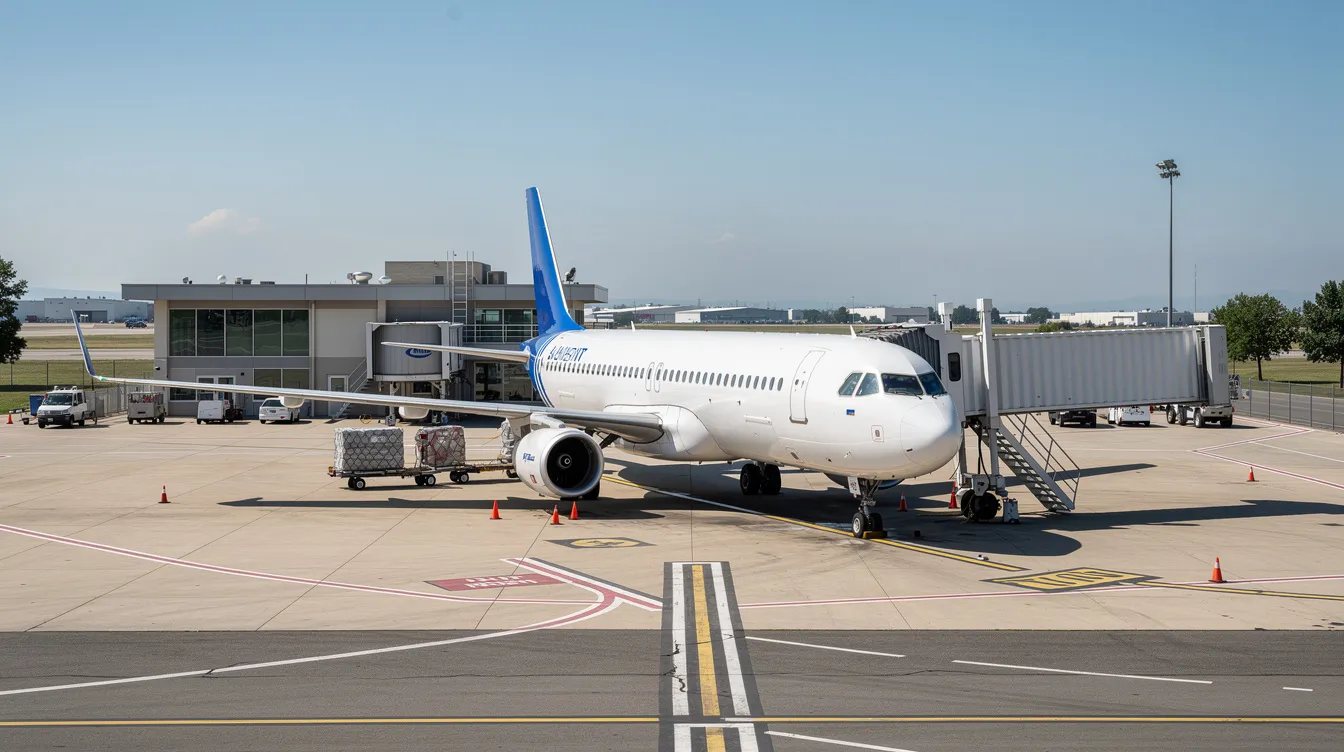
Allegiant Air charter provides dedicated aircraft for large groups, offering flexibility in scheduling and routing. This option is ideal for organizations like sports teams and corporations needing to transport 40 or more passengers. However, for smaller groups or those seeking more personalized service, private jet charters through platforms like Jettly may be a better fit.
Jay Franco Serevilla
Sep 7, 2026
|
5
min read
Explore our latest articles and updates.

5
min read
Flight Insurance Is It Worth It in 2026? A Practical Guide for Commercial and Private Jet Travelers
Flight insurance can be a valuable investment for travelers, particularly for high-value or international trips. It provides peace of mind against potential financial losses from cancellations or medical emergencies. However, for low-cost, refundable tickets, it may not be necessary. Understanding your specific travel needs and existing protections is key to making an informed decision.
Read More
5
min read
Flight Trip Insurance: How It Works, What It Covers, and When It's Worth It for Private Jet Travel
Flight trip insurance is essential for travelers investing in nonrefundable airfare, especially for private jet charters. It protects against financial losses due to cancellations from unforeseen events like illness or severe weather. Understanding the coverage options, costs, and exclusions can help travelers make informed decisions and safeguard their travel investments.
Read MoreJoin our community and receive the latest blog updates directly in your inbox.
MEMBERSHIPS AND ASSOCIATIONS



Disclaimer: Jettly operates as a charter broker, offering access to a global digital jet charter marketplace. Jettly is not a direct air carrier and does not own or operate aircraft. All advertised flights are conducted by third-party air carriers that are fully licensed and hold the appropriate Part 135 or Part 121 certifications issued by the Federal Aviation Administration (FAA) or equivalent regulatory authorities under U.S. or foreign law. Jettly complies fully with the U.S. Department of Transportation's Part 295 and Part 298 Charter Broker regulations. Jettly does not carry additional liability insurance. Passengers are covered by aircraft operator insurance. TICO: 50023770


