


Login
Get Instant Pricing On 23,000+ Aircraft


In 2026, private jet ownership alternatives such as on-demand charter, memberships, jet cards, fractional ownership, and leasing provide flexible access to private aviation without the burdens of full ownership. For travelers flying less than 200 hours annually, options like on-demand charter through platforms like Jettly offer cost-effective solutions with no upfront capital or long-term commitments. Each model caters to different flight frequencies and budgets, allowing users to choose based on their specific needs. As operational costs rise, these alternatives enable travelers to enjoy the benefits of private jet travel while minimizing financial and operational responsibilities.
Jay Franco Serevilla
Apr 22, 2026
|
5
min read



View all
The B3 plane primarily refers to the Swedish B 3 medium bomber, derived from the Junkers Ju 86, which served from the late 1930s until 1958. This guide explores its history, variants, and its influence on modern aviation, including connections to fictional representations in games and advancements in military technology.
Jay Franco Serevilla
Sep 5, 2026
|
5
min read

View all
Chartering a private jet at John F. Kennedy International Airport (JFK) offers travelers a luxurious and efficient way to access New York City. With dedicated facilities and 24/7 operations, JFK is ideal for both domestic and international flights, allowing passengers to bypass the stress of commercial terminals. Jettly simplifies the booking process, providing instant pricing and access to over 20,000 aircraft.
Jay Franco Serevilla
Sep 5, 2026
|
5
min read
View all
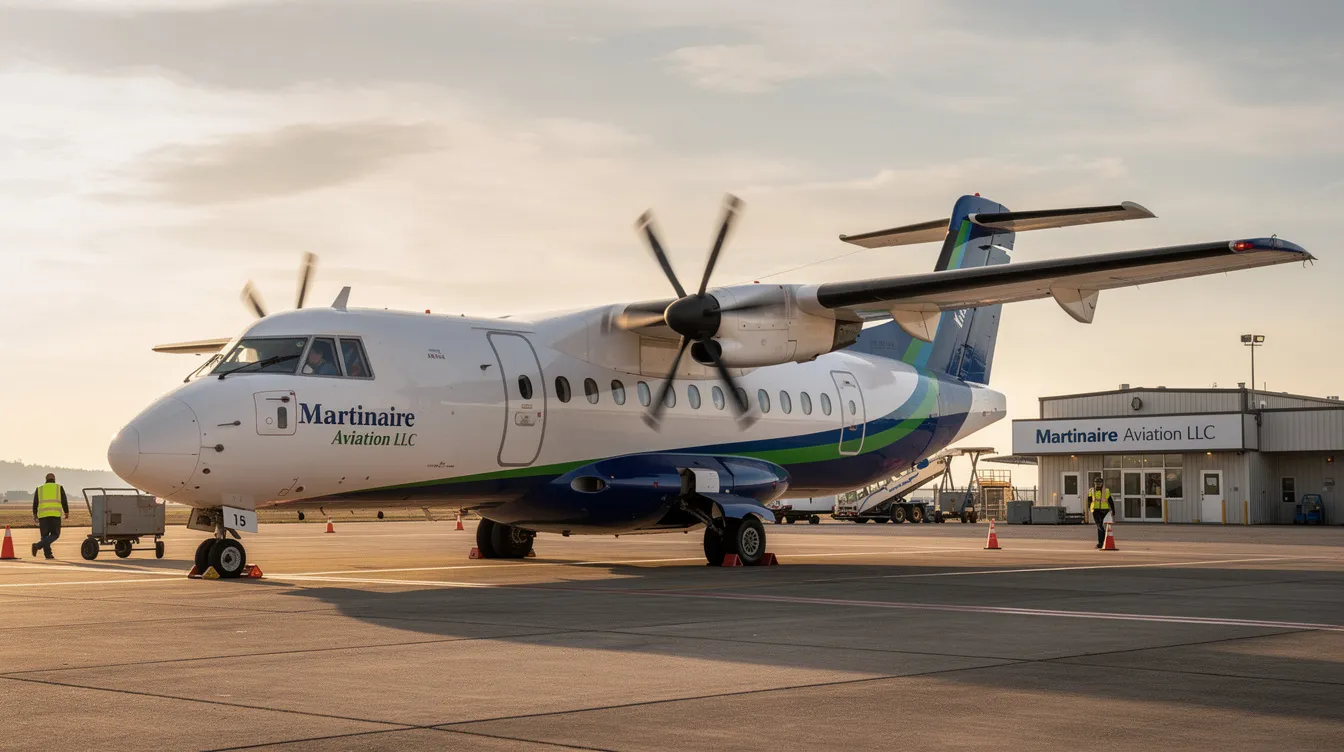
Martinaire Aviation LLC, founded in 1978, is a leading cargo feeder carrier in the U.S., specializing in overnight freight operations. With a fleet of turboprop aircraft, it connects regional airports to major sorting hubs, primarily serving integrators like UPS. This article explores Martinaire's operations, career opportunities, and how it contrasts with private charter services like Jettly.
Jay Franco Serevilla
Sep 4, 2026
|
5
min read

View all
Alerion Aviation is a premier boutique private aviation company specializing in aircraft management, on-demand charter, and in-house maintenance. With a strong safety record and a large fleet operating from key U.S. locations, Alerion offers personalized service for travelers and aircraft owners. Jettly enhances the experience by providing a digital marketplace for comparing charter options, ensuring travelers find the best fit for their needs.
Jay Franco Serevilla
Sep 4, 2026
|
5
min read

View all
Destin–Fort Walton Beach Airport (VPS) is the main airport serving Florida's Emerald Coast, providing access to Destin and Fort Walton Beach. This guide covers essential information about VPS, including airlines, routes, and private jet charter options through Jettly for a more flexible travel experience.
Jay Franco Serevilla
Sep 4, 2026
|
5
min read

View all
Finding the best time to buy airline tickets can be challenging due to fluctuating prices and various factors affecting fares. This guide provides insights on optimal booking windows for domestic, international, and private flights, helping travelers save money and avoid last-minute price hikes. Key strategies include monitoring prices, using fare alerts, and understanding seasonal trends.
Jay Franco Serevilla
Sep 4, 2026
|
5
min read
Explore our latest articles and updates.

5
min read
Smallest Cessna Plane: A Practical Guide for Training, Travel, and Charter
The Cessna 150 and 152 are the smallest widely produced Cessna aircraft, primarily used for flight training and short trips. Known for their simplicity and low operating costs, these two-seat planes have introduced countless pilots to aviation. This guide explores their specifications, history, and practical uses, including insights on renting or chartering through platforms like Jettly.
Read More
5
min read
Small Plane Manufacturers: Key Brands, Training Roles, and the New Era of Light Aircraft
Small plane manufacturers play a crucial role in general aviation, providing aircraft for training, personal travel, and utility missions. Key brands like Cessna, Cirrus, and Piper dominate the market, each offering unique models that cater to various needs. As the aviation industry evolves, advancements in safety and technology are shaping the future of light aircraft.
Read MoreJoin our community and receive the latest blog updates directly in your inbox.
MEMBERSHIPS AND ASSOCIATIONS



Disclaimer: Jettly operates as a charter broker, offering access to a global digital jet charter marketplace. Jettly is not a direct air carrier and does not own or operate aircraft. All advertised flights are conducted by third-party air carriers that are fully licensed and hold the appropriate Part 135 or Part 121 certifications issued by the Federal Aviation Administration (FAA) or equivalent regulatory authorities under U.S. or foreign law. Jettly complies fully with the U.S. Department of Transportation's Part 295 and Part 298 Charter Broker regulations. Jettly does not carry additional liability insurance. Passengers are covered by aircraft operator insurance. TICO: 50023770


