


Login
Get Instant Pricing On 23,000+ Aircraft

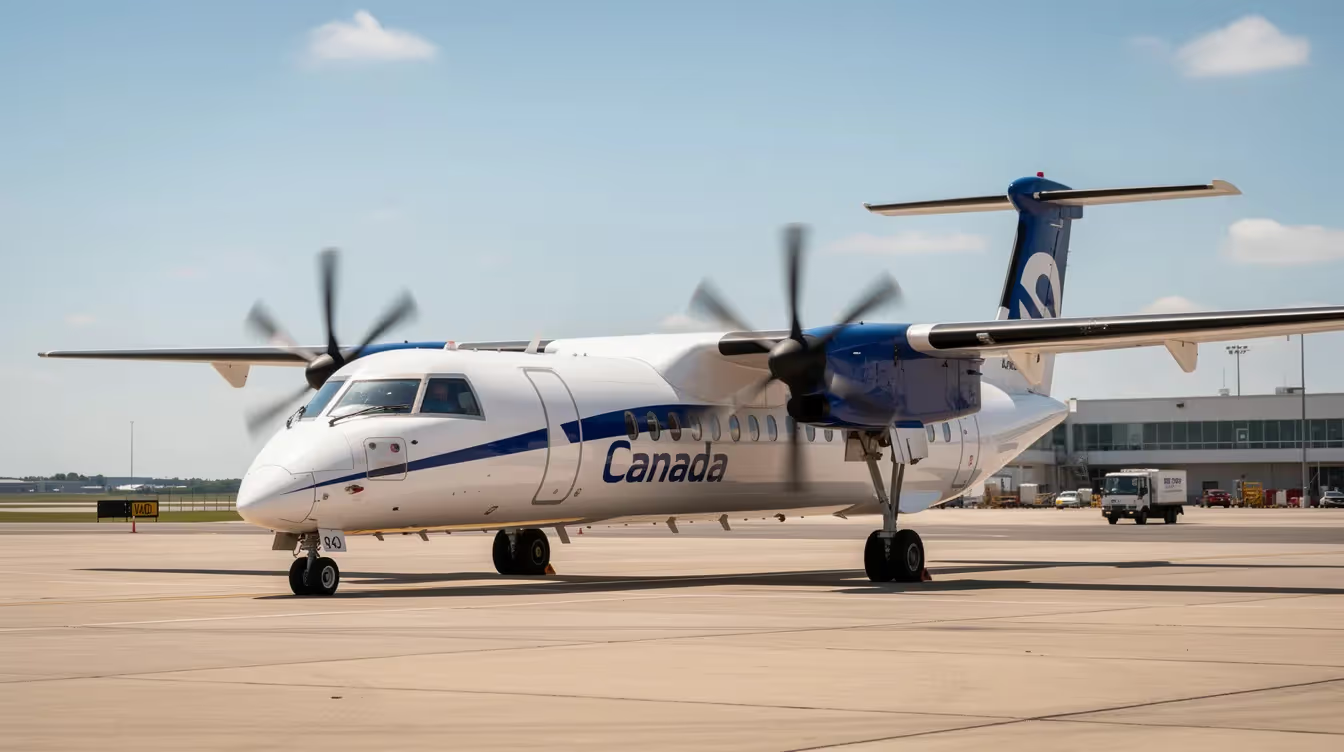
The Dash 8-200 is a twin-engine regional turboprop airliner that seats 37-39 passengers and is designed for short-haul routes, offering improved performance and fuel efficiency compared to its predecessor, the Dash 8-100. With a maximum range of 1,125 nautical miles and the ability to operate from short runways, it is particularly suited for regional airlines and charter operators in remote areas. The aircraft's operational reliability, low operating costs, and flexible cabin configurations make it a popular choice for various missions, including corporate shuttles and emergency transport. Jettly provides charter options for the Dash 8-200, allowing travelers to customize their flight experience with tailored services and competitive pricing.
Jay Franco Serevilla
May 15, 2026
|
5
min read



View all
This article provides developers and travel planners with essential insights into accessing JetBlue's aviation data, including flight schedules and real-time status. It highlights the importance of integrating JetBlue's API with private charter services like Jettly to enhance travel solutions and optimize trip planning. Understanding these options allows for seamless passenger experiences and operational advantages.
Jay Franco Serevilla
Sep 13, 2026
|
5
min read

View all
ATI Jet, now rebranded as Jetvia, specializes in private jet charters with a dedicated fleet of Learjet 60 aircraft. Established in 1985 in El Paso, TX, the company offers tailored services and a strong safety record, catering to both business and leisure travelers across North America. This overview compares Jetvia's fleet-based model with digital platforms like Jettly, highlighting the benefits of each for potential travelers.
Jay Franco Serevilla
Sep 13, 2026
|
5
min read

View all
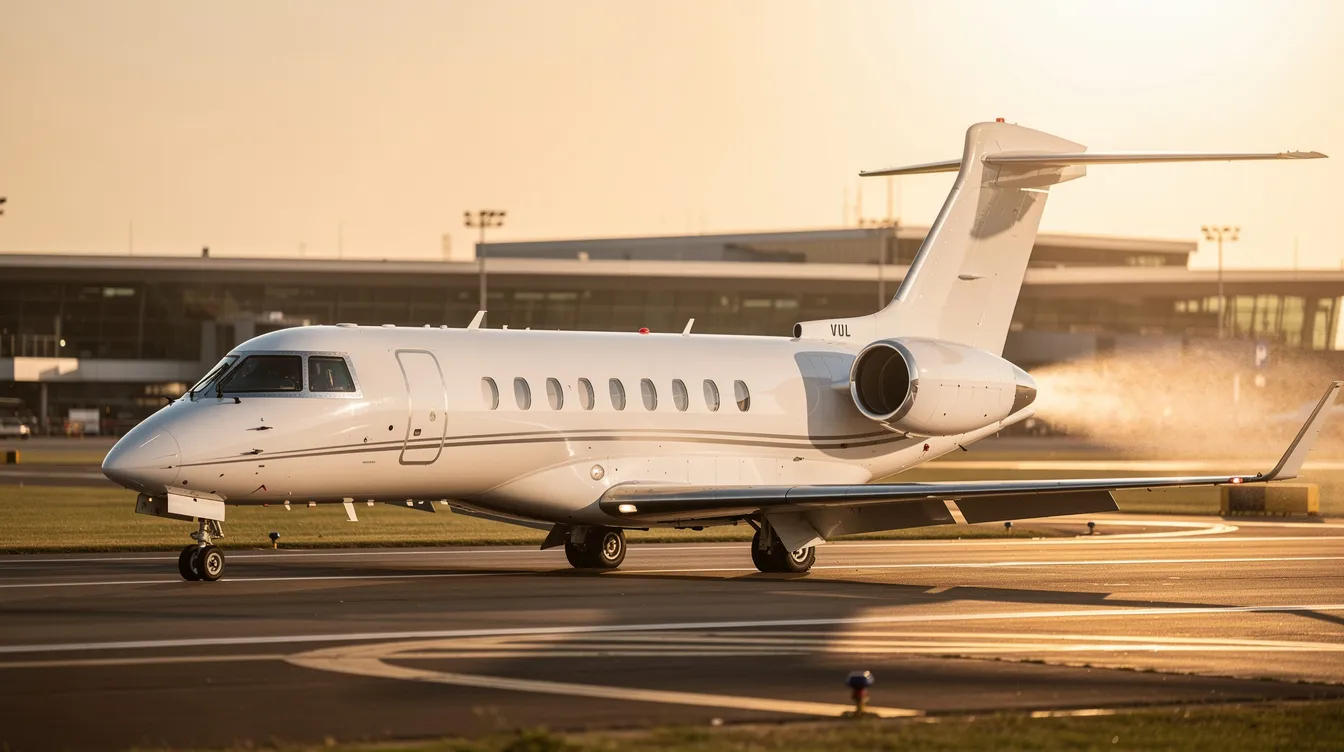
The Learjet 55 is a renowned midsize business jet known for its speed, altitude capability, and spacious stand-up cabin. Since its introduction in the early 1980s, it has remained a practical choice for charter travelers and aircraft buyers alike. This guide covers its performance, cabin features, operating costs, and charter options, providing essential insights for those interested in this versatile aircraft.
Jay Franco Serevilla
Sep 13, 2026
|
5
min read
View all
The Learjet 55 is a renowned midsize business jet known for its speed, altitude capability, and spacious stand-up cabin. Since its introduction in the early 1980s, it has remained a practical choice for charter travelers and aircraft buyers alike. This guide covers its performance, cabin features, operating costs, and charter options, making it a valuable resource for aviation enthusiasts.
Jay Franco Serevilla
Sep 13, 2026
|
5
min read

View all
As the private jet charter landscape evolves in 2026, understanding the differences between Ultimate Jetcharters LLC and modern platforms like Jettly is essential. Ultimate Jetcharters, once a key player in group travel, has ceased operations, leaving travelers to seek flexible and efficient alternatives. Jettly offers access to over 20,000 aircraft, providing instant pricing and tailored services for various travel needs.
Jay Franco Serevilla
Sep 13, 2026
|
5
min read

View all
Jet rides offer a thrilling range of experiences, from luxurious private jet charters to adrenaline-pumping fighter jet flights. Jettly connects travelers with vetted operators for both comfort and adventure, making it easy to compare options and book unforgettable flights. Whether you're an aviation enthusiast or looking for a unique gift, this guide covers everything you need to know about jet rides.
Jay Franco Serevilla
Sep 13, 2026
|
5
min read
Explore our latest articles and updates.

5
min read
Cutter Aviation: Services, Careers, And Private Charter Alternatives
Cutter Aviation, established in 1928, is the oldest family-owned fixed-base operator (FBO) network in the U.S., providing comprehensive aviation services including FBO operations, maintenance, and aircraft sales across the Southwest. The company emphasizes a family-oriented culture and offers various career opportunities, with entry-level positions starting at approximately $20 per hour and paid training. While Cutter Aviation focuses on ground support and maintenance, it complements digital charter platforms like Jettly, which connects travelers to a wide range of private aircraft options. Together, they enhance the private travel experience by integrating ground services with accessible charter booking solutions.
Read More
5
min read
Pebble Beach Golf Vacation Packages
This guide outlines Pebble Beach golf vacation packages tailored for golfers and luxury travelers, emphasizing seamless experiences that include private jet options. Packages typically cost between $4,000 and $5,000 per golfer for three nights and three rounds, featuring access to championship courses and luxury accommodations. Jettly facilitates private jet travel, offering instant pricing and a wide range of aircraft, enhancing the overall trip by saving time and accommodating golf gear. The article also highlights the importance of early planning for tee times and lodging, especially during peak seasons, to ensure an unforgettable golfing experience at this iconic destination.
Read MoreJoin our community and receive the latest blog updates directly in your inbox.
MEMBERSHIPS AND ASSOCIATIONS



Disclaimer: Jettly operates as a charter broker, offering access to a global digital jet charter marketplace. Jettly is not a direct air carrier and does not own or operate aircraft. All advertised flights are conducted by third-party air carriers that are fully licensed and hold the appropriate Part 135 or Part 121 certifications issued by the Federal Aviation Administration (FAA) or equivalent regulatory authorities under U.S. or foreign law. Jettly complies fully with the U.S. Department of Transportation's Part 295 and Part 298 Charter Broker regulations. Jettly does not carry additional liability insurance. Passengers are covered by aircraft operator insurance. TICO: 50023770


