


Login
Get Instant Pricing On 23,000+ Aircraft


Travelers can choose between commercial flights and private jet charters when flying from Chicago to Key West. Commercial options offer affordability and convenience, while private jets provide flexibility and a tailored experience. Understanding the differences in pricing, scheduling, and overall travel time can help you make the best choice for your trip.
Jay Franco Serevilla
Aug 12, 2026
|
5
min read



View all
Volare Aviation offers boutique private aviation services at Oxford Airport, specializing in aircraft ownership, management, and charter. With the rise of digital platforms like Jettly, private jet and helicopter travel has become more accessible, allowing travelers to choose flexible options without the need for ownership. This article explores the advantages of private aviation, including reduced travel time and personalized service.
Jay Franco Serevilla
Oct 7, 2026
|
5
min read

View all
Plane crashes are often the result of a combination of factors, including human error, mechanical failures, and weather conditions. Despite media coverage suggesting otherwise, air travel remains statistically safe, with improvements in aviation safety over the decades. Understanding the causes and trends can help travelers make informed decisions about their flying options.
Jay Franco Serevilla
Oct 7, 2026
|
5
min read
View all
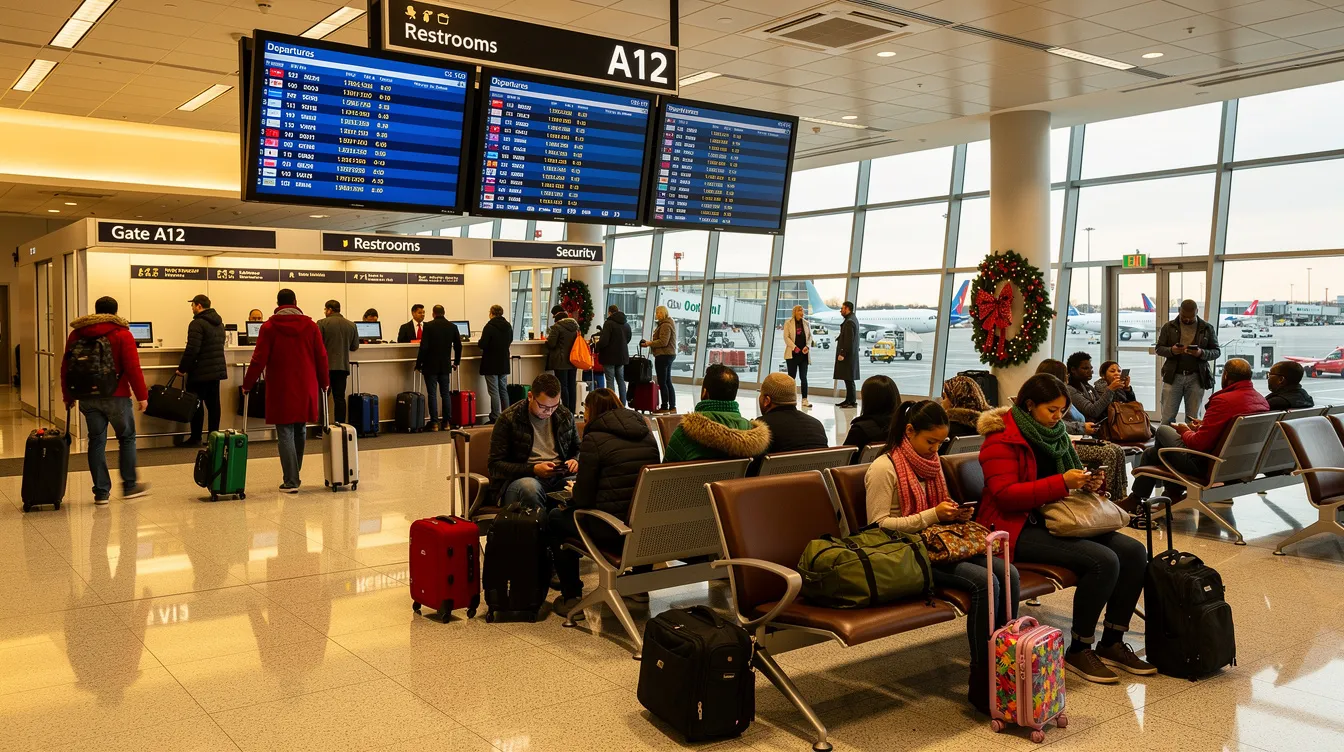
Finding cheap Thanksgiving flights in 2026 is all about timing and flexibility. With Thanksgiving on November 26, booking 30 to 45 days in advance and flying on off-peak days can lead to significant savings. Consider private jet options for added convenience and reduced travel stress, especially during peak holiday travel times.
Jay Franco Serevilla
Oct 7, 2026
|
5
min read

View all
Finding the best time to buy international airline tickets to Europe can save travelers hundreds of dollars. Booking 3 to 7 months in advance typically yields the best prices, especially during shoulder seasons. This guide offers insights on timing, fare tracking, and alternative airports to maximize savings and flexibility.
Jay Franco Serevilla
Oct 7, 2026
|
5
min read

View all
Understanding when plane tickets get cheaper is essential for travelers looking to save on airfare. Generally, booking domestic flights 1 to 3 months in advance and international flights 2 to 8 months ahead yields the best prices. Factors like travel dates, day of the week, and seasonality significantly impact ticket costs, making it crucial to stay flexible and track fare changes.
Jay Franco Serevilla
Oct 7, 2026
|
5
min read

View all
Discover the truth behind the elusive 'Day of Cheap Flights' and learn how to consistently find the best flight deals. This guide highlights seasonal patterns, optimal booking windows, and effective search tools to help travelers save money on both commercial and private flights.
Jay Franco Serevilla
Oct 7, 2026
|
5
min read
Explore our latest articles and updates.

5
min read
WN Airline: Why Southwest Airlines Uses the WN Code (and What It Means for Travelers)
The WN code is the official IATA designation for Southwest Airlines, crucial for travelers to understand for booking and tracking flights. This guide explains the significance of the WN code, its history, and how it impacts travel planning and loyalty programs like Rapid Rewards. Knowing the WN code helps avoid confusion and enhances the travel experience with Southwest Airlines.
Read More
5
min read
Shared Aircraft Ownership: Fractional Ownership, Co‑Ownership, and Flexible Alternatives
Shared aircraft ownership offers flexible options like fractional ownership and co-ownership, making private aviation accessible for those flying 50 to 400 hours annually. These models reduce costs and operational burdens while providing access to a range of aircraft. On-demand charter services like Jettly complement these ownership structures, offering flexibility without long-term commitments.
Read MoreJoin our community and receive the latest blog updates directly in your inbox.
MEMBERSHIPS AND ASSOCIATIONS



Disclaimer: Jettly operates as a charter broker, offering access to a global digital jet charter marketplace. Jettly is not a direct air carrier and does not own or operate aircraft. All advertised flights are conducted by third-party air carriers that are fully licensed and hold the appropriate Part 135 or Part 121 certifications issued by the Federal Aviation Administration (FAA) or equivalent regulatory authorities under U.S. or foreign law. Jettly complies fully with the U.S. Department of Transportation's Part 295 and Part 298 Charter Broker regulations. Jettly does not carry additional liability insurance. Passengers are covered by aircraft operator insurance. TICO: 50023770


