


Login
Get Instant Pricing On 23,000+ Aircraft


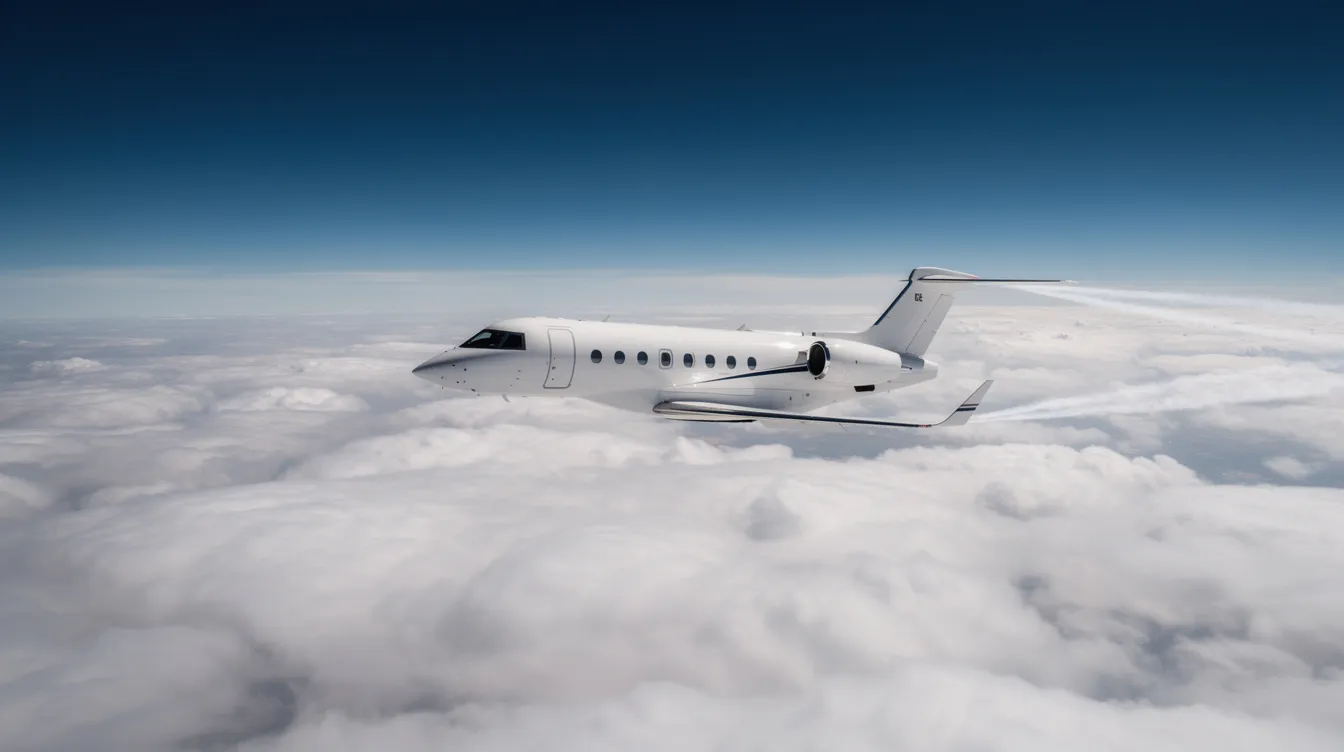
The F-35 Lightning II is a revolutionary fifth-generation stealth fighter jet that combines advanced technology, multi-role capabilities, and global partnerships. Serving as a backbone for the U.S. and allied air forces, it enhances air power through its stealth, sensor fusion, and networked warfare capabilities. This guide explores its design, variants, operational history, and impact on global security.
Jay Franco Serevilla
Jul 26, 2026
|
5
min read


View all
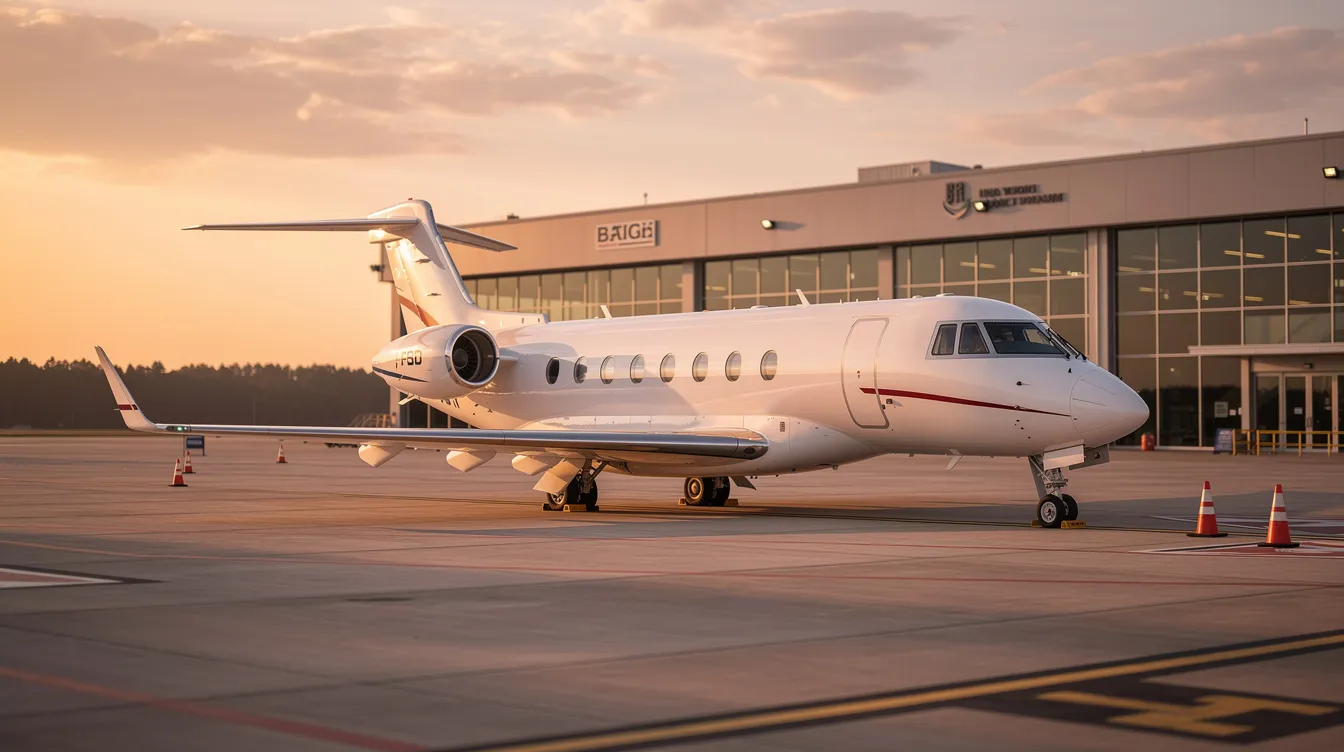
The Gulfstream GV is an ultra long range business jet designed for nonstop intercontinental travel, featuring a spacious cabin for up to 18 passengers. With a maximum range of 6,500 nautical miles and advanced avionics, it offers unparalleled comfort and efficiency for corporate executives and families alike. Chartering through Jettly provides a flexible, cost-effective alternative to ownership.
Jeff Ryan Serevilla
Sep 20, 2026
|
5
min read
View all
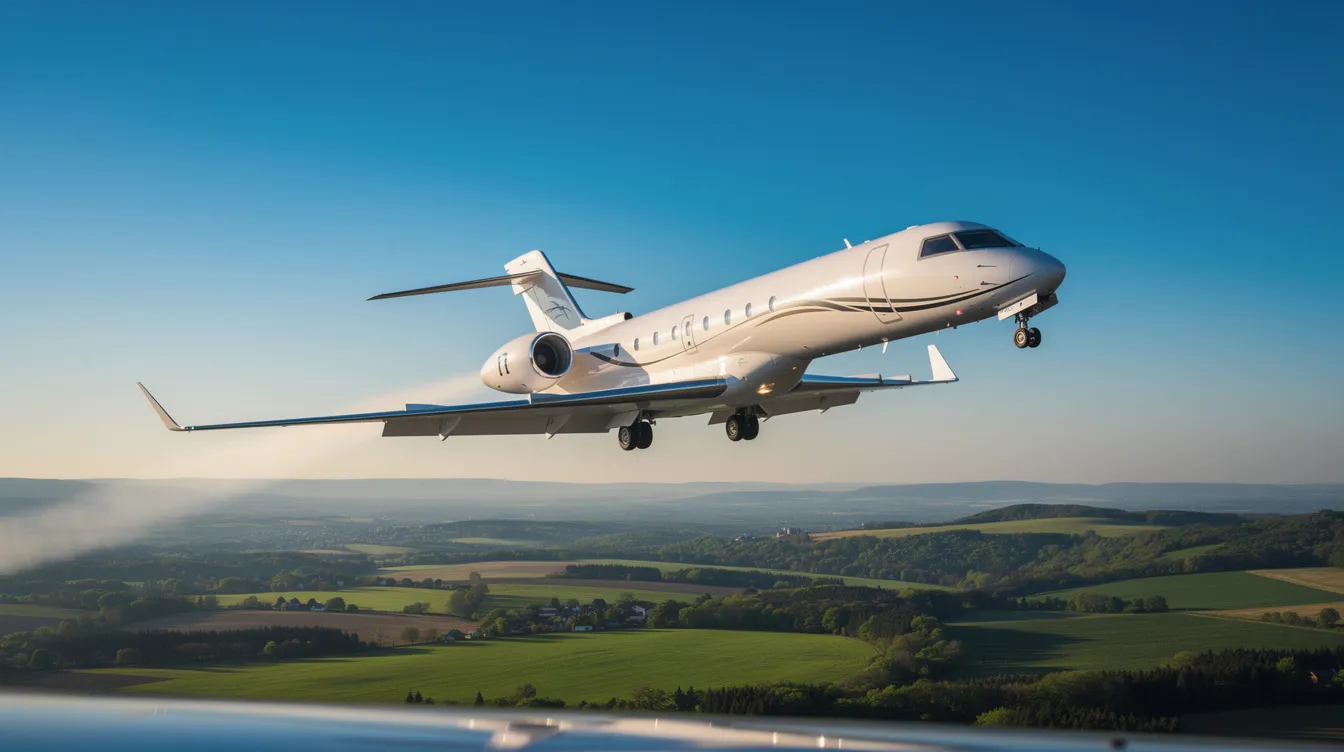
Corporate flight attendant jobs offer a unique blend of safety and luxury service aboard private jets. This career path is ideal for those with hospitality backgrounds seeking flexible schedules and high-end travel experiences. With growing demand in private aviation, aspiring attendants can find rewarding opportunities in this expanding field.
Jeff Ryan Serevilla
Sep 20, 2026
|
5
min read
View all
The HondaJet offers a flexible and cost-effective solution for private air travel, with charter prices typically ranging from $2,000 to $5,000 per flight hour. This guide provides insights into the costs, specifications, and scenarios where chartering a HondaJet makes financial sense compared to ownership. Understanding these factors can help travelers make informed decisions about their private aviation needs.
Jeff Ryan Serevilla
Sep 20, 2026
|
5
min read

View all
The market for very light jets (VLJs) is rapidly expanding, offering a cost-effective entry into business aviation. This guide explores the benefits of ownership versus chartering, highlighting the efficiency and flexibility of VLJs for business and leisure travel. With options like Jettly, travelers can access these jets without the burdens of ownership, making private aviation more accessible than ever.
Jeff Ryan Serevilla
Sep 20, 2026
|
5
min read
View all
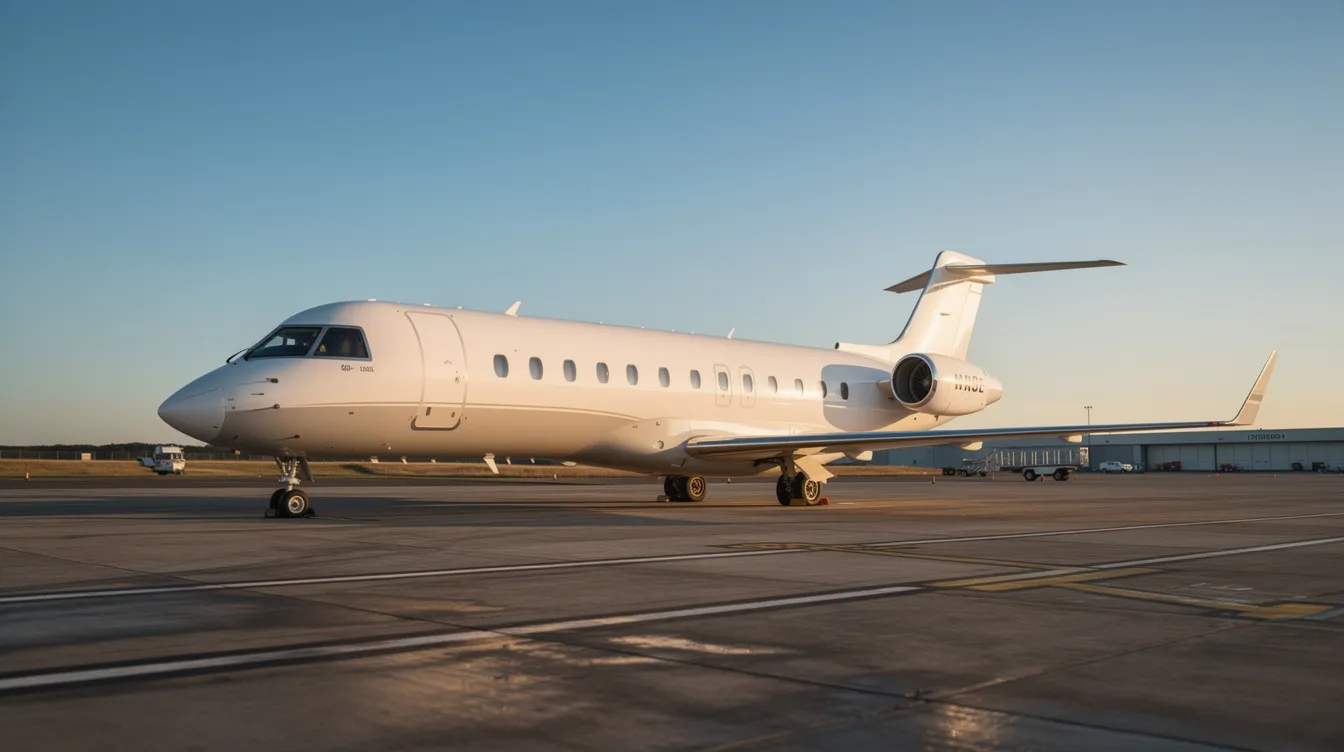
The Gulfstream G700 is a premier ultra-long-range private jet with a list price ranging from $75 million to $81 million, often exceeding $90 million due to customization and demand. For high-net-worth individuals and corporations, understanding the ownership costs versus chartering options through Jettly is crucial for making informed decisions about private aviation.
Jeff Ryan Serevilla
Sep 20, 2026
|
5
min read

View all
VTOL personal aircraft, or eVTOLs, are revolutionizing air mobility by providing vertical takeoff and landing capabilities without the need for runways. These electric aircraft bridge the gap between ground transportation and private jet travel, offering a new category of personal aviation for short hops. As technology matures, eVTOLs are expected to integrate seamlessly with private jet operations, enhancing travel efficiency.
Jeff Ryan Serevilla
Sep 20, 2026
|
5
min read
Explore our latest articles and updates.
5
min read
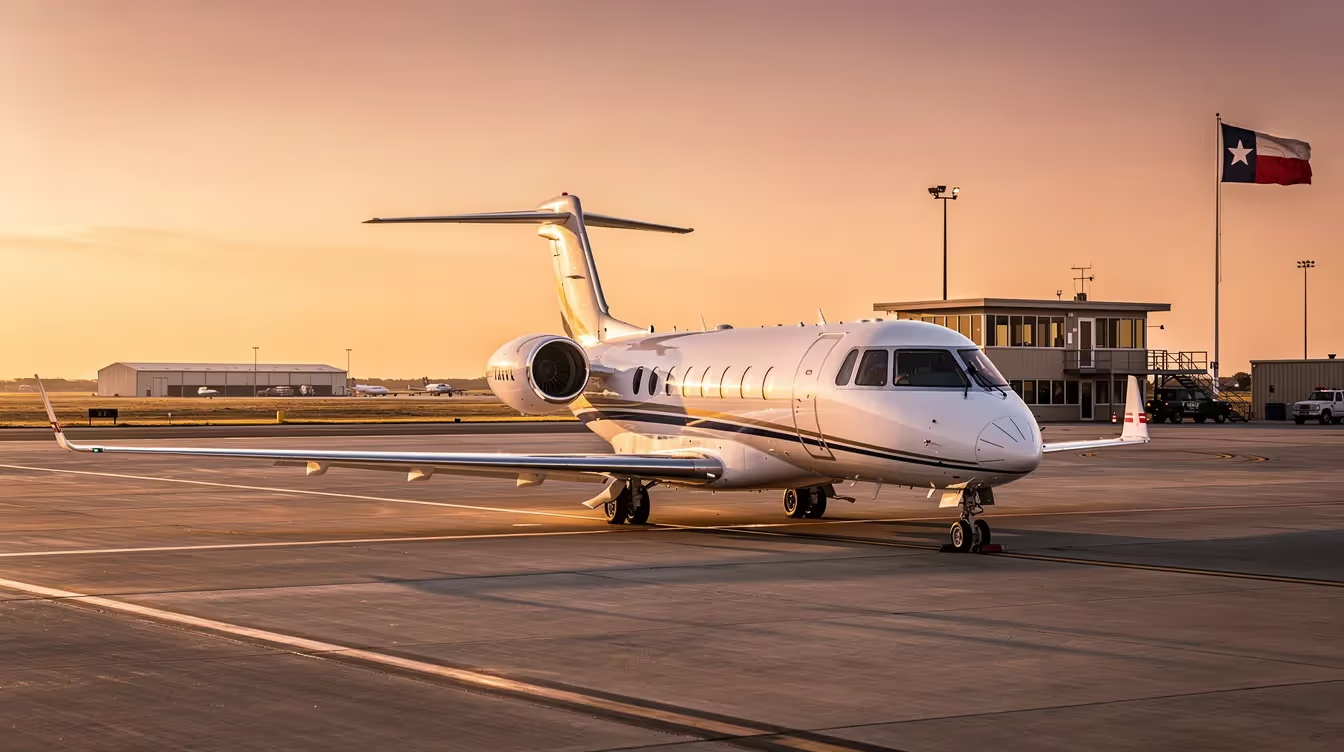
Private Jet Houston to Dallas: On-Demand Charter with Jettly
Traveling by private jet between Houston and Dallas offers a convenient and time-saving alternative to commercial flights, with a typical journey lasting only 40–60 minutes in the air. Jettly provides access to over 20,000 aircraft, allowing travelers to choose from various planes and airports tailored to their needs, with one-way charter prices ranging from $4,500 to $10,000 depending on aircraft type. The service is ideal for both business and leisure travelers, offering personalized service and the ability to bypass crowded terminals. Jettly's platform facilitates seamless booking, catering, and ground transportation, making it a popular choice for those seeking luxury travel in Texas.
Read More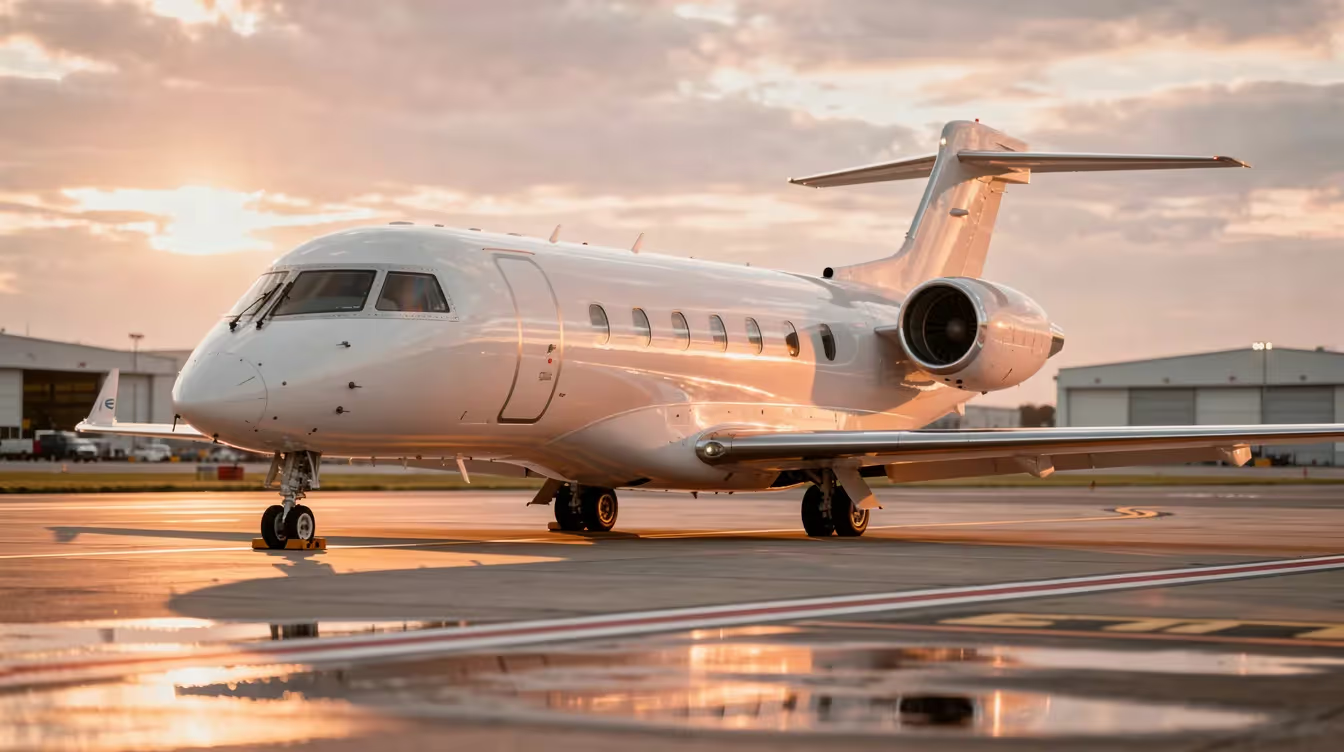
5
min read
Private Jet Omaha: Charter Flights with Jettly
Jettly offers private jet charter services in Omaha, providing a flexible and efficient alternative to commercial flights for business and leisure travelers. With access to over 20,000 aircraft and multiple local airports, Jettly enables quick bookings and transparent pricing, allowing travelers to bypass long TSA lines and enjoy personalized service. The platform also features discounted empty leg flights and membership benefits, enhancing cost-effectiveness for frequent flyers. Overall, Jettly streamlines the private jet travel experience, making it accessible and convenient for various travel needs.
Read MoreJoin our community and receive the latest blog updates directly in your inbox.
MEMBERSHIPS AND ASSOCIATIONS



Disclaimer: Jettly operates as a charter broker, offering access to a global digital jet charter marketplace. Jettly is not a direct air carrier and does not own or operate aircraft. All advertised flights are conducted by third-party air carriers that are fully licensed and hold the appropriate Part 135 or Part 121 certifications issued by the Federal Aviation Administration (FAA) or equivalent regulatory authorities under U.S. or foreign law. Jettly complies fully with the U.S. Department of Transportation's Part 295 and Part 298 Charter Broker regulations. Jettly does not carry additional liability insurance. Passengers are covered by aircraft operator insurance. TICO: 50023770


