


Login
Get Instant Pricing On 23,000+ Aircraft


Flying a Cessna 172 Skyhawk is an accessible entry point into aviation, known for its reliability and forgiving nature. This guide covers everything from obtaining medical certificates to mastering flight maneuvers, ensuring a smooth transition from student pilot to confident aviator. With structured training and real-world practice, pilots can progress to solo flights and cross-country adventures.
Jay Franco Serevilla
Aug 13, 2026
|
5
min read



View all
The Gulfstream G550 is a premier ultra-long-range private jet, ideal for intercontinental travel with a range of approximately 6,750 nautical miles. Known for its spacious cabin and luxurious amenities, it accommodates 14 to 19 passengers comfortably. Jettly offers seamless charter options, connecting travelers to a global fleet of G550s for efficient and flexible travel.
Jay Franco Serevilla
Oct 6, 2026
|
5
min read

View all
Sundance Flight Academy in Oklahoma City offers flexible flight training programs for aspiring pilots, from discovery flights to commercial pilot certification. Utilizing reliable Piper Cherokee aircraft and advanced Redbird FMX simulators, students can tailor their training to fit their schedules while gaining essential skills for a career in aviation.
Jay Franco Serevilla
Oct 6, 2026
|
5
min read

View all
ExcelAire is a prominent private aviation operator based in New York, offering charter flights and aircraft management since 1985. While it provides personalized service and a focused fleet, digital marketplaces like Jettly offer broader options and instant pricing, catering to diverse travel needs. This article compares ExcelAire's offerings with Jettly's tech-driven approach to help travelers choose the best option for their next flight.
Jay Franco Serevilla
Oct 6, 2026
|
5
min read

View all
Learn how to book discounted empty leg private flights with Jettly, a digital platform that connects travelers to over 20,000 aircraft worldwide. Empty leg flights can save you up to 75% compared to standard charter prices, making private travel more accessible for flexible travelers. With the Catch-a-Jet app, booking these flights is quick and easy, allowing you to enjoy the luxury of private aviation without the hefty price tag.
Jay Franco Serevilla
Oct 6, 2026
|
5
min read
View all
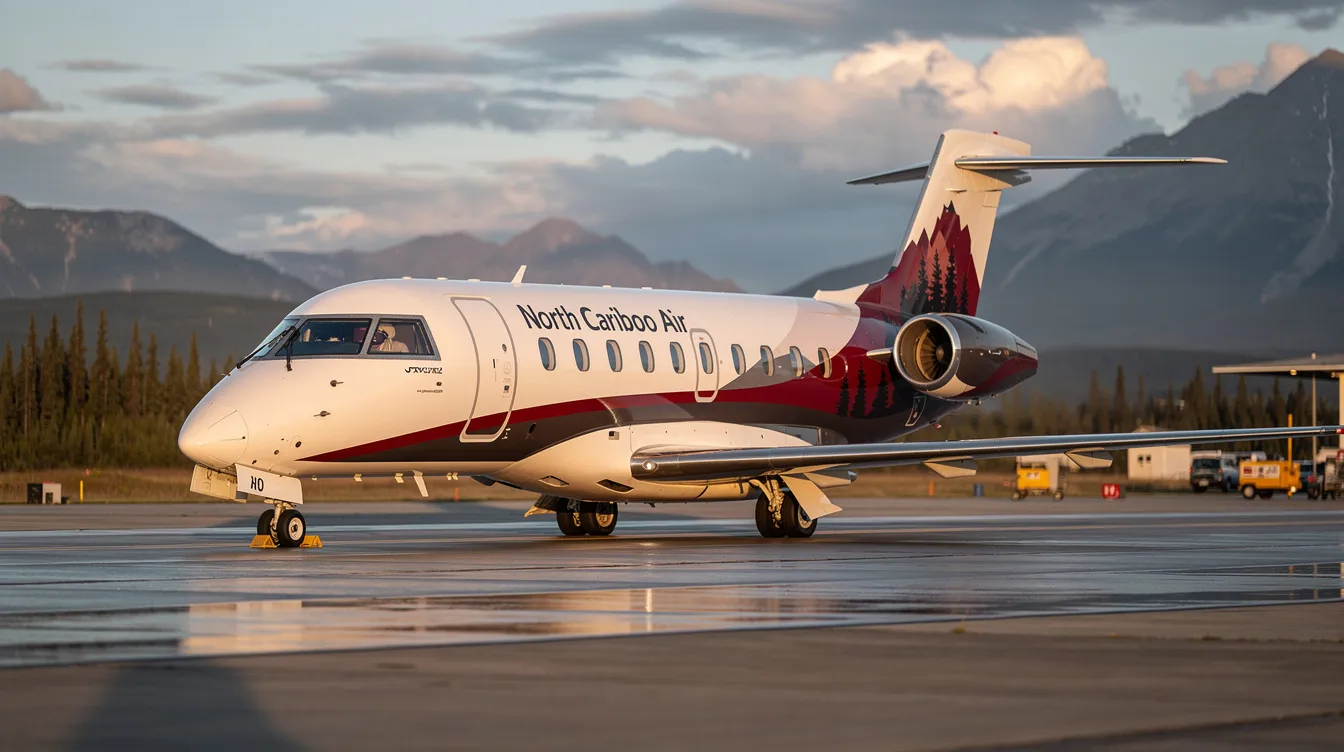
North Cariboo Air has been a staple in Western Canada's charter aviation since 1957, primarily serving the oil, gas, and mining sectors. With a versatile fleet tailored for remote operations, it offers customized corporate and industrial charter services. However, modern digital platforms like Jettly provide travelers with more flexible booking options and access to a broader range of aircraft.
Jay Franco Serevilla
Oct 6, 2026
|
5
min read

View all
Sky Partners in private aviation refer to the network of certified operators and aircraft owners that facilitate private jet charters through platforms like Jettly. This guide explains how these partnerships work, offering travelers access to over 20,000 aircraft worldwide while ensuring flexibility, safety, and cost transparency. Understanding this ecosystem helps users make informed decisions for their private travel needs.
Jay Franco Serevilla
Oct 6, 2026
|
5
min read
Explore our latest articles and updates.

5
min read
Cessna 152 vs 172: Key Differences Student Pilots Should Know
Choosing between the Cessna 152 and Cessna 172 is crucial for student pilots. This guide outlines their key differences, including cost, performance, and comfort, helping you make an informed decision based on your training needs and budget.
Read More
5
min read
Cessna Twin Engine Aircraft: Models, Performance, and Charter Use
Cessna twin-engine aircraft have significantly influenced private aviation since the 1950s, offering models like the 310, 340A, and 421C that combine performance and safety. These versatile planes are ideal for charter, training, and personal use, providing enhanced operational flexibility and engine redundancy. This guide helps pilots and aviation enthusiasts understand the advantages and operational considerations of Cessna twin-engine aircraft.
Read MoreJoin our community and receive the latest blog updates directly in your inbox.
MEMBERSHIPS AND ASSOCIATIONS



Disclaimer: Jettly operates as a charter broker, offering access to a global digital jet charter marketplace. Jettly is not a direct air carrier and does not own or operate aircraft. All advertised flights are conducted by third-party air carriers that are fully licensed and hold the appropriate Part 135 or Part 121 certifications issued by the Federal Aviation Administration (FAA) or equivalent regulatory authorities under U.S. or foreign law. Jettly complies fully with the U.S. Department of Transportation's Part 295 and Part 298 Charter Broker regulations. Jettly does not carry additional liability insurance. Passengers are covered by aircraft operator insurance. TICO: 50023770


