


Login
Get Instant Pricing On 23,000+ Aircraft


Choosing the best helicopter varies greatly depending on the intended use, whether for personal, corporate, VIP, or military purposes. This article explores top models suited for each role, highlighting specifications, costs, and operational considerations. It emphasizes the practicality of chartering helicopters through platforms like Jettly for those who fly less frequently.
Jay Franco Serevilla
Aug 19, 2026
|
5
min read



View all
Delta flash sales offer significant discounts on SkyMiles award flights, making travel more accessible. This guide details how to maximize these deals, stack credit card perks, and when private jet charters may be a better option for travelers seeking flexibility and privacy.
Jeff Ryan Serevilla
Oct 5, 2026
|
5
min read

View all
Flying private offers a range of costs and options, making it more accessible than many think. With hourly rates varying by aircraft type and additional fees, understanding pricing can help travelers save. Jettly provides transparent pricing and flexible booking, making private aviation a viable choice for both business and leisure travel.
Jeff Ryan Serevilla
Oct 5, 2026
|
5
min read

View all
Aeromas, a leading Uruguayan private air charter operator since 1983, offers a versatile fleet for passenger, cargo, and medical flights across MERCOSUR. With the support of digital platforms like Jettly, travelers can easily access a wide range of aircraft and flexible booking options, enhancing their private aviation experience.
Jeff Ryan Serevilla
Oct 5, 2026
|
5
min read

View all
Jet Right is about selecting the ideal private jet that aligns with your trip's needs, balancing aircraft type, route, and pricing. Jettly simplifies this process by providing access to over 20,000 aircraft, instant pricing, and a transparent booking experience, ensuring travelers can jet right without the hassle of traditional ownership. This guide covers essential decisions like aircraft selection, pricing models, and efficient booking strategies.
Jeff Ryan Serevilla
Oct 5, 2026
|
5
min read

View all
Flying private to Europe in 2026 can cost between $60,000 and over $350,000, depending on various factors like departure city and aircraft type. This comprehensive guide helps travelers understand the pricing structure, key cost drivers, and how to get accurate quotes for their specific routes. With insights on aircraft categories and tips for reducing costs, it’s essential for anyone considering private jet travel across the Atlantic.
Jay Franco Serevilla
Oct 4, 2026
|
5
min read
View all
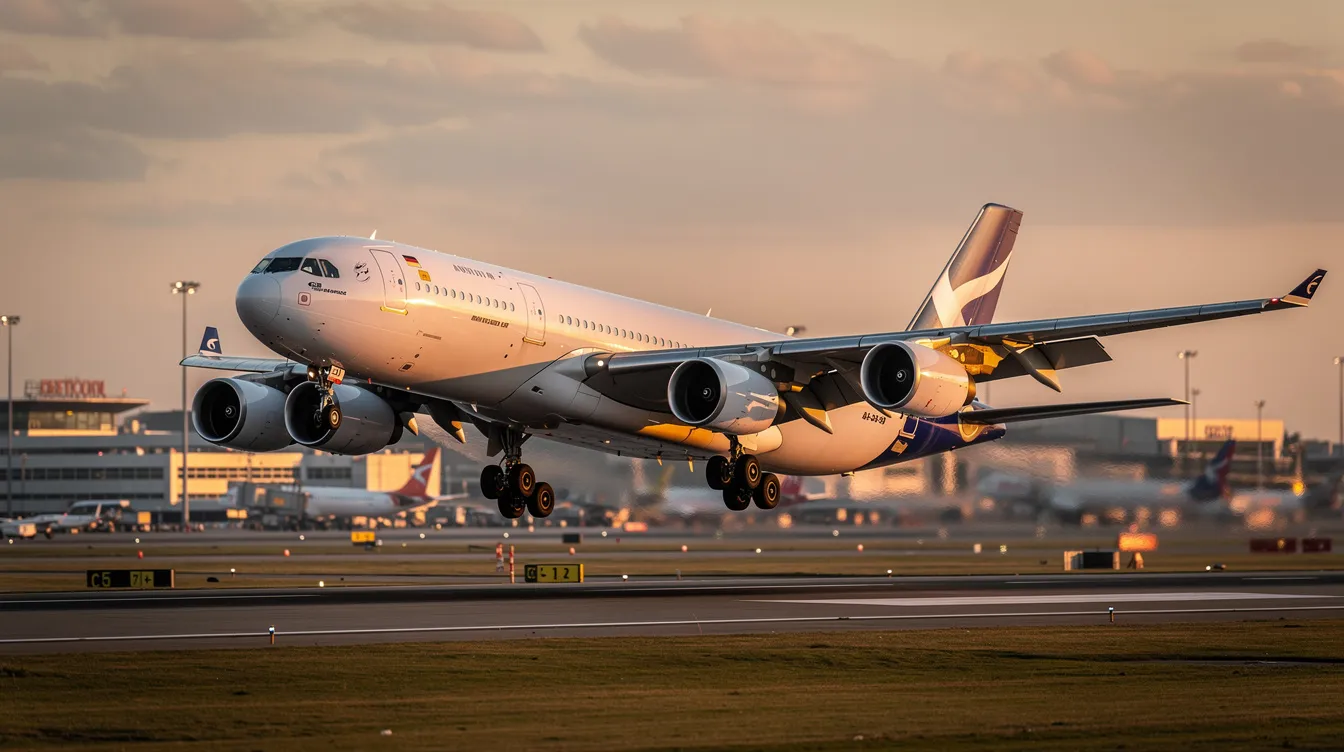
The Airbus A340-600, measuring 75.4 meters, was once the longest commercial airliner until the Boeing 747-8 took the title. Its design allows for significant cabin capacity, making it suitable for large group charters, despite being largely retired from regular airline service. Jettly offers access to this aircraft for specialized charter needs.
Jay Franco Serevilla
Oct 4, 2026
|
5
min read
Explore our latest articles and updates.

5
min read
ATR 42 Charter Guide: Performance, Variants & Private Booking with Jettly
The ATR 42 is a versatile regional turboprop ideal for short-haul flights, accommodating 30-50 passengers. This guide provides insights into its performance, variants, and how to book a charter through Jettly, making it a cost-effective choice for group travel.
Read More
5
min read
Boeing 737 (B737): History, Technology, Variants, and Private Charter Use
The Boeing 737, a twin-engine jetliner, is the best-selling commercial aircraft family, with over 10,000 units delivered. Spanning four generations, including the latest 737 MAX, it offers enhanced performance, efficiency, and comfort, making it a popular choice for both commercial airlines and private charters.
Read MoreJoin our community and receive the latest blog updates directly in your inbox.
MEMBERSHIPS AND ASSOCIATIONS



Disclaimer: Jettly operates as a charter broker, offering access to a global digital jet charter marketplace. Jettly is not a direct air carrier and does not own or operate aircraft. All advertised flights are conducted by third-party air carriers that are fully licensed and hold the appropriate Part 135 or Part 121 certifications issued by the Federal Aviation Administration (FAA) or equivalent regulatory authorities under U.S. or foreign law. Jettly complies fully with the U.S. Department of Transportation's Part 295 and Part 298 Charter Broker regulations. Jettly does not carry additional liability insurance. Passengers are covered by aircraft operator insurance. TICO: 50023770


