


Login
Get Instant Pricing On 23,000+ Aircraft

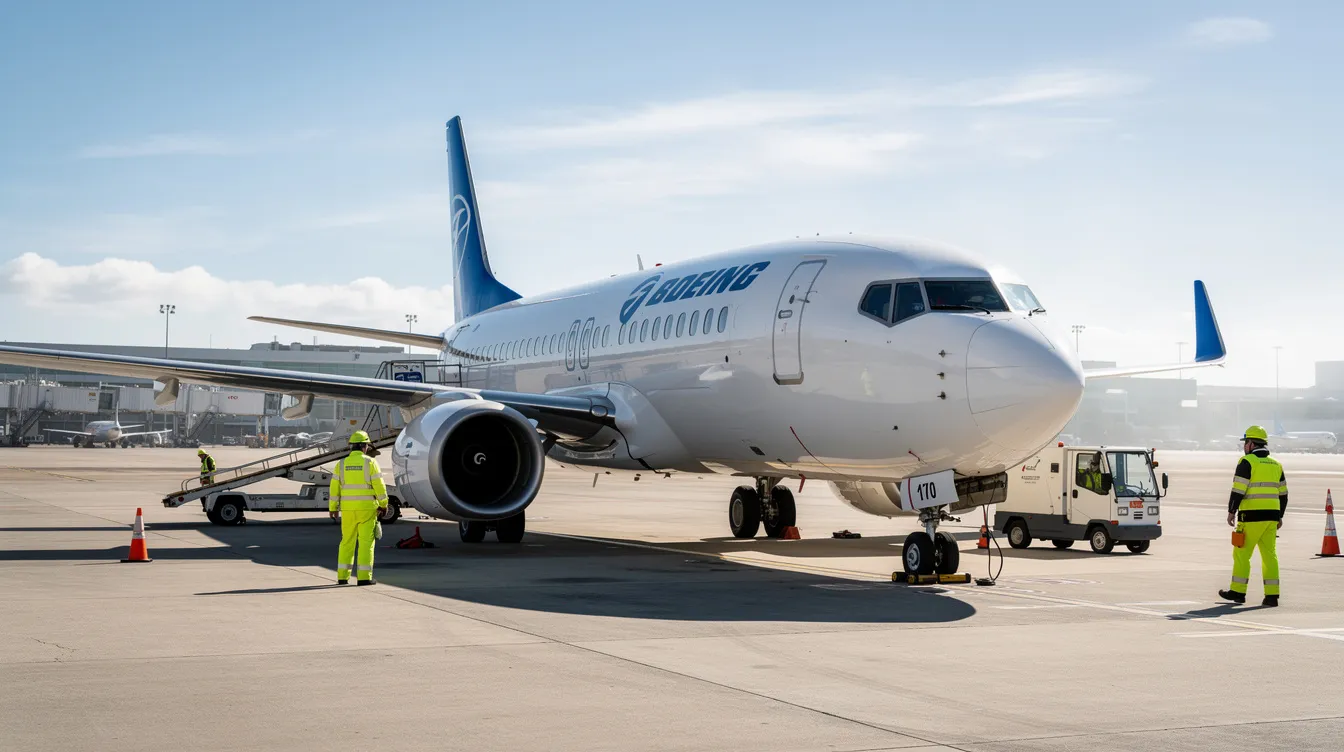
The Boeing 737 is the most-produced commercial jetliner, with a seating capacity ranging from 85 to 230 passengers depending on the variant and configuration. This guide explores the seating capacities of various 737 models, highlighting how cabin layouts and airline choices impact passenger comfort and efficiency. Understanding these factors is crucial for travelers and airline planners alike.
Jay Franco Serevilla
Aug 26, 2026
|
5
min read


View all
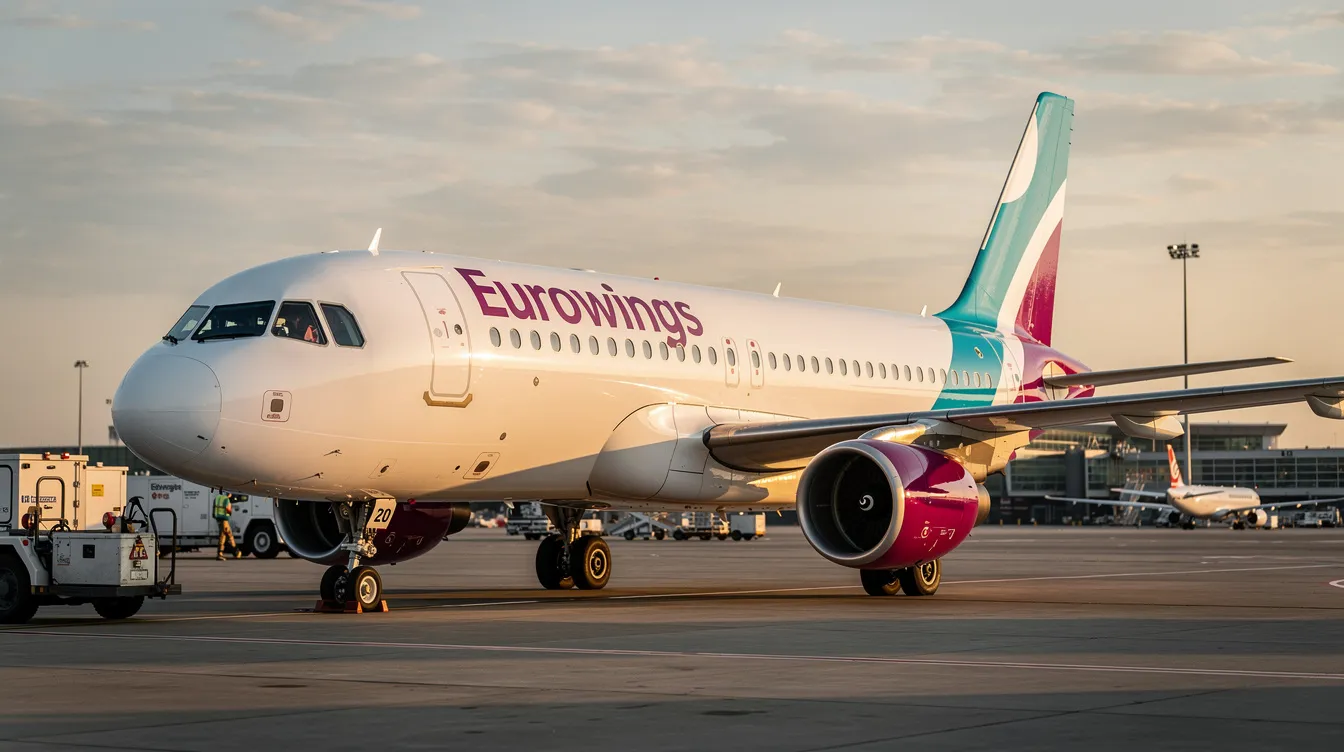
Eurowings Discover, the Lufthansa Group's leisure airline, offers affordable long-haul travel from Germany to various holiday destinations. While it provides a decent experience with competitive fares and lie-flat Business Class, it lacks the premium service and flexibility of higher-end carriers. This guide evaluates its pros and cons to help you decide if it's the right choice for your next trip.
Jay Franco Serevilla
Oct 4, 2026
|
5
min read
View all
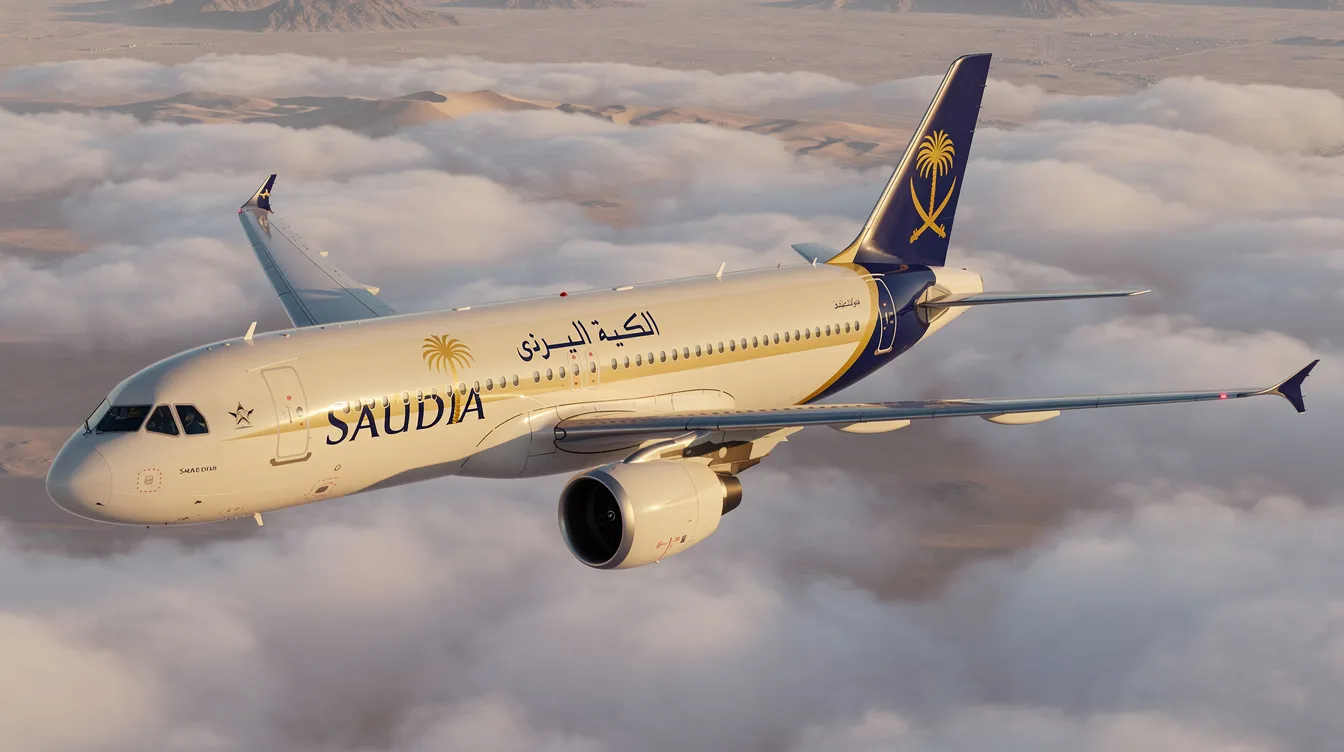
The term 'Saudi jet' often refers to military aircraft incidents involving the Royal Saudi Air Force, particularly in the context of regional tensions with Iran and Yemen. These incidents impact not only military operations but also civilian aviation, as airspace management is crucial for ensuring safety. Despite the risks, private and commercial flights operate under strict regulations to navigate around conflict zones effectively.
Jay Franco Serevilla
Oct 4, 2026
|
5
min read
View all
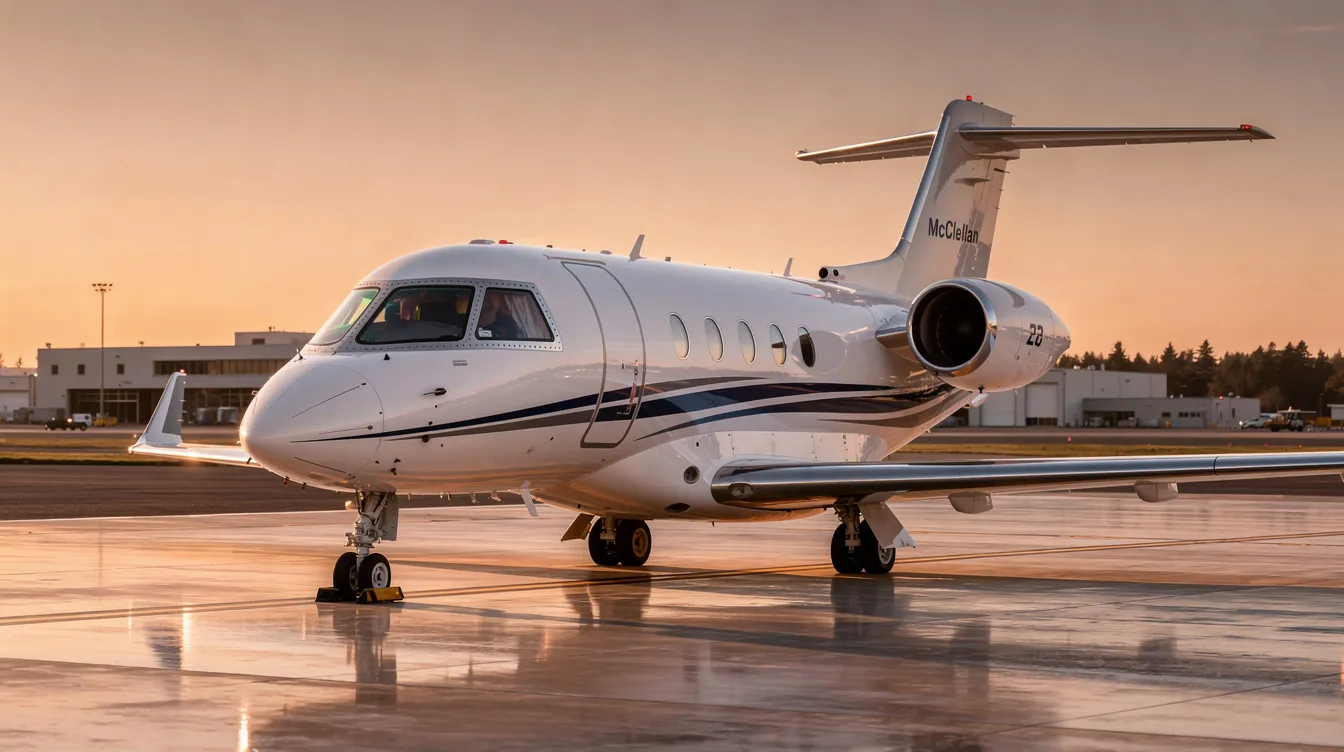
McClellan Jet Services is a premier fixed-base operator (FBO) at McClellan Airport, offering comprehensive ground support and amenities for private jet travelers. With 24/7 operations, it provides fueling, ground handling, and passenger services, while Jettly's digital platform facilitates seamless private jet charter bookings. Together, they enhance the private aviation experience for business and leisure travelers in Northern California.
Jay Franco Serevilla
Oct 4, 2026
|
5
min read

View all
Jettly revolutionizes private jet travel by offering a digital platform that simplifies the booking process for over 20,000 aircraft worldwide. With instant pricing and transparent cost breakdowns, travelers can easily access fast, direct flights tailored to their needs. This on-demand model eliminates the complexities of traditional jet ownership, making private aviation more accessible and efficient.
Jay Franco Serevilla
Oct 4, 2026
|
5
min read
View all
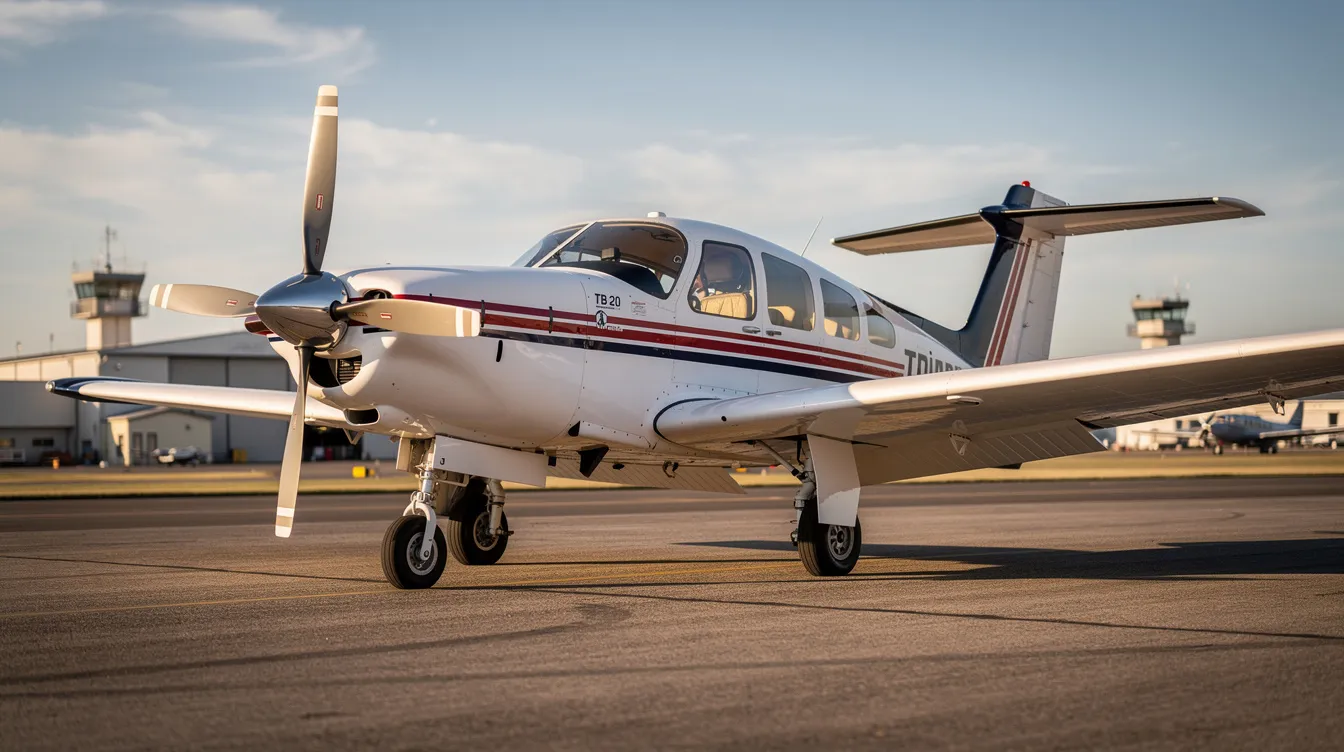
The Socata TB series, particularly the TB 20 Trinidad, is a renowned family of French single-engine aircraft designed for touring and training. With its spacious cabin and retractable landing gear, the TB 20 is favored by private pilots and flight schools for its performance and comfort. This guide explores the TB series' features, variants, and its relevance in modern private aviation.
Jay Franco Serevilla
Oct 4, 2026
|
5
min read

View all
Freight Runners Express, Inc is a Milwaukee-based charter airline specializing in cargo and passenger services across North America. With a fleet of turboprop aircraft, it offers efficient transport solutions for time-sensitive logistics. Jettly, a digital charter marketplace, provides comparable options, allowing users to access a wider range of aircraft and pricing in real time.
Jay Franco Serevilla
Oct 4, 2026
|
5
min read
Explore our latest articles and updates.

5
min read
Boeing 767 Weight: Key Figures, Limits, and Charter Use Cases
The Boeing 767 has been a staple in aviation for over 40 years, with weight specifications crucial for operators and charter planners. This guide details the weight data across the 767 family, highlighting how it impacts payload, range, and airport compatibility. Understanding these figures is essential for optimizing flight operations and ensuring efficient charter missions.
Read More
5
min read
A320 Cruise Speed: Typical Numbers, Flight Planning & What It Means for Travelers
The Airbus A320 typically cruises at Mach 0.78 to 0.80, translating to about 450-470 knots true airspeed. Understanding its cruise speed is essential for flight planning, fuel efficiency, and passenger comfort. Factors like aircraft weight, altitude, and atmospheric conditions influence these speeds, making them crucial for both airlines and travelers.
Read MoreJoin our community and receive the latest blog updates directly in your inbox.
MEMBERSHIPS AND ASSOCIATIONS



Disclaimer: Jettly operates as a charter broker, offering access to a global digital jet charter marketplace. Jettly is not a direct air carrier and does not own or operate aircraft. All advertised flights are conducted by third-party air carriers that are fully licensed and hold the appropriate Part 135 or Part 121 certifications issued by the Federal Aviation Administration (FAA) or equivalent regulatory authorities under U.S. or foreign law. Jettly complies fully with the U.S. Department of Transportation's Part 295 and Part 298 Charter Broker regulations. Jettly does not carry additional liability insurance. Passengers are covered by aircraft operator insurance. TICO: 50023770


