


Login
Get Instant Pricing On 23,000+ Aircraft


Aircraft maintenance costs are a significant part of overall operating expenses, especially for business jets. These costs are influenced by factors such as labor, parts, inspections, and the aircraft's age and utilization. Understanding the breakdown of these costs can help travelers make informed decisions about ownership versus chartering through platforms like Jettly.
Jay Franco Serevilla
Sep 4, 2026
|
5
min read


View all
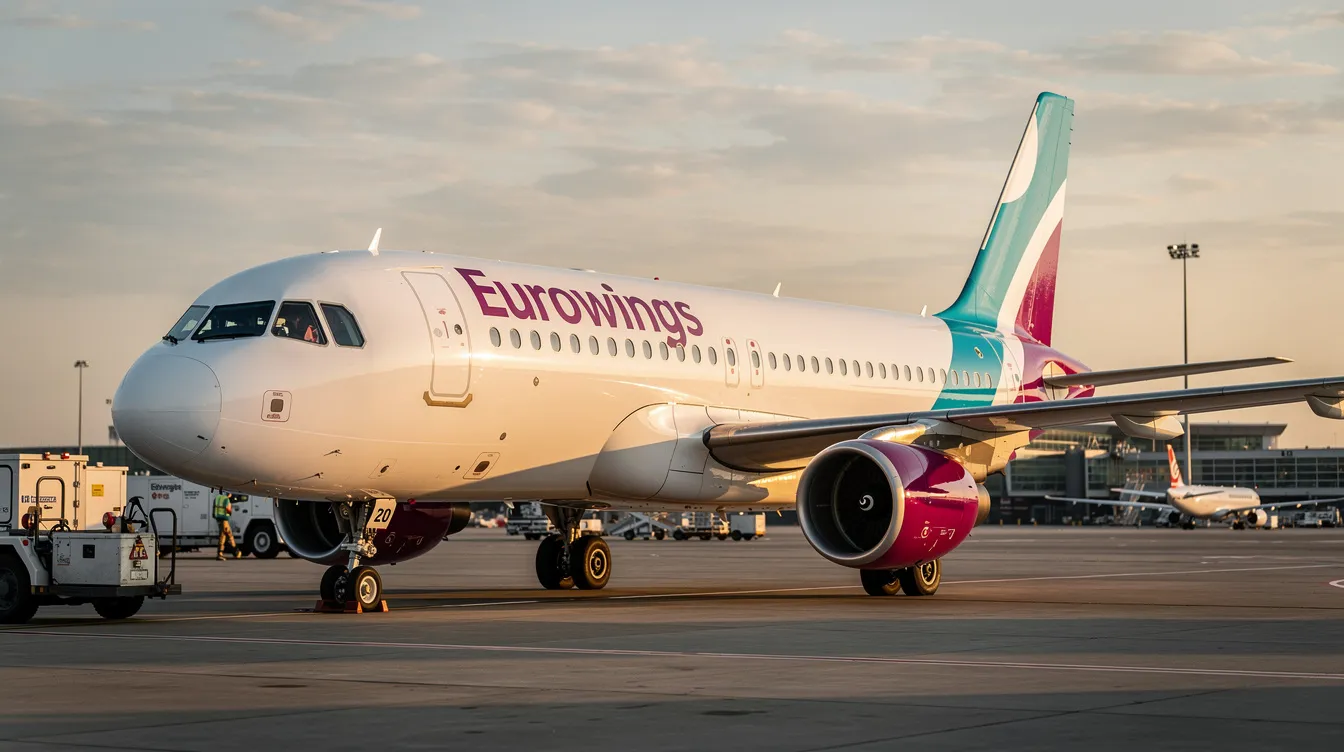
Eurowings Discover, the Lufthansa Group's leisure airline, offers affordable long-haul travel from Germany to various holiday destinations. While it provides a decent experience with competitive fares and lie-flat Business Class, it lacks the premium service and flexibility of higher-end carriers. This guide evaluates its pros and cons to help you decide if it's the right choice for your next trip.
Jay Franco Serevilla
Oct 4, 2026
|
5
min read
View all
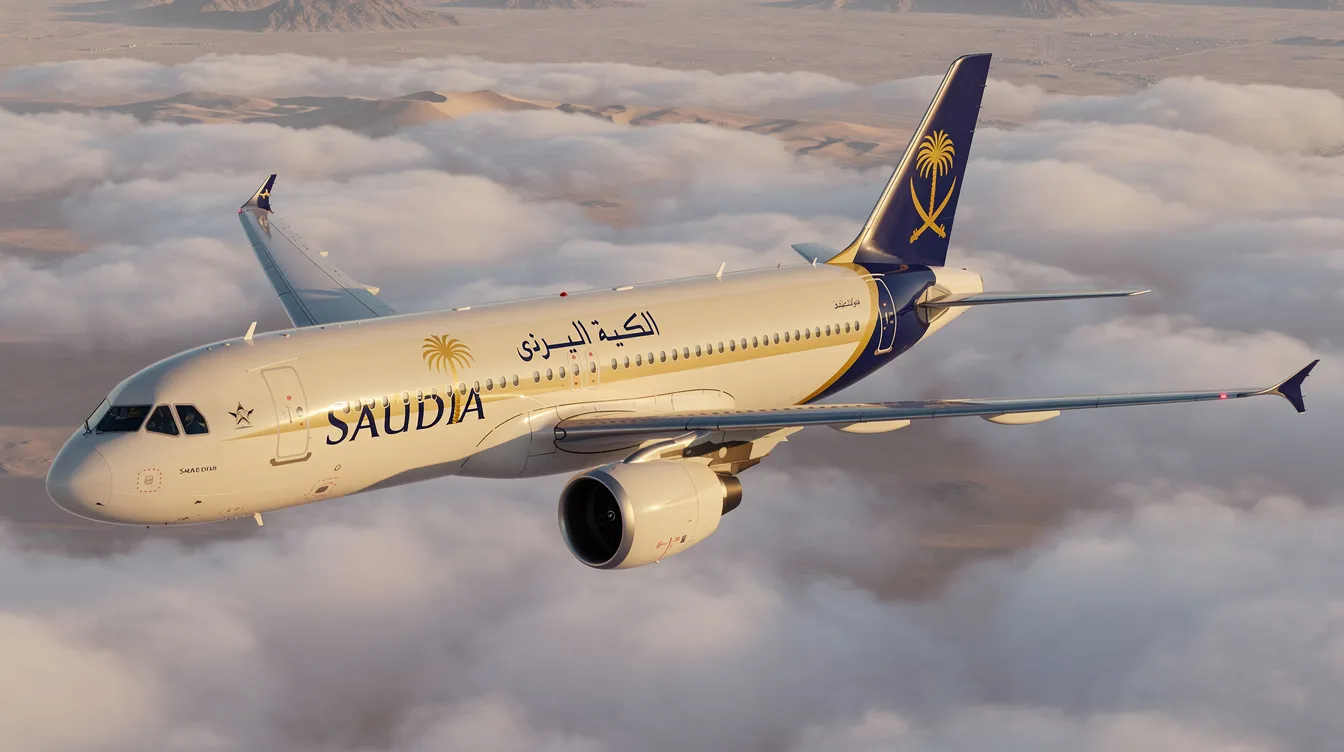
The term 'Saudi jet' often refers to military aircraft incidents involving the Royal Saudi Air Force, particularly in the context of regional tensions with Iran and Yemen. These incidents impact not only military operations but also civilian aviation, as airspace management is crucial for ensuring safety. Despite the risks, private and commercial flights operate under strict regulations to navigate around conflict zones effectively.
Jay Franco Serevilla
Oct 4, 2026
|
5
min read
View all
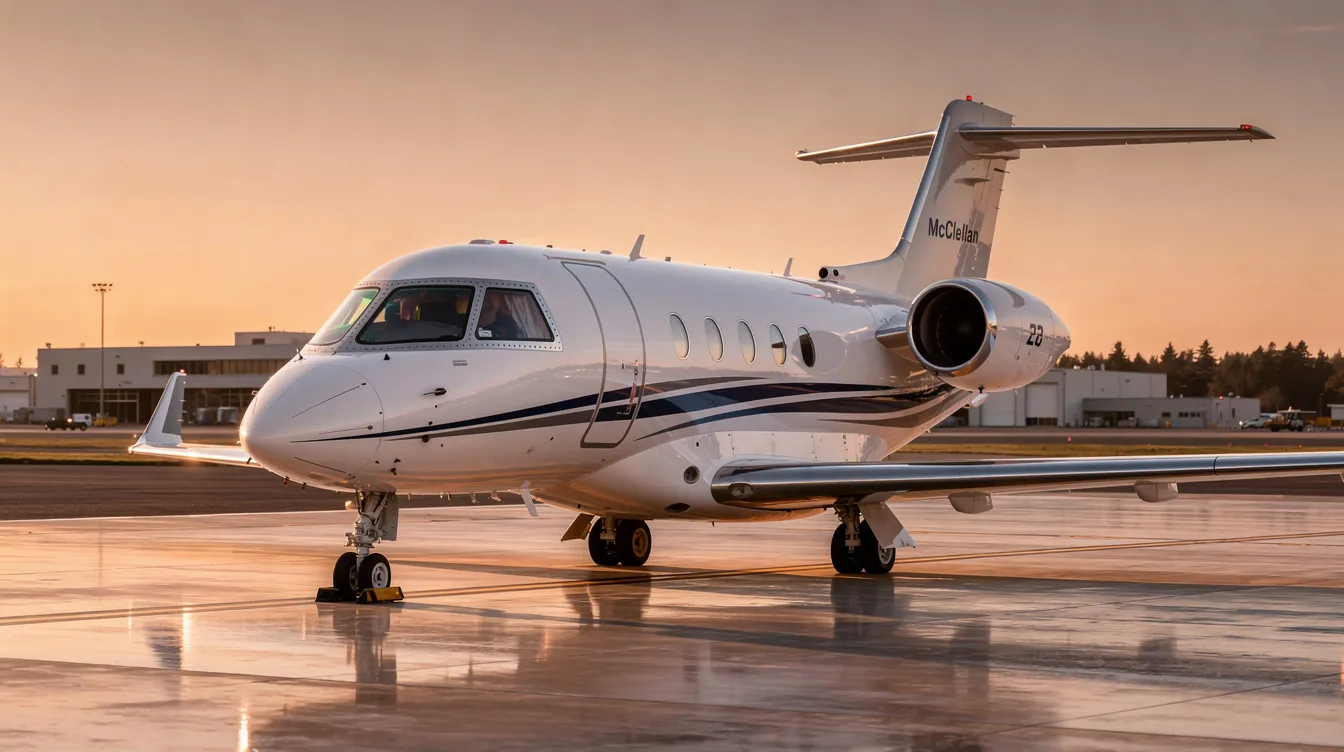
McClellan Jet Services is a premier fixed-base operator (FBO) at McClellan Airport, offering comprehensive ground support and amenities for private jet travelers. With 24/7 operations, it provides fueling, ground handling, and passenger services, while Jettly's digital platform facilitates seamless private jet charter bookings. Together, they enhance the private aviation experience for business and leisure travelers in Northern California.
Jay Franco Serevilla
Oct 4, 2026
|
5
min read
View all
Jettly revolutionizes private jet travel by offering a digital platform that simplifies the booking process for over 20,000 aircraft worldwide. With instant pricing and transparent cost breakdowns, travelers can easily access fast, direct flights tailored to their needs. This on-demand model eliminates the complexities of traditional jet ownership, making private aviation more accessible and efficient.
Jay Franco Serevilla
Oct 4, 2026
|
5
min read
View all
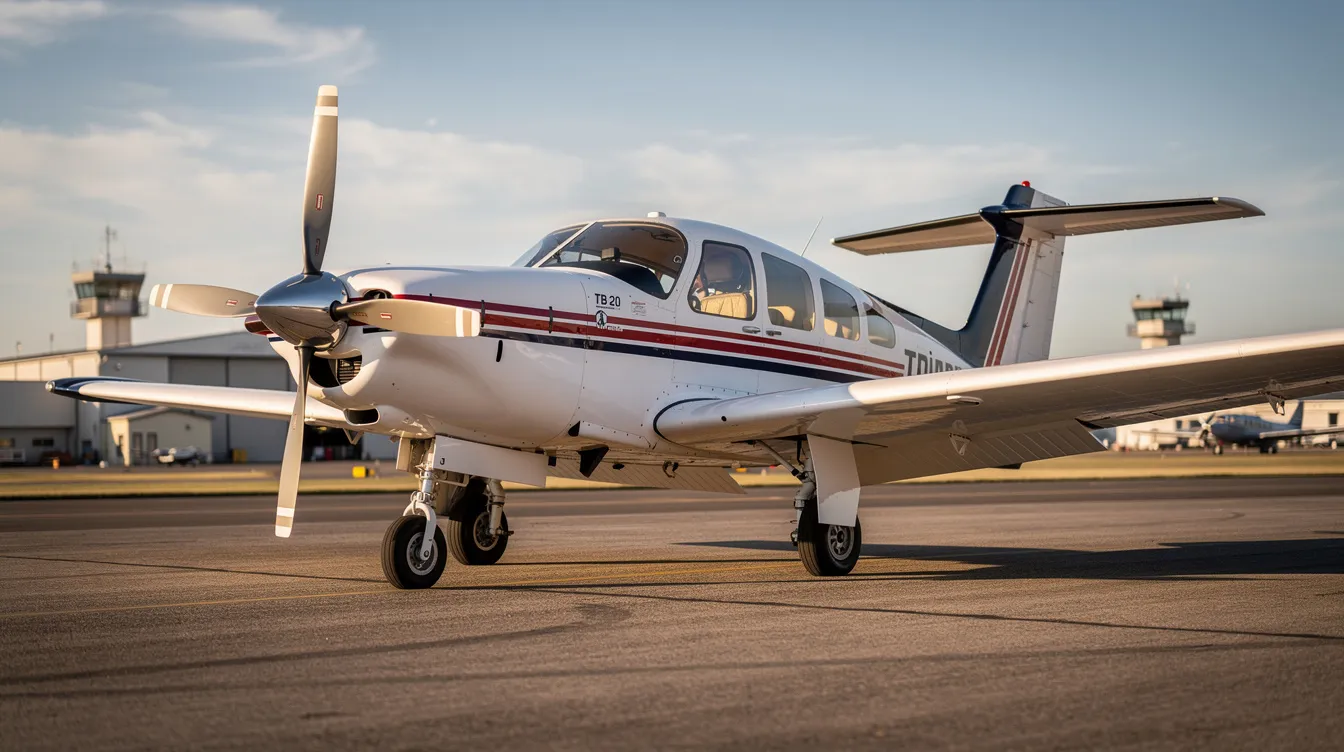
The Socata TB series, particularly the TB 20 Trinidad, is a renowned family of French single-engine aircraft designed for touring and training. With its spacious cabin and retractable landing gear, the TB 20 is favored by private pilots and flight schools for its performance and comfort. This guide explores the TB series' features, variants, and its relevance in modern private aviation.
Jay Franco Serevilla
Oct 4, 2026
|
5
min read
View all
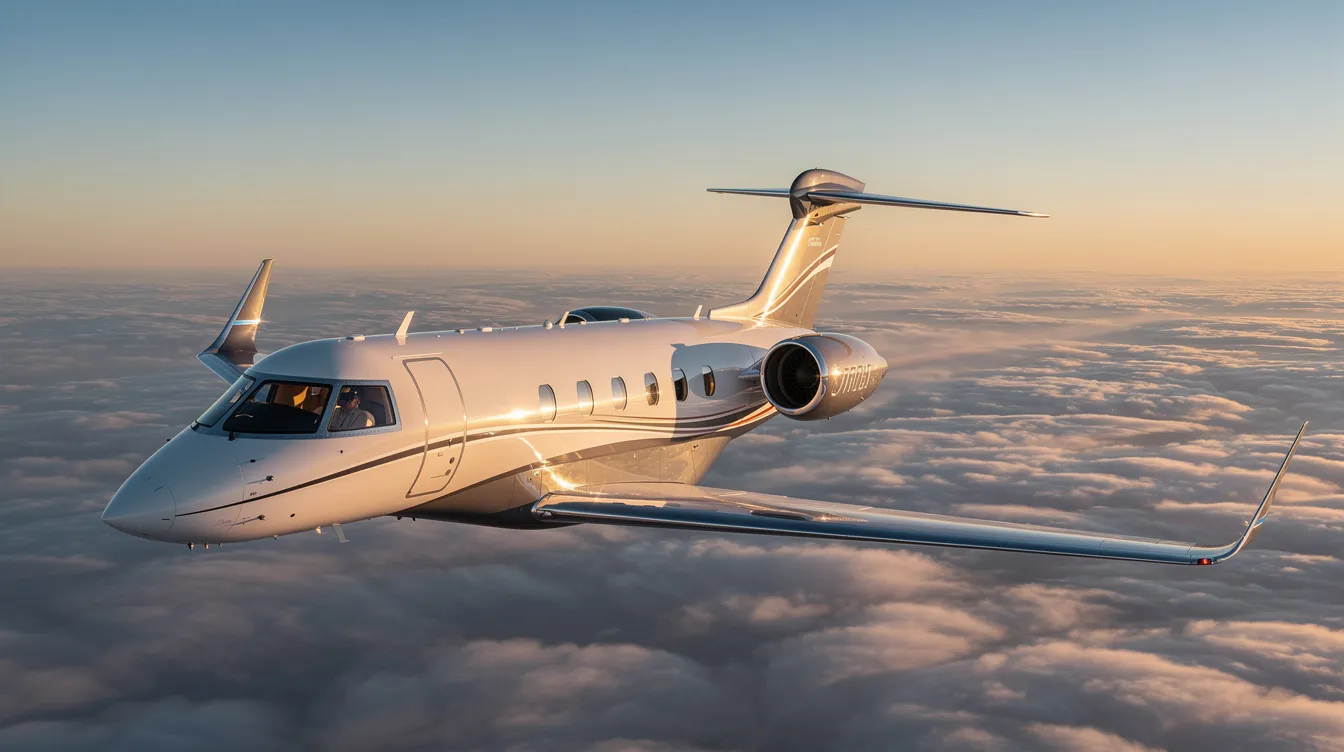
Freight Runners Express, Inc is a Milwaukee-based charter airline specializing in cargo and passenger services across North America. With a fleet of turboprop aircraft, it offers efficient transport solutions for time-sensitive logistics. Jettly, a digital charter marketplace, provides comparable options, allowing users to access a wider range of aircraft and pricing in real time.
Jay Franco Serevilla
Oct 4, 2026
|
5
min read
Explore our latest articles and updates.

5
min read
Price of the Apache Helicopter in 2026: What Drives the Cost of the AH‑64 Apache?
The AH-64 Apache helicopter, a leading attack aircraft, is expected to have a flyaway cost between $35 million and $50 million in 2026, with total program costs potentially exceeding $100 million when including weapons and support packages. Factors influencing its price include advanced avionics, weapons integration, and ongoing modernization efforts, reflecting its combat-proven capabilities and extensive operational history. The Apache's costs have risen significantly since its introduction, with the current AH-64E variant priced around $52 million, driven by sophisticated technology and the need for continuous upgrades. Despite its high price, the Apache's proven effectiveness in combat justifies the investment for many military forces worldwide.
Read More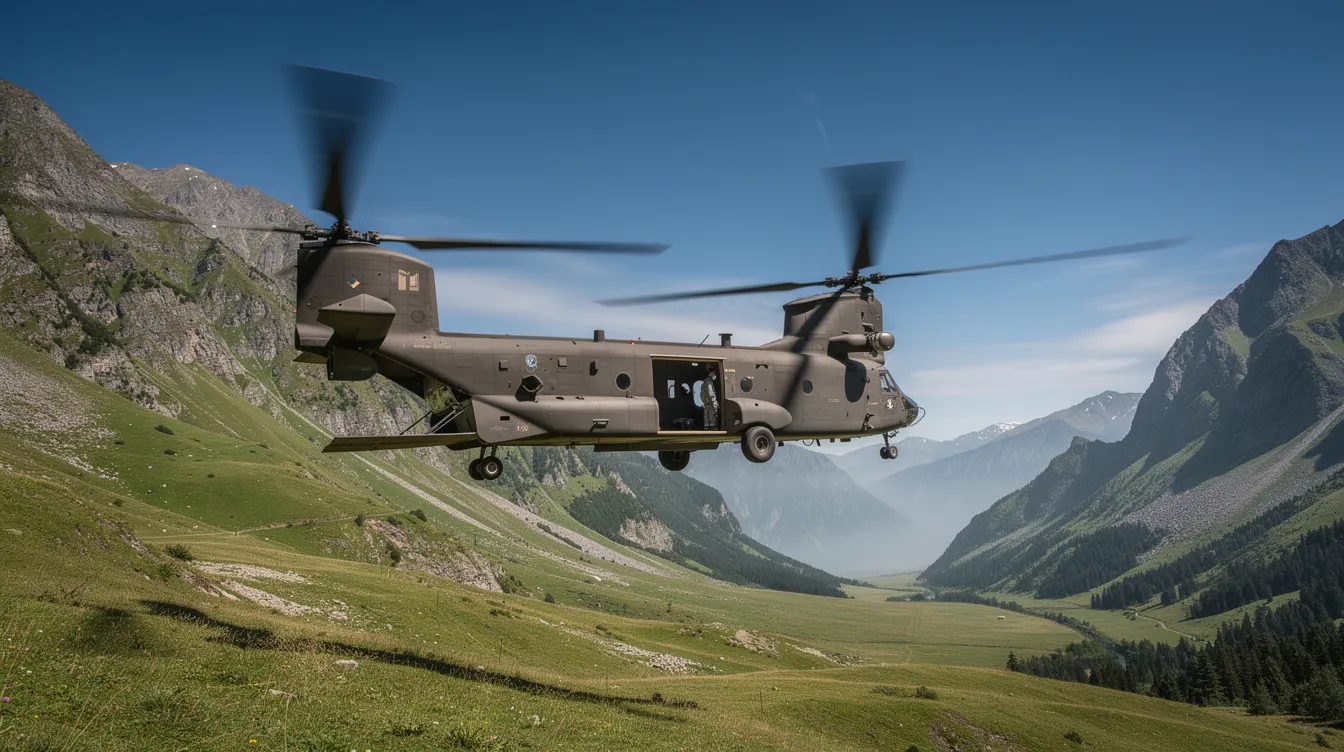
5
min read
Chinook Helicopters For Sale: CH-47D, CH-47F and Commercial Options
Chinook helicopters for sale primarily consist of surplus CH-47D models, which have been retired from military service and are available for civilian use, while the newer CH-47F variant remains restricted to military and allied governments. The CH-47D models typically sell for $2 to $3.5 million but require significant refurbishment and compliance with regulatory requirements for civilian operation. Buyers must navigate various financial, legal, and operational challenges, making chartering through platforms like Jettly a practical alternative for those needing heavy-lift capabilities without the complexities of ownership. Understanding the market dynamics and operational restrictions is crucial for organizations considering the acquisition or chartering of Chinook helicopters.
Read MoreJoin our community and receive the latest blog updates directly in your inbox.
MEMBERSHIPS AND ASSOCIATIONS



Disclaimer: Jettly operates as a charter broker, offering access to a global digital jet charter marketplace. Jettly is not a direct air carrier and does not own or operate aircraft. All advertised flights are conducted by third-party air carriers that are fully licensed and hold the appropriate Part 135 or Part 121 certifications issued by the Federal Aviation Administration (FAA) or equivalent regulatory authorities under U.S. or foreign law. Jettly complies fully with the U.S. Department of Transportation's Part 295 and Part 298 Charter Broker regulations. Jettly does not carry additional liability insurance. Passengers are covered by aircraft operator insurance. TICO: 50023770


