


Login
Get Instant Pricing On 23,000+ Aircraft

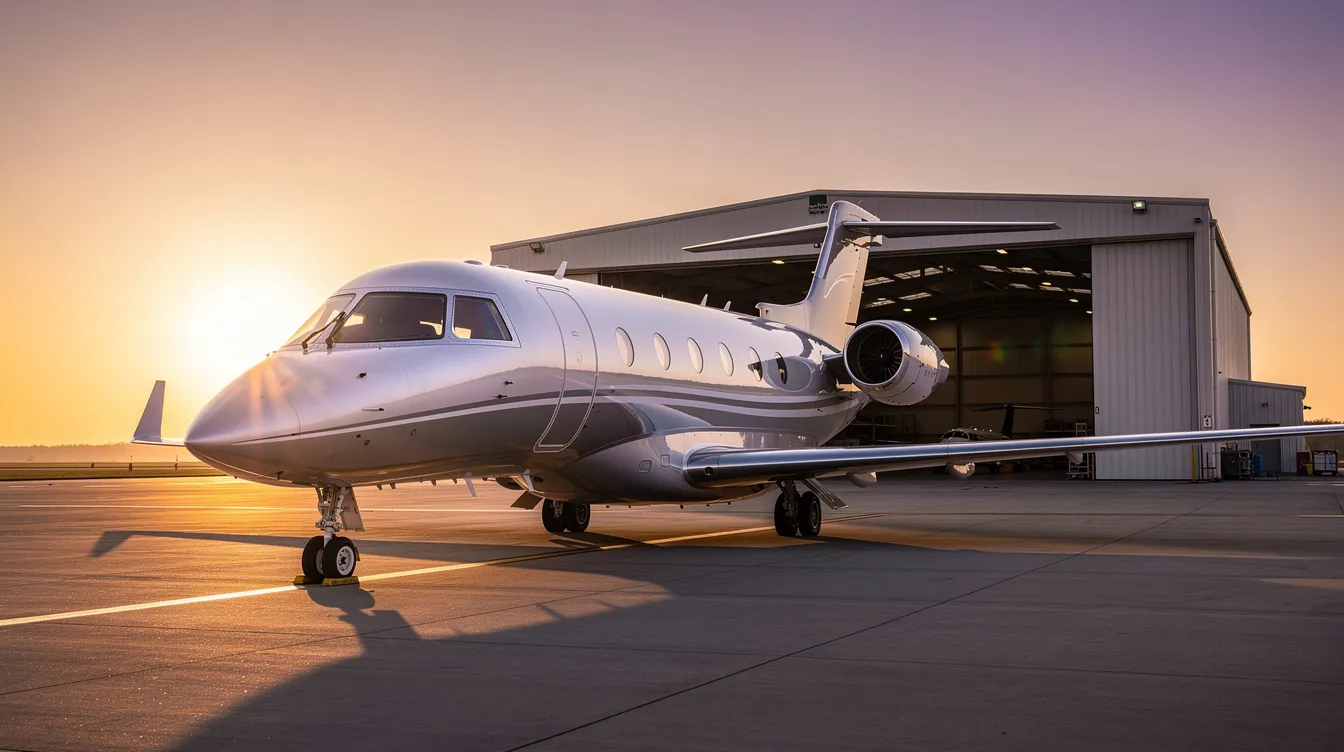
The private aviation market in 2026 is dominated by five key players: NetJets, Flexjet, Vista Global, Wheels Up, and FlyExclusive. Each company caters to different traveler profiles, offering various access models and aircraft types to meet diverse needs. This guide helps travelers choose the right provider based on their flying frequency, budget, and travel preferences.
Jay Franco Serevilla
Aug 19, 2026
|
5
min read



View all
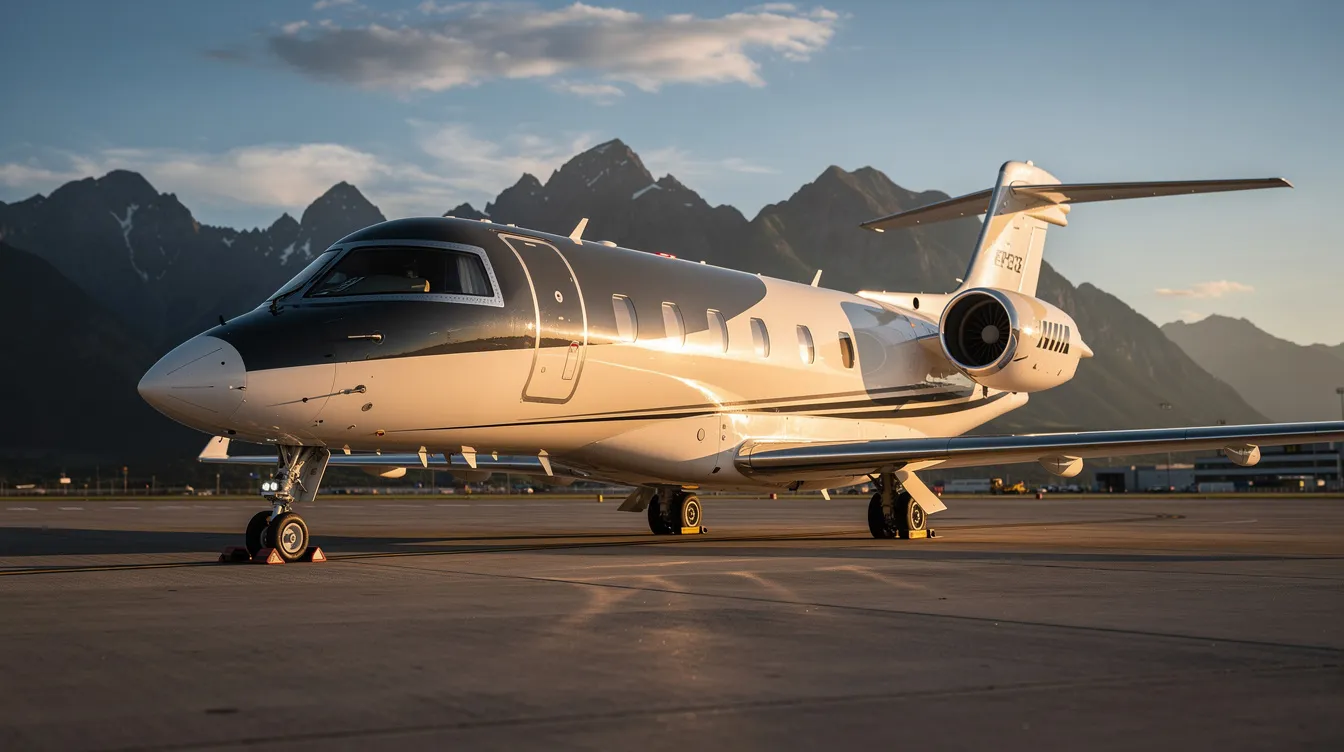
Building an airplane hangar can cost between $25 and $600+ per square foot, influenced by size, materials, and location. This guide outlines key cost factors, including hangar size, structure type, and necessary utilities, helping aircraft owners budget effectively for their hangar construction.
Jeff Ryan Serevilla
Sep 20, 2026
|
5
min read
View all
This comprehensive guide details private flight costs in 2026, highlighting factors that influence pricing for various travelers. From hourly rates to hidden fees, it provides insights into budgeting for private jet travel, making it easier to compare quotes and understand total expenses.
Jeff Ryan Serevilla
Sep 20, 2026
|
5
min read

View all
Norman's Cay Airport (MYEN) in the Bahamas is a small, unattended airport catering primarily to private jet travelers and charter flights. With its single paved runway and limited infrastructure, MYEN offers a direct and private access point to the beautiful Exuma Islands, making it ideal for travelers seeking a seamless arrival experience. This guide provides essential information on operations, safety considerations, and how to charter the right aircraft through Jettly.
Jeff Ryan Serevilla
Sep 20, 2026
|
5
min read

View all
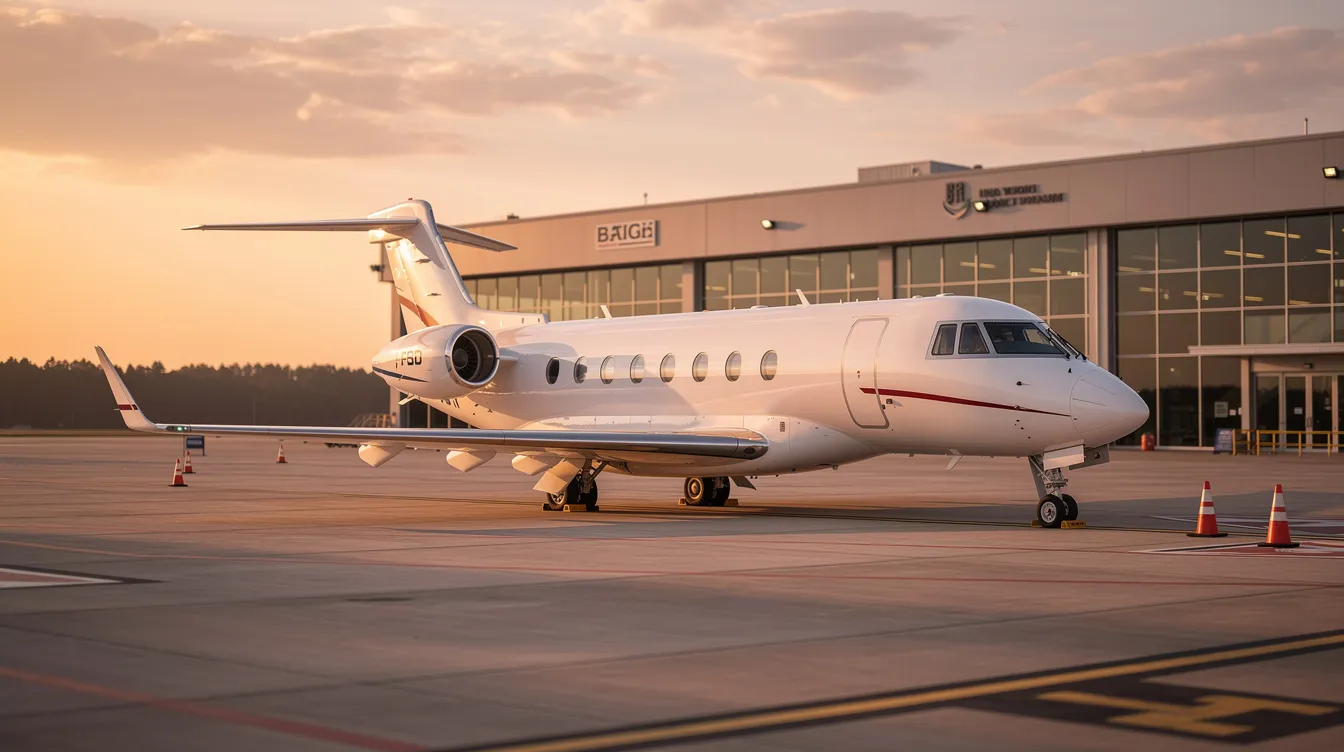
The Gulfstream GV is an ultra long range business jet designed for nonstop intercontinental travel, featuring a spacious cabin for up to 18 passengers. With a maximum range of 6,500 nautical miles and advanced avionics, it offers unparalleled comfort and efficiency for corporate executives and families alike. Chartering through Jettly provides a flexible, cost-effective alternative to ownership.
Jeff Ryan Serevilla
Sep 20, 2026
|
5
min read
View all
Corporate flight attendant jobs offer a unique blend of safety and luxury service aboard private jets. This career path is ideal for those with hospitality backgrounds seeking flexible schedules and high-end travel experiences. With growing demand in private aviation, aspiring attendants can find rewarding opportunities in this expanding field.
Jeff Ryan Serevilla
Sep 20, 2026
|
5
min read

View all
The HondaJet offers a flexible and cost-effective solution for private air travel, with charter prices typically ranging from $2,000 to $5,000 per flight hour. This guide provides insights into the costs, specifications, and scenarios where chartering a HondaJet makes financial sense compared to ownership. Understanding these factors can help travelers make informed decisions about their private aviation needs.
Jeff Ryan Serevilla
Sep 20, 2026
|
5
min read
Explore our latest articles and updates.

5
min read
Luxury Airlines: The Ultimate Guide to First Class Comfort and Business Class Travel
Luxury airlines have transformed air travel with private suites, gourmet dining, and exceptional service, setting a new standard for first and business class experiences. This guide explores top luxury carriers for 2025-2026, comparing their offerings and highlighting private jet alternatives like Jettly for maximum comfort and flexibility.
Read More5
min read
Luxury Airlines: The Ultimate Guide to First Class Comfort and Business Class Travel
Luxury airlines have transformed air travel with private suites, gourmet dining, and exceptional service, setting a new standard for first and business class experiences. This guide explores top luxury carriers for 2025-2026, comparing their offerings and highlighting private jet alternatives like Jettly for maximum comfort and flexibility.
Read MoreJoin our community and receive the latest blog updates directly in your inbox.
MEMBERSHIPS AND ASSOCIATIONS



Disclaimer: Jettly operates as a charter broker, offering access to a global digital jet charter marketplace. Jettly is not a direct air carrier and does not own or operate aircraft. All advertised flights are conducted by third-party air carriers that are fully licensed and hold the appropriate Part 135 or Part 121 certifications issued by the Federal Aviation Administration (FAA) or equivalent regulatory authorities under U.S. or foreign law. Jettly complies fully with the U.S. Department of Transportation's Part 295 and Part 298 Charter Broker regulations. Jettly does not carry additional liability insurance. Passengers are covered by aircraft operator insurance. TICO: 50023770


