



Login
Get Instant Pricing On 23,000+ Aircraft


The blog delves into various jet fuels utilized in the aviation industry, emphasizing their unique properties and applications. It underscores the importance of selecting the right jet fuel based on aircraft type, engine compatibility, climate, and operational needs. With a focus on reducing environmental impact, the blog highlights ongoing research and development in creating efficient and sustainable fuels. Ultimately, it showcases efforts to ensure a greener future in aviation while maintaining high standards of performance and safety.

Justin Crabbe
May 6, 2025
|
5 minutes
min read


View all
Leasing a helicopter provides operators and individuals with access to aircraft without the hefty upfront costs of ownership. This flexible arrangement allows for predictable payments and can be tailored to suit various operational needs, whether through wet or dry leases. For those flying less frequently, on-demand charter services may offer a more cost-effective solution.
Jay Franco Serevilla
Oct 20, 2026
|
5
min read
View all
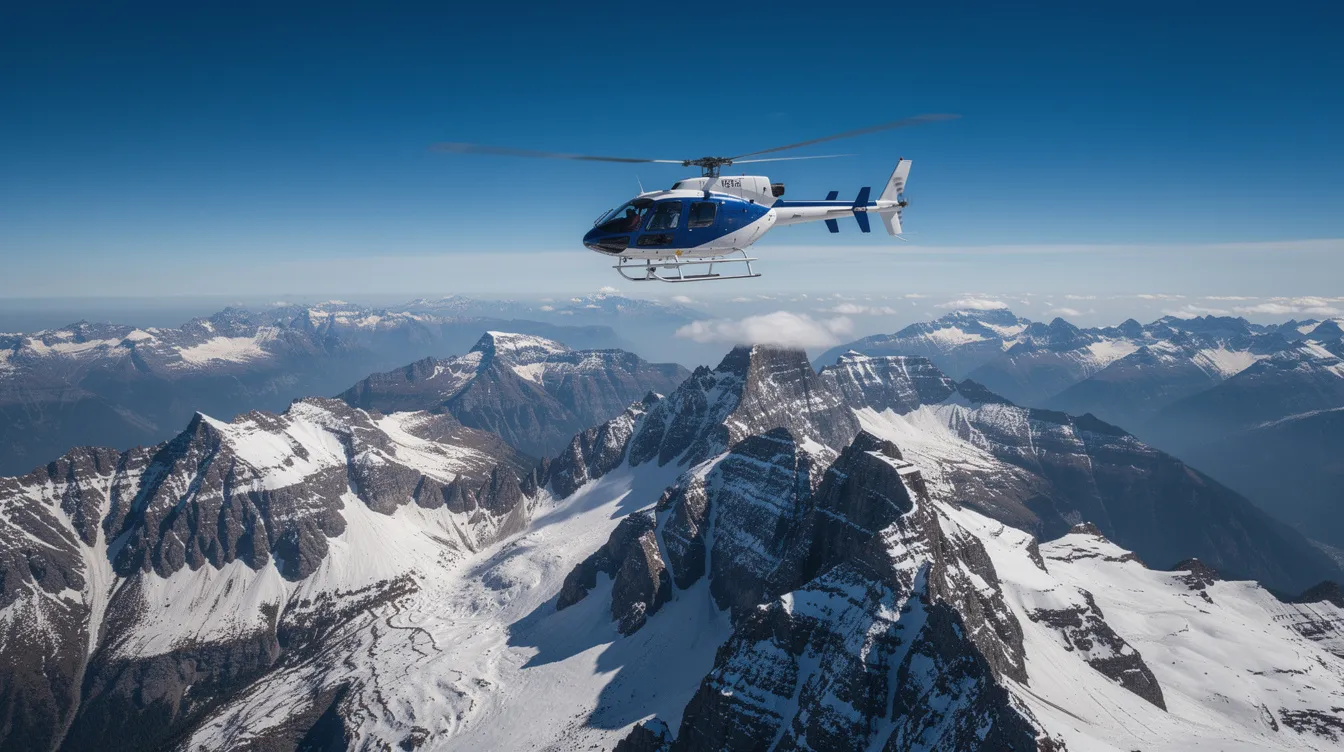
Helicopters typically fly between 500 and 5,000 feet during routine operations, with some models reaching service ceilings of 20,000 feet or more. The highest recorded flight reached 40,820 feet in 1972, but most helicopters operate much lower due to factors like air density and engine power. Understanding these limits is essential for travelers considering helicopter charters for various missions.
Jay Franco Serevilla
Oct 20, 2026
|
5
min read

View all
Chesapeake Regional Airport (KCPK) is a premier destination for private and charter aviation in coastal Virginia, offering a 5,500-foot runway and dedicated facilities. This guide provides essential information for pilots and travelers, including booking options through Jettly, making it an ideal choice for efficient and private travel.
Jeff Ryan Serevilla
Oct 20, 2026
|
5
min read
View all
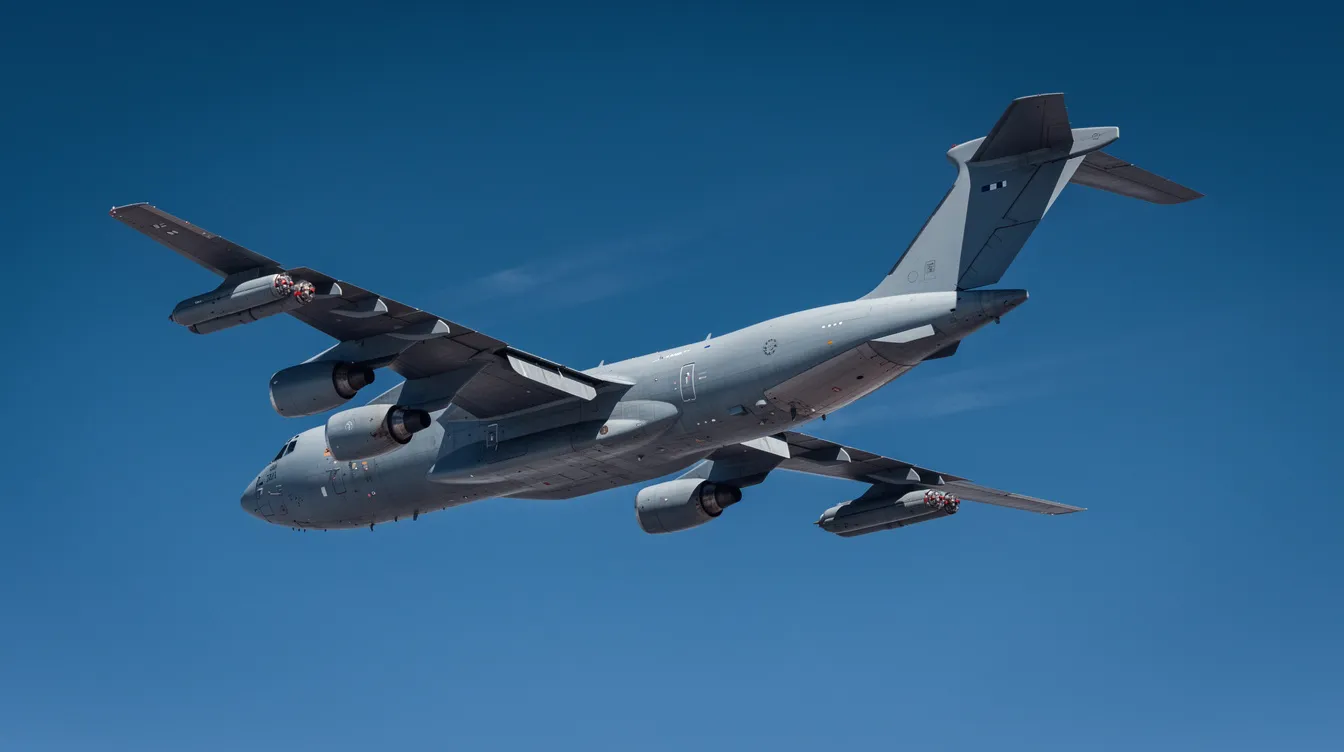
The KC-135 Stratotanker has a long history of accidents, with over 50 fatal crashes since its introduction in the 1950s. Recent incidents, including a crash in March 2026 that killed six crew members, highlight ongoing safety challenges in military aviation. Lessons learned from these accidents have led to significant improvements in training and operational procedures, benefiting both military and civilian aviation.
Jeff Ryan Serevilla
Oct 20, 2026
|
5
min read
View all
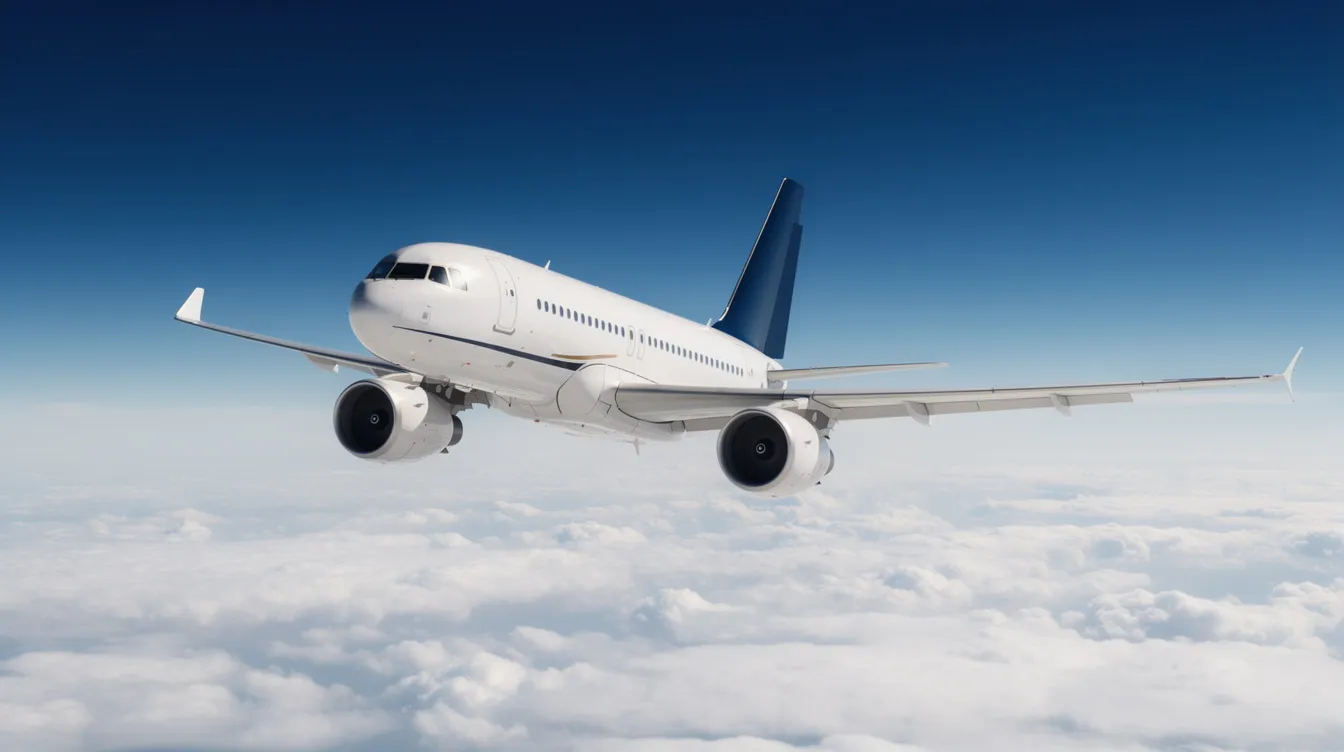
Many major airlines, including American Airlines and Japan Airlines, have experienced fatal crashes throughout their histories. While these incidents are significant, they must be viewed in context, as air travel remains one of the safest modes of transportation today. Understanding the historical data and safety improvements can help travelers make informed decisions about their flight options.
Jeff Ryan Serevilla
Oct 20, 2026
|
5
min read
View all
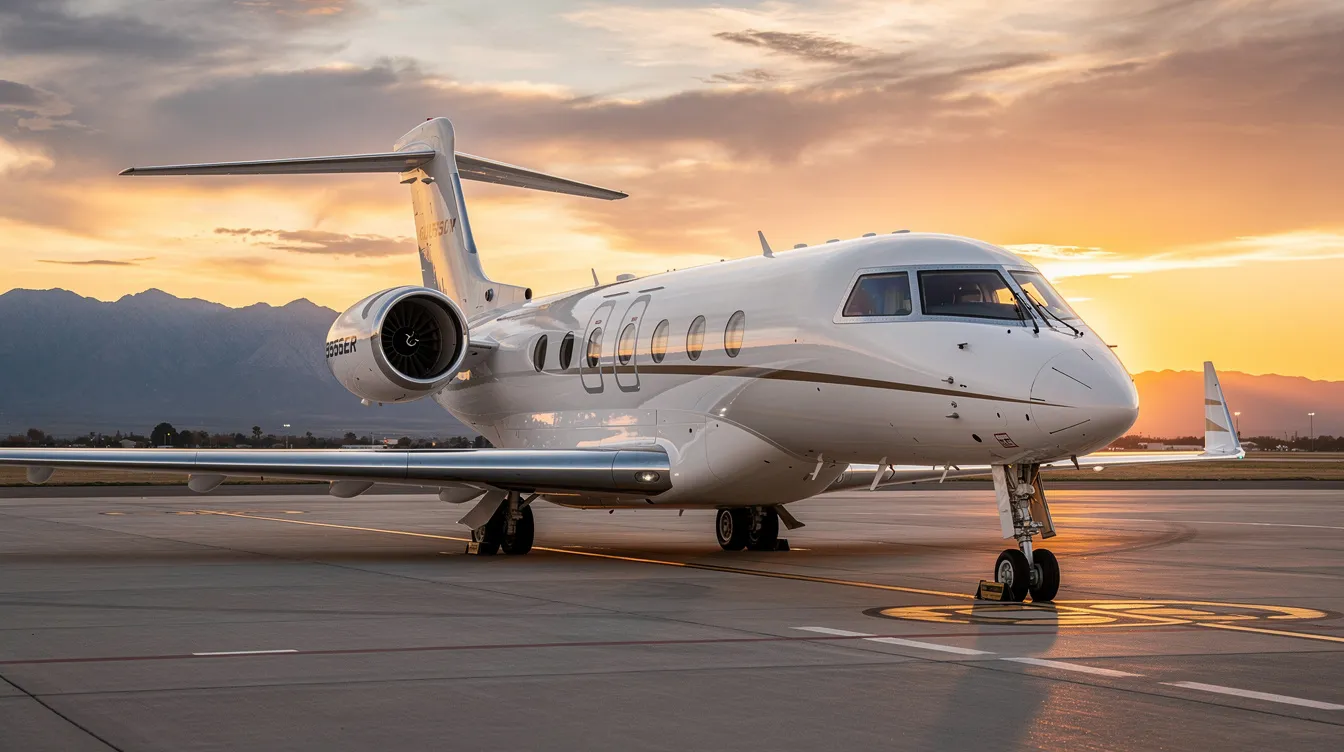
Elon Musk's private jet fleet, primarily consisting of Gulfstream models, showcases the intersection of luxury and necessity in modern aviation. This guide explores Musk's aircraft history, the evolution of his fleet, and how platforms like Jettly provide access to similar jets for those who seek the convenience of private travel without ownership. Discover the details of Musk's jets and how they reflect his dynamic lifestyle and business needs.
Jeff Ryan Serevilla
Oct 20, 2026
|
5
min read
Explore our latest articles and updates.
5
min read
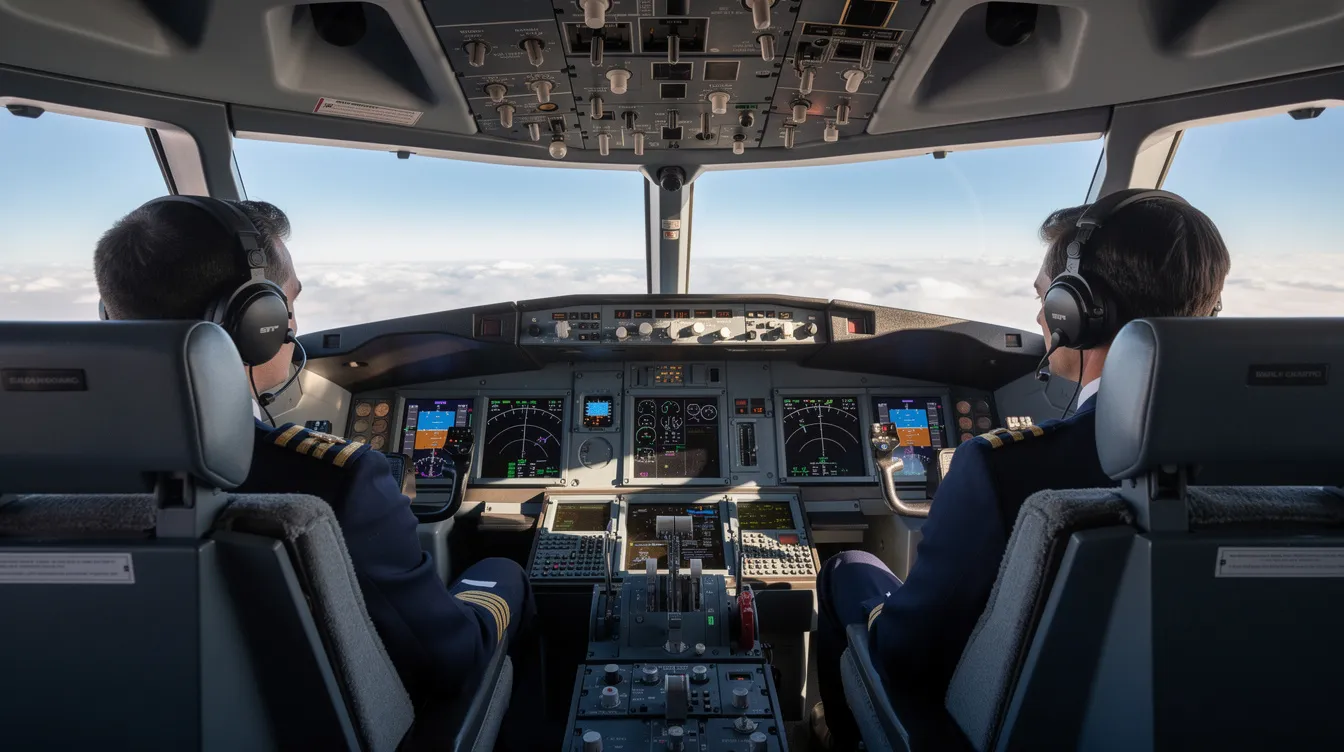
How Much Does a Pilot Make in 2026? (Airline & Commercial Pilot Salary Guide)
In 2026, airline and commercial pilots are expected to earn significantly higher salaries, with average earnings for airline pilots exceeding $200,000 and experienced pilots at major carriers potentially earning between $300,000 and $450,000 or more. The median annual wage for airline pilots is projected at approximately $226,600, while commercial pilots earn around $122,670. Factors influencing pilot salaries include employer type, aircraft size, rank, and geographic location, with major airlines offering the best compensation packages. Despite high training costs, the strong demand for pilots and rising salaries make pursuing a career in aviation financially attractive.
Read More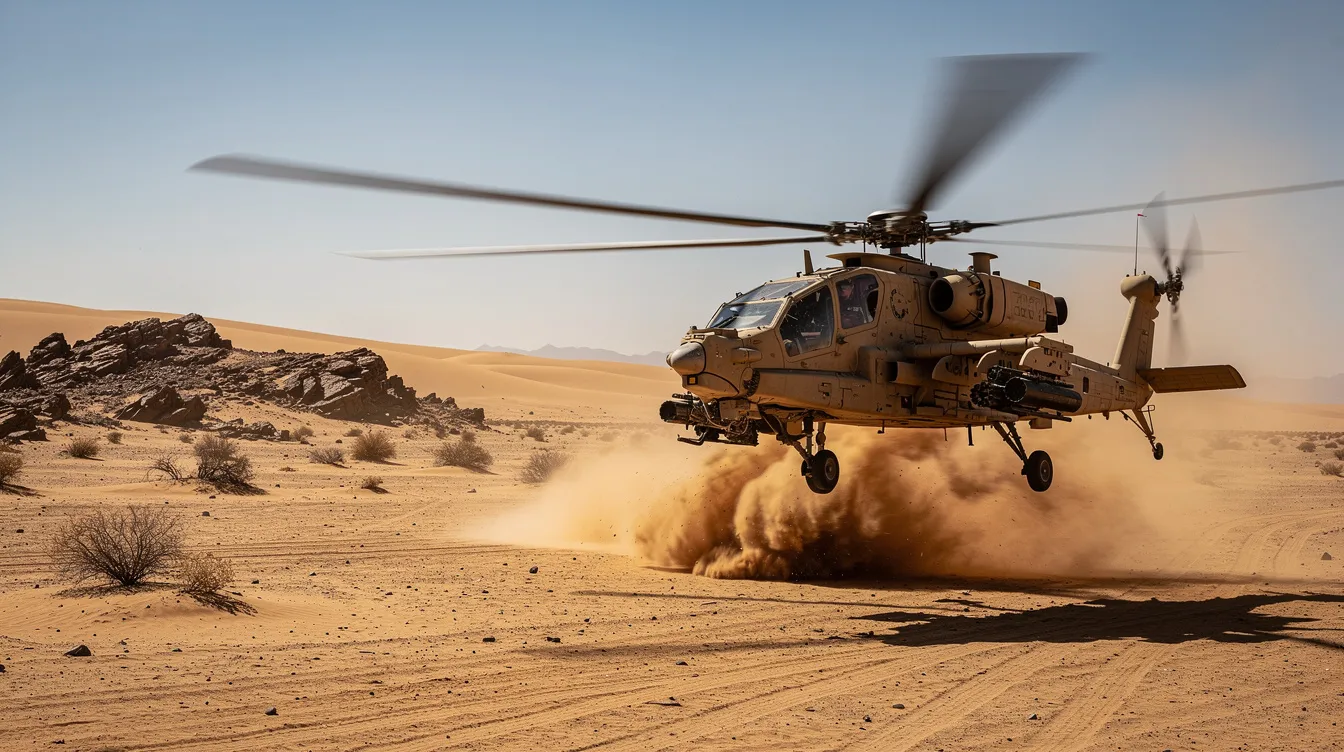
5
min read
Price of the Apache Helicopter in 2026: What Drives the Cost of the AH‑64 Apache?
The AH-64 Apache helicopter, a leading attack aircraft, is expected to have a flyaway cost between $35 million and $50 million in 2026, with total program costs potentially exceeding $100 million when including weapons and support packages. Factors influencing its price include advanced avionics, weapons integration, and ongoing modernization efforts, reflecting its combat-proven capabilities and extensive operational history. The Apache's costs have risen significantly since its introduction, with the current AH-64E variant priced around $52 million, driven by sophisticated technology and the need for continuous upgrades. Despite its high price, the Apache's proven effectiveness in combat justifies the investment for many military forces worldwide.
Read MoreJoin our community and receive the latest blog updates directly in your inbox.
MEMBERSHIPS AND ASSOCIATIONS



Disclaimer: Jettly operates as a charter broker, offering access to a global digital jet charter marketplace. Jettly is not a direct air carrier and does not own or operate aircraft. All advertised flights are conducted by third-party air carriers that are fully licensed and hold the appropriate Part 135 or Part 121 certifications issued by the Federal Aviation Administration (FAA) or equivalent regulatory authorities under U.S. or foreign law. Jettly complies fully with the U.S. Department of Transportation's Part 295 and Part 298 Charter Broker regulations. Jettly does not carry additional liability insurance. Passengers are covered by aircraft operator insurance. TICO: 50023770


