


Login
Get Instant Pricing On 23,000+ Aircraft

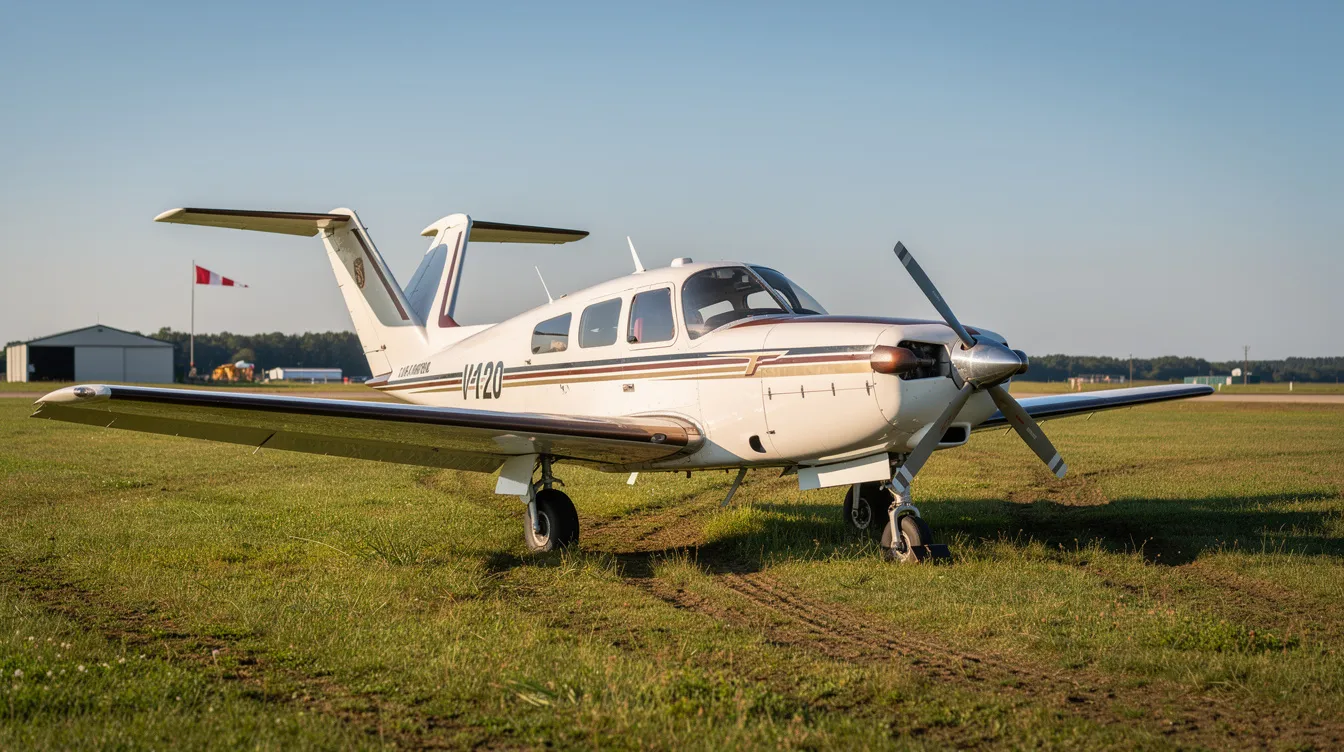
N5616S is a 1966 Beech V35 Bonanza, a single-engine aircraft ideal for personal and regional travel but not available for charter. This page provides detailed information on its registration, performance, and charter alternatives through Jettly for those seeking similar travel experiences.
Jay Franco Serevilla
Aug 24, 2026
|
5
min read


View all
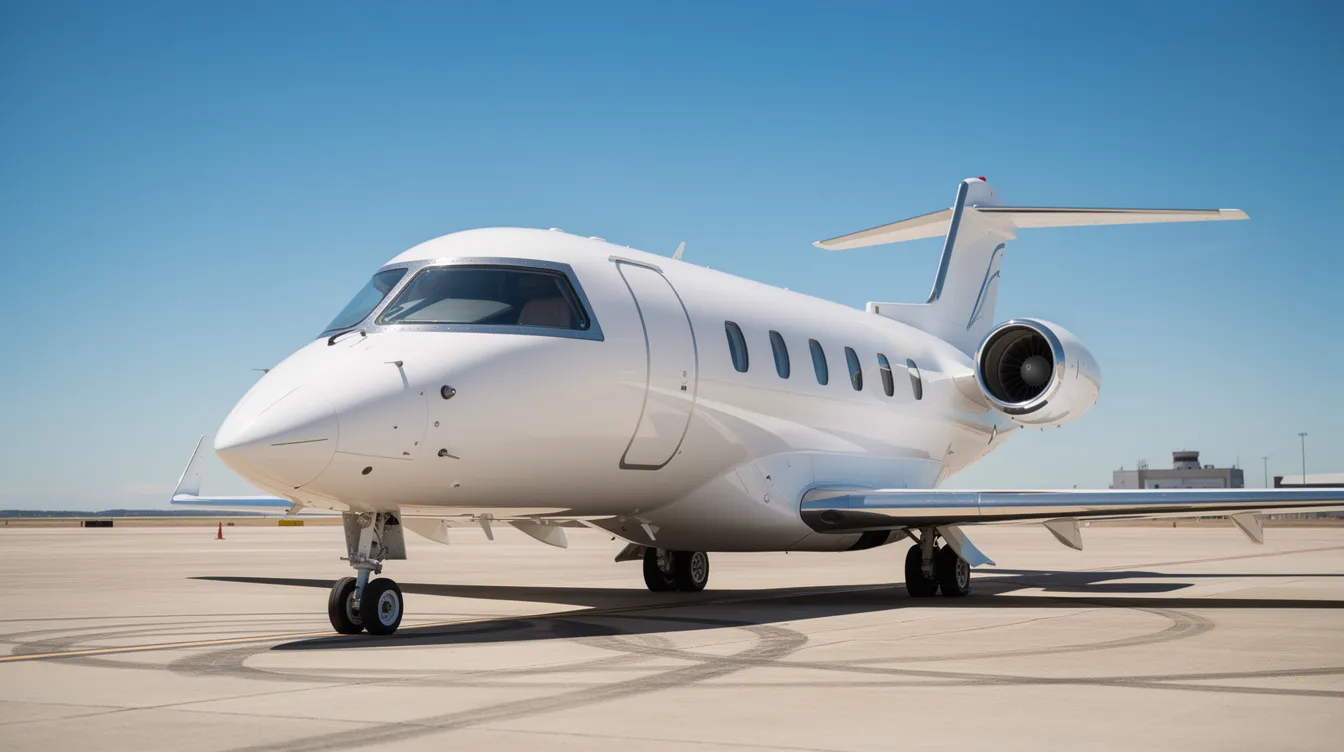
The private jet industry features various manufacturers, each with unique aircraft designed for specific missions. This guide provides insights into key brands, jet categories, and practical tips for selecting the right aircraft for your travel needs. Understanding these factors can enhance your private flying experience, whether for business or leisure.
Jeff Ryan Serevilla
Sep 21, 2026
|
5
min read

View all
The Bell 407 Jet Ranger is a versatile single-engine helicopter known for its comfort, performance, and modern features. Ideal for private travelers and executives, it offers a spacious cabin for up to six passengers and excels in various missions, from city transfers to sightseeing tours. This guide provides insights into its specifications, variants, and real-world applications, helping you determine if the Bell 407 is the right choice for your next charter flight.
Jeff Ryan Serevilla
Sep 21, 2026
|
5
min read
View all
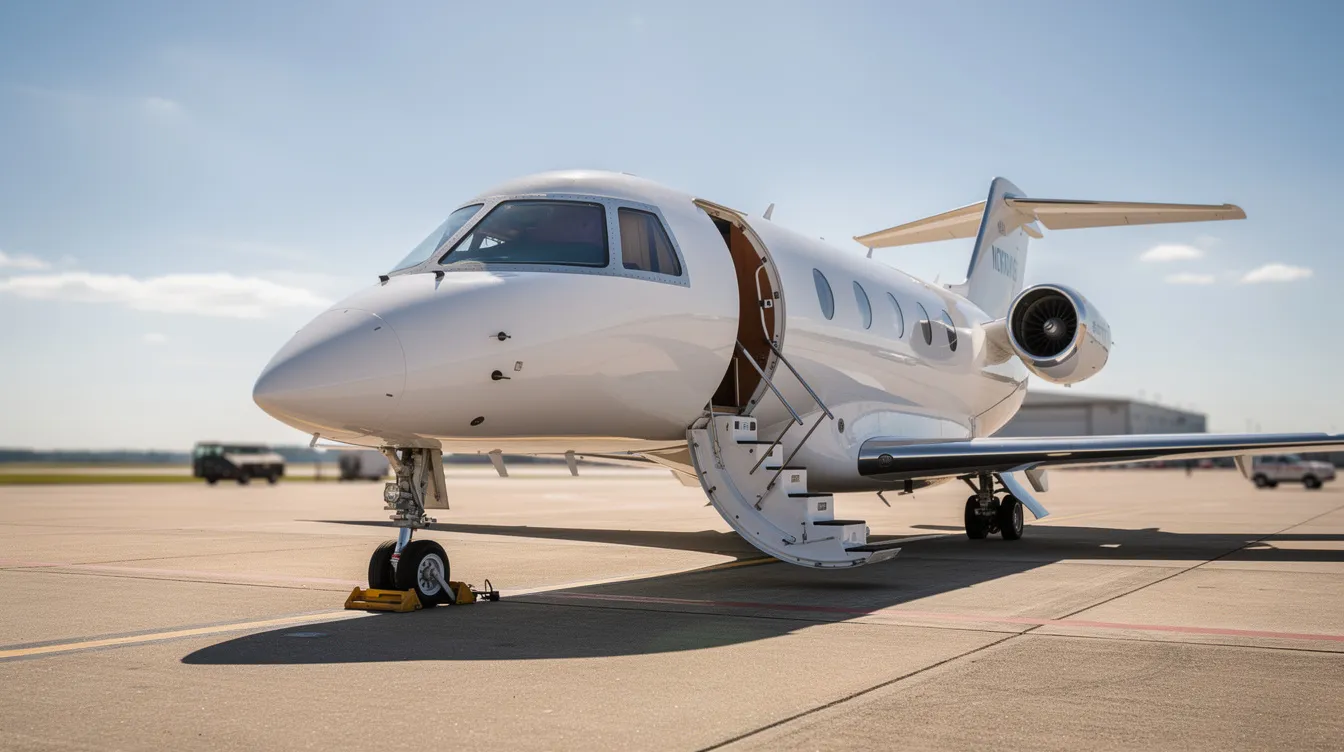
Boarding a private jet for the first time can be a seamless experience with Jettly. This step-by-step guide outlines the simplified boarding process, from arriving at the FBO to taking off, highlighting the efficiency and personalized service that private aviation offers compared to commercial flights.
Jeff Ryan Serevilla
Sep 20, 2026
|
5
min read
View all
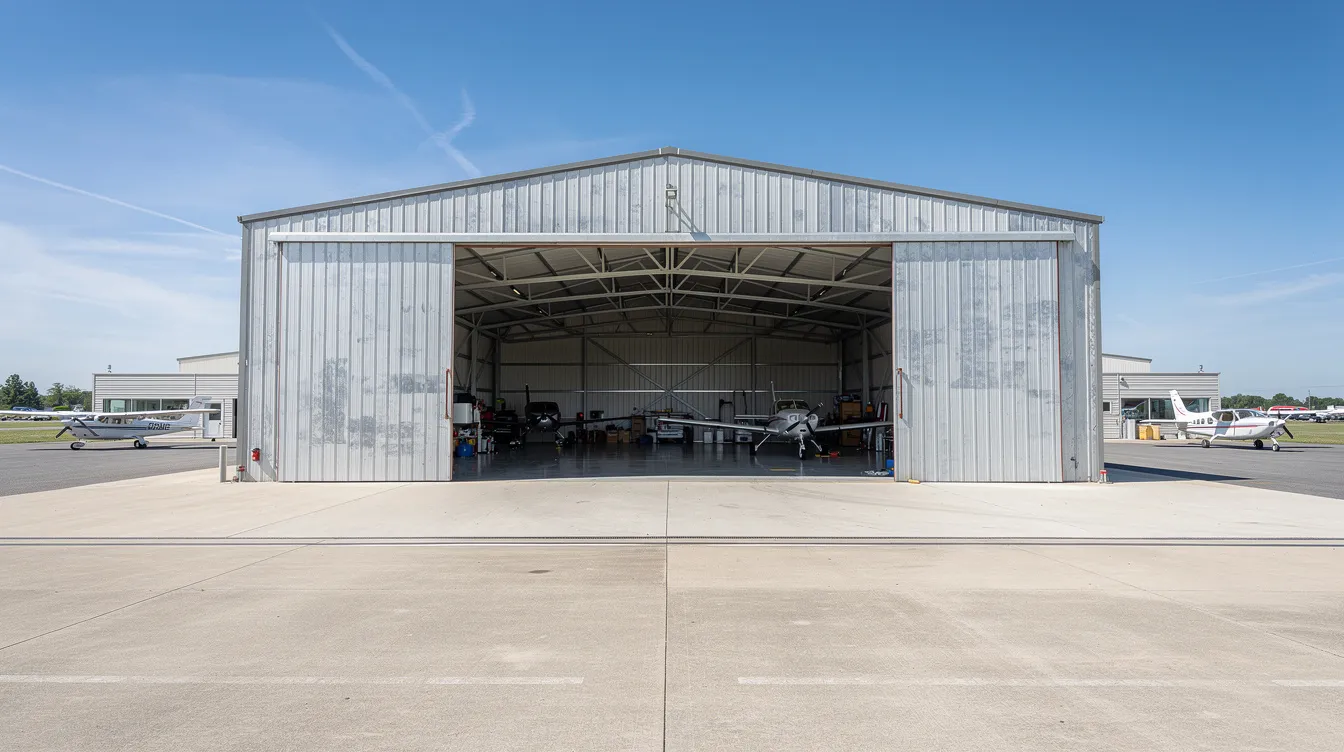
Building an airplane hangar can cost between $25 and $600+ per square foot, influenced by size, materials, and location. This guide outlines key cost factors, including hangar size, structure type, and necessary utilities, helping aircraft owners budget effectively for their hangar construction.
Jeff Ryan Serevilla
Sep 20, 2026
|
5
min read
View all
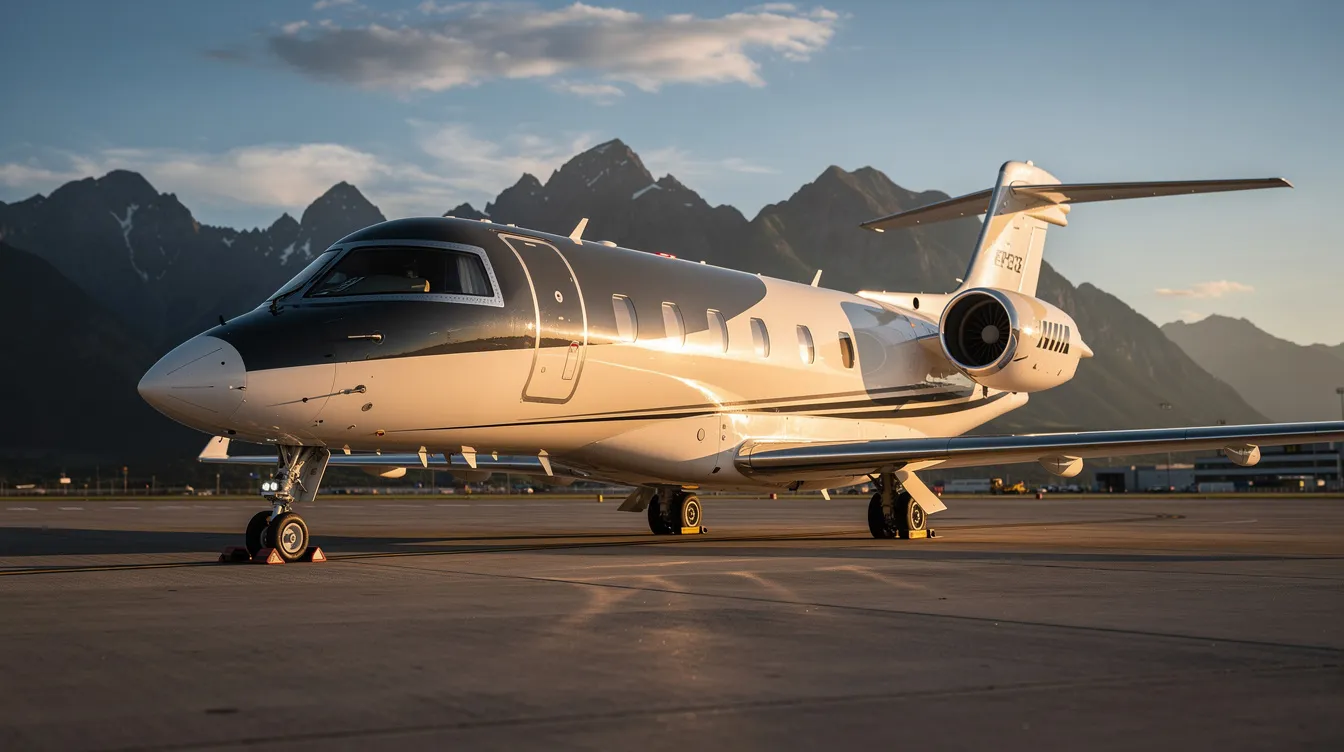
This comprehensive guide details private flight costs in 2026, highlighting factors that influence pricing for various travelers. From hourly rates to hidden fees, it provides insights into budgeting for private jet travel, making it easier to compare quotes and understand total expenses.
Jeff Ryan Serevilla
Sep 20, 2026
|
5
min read

View all
Norman's Cay Airport (MYEN) in the Bahamas is a small, unattended airport catering primarily to private jet travelers and charter flights. With its single paved runway and limited infrastructure, MYEN offers a direct and private access point to the beautiful Exuma Islands, making it ideal for travelers seeking a seamless arrival experience. This guide provides essential information on operations, safety considerations, and how to charter the right aircraft through Jettly.
Jeff Ryan Serevilla
Sep 20, 2026
|
5
min read
Explore our latest articles and updates.
5
min read
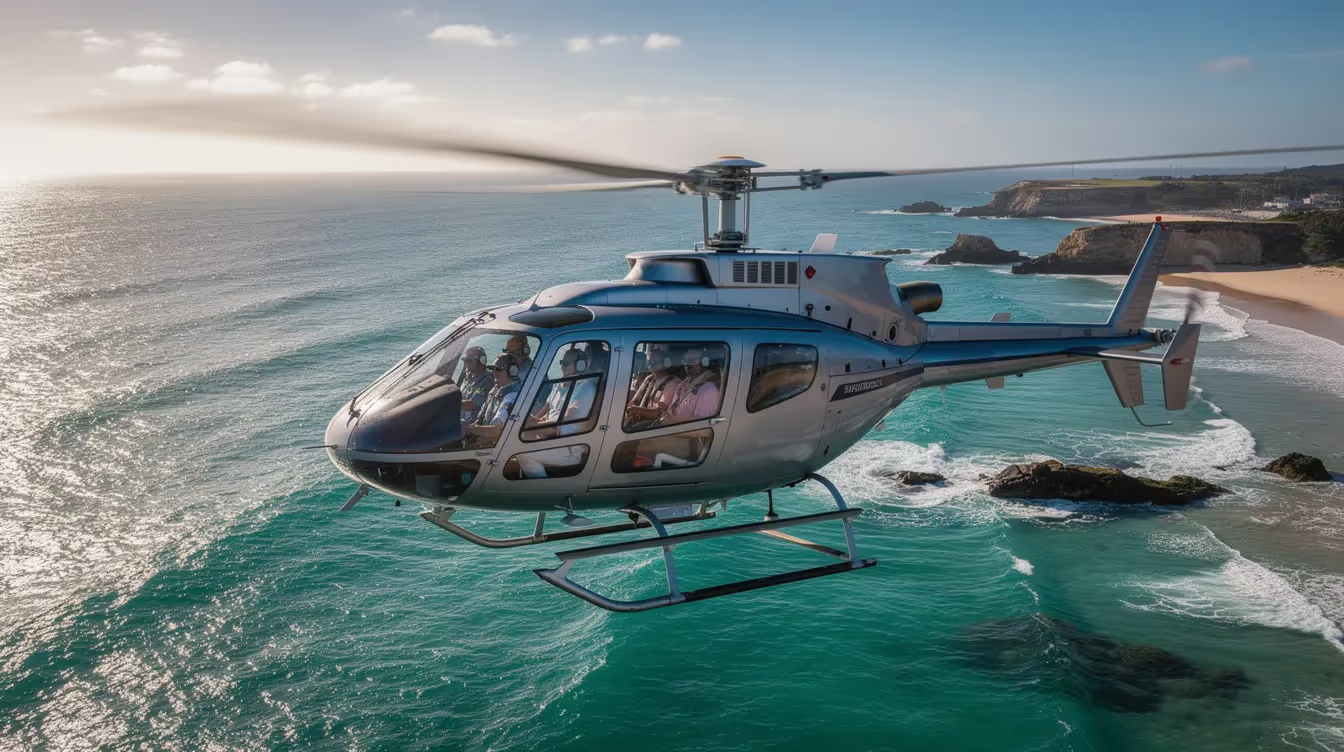
Private Helicopter Rides: Your Guide to Unforgettable Experiences and Stunning Views
Private helicopter rides provide a flexible and time-efficient alternative to traditional travel, allowing passengers to customize their itineraries and enjoy stunning aerial views. These rides are ideal for point-to-point transfers, scenic flights, and special occasions, with popular routes including New York to the Hamptons and Los Angeles to Palm Springs. Through platforms like Jettly, travelers can easily compare aircraft options, access vetted operators, and book flights without the need for ownership or jet cards. Pricing typically ranges from $1,200 to $3,500 per hour, depending on the helicopter type and route, making these rides a unique and memorable experience for both leisure and business purposes.
Read More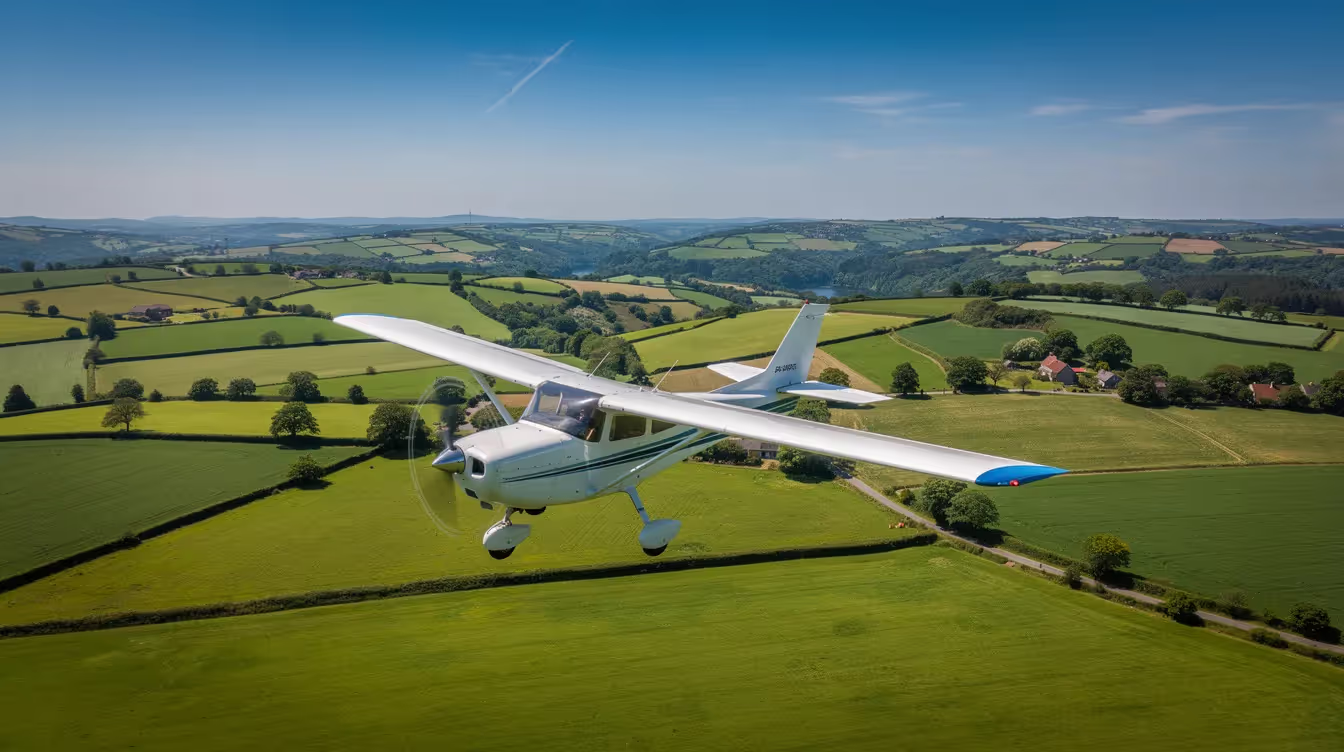
5
min read
Cessna 150: The Trainer That Shaped Generations of Pilots
The Cessna 150, introduced in 1959, is a highly influential two-seat training aircraft that has helped hundreds of thousands of pilots earn their wings, remaining a staple in flight schools and flying clubs worldwide. With nearly 23,839 units produced, it is known for its forgiving handling, low operating costs, and simple systems, making it ideal for student pilots. While it excels in training and recreational flying, its limited capacity and range make it unsuitable for business or family travel, where larger charter aircraft are more appropriate. As pilots progress from the Cessna 150, they often transition to more capable aircraft for their evolving travel needs, sometimes utilizing charter services like Jettly for efficient transportation.
Read MoreJoin our community and receive the latest blog updates directly in your inbox.
MEMBERSHIPS AND ASSOCIATIONS



Disclaimer: Jettly operates as a charter broker, offering access to a global digital jet charter marketplace. Jettly is not a direct air carrier and does not own or operate aircraft. All advertised flights are conducted by third-party air carriers that are fully licensed and hold the appropriate Part 135 or Part 121 certifications issued by the Federal Aviation Administration (FAA) or equivalent regulatory authorities under U.S. or foreign law. Jettly complies fully with the U.S. Department of Transportation's Part 295 and Part 298 Charter Broker regulations. Jettly does not carry additional liability insurance. Passengers are covered by aircraft operator insurance. TICO: 50023770


