



Login
Get Instant Pricing On 23,000+ Aircraft


Delta Air Lines utilizes a structured boarding system with eight numbered zones plus pre-boarding, determining the order in which passengers board based on cabin class, fare type, and loyalty status. Understanding this system is crucial for travelers considering commercial flights versus private jet charters, as it impacts overhead bin space and wait times. For those seeking a more streamlined experience, private jet options like Jettly eliminate the complexities of boarding zones altogether.
Jay Franco Serevilla
Oct 25, 2026
|
5
min read


View all
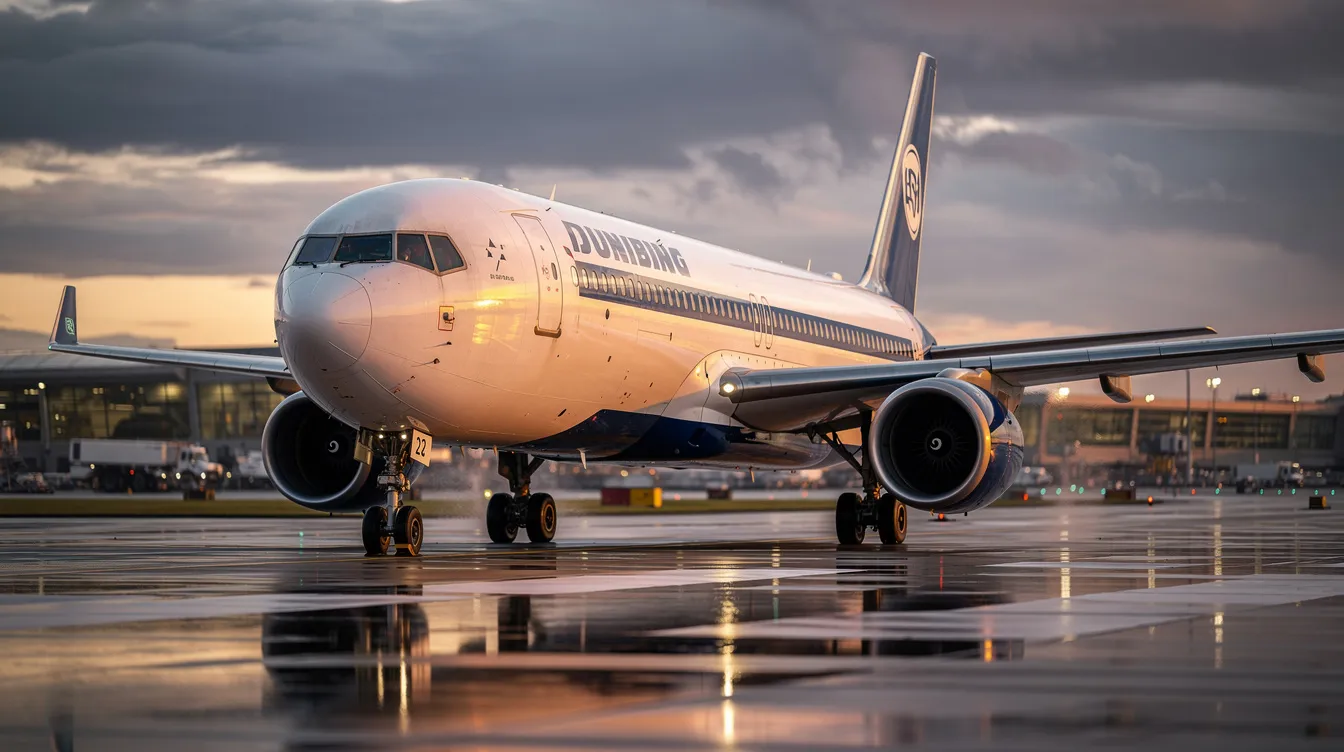
The P4-CLA is a Boeing 767-200 VIP aircraft designed for private charters, accommodating 51 to 63 passengers in luxurious comfort. Operated by Comlux Aruba and available through Jettly, it offers long-range capabilities and a customized cabin ideal for corporate and government travel. This guide details its specifications, booking process, and why it's the perfect choice for large groups seeking privacy and space.
Jay Franco Serevilla
Aug 16, 2026
|
5
min read
View all
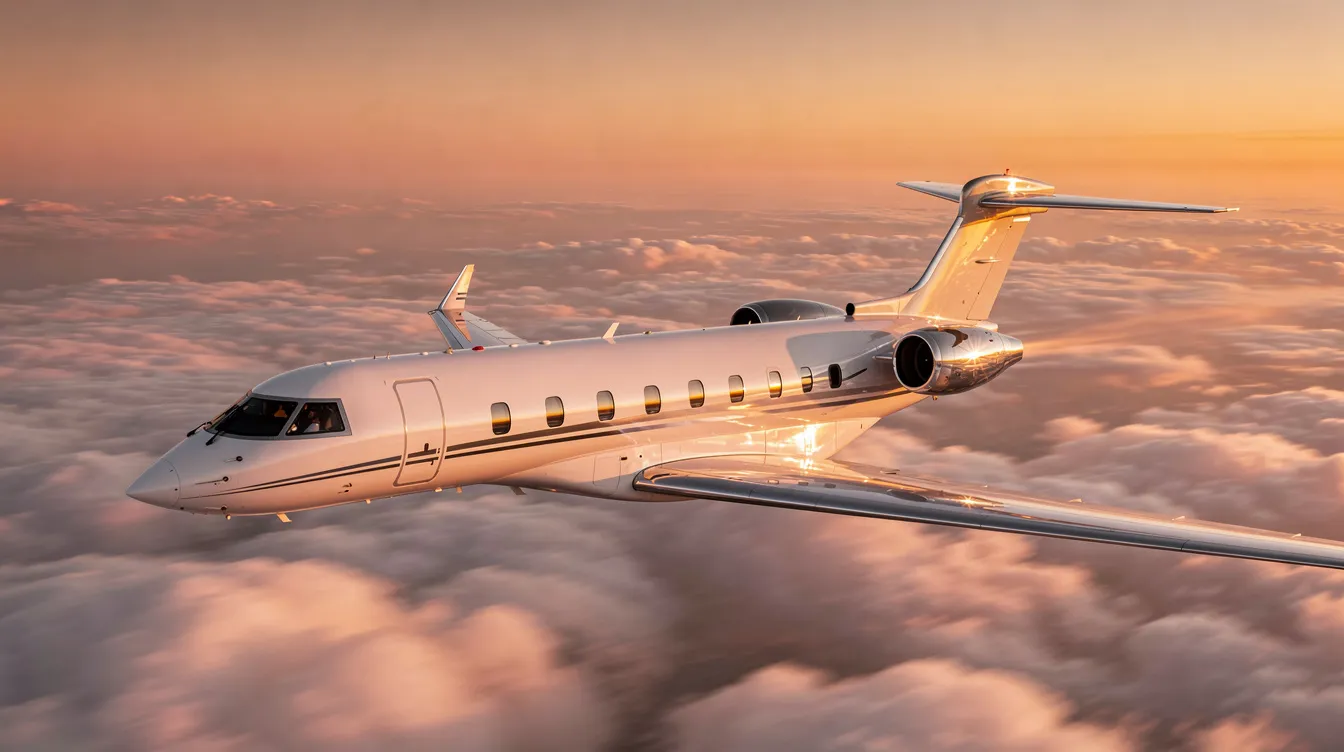
OPI My Private Jet is a cult-favorite nail polish that embodies luxury travel with its deep charcoal-brown base and holographic shimmer. Perfect for frequent flyers, this shade complements private jet interiors and offers options in both classic lacquer and gel formulas for long-lasting wear. Discover how to achieve a flawless manicure and plan your beauty routine around private jet travel with Jettly.
Jay Franco Serevilla
Aug 16, 2026
|
5
min read
View all
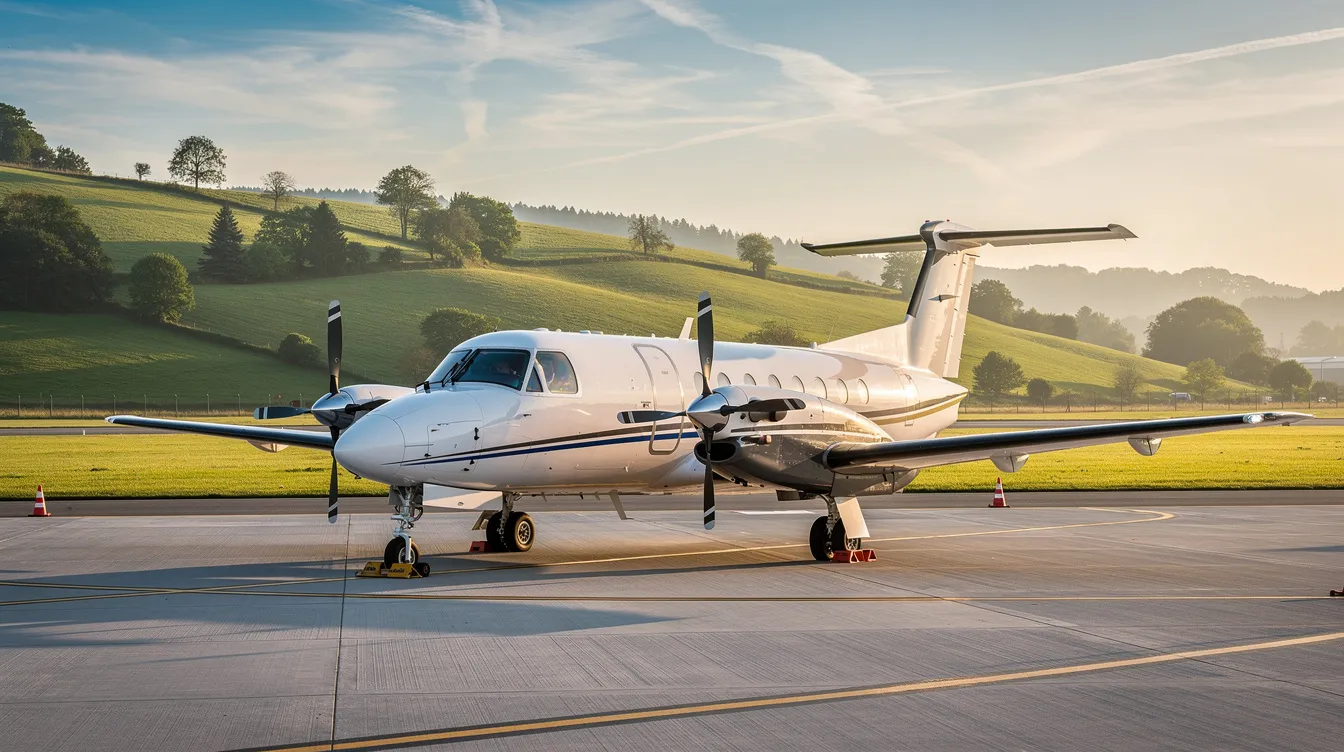
Custer County Airport (CUT / KCUT) is a public airport in South Dakota, serving as a low-congestion gateway to the Black Hills and nearby attractions. With a 5,500-foot runway and 24-hour fuel service, it caters to private flyers and charter travelers, offering a convenient alternative to commercial airports. Jettly simplifies the booking process for private flights, ensuring a seamless travel experience.
Jay Franco Serevilla
Aug 15, 2026
|
5
min read
View all
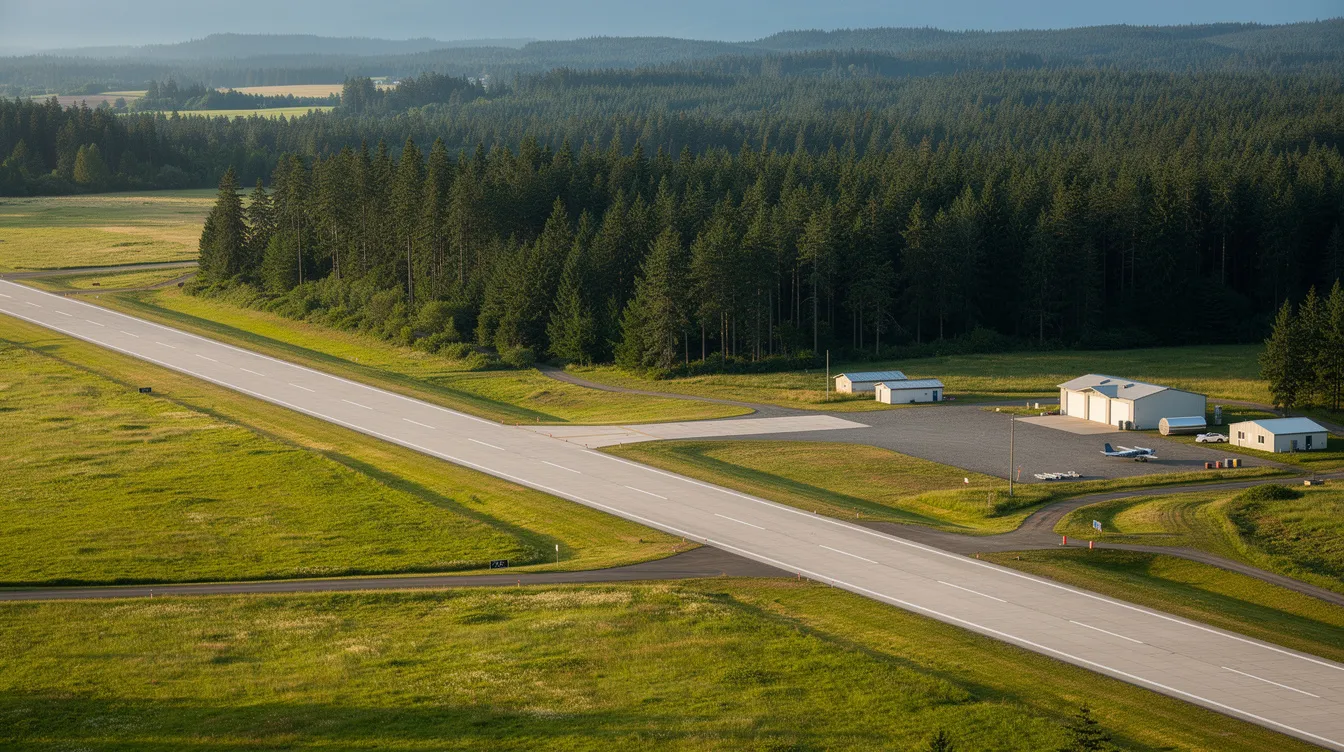
Quillayute Airport (UIL) is a historic public-use general aviation airport located in Clallam County, Washington, with roots as a WWII naval air station. It serves as a critical access point for the Olympic Peninsula, supporting both general aviation and emergency operations, while offering private charter travelers a convenient alternative to commercial flights.
Jay Franco Serevilla
Aug 15, 2026
|
5
min read
View all
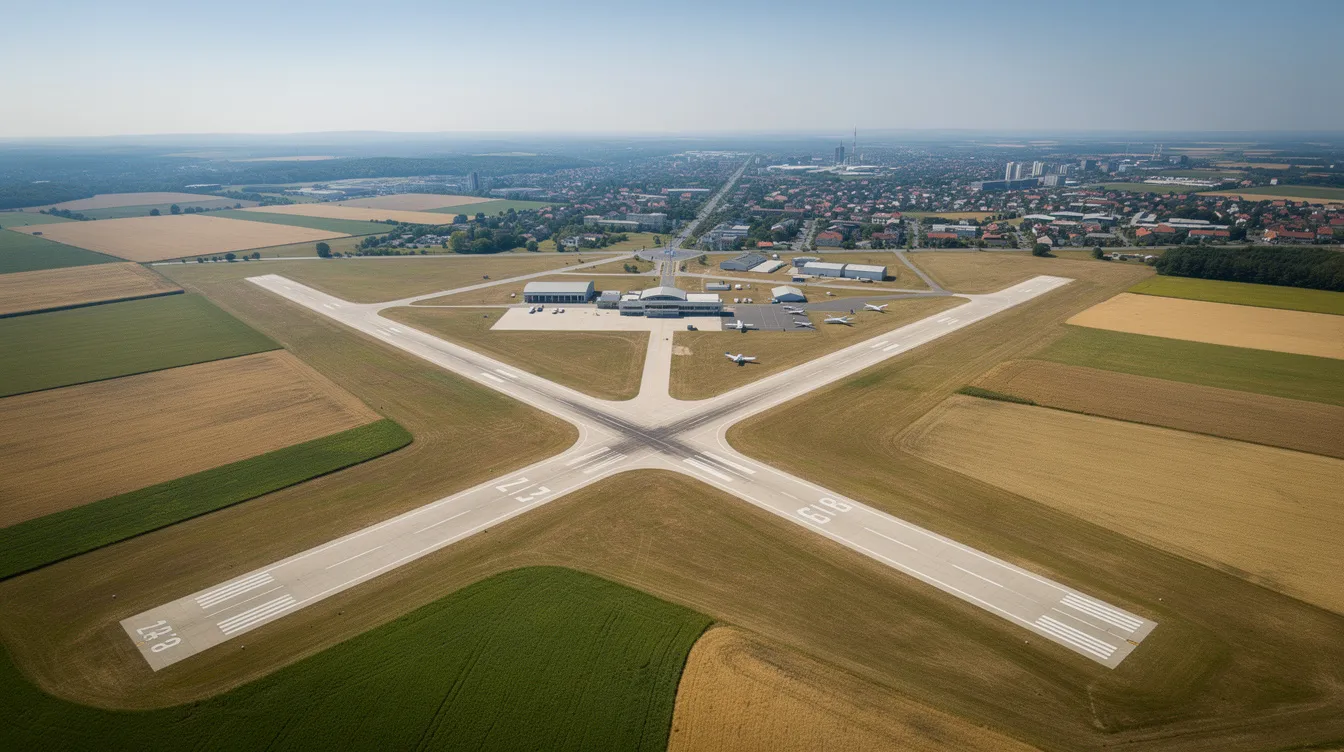
Hastings Municipal Airport (HSI) in Nebraska is a public-use airport primarily serving private general aviation and charter flights. With two concrete runways and modern facilities, it offers a convenient alternative to larger commercial airports for business and leisure travelers. Managed by the City of Hastings, the airport supports a variety of aircraft and provides essential services for pilots and passengers alike.
Jay Franco Serevilla
Aug 15, 2026
|
5
min read
View all
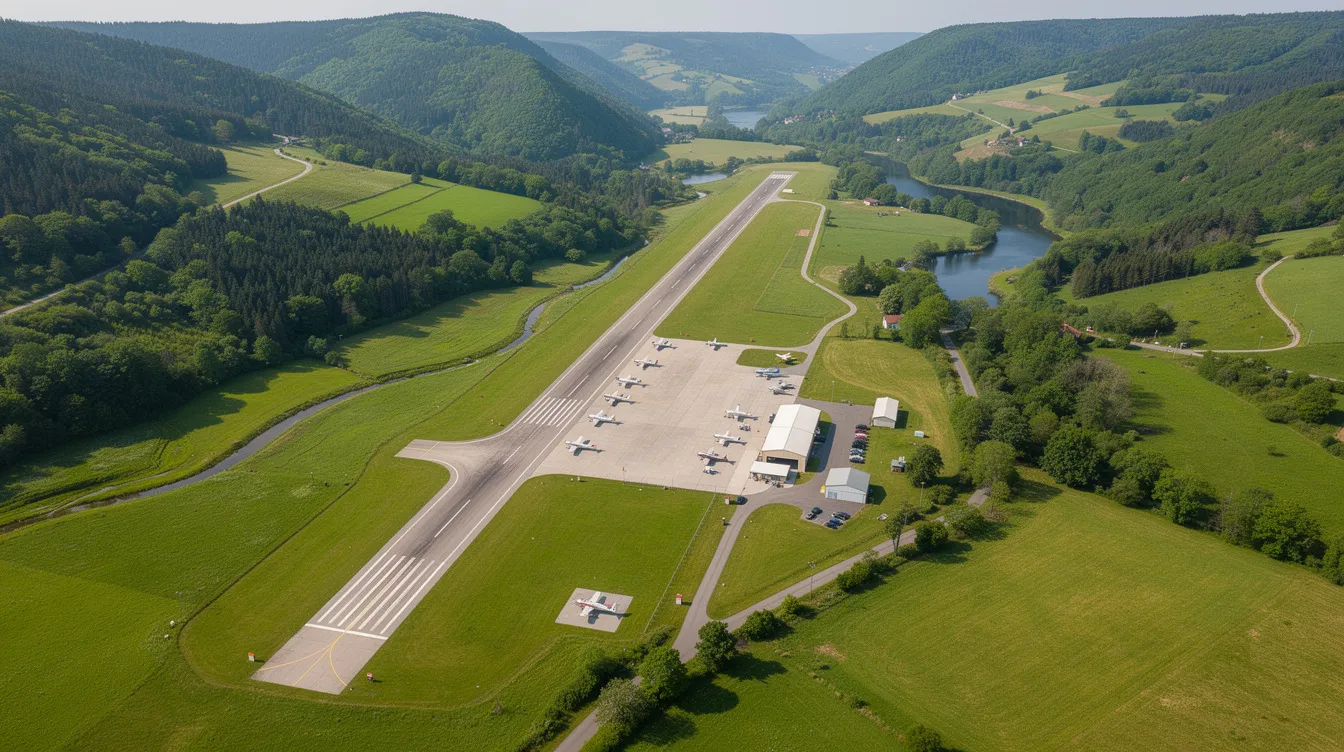
Cottage Grove State Airport (61S), also known as Jim Wright Field, is a public general aviation airport located in Lane County, Oregon. It features a 3,188-foot runway and serves private pilots and charter flights, offering essential services and nearby attractions for travelers. This guide provides insights into the airport's operations, facilities, and local highlights for a seamless flying experience.
Jay Franco Serevilla
Aug 15, 2026
|
5
min read
Explore our latest articles and updates.
5
min read
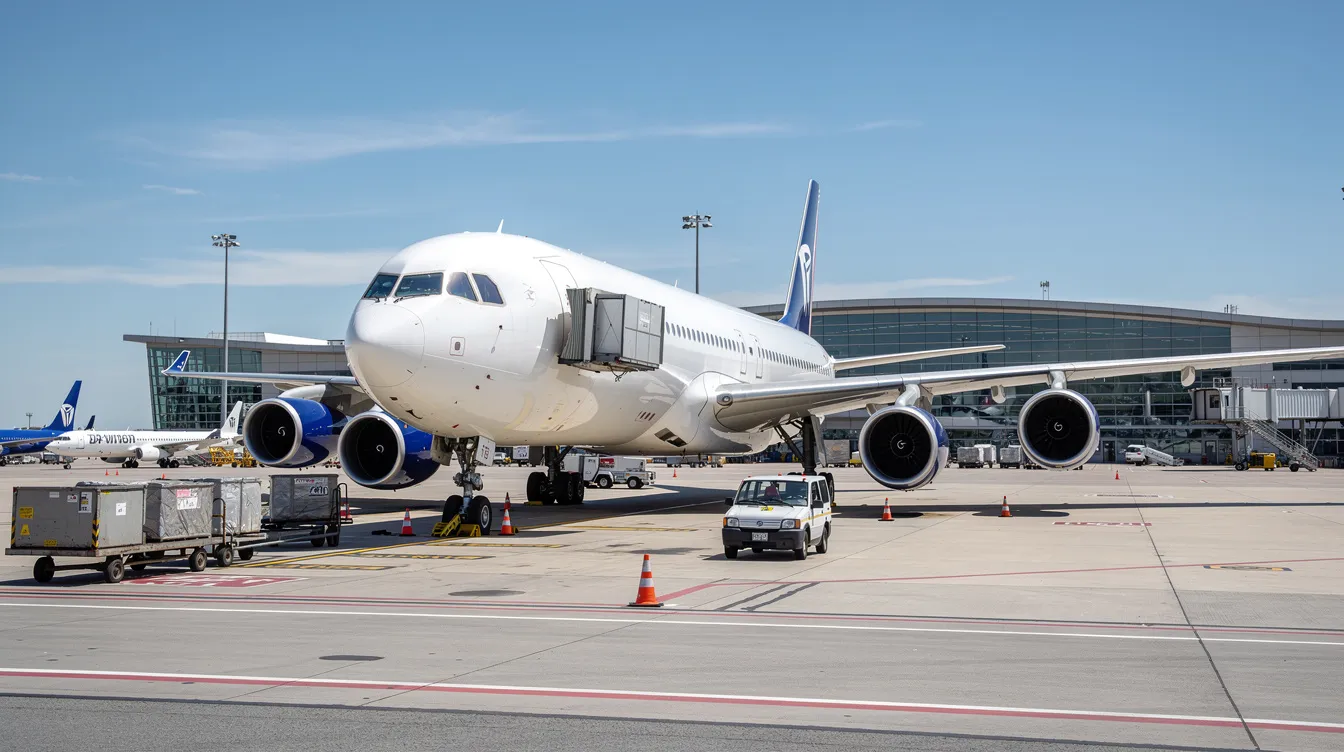
Airbus A340 Seating Capacity: Complete Guide for A340-200/300/500/600
The Airbus A340 is a four-engine wide-body aircraft designed for long-haul travel, with seating capacities ranging from 210 to 440 passengers depending on the variant and cabin configuration. The A340 family includes four models: A340-200, A340-300, A340-500, and A340-600, each differing in length, range, and typical seating arrangements. While production ceased in 2011, the A340 remains relevant for charter, VIP, and occasional scheduled services, with airlines customizing layouts based on market demand. Understanding the seating capacities and configurations of the A340 is crucial for planning group travel, especially when comparing options through platforms like Jettly, which connects clients with various aircraft for charter needs.
Read More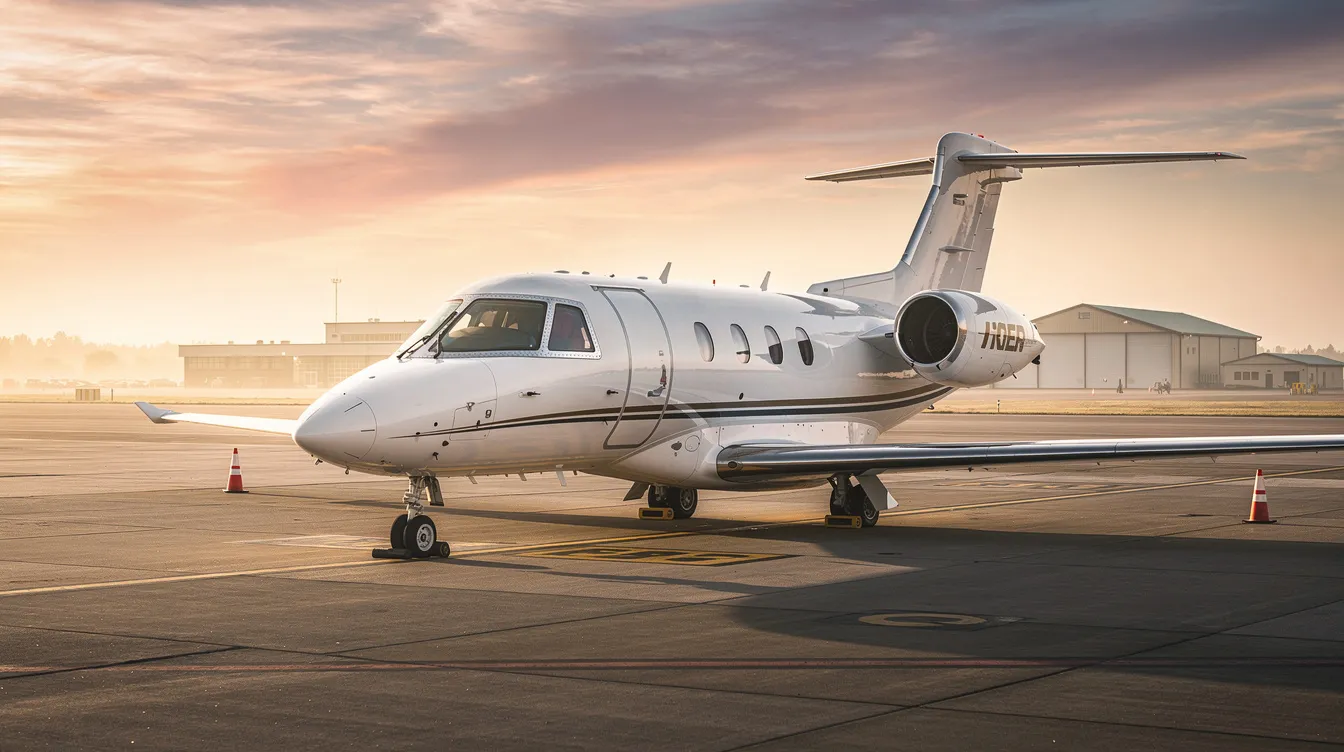
5
min read
$2 Million Dollar Private Jet: What You Really Get, What It Really Costs, and Smarter Alternatives
A $2 million private jet typically buys a pre-owned light jet or a high-end turboprop, with total ownership costs potentially matching or exceeding the purchase price within five years. Annual operating expenses can range from $400,000 to $800,000, making ownership less economical for those flying fewer than 150-200 hours per year. Alternatives like chartering or jet cards often provide better value and flexibility without the complexities of ownership, such as maintenance and insurance. For potential buyers, evaluating actual travel patterns and costs through platforms like Jettly can help determine if ownership is a justified investment.
Read MoreJoin our community and receive the latest blog updates directly in your inbox.
MEMBERSHIPS AND ASSOCIATIONS



Disclaimer: Jettly operates as a charter broker, offering access to a global digital jet charter marketplace. Jettly is not a direct air carrier and does not own or operate aircraft. All advertised flights are conducted by third-party air carriers that are fully licensed and hold the appropriate Part 135 or Part 121 certifications issued by the Federal Aviation Administration (FAA) or equivalent regulatory authorities under U.S. or foreign law. Jettly complies fully with the U.S. Department of Transportation's Part 295 and Part 298 Charter Broker regulations. Jettly does not carry additional liability insurance. Passengers are covered by aircraft operator insurance. TICO: 50023770


