


Login
Get Instant Pricing On 23,000+ Aircraft

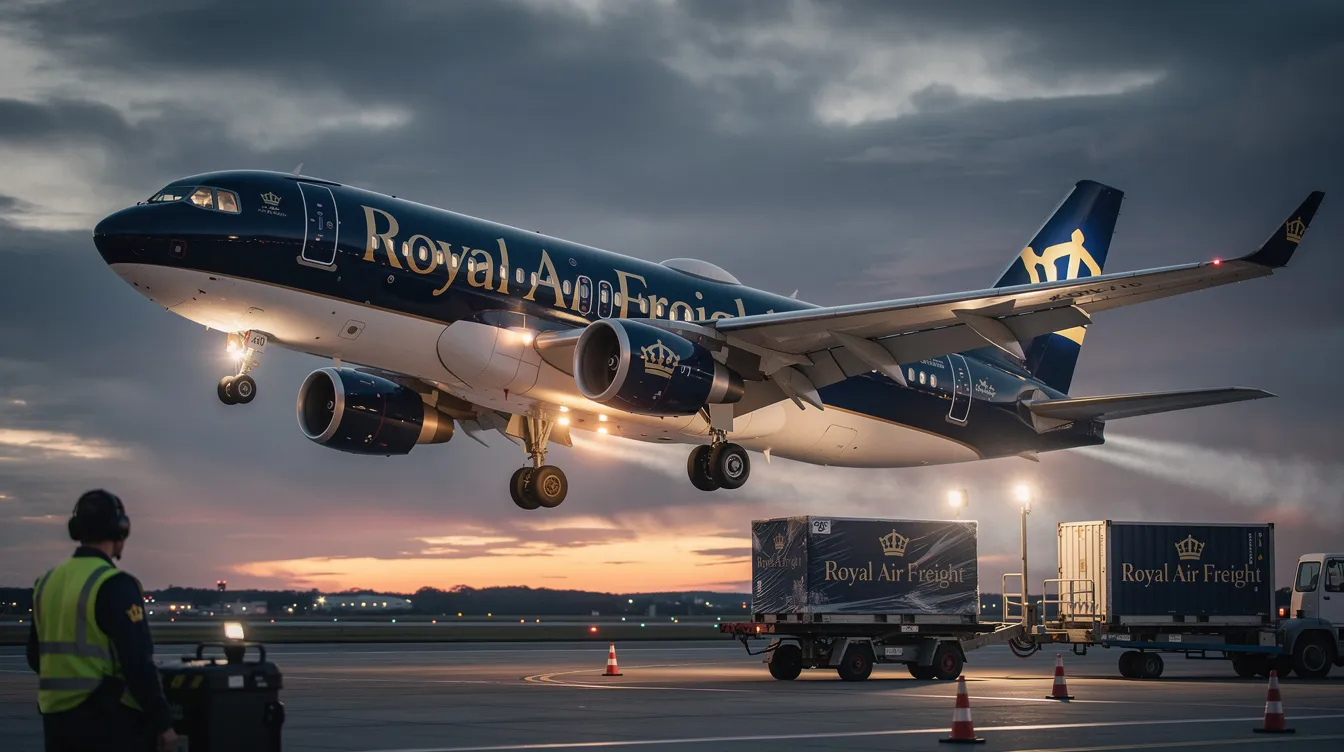
Royal Air Freight Inc. has been a trusted name in charter and air freight services since 1961, specializing in expedited cargo and passenger flights across North America. Jettly, a digital charter broker, offers a broader marketplace for comparing private jet and cargo flight options, providing travelers with greater flexibility and instant pricing.
Jay Franco Serevilla
Sep 27, 2026
|
5
min read


View all
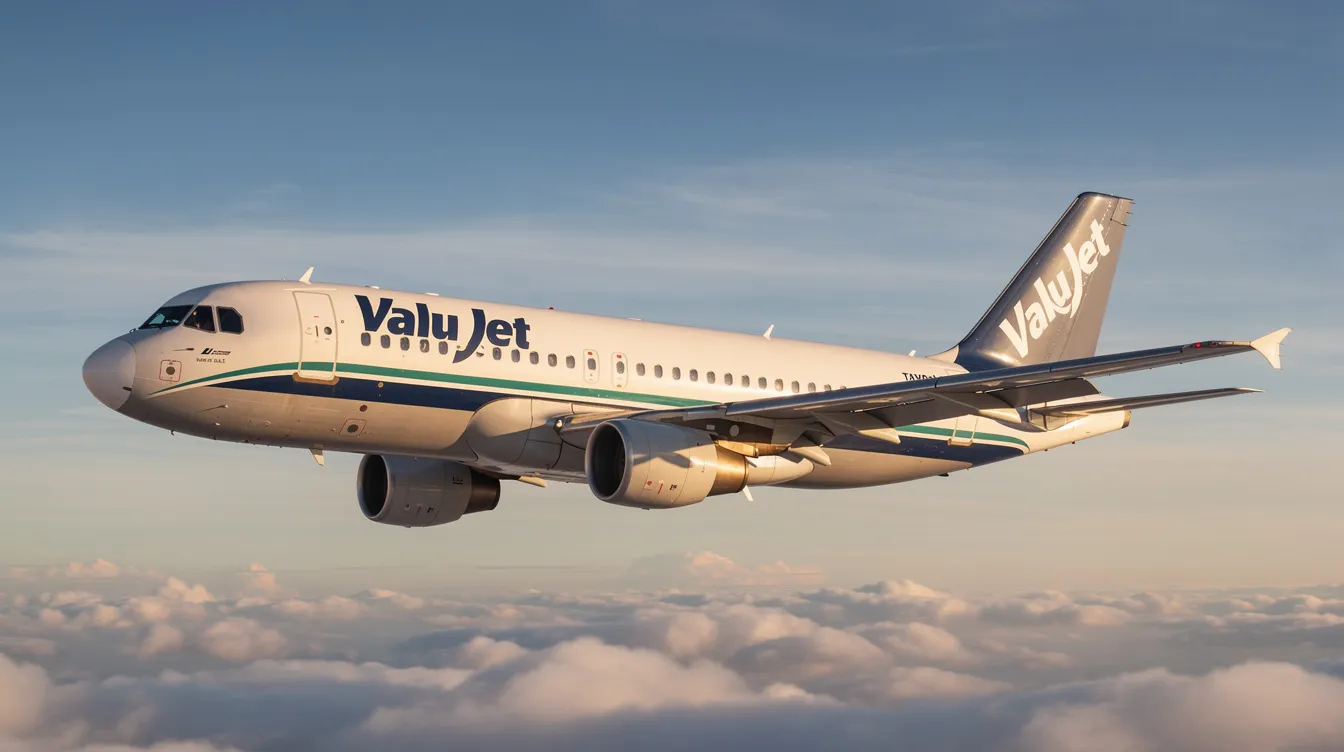
ValueJet has established itself in Nigerian aviation since late 2022, offering scheduled flights across West and Central Africa. While it provides accessible regional travel, private charter services like Jettly offer greater flexibility for complex itineraries and underserved routes. This article explores the offerings of ValueJet and how private charters can complement scheduled flights.
Jay Franco Serevilla
Aug 16, 2026
|
5
min read
View all
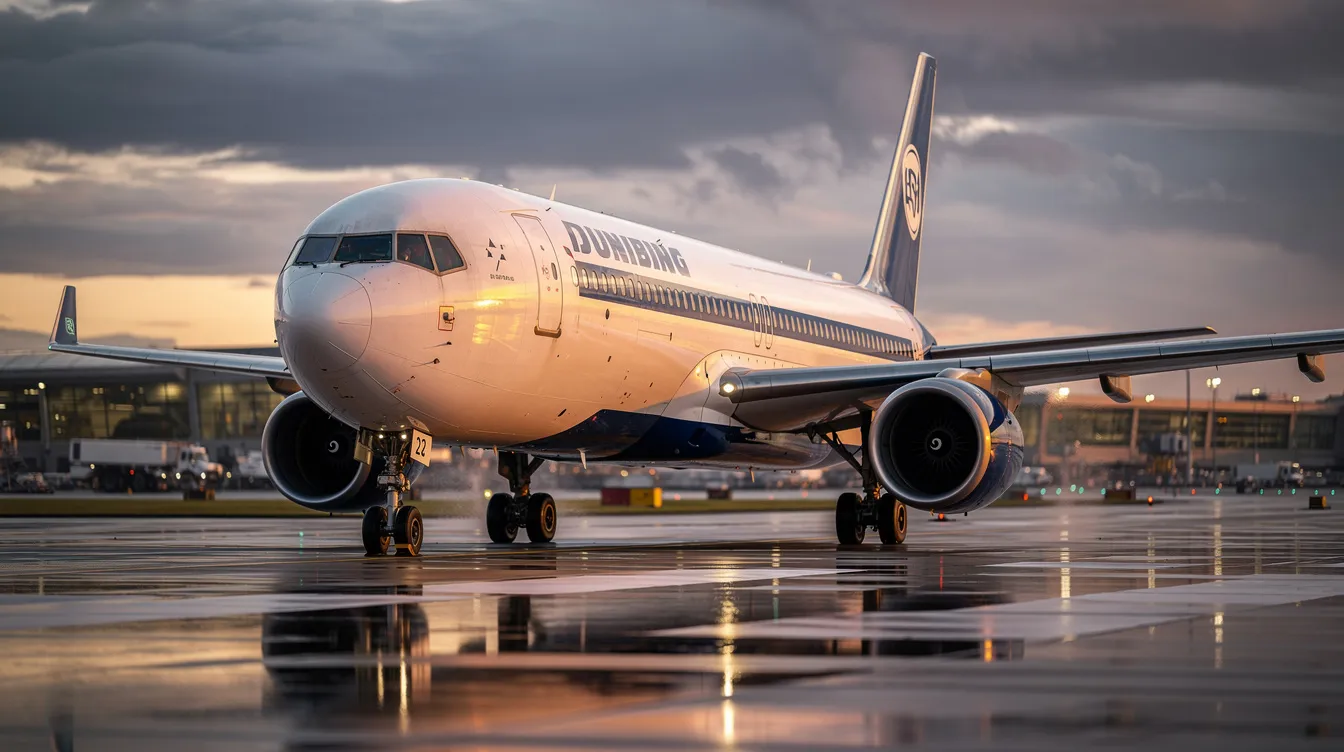
The P4-CLA is a Boeing 767-200 VIP aircraft designed for private charters, accommodating 51 to 63 passengers in luxurious comfort. Operated by Comlux Aruba and available through Jettly, it offers long-range capabilities and a customized cabin ideal for corporate and government travel. This guide details its specifications, booking process, and why it's the perfect choice for large groups seeking privacy and space.
Jay Franco Serevilla
Aug 16, 2026
|
5
min read

View all
OPI My Private Jet is a cult-favorite nail polish that embodies luxury travel with its deep charcoal-brown base and holographic shimmer. Perfect for frequent flyers, this shade complements private jet interiors and offers options in both classic lacquer and gel formulas for long-lasting wear. Discover how to achieve a flawless manicure and plan your beauty routine around private jet travel with Jettly.
Jay Franco Serevilla
Aug 16, 2026
|
5
min read
View all
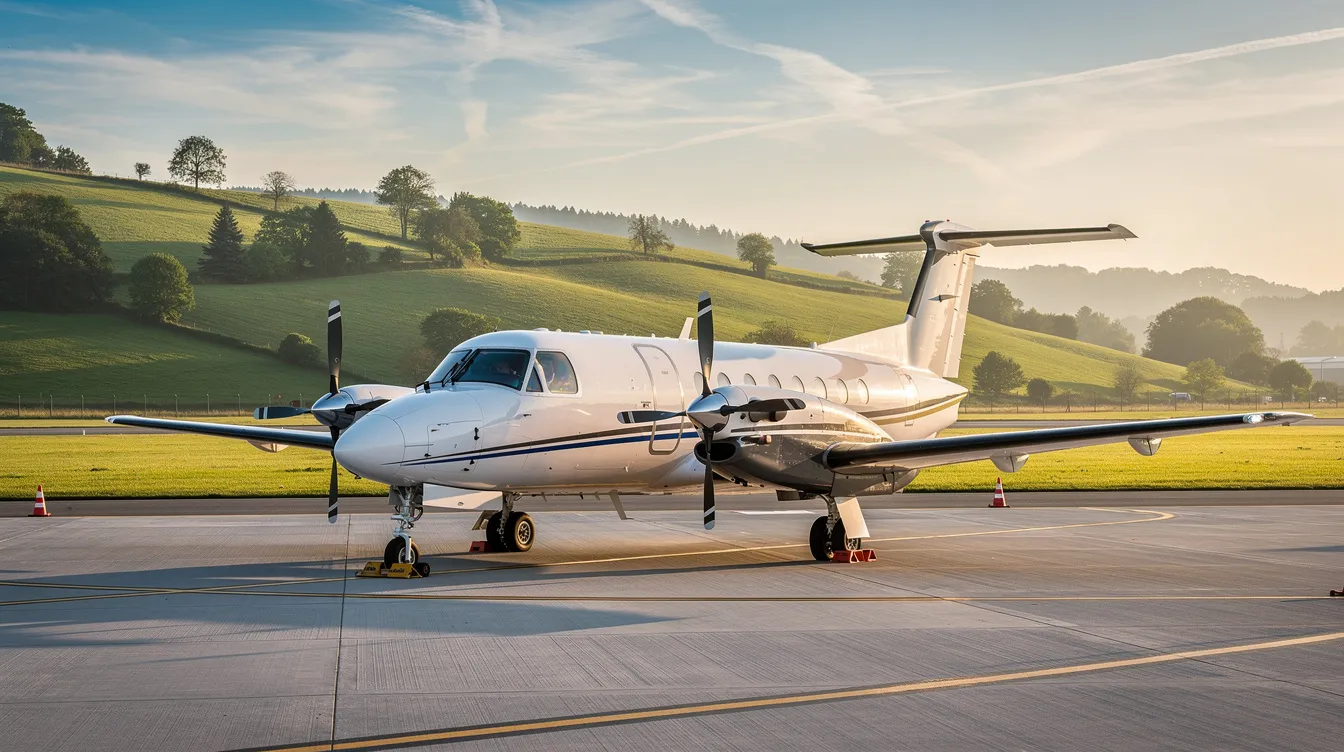
Custer County Airport (CUT / KCUT) is a public airport in South Dakota, serving as a low-congestion gateway to the Black Hills and nearby attractions. With a 5,500-foot runway and 24-hour fuel service, it caters to private flyers and charter travelers, offering a convenient alternative to commercial airports. Jettly simplifies the booking process for private flights, ensuring a seamless travel experience.
Jay Franco Serevilla
Aug 15, 2026
|
5
min read

View all
Quillayute Airport (UIL) is a historic public-use general aviation airport located in Clallam County, Washington, with roots as a WWII naval air station. It serves as a critical access point for the Olympic Peninsula, supporting both general aviation and emergency operations, while offering private charter travelers a convenient alternative to commercial flights.
Jay Franco Serevilla
Aug 15, 2026
|
5
min read

View all
Hastings Municipal Airport (HSI) in Nebraska is a public-use airport primarily serving private general aviation and charter flights. With two concrete runways and modern facilities, it offers a convenient alternative to larger commercial airports for business and leisure travelers. Managed by the City of Hastings, the airport supports a variety of aircraft and provides essential services for pilots and passengers alike.
Jay Franco Serevilla
Aug 15, 2026
|
5
min read
Explore our latest articles and updates.
5
min read
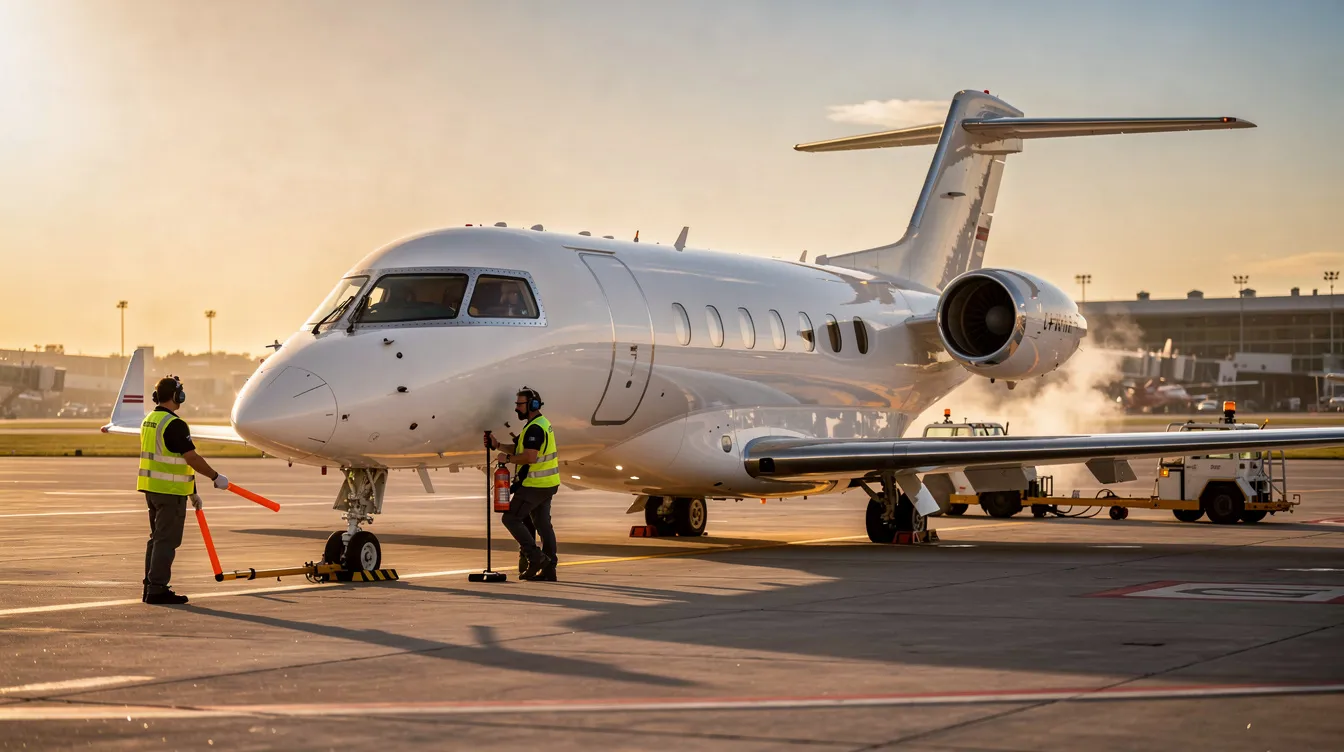
Flight Price Estimator: How to Predict and Control Private Jet Costs with Jettly
Flight price estimators are essential tools for travelers and corporate planners, allowing them to predict and manage private jet costs effectively. Jettly's platform provides real-time pricing based on current market conditions, factoring in variables like fuel prices, aircraft availability, and demand, making it invaluable in today's volatile travel landscape. Understanding how these estimators work helps users avoid unexpected costs and optimize their travel budgets, especially as prices fluctuate due to factors like seasonality and route popularity. By utilizing Jettly's instant quotes and transparent cost breakdowns, travelers can make informed decisions about their private jet charter options.
Read More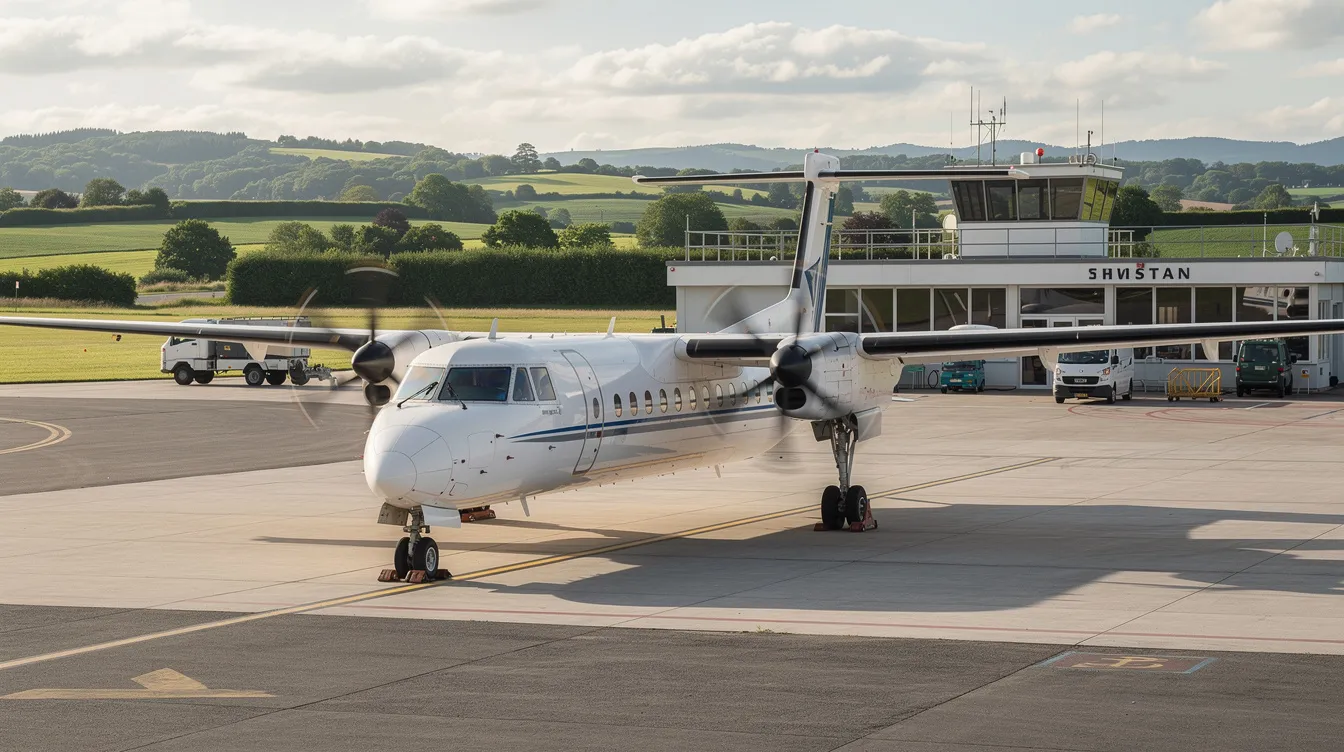
5
min read
Saab 340 Turboprop Guide for Charter Travelers
The Saab 340 is a twin-engine turboprop regional airliner that accommodates 30 to 36 passengers, making it ideal for corporate shuttles, group charters, and cargo transport on short to medium routes. Despite production ending in 1999, many Saab 340s remain in service, benefiting from a robust design and modern upgrades, including active noise control features. Chartering a Saab 340 through Jettly offers travelers access to smaller airports, efficient booking, and competitive pricing, making it a practical choice for various travel needs. Overall, the Saab 340 combines capacity, performance, and cost-effectiveness, appealing to those seeking reliable regional air travel solutions.
Read MoreJoin our community and receive the latest blog updates directly in your inbox.
MEMBERSHIPS AND ASSOCIATIONS



Disclaimer: Jettly operates as a charter broker, offering access to a global digital jet charter marketplace. Jettly is not a direct air carrier and does not own or operate aircraft. All advertised flights are conducted by third-party air carriers that are fully licensed and hold the appropriate Part 135 or Part 121 certifications issued by the Federal Aviation Administration (FAA) or equivalent regulatory authorities under U.S. or foreign law. Jettly complies fully with the U.S. Department of Transportation's Part 295 and Part 298 Charter Broker regulations. Jettly does not carry additional liability insurance. Passengers are covered by aircraft operator insurance. TICO: 50023770


