


Login
Get Instant Pricing On 23,000+ Aircraft


Helicopter rides typically last between 10 minutes and 2 hours, depending on the purpose and distance. Sightseeing flights usually range from 10 to 45 minutes, while point-to-point transfers can take longer. Understanding these timeframes helps travelers plan their itineraries effectively.
Jeff Ryan Serevilla
Sep 22, 2026
|
5
min read



View all
The avioneta Cessna, including models like the Cessna 172 Skyhawk and Grand Caravan, is a popular choice for private flying and flight training. Known for their safety, versatility, and cost-effectiveness, these light aircraft serve a variety of missions from training to charter flights. This guide explores their history, key models, and how to charter a Cessna through Jettly's platform.
Jay Franco Serevilla
Aug 15, 2026
|
5
min read

View all
The Cessna Silver Eagle is a unique turboprop conversion of the Cessna P210, featuring a Rolls-Royce engine for enhanced performance and reliability. This guide explores its specifications, ownership considerations, and charter alternatives for those seeking turboprop capabilities without the commitment of ownership.
Jay Franco Serevilla
Aug 15, 2026
|
5
min read

View all
The Cessna 150/150 conversion transforms a standard Cessna 150 into a more powerful and capable aircraft, ideal for training and commuting. With a 150-hp Lycoming engine, it offers improved climb rates and cruise speeds, making it a popular choice among pilots. This guide provides essential information on performance, specifications, and ownership considerations for prospective buyers.
Jay Franco Serevilla
Aug 13, 2026
|
5
min read
View all
The Cessna 150/150 conversion transforms a standard Cessna 150 into a more powerful and capable aircraft, ideal for training and commuting. With a 150-hp Lycoming engine, it offers improved climb rates and cruise speeds, making it a popular choice among pilots. This guide provides essential information on performance, specifications, and ownership considerations for prospective buyers.
Jay Franco Serevilla
Aug 13, 2026
|
5
min read
View all
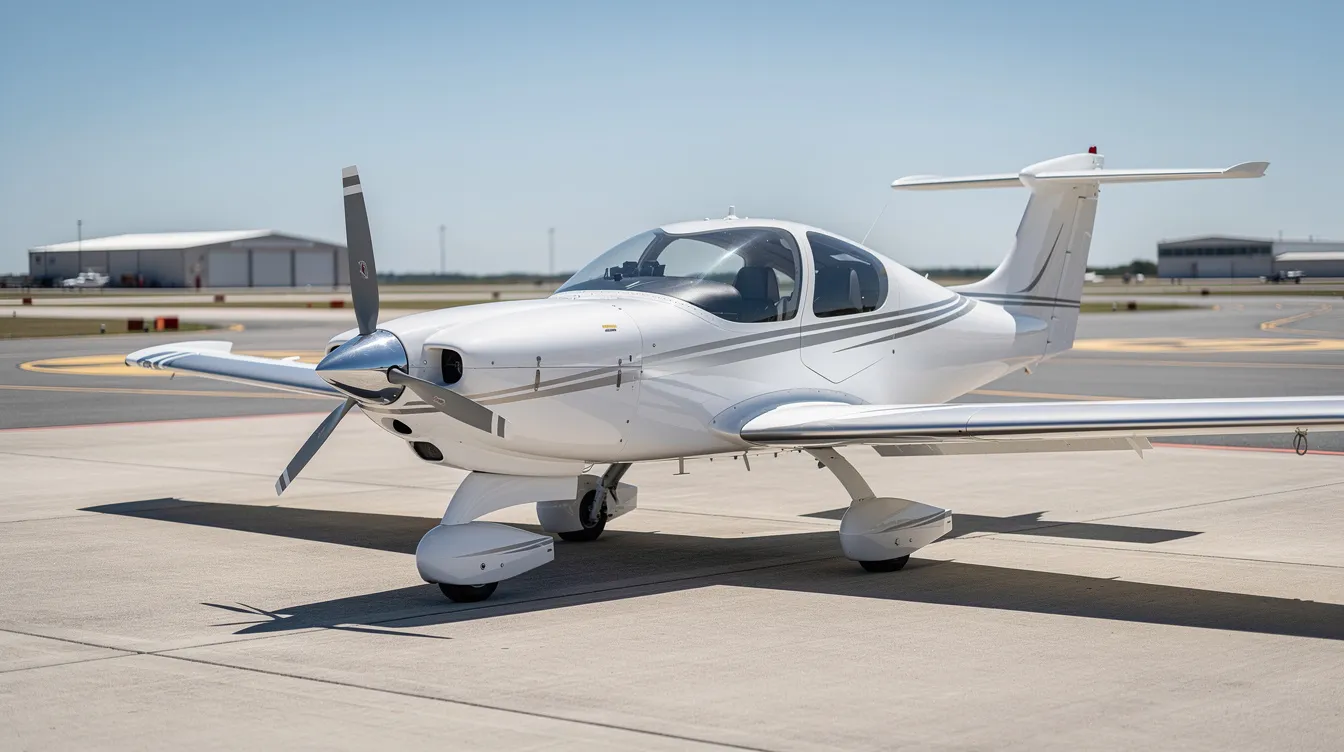
The Cessna TTx, also known as the Model T240, is a high-performance single-engine piston aircraft renowned for its speed and advanced avionics. With a turbocharged engine and a sleek composite design, it offers exceptional capabilities for personal and business travel. Although production ended in 2018, the TTx remains a popular choice in the pre-owned market for experienced pilots and aviation enthusiasts.
Jay Franco Serevilla
Aug 13, 2026
|
5
min read
View all
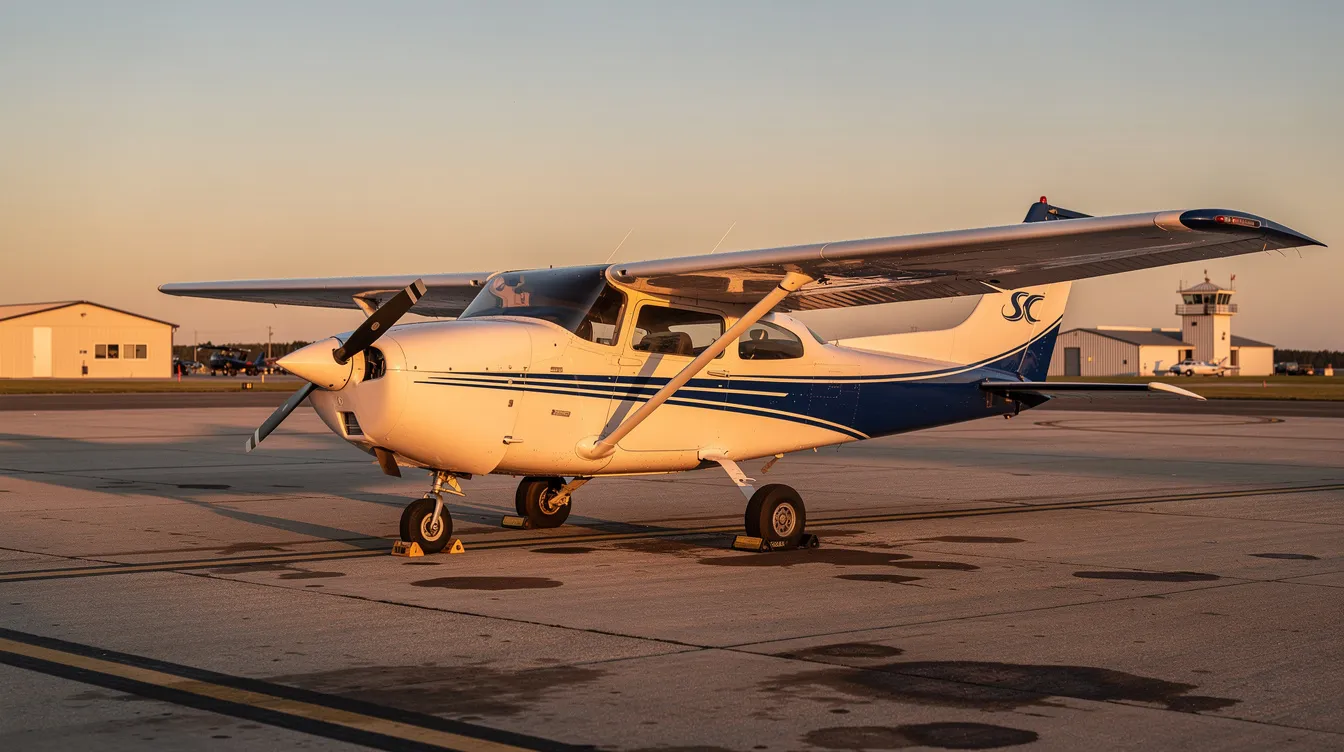
Flying a Cessna 172 Skyhawk is an accessible entry point into aviation, known for its reliability and forgiving nature. This guide covers everything from obtaining medical certificates to mastering flight maneuvers, ensuring a smooth transition from student pilot to confident aviator. With structured training and real-world practice, pilots can progress to solo flights and cross-country adventures.
Jay Franco Serevilla
Aug 13, 2026
|
5
min read
Explore our latest articles and updates.

5
min read
American Airlines: Commercial Travel Compared to Private Jet Charter with Jettly
This article compares American Airlines' commercial travel with private jet charter services offered by Jettly. It highlights the strengths and weaknesses of American's extensive network and loyalty program against the flexibility and convenience of private aviation. Travelers can determine when to choose commercial flights or private charters based on their specific needs and circumstances.
Read More
5
min read
Private Jet to Morocco: Charter Guide, Routes, and Pricing with Jettly
Chartering a private jet to Morocco offers travelers unparalleled flexibility and convenience, allowing direct access to over 25 airports across the country. With Jettly's platform, users can easily compare aircraft options, pricing, and routes, making it ideal for both business and leisure travel. Enjoy customized in-flight experiences and save costs with empty leg flights, ensuring a seamless journey tailored to individual needs.
Read MoreJoin our community and receive the latest blog updates directly in your inbox.
MEMBERSHIPS AND ASSOCIATIONS



Disclaimer: Jettly operates as a charter broker, offering access to a global digital jet charter marketplace. Jettly is not a direct air carrier and does not own or operate aircraft. All advertised flights are conducted by third-party air carriers that are fully licensed and hold the appropriate Part 135 or Part 121 certifications issued by the Federal Aviation Administration (FAA) or equivalent regulatory authorities under U.S. or foreign law. Jettly complies fully with the U.S. Department of Transportation's Part 295 and Part 298 Charter Broker regulations. Jettly does not carry additional liability insurance. Passengers are covered by aircraft operator insurance. TICO: 50023770


