


Login
Get Instant Pricing On 23,000+ Aircraft


Single-engine planes typically cruise between 110 and 180 knots, with high-performance models exceeding 200 knots. Factors like aircraft type, altitude, and weight significantly influence actual speeds. Understanding cruise speed is crucial for effective trip planning and can often rival commercial airliners in total travel time.
Jay Franco Serevilla
Sep 7, 2026
|
5
min read



View all
The Cessna T-41 Mescalero, a military variant of the Cessna 172, served as a primary trainer for the U.S. Air Force and Army since 1964. Its design and performance enhancements have influenced modern private aviation, linking military training to civilian pilot development. This guide explores the T-41's specifications, operational history, and its ongoing relevance in today's aviation landscape.
Jay Franco Serevilla
Aug 2, 2026
|
5
min read

View all
A two-seater plane serves as an accessible entry point into personal aviation, ideal for flight training and recreational flying. This guide explores performance metrics, ownership costs, and charter alternatives like Jettly for those needing more than two seats. Discover the benefits and limitations of owning a two-seater versus chartering for efficient travel.
Jay Franco Serevilla
Aug 2, 2026
|
5
min read

View all
Stratos planes, including the 714, 716, and 716X models, represent the future of high-speed personal aviation with impressive cruise speeds and efficiency. While currently experimental, travelers can access similar performance through platforms like Jettly, which offers a wide range of certified private jets. This guide explores the specifications, development milestones, and booking options for those interested in stratospheric travel.
Jay Franco Serevilla
Aug 2, 2026
|
5
min read
View all
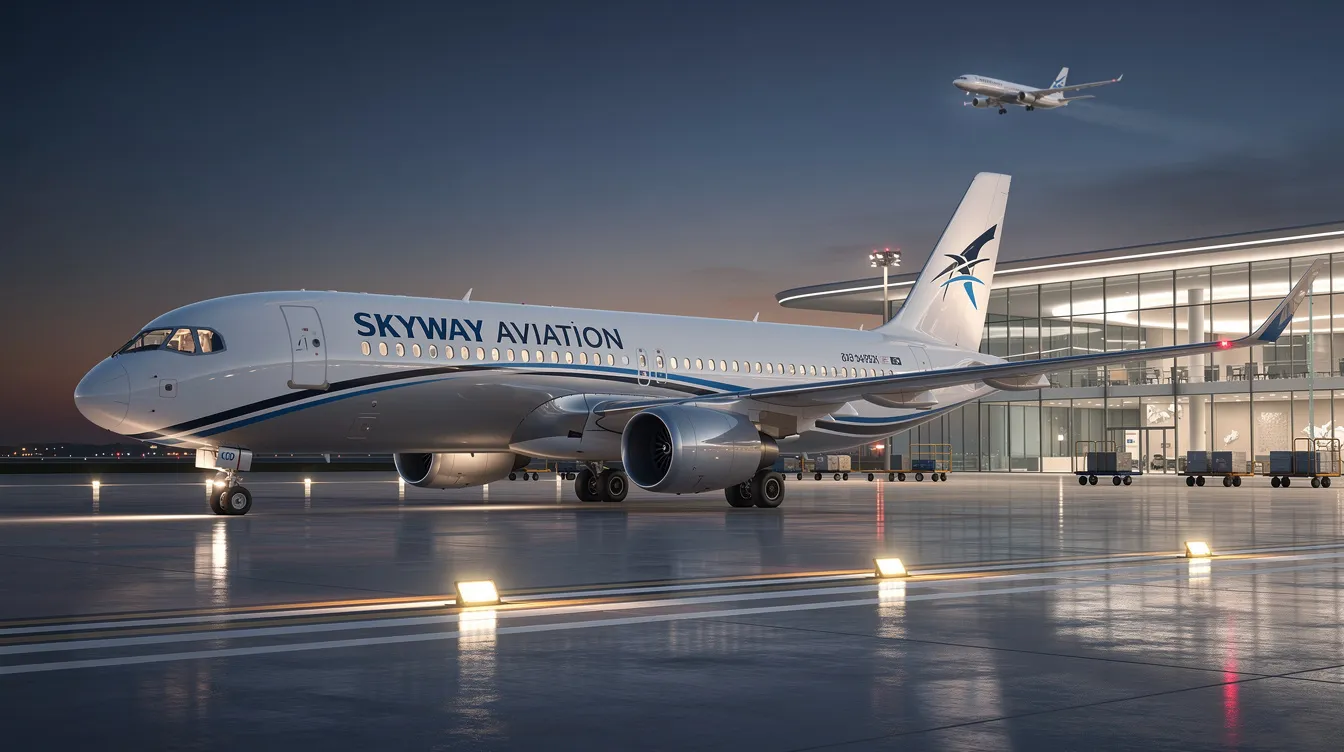
Skyway Aviation offers private jet charters, helicopter flights, and aircraft management services in Tampa, Florida. With a focus on safety and personalized service, they cater to corporate and leisure travelers. Jettly complements these services by providing a digital marketplace for instant pricing and access to a global network of over 20,000 aircraft.
Jay Franco Serevilla
Aug 2, 2026
|
5
min read

View all
SkyBlue Aviation and Jettly offer distinct services in the aviation industry. SkyBlue specializes in flight training for aspiring pilots, while Jettly provides on-demand private jet charter services for travelers. This article explores their offerings, helping you choose between becoming a pilot or enjoying private travel without ownership.
Jay Franco Serevilla
Aug 2, 2026
|
5
min read

View all
The Navy Blue Angels, established in 1946, are the United States Navy's premier flight demonstration squadron, showcasing naval aviation excellence. They inspire millions through their precision flying and community outreach, connecting the public to military service. Their legacy continues to influence both military and civilian aviation standards.
Jay Franco Serevilla
Aug 2, 2026
|
5
min read
Explore our latest articles and updates.

5
min read
Charter Flights from Centennial Airport (APA): Private Jet Travel Near Downtown Denver
Charter flights from Centennial Airport (APA) provide Denver-area travelers with fast and flexible private jet access, eliminating TSA lines and long waits. With a variety of aircraft options and convenient proximity to downtown Denver, APA is ideal for both business and leisure travelers seeking personalized service and efficiency. Jettly simplifies the booking process, connecting users with on-demand charter flights to popular destinations.
Read More
5
min read
Helicopter Rides in NYC for Cheap: How to See New York from the Sky on a Budget
Discover how to enjoy affordable helicopter rides in NYC with this comprehensive guide. Learn about shared-seat options, departure points, and tips to secure the best prices while experiencing iconic landmarks from above. Perfect for travelers, families, and photographers on a budget.
Read MoreJoin our community and receive the latest blog updates directly in your inbox.
MEMBERSHIPS AND ASSOCIATIONS



Disclaimer: Jettly operates as a charter broker, offering access to a global digital jet charter marketplace. Jettly is not a direct air carrier and does not own or operate aircraft. All advertised flights are conducted by third-party air carriers that are fully licensed and hold the appropriate Part 135 or Part 121 certifications issued by the Federal Aviation Administration (FAA) or equivalent regulatory authorities under U.S. or foreign law. Jettly complies fully with the U.S. Department of Transportation's Part 295 and Part 298 Charter Broker regulations. Jettly does not carry additional liability insurance. Passengers are covered by aircraft operator insurance. TICO: 50023770


