


Login
Get Instant Pricing On 23,000+ Aircraft


Davinci Jets is a premier private aviation company based in Charlotte, NC, offering a diverse fleet and comprehensive services including aircraft management and charter. With a focus on safety and personalized service, Davinci Jets caters to business travelers and jet owners, providing a high-touch experience that contrasts with digital charter platforms like Jettly, which offer instant booking and access to a wider range of aircraft. This guide explores Davinci Jets' offerings and how they compare to digital alternatives.
Jay Franco Serevilla
Sep 6, 2026
|
5
min read



View all
The Boeing 777 family features a range of weights from 134 tonnes for the 777-200 to over 171 tonnes for the 777-300ER, with maximum takeoff weights reaching up to 805,000 pounds. Understanding these weights is crucial for evaluating range, fuel efficiency, and airport compatibility, impacting airline economics and travel options for private charter clients. Jettly specializes in matching travelers with aircraft that best suit their needs.
Jay Franco Serevilla
Aug 2, 2026
|
5
min read

View all
Jet 1 Aviation, based in Naples, FL, offers comprehensive aircraft sales, charter, and management services, leveraging decades of industry experience. In contrast, Jettly provides a tech-driven platform for on-demand private jet charters, allowing travelers to book flights quickly and flexibly without ownership commitments. Understanding both models helps travelers make informed decisions based on their flying needs.
Jay Franco Serevilla
Aug 2, 2026
|
5
min read

View all
Understanding the weight of Jet A fuel is crucial for private jet flyers, as it impacts aircraft performance, range, and baggage limits. Jet A fuel weighs approximately 6.7 pounds per gallon at standard temperature, but this can vary with temperature changes. Accurate fuel weight calculations are essential for safe and efficient flight planning.
Jay Franco Serevilla
Jul 29, 2026
|
5
min read

View all
Jet A fuel, essential for private jet travel, should appear clear to pale straw in color. Any abnormal color changes can indicate contamination or other issues, making visual inspections crucial for safety. Understanding Jet A color is vital for ensuring reliable and safe private aviation operations.
Jay Franco Serevilla
Jul 29, 2026
|
5
min read
View all
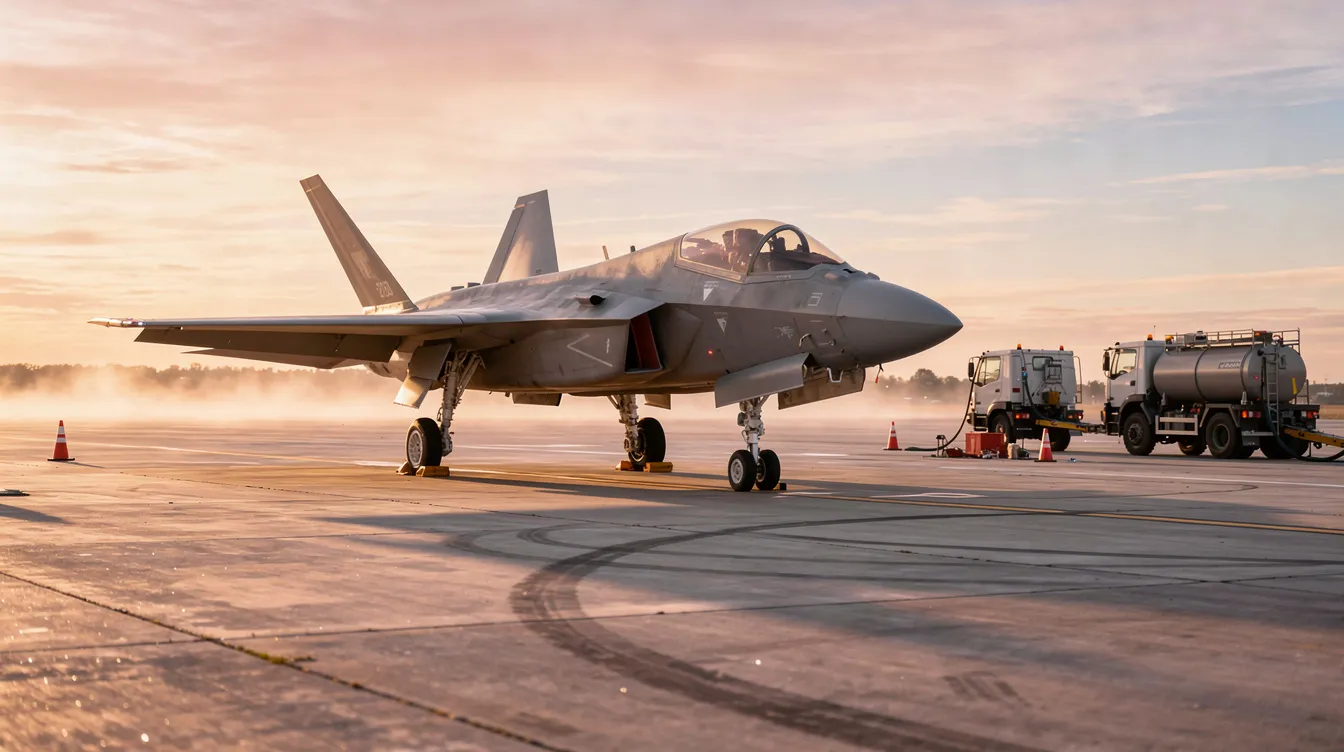
JP-4 fuel, once a staple in military aviation, has been phased out due to safety concerns related to its high volatility and health risks. This article explores its properties, military use, and the implications for modern private aviation travelers, who now benefit from safer fuel alternatives like Jet A and Jet A-1. Understanding these changes is crucial for both veterans and those considering private air travel.
Jay Franco Serevilla
Jul 29, 2026
|
5
min read

View all
Air Force One, the iconic aircraft used by the U.S. president, is a modified Boeing 747-200B designed for security and functionality. With 4,000 square feet of space, it includes a presidential suite, a flying Oval Office, and advanced communication systems. This article explores its history, technical specifications, and how it compares to modern private aviation options.
Jay Franco Serevilla
Jul 29, 2026
|
5
min read
Explore our latest articles and updates.

5
min read
Boeing 737 Seat Capacity: How Many Passengers Can Each Variant Carry?
The Boeing 737 is the most-produced commercial jetliner, with a seating capacity ranging from 85 to 230 passengers depending on the variant and configuration. This guide explores the seating capacities of various 737 models, highlighting how cabin layouts and airline choices impact passenger comfort and efficiency. Understanding these factors is crucial for travelers and airline planners alike.
Read More
5
min read
Empty Leg Flights Phoenix: How to Save on Private Jets from the Valley
Empty leg flights from Phoenix provide an excellent opportunity for travelers to save significantly on private jet charters. These one-way repositioning flights often offer discounts of 25-75%, making them a cost-effective choice for both business and leisure travelers. With multiple airports and a variety of aircraft available, flexible travelers can take advantage of these deals for spontaneous trips.
Read MoreJoin our community and receive the latest blog updates directly in your inbox.
MEMBERSHIPS AND ASSOCIATIONS



Disclaimer: Jettly operates as a charter broker, offering access to a global digital jet charter marketplace. Jettly is not a direct air carrier and does not own or operate aircraft. All advertised flights are conducted by third-party air carriers that are fully licensed and hold the appropriate Part 135 or Part 121 certifications issued by the Federal Aviation Administration (FAA) or equivalent regulatory authorities under U.S. or foreign law. Jettly complies fully with the U.S. Department of Transportation's Part 295 and Part 298 Charter Broker regulations. Jettly does not carry additional liability insurance. Passengers are covered by aircraft operator insurance. TICO: 50023770


